
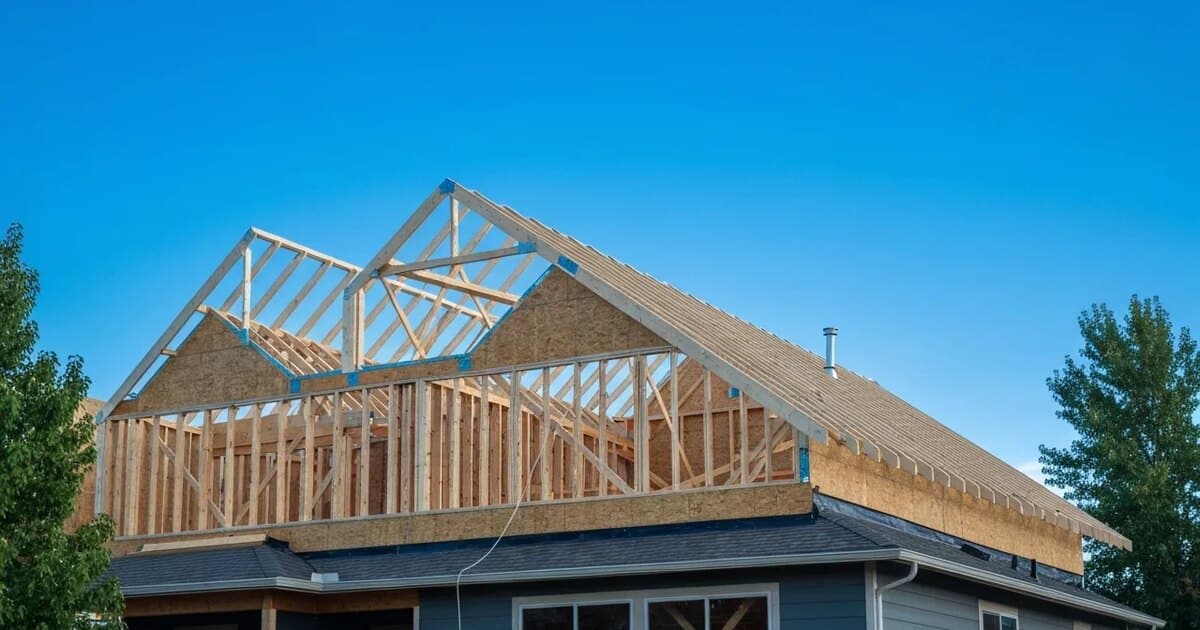
Home Additions in Boise, Idaho
Expand your living space without moving. Iron Crest Remodel designs and builds home additions in Boise — room additions, second stories, bump-outs, primary suites, and in-law suites, from foundation to finish.
Quick answer
Home additions in Boise typically cost $200–$350 per square foot for ground-floor additions and $250–$400+ per square foot for second-story additions. A 400 sq ft bedroom addition runs $80,000–$140,000. In-law suites with kitchen and bath range from $120,000–$200,000+.
- Single-room additions (bedrooms, family rooms, home offices)
- Second-story additions with structural engineering
- Bump-out extensions for kitchens and bathrooms
- In-law suites with private entry and bath
- Sunroom and four-season room construction
- Foundation work (stem wall, slab, pier systems)
- Roof integration and match to existing roofline
- HVAC extension and mini-split installation
- Electrical panel upgrades and circuit expansion
- Full interior finishing (drywall, trim, paint, flooring)
Timeline
3 – 8 months
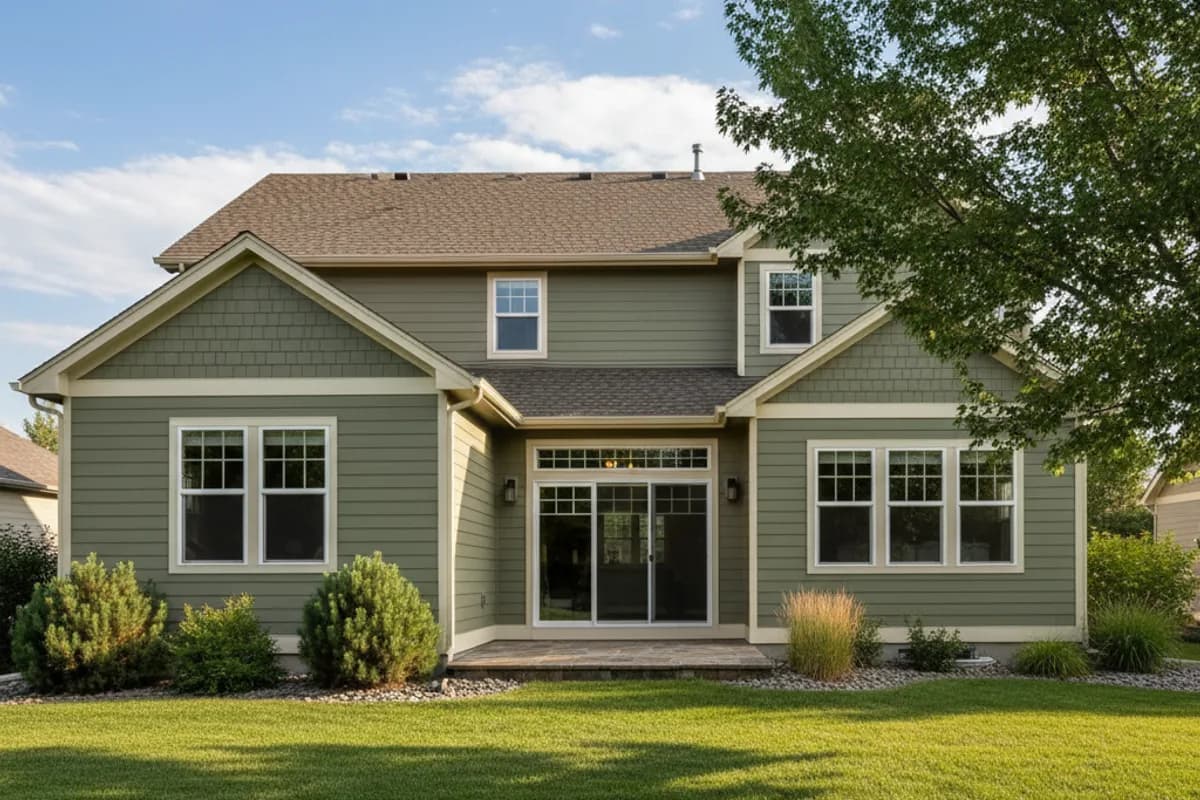
A real home additions project — see the finished result, the project details, and the full transformation story.
Feasibility & Design
We evaluate your lot, setbacks, soil conditions, and structural capacity. Architectural plans are drafted with your input on layout, finish level, and budget.
Engineering & Permitting
Structural engineering drawings are completed, and we submit for building permits through the City of Boise or Ada County. Typical permit review takes 4–8 weeks.
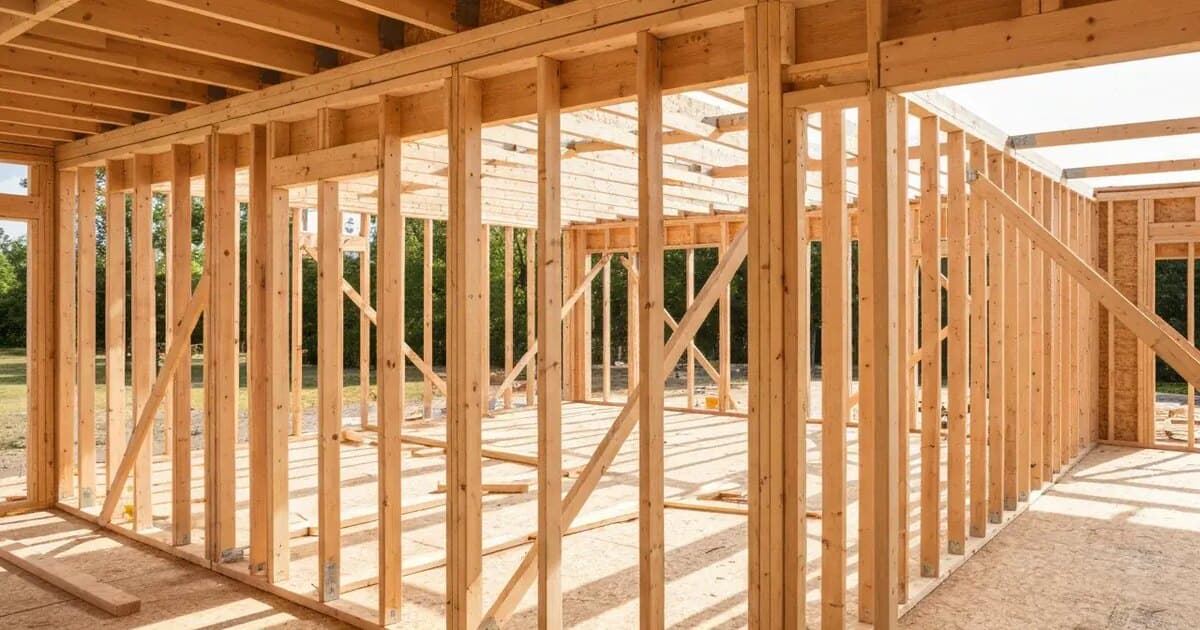
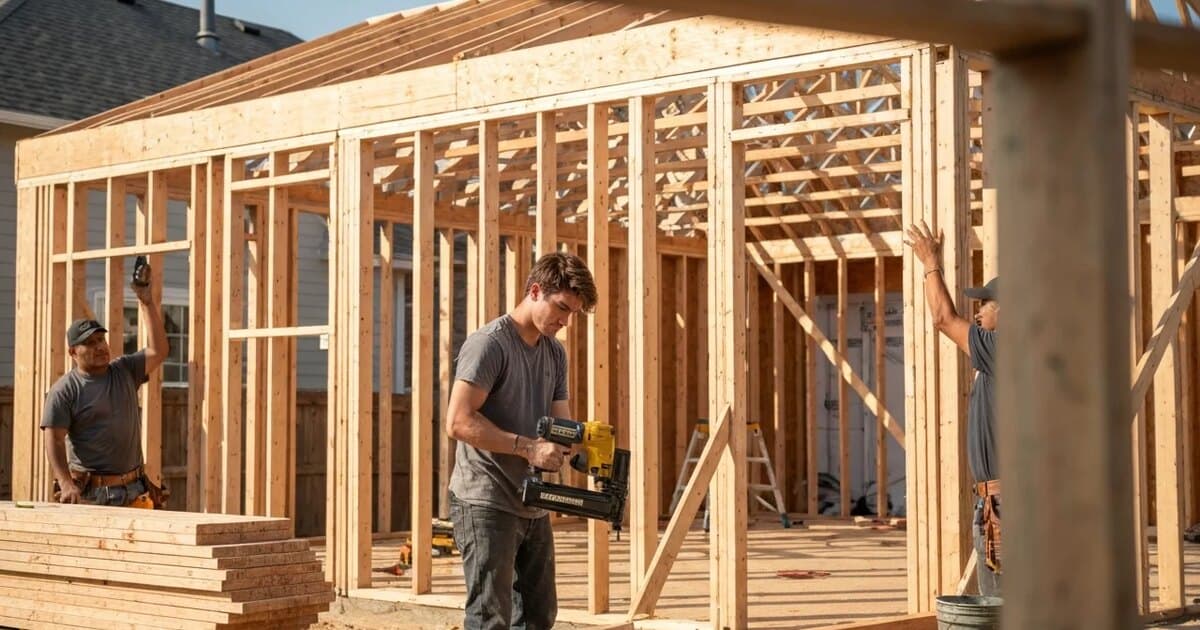
Foundation & Framing
Foundation is excavated and poured, framing ties the addition into your existing structure, and the roof is integrated with proper flashing and drainage.
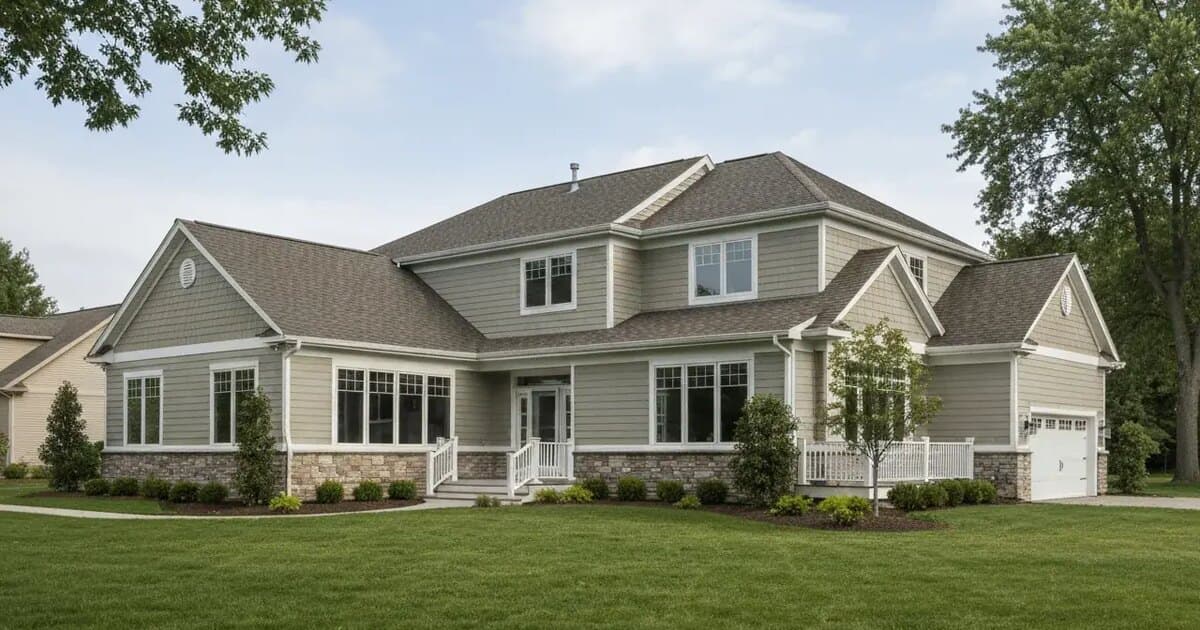
Mechanical, Finishes & Handoff
Plumbing, electrical, HVAC, insulation, drywall, flooring, trim, paint, and fixtures are completed. Final inspections are passed and the addition is ready for use.

See Your Remodel Before You Build.
Upload a few photos of your kitchen, bathroom, flooring, or exterior and get AI-generated concept visuals tailored to your space, style, and materials — free, no obligation, in about five minutes. Then request a real estimate from our Idaho registered Boise team.
Free concept preview · No credit card · Licensed Idaho contractor
How much does a home addition cost in Boise?
Home additions in Boise typically cost $200–$350 per square foot for ground-floor additions and $250–$400+ per square foot for second-story additions. A 400 sq ft bedroom addition runs $80,000–$140,000. In-law suites with kitchen and bath range from $120,000–$200,000+.
How long does it take to build a home addition?
Most home additions take 3–6 months from permit approval to completion. A simple bump-out can be done in 6–8 weeks. Second-story additions with structural work take 5–8 months. Permitting adds 4–8 weeks before construction begins.
Do I need a permit for a home addition in Boise?
Yes. All home additions in Boise require a building permit, structural engineering, and multiple inspections (foundation, framing, electrical, plumbing, insulation, final). Iron Crest Remodel handles the entire permitting process.
Can you add a second story to my existing home?
In many cases, yes. Second-story additions require structural analysis of the existing foundation and framing to confirm they can support the additional load. If the foundation needs reinforcement, we coordinate that work as part of the project. Most Boise homes built after 1970 have foundations that can support a second story with minor modifications.
Is it cheaper to add on or to move to a bigger house?
In Boise's current market, adding on is often more cost-effective. Selling and buying involves 6–10% in transaction costs plus moving expenses. A home addition lets you stay in your neighborhood, avoid bidding wars, and customize the space to your exact needs. We provide a cost comparison during the initial consultation.
Not every home additions project is the same. Cosmetic updates are minor refreshes — not full remodels. Full remodels start at the Standard tier and above. Here are the most common scope levels we handle in the Boise area, with typical investment ranges.
Bump-Out Extension
$30,000 – $80,000
Extend an existing room by 50–150 sq ft. Common for kitchens, bathrooms, and bedrooms that need more space without a full addition.
Single-Room Addition
$80,000 – $180,000
A new 200–500 sq ft room with foundation, framing, roofing, and full interior finishes. Bedrooms, family rooms, home offices.
Second-Story Addition
$150,000 – $350,000+
Add an entire floor above your existing home. Requires structural engineering, foundation analysis, and temporary roof removal.
In-Law Suite Addition
$120,000 – $250,000+
Self-contained living space with bedroom, bathroom, kitchenette, and private entry. Designed for multigenerational living.
Iron Crest coordinates trusted third-party financing for qualified homeowners — see financing options.
Remodeling in the Treasure Valley comes with local factors that affect scope, cost, and timeline. Here is what Boise-area homeowners should know.
Frost Line Depth
All foundations in the Boise area must extend 24 inches below grade to avoid frost heave. This affects footing cost, excavation time, and is verified by Ada County inspectors before framing.
Soil Conditions
Ada County soils range from sandy loam near the river to expansive clay in bench areas. Clay soils require engineered foundations with deeper footings or piers, adding $3,000–$8,000 to foundation costs.
Setback Requirements
Boise zoning codes require 5–20 ft setbacks from property lines depending on zone. Corner lots and narrow lots may have limited buildable area. We verify setbacks before design begins.
Permit Timeline
City of Boise plan review for additions typically takes 4–8 weeks. Ada County can take 6–10 weeks. We submit complete packages to avoid resubmission delays.
Choosing between home addition and adu (separate structure)? Here is a side-by-side comparison to help you decide.
| Factor | Home Addition | ADU (Separate Structure) |
|---|---|---|
| Construction Cost | $200–$350/sq ft (shared walls) | $250–$400/sq ft (standalone) |
| Permitting | Building permit + engineering | Zoning review + building permit |
| Timeline | 3–6 months typical | 4–8 months typical |
| Rental Income | Not independently rentable | Can generate rental income |
| Resale Impact | Adds square footage to home | Adds separate structure value |
Plan your home additions project with our in-depth guides.
Explore our in-depth guides to understand home additions costs, timelines, and planning details for cities across the Treasure Valley.
See detailed home additions information specific to your city, including local permit requirements, housing stock insights, and neighborhood-level recommendations.

Talk to a real project manager
Have Questions? Call Now for a Free In-Home Consultation.
Mon–Fri 7 AM–6 PM · Idaho registered & insured · No obligation
Russ Shloma — Project Manager
Russ Shloma — Project Manager
Ready to Start Your Remodeling Project?
Get a free, no-obligation estimate from Boise's trusted remodeling experts. Licensed, insured, and ready to build.
From single-room expansions to full second stories, explore our detailed guides to the most popular home addition types for Boise homeowners.
Planning a home addition in Boise? Our guides cover zoning, permits, costs, ROI analysis, and head-to-head comparisons for every addition type.
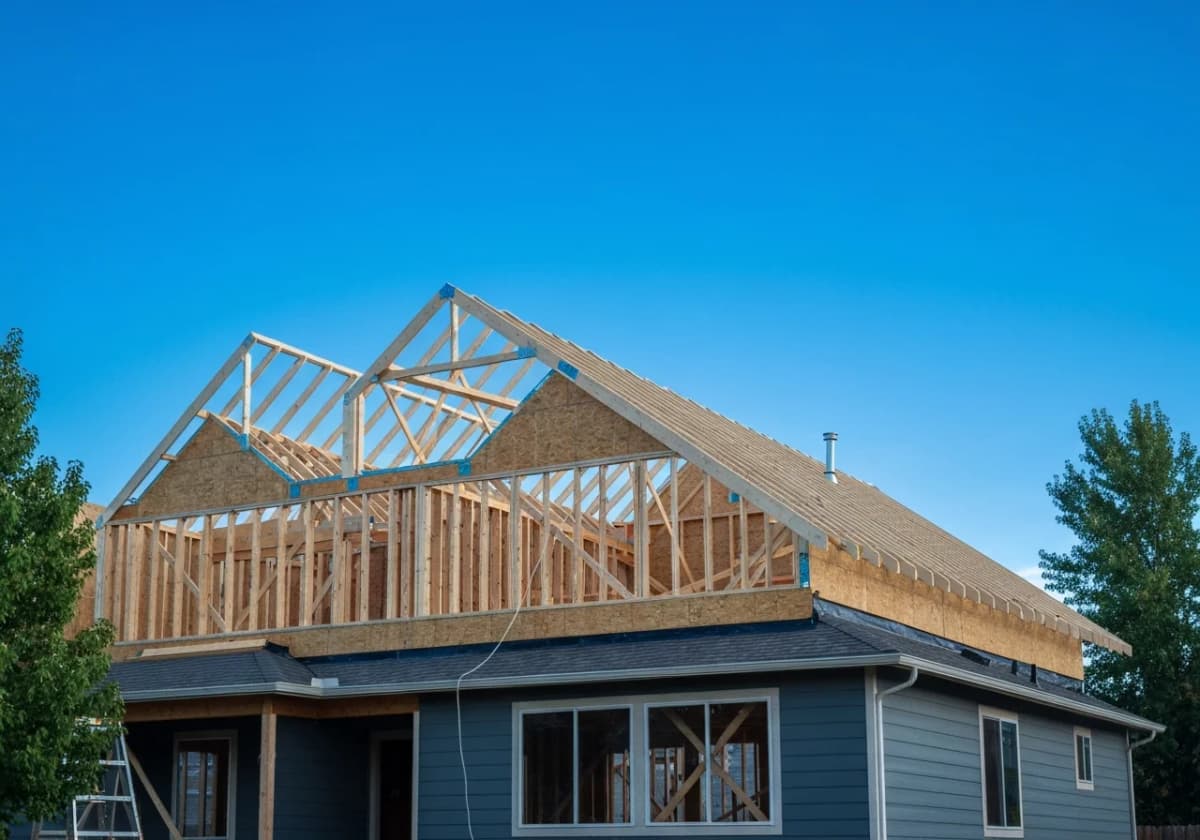
Every home addition project is different. The right approach depends on your property, your goals, and how the new space connects to your existing home. Here are the most common types of additions we design and build in the Boise area.
Single-Room Additions
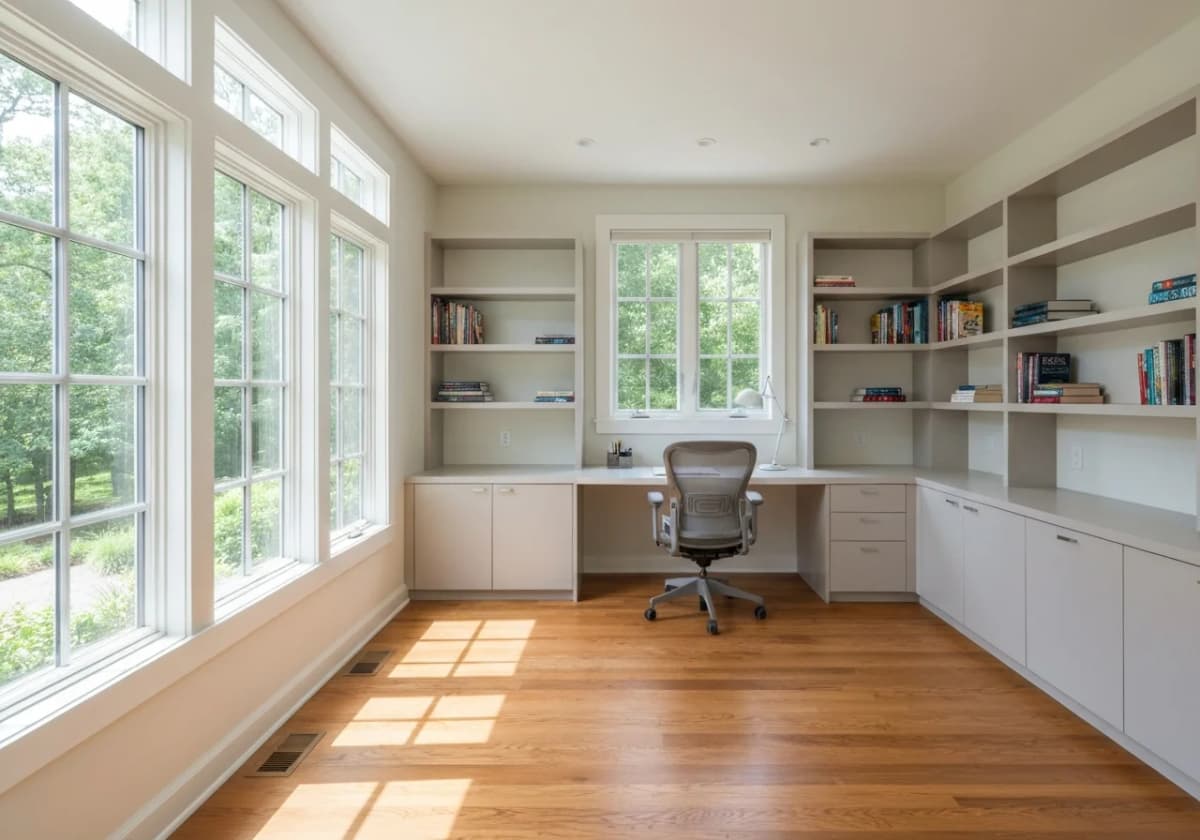
The most common addition we build is a single new room — bedroom, family room, home office, or sunroom — attached to the side or rear of the existing home. These additions typically range from 200 to 500 square feet and include their own foundation, framing, roofing, and full interior finishes. Our published Boise band for a full room addition is $95,000–$160,000 — roughly $240–$400 per square foot on a 400 sq ft room — depending on finish level, mechanical requirements, and foundation complexity.
Second-Story Additions
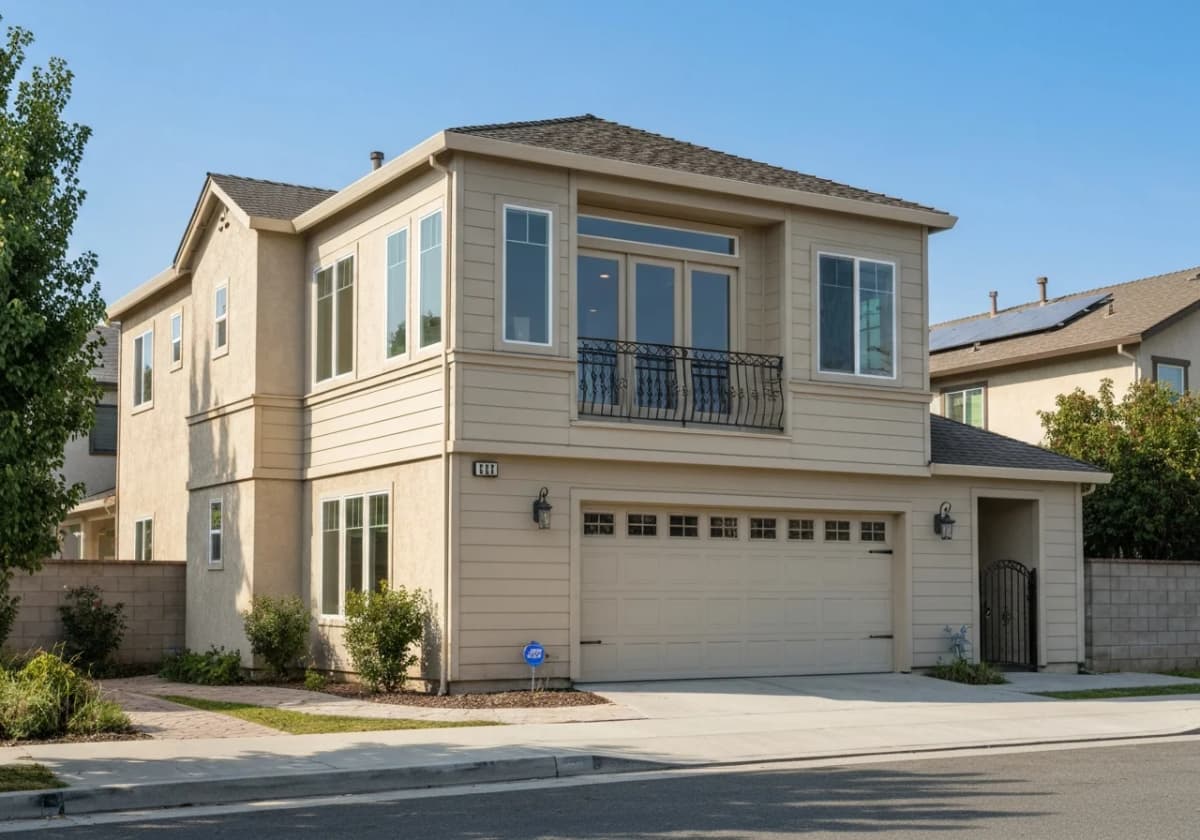
Second-story additions are the best option when your lot doesn't have room to expand outward. We add an entire floor above the existing home — typically 600–1,500 square feet — with bedrooms, bathrooms, and sometimes a laundry area. This requires structural engineering to confirm the existing foundation and first-floor framing can support the additional load. Whether an existing foundation can carry a second story is determined by a structural evaluation of that house, not by its age. The existing roof is removed, new floor framing is installed, and the second story is framed, sheathed, and finished. Our published Boise band for a second story is $180,000–$400,000+, covering engineering, temporary weatherproofing, and all mechanical work; where the existing structure needs reinforcement the project sits at the top of that band or past it.
Bump-Out Extensions
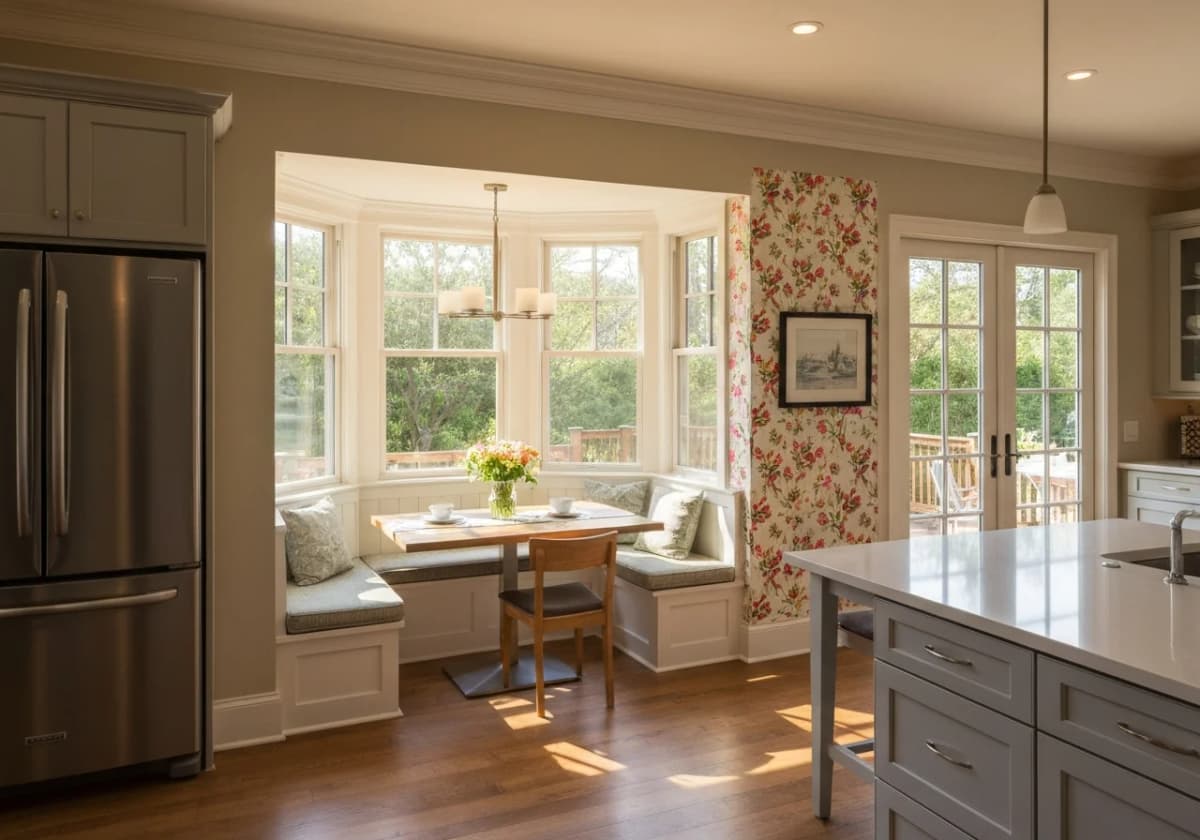
A bump-out extends an existing room by 2 to 10 feet, adding 50–150 square feet without requiring a full separate foundation in some cases (cantilevered bump-outs of 4 feet or less may not need footings, though this depends on local code interpretation). Bump-outs are the most cost-effective way to solve specific space problems — a kitchen that needs a dining area, a bathroom that needs a walk-in shower, or a bedroom that needs a closet. Our published Boise band for a bump-out is $60,000–$90,000, depending on whether the bump-out is cantilevered or requires its own footing, and what mechanical systems (plumbing, electrical, HVAC) must be extended.
In-Law Suites
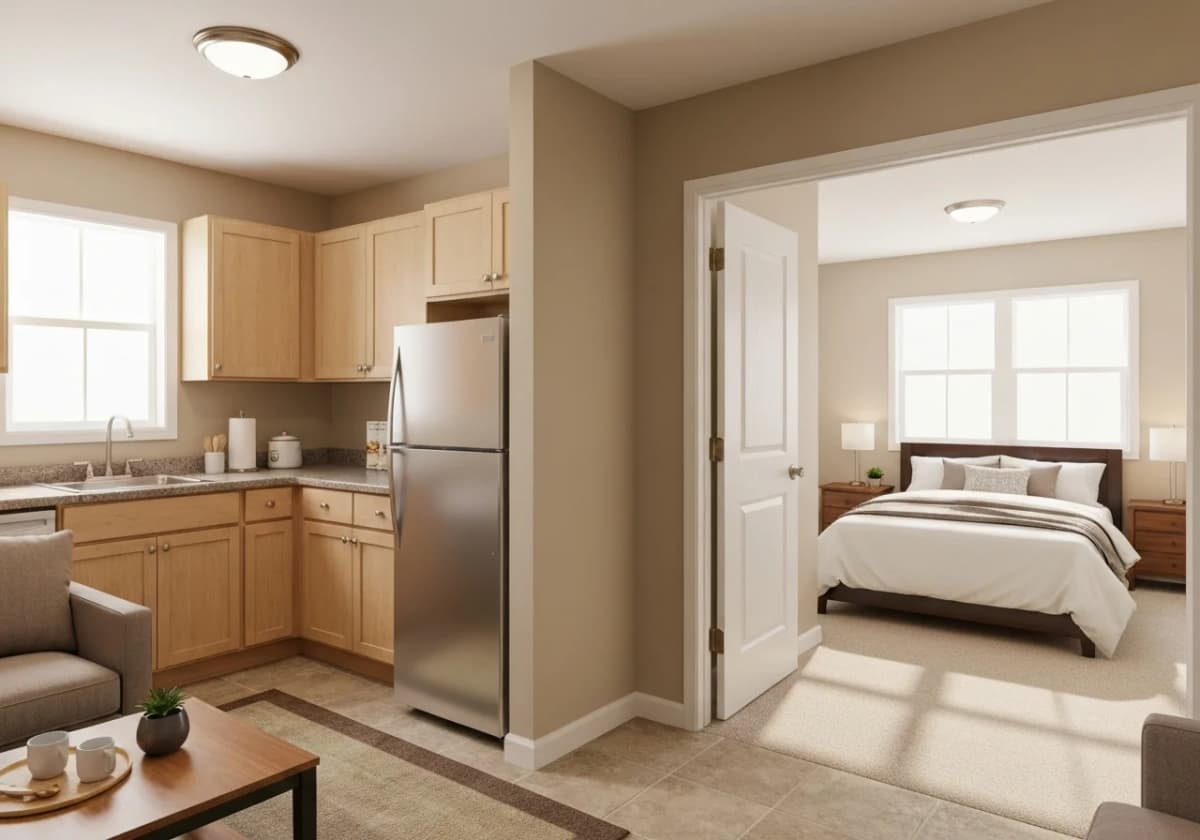
An in-law suite is a semi-independent living space within or attached to your home — typically a bedroom, bathroom, kitchenette, and sitting area with a private entrance. These additions serve multigenerational families, aging parents, or adult children. In-law suites run $120,000–$220,000 in the Boise area depending on size, finish level, and whether a full kitchen (vs. kitchenette) is included. Unlike an ADU, an in-law suite shares the primary home's address, utility meters, and property tax assessment, making it simpler from a zoning and permitting standpoint.
Sunrooms and Four-Season Rooms
Sunrooms add a light-filled living space with floor-to-ceiling windows or glass walls. Three-season sunrooms use single-pane glass and are comfortable spring through fall. Four-season sunrooms are fully insulated, heated, and cooled — usable year-round. In Boise, four-season rooms require insulated glass (double or triple-pane), dedicated HVAC (typically a mini-split), and full permitting as a conditioned living space — which is why a four-season room is priced as a full room addition ($95,000–$160,000 in our published Boise band). A three-season room carries no heating, cooling, or conditioned-space envelope requirements, so it costs less; we price it from the actual glazing, foundation, and roof scope rather than a published per-room figure.
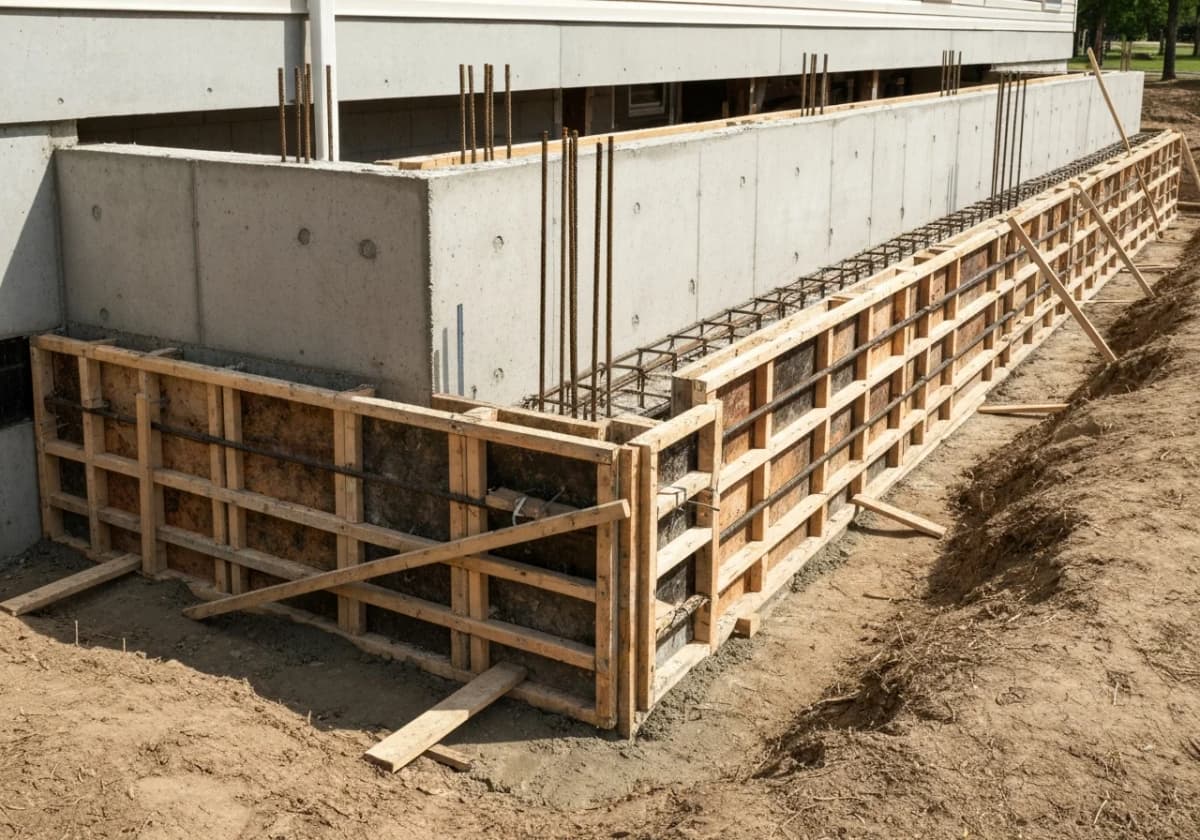
The foundation is the most critical element of any home addition. It must carry the new structure's load, connect properly to the existing foundation, and resist Boise's freeze-thaw cycles. Here is what goes into foundation engineering for Boise home additions.
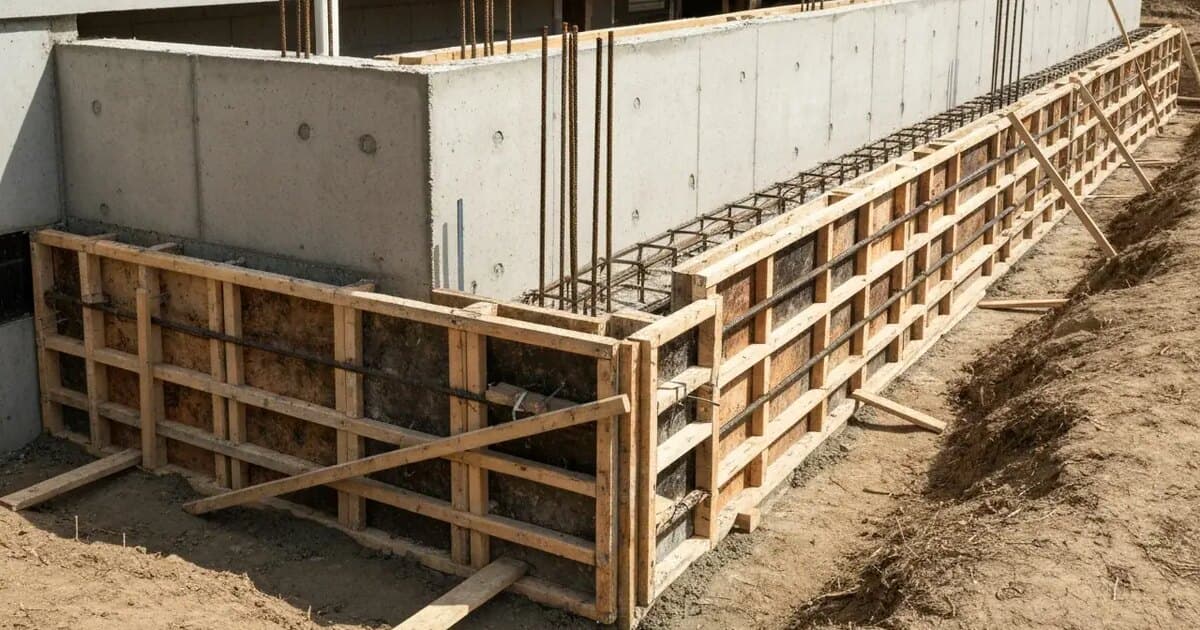
Foundation Types
Most Boise home additions use one of three foundation systems. Continuous stem wall is the most common — a poured concrete wall on a concrete footing carried below the 24-inch frost depth the City of Boise and Ada County require. It matches the foundation type found on most Boise homes with a crawl space. Slab-on-grade is used where a crawlspace isn't needed, pouring a reinforced concrete slab directly on compacted fill with underslab insulation and vapor barrier. Pier foundations use individual concrete columns drilled to depth, connected by a grade beam — useful on sloped lots or when minimizing excavation is preferred.
Connecting to the Existing Structure
The transition between the existing home and the new addition is where most building science problems occur. We drill and epoxy rebar dowels into the existing foundation to mechanically connect the new footing. Above grade, the new framing is attached to the existing wall framing with structural connectors. Differential settlement — where the new foundation settles at a different rate than the existing one — is managed through proper compaction, engineered footings, and in some cases, a designed slip joint that allows controlled movement without cracking.
Boise Soil Conditions
Ada County soils vary significantly by location, and the bearing capacity under your addition is established by testing rather than by neighborhood. Soils that swell when wet and shrink when dry put lateral pressure on a foundation, which is one reason the footing design follows the soils report. Foothill areas near Table Rock and the East End may encounter caliche (ceite) or basalt that requires specialized excavation. We recommend geotechnical testing for any addition over 300 sq ft to confirm soil bearing capacity and identify potential issues before construction.
Frost Line Requirements
All footings in the Boise area must extend at least 24 inches below finished grade to reach below the frost line. This requirement is non-negotiable — Ada County inspectors verify footing depth before any concrete is poured. Footings that are too shallow will heave during freeze-thaw cycles, cracking foundations and distorting the structure above. For elevated decks and porches attached to additions, the same 24-inch frost depth applies to all support posts and piers.
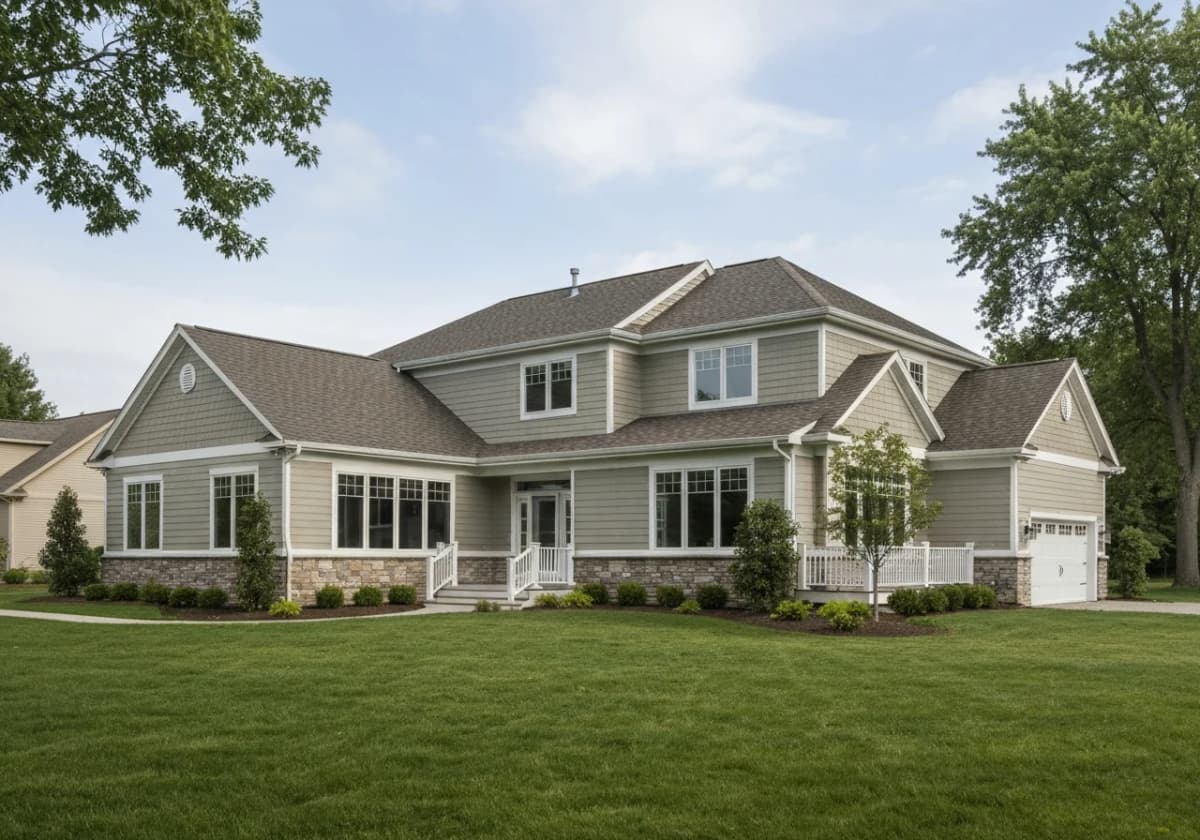
The roofline is the first thing people notice when evaluating whether an addition looks like it belongs. A poorly integrated roof screams “afterthought.” A well-integrated roof makes the addition look original to the home. Here is how we approach roof design for Boise home additions.
Matching Roof Pitch and Ridge Height
We match the new roof pitch to the existing home, measured on site rather than assumed — residential rooflines commonly run 4/12 to 6/12 (4 to 6 inches of rise per 12 inches of run), but split-levels and later infill vary. The new ridge line is designed to either align with the existing ridge or intersect it at a valley. We avoid creating flat areas where snow can accumulate — a common mistake in poorly designed additions in snow country.
Valley Flashing and Ice Protection
Where the new roof meets the existing roof, a valley is created. Valleys concentrate water and snow runoff, making them the highest-risk area for leaks. We install woven or closed-cut valley flashing with ice and water shield membrane extending 36 inches on each side. In Boise, ice dams are less common than in the northern Rockies, but can form during rapid temperature swings in January and February — proper valley protection prevents damage during these events.
Shingle and Material Matching
If your existing roof has years of life remaining, we source the closest matching shingle color and profile. Architectural (dimensional) shingles from Owens Corning, CertainTeed, and GAF are widely available in Boise and match well. If your roof is nearing replacement age, we may recommend having a roofing contractor re-roof the entire home at the same time so the color matches and the roofing warranty is unified — Iron Crest does not offer roofing, but we sequence the addition around your roofer, which is usually more cost-effective than matching old shingles now and re-roofing separately later.
Heating and cooling a home addition in Boise requires careful planning. The existing HVAC system may or may not have capacity to serve the new space. Here are the mechanical considerations we evaluate for every addition project.
Extending Existing Ductwork vs. Mini-Split
If your existing furnace and AC have sufficient capacity (typically if the addition is under 300 sq ft and the system was slightly oversized for the original home), extending ductwork is the simplest approach — $2,000–$5,000 for new trunk lines and registers. For larger additions or when the existing system is already at capacity, a ductless mini-split heat pump is the preferred solution. Mini-splits provide independent heating and cooling with high efficiency (18–22 SEER), cost $3,500–$6,000 installed, and don't require ductwork. In Boise's climate, cold-climate mini-splits (Mitsubishi Hyper-Heat, Fujitsu XLTH) hold usable heating capacity well below freezing — we size from the manufacturer's rated capacity at the local design temperature rather than a nameplate figure.
Electrical Panel Capacity
Home additions add electrical load — lighting, outlets, HVAC equipment, and potentially appliances (for in-law suites or kitchenettes). Many Boise homes built before 1990 have 100-amp or 150-amp panels that may not have sufficient spare capacity for an addition. We assess panel capacity early in the design phase. If an upgrade is needed, a 200-amp panel replacement runs $2,000–$4,000 and must be completed before the addition's electrical rough-in. Idaho Power coordinates the service upgrade and new meter installation.
Plumbing for Addition Bathrooms and Kitchenettes
If the addition includes a bathroom or kitchenette, plumbing lines must be extended from the existing system. The main considerations are: distance from the existing main drain (longer runs may require a sewage ejector pump if below the main line), water supply line sizing (older 1/2-inch lines may need to be upsized to 3/4-inch to maintain pressure), and water heater capacity. For in-law suites with full kitchens and bathrooms, a dedicated tankless water heater ($1,500–$3,000 installed) may be more practical than oversizing the existing tank.
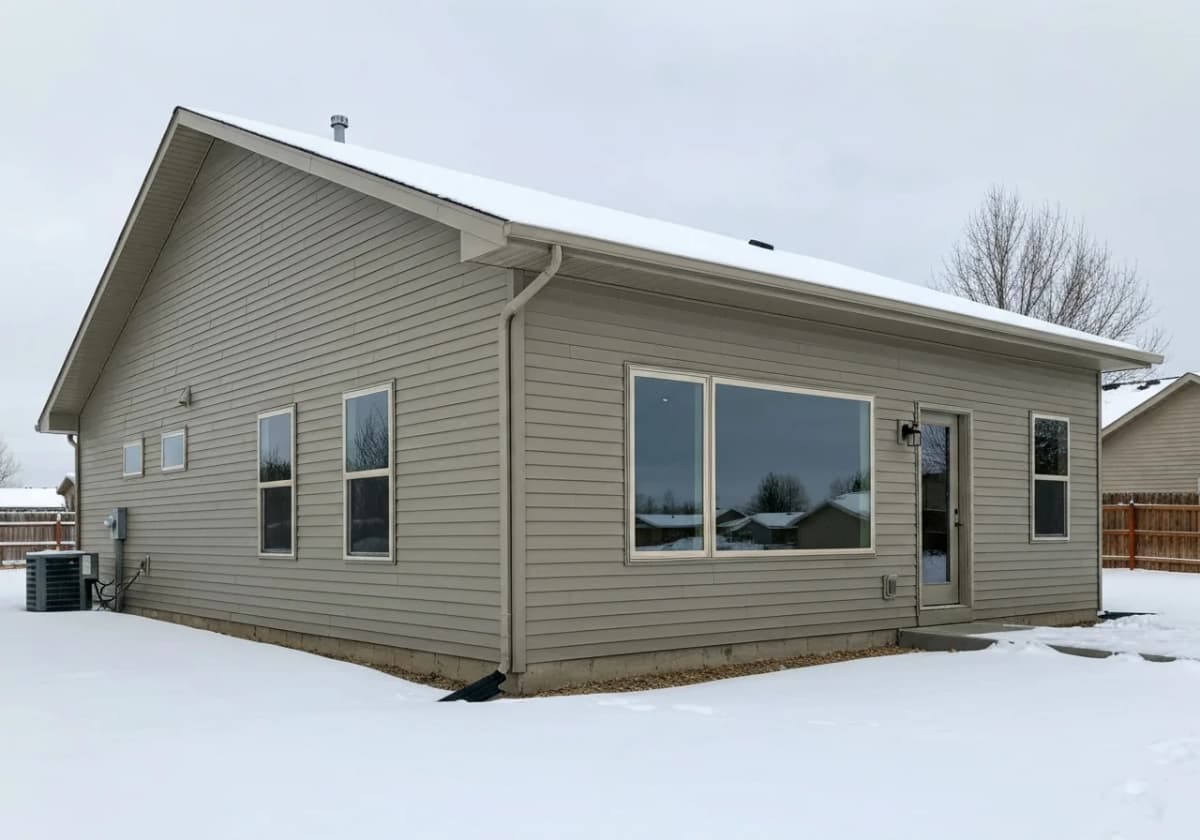
Neighborhood and HOA Restrictions
Some Boise neighborhoods have CC&Rs (Covenants, Conditions, and Restrictions) that limit addition size, placement, height, or exterior materials. Historic districts like Harrison Boulevard and the North End have design review requirements through the Boise Historic Preservation Commission. We research all applicable restrictions during the feasibility phase — before design begins — to avoid costly redesigns.
Winter Construction Challenges
Boise winters are cold (average lows in the mid-20s, with occasional single-digit temperatures) but less severe than northern Idaho or Montana. Foundation work can proceed through winter with heated enclosures and concrete blankets — concrete must be kept above 50°F for proper curing. Framing proceeds normally in cold weather. We schedule foundation pours for weather windows and build in buffer days for extreme cold snaps. Starting an addition project in late spring or summer provides the most favorable weather for foundation and framing phases.
Boise Home Eras and Addition Compatibility
Boise's housing stock ranges from 1900s North End bungalows to 2020s subdivision homes, and each era presents different addition challenges. Pre-1950 homes often have stone or block foundations that require different connection methods. 1950s–1970s ranch homes are the most straightforward for additions — simple floor plans, accessible crawlspaces, and standard framing. 1980s–1990s split-levels and two-stories require careful roof integration due to complex rooflines. 2000s+ homes often have open floor plans that make interior connections easier but may have HOA restrictions on exterior changes.
Energy Code Requirements
Idaho adopted the 2018 International Energy Conservation Code (IECC) with amendments. Home additions in Boise must meet current energy code even when attached to older homes that don't meet these standards. This means R-49 ceiling insulation, R-20 wall insulation, and U-0.30 windows at minimum. We build to code or better — a well-insulated addition is cheaper to heat and cool than the older house it attaches to, and the envelope is the one part of the project nobody can upgrade later without opening walls.
Home addition costs in Boise depend on the type of addition, foundation requirements, finish level, and mechanical complexity. Here is a detailed breakdown by component. The percentages are each line's share of the project; the dollar figures show what those shares look like across a full-room addition or second story ($95,000–$400,000). On a smaller bump-out, every line scales down with the project.
| Component | % of Total | Typical Cost Range |
|---|---|---|
| Foundation & Excavation | 12–18% | $15,000–$50,000 |
| Framing & Structural | 15–20% | $20,000–$60,000 |
| Roofing & Exterior | 10–15% | $12,000–$40,000 |
| Electrical | 8–12% | $8,000–$25,000 |
| Plumbing (if applicable) | 5–10% | $5,000–$20,000 |
| HVAC | 5–10% | $3,500–$15,000 |
| Insulation & Drywall | 8–10% | $8,000–$20,000 |
| Interior Finishes | 15–20% | $15,000–$45,000 |
| Permits & Engineering | 3–5% | $3,000–$10,000 |
| Design & Architecture | 5–8% | $5,000–$15,000 |
A real example: our 400 sq ft master suite addition in Eagle ran $80,000–$100,000 over 12 weeks, with a 200 sq ft bedroom, a 120 sq ft bathroom, and an 80 sq ft walk-in closet. That is the recorded budget range for that one project on that Eagle lot — not a Boise market average, and not a figure to plan your own project against.
We recommend budgeting a 10–15% contingency for home additions. Foundation excavation commonly reveals unexpected soil conditions, and connecting to existing framing can uncover deteriorated materials that must be replaced. A transparent change order process ensures you are never surprised by additional costs.
All home additions in Boise require building permits, and the permitting process involves multiple steps and inspections. Here is the process and what to expect.
Required Permits
- Building permit (structural, framing, insulation) — filed with City of Boise or Ada County depending on jurisdiction
- Electrical permit — separate permit for all new circuits, panel work, and fixtures
- Plumbing permit — required if the addition includes a bathroom, kitchen, or any water/drain connections
- Mechanical permit — required for new HVAC equipment, ductwork, or gas line work
- Grading permit — may be required if excavation affects drainage patterns on your lot or neighboring properties
Inspection Sequence
- 1
Footing inspection — before concrete is poured, inspector verifies depth (below the 24" frost depth), rebar placement, and soil bearing
- 2
Foundation inspection — after stem walls are poured, before backfill
- 3
Framing inspection — after walls, roof, and sheathing are complete but before insulation
- 4
Rough mechanical — electrical, plumbing, and HVAC roughed in but not covered
- 5
Insulation inspection — R-values verified before drywall installation
- 6
Final inspection — all work complete, systems operational, ready for occupancy
Setback and Lot Coverage Rules
Boise zoning code limits how close an addition can be built to property lines. Setbacks vary by zone: R-1C and R-2 require 5 feet at the interior side and 15 feet at the rear, while R-1A and R-1B require 10 feet and 20 feet; front setbacks are 15 feet in the R-1 districts and 10 feet in R-2, with 20 feet for a front-entry garage. Boise’s residential districts do not set a maximum lot coverage percentage. Corner lots have additional setback requirements on the street-facing side. We verify all setbacks during the feasibility assessment before any design work begins.
When your home doesn't have enough space, you have two options: add on or sell and buy a larger home. Here is how the two paths compare on the factors you can control.
| Factor | Home Addition | Sell & Buy Larger |
|---|---|---|
| Transaction Costs | None | Agent commissions, closing costs, and moving expenses |
| Timeline | 3–8 months (design through completion) | 3–6 months (list, sell, find, close, move) |
| Customization | 100% — you design exactly what you need | Limited to available inventory |
| Disruption | Construction noise and activity (you stay home) | Full relocation (schools, commute, neighbors) |
| Cost for a full room addition | $95K–$160K (building costs only) | Agent commissions, closing costs, and moving expenses + the price difference |
| Property Tax Impact | Increase proportional to addition value | Reassessed at new purchase price (often higher) |
| Neighborhood | You stay where you are | New location, new community |
For many Boise families, adding on is the better financial decision — especially when you factor in the cost of selling (agent commissions, closing costs, staging, moving), the time and stress of house hunting in a competitive market, and the emotional value of staying in your current neighborhood and school district. We provide a detailed cost-benefit analysis during our initial consultation.
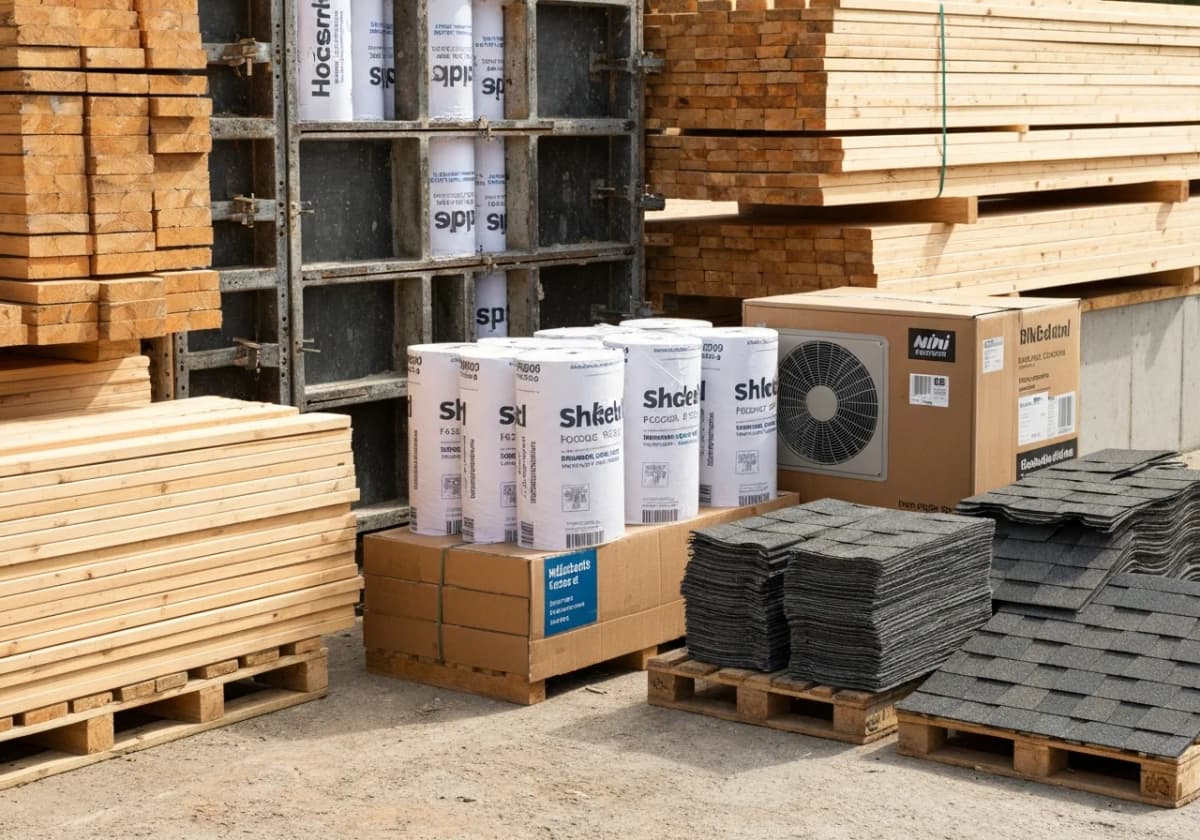
A home addition should feel like it was always part of the original home. This means matching exterior and interior finishes as closely as possible. Here is how we approach finish matching on Boise home additions.
Home additions involve hundreds of decisions across design, engineering, materials, and finishes. Here is the sequence in which key decisions need to be made to keep your project on schedule.
Pre-Design Decisions
- Addition type (room, second story, bump-out, in-law suite)
- Target square footage and room count
- Budget range and financing method
- Desired start date and completion target
- Geotechnical testing (recommended for additions >300 sq ft)
Design Phase Selections
- Floor plan layout and room dimensions
- Exterior material (siding type, color, trim style)
- Window style, size, and energy rating
- Roofing material and color match
- HVAC approach (duct extension vs. mini-split)
- Flooring material for new space
- Bathroom fixtures (if applicable)
- Electrical layout (outlet locations, lighting plan)
- Paint colors (interior and exterior)
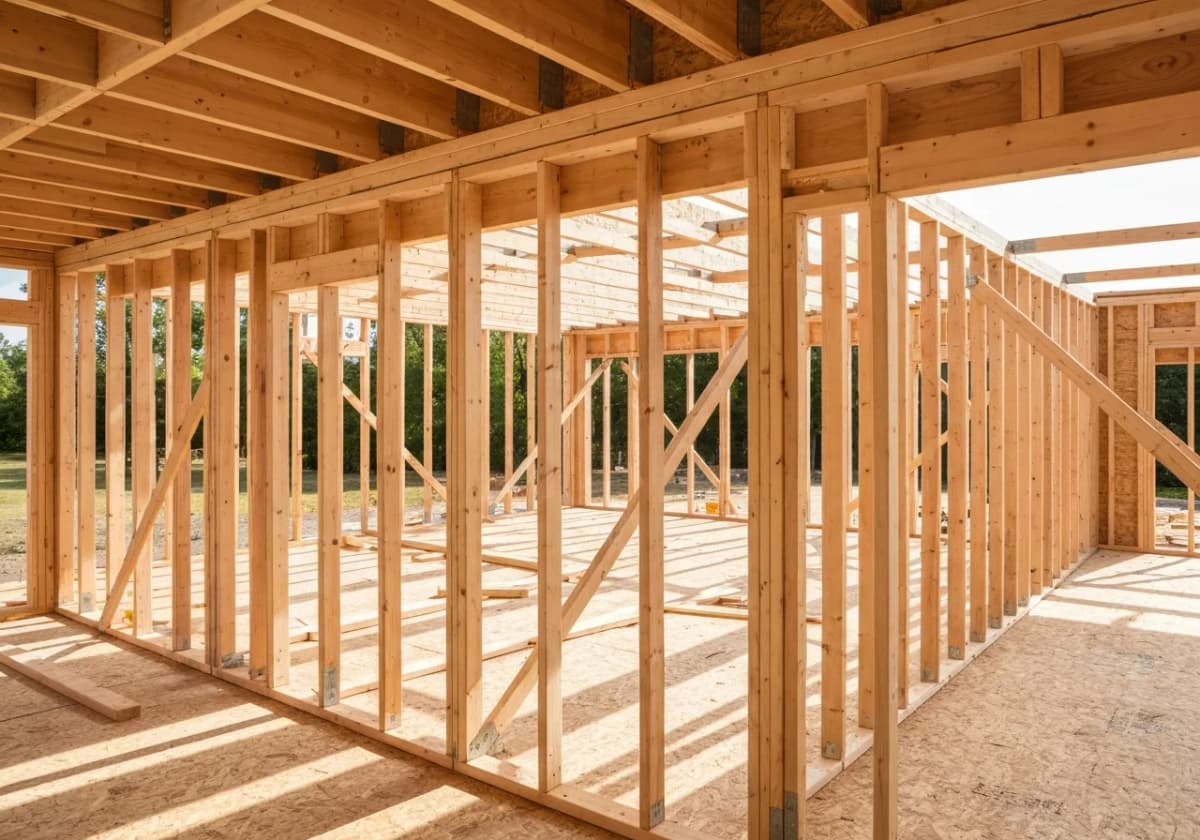
Home additions involve connecting new construction to an existing structure — and existing structures don't always match what we expect to find. Common discoveries include deteriorated sill plates, undersized or damaged floor joists, outdated wiring that must be brought up to code, and soil conditions that differ from initial assessments. Our change order process is fully transparent:
- 1
We stop work in the affected area and document the issue with photos, measurements, and a clear explanation.
- 2
We present the options — typically a recommended solution and one or two alternatives with different cost and timeline implications.
- 3
You receive a written change order detailing the additional cost, materials, and schedule impact before any work proceeds.
- 4
You approve the change order in writing. No verbal approvals, no surprise invoices.
- 5
The change is incorporated into the project record with full documentation for your files.
We recommend budgeting a 10–15% contingency for any home addition project. This ensures you have financial headroom for legitimate hidden conditions without derailing the project scope or schedule.
Explore our in-depth guides to plan your Boise home addition with confidence.
What is the difference between a bump-out and a full room addition?
A bump-out extends an existing room by 2–10 feet without adding a new foundation wall — it cantilevers or uses a shallow footing. It is the most cost-effective way to add 50–150 sq ft. A full room addition builds an entirely new room with its own foundation, walls, and roof tie-in. Bump-outs work well for enlarging a kitchen or bathroom. Full additions are necessary when you need a complete new room — bedroom, family room, or in-law suite.
How do you match the new addition to my existing home's exterior?
We source identical or closest-match siding, roofing, and trim materials. For older Boise homes where exact matches are discontinued, we work with specialty suppliers to find visually identical alternatives. Roofline integration is engineered so the ridge height, pitch, and flashing details create a seamless transition. Once painted or stained to match, a well-built addition should look like it was always part of the original home.
Will a home addition affect my property taxes?
Yes. Ada County reassesses property value when permitted improvements are completed, and the assessor sets a new value for the improved property. What that adds to your tax bill depends on the levy rates for your taxing districts that year, which Ada County publishes annually — check the current rate for your parcel rather than budgeting a rule of thumb. The increase takes effect in the tax year following completion.
Can I add a room over my garage?
In many cases, yes. Above-garage additions (sometimes called bonus rooms) are a popular way to add square footage without expanding the building footprint. The key requirement is confirming that the garage foundation and framing can support the additional load. Whether a particular garage can carry it is settled by a structural evaluation of that structure — footing width and depth, slab condition, and wall framing — not by the year it was built. We assess structural capacity during the feasibility phase.
The following government agencies, industry organizations, and official resources provide additional information relevant to your remodeling project.
Browse completed home additions projects from across the Treasure Valley. See real results, project details, and transformation stories.
We provide home additions to homeowners across the Treasure Valley and southwest Idaho. Each city has its own dedicated page with local permitting, climate, and project detail — and each county hub covers the surrounding communities we also serve.
Ready to Start Your Remodeling Project?
Get a free, no-obligation estimate from Boise's trusted remodeling experts. Licensed, insured, and ready to build.