

How to Live in Your Home During a Remodel
Practical strategies for surviving a renovation without moving out — from temporary kitchens to dust containment to keeping your sanity.
Quick answer
Yes, most homeowners stay during a kitchen remodel by setting up a temporary kitchen in another room. You need a microwave, mini-fridge, portable cooktop, and access to a utility sink or bathroom sink for washing dishes.
Explore our full Boise whole-home remodeling services
Living through a renovation is one of the most common concerns Boise homeowners raise during their initial consultation. The dust, the noise, the disrupted routines — it sounds overwhelming before the first wall comes down. But with the right preparation, most homeowners can stay in their homes for all but the most extensive gut renovations.
This guide covers everything you need to know about maintaining daily life during construction: when it makes sense to stay versus when you should leave, how to set up functional temporary spaces, how to protect your home from dust and debris, and how to keep the project running smoothly through clear communication with your contractor.
The decision to stay or go depends on three factors: the scope of work, how many functional rooms remain during each phase, and your personal tolerance for disruption.
You Can Usually Stay If:
- The remodel is limited to one or two rooms (kitchen, bathroom, or single bedroom)
- The project is phased so that at least one full bathroom remains functional at all times
- You have a separate area of the house — a bedroom, den, or finished basement — that can serve as a retreat from the construction zone
- The work does not require shutting off water or electricity to the entire house for extended periods
- You can set up a temporary kitchen in a garage, spare bedroom, or dining area
You Should Probably Move Out If:
- Every bathroom in the house is under construction at the same time
- The project involves a full gut renovation with no habitable rooms remaining
- Structural work (removing load-bearing walls, foundation repair) makes the home temporarily unsafe
- Major system replacements (full plumbing repipe, complete electrical rewire) require extended shutdowns
- Household members have severe respiratory conditions that make dust exposure a health risk
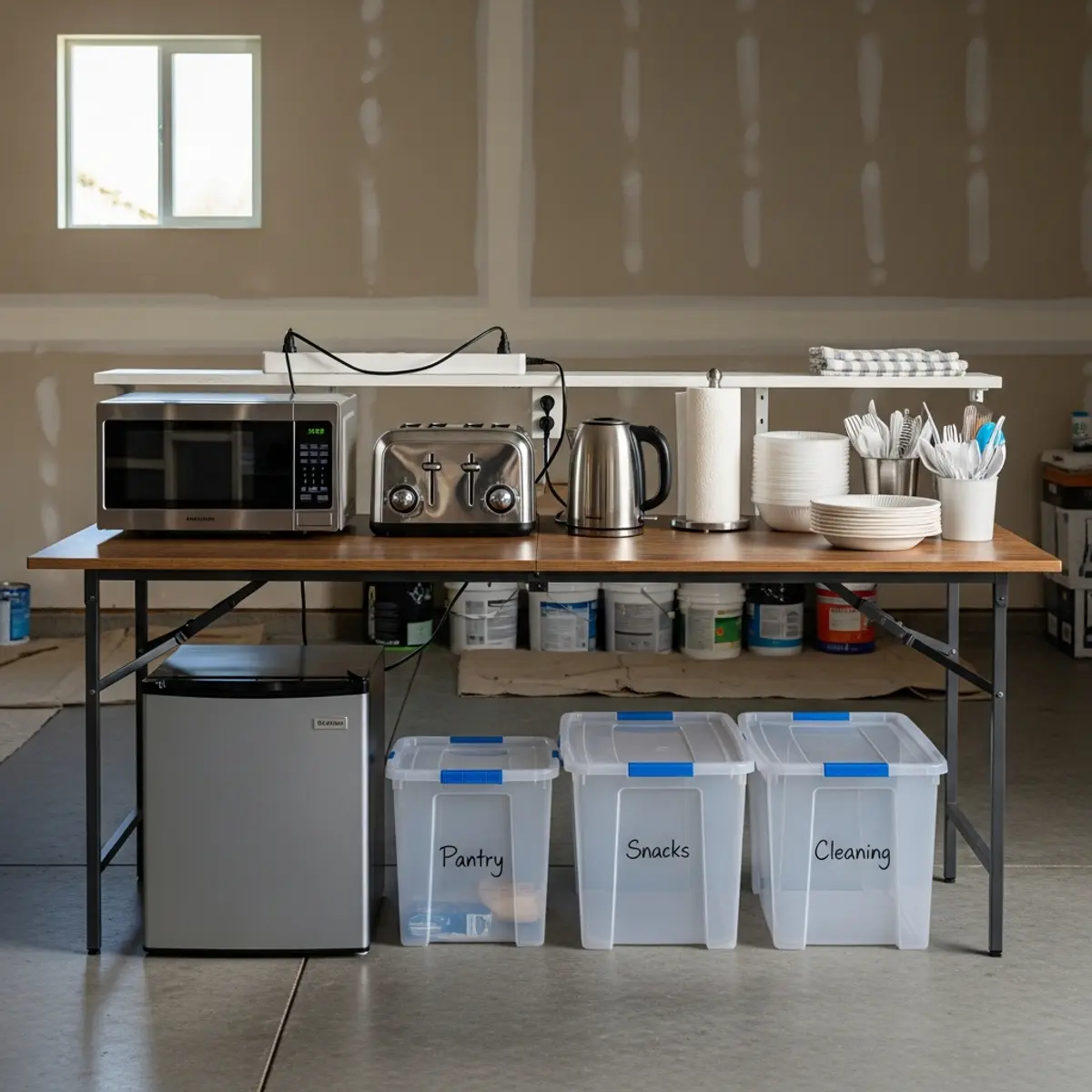
A kitchen remodel averages 1–2 weeks of on-site construction in Boise, and often 5–6 days. That is still long enough that eating every meal out gets expensive. A well-organized temporary kitchen makes staying home practical and keeps food costs under control.
Essential Equipment
- Microwave — your primary cooking appliance for reheating, defrosting, and simple meals
- Mini-fridge — a full-size unit from a garage or a rented apartment-size refrigerator is ideal
- Portable induction cooktop — safer than a hot plate, faster than a microwave, and can handle pans for real cooking
- Electric kettle — for coffee, tea, instant oatmeal, and boiling water for pasta
- Plastic bins for pantry storage — keep dry goods organized and dust-free
- Dish basin and drying rack — wash dishes in a bathroom sink or utility sink if the kitchen plumbing is disconnected
Best Locations for a Temp Kitchen
A dining room or spare bedroom works well because they have electrical outlets and are typically far enough from the work zone to stay clean. In Boise homes with attached garages, the garage is a popular choice — especially in summer when temperature is not an issue. Set up a folding table, plug in your appliances, and use a heavy-duty extension cord (12-gauge, grounded) if outlets are limited. Avoid placing your temporary kitchen directly adjacent to the construction zone where dust will compromise food safety.
Bathroom access is the single biggest factor in whether you can stay in your home during a remodel. If your home has two or more bathrooms and only one is being renovated, the solution is straightforward — use the other one. The challenge arises with single-bathroom homes or whole-home remodels that affect all bathrooms.
Strategies for Bathroom Access
- Phase the work so one bathroom remains functional: we often complete the secondary bath first, then move the homeowner into that bathroom while the primary bath is renovated
- Portable toilet rental: for single-bathroom homes, a temporary unit in the driveway costs $150–$250/month and eliminates the biggest livability concern
- Temporary shower solutions: a gym membership provides daily shower access during the 2–3 week window when your shower or tub is unavailable
- Coordinate water shutoffs: plumbing rough-in typically requires 1–2 days of water shutoff in the work zone only, not the whole house
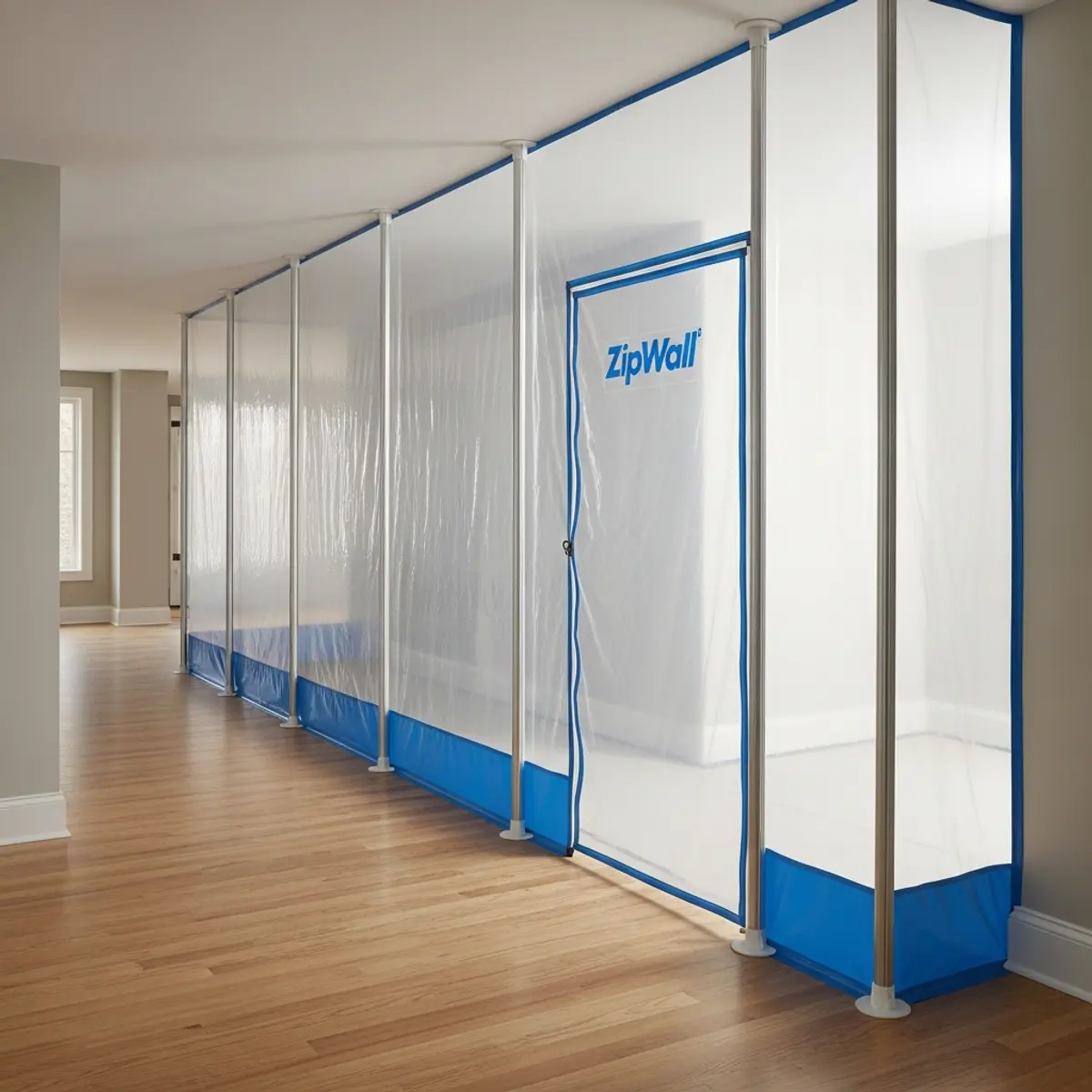
Dust is the number-one complaint from homeowners living through a remodel. Drywall dust, sawdust, and demolition particulate are incredibly fine and can travel through an entire house in hours if not contained. Professional containment makes the difference between a tolerable experience and a miserable one.
Professional Containment Methods
- Floor-to-ceiling plastic barriers (ZipWall poles with 6-mil poly sheeting) seal the work zone from living spaces
- Negative air pressure machines pull dusty air through HEPA filters and exhaust it outside, keeping dust from migrating
- HVAC vent covers in the construction zone prevent dust from entering your ductwork and spreading to every room
- Ram board or heavy-duty plastic sheeting on floors protects hardwood, tile, and carpet in adjacent rooms and hallways
- Zip-close doorway entries allow crew access without breaking the dust seal every time they enter and exit
Boise Winter Consideration
In warmer months, opening windows provides natural ventilation that helps clear airborne dust. During a Boise winter — when temperatures regularly drop below freezing from November through March — opening windows is not practical. This makes mechanical air scrubbers and proper HVAC isolation even more critical for winter renovation projects. We increase the number of air filtration units on winter projects to compensate for the lack of natural airflow.
Understanding the daily rhythm of a construction project helps you plan your own schedule and reduces the surprise factor that makes renovations feel chaotic.
Typical Boise Crew Hours
Most Boise remodeling crews arrive between 7:00 and 7:30 AM and work until 4:30 to 5:00 PM, Monday through Friday. The first 15–20 minutes involve setup — unloading materials, reviewing the day's plan, and setting up tools. The loudest work (demolition, cutting tile, running saws) is typically scheduled for mid-morning through early afternoon. The crew cleans the work zone and secures tools before leaving each day.
Noise and Parking
- Demolition days are the loudest — plan to be out of the house if possible during demo phases
- Tile cutting and trim saw work produce sustained high-pitched noise; noise-canceling headphones help
- Crew vehicles and material deliveries may take 2–3 driveway or street parking spots; alert your neighbors early
- Dumpster placement needs a flat, accessible location — usually the driveway; check with your HOA if applicable
An active construction zone contains real hazards: exposed nails, sharp edges, power tools, adhesives, and open stairways. Keeping children and pets safe requires physical barriers and daily routines, not just verbal reminders.
For Children
- Install locked barriers at every entry point to the construction zone — baby gates are not sufficient for older toddlers
- Establish a clear safe zone on the opposite side of the house with a direct path to an exterior exit
- Explain the construction schedule so kids know what to expect: when it will be loud, when it will be quiet
- Consider after-school activities or playdates during the noisiest phases to keep children comfortable
For Pets
- Dogs and cats are startled by power tools and loud banging — confine them to a quiet room with a closed door during work hours
- Exterior doors are opened frequently by crew members carrying materials; an escaped pet is a common and preventable risk
- Keep litter boxes, food bowls, and beds far from the construction zone to reduce dust exposure and stress
- For prolonged demolition phases, consider temporary pet boarding or doggy daycare to reduce animal anxiety
Poor communication is the top cause of homeowner frustration during a remodel — more than dust, noise, or cost overruns. Establishing clear communication protocols before the first day of construction prevents most problems.
Daily Updates
Ask for a brief daily check-in at a consistent time — early morning before the crew starts work is ideal. This is your opportunity to ask questions, raise concerns, and hear what is planned for the day. A 5–10 minute conversation each morning keeps you informed without slowing down the crew. Many contractors, including our team, also send a quick photo update at the end of each day showing what was completed.
Decision Cadence
- Make all major material selections (cabinets, countertops, tile, fixtures) before construction begins — late decisions cause delays
- Agree on a response window: 24–48 hours for non-urgent questions, same-day for decisions that affect the next morning's work
- Designate one household decision-maker to avoid conflicting instructions to the crew
- Keep a running list of questions rather than interrupting the crew throughout the day — bring them all to your morning check-in
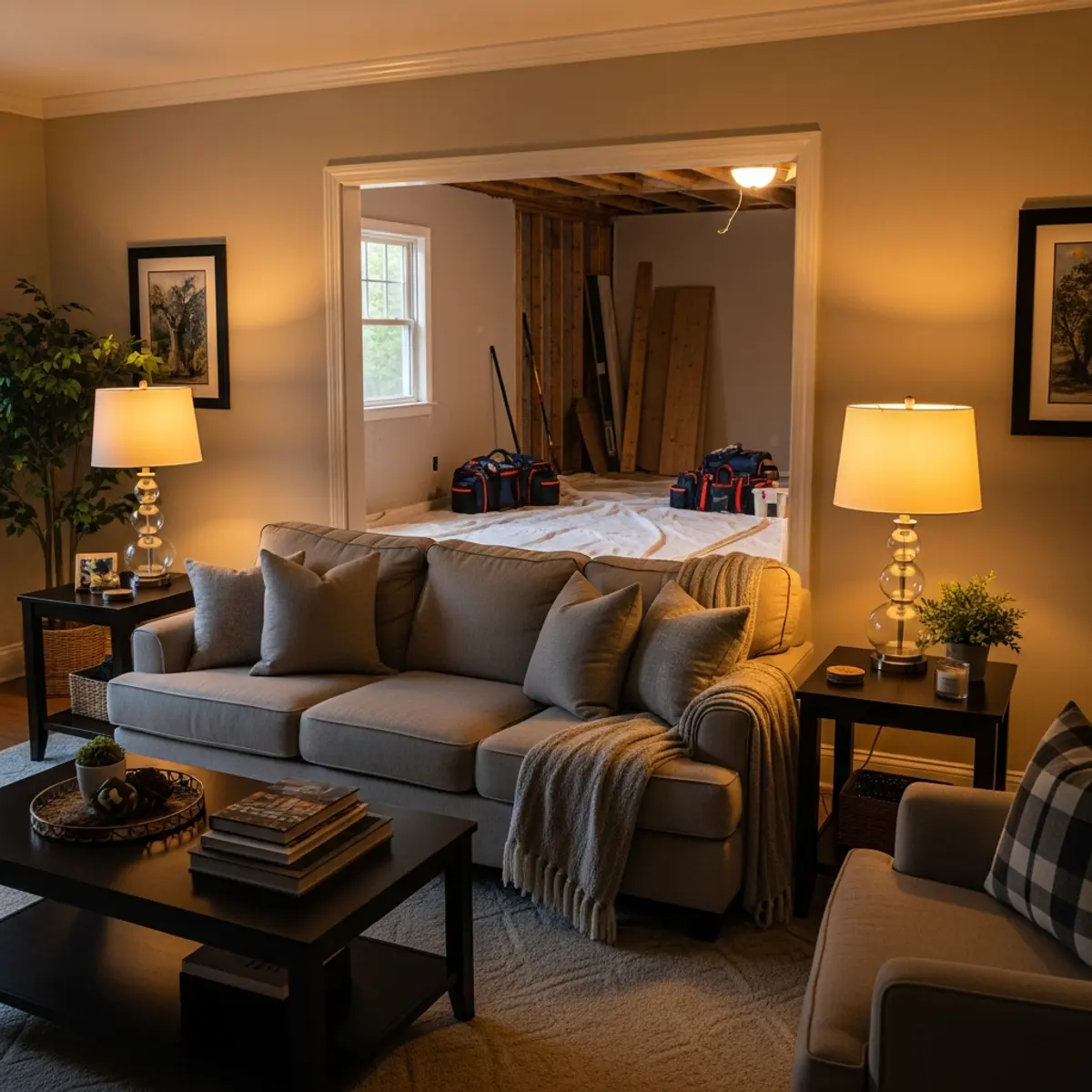
Even homeowners who plan meticulously find living through a renovation stressful. Your home is your sanctuary, and construction temporarily disrupts that sense of comfort and control. Acknowledging this upfront makes it easier to manage when frustration peaks around week three or four.
What to Expect Emotionally
- Weeks 1–2: excitement and optimism — the project is finally happening
- Weeks 3–4: the renovation slump — dust fatigue, decision fatigue, and the mess feels endless
- Weeks 5+: visible progress lifts morale as finishes go in and rooms start to take shape
- The demolition phase looks worse before it looks better — seeing your home torn apart is jarring even when it is planned
Coping Strategies
Plan regular escapes: a weekend getaway, dinner out, or even a few hours at a coffee shop during the noisiest work. Maintain one room as a clean, construction-free retreat — your bedroom, a guest room, or a finished basement — where you can decompress at the end of the day. And remember why you started: keep photos of your dream kitchen, bathroom, or living space visible to remind yourself what all of this disruption is building toward.
Planning your renovation in phases? Plan your remodel in phases to reduce daily disruption and spread the project across manageable stages. Phasing is the most effective way to stay in your home during an extensive renovation.
Winter Renovations
Boise winters bring freezing temperatures from November through March, which means you cannot rely on open windows for ventilation. Dust containment and air scrubbing become even more important. Heating costs may increase if exterior walls are opened during insulation or window replacement phases — discuss temporary heating strategies with your contractor before winter work begins. On the positive side, winter is often the best time to schedule a remodel in Boise because contractors have more availability and shorter lead times.
Using Your Garage as Temporary Living Space
Many Boise homeowners convert their attached garage into temporary living quarters during extensive remodels. An insulated garage with a portable space heater (or an existing HVAC connection) can function as a temporary kitchen, dining area, or even a bedroom. Clear the garage before construction starts, lay down clean flooring protection, and set up your temporary kitchen appliances on a sturdy table. This keeps daily living separate from the construction zone and works especially well for homes where interior rooms are limited.
Crew Hours and Neighbor Relations
Boise is a neighborhood-oriented city, and maintaining good relationships with adjacent homeowners during a remodel matters. Give your neighbors a heads-up before work begins: approximate timeline, expected parking impact, and the noisiest phases. Typical crew hours of 7:00 AM to 5:00 PM mean early morning starts — a brief conversation with neighbors goes a long way toward preventing complaints and keeping the project on track.
Every type of remodel creates a different kind of disruption. A kitchen remodel changes how you eat; a bathroom remodel changes your morning routine; a whole-home remodel changes everything. Here is what to expect — and how to cope — for each type of renovation project in Boise.
Kitchen Remodel Survival (1–2 Weeks On Site)
Losing your kitchen is the most impactful daily disruption because it affects every meal. The key is building a functional temporary kitchen before demolition day arrives.
- Set up your temporary kitchen at least two days before demo begins — you need a microwave, mini-fridge, portable induction cooktop, electric kettle, and a supply of paper plates, cups, and disposable utensils to reduce dishwashing
- Keep a dish basin near a bathroom or utility sink for the items you do wash; a drying rack on a folding table keeps things organized
- Boise summers (June through September) are ideal for outdoor grilling — move your cooking routine outside and use the grill as your primary cooking appliance
- Stock up on no-cook and low-prep meals: deli items, pre-made salads, rotisserie chickens, canned soups, and frozen meals that only need a microwave
- Budget $200–$400 per month extra for restaurant meals and takeout — even with a temporary kitchen, you will eat out more than usual
- Nearby Boise options for affordable meals include food trucks along 8th Street, the Boise Co-Op deli, and fast-casual restaurants in the downtown corridor
Bathroom Remodel Survival (3–6 Weeks)
If you have two or more bathrooms, a bathroom remodel is manageable — you simply use the other one. The real challenge is single-bathroom homes, which require creative alternatives for the 3–6 week project window.
- Gym membership for showers: several Boise-area gyms offer month-to-month memberships for $25–$50/month — Planet Fitness, Axiom Fitness, and the Boise YMCA all have clean shower facilities that work as a daily backup
- Portable toilet rental for single-bathroom homes: a clean, serviced portable unit in your driveway costs $150–$250/month and eliminates the biggest livability concern
- Schedule bathing times with your household — if the shower is available for only a few hours per day during phased plumbing work, create a written schedule so everyone knows their window
- Keep essential toiletries in a portable caddy that you can move between rooms; do not leave personal items in the construction zone where they will collect dust and debris
- Ask your contractor to phase plumbing disconnection — toilet removal and reconnection can sometimes be completed in a single day if planned in advance
Whole-Home Remodel Survival (8–16 Weeks)
A whole-home remodel is the most complex scenario for staying in place. The strategy that works: zone-based phasing, where the contractor works through one area of the house at a time while you live in the other.
- Zone-based phasing strategy: divide the home into two or three zones and have the crew complete one zone before moving to the next — this keeps at least half the house livable at all times
- Create a "clean zone" retreat in the area farthest from active construction — this is your sanctuary for sleeping, working from home, and decompressing at the end of each day
- Install ZipWall dust barrier systems between zones with self-closing zipper doors so crew members can pass through without breaking the seal
- Run a standalone HEPA air purifier in your clean zone 24 hours a day to maintain air quality, and change the filter every 2–3 weeks during active construction
- Plan for 8–16 weeks of disruption — whole-home remodels in Boise typically take 3–4 months depending on scope, permits, and material lead times
- Expect the highest dust, noise, and disruption during weeks 1–3 (demolition and rough-in phases); finish work in later weeks is quieter and cleaner
Exterior Remodel Survival (4–12 Weeks)
Exterior remodels — siding, window replacement, deck construction — are the easiest to live through because the interior remains mostly untouched. The disruptions are noise, parking, and landscape impact.
- Noise levels during siding tear-off and exterior demolition are intense — plan to be away from home during the loudest demo days if possible
- Crew vehicles, material pallets, and dumpsters will occupy your driveway and possibly street parking for the duration of the project — park your vehicles on the street or at a neighbor's house
- Landscaping around the work perimeter will likely be disrupted — move planters, potted plants, and garden furniture before construction begins and plan for lawn repair after the project
- Window replacement projects require brief interior access (15–30 minutes per window) — move furniture away from windows in advance so the crew can work efficiently
- Exterior projects in Boise are weather-dependent; summer and early fall provide the most reliable working days, while winter projects may experience delays from snow and frozen ground
Beyond the inconvenience of living through a remodel, there are real safety and security considerations. Dust affects air quality, open construction zones create hazards for children and pets, and having workers in your home every day raises questions about security. Here is how to address each concern.
Dust Control & Air Quality
Construction dust is more than a nuisance — drywall dust, wood dust, and demolition particulate can aggravate allergies, asthma, and other respiratory conditions. Professional dust control is not optional; it is essential for living safely in your home during renovation.
- ZipWall dust barrier systems create floor-to-ceiling containment walls using spring-loaded poles and 6-mil poly sheeting — they seal the construction zone without damaging your walls or ceilings
- Cover all HVAC vents in the construction zone with magnetic vent covers or tape and plastic to prevent dust from entering your ductwork and circulating through the entire house
- Change your HVAC air filters every 2–3 weeks during construction instead of the normal 60–90 day cycle — construction dust clogs filters much faster
- Run a portable HEPA air purifier in bedrooms and living areas outside the construction zone — units rated for 300+ square feet cost $100–$250 and make a measurable difference in air quality
- Daily cleanup expectations: Iron Crest crews sweep and vacuum the construction zone at the end of every work day, remove debris to the dumpster, and inspect dust barriers for seal integrity
- During Boise's cold months (November through March), when windows stay closed, we deploy additional air scrubber units because natural ventilation is not available to supplement mechanical filtration
Pet Safety During Remodeling
- Designate a secured pet area on the opposite side of the house from active construction — a bedroom with a closed and latched door works well for both dogs and cats
- Noise anxiety is common in pets during demolition and sawing — consider calming supplements, white noise machines, or temporary boarding during the loudest phases
- Escape prevention is critical: exterior doors are propped open frequently during construction for material deliveries, and pets can bolt through an open door before anyone reacts — keep pets confined during crew hours
- Move food bowls, water dishes, litter boxes, and pet beds far from the construction zone to minimize dust exposure and keep your pet's routine as normal as possible
- Inform everyone on the job that pets are in the home on day one — our team confirms pet locations during the morning check-in each day
Child Safety During Remodeling
- Physical barriers at every construction zone entry point are non-negotiable — locked doors or contractor-grade barriers that children cannot open or climb over
- All tools, adhesives, paints, solvents, and construction chemicals must be stored behind locked barriers or removed from the home at the end of each work day
- Establish clear boundaries with children about where they can and cannot go — walk the perimeter with them and explain why the construction zone is off-limits
- For families with toddlers or young children, schedule daycare, playdates, or after-school activities during the noisiest construction phases to keep kids comfortable and safe
- Ensure there is always a clear, unobstructed path from your child's bedroom to an exterior exit in case of emergency — construction materials should never block egress routes
Security & Contractor Access
- Establish a key management protocol before construction begins — provide a single key or lockbox code to the project lead rather than handing copies out to everyone working on the job
- Move valuables (jewelry, electronics, important documents, medications) to a locked room that is outside the construction zone and not accessible to crew members
- If you have a home security system, set up a temporary access code for the crew and change it when the project is complete
- Ask your contractor who will be on-site each day — reputable companies like Iron Crest provide a crew roster and notify you when specific trades (electricians, plumbers, tile installers) will be in your home
Noise Management
Construction noise is unavoidable, but understanding the schedule and intensity helps you plan around it. Boise city ordinance allows construction noise from 7:00 AM to 6:00 PM on weekdays and 9:00 AM to 6:00 PM on weekends. Iron Crest crews typically work 7:00 AM to 5:00 PM, Monday through Friday, and rarely schedule Saturday work unless a project is behind schedule and the homeowner has given permission.
- Demolition and rough framing are the loudest phases — sledgehammers, reciprocating saws, and debris removal create sustained high-volume noise for 1–3 days
- Tile cutting and trim work produce high-pitched saw noise that carries through walls — noise-canceling headphones or earbuds are a worthwhile investment
- Finish carpentry, painting, and hardware installation in later project phases are significantly quieter and allow normal conversation and work-from-home activities
- If you work from home, schedule your most important calls and meetings outside of the 8:00 AM to 3:00 PM window when power tools are most active
The stay-or-go decision is not black and white. It depends on a combination of project scope, family situation, timeline, and personal tolerance. Use this decision framework to evaluate your specific situation.
Factor 1: Project Scope
- Cosmetic updates (paint, flooring, fixtures, hardware) — stay home; disruption is minimal and work is usually completed room by room in 1–2 weeks
- Single-room remodel (one kitchen or one bathroom) — stay home with a temporary setup; this is the most common scenario and the one most homeowners handle successfully
- Multi-room remodel (kitchen + bathrooms, or entire floor) — stay if phased properly with at least one functioning bathroom; discuss phasing strategy with your contractor before signing the contract
- Full gut renovation (every room under construction simultaneously) — strongly consider moving out; there is no clean zone, no functioning kitchen, and often no functioning bathroom
- Structural work (removing load-bearing walls, foundation repair, major additions) — move out during the structural phase for safety; you may be able to return once framing and systems rough-in are complete
Factor 2: Family Situation
- Young children (under 5): construction zones are inherently dangerous for toddlers and small children — if barriers cannot fully secure the work area, temporary relocation is the safer choice
- Elderly or immunocompromised household members: dust and air quality are health concerns that may require moving out during demolition and sanding phases even with air scrubbers running
- Pets: most pets can stay with proper confinement, but anxious dogs and cats may need temporary boarding during the loudest demolition days
- Work-from-home professionals: if you rely on quiet for calls and concentration, plan to work from a co-working space or library during the noisiest phases (demo, tile cutting, framing)
- Number of functioning bathrooms: you need at least one working bathroom to stay — if all bathrooms are under construction simultaneously, moving out is the only practical option
Factor 3: Timeline
- Under 4 weeks: stay home — most homeowners can tolerate short-term disruption, and the setup cost of moving out is not justified for a brief project
- 4–8 weeks: it depends on scope and your tolerance — a 6-week kitchen remodel is manageable with a temporary kitchen, but a 6-week whole-home remodel may push your limits
- 8+ weeks: seriously consider moving out, especially if the project involves multiple rooms or phases that leave no clean retreat space in the home
- Factor in potential delays — Boise permit inspections, material backorders, and weather (for exterior work) can add 1–3 weeks to any project; build buffer time into your stay-or-go decision
Cost of Temporary Housing in Boise
If you decide to move out, here is what temporary housing costs in the Boise area as of 2025–2026:
- Short-term furnished rental (Airbnb, VRBO, or furnished apartment): $2,000–$4,000/month depending on size, location, and season — summer rates in Boise are higher due to tourism demand
- Extended-stay hotel (Residence Inn, Home2 Suites, WoodSpring Suites): $1,800–$3,000/month with weekly rates; these include a kitchenette, laundry, and basic amenities
- Staying with family or friends: free but comes with social considerations — set clear expectations about duration and contribute to household expenses
- Pet-friendly options cost $200–$500 more per month in pet deposits and cleaning fees; confirm pet policies before booking any temporary housing
- Add $100–$300/month for storage if you need to move furniture out of the construction zone and into a rented storage unit
How Iron Crest Structures Projects for Livability
We understand that most Boise homeowners prefer to stay in their homes during renovation. That is why we design phased construction schedules specifically to maximize livability. Our project managers map out zone transitions, bathroom availability windows, and utility shutoff schedules before construction begins — so you know exactly what to expect on every day of the project.
We also factor in what we call "construction fatigue" — the realistic expectation that dust, noise, and disruption wear on homeowners over time, even when the project is going well. By front-loading the most disruptive work (demolition, rough plumbing, rough electrical) and moving quickly through those phases, we minimize the hardest days and get to the quieter finish work as soon as possible. For projects expected to last longer than 8 weeks, we schedule a mid-project walkthrough where the homeowner can see progress, ask questions, and adjust the phasing plan if needed.
Can I stay in my home during a full kitchen remodel?
Yes, most homeowners stay during a kitchen remodel by setting up a temporary kitchen in another room. You need a microwave, mini-fridge, portable cooktop, and access to a utility sink or bathroom sink for washing dishes. We seal the kitchen work zone with plastic barriers and run air scrubbers to keep dust out of living spaces. A typical Boise kitchen remodel takes 1–2 weeks of on-site construction, and often 5–6 days, so the stretch without a functioning kitchen is short — Iron Crest does not start demolition until cabinets and appliances are en route.
How do I keep dust out of the rest of my house during a remodel?
Professional dust containment includes floor-to-ceiling plastic barriers (ZipWall systems), negative air pressure machines that pull dusty air through HEPA filters, and floor protection with ram board or heavy-duty plastic sheeting. We seal HVAC vents in the work zone to prevent dust from circulating through your ductwork. During Boise winters, when windows stay closed, air scrubbers are especially important because natural ventilation is not available.
What hours do remodeling crews typically work in Boise?
Most Boise remodeling crews work Monday through Friday, 7:00 AM to 5:00 PM. Specialty trades such as tile setters and electricians sometimes arrive earlier or stay later to finish a critical phase. Saturday work is rare and only happens with homeowner permission when a project falls behind schedule. Boise noise ordinances allow construction work from 7 AM to 9 PM on weekdays and 8 AM to 9 PM on weekends, but we keep standard hours to maintain good neighbor relations.
Is it safe for kids and pets to be home during a remodel?
It can be safe with proper precautions. The work zone must be physically sealed off — not just closed doors, but locked barriers that children and pets cannot open. Store all tools, adhesives, and construction chemicals behind locked barriers each evening. For homes with toddlers or curious pets, we recommend creating a safe zone on the opposite side of the house with a clear path to exterior exits. During demolition phases with heavy debris, consider temporary pet boarding or daycare for young children.
Should I move out during a whole-home remodel in Boise?
It depends on scope. For phased renovations that work through one zone at a time, most homeowners can stay if they have at least one functioning bathroom and a temporary kitchen setup. Full gut renovations — where every room is under construction simultaneously — typically require moving out for 2–4 months. We plan phasing specifically to maximize livability when staying in the home is the goal. For Boise winter projects, moving into your garage as a temporary living area is a viable option if it is insulated and heated.
How do I communicate effectively with my contractor during a remodel?
Establish a daily check-in routine at the same time each day — early morning before the crew starts is ideal. Agree on a communication method (text, email, or a shared project app) and a decision-response window (24–48 hours for material selections, same-day for urgent changes). Ask for a weekly progress update that covers completed work, upcoming tasks, and any decisions you need to make. Good communication prevents delays: a single unanswered question about tile layout or fixture placement can idle a crew for a full day.
The following government agencies, industry organizations, and official resources provide additional information relevant to your remodeling project.
Plan Your Renovation Around Your Life
Free estimates with livability planning for Boise, Meridian, Eagle, Nampa, and the Treasure Valley. We help you stay home while we work.