

Phasing a Whole-Home Remodel
Zone-by-zone planning strategies that control costs, preserve livability, and deliver a fully renovated home on your timeline.
Quick answer
A phased whole-home remodel in Boise typically spans 12 to 24 months from the first phase to final punch list, depending on the number of phases and the gap between them.
Back to Whole-Home Remodeling Services
A whole-home remodel doesn't have to happen all at once. Phasing breaks a large renovation into manageable stages, spreading costs over months or years while keeping your household functional. The approach requires more planning upfront but pays off in reduced financial pressure, better decision-making, and the ability to stay in your home during construction.
This guide covers zone-based phasing strategies we use for Boise and Treasure Valley homeowners — from selecting the right phase order to coordinating systems across phases so nothing gets done twice.
Not every homeowner has the budget, timeline, or tolerance for a full gut renovation running simultaneously in every room. Phasing solves three problems at once.
Budget Control
A whole-home remodel in Boise can range from $75,000 to $300,000+. Phasing lets you fund each stage independently — paying for Phase 1 from savings, financing Phase 2 through a HELOC, and waiting until the following year for Phase 3. You avoid carrying a large loan balance for the entire project duration, and you can adjust material selections between phases based on how your budget is tracking.
Livability
The biggest complaint homeowners have during a full renovation is the disruption. Phasing ensures you always have functioning spaces — a working bathroom, a temporary kitchen setup, a bedroom away from active construction. You never lose access to your entire home at once. For families with children, pets, or work-from-home schedules, this is often the deciding factor.
Decision Fatigue Management
A whole-home remodel requires a very large number of decisions: cabinet style, countertop material, tile patterns, fixture finishes, paint colors, flooring types, hardware, lighting, and layout choices in every room. Making all of these decisions within a compressed design phase leads to fatigue and regret. Phasing lets you focus on one zone at a time, see results before committing to the next zone, and refine your preferences as you go.
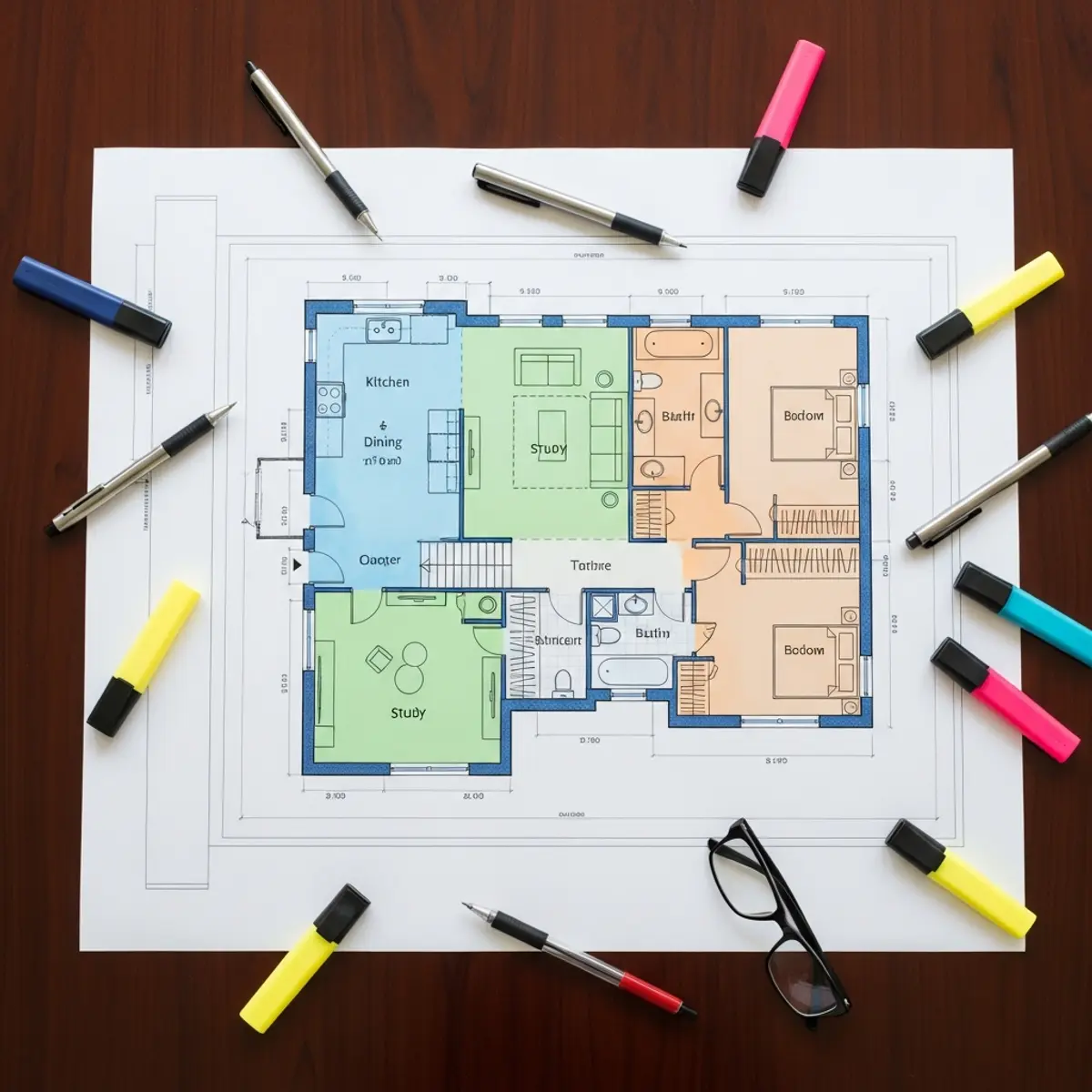
Rather than thinking room-by-room, we group renovation work into zones based on shared infrastructure, trade overlap, and daily-life impact. This minimizes redundant work and keeps trades efficient.
Wet Zones First — Kitchen and Bathrooms
Kitchens and bathrooms share plumbing infrastructure and require the most specialized trades (plumbers, tile setters, waterproofing). Completing wet zones first means plumbing rough-in happens once, water shutoffs are coordinated, and the most complex, highest-impact rooms are finished early. This zone is normally the largest single share of a whole-home budget, which is also why it is the phase most worth getting right.
Living Areas — Great Room, Dining, Hallways
The main living spaces share flooring runs, lighting circuits, and paint scope. Renovating them as a single zone allows continuous flooring installation without transitions, coordinated trim work, and efficient painting. This zone is less disruptive than wet zones because it rarely involves plumbing and the work moves faster.
Bedrooms, Closets, and Finishing
Bedrooms are the simplest zone — flooring, paint, lighting, closet systems, and trim. No plumbing, minimal electrical beyond adding outlets or switching to recessed lights. This zone finishes fastest, costs the least per square foot, and has the lowest disruption level. It is the ideal final phase.
Even in a phased renovation, certain building systems should be addressed as complete units. Splitting these across phases creates compatibility problems and usually costs more overall.
Electrical Panel Upgrade
If your home needs a panel upgrade (common in pre-1990 Boise homes with 100-amp panels), do it in Phase 1. The new 200-amp panel serves the entire house and accommodates future loads from kitchen appliances, EV chargers, and HVAC upgrades. Branch circuits can be updated room-by-room in later phases, but the panel itself should be a one-time investment ($2,500-$5,000).
Plumbing Main Line and Water Heater
Replace the main supply line, shut-off valves, and water heater as a single scope. Individual fixture connections (faucets, toilets, shower valves) can happen phase-by-phase, but the supply infrastructure needs to support the full house from day one. A tankless water heater upgrade or re-pipe from galvanized to PEX runs $4,000-$10,000.
HVAC System Replacement
If your furnace, air conditioner, or ductwork needs replacement, do it whole-house. A new system is sized for the entire home's heating and cooling load. Installing a partial system now and upgrading later means redundant equipment, mismatched efficiency ratings, and wasted labor. Full HVAC replacement in Boise runs $8,000-$18,000 depending on system type and ductwork condition.
Below are two common phasing models we use for Boise whole-home remodels. Cost ranges reflect mid-range materials and finishes for a typical 1,800-2,400 square foot home.
3-Phase Plan (9-14 Months)
Phase 1: Systems + Wet Zones
$40,000-$80,000
3-5 months
Electrical panel, plumbing main, HVAC (if needed), kitchen remodel, master bathroom remodel, secondary bath updates
Phase 2: Living Areas
$25,000-$60,000
2-4 months
Whole-home flooring, living room and dining room renovation, lighting upgrades, interior painting, trim and doors throughout
Phase 3: Bedrooms + Finish
$15,000-$40,000
2-3 months
Bedroom flooring and paint, closet systems, final hardware, window treatments, punch list and detail work
3-Phase Total: $80,000-$180,000
4-Phase Plan (12-20 Months)
Phase 1: Core Infrastructure
$20,000-$45,000
2-3 months
Electrical panel upgrade, plumbing repipe, HVAC replacement, insulation improvements, rough-in for future phases
Phase 2: Kitchen + Main Bath
$35,000-$75,000
3-5 months
Full kitchen renovation (cabinets, counters, appliances, lighting), master bathroom remodel, associated plumbing and electrical finish work
Phase 3: Living Spaces + Secondary Baths
$25,000-$55,000
2-4 months
Living areas, dining room, hallways, secondary bathrooms, whole-home flooring, interior painting
Phase 4: Bedrooms + Exterior
$20,000-$50,000
2-4 months
Bedroom renovations, closet systems, exterior paint or siding, entry hardware and lighting, landscaping touch-ups, final punch list
4-Phase Total: $100,000-$225,000
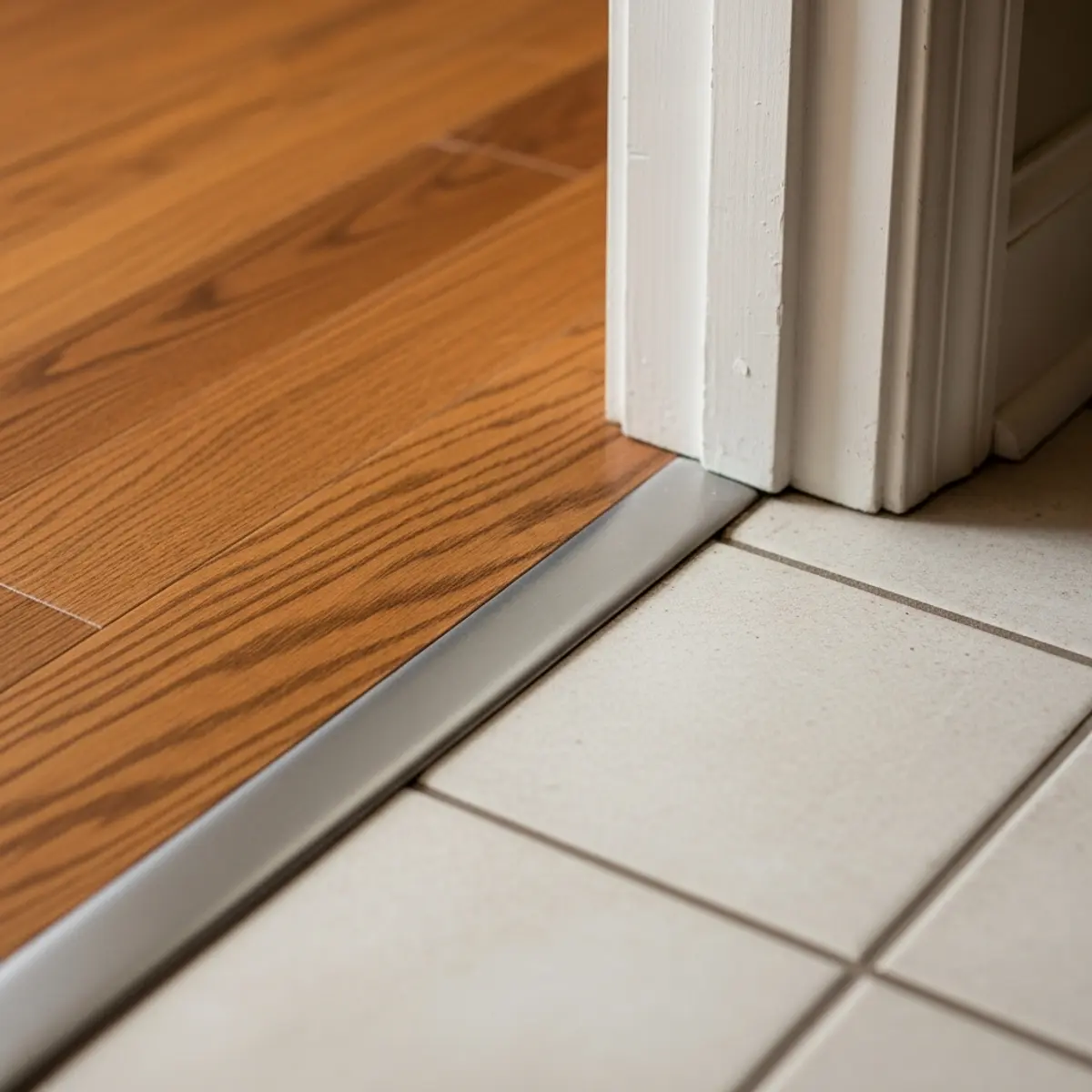
The biggest mistake in phased remodeling is treating each phase as an independent project. Smart phasing means rough-in work happens early — even for rooms that won't be finished until later phases. This prevents tearing open walls twice.
What to Rough-In During Phase 1
- Run electrical circuits to future recessed light locations in bedrooms and living areas, even if you won't install fixtures until Phase 2 or 3. The cost of pulling wire while walls are open is a fraction of cutting drywall later.
- Stub plumbing supply and drain lines for a future laundry relocation, wet bar, or bathroom addition. A $200 stub-out during rough-in saves $2,000+ in Phase 3.
- Install low-voltage wiring (ethernet, speaker pre-wire, security camera runs) throughout the house while drywall is down in any area. These cannot be added later without visible conduit or drywall patches.
- Size HVAC ductwork for the final floor plan, not the current one. If Phase 2 includes opening walls or changing room functions, the new duct runs need to be in place.
- Set flooring transitions and subfloor heights to accommodate the flooring type planned for adjacent rooms, even if that flooring won't be installed for months.
Phase Transition Checklist
- Complete all inspections for the current phase before starting the next
- Protect finished surfaces (flooring, countertops, fixtures) with ram board, plastic sheeting, and corner guards
- Document material selections (paint codes, tile lot numbers, grout colors) so Phase 2 and 3 finishes match seamlessly
- Review lessons learned from the completed phase and adjust the next phase's scope, budget, or material choices accordingly
- Confirm material lead times for the upcoming phase — order long-lead items 6-8 weeks before the phase start date
A partially renovated home can feel inconsistent — a brand-new kitchen next to dated bedrooms. This is normal and temporary, but there are strategies to maintain both property value and your own satisfaction during the process.
Choose a Cohesive Design Language Early
Before Phase 1 begins, establish the overall palette, material family, and style direction for the entire home. Select coordinating (not identical) finishes for every room so that completed and uncompleted phases don't clash. A design-build partner can create a whole-home mood board that guides decisions across all phases.
Prioritize High-Impact, High-ROI Zones
Kitchens and bathrooms deliver the highest return on investment in the Boise market. By completing these zones in Phase 1, you immediately increase home equity. If you needed to sell mid-renovation (job relocation, life change), a renovated kitchen and master bath carry the most weight with buyers. See our Boise remodel ROI guide for room-by-room return data.
Keep Curb Appeal Intact
During interior phases, avoid leaving exterior work half-done. If the front entry, siding, or landscaping needs attention, either include it in a later phase or do basic maintenance to keep the home presentable. A construction dumpster in the driveway is temporary — peeling paint and a torn-up yard are not.
Boise's climate creates a natural phasing rhythm. Smart scheduling takes advantage of seasonal conditions and contractor availability.
Winter: Interior Phases
Boise winters (November through March) are ideal for interior demolition, framing, plumbing, electrical, drywall, painting, and finish carpentry. Contractor availability is typically better during the off-season for exterior trades, which means faster scheduling and sometimes lower labor rates. Plan your kitchen, bathroom, and living area phases for the colder months.
Summer: Exterior Phases
Exterior work — siding, painting, windows, deck construction, and landscaping — requires dry weather and moderate temperatures. Boise's dry summers (May through September) provide the longest stretch of reliable conditions. If your 4-phase plan includes exterior scope, schedule it as a summer phase. This also gives your family a break from interior construction disruption during the months when you can spend more time outdoors.
Permit and Inspection Timing
Ada County and City of Boise permit offices experience peak volume in spring. If your Phase 1 starts in January or February, submit permit applications in November to avoid the spring rush. Each phase transition that requires new permits should be submitted 4-6 weeks before the planned start date. We handle permit coordination as part of our project management, building inspection hold points into the schedule to prevent delays. Learn more in our permits and inspections guide.
How long does a phased whole-home remodel take from start to finish?
A phased whole-home remodel in Boise typically spans 12 to 24 months from the first phase to final punch list, depending on the number of phases and the gap between them. A 3-phase plan with minimal breaks between phases can finish in 9-14 months. A 4-phase plan with seasonal gaps (waiting for summer to do exterior work, for example) may stretch to 18-24 months. The trade-off is reduced financial strain and the ability to live in your home throughout the project.
Is it more expensive to remodel in phases than all at once?
Yes, and the reason is structural rather than a fixed percentage: mobilisation happens once per phase instead of once, protection work is partly repeated, and trade labour cannot be bundled across the whole job. We publish no premium figure — it depends on how the phases are drawn, and your estimator can price the phased and continuous versions side by side so you see the actual difference on your project. However, phasing lets you spread payments over 12-24 months without carrying a large loan balance, and it gives you time to adjust plans and budgets between phases based on what you learn in earlier phases.
Can I live in my home during a phased remodel?
Yes, and that is one of the primary reasons homeowners choose phasing. The key requirement is maintaining at least one functional bathroom and a temporary kitchen setup (microwave, mini-fridge, portable cooktop) at all times. We sequence phases so you always have a livable zone. During wet-zone phases (kitchen and bathrooms), we set up temporary facilities and schedule work to minimize the time you are without running water in any area.
What should be done whole-house even if I am phasing the rest?
Three systems should be addressed as complete units regardless of phasing: the electrical panel upgrade (the panel itself, even if branch circuits are updated room-by-room), the plumbing main line and water heater (the supply infrastructure, not individual fixture connections), and the HVAC system if replacement is needed (installing a new furnace and condenser serves the whole house). Doing these piecemeal creates compatibility issues and costs more in the long run.
What is the best order to phase a whole-home remodel?
The most efficient phasing order starts with infrastructure and wet zones (kitchen, bathrooms, plumbing, electrical panel, HVAC), then moves to main living areas (living room, dining room, flooring, lighting), and finishes with bedrooms, closets, and cosmetic work. This sequence front-loads the most disruptive and complex work, gets the highest-impact rooms done first, and leaves the simplest work for last when budgets may be tighter.
How do I budget for a phased remodel in Boise?
Start by getting a comprehensive estimate for the full project scope, then divide it into phase budgets, each carrying its own contingency. Our Boise whole-home band runs $85,000 to $350,000+, and the shape of the split is consistent even when the total is not: the wet-zone and systems phase carries the largest share, living areas next, and bedrooms and finishing least. We recommend securing financing for at least the first two phases upfront so there is no gap between them that would extend timeline and cost.
The following government agencies, industry organizations, and official resources provide additional information relevant to your remodeling project.
Plan Your Phased Renovation
Free consultations and detailed phase-by-phase estimates for whole-home remodels in Boise, Meridian, Eagle, Nampa, and the Treasure Valley.