

Design-Build Remodeling Process
One team, one contract, one point of accountability — from concept sketches through construction completion.
Quick answer
In a traditional approach, you hire an architect to create plans, then bid those plans to contractors separately. Design-build combines both under one company. Iron Crest Remodel manages design, selections, permitting, and construction with a single point of contact — eliminating finger-pointing between firms and shortening the timeline by 20–30%.
Explore our full Boise whole-home remodeling services
Design-build is a project delivery method where a single company handles both the design and construction of your remodel. Instead of hiring an architect to draw plans and then bidding those plans to separate contractors, you work with one integrated team from the first conversation through the final walk-through.
For Boise homeowners planning a kitchen overhaul, bathroom transformation, or whole-home remodel, design-build eliminates the communication breakdowns, budget surprises, and timeline delays that plague the traditional architect-then-bid model. Below, we walk through how the process works at Iron Crest Remodel.
In the traditional model, you hire an architect to create plans, then bid those plans to contractors. The lowest bid wins, and you hope the builder can execute someone else's vision on budget. The designer optimizes for aesthetics, the contractor optimizes for cost, and you manage the tension.
Design-build places design and construction under one roof. Every decision is made with full knowledge of what it costs, how long it takes, and which materials are available locally. No bidding phase, no redesign cycle, no finger-pointing.
Advantages of Design-Build
- Single point of accountability for the entire project — design, permits, construction, and warranty
- Faster overall timeline: design and pre-construction overlap instead of running sequentially
- Real-time cost feedback during design prevents budget surprises at bid time
- Fewer change orders because the builder understands the design intent from the start
- Streamlined communication: one project manager, one phone number, one team
- Fewer coordination gaps — one company sequences every trade on the job
Traditional Model Drawbacks
- ✗Separate contracts for design and construction create accountability gaps
- ✗Bidding phase adds 4–8 weeks to the project timeline before construction starts
- ✗Designs often exceed budget, requiring costly redesigns after bids come in
- ✗Designer and builder may disagree on methods, materials, or feasibility
- ✗Homeowner must manage communication between two or more separate companies
- ✗Change orders are more frequent when the builder did not participate in design
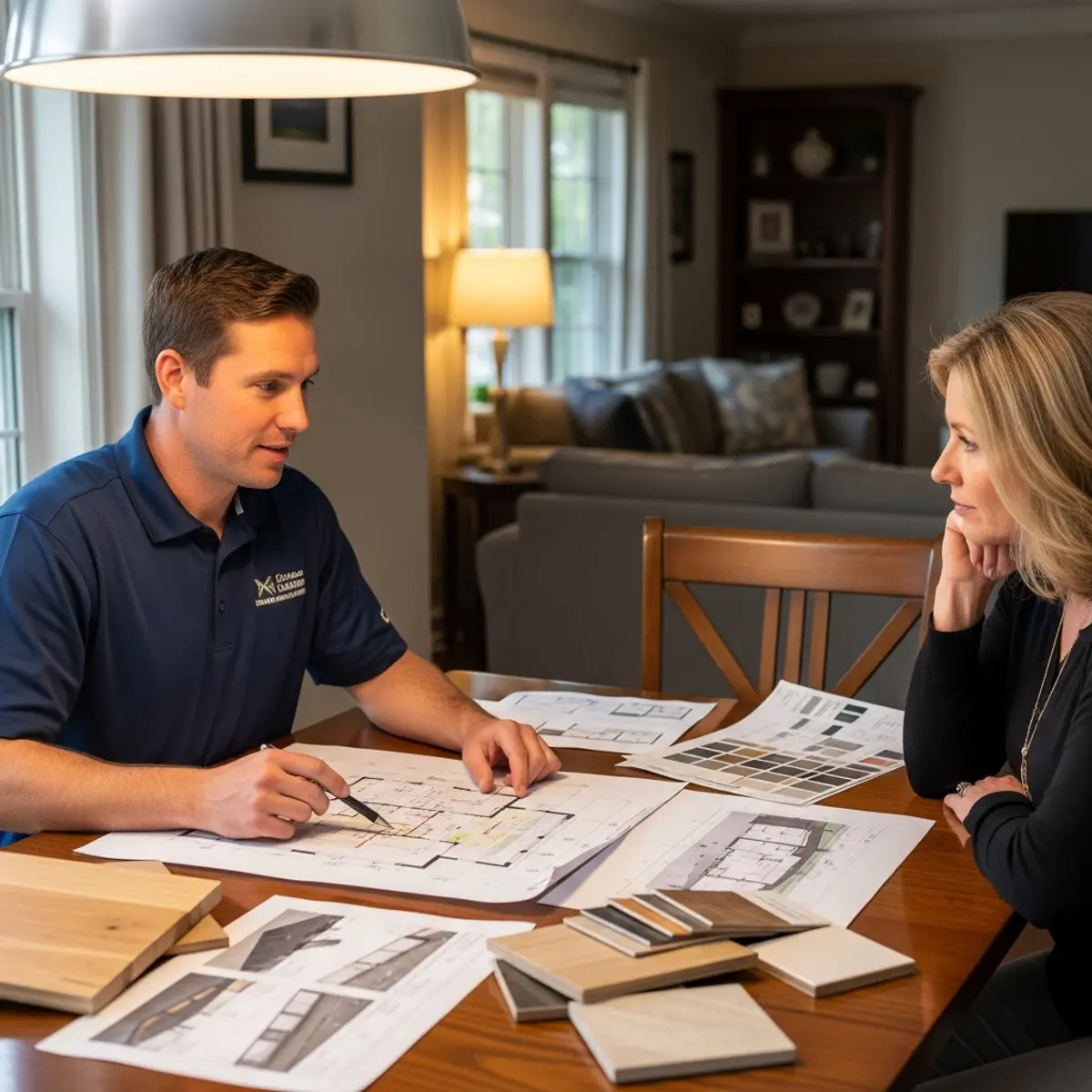
Every project follows six steps, each with defined deliverables and approval milestones. Nothing moves forward without your sign-off.
Initial Consultation and Site Assessment
We meet at your home to understand your goals, walk the space, and assess existing conditions. This 60–90 minute visit covers structural elements, potential issues (outdated plumbing, electrical capacity, foundation concerns), and your timeline. You leave with a preliminary scope of work. No charge, no obligation.
Concept Design and Budget Alignment
Our design team creates floor plans, layout options, and concept renderings — each developed alongside a preliminary cost estimate. If a design idea pushes the budget, we identify that immediately and offer alternatives rather than waiting until bid time. This phase takes 1–2 weeks. You review, provide feedback, and we refine until design direction and budget are aligned.
Detailed Design and Engineering
We develop detailed construction drawings, electrical plans, plumbing layouts, and structural details. Projects involving load-bearing wall removal or additions include a licensed structural engineer. The detailed design package becomes the blueprint for permitting, material ordering, and construction. This phase takes 2–4 weeks depending on complexity.
Material Selections and Pre-Construction
We guide you through every material decision: cabinets, countertops, tile, flooring, fixtures, hardware, paint colors, and appliances. The process includes showroom visits to local Boise suppliers, physical samples to evaluate in your own lighting, and a structured decisions timeline. Each selection is documented in a shared log with photos, model numbers, and pricing. Once finalized, we produce the fixed-price contract, order long-lead materials, and submit permit applications.
Construction
Your dedicated project manager oversees daily operations, coordinates all trades (plumbing, electrical, HVAC, tile, countertops, painting), and enforces quality standards at every phase. The sequence follows the plan developed during design: demolition, rough-in, inspections, surface preparation, finish installation, fixture hookup, and trim work. You receive weekly progress updates every Friday with photos and schedule status.
Punch List and Project Closeout
We walk the completed project with you room by room. Every item needing attention — cabinet alignment, paint touch-ups, caulk lines, hardware adjustments — goes on the punch list. We complete all items, pass the final building inspection, and deliver your warranty documentation. The project is not complete until you are satisfied.
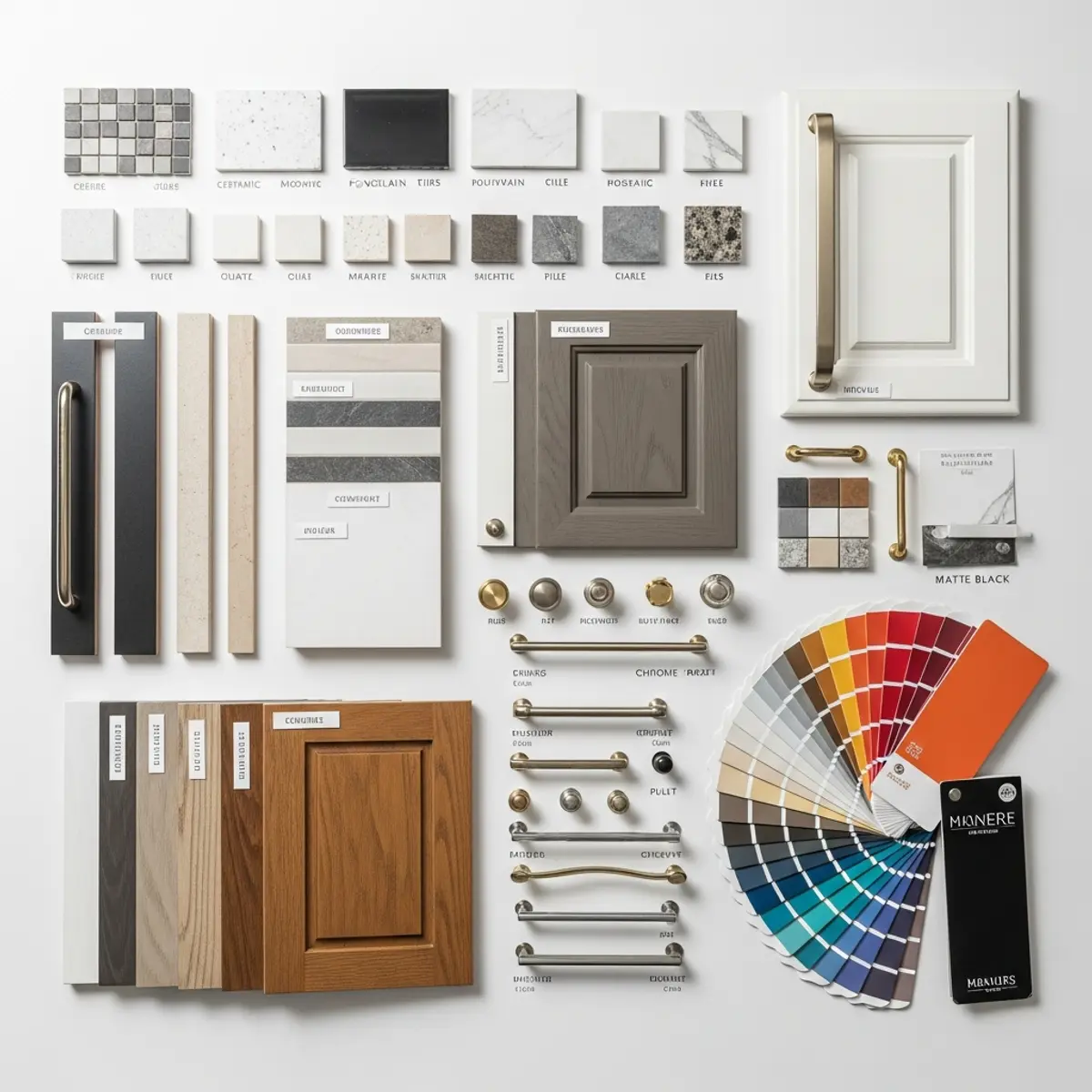
A whole-home remodel involves hundreds of individual decisions. Our process breaks selections into manageable categories with a structured timeline so you make decisions in the right order and without last-minute pressure.
Showroom Visits and Samples
We schedule guided visits to Boise-area showrooms for cabinets, countertops, tile, and fixtures. Your designer accompanies you to translate your vision into specific products that work together and fit your budget. Physical samples — countertop chips, tile pieces, cabinet door fronts — come home with you so you can evaluate them in your actual lighting conditions.
Decisions Timeline
Selections follow a specific order dictated by construction sequencing and lead times. Cabinets and appliances come first (6–10 weeks for custom cabinets). Countertop material is next since the slab must coordinate with cabinetry. Tile, flooring, paint, fixtures, and hardware follow. Each deadline is tied to a real construction milestone — miss it, and a specific phase of work is delayed.
Even with thorough planning, changes happen — you discover a feature to add, conditions behind walls require a different approach, or you change your mind about a finish. Our change order process ensures every modification is documented, priced, and approved before work proceeds.
You or your project manager identifies a potential change to the original scope
The project manager documents the change request in writing
We calculate the cost impact (addition or credit) and timeline impact, if any
A written change order is presented with the exact cost and revised timeline
You review, ask questions, and either approve or decline — nothing proceeds without your written signature
Approved changes are incorporated into the project schedule and the running project total is updated
Every dollar is accounted for, and you maintain full control over the budget throughout construction.
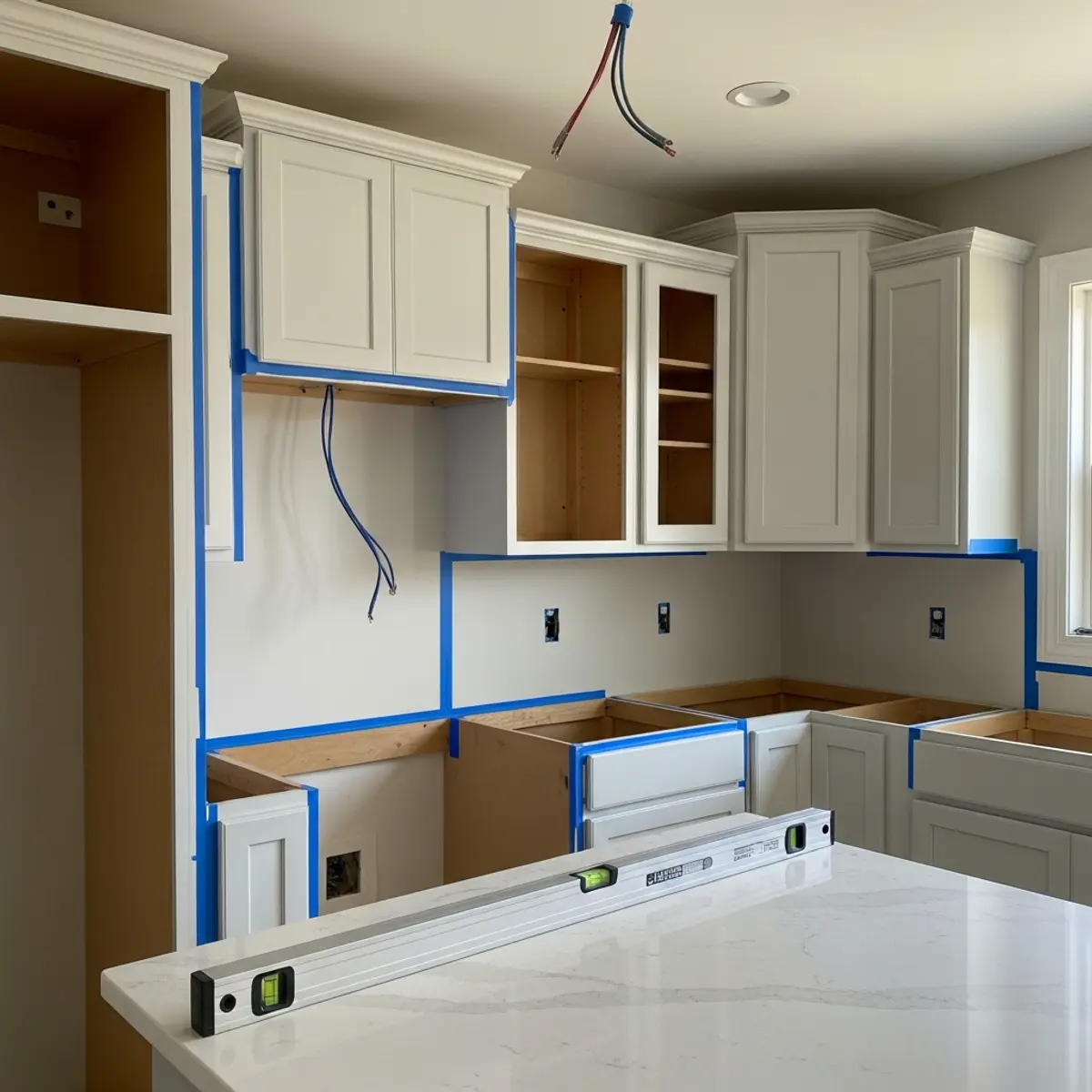
Poor communication is the most common complaint about remodeling contractors. Design-build solves this structurally — one company manages everything. We also enforce a specific communication cadence.
Weekly Progress Updates
Every Friday, your project manager sends a written update: work completed, work planned for next week, pending decisions, current schedule status, and a photo report. These updates create a complete record of your project from start to finish.
Photo Documentation
We photograph every phase — especially work hidden behind walls. Rough plumbing, electrical runs, insulation, and structural connections are documented before drywall goes up, creating a valuable record for future reference.
Decision Log
A shared decision log tracks every selection, approval, and change order. When a question arises about which tile was approved for the guest bath or what paint color was chosen for the hallway, the answer is in the log with the date, photos, and your confirmation.
The Boise market has characteristics that make design-build particularly effective.
Trade Scheduling
Boise's labor market is competitive and skilled trades are booked out. With design-build, we lock in trade scheduling during the design phase — months before construction — so availability and pricing are settled before the first day of demolition.
Permit Efficiency
Our construction team reviews designs before permit submission, so plans meet City of Boise and Ada County code requirements from the start. This reduces revision cycles and speeds approval compared to architects unfamiliar with local practices.
Material Supply Chain
Some specialty materials ship from Portland, Salt Lake City, or Seattle. Our team knows which products are stocked locally and which have long lead times, so you are never surprised by 8-week waits after committing to a material.
Boise homeowners evaluating a major remodel face a fundamental decision before selecting a contractor: which project delivery method best protects their investment? The two primary options — design-build and the traditional architect-then-contractor model — differ significantly in structure, cost behavior, timeline, and risk allocation. Understanding these differences helps you make an informed choice before signing any contract.
Design-Build Approach
- Single contract covers design, engineering, permitting, and construction — one company, one agreement
- Integrated team: designers and builders collaborate from day one, preventing design decisions that are impractical or over-budget
- Faster overall timeline because design and pre-construction phases overlap rather than running sequentially
- Fixed pricing established during the design phase, before construction begins — you know the total cost before committing
- Fewer change orders because constructability is evaluated during design, not discovered during framing
- Single point of contact for every question, concern, or decision throughout the entire project
Traditional (Architect + Separate Contractor)
- ✗Multiple contracts: one with the architect for design, another with the general contractor for construction — accountability is split
- ✗Potential design-construction disconnect: the architect optimizes for aesthetics while the builder optimizes for cost, leaving you to manage the tension
- ✗Bidding phase adds 4–8 weeks to the timeline as plans are sent to multiple contractors for competitive pricing
- ✗Budget surprises are common because the architect designs without real-time cost feedback from a builder
- ✗Change orders more frequent when the contractor did not participate in design decisions and discovers conflicts during construction
- ✗Homeowner must coordinate communication between two or more separate companies throughout the project
Why Design-Build Works Especially Well for Boise Remodeling
Boise's remodeling market has specific characteristics that amplify the advantages of design-build. The Treasure Valley's short optimal construction window — roughly April through October — means delays during design or bidding phases can push your project into winter, increasing costs and extending timelines by months. Design-build's overlapping phases help you break ground faster and finish before weather becomes a factor.
Contractor availability in Ada County and Canyon County remains competitive. Skilled trades — electricians, plumbers, tile setters, and cabinet installers — book months in advance. With design-build, we schedule them during the design phase, securing availability long before construction begins. In the traditional model, trade scheduling cannot start until bidding concludes and a general contractor is selected, adding weeks of delay and risking unavailability.
Speed to market matters when you are living through a renovation. Every extra week of construction means another week of dust, noise, and disrupted routines. Design-build's integrated workflow removes the bidding gap between design and construction, which is where much of the calendar goes in the traditional sequence.
Cost Comparison: Design-Build vs. Traditional
Design-build projects in the Boise market typically cost 10–15% less than equivalent traditional-method projects. The savings come from three sources: fewer change orders (because the builder participates in design and catches conflicts early), no standalone architectural fees (design is bundled into the project cost), and integrated planning that eliminates redundant work between separate firms. A $150,000 kitchen remodel using the traditional method might incur $15,000–$22,000 in change orders, redesign costs, and bidding-phase overhead that design-build avoids entirely.
The fixed-price contract structure used in design-build also protects homeowners from the cost escalation that commonly occurs when architects design beyond budget. In the traditional model, it is not uncommon for bids to come back 25–40% higher than anticipated, triggering a costly redesign cycle that adds weeks and thousands of dollars before construction even starts.
Every Iron Crest project follows a structured seven-phase process. Each phase has defined deliverables, clear timelines, and approval milestones that protect you from surprises. Nothing moves forward without your explicit sign-off. Here is exactly what happens at each stage and how each phase safeguards your investment.
Discovery
1–2 Weeks
We begin with an in-home site visit to understand your goals, walk the space, and assess existing conditions. During this 60–90 minute visit, we take detailed measurements, photograph existing conditions, evaluate structural elements, and identify potential issues — outdated plumbing, insufficient electrical capacity, foundation concerns, or code compliance gaps. We discuss your wishlist, lifestyle requirements, and budget parameters. You leave with a preliminary scope of work and a clear understanding of what's feasible within your budget range.
Homeowner protection: This phase identifies hidden conditions (knob-and-tube wiring, galvanized plumbing, undersized beams) before you commit to a design direction, preventing costly surprises during construction.
Design Development
2–4 Weeks
Our design team creates floor plans, 3D renderings, and material selection boards — each developed alongside preliminary cost estimates. You see exactly how your remodel will look and what it will cost simultaneously. We guide you through showroom visits to Boise-area suppliers for cabinets, countertops, tile, and fixtures. Physical samples come home with you so selections can be evaluated in your actual lighting. The scope is refined through collaborative review sessions until design direction and budget are fully aligned.
Homeowner protection: Real-time cost feedback during design prevents the common scenario where an architect designs a $200,000 kitchen and the contractor bids it at $300,000. If a design idea pushes the budget, we identify it immediately and offer alternatives.
Estimating & Contract
1 Week
With the design finalized and all materials selected, we produce a detailed line-item estimate covering every component: labor, materials, permits, inspections, waste removal, and project management. The estimate is organized by room and trade so you can see exactly where every dollar goes. Once reviewed, we present a fixed-price contract — the total will not change unless you request a modification through the formal change order process. No allowances, no TBD line items, no open-ended budgets.
Homeowner protection: The fixed-price contract eliminates the open-ended “cost-plus” arrangements where final costs are unknown until the project is complete. You know the total before construction begins.
Permitting
2–4 Weeks
We prepare and submit permit applications to the City of Boise, Ada County, or the relevant jurisdiction. Our construction team reviews all plans before submission to ensure compliance with local building codes, zoning requirements, and energy standards — reducing revision cycles and accelerating approval. We manage the review process, respond to examiner questions, and coordinate any required engineering documentation. You are kept informed of permit status at every step.
Homeowner protection: Plans reviewed by builders before submission catch code issues that architects working in isolation often miss, preventing costly plan revisions and resubmission delays.
Pre-Construction
1 Week
Before the first hammer swings, we complete critical preparation: ordering all materials and confirming delivery dates, scheduling each trade for each phase, establishing material staging areas, setting up dust barriers and floor protection, notifying neighbors about the construction schedule, coordinating utility disconnections if needed, and conducting a pre-construction walkthrough with you and the project manager to review the plan room by room. Long-lead items like custom cabinets (6–10 weeks) and specialty stone slabs are ordered well in advance to prevent idle-crew delays.
Homeowner protection: Material ordering before construction start means no work stoppages waiting for backordered products. Every item arrives when the schedule requires it.
Construction
Varies by Scope
Your dedicated project manager oversees daily operations, coordinating all trades — plumbing, electrical, HVAC, tile, countertops, painting, and finish carpentry. Construction follows the plan developed during design: demolition, rough-in, inspections, surface preparation, finish installation, fixture hookup, and trim work. Each phase is executed in sequence with built-in quality checkpoints. You receive written progress updates every Friday with photos, schedule status, pending decisions, and work planned for the following week. Your project manager is available by phone and email between updates for questions or concerns.
Homeowner protection: Phase-by-phase execution with inspection management ensures code compliance at every stage. Weekly updates with photos create a complete documented record of your project.
Completion
1 Week
We conduct a detailed punch list walkthrough with you, inspecting every element room by room: cabinet alignment, paint touch-ups, caulk lines, grout consistency, hardware placement, and fixture operation. Every item needing attention is documented, addressed, and verified. We coordinate the final building inspection, deliver warranty documentation for all materials and workmanship, and provide a maintenance guide covering care instructions for your new finishes. The project is not complete until every punch list item is resolved and you are fully satisfied with the result.
Homeowner protection: Written warranty documentation and a complete project file — including behind-wall photos, permits, and inspection records — provide long-term value and peace of mind.
Design-build is not just a theoretical improvement over the traditional model — it solves specific, real-world problems that Boise homeowners encounter during major renovations. Here are the scenarios where the design-build advantage is most pronounced, along with honest answers to the concerns we hear most often.
Kitchen + Bathroom Combo Projects
When a kitchen remodel and one or two bathroom renovations happen simultaneously, design consistency becomes critical. Cabinet styles, hardware finishes, flooring transitions, and color palettes must coordinate across multiple rooms. In the traditional model, an architect may design each space in isolation without considering how tile in the master bath relates to backsplash in the kitchen, or how flooring flows between rooms. Design-build integrates all spaces into a unified design from the beginning, ensuring a cohesive aesthetic throughout your home while managing the construction schedule to minimize disruption.
Whole-Home Renovations
A whole-home remodel involves every trade on the job, hundreds of decisions, and months of coordinated work. Single point of accountability is not a marketing phrase — it is the difference between a well-managed project and a chaotic one. When plumbing, electrical, HVAC, framing, insulation, drywall, paint, tile, and flooring crews all need to be sequenced correctly across multiple rooms, one company managing design and construction eliminates the coordination failures that plague multi-firm projects. Iron Crest handles everything from the initial design concept through the final punch list inspection, so there is never a question about who is responsible when an issue arises.
ADU Construction
Accessory dwelling units in Boise involve zoning verification, design development, structural engineering, utility connections, permitting, and full construction — essentially building a small home from scratch. The permitting requirements alone (setbacks, lot coverage, parking, utility capacity) require close coordination between the designer and builder. Design-build manages the entire ADU process as one integrated package, from verifying that your property qualifies under current City of Boise or Ada County zoning through final certificate of occupancy. No separate architect, no separate builder, no gaps in accountability.
Tight Timelines
Boise's short construction season makes integrated planning critical. If you need to start construction by May to finish before Thanksgiving, the traditional sequence — architect design (8–12 weeks), bidding (4–8 weeks), then construction — may not fit the calendar. Design-build compresses the pre-construction timeline by overlapping design, estimating, and material ordering. Our team can often move from initial consultation to construction start 30–40% faster than the traditional method, giving you a realistic path to completion within a single construction season.
Common Concerns Addressed
“Will I lose design control?”
No. You have more control, not less. In design-build, you are involved in every design decision — layout, materials, finishes, fixtures, and hardware — with the added benefit of knowing the cost impact of each choice in real time. You are never presented with a finished design and told to accept it. The process is collaborative: we present options, you choose, and we refine until the design matches your vision and budget. The difference is that a builder is in the room during design, providing practical input, not that the builder is making design decisions for you.
“Is design-build more expensive?”
Design-build is typically equal to or less expensive than the traditional method. You eliminate standalone architectural fees (often 8–15% of project cost), reduce change orders by 60–80% through integrated planning, and avoid the redesign cycles that occur when architect-designed plans exceed the construction budget. The fixed-price contract means you know the total investment before construction begins — no open-ended cost-plus arrangements and no surprise charges. Any owner-requested changes or unforeseen conditions requiring additional work are documented and approved before additional work proceeds.
“Can I bring my own designer?”
Yes. If you have an interior designer you love, they can collaborate with our team. We work with outside designers regularly — they handle aesthetic direction while we manage constructability, cost control, and execution. The key advantage remains: your designer's ideas are evaluated for feasibility and cost during the design phase, not after construction reveals a conflict. This collaborative approach gives you the best of both worlds: your trusted designer's aesthetic expertise and our construction team's practical knowledge.
The Transparency Advantage
The single most valuable benefit of design-build is transparency. In the traditional model, you do not learn what your project actually costs until bids come back — often weeks or months after the design is complete. If bids exceed your budget, you enter a costly redesign cycle: the architect modifies plans, you rebid, and the process repeats. With design-build, you see exact costs during the design phase, not after bidding. Every material selection includes its installed price. Every layout change includes its cost impact. Every design decision is made with full financial visibility. When you sign the fixed-price contract, there are no unknowns — you have already seen, approved, and priced every element of your remodel.
What is the difference between design-build and traditional remodeling?
In a traditional approach, you hire an architect to create plans, then bid those plans to contractors separately. Design-build combines both under one company. Iron Crest Remodel manages design, selections, permitting, and construction with a single point of contact — eliminating finger-pointing between firms and shortening the timeline by 20–30%.
Does design-build cost more or less than hiring an architect and contractor separately?
Design-build typically costs the same or less. You eliminate the standalone architecture fee (often 8–15% of project cost), and because the builder is involved from day one, designs reflect real construction costs. This prevents the common scenario where an architect designs a $200,000 kitchen and the contractor bids it at $300,000. Our clients receive a single, transparent proposal covering the entire project.
How long does the design-build process take from start to finish?
For a whole-home remodel in Boise, expect 4–8 months total: 4–8 weeks for design and selections, 2–4 weeks for permitting, and 8–20 weeks for construction. Kitchens average 3–5 months, bathrooms 2–4 months. Because design and pre-construction overlap, the overall timeline is shorter than traditional methods where design, bidding, and construction run sequentially.
What happens if I want to make changes during construction?
Changes are handled through a formal change order process. Your project manager documents the change, determines cost and timeline impact, and presents a written change order for approval before work proceeds. Minor adjustments (paint color, hardware swap) are usually absorbed at no charge. Significant changes are priced transparently with written approval required before work begins.
How will I know what is happening on my project each week?
Every Friday, your project manager sends a written update: work completed, work planned for next week, photo documentation, pending decisions, and schedule status. You also have direct phone and email access for questions between updates. A shared decision log tracks every selection and approval so nothing falls through the cracks.
Do I need to pick all materials and finishes before construction starts?
Yes. During the detailed design phase, we guide you through every decision — cabinets, countertops, tile, flooring, fixtures, hardware, paint, and appliances. Completing selections early lets us order long-lead items (custom cabinets take 6–10 weeks), lock in pricing, and build an accurate schedule. Late selections are the number one cause of delays because idle crews waiting on materials still cost money.
The following government agencies, industry organizations, and official resources provide additional information relevant to your remodeling project.
Start Your Design-Build Remodel
Free consultations with a single team that handles design and construction for Boise, Meridian, Eagle, Nampa, and the Treasure Valley.