

Permits, Inspections, and Typical Triggers
What Boise homeowners need to know about building permits, inspection requirements, and common permit triggers before starting a whole-home remodel.
Quick answer
Yes. Any whole-home remodel that involves structural modifications, electrical rewiring, plumbing rerouting, HVAC changes, or window and door replacements requires permits from the City of Boise or Ada County. Even if you are remodeling one room at a time, each phase that touches building systems needs its own permits.
Explore our full Boise whole-home remodeling services
Permits are not the part of a whole-home remodel that homeowners look forward to. But they are the part that protects your investment, keeps your family safe, and preserves your home's resale value. In the Boise area, any renovation that alters structural, electrical, plumbing, or mechanical systems requires permits and inspections from the City of Boise or Ada County. These requirements exist because interconnected building systems must function safely together for decades after the project is complete.
This guide covers when permits are required versus when they are not, the difference between City of Boise and Ada County jurisdiction, permit types and typical fees, the application and plan review process, inspection types and scheduling, what inspectors look for, common permit triggers in whole-home remodels, the consequences of unpermitted work, and how Iron Crest Remodel handles the entire process on your behalf.
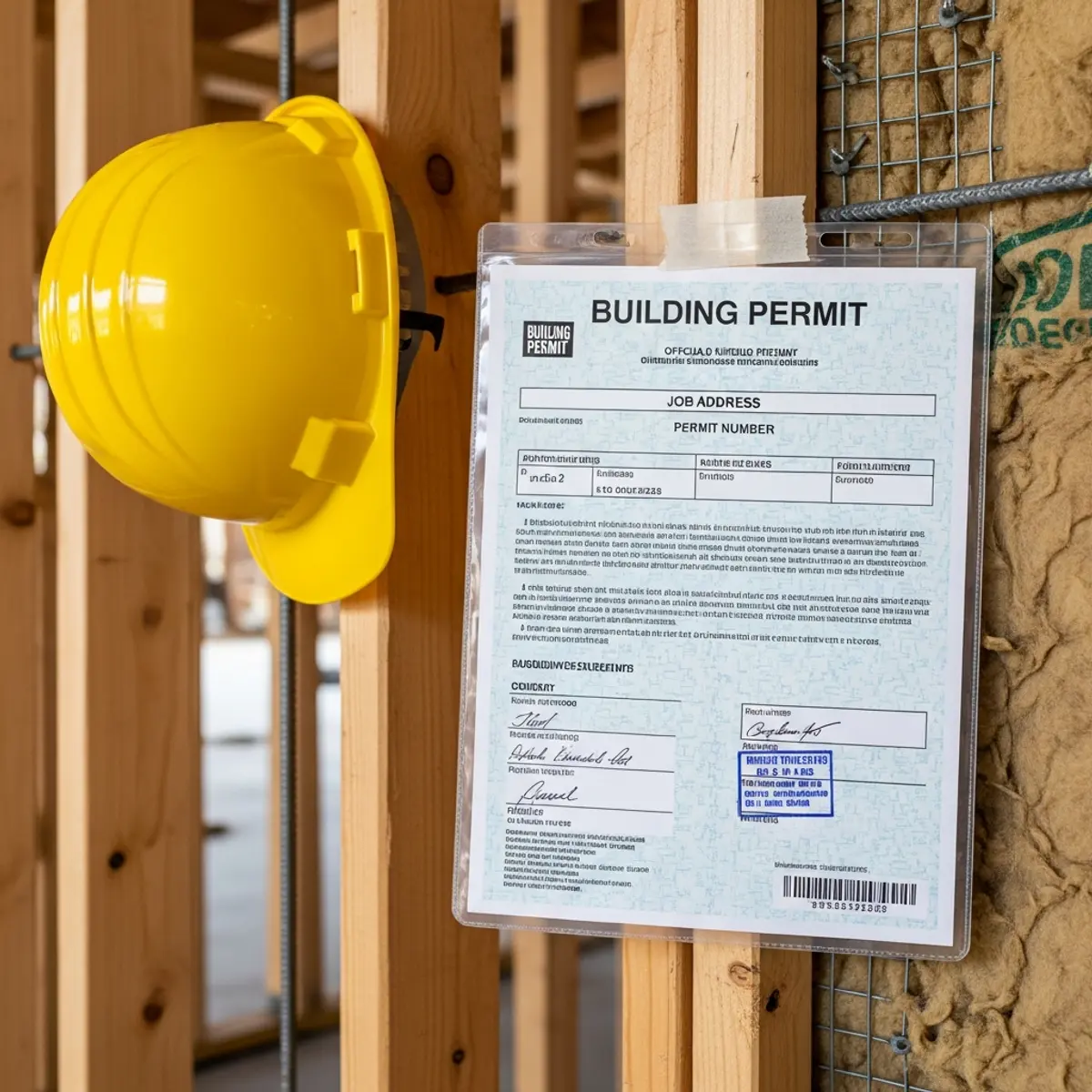
The dividing line is straightforward: if the work changes your home's structural, electrical, plumbing, or mechanical systems, a permit is required. Cosmetic updates that do not alter building systems are permit-free. In a whole-home remodel, most of the work falls on the permit-required side because you are typically touching multiple systems across multiple rooms.
Permit Required
- Removing or modifying load-bearing walls, adding headers, beams, or structural columns
- Rewiring circuits, adding outlets, upgrading the electrical panel, or extending new wiring runs
- Moving or adding plumbing lines — supply, drain, or vent pipes in any room
- Rerouting or replacing HVAC ductwork, adding new registers, or replacing the furnace
- Replacing or enlarging windows and exterior doors, or cutting new openings in exterior walls
- Foundation work — adding footings for posts, repairing crawl space supports, or modifying the slab
- Gas line installation or relocation for ranges, fireplaces, or water heaters
No Permit Needed
- Painting interior walls, ceilings, and trim throughout the home
- Replacing flooring — tile, LVP, hardwood, carpet — without subfloor modifications
- Installing new countertops on existing cabinet bases
- Swapping cabinet hardware, hinges, and drawer slides
- Replacing faucets and fixtures in the same location with same-type connections
- Adding backsplash tile, wainscoting, or decorative wall treatments
- Replacing like-for-like appliances in the same location without electrical or plumbing changes
Your jurisdiction determines where you apply for permits, the fee schedule you follow, and the inspection team assigned to your project. Homes within Boise city limits apply through the City of Boise Building Division. Homes in unincorporated Ada County apply through the Ada County Development Services building department. Neighboring cities — Eagle, Meridian, Star, Kuna, and Garden City — each operate their own building departments with separate processes.
City of Boise
The City of Boise operates an online electronic permitting portal where applications, plan uploads, fee payments, and inspection scheduling are handled digitally. Simple trade permits are often approved within one to three business days. Structural plan review takes two to four weeks during normal volume. The city generally has faster turnaround times than the county for complex projects because of higher staffing levels and dedicated plan reviewers. Boise's North End, Bench, Vista, Southeast Boise, and downtown neighborhoods all fall under city jurisdiction.
Ada County
Ada County Development Services handles permits for unincorporated areas — including pockets of the Boise foothills, areas south of the city, and some transitional zones. The county process is similar but may have slightly longer plan review timelines during peak season. Some areas of Southeast Boise and the Boise Bench sit near jurisdictional boundaries, and confirming which authority governs your property early in the planning phase prevents application delays. Iron Crest Remodel verifies jurisdiction during the initial consultation.
A whole-home remodel typically requires multiple permits because different trades are governed by separate codes. Each permit has its own fee, application, and inspection requirements. Understanding the types helps you anticipate what the process involves.
Building Permit (General)
The general building permit covers structural work — wall removal, header installation, framing modifications, window and door replacements, and foundation work. Fees are typically calculated based on project valuation and range from $200 to $800 for most residential remodels. Projects with a declared valuation above $25,000 may incur higher fees based on a sliding scale. Plan review fees of $100 to $400 are charged separately when structural drawings require engineering review.
Electrical Permit
Required for any new circuits, panel upgrades, outlet additions, or rewiring. Fees run $75 to $200 depending on the number of circuits and whether a panel upgrade is included. A 200-amp panel upgrade — common in older Boise homes undergoing whole-home remodels — adds to both the permit fee and the inspection requirements.
Plumbing Permit
Covers new supply lines, drain lines, vent modifications, fixture relocations, and water heater replacements. Fees range from $75 to $200. If the project includes a whole-house repipe — replacing galvanized or polybutylene lines with PEX or copper — the permit covers the entire scope.
Mechanical Permit
Required for HVAC modifications including ductwork rerouting, furnace replacement, new exhaust fans, and gas line work. Fees are typically $75 to $150. In a whole-home remodel, mechanical permits are triggered when walls are reconfigured and ductwork must be rerouted, or when upgrading to a more efficient HVAC system. Total combined permit fees for a comprehensive whole-home remodel in Boise commonly range from $500 to $2,000 or more.
The permit application process for a whole-home remodel involves more documentation than a single-trade project because multiple systems are affected simultaneously. Understanding the timeline helps you plan the gap between design completion and construction start.
What to Submit
A general building permit application requires architectural drawings showing existing conditions and proposed changes, structural engineering calculations for any load-bearing modifications, a written scope of work, and the licensed contractor's information. Trade permits (electrical, plumbing, mechanical) may be submitted simultaneously or by the individual subcontractors. The City of Boise accepts all submissions through their online portal, while some jurisdictions still accept paper applications.
Review Timelines: Peak vs Off-Peak
Simple trade permits are often issued within one to three business days year-round. Structural plan review takes two to four weeks during the off-season (October through March) and can stretch to four to six weeks during peak building season (April through September). Boise's construction boom means plan reviewers carry heavy workloads during spring and summer. Submitting permit applications during winter — even if construction is scheduled for spring — can save weeks of wait time. Iron Crest Remodel begins the permit process during the design phase so approvals are in hand before the first day of demolition.
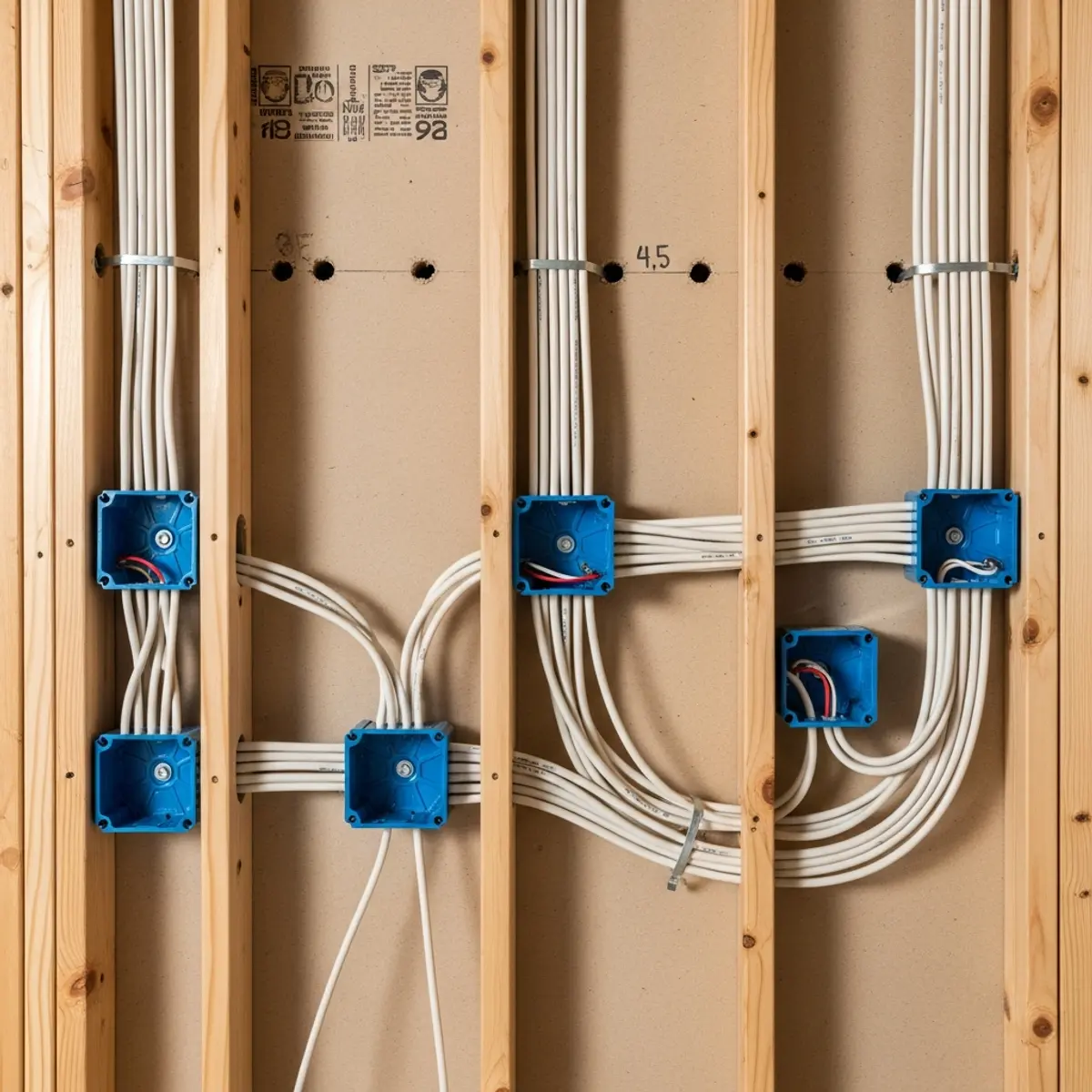
Permitted work requires inspections at specific construction milestones — not just at the end of the project. A whole-home remodel involves more inspections than a single-room renovation because multiple trades are working across different areas of the home. Inspections must be scheduled at least 24 hours in advance through the city or county portal.
Rough-In Inspections
- Framing — stud spacing, header sizing, fire blocking between floors, proper fastener patterns per approved plans
- Electrical — wire gauge matched to circuit amperage, proper box fill, GFCI and AFCI protection where required
- Plumbing — drain pipe slope (1/4 inch per foot minimum), proper venting, supply line sizing, pressure testing
- Mechanical — ductwork connections, combustion air requirements, gas line pressure testing
Rough-in inspections happen after infrastructure work is complete but before drywall closes the walls. The inspector must see the work — once walls are sealed, verification is impossible without opening them again.
Final Inspections
- All outlets and switches function correctly with proper polarity and grounding
- Plumbing fixtures operate without leaks and drains flow at the correct rate
- HVAC system delivers adequate airflow to all conditioned spaces
- Smoke and carbon monoxide detectors are installed in required locations
- Finished work matches the approved plans — window locations, wall configurations, and structural elements
- Egress requirements are met for all bedrooms and habitable spaces
During peak months (May through September), inspection wait times can stretch to three to five business days. We account for these windows in our project schedules.
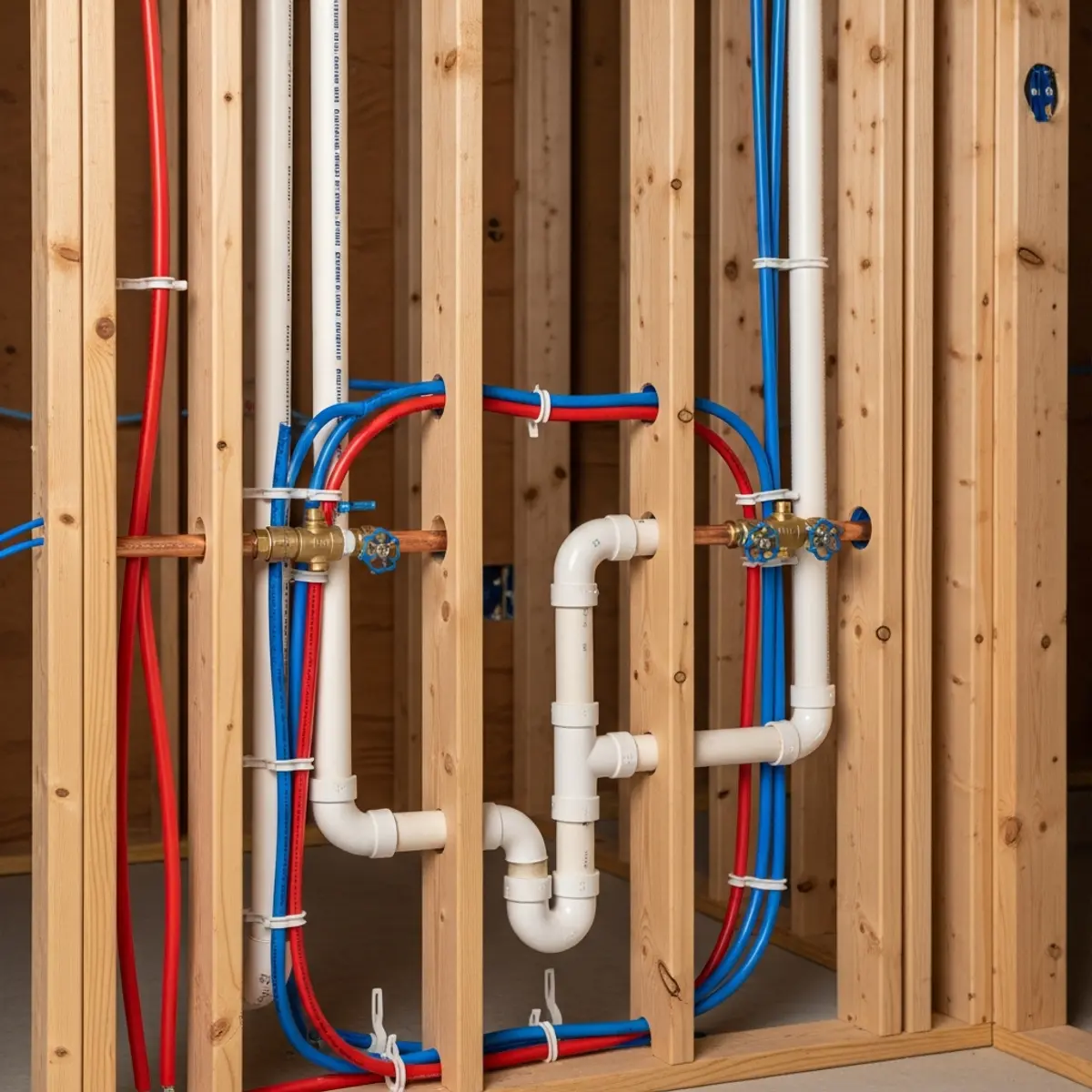
Whole-home remodels touch more building systems than any other residential project type. Nearly every room involves at least one permit trigger, and most involve several. Here are the changes that most frequently require permits across a full-home renovation in Boise.
Consequences of Unpermitted Work
Skipping permits may seem like a way to save time and money, but the consequences compound over time. At resale, unpermitted improvements raise red flags during appraisals and buyer inspections — lenders may require retroactive permitting before approving a mortgage. Homeowner's insurance policies can deny claims on damage caused by or related to unpermitted work, including electrical fires and plumbing failures. The City of Boise can issue stop-work orders, require walls to be opened for retroactive inspection, charge double permit fees, and mandate that non-compliant work be removed and redone. Beyond financial risk, unpermitted structural, electrical, and plumbing work carries genuine safety hazards for your family. The cost of proper permitting — typically one to three percent of total project cost — is one of the best investments in a remodel.
Permit management is not an add-on service at Iron Crest Remodel — it is a core part of how we deliver projects. From initial application through final sign-off, our team manages every step of the process so homeowners do not have to navigate building department procedures on their own.
We work across all Treasure Valley jurisdictions — Boise, Meridian, Eagle, Star, Kuna, Nampa, and unincorporated Ada County — and understand the specific requirements and timelines of each building department. Our familiarity with local inspectors and review processes helps keep projects on schedule.
One of the most common questions Boise homeowners ask is whether their specific project actually requires a permit. The answer depends on what systems the work affects — not on the size of the project or the amount of money being spent. A $500 electrical addition requires a permit. A $15,000 cabinet and countertop replacement does not. Below is a detailed breakdown organized by how frequently each project type triggers permit requirements in Ada County and the City of Boise.
Always Requires a Permit
These projects alter structural, electrical, plumbing, mechanical, or gas systems and are never exempt from permitting in any Treasure Valley jurisdiction. Performing this work without permits exposes the homeowner to code violations, insurance gaps, and resale complications.
- Structural changes — removing or modifying load-bearing walls, adding beams, headers, or support columns, altering roof framing, or modifying floor joists
- Electrical work — adding new circuits, relocating panels, installing sub-panels, adding outlets or switches, rewiring existing circuits, or upgrading from 100-amp to 200-amp service
- Plumbing rerouting — moving supply lines, drain lines, or vent stacks to new locations; adding new fixtures where none existed; rerouting sewer lines or adding cleanouts
- Gas line work — installing, extending, or relocating gas lines for ranges, fireplaces, outdoor grills, water heaters, or furnaces
- Window and door enlargement — cutting new openings in exterior walls, widening existing openings, or converting windows to doors (requires structural header calculations)
- Deck construction — any deck more than 12 inches above grade, or any deck that supports a roof structure, requires a building permit in Boise
- ADU construction — accessory dwelling units require building, electrical, plumbing, and mechanical permits plus zoning review and compliance with Boise's ADU ordinance
- Foundation modifications — adding footings, modifying crawl space supports, underpinning, or pouring new foundation sections for additions
Sometimes Requires a Permit
These projects fall into a gray area where the scope of work determines whether a permit is required. When in doubt, contact Ada County Development Services at (208) 287-7900 or check the City of Boise's online permitting portal. Iron Crest Remodel clarifies permit requirements during every project consultation.
- Roofing — a like-for-like shingle replacement on the same decking typically does not require a permit in Boise, but adding a second layer, replacing decking, or changing roofing material type may trigger a building permit
- Water heater replacement — a same-location, same-fuel replacement is often permit-exempt, but changing from tank to tankless, relocating the unit, or switching from electric to gas requires plumbing and potentially mechanical permits
- HVAC replacement — replacing a furnace or air conditioner in the same location with the same type of unit is sometimes permit-exempt, but changing system type, adding zones, or modifying ductwork requires a mechanical permit
- Fencing — fences under six feet in height generally do not need a permit in Boise, but fences over six feet, fences in front yards, or fences near property lines may require a zoning review or permit
- Retaining walls — walls under four feet in height are typically exempt, but walls over four feet or walls that support a surcharge load (driveway, structure, slope) require a building permit with engineered plans
Usually Does Not Require a Permit
Cosmetic and surface-level improvements that do not alter any building system are generally permit-free across all Treasure Valley jurisdictions. These projects update the look and feel of your home without modifying structural, electrical, plumbing, or mechanical infrastructure.
- Painting — interior and exterior painting, staining, and decorative wall finishes do not require permits in any Boise-area jurisdiction
- Flooring — installing tile, luxury vinyl plank, hardwood, laminate, or carpet over existing subfloor does not require a permit as long as the subfloor is not modified
- Cabinet replacement — removing and installing new cabinets in the same configuration without moving plumbing or electrical connections is permit-exempt
- Countertop swap — replacing countertops (granite, quartz, butcher block, laminate) on existing cabinet bases does not require a permit
- Fixture swap in the same location — replacing a faucet, showerhead, toilet, or light fixture in the exact same location with same-type connections is generally permit-free
- Landscaping — planting, grading (under certain thresholds), irrigation, and hardscaping that does not involve retaining walls over four feet are typically permit-exempt
- Interior trim and molding — installing baseboards, crown molding, wainscoting, chair rails, and other decorative trim does not require permits
How to Verify Permit Requirements
If you are unsure whether your project requires a permit, three options are available. First, check the Ada County Development Services online portal or the City of Boise Building Division website — both publish permit requirement guides and allow you to search by project type. Second, call the applicable building department directly: City of Boise at (208) 384-3700 or Ada County Development Services at (208) 287-7900. Third, consult a licensed contractor. Iron Crest Remodel provides permit requirement assessments during every initial consultation at no charge. We review your project scope, identify every permit trigger, and outline the application timeline before any work begins.
The Risk of Unpermitted Work
Unpermitted work creates three categories of risk that compound over time. Resale issues — when you sell your home, the buyer's appraiser compares the property's current condition against permit records. Improvements that lack corresponding permits raise red flags, leading to reduced appraised values, mandatory retroactive permitting, or failed transactions. In competitive Boise neighborhoods like the North End, East End, and Harris Ranch, permit discrepancies can cost sellers tens of thousands of dollars. Insurance gaps — homeowner's insurance policies typically exclude damage caused by or related to unpermitted work. If an unpermitted electrical modification causes a fire, or an unpermitted plumbing change causes water damage, the insurance carrier may deny the claim entirely. Code compliance problems — the City of Boise can require retroactive permits at double the standard fee, order walls and ceilings to be opened for inspection, issue stop-work orders on current projects, and mandate removal and replacement of non-compliant work. The cost of correcting unpermitted work after the fact is nearly always higher than permitting it correctly from the start.
Every permitted remodel in the Boise area requires inspections at specific construction milestones. Inspections verify that the work matches approved plans and complies with the International Residential Code (IRC) as adopted by the State of Idaho. Understanding what happens at each stage — and how to prepare — helps homeowners know what to expect and why certain phases of construction cannot proceed until the inspector signs off.
Common Inspection Types During Residential Remodels
A whole-home remodel in Boise typically requires the following inspections, scheduled in sequence as construction progresses. Each inspection must pass before the next phase of work can begin.
Foundation & Footer Inspection
Required when new footings, piers, or foundation sections are poured — common in additions, ADUs, and major structural modifications. The inspector verifies excavation depth, rebar size and placement, form dimensions, and soil compaction. This inspection happens before concrete is poured. Typical duration is 15 to 30 minutes. The inspector checks that footing dimensions match engineered plans and that reinforcement is properly placed and tied. Failure at this stage usually involves insufficient rebar coverage, improper footing width, or inadequate bearing depth for Boise's soil conditions.
Rough Framing Inspection
Conducted after all structural framing is complete but before insulation or drywall is installed. The inspector checks stud spacing, header sizes over windows and doors, beam and post connections, joist hangers, fire blocking between floors, shear wall nailing patterns, and overall structural integrity against the approved plans. This is one of the most detailed inspections and typically takes 30 to 60 minutes for a whole-home remodel. Common correction items include missing fire blocking, incorrect fastener patterns at shear walls, and header sizes that do not match engineering specifications.
Rough Electrical Inspection
Takes place after all wiring is run through framing but before walls are closed. The inspector verifies wire gauge matches circuit amperage, proper box fill calculations, GFCI protection in kitchens, bathrooms, garages, and exterior locations, AFCI protection in bedrooms and living areas (required by current IRC), proper grounding and bonding, and panel wiring. Duration is 20 to 45 minutes depending on scope. Frequent correction items include overloaded junction boxes, missing AFCI protection, and improper wire stapling distances.
Rough Plumbing Inspection
Occurs after all supply, drain, and vent pipes are installed but before walls are closed. The inspector checks drain pipe slope (minimum 1/4 inch per foot for pipes up to 3 inches), proper venting for each fixture, supply line sizing, pipe support and hanging intervals, and pressure test results. A water test or air test is typically required to verify the system holds pressure without leaks. Duration is 20 to 40 minutes. Common correction items include insufficient drain slope, missing or improperly sized vents, and unsupported pipe runs.
Rough Mechanical Inspection
Covers HVAC ductwork, gas piping, and exhaust ventilation installed within walls, floors, and ceilings. The inspector checks duct sizing and connections, gas line pressure testing (typically 15 PSI for 30 minutes), combustion air provisions, exhaust fan duct routing, and clearances from combustible materials. Duration is 15 to 30 minutes. Common correction items include gas line pressure test failures, improper duct connections, and insufficient combustion air for gas appliances.
Insulation Inspection
Required before drywall installation. The inspector verifies insulation type and R-value meet Idaho Energy Code requirements, checks for gaps, compression, and missing sections, verifies vapor barrier installation where required, and confirms that insulation does not block required ventilation paths in attic spaces. Boise's climate zone (Zone 5) requires minimum R-20 or R-13 plus R-5 continuous insulation for walls, and R-38 for ceilings. Duration is 15 to 25 minutes.
Final Inspection
The last inspection before the project receives a certificate of completion. The inspector verifies that all finished work matches approved plans, all fixtures function properly, smoke and carbon monoxide detectors are installed in required locations, egress requirements are met for bedrooms, handrails and guardrails meet code, HVAC delivers adequate airflow, and the overall project is safe for occupancy. Duration is 30 to 60 minutes for a whole-home remodel. This inspection must pass before the permit is closed and finalized.
How to Prepare for Inspections
Preparation is primarily the contractor's responsibility, and Iron Crest Remodel handles every detail. The work area must be accessible — inspectors need clear paths to all areas being inspected, with adequate lighting and no obstructions. Approved plans must be posted on site or available for the inspector to reference. All work covered by the inspection must be complete and visible (no partial rough-ins). The general contractor or a qualified representative should be on site to answer questions and walk through the work with the inspector. Iron Crest's project superintendent attends every inspection and carries copies of all approved plans, engineering calculations, and manufacturer specifications for materials used.
What Happens When an Inspection Fails
A failed inspection is not uncommon and is not a crisis — it means the inspector identified items that need correction before the work meets code. The inspector issues a correction notice listing specific deficiencies. The contractor makes the required corrections and schedules a re-inspection. In the City of Boise, the first re-inspection is typically included in the original permit fee. Subsequent re-inspections may incur additional fees of $50 to $100 per visit. Iron Crest Remodel addresses correction notices within 24 to 48 hours and schedules re-inspections immediately. Our first-time pass rate exceeds 95 percent because we perform internal quality checks before calling for official inspections.
Scheduling Inspections in the Treasure Valley
Inspection scheduling requirements vary by jurisdiction. The City of Boise requires a minimum of 24 hours' advance notice and accepts inspection requests through the online permitting portal or by phone. Canyon County jurisdictions (Nampa, Caldwell) typically require 3 to 7 business days' advance notice depending on the inspection type and current volume. Ada County follows similar timelines to the City of Boise. During peak construction season from April through September, inspection wait times can extend to 3 to 5 business days across all jurisdictions. Iron Crest Remodel builds inspection scheduling windows into every project timeline so that wait times do not create unexpected delays.
Permit fees and processing timelines vary across Treasure Valley jurisdictions. Understanding these differences helps homeowners budget accurately and plan project start dates. Below is a comparison of permit fees and timelines for the most common jurisdictions where Iron Crest Remodel operates.
| Jurisdiction | Building Permit Fee Range | Plan Review Timeline | Notes |
|---|---|---|---|
| City of Boise | $200–$800+ (valuation-based) | 1–3 days (simple) / 2–4 weeks (structural) | Online portal for all submissions. Fastest turnaround for simple permits. Plan review extends to 4–6 weeks during peak season (April–September). |
| City of Meridian | $250–$900+ (valuation-based) | 2–5 days (simple) / 2–5 weeks (structural) | Meridian’s rapid growth has increased plan review volume. Fees include technology surcharge. Online submissions accepted. |
| City of Eagle | $200–$750+ (valuation-based) | 2–4 days (simple) / 2–4 weeks (structural) | Smaller building department with fewer reviewers. Custom home remodels in Eagle foothills may require additional geotechnical or hillside review. |
| Canyon County (Nampa, Caldwell) | $175–$700+ (valuation-based) | 3–5 days (simple) / 3–6 weeks (structural) | Generally lower fees than Ada County jurisdictions. Longer plan review timelines due to staffing. Paper applications still accepted at some offices. |
| Ada County (unincorporated) | $200–$800+ (valuation-based) | 2–4 days (simple) / 2–5 weeks (structural) | Covers foothills properties, rural parcels, and areas between city limits. May require additional septic or well review for properties not on municipal services. |
How Project Value Affects Permit Fees
Most Treasure Valley jurisdictions calculate building permit fees based on declared project valuation using a percentage-based sliding scale. The International Code Council (ICC) building valuation data table provides the baseline that local jurisdictions adopt or modify. As project valuation increases, the per-dollar fee rate decreases — but the total fee amount increases. For example, a $25,000 bathroom remodel may incur a $250 to $350 building permit fee, while a $150,000 whole-home remodel may incur a $600 to $1,200 building permit fee. Plan review fees are typically calculated as 65 to 80 percent of the building permit fee and are charged separately. Trade permits (electrical, plumbing, mechanical) are flat-fee or fixture-count-based and are not tied to project valuation. Total combined permit fees for a comprehensive whole-home remodel in the Treasure Valley typically range from $1,000 to $2,500 depending on jurisdiction and project scope.
Timeline Comparison: Simple vs Complex Permits
Simple Permits (1–5 Business Days)
- Standalone electrical permit (panel upgrade, circuit additions)
- Standalone plumbing permit (water heater replacement, fixture additions)
- Standalone mechanical permit (furnace replacement, duct modification)
- Like-for-like window replacements (same size openings)
- Re-roofing without structural modifications
Complex Permits (2–6 Weeks)
- Structural modifications requiring engineered plans
- Whole-home remodels with multiple trade permits
- Additions that change the building footprint
- ADU construction (new structure on existing lot)
- Projects requiring zoning review or variance
Iron Crest's Permit Management Process & Pass Rate
Iron Crest Remodel manages every aspect of the permit process from application through final inspection sign-off. Our approach includes identifying all permit requirements during the design phase, submitting applications with complete documentation to minimize revision requests, coordinating directly with plan reviewers to resolve comments quickly, scheduling inspections at the correct construction milestones, and attending every inspection with approved plans and engineering documents in hand. Our first-time inspection pass rate exceeds 95 percent across all Treasure Valley jurisdictions — well above the industry average. We achieve this by performing internal quality audits before calling for official inspections, ensuring that every detail is code-compliant before the building official arrives on site. Permit fees are included in every Iron Crest project estimate. There are no hidden permit costs and no delays from incomplete applications.
Do I need a permit for a whole-home remodel in Boise?
Yes. Any whole-home remodel that involves structural modifications, electrical rewiring, plumbing rerouting, HVAC changes, or window and door replacements requires permits from the City of Boise or Ada County. Even if you are remodeling one room at a time, each phase that touches building systems needs its own permits. The only work exempt from permits is purely cosmetic — paint, flooring over existing subfloor, cabinet hardware, and similar surface-level updates.
How much do home remodel permits cost in Boise?
Permit fees for a whole-home remodel in Boise typically range from $500 to $2,000 or more depending on the scope of work. Individual trade permits — electrical, plumbing, mechanical — run $75 to $200 each. A general building permit based on project valuation costs $200 to $800. Plan review fees add another $100 to $400. For a comprehensive whole-home remodel involving structural work, full electrical and plumbing updates, and HVAC modifications, total permit fees commonly land between $1,200 and $2,000. These fees are a fraction of the project cost and protect your investment.
How long does plan review take in Boise?
Simple trade permits (standalone electrical or plumbing) are often approved within one to three business days through the City of Boise online portal. Projects requiring structural plan review — load-bearing wall removal, foundation modifications, or major layout changes — take two to four weeks during normal volume. During peak building season from April through September, plan review can extend to four to six weeks. Iron Crest Remodel submits permit applications during the design phase so approvals are secured before the scheduled construction start date.
What happens if I do remodel work without a permit in Boise?
Unpermitted work creates problems on multiple fronts. When you sell, the buyer's home inspector or appraiser may flag improvements that lack permit records, leading to price reductions, required corrections, or failed sales. Homeowner's insurance may deny claims related to unpermitted work — if unpermitted electrical causes a fire, coverage may be void. The City of Boise can require you to open finished walls for inspection, obtain retroactive permits at double the standard fee, or remove and redo non-compliant work entirely. The cost of correcting unpermitted work almost always exceeds the cost of permitting it properly from the start.
What do building inspectors look for during a home remodel?
Inspectors verify that the work matches the approved plans and complies with adopted building codes. During a rough-in inspection, they check framing dimensions and fastener patterns, electrical wire sizing and box fill calculations, plumbing pipe slopes and venting, and fire blocking between floors. During a final inspection, they verify outlet and switch function, plumbing pressure and leak tests, HVAC airflow and combustion safety, smoke and carbon monoxide detector placement, and overall workmanship. Inspectors are not looking to create problems — they are verifying that the work is safe and code-compliant.
Does Iron Crest Remodel handle all permits and inspections?
Yes. Iron Crest Remodel manages the entire permit process as part of our standard scope of work. We prepare and submit permit applications, coordinate plan review with the City of Boise or Ada County, schedule all required inspections at the appropriate construction milestones, attend inspections with the building official, and address any correction notices immediately. Homeowners receive copies of all approved permits and final inspection sign-offs for their records. There is no additional fee for permit management — it is built into our project cost.
The following government agencies, industry organizations, and official resources provide additional information relevant to your remodeling project.
We Handle Every Permit and Inspection
Whole-home remodel estimates with permits, inspections, and code compliance included. Boise, Meridian, Eagle, and the Treasure Valley.