

What Remodels Pay Back Best in Boise
What each project costs in the Treasure Valley, where the published recovery research lives, and which projects are worth it for lifestyle alone.
Quick answer
No one publishes cost-recovery research at the Boise or Ada County level, so we do not rank projects for this market. The national picture, from Remodeling magazine's Cost vs. Value Report, is that a minor kitchen remodel recovers close to its full cost (2024 national ≈96%) and fiber-cement siding replacement most of its cost (2024 national ≈88%), while large interior renovations recover a smaller share but add more total dollars.
Explore our full Boise whole-home remodeling services
Every remodeling dollar should work for you — whether that means higher resale value, lower utility bills, or a home that fits how you actually live. But not every project pays back equally, and the honest starting point is that nobody measures cost recovery at the Boise or Ada County level.
So this page does not publish a Boise recovery percentage. What it gives you is the cost side — what each project actually runs here, quoted from the work we do in the Treasure Valley — plus where to read the published research (Remodeling magazine's Cost vs. Value Report and the NAR Remodeling Impact Report, both linked at the foot of this page) and how to read it against your own street. A percentage we cannot source would be worse than none.
These are our published Boise cost bands — the same figures that appear on each service page. There is deliberately no “value added” or “estimated ROI” column: we have no appraisal or sold-comparable data for Ada County, and inventing those two columns is exactly how remodeling sites end up publishing numbers nobody can trace.
| Project | Boise Cost Band | What the Band Covers |
|---|---|---|
| Minor Kitchen Remodel | $22,000–$38,000 | Cosmetic-to-mid-range refresh; no structural change |
| Major Kitchen Remodel | $45,000–$145,000 | Comprehensive remodel up to a full gut with wall removal |
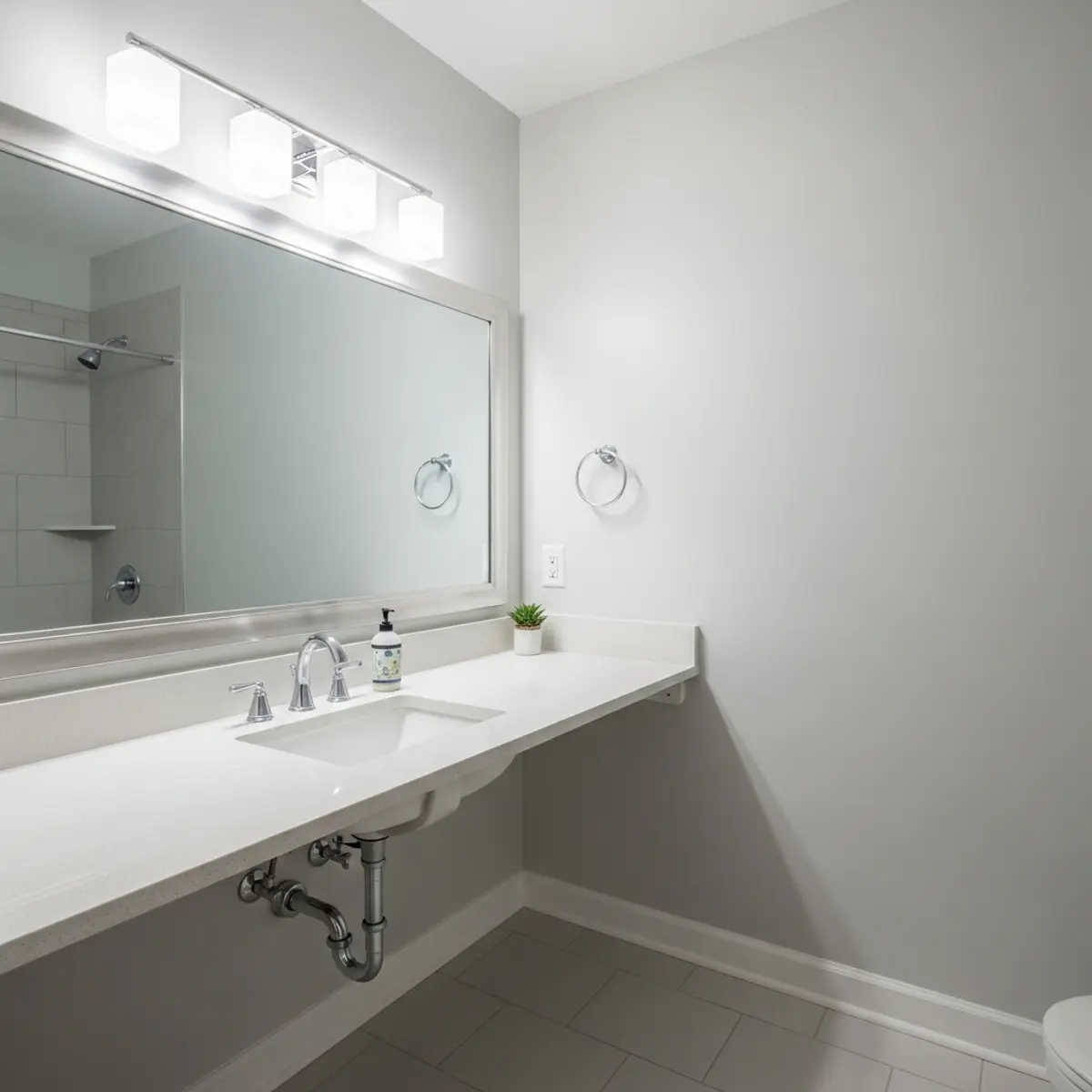
| Bathroom Remodel (Mid-Range) | $25,000–$45,000 | Full demo, tiled shower surround, new vanity and fixtures |
| Siding Replacement | $8,500–$32,000 | Whole-home re-side; material choice drives the spread |
| Window Replacement | $6,500–$28,000 | Whole-home replacement; frame material drives the spread |
| Deck Addition | $18,000–$95,000+ | Ground-level pressure-treated up to elevated composite |
| Interior Painting | $1,800–$14,000 | Full interior repaint — walls, ceilings, trim, doors |
| Home Addition | $60,000–$400,000+ | Bump-out up to a full second story |
| ADU Construction | $95,000–$320,000 | Garage conversion up to a new detached unit |
These are Iron Crest's prices for the scopes described, not market averages, and your number comes from a written estimate rather than from this table.
Recovery Research Is Regional, Not Local
The Cost vs. Value Report groups the country into regions and large metros. Nothing in it is broken out for Ada County, and nothing we have found measures cost recovery at the Boise neighborhood level. You will see contractors assert that Boise beats the national benchmark; we have not been able to source that claim and so we do not make it. Treat a national or regional percentage as a rough sense of which project types recover more than others, not as a prediction for your address.
Your Comparables Set the Ceiling
What a renovation recovers is bounded by what buyers have recently paid for genuinely comparable homes near you. That ceiling varies street to street in a way no published average can capture, and it is the number worth getting before you set a budget. An agent can pull it in an afternoon; an appraiser will do it more rigorously for a fee.
Limited New Construction Inventory
While new subdivisions continue expanding into Meridian, Kuna, and Star, the supply of new homes in established Boise neighborhoods (North End, East End, Bench, Southeast Boise) is nearly zero. Buyers who want to live in these walkable, character-rich areas have to purchase existing homes — and they are willing to pay premiums for homes that have been professionally renovated rather than taking on projects themselves.
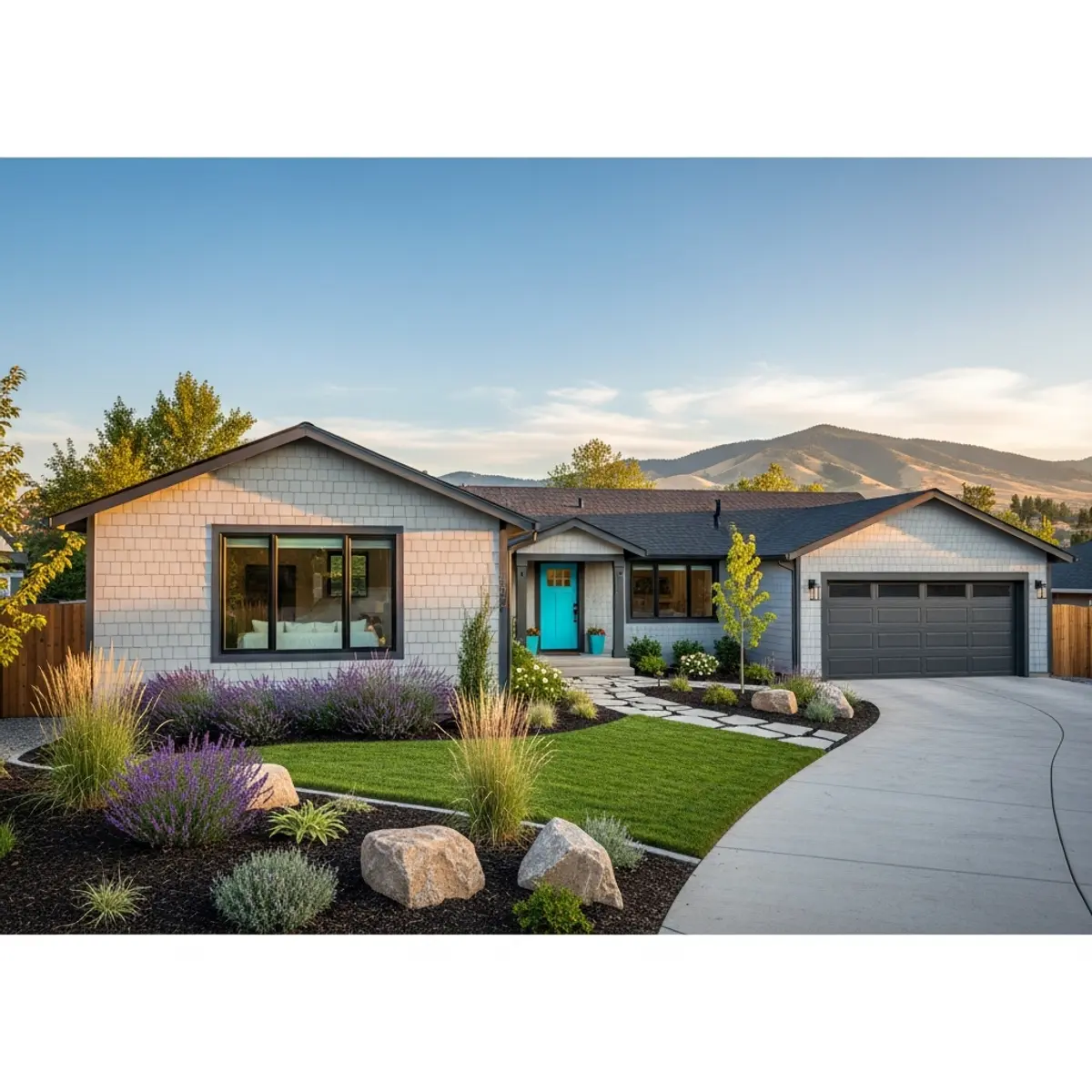
These projects share a common thread — moderate cost, broad buyer appeal, and impact you can see from the kerb or the doorway. That is a cost-and-visibility argument, not a recovery percentage; we do not publish one.
Minor Kitchen Remodel — $22,000–$38,000
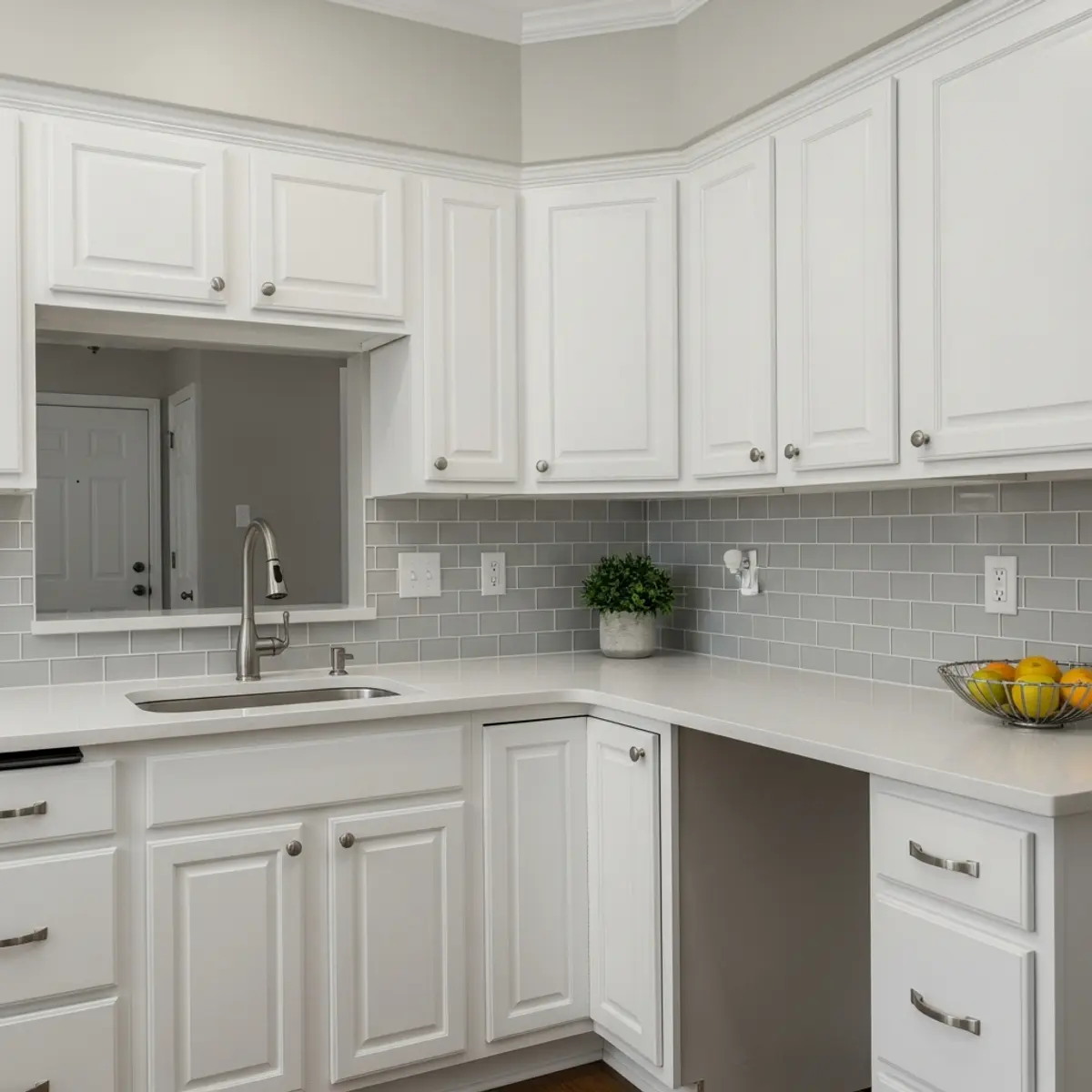
New cabinets, quartz countertops, updated hardware and lighting, and a fresh backsplash. This level of update changes what the room looks like without paying for anything behind the walls, which is why it costs a fraction of a full gut. Buyers in every price range respond to an updated kitchen.
Siding Replacement — $8,500–$32,000
New fiber-cement or engineered wood siding changes the whole face of the house and removes a deferred-maintenance question for buyers. In Boise's climate — hot summers, cold winters, roughly 87 freeze-thaw cycles a year at the airport station — modern siding also cuts long-term maintenance.
Exterior Painting — $2,800–$18,000
The cheapest way to change how the house reads from the street. Most of the cost is prep rather than paint: wood rot repair, lead-safe practices on pre-1978 homes, and stripping failing coatings all add scope, and skipping them is why cheap paint jobs fail in two summers here.
Interior Painting — $1,800–$14,000
A full interior repaint of walls, ceilings, trim, and doors. In North End and Bench homes the number climbs because plaster repair, skim-coating, and bonding primer are added scope rather than a faster version of the same work.
Some projects improve daily life dramatically but do not recover their full cost at resale. These are still worth doing if you plan to stay in the home long enough to enjoy them — just go in with realistic expectations about financial return.
Swimming Pool
Boise's hot summers make pools appealing, but a pool is a large capital cost followed by an ongoing maintenance, utility, and insurance cost for as long as you own the home. It also narrows the buyer pool — families with young children and buyers who do not want the upkeep are deterred. We do not build pools and publish no cost or recovery figure for them; a pool builder will quote the first number and your insurer the second. If you will use it for a decade, the lifestyle case can stand on its own.
High-End Kitchen
A kitchen at the top of our Boise band — $85,000 to $145,000 with custom cabinetry, premium appliances, and premium countertop materials — is a different financial proposition from a $22,000 to $38,000 refresh. The absolute dollars added are larger; the share of spend you are likely to see again is smaller, and the gap widens in neighborhoods where comparable homes do not carry luxury finishes. If you cook and entertain seriously, that can be the right call anyway — just make it with open eyes rather than on a resale argument.
Ada County vs Canyon County
Ada County (Boise, Meridian, Eagle, Garden City) carries higher home values than Canyon County (Nampa, Caldwell, Middleton), and that changes what the same project means as a share of your investment. We do not publish median values for either county — we have no sourced figure and will not invent one — but the arithmetic is yours to run: divide your renovation budget by what your home is worth today. The larger that fraction, the more the outcome depends on your neighborhood supporting the result, and the more worthwhile a comparative market analysis becomes before you commit.
Neighborhood-Specific Guidance
The principle is the same everywhere and the price points are not ours to publish. In Boise's North End and East End, buyer expectations for finish level are high and renovations are judged against that. In Southeast Boise and the Bench, the buyer pool is broad and mid-range updates suit it. In Meridian and Eagle subdivisions, where homes were built within a few years of each other to similar plans, consistency with the surrounding houses matters more than anywhere else — over-improving past the subdivision's ceiling is the most common mistake there. In Nampa and Caldwell, buyers are more price-sensitive, and high-visual-impact work (paint, flooring, countertops, fixtures) does more per dollar than premium materials. Ask an agent what comparable homes near you have recently sold for and what condition they were in; that answer beats any rule of thumb.
Timing Considerations
Market conditions affect what a renovation recovers. In a seller's market with low inventory, updated homes face less competition and buyers negotiate less; in a balanced or buyer's market, the same work is scrutinised harder. Neighborhood trajectory matters too — an area where comparable sales are climbing lifts the result, and a stagnant one caps it. Neither of those is something we measure, which is why the timing question belongs to an agent who watches your submarket weekly.
Do This
- Focus on kitchens and bathrooms first — they consistently deliver the highest returns and broadest buyer appeal
- Address deferred maintenance before cosmetic upgrades — a new kitchen means nothing if the roof leaks or the HVAC fails during inspection
- Match finish levels to your neighborhood — research comparable homes within a half-mile radius before selecting materials
- Prioritize projects with both lifestyle and resale value — a minor kitchen update improves daily life every day you stay, whatever it does at sale
- Consider energy efficiency upgrades during renovation — insulation, windows, and HVAC improvements reduce utility costs and appeal to Boise buyers who value efficiency
- Get professional estimates before setting your budget — accurate cost data prevents mid-project scope reduction that hurts both aesthetics and ROI
Avoid This
- Over-improving for the neighborhood — a $150,000 kitchen in a $400,000 neighborhood will never recover its full cost
- Highly personalized finishes that narrow buyer appeal — bold tile patterns, unusual color palettes, and niche design choices reduce resale value
- Skipping permits to save money — unpermitted work is flagged during buyer inspections and can reduce home value or kill deals entirely
- Cheap materials with short lifespans — builder-grade fixtures and thin laminate flooring get replaced far sooner than the quality tier above them, erasing the savings
- Ignoring the exterior — curb appeal drives first impressions and online listing engagement, which directly affects sale price
- DIY on complex systems — amateur plumbing, electrical, and tile work is obvious to inspectors and experienced buyers, and it depresses perceived value
Cost recovery is not uniform across the Treasure Valley. The neighborhood your home sits in — its price range, buyer profile, inventory levels, and trajectory — shapes how much of your renovation you see again at resale. We publish no recovery percentage for any of these areas, because none exists that we can source. What follows is the qualitative character of each, and what to ask your agent about before you set a budget.
North End & East End
These neighborhoods have almost no vacant land, so buyers who want walkability, mature trees, and proximity to downtown have to buy an existing home. Finish expectations are correspondingly high: buyers here are comparing your kitchen against other renovated kitchens, not against builder grade. That supports a fuller scope than the same budget would justify elsewhere. It also raises the cost of doing the work — tighter site access, older utility connections, and period trim details that have to be matched rather than approximated. Ask your agent what proportion of recent sales nearby had been renovated, and how the unrenovated ones priced against them.
Meridian & Eagle
Subdivision consistency matters more here than in Boise's older neighborhoods. Where every home was built within a few years of the others to similar floor plans and finishes, the ceiling on what any single home can sell for is set tightly by the most recent comparable sales — and those comparables are genuinely comparable in a way they never are in the North End. Over-improving past that ceiling is the most common mistake in these communities. The workable target is to be among the better-finished homes in the subdivision without trying to be a different house from the ones around you. Curb-appeal work also does more here than elsewhere, because homes in a subdivision otherwise read similarly from the street.
Southeast Boise & The Bench
These neighborhoods sit in the middle of the Treasure Valley market, and the buyer pool is correspondingly broad — first-time buyers, young families, and professionals who want a central Boise location without North End pricing. Breadth of appeal is the thing to design for: a mid-range kitchen or bathroom update at the lower half of our Boise bands reaches more of that pool than a premium specification does. Southeast Boise also benefits from the greenbelt and easy freeway access, which tends to keep demand steadier through slower markets. The Bench's older housing stock is the offsetting factor on cost, not on value — expect more discovery work behind the walls.
Nampa & Caldwell
Canyon County's two largest cities have the most price-sensitive buyer pool in the valley, and the governing principle is avoiding over-improvement. Buyers here are shopping on affordability rather than specification, which means premium materials rarely earn back the premium. The better strategy is high-visual-impact, budget-conscious work: fresh interior paint, new LVP flooring, updated cabinet hardware and lighting, new countertops. Those items collectively change how a home reads without pushing the total past what the street supports. Custom cabinetry and designer tile are the two line items most often regretted in this market.
Garden City & West Downtown
These are the areas of the valley that have changed most visibly over the past decade — breweries, restaurants, creative businesses, and mixed-use development have shifted how buyers read the addresses. Where comparable sales are climbing, a renovation is working alongside that movement rather than against it. The caution is the obvious one: neighborhood trajectory is a forecast, not a measurement, and renovating ahead of where the comparables actually are is still over-investing. We publish no appreciation rate for these areas. Ask an agent to show you the last twelve months of sales rather than the narrative.
The Over-Improvement Threshold
Every neighborhood has an over-improvement threshold — the point at which additional renovation spending stops adding proportional value. In practice, this threshold is determined by the highest recent sale price of comparable homes within a half-mile radius. If the most expensive comp in your area sold for $550,000, investing $80,000 in renovations on a $500,000 home pushes you past that ceiling. The excess investment — the amount above what the market will bear — is essentially lost at resale. This is why neighborhood research is critical before setting your budget.
We do not publish a percentage-of-home-value rule, because the honest version of that rule is not a number — it is the ceiling itself. Homes carrying significant deferred maintenance or outdated systems can justify more investment than the rule-of-thumb versions allow, precisely because their current condition is holding them below what the street would otherwise support. Start from the comparables, not from a ratio.
How to Research Your Neighborhood's Comps Before Budgeting
Before committing to a renovation budget, research recent sales in your immediate area. Start with Zillow, Redfin, or Realtor.com — filter for homes within a half-mile radius that sold within the last 6 months with similar square footage and lot size. Pay attention to the condition of sold homes: did updated homes sell faster and at higher prices? What finish level did the top-selling homes have? This data tells you what buyers in your specific micro-market are willing to pay for and establishes a realistic ceiling for your renovation budget.
For a more precise assessment, request a comparative market analysis (CMA) from a local real estate agent. A CMA includes detailed adjustments for condition, upgrades, and lot specifics that public listing sites do not capture. Many agents will provide a CMA at no cost, especially if you mention you are considering renovations that would lead to a future sale. Your contractor is a useful second opinion on what a given scope will cost and what condition similar homes tend to be in, but the value question is the agent's or the appraiser's, not ours.
Cost recovery is usually discussed purely in terms of resale. Energy efficiency upgrades change that equation because they pay back in two ways: lower utility costs every month you live in the home, and whatever the work contributes when you sell. Boise's swing is real — the 1991–2020 NOAA normals for the airport station put the January low at 25.9°F and the July high at 93.5°F — so heating and cooling equipment here works most of the year, and what you spend running it is a standing line in the household budget.
Insulation (Attic & Walls) — $2,000–$5,000
Adding or upgrading insulation is among the cheapest energy work available per unit of comfort gained. In older Boise homes — particularly those built before 1990 — attic insulation often falls short of what the current code would require, and R-49 is the attic level the 2018 IECC sets for our climate zone. ENERGY STAR puts the average saving from air sealing plus insulation at about 15% of heating and cooling costs; we do not publish a dollar figure, because yours depends on the house, the fuel, and the rate you pay. Beyond bills, insulation removes cold spots in winter and cuts heat gain in summer, which is the part homeowners actually notice.
Window Replacement — $10,000–$20,000
Replacing single-pane or aging double-pane windows with modern low-E, argon-filled units cuts heat loss through the glass and stops the cold-glass draft that makes rooms feel worse than the thermostat says they are. We do not publish a savings figure or a recovery percentage — both depend on what you are replacing, how many openings there are, and your utility rate. Specify ENERGY STAR-certified units and confirm on the label that the certification covers the climate zone your address falls in; the label is the part you can verify, and it is what a buyer's inspector will look for.
Heat Pump & High-Efficiency HVAC — $8,000–$15,000
A high-efficiency heat pump handles both heating and cooling from one system, and cold-climate models are rated to keep producing heat well below freezing. We do not publish an annual saving figure; what it saves you depends on what you are replacing, whether you currently heat with gas or electric resistance, and your rate. Idaho Power's residential incentives cover heating and cooling equipment, which is the one category on this page that has a utility programme behind it — confirm eligibility with the utility before installation, since nothing is paid retroactively. At resale, a recently replaced system removes a standing inspection question.
Smart Thermostat — $200–$400
A smart thermostat is the cheapest energy upgrade on this list by a wide margin. A programmable or learning thermostat adjusts temperature to occupancy and schedule rather than running the house at one setpoint all day, and it is the only item here that a homeowner can reasonably retrofit without a contractor. We publish no savings figure; the honest answer is that it depends entirely on how disciplined your existing schedule already is. Smart thermostats are one of the measures Idaho Power's heating and cooling programme covers, so ask the utility before you buy.
LED Lighting Conversion — $500–$1,500
LEDs draw a fraction of the power of the incandescent bulbs they replace and last far longer, which removes the bulb-replacement chore as well as part of the bill. We publish no savings figure — check the rated wattage on the bulbs you are replacing against the ones going in and your own rate, which is a five-minute calculation you can do more accurately than we can. During a remodel the real opportunity is the fixtures rather than the bulbs: recessed and under-cabinet LED lighting in kitchens and bathrooms is far easier to run while the ceilings and cabinets are open. Note that Idaho Power does not offer a residential lighting rebate.
Why Boise's Climate Makes Energy Efficiency Especially Valuable
Boise's seasonal swing is wide. The 1991–2020 NOAA normals for the Boise Airport station give a January average low of 25.9°F and a July average high of 93.5°F, and measured records from that station show about 87 freeze-thaw cycles a year (30-year mean, range 56–108). Equipment that has to cover both ends of that range runs for most of the year, which is why the envelope — insulation, air sealing, and glazing — earns more attention here than in a mild-climate city. We publish no household energy-cost figure for Boise: neither utility publishes one we can cite, and your own twelve months of bills are a better input to this decision than any average would be.
Idaho Power & Intermountain Gas Rebate Programs
Both utilities run rebate programs, but they are narrower than homeowners usually expect. Idaho Power's Heating and Cooling Efficiency Program is limited to heating, cooling, and water heating measures — heat pumps, central air conditioners, duct sealing, ECM motors, evaporative coolers, whole-house fans, hybrid heat pump water heaters, and smart thermostats. It does not cover windows, insulation, or lighting, and Idaho Power does not publish the incentive amounts, so the only way to know what your equipment earns is to ask the utility. Incentives are limited to one per home, funding is first-come, first-served, and nothing is paid retroactively — eligibility has to be confirmed before installation, not after. Intermountain Gas rebates cover gas equipment only, for customers who heat or water-heat exclusively with its natural gas: $275 for a 95% AFUE furnace, $325 for a .91 UEF tankless water heater, and $800 for a 95% AFUE boiler or combination boiler. Because no incentive is published for the electric side, build your ROI on the project cost and the utility-bill savings, and treat any rebate you qualify for as a reduction after the fact.
Document the Work, Whatever It Is Worth
We have seen energy upgrades credited with faster sales and higher prices, attributed to the National Association of REALTORS and to unnamed agents. We could not trace those claims to a published figure, so we do not repeat them. What is unambiguously worth doing is keeping the paperwork: receipts, model and serial numbers, manufacturer warranty registrations, permit records, and twelve months of utility bills from before and after. Whatever the work turns out to be worth, an undocumented upgrade is worth less — a buyer's inspector and an appraiser can both credit only what they can see evidence of.
Cost recovery is measured at the point of sale. Rental income projects change the shape of that question by producing monthly cash flow while you still own the home. For homeowners willing to manage a rental unit — or to pay a property manager to — the total return can exceed what a kitchen or bathroom remodel of the same cost delivers. We do not publish Boise rent figures or vacancy rates on this page; the sections below explain what to build and who to ask for the numbers.
ADU Construction — $95,000–$320,000
Accessory dwelling units — detached cottages, garage conversions, or above-garage apartments — are the largest project on this page and the only one that returns in two channels at once. Our Boise band runs from about $95,000 for a garage conversion where the structure and some utilities already exist to $320,000 for a new detached unit with its own foundation and utility connections. Utility connection cost is the single most variable element, and it is set by how far you are from the existing services and how old they are.
We do not publish a Boise rent figure or a value-added figure, and we would treat anyone who does with suspicion unless they name a survey. One data point we can stand behind, because it is our own completed project rather than a market average: a 600 sq ft detached one-bedroom ADU on a 0.18-acre North End lot, built in 16 weeks, appraised at $155,000 of added value with rental potential of $1,400–$1,600 per month. That is one unit on one lot and is not a market average. For your address, ask a property manager for a written rent opinion and an appraiser what the unit would add; those two numbers decide the case, and neither is ours to supply.
Basement Conversion to Rental Suite
For homes with unfinished or underutilised basements, converting to a legal rental suite is the cheapest route to a rentable unit, because the shell, the foundation, and the utility service already exist. A suite with its own entrance, kitchenette, bathroom, bedroom, and living area is priced per project rather than from a published band; the spread depends almost entirely on whether an entrance already exists. We publish no Boise basement rent figure — ask a property manager for a written rent opinion on comparable units near you.
Two code items govern the build. Each dwelling unit needs its own means of egress, so a separate exterior entrance is not optional; if your lot grading and foundation allow a walkout or garden-level door, the cost stays at the lower end, and if excavation or structural modification is needed to create one, it does not. Every basement bedroom also needs an emergency escape and rescue opening — under the 2018 IRC an egress well serving one must be at least 9 square feet with a minimum horizontal dimension of 36 inches (R310.2.3). Ceiling height is the third thing to check before you plan anything: R305.1 sets 7 feet for habitable space, with an exception allowing 6 feet 4 inches at beams, girders, ducts, and similar obstructions in a basement containing habitable space.
Short-Term Rentals (Airbnb & VRBO)
Short-term rentals carry higher headline rates than long-term leases, and a much larger gap between gross and net. Cleaning between guests, furnishing and replacing contents, guest communication, platform commission, and vacancy all come out of the top line, and occupancy is seasonal rather than flat. We publish no nightly rate, occupancy assumption, or net-income comparison for Boise, because we have no survey behind any of them and a worked example built on invented inputs is worse than no example. Pull current listings for comparable units in your part of town, and build the operating side from quotes you actually obtain for cleaning and management.
Boise short-term rental regulations are an important consideration. The City of Boise requires a short-term rental permit, and regulations vary by zone — some neighborhoods have additional restrictions on the number of permits issued or require the property to be owner-occupied. Violations can result in fines and permit revocation. Before investing in a short-term rental strategy, verify current permit requirements with the City of Boise Planning & Development Services department and confirm that your property qualifies. Regulations have evolved over the past several years and may continue to change.
Getting Real Numbers for the Rental Side
We publish no vacancy rate, no average rent, and no rent-growth figure for Ada County. Those numbers exist, but not in a form we can cite, and a contractor quoting them from memory is exactly the failure mode this page is trying to avoid. Two sources will give you defensible inputs: a local property manager, who will write a rent opinion on your specific address and tell you what comparable units are actually leasing for and how long they sit, and current listings on the major rental platforms, which you can filter to unit size and neighborhood yourself. Build the case on those, not on a builder's market commentary.
Insurance, Tax & Regulatory Considerations
Adding a rental unit changes your insurance requirements, tax obligations, and regulatory compliance. Your homeowner's policy has to be updated to cover landlord liability for the rental unit; ask your agent for the quoted difference rather than budgeting from a figure you read online, because it varies with coverage level and unit type. Rental income is taxable, and the IRS recovery period for residential rental property is 27.5 years, against which ongoing expenses such as maintenance, insurance, management fees, and utilities are also deductible. Consult a tax professional to structure this properly — we are not one.
On the regulatory side, ensure your rental unit meets all building code requirements: separate electrical panel, smoke and CO detectors, proper egress windows in bedrooms, adequate ventilation, and sound separation between the rental unit and your primary living space. Permitted construction is essential — unpermitted rental units create significant liability exposure and can result in fines, forced removal of the unit, or complications at resale when buyers' inspectors and lenders flag unpermitted square footage.
When a Rental Unit Beats a Straight Remodel
The comparison turns on how long you hold the property, and it is one you should run with your own numbers rather than ours. A kitchen remodel returns once, at sale. A rental unit returns partly at sale and partly every month in between, so the longer you stay, the more the rental side accumulates. Put your own quoted build cost on one side and a property manager's written rent opinion, net of management and maintenance quotes you have actually obtained, on the other. If you do not have those two inputs yet, you do not have the comparison — and any version of it you find published with round numbers was almost certainly assembled the way this page used to be.
The trade-off that does not show up in a spreadsheet is complexity. A kitchen remodel needs no management once it is finished. A rental unit means tenants, or a manager taking a share of the rent, plus maintenance and regulatory compliance for as long as you own it. Homeowners who value simplicity and plan to sell within a couple of years are usually better served by a straightforward remodel; homeowners staying long-term who are willing to run the operational side are the ones the rental case is really for.
What remodel has the highest ROI in Boise?
No one publishes cost-recovery research at the Boise or Ada County level, so we do not rank projects for this market. The national picture, from Remodeling magazine's Cost vs. Value Report, is that a minor kitchen remodel recovers close to its full cost (2024 national ≈96%) and fiber-cement siding replacement most of its cost (2024 national ≈88%), while large interior renovations recover a smaller share but add more total dollars. Read that report at the source — it is reported by region, not by neighborhood — and have a local agent pull sold comparables on your street before you set a budget.
Does a bathroom remodel increase home value in Boise?
Generally yes, but we cannot tell you by how much, and neither can any contractor who has not appraised your home. We hold no resale data on the bathrooms we have built, so a Boise recovery percentage from us would be invented. What is worth knowing is the shape of the risk: over-improving past what comparable homes on your street offer is the most common way to spend money that does not come back. An appraiser or an agent's comparative market analysis will tell you where that ceiling sits.
Is ADU construction a good investment in the Boise market?
An ADU is the one project that returns in two channels — monthly rent while you own the home, and added value when you sell. We do not publish a rent figure or a value-added figure for Boise, because we have no market survey behind either. A property manager will put a written rent opinion on your specific address, and an appraiser will tell you what the unit adds. Get both before you commit: an ADU is the largest single project on this page, and the case for it rests entirely on numbers we are not the right source for.
Why is Boise remodel ROI different from national averages?
We do not know that it is. Claims that Boise beats national benchmarks are commonly made and, as far as we can find, never measured — the Cost vs. Value Report is published by region rather than by metro, and nothing we have seen breaks out Ada County. What is documented is that the Treasure Valley has grown quickly and that established Boise neighborhoods have little room for new construction. Whether that translates into a higher recovery percentage on your remodel is a question for an appraiser looking at your comparables.
Does a pool add value to a Boise home?
Pools are widely understood to recover a smaller share of their cost than almost any other project, and they carry ongoing maintenance and insurance costs for as long as you own the home. They also narrow the buyer pool — some families treat a pool as a safety concern rather than an amenity. We do not build pools and do not publish a recovery figure for them. If you want one for the years you will use it, that is a sound reason; treat the resale side as a question for your agent.
How do I maximize ROI on a home remodel in Boise?
Address deferred maintenance (roof, HVAC, plumbing) before cosmetic upgrades, keep finish levels in line with what comparable homes on your street already offer, and do not push your total spend past the neighborhood's price ceiling. That ceiling is the highest recent sale among genuinely comparable homes nearby, and an agent can pull it for you in an afternoon. Beyond that, prioritise work that improves daily livability as well as buyer appeal — you collect that return whether or not you ever sell.
The following government agencies, industry organizations, and official resources provide additional information relevant to your remodeling project.
Plan Your Renovation Budget
Free, detailed estimates for home remodeling projects in Boise, Meridian, Eagle, Nampa, and the Treasure Valley.