Boise Bathroom Remodeling
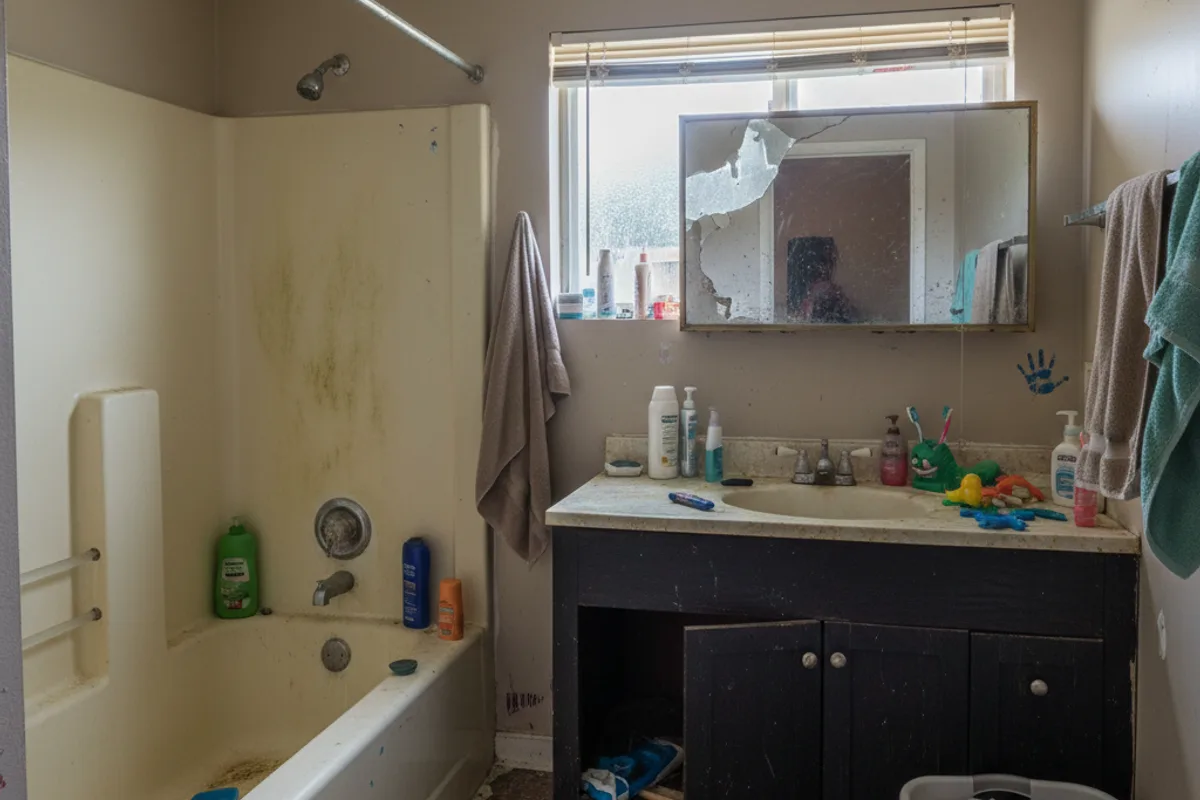
Iron Crest Remodel transforms outdated bathrooms into modern, functional spaces. From master bath overhauls to guest bathroom updates, we handle plumbing, tile, fixtures, vanities, and everything in between.

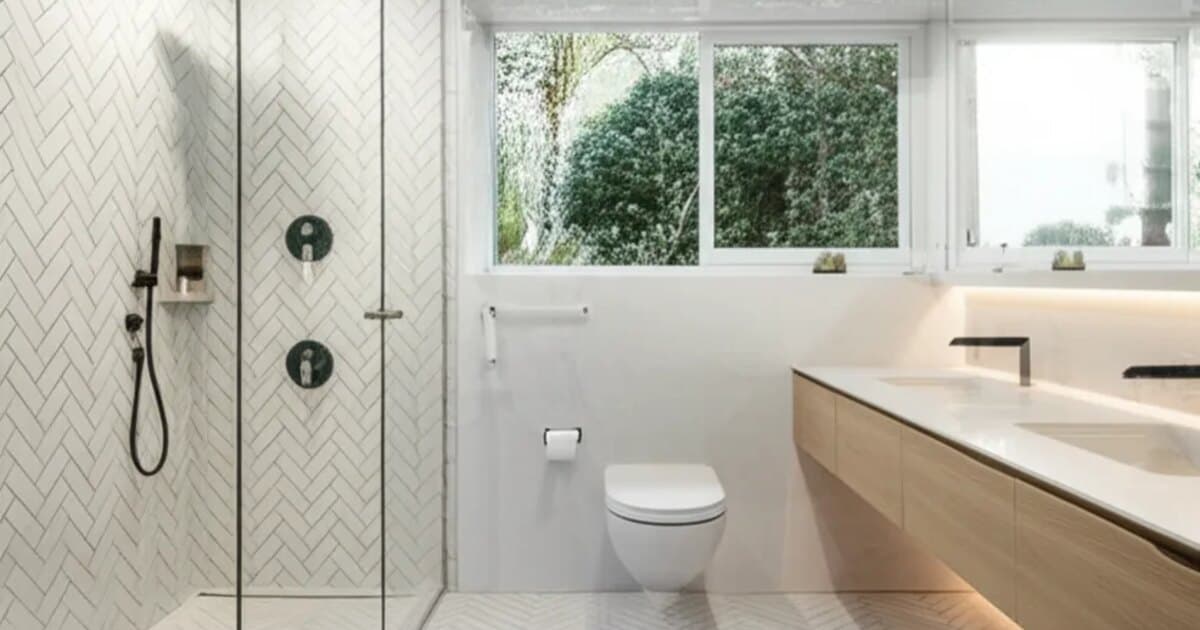
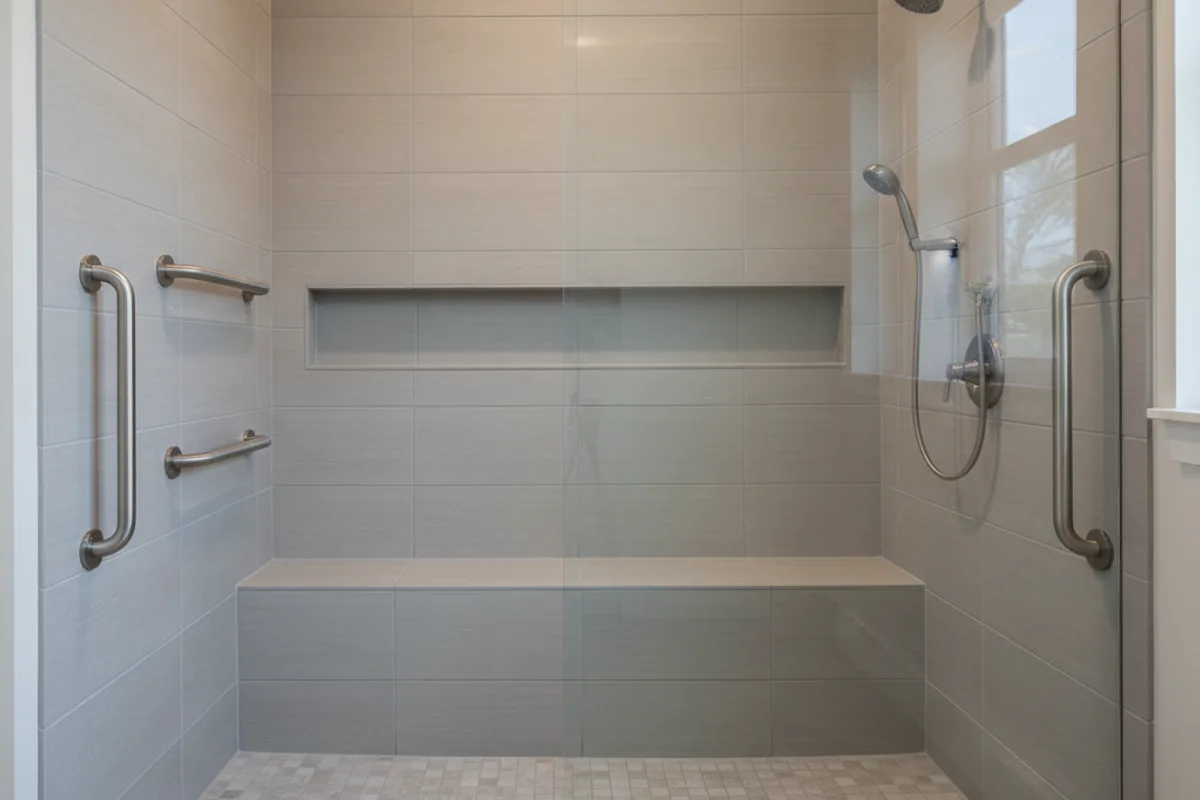
- Walk-in shower design and installation
- Custom tile work (floor, walls, niches)
- Vanity and cabinet installation
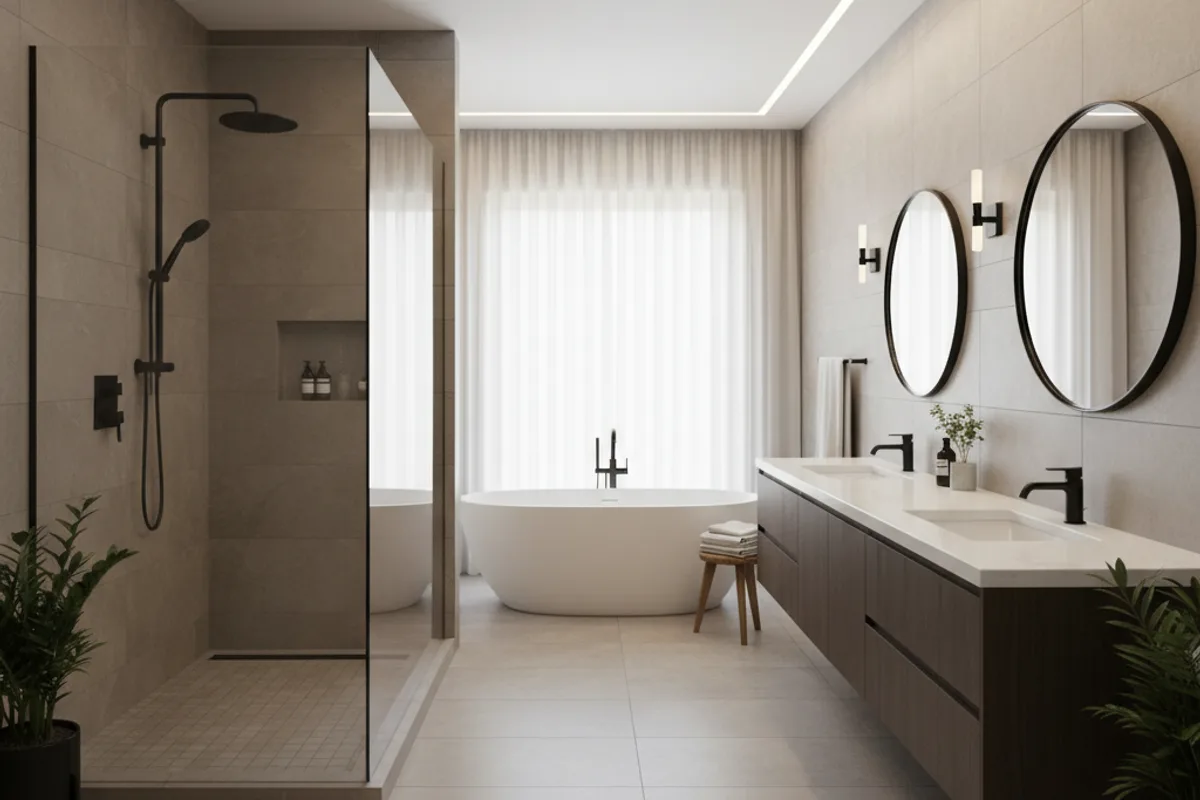
- Freestanding and built-in tub installation
- Heated flooring systems
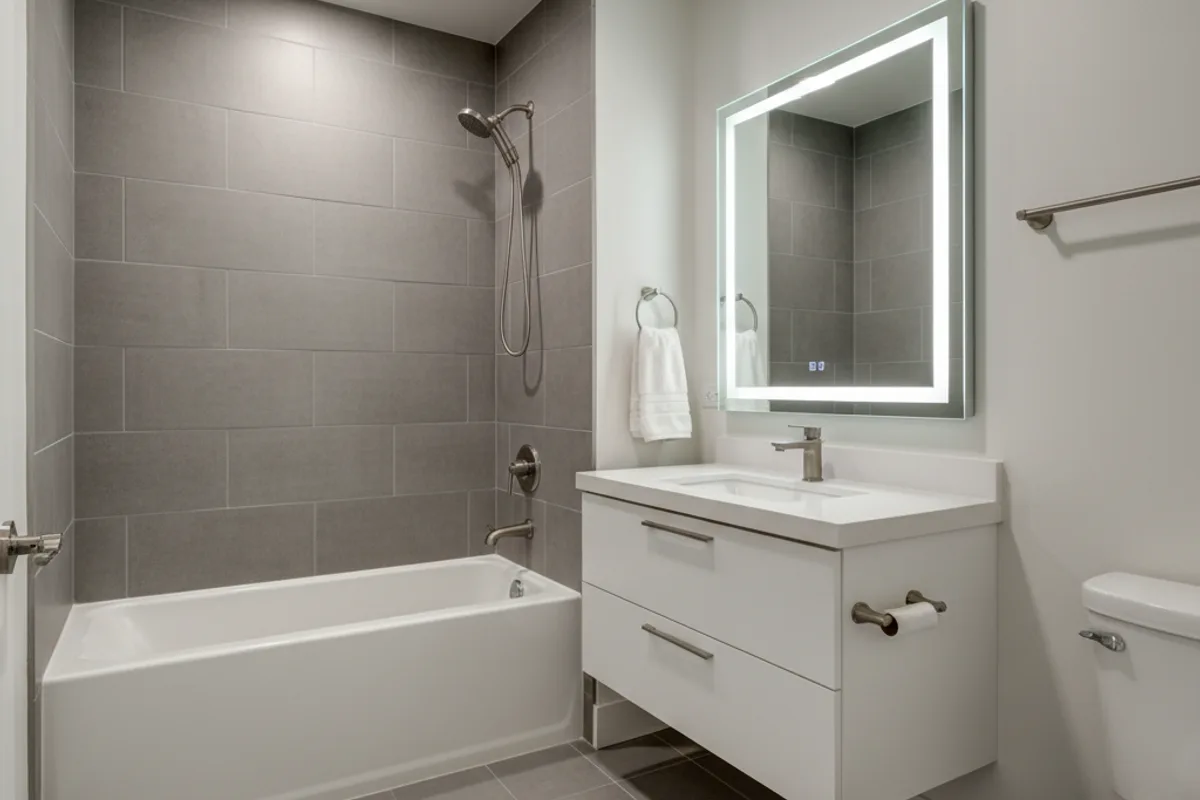
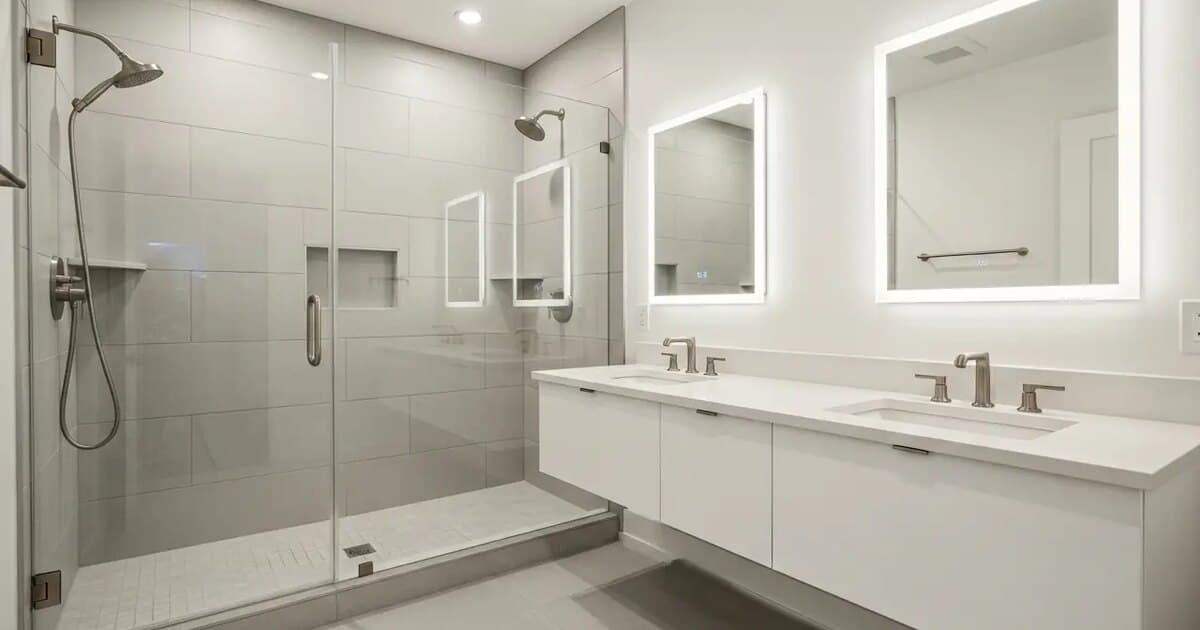
- LED mirror and lighting upgrades
- Frameless glass shower enclosures
- Waterproofing and moisture barriers
- Ventilation fan upgrades
- ADA-compliant accessible bathroom builds
Timeline
3 – 6 weeks

Assessment & Design
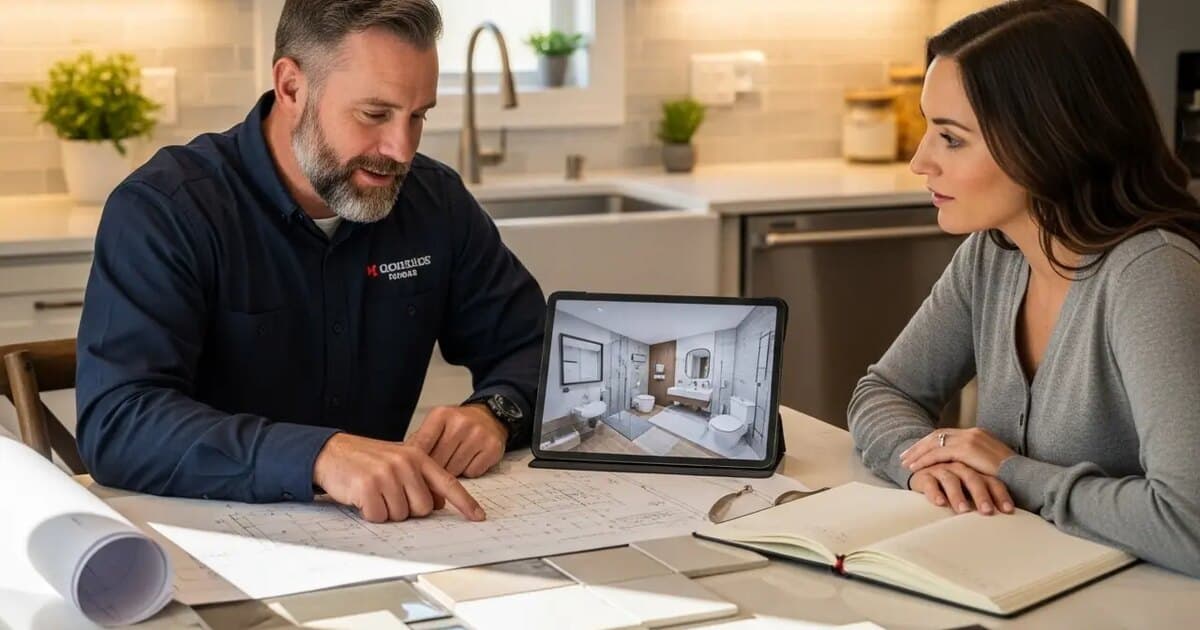
We evaluate your existing bathroom, discuss your vision, and develop a design plan with layout, materials, and fixtures tailored to your space and budget.

Material Selection
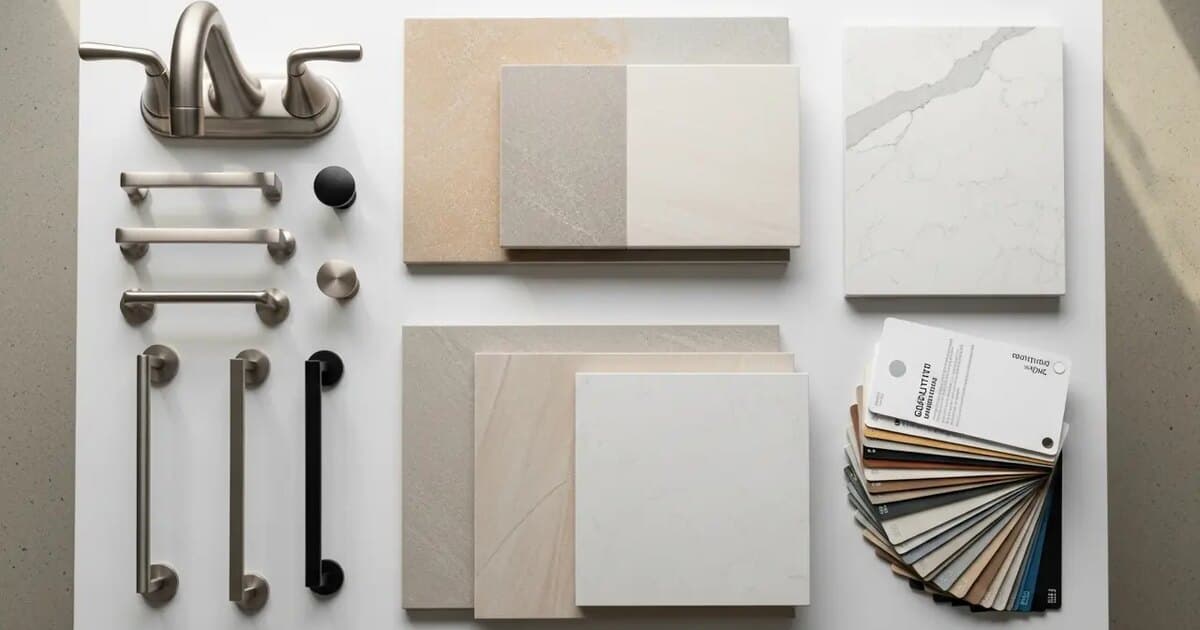
Choose from our curated selection of tile, vanities, fixtures, and hardware. We source premium materials from trusted suppliers with competitive pricing.

Demolition & Prep
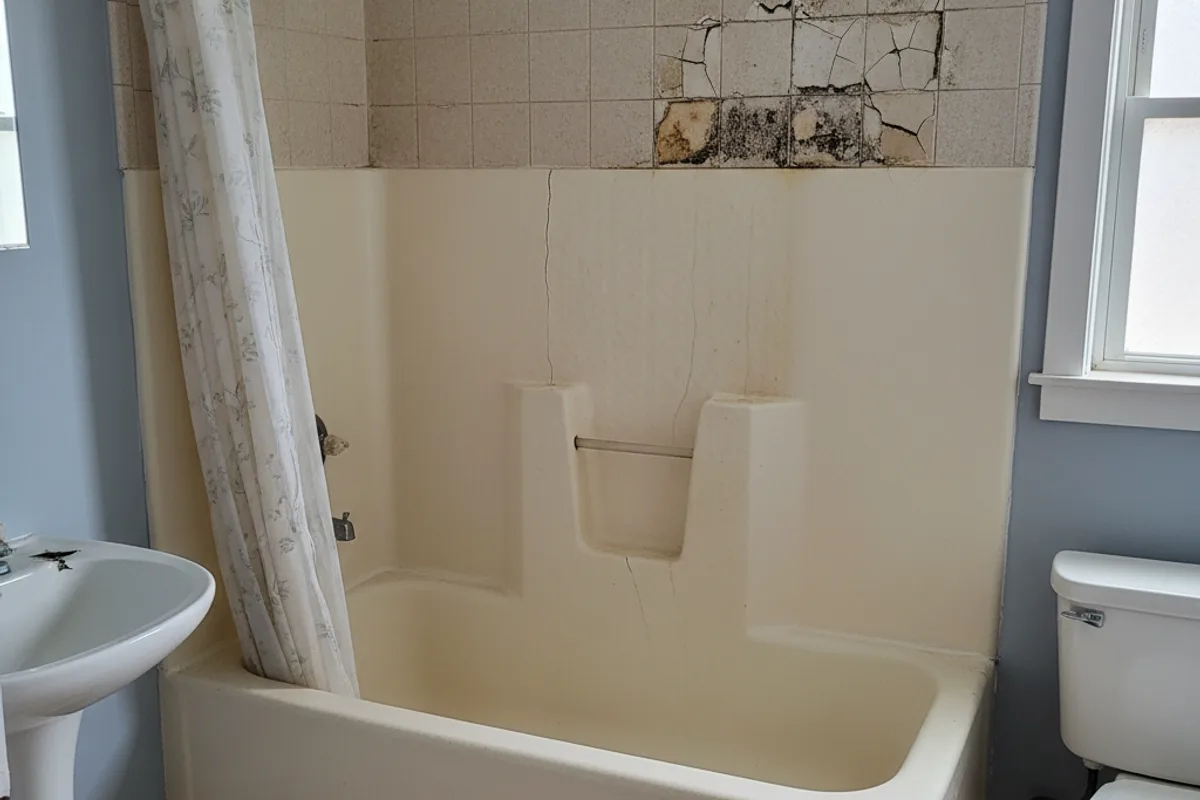
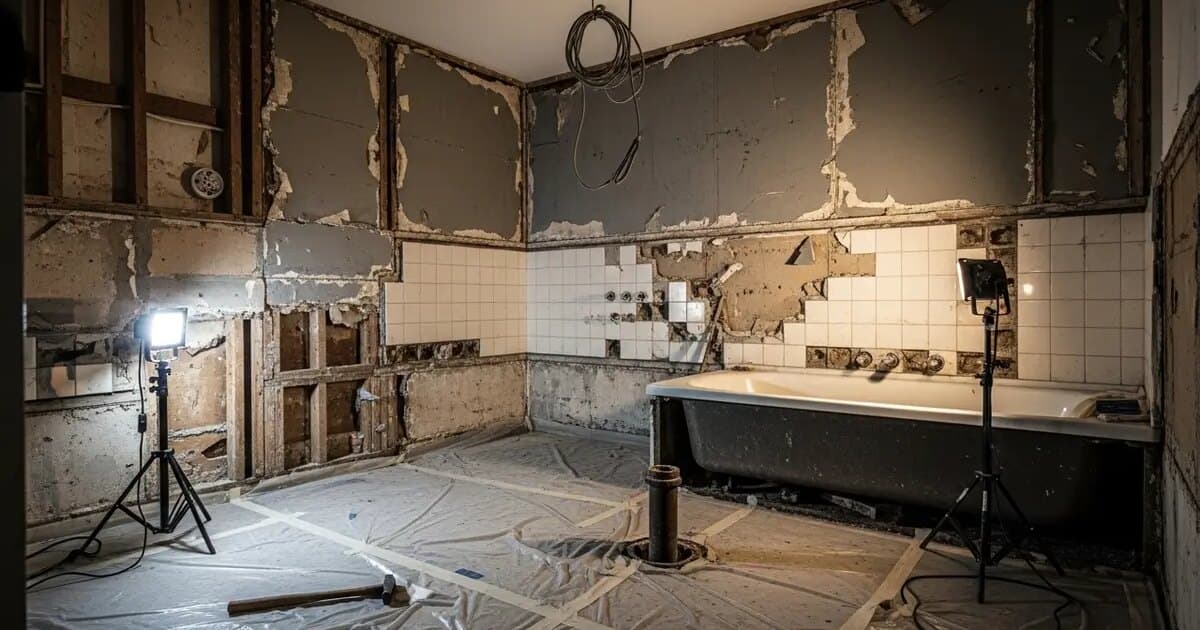
Existing fixtures, tile, and finishes are removed. We address any water damage, update plumbing and electrical, and install waterproofing membranes.

Build & Install
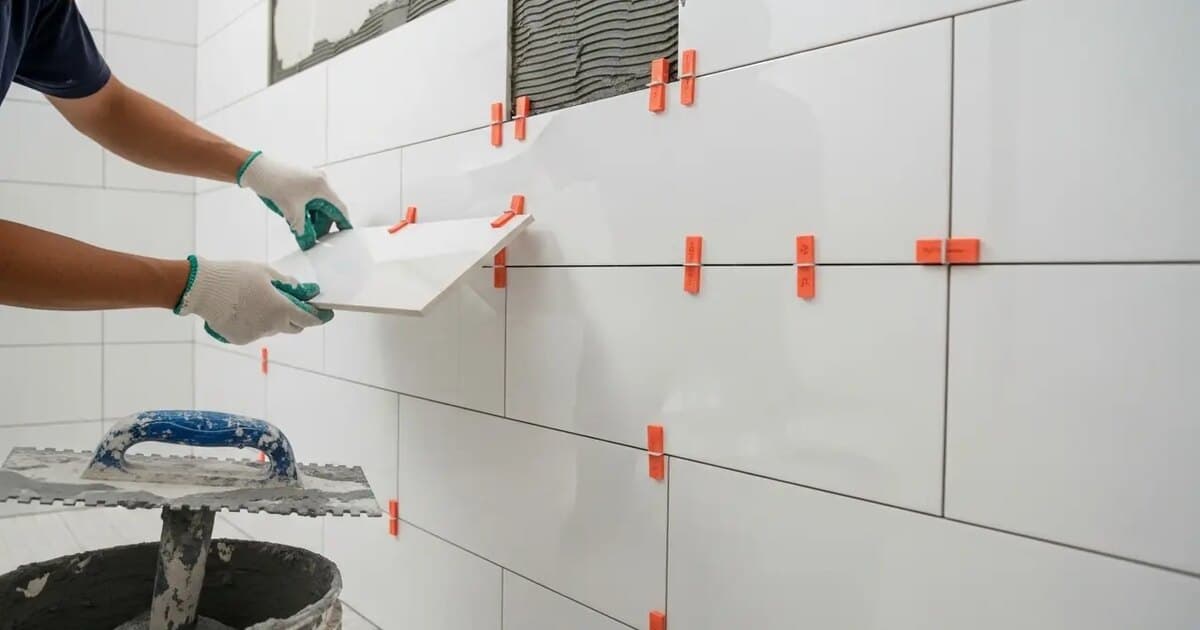
Tile, vanities, fixtures, glass enclosures, lighting, and accessories are installed by our specialized crews. Every joint is sealed and every connection tested.

Inspection & Handoff
Final plumbing and electrical inspections, punch list review, and a complete walkthrough with you before we consider the project finished.
How much does a bathroom remodel cost in Boise?
Bathroom remodels in Boise typically range from $15,000-$35,000 for a standard renovation and $35,000-$75,000+ for a luxury master bath. Costs depend on bathroom size, tile selection, fixture quality, and whether plumbing needs to be relocated.
How long does a bathroom remodel take?
Most bathroom remodels take 3-6 weeks. A straightforward update (new vanity, fixtures, and paint) can be completed in 1-2 weeks. A full gut renovation with tile, new plumbing, and layout changes typically takes 4-6 weeks.
Should I choose a walk-in shower or a tub for my bathroom?
It depends on your needs. Walk-in showers maximize space and are more accessible. If you have young children or prefer soaking baths, keeping at least one tub in the home is recommended. We can help you decide based on your household and resale considerations.
Do you handle all the plumbing for bathroom remodels?
Yes. Our licensed plumbing crews handle all bathroom plumbing including supply lines, drain relocations, shower valve installation, and fixture connections. All plumbing work is permitted and inspected.
Not every bathroom remodeling project is the same. Cosmetic updates are minor refreshes — not full remodels. Full remodels start at the Standard tier and above. Here are the most common scope levels we handle in the Boise area, with typical investment ranges.
Cosmetic Update
$8,000 – $15,000
Not a full remodel. New paint, fixtures, hardware, vanity top, and lighting — no layout or plumbing changes. Full remodels typically begin at $15,000.
Standard Full Remodel
$15,000 – $35,000
New tile, vanity, shower/tub, fixtures, lighting, and flooring. May include plumbing updates.
Master Bath Luxury
$35,000 – $75,000+
Custom tile, freestanding tub, frameless glass, heated floors, custom cabinetry, and premium fixtures.
Accessible / Aging-in-Place
$20,000 – $45,000
Curbless shower, grab bars, wider doorways, comfort-height fixtures, and non-slip surfaces.
Remodeling in the Treasure Valley comes with local factors that affect scope, cost, and timeline. Here is what Boise-area homeowners should know.
Older Home Plumbing
North End and Hyde Park homes (pre-1960) often have galvanized steel supply lines and cast iron drains that must be replaced during a bathroom remodel, adding $2,000–$5,000.
Permit Requirements
Ada County requires permits for any plumbing, electrical, or structural changes. Building permits run $150–$500 depending on scope. Iron Crest handles all permit applications.
Idaho's Dry Climate
Low humidity means waterproofing is critical — without proper moisture barriers, tile installations fail faster. We use Schluter Kerdi or equivalent waterproofing on every wet-area installation.
Winter Scheduling
Interior bathroom remodels are ideal winter projects in Boise. Material delivery is rarely weather-affected, and winter scheduling often means faster crew availability.
Choosing between walk-in shower and bathtub? Here is a side-by-side comparison to help you decide.
| Factor | Walk-In Shower | Bathtub |
|---|---|---|
| Space Efficiency | Maximizes usable floor area | Requires 5ft minimum footprint |
| Accessibility | Easier entry, aging-in-place ready | Difficult for mobility-limited users |
| Resale Value | Preferred in master baths | Keep one tub in home for families |
| Cost | $3,000 – $15,000 installed | $1,500 – $8,000 installed |
| Maintenance | Glass needs regular cleaning | Caulk and grout maintenance |
Dive deeper into cost breakdowns, timelines, permit requirements, material options, and design inspiration for your bathroom remodeling project.
Plan your bathroom remodeling project with our in-depth guides.
Explore our in-depth guides to understand bathroom remodeling costs, timelines, and planning details for cities across the Treasure Valley.
See detailed bathroom remodeling information specific to your city, including local permit requirements, housing stock insights, and neighborhood-level recommendations.
Ready to Start Your Remodeling Project?
Get a free, no-obligation estimate from Boise's trusted remodeling experts. Licensed, insured, and ready to build.
Explore our in-depth guides to the most important decisions in your Boise bathroom remodel — from shower styles and vanity options to layout configurations that maximize your space.
Making the biggest bathroom decisions? Our comparisons, ROI analysis, and planning guides help Boise homeowners remodel with confidence.

The most important part of a bathroom remodel is the part you never see — the waterproofing system behind the tile. A beautiful shower with inadequate waterproofing will fail within 3–5 years, leading to mold, rot, and costly repairs. Every Iron Crest Remodel bathroom includes waterproofing that exceeds code requirements.
Sheet Membrane Systems
For most shower installations, we use Schluter KERDI membrane — a polyethylene sheet that bonds directly to the cement board substrate. KERDI creates a continuous waterproof barrier across walls, curbs, and niches. It's been the industry standard for premium shower construction for over 20 years because it eliminates the most common failure point: water migrating through grout and tile into the wall cavity.
Liquid-Applied Waterproofing
For simpler applications (tub surrounds, backsplash areas), we use liquid-applied waterproofing such as Laticrete Hydro Ban. Applied in two coats to a specific mil thickness, liquid membranes are effective and efficient for areas with less direct water exposure. The key is proper coverage thickness — we measure and verify application rates rather than relying on visual coverage alone.
Why It Matters in Boise
Boise's hard water (10–14 grains per gallon in most areas) means mineral deposits build up on tile and grout faster than in soft-water regions. While this is primarily a maintenance concern, it also means grout can deteriorate faster if not properly sealed and maintained. Our waterproofing approach treats the membrane as the primary moisture barrier, with grout as a secondary layer — so even if grout cracks or deteriorates, the structure behind it remains protected. Read our full tile and waterproofing systems guide for detailed comparisons.

Proper ventilation is the second most important element of a bathroom remodel — and one of the most commonly overlooked. Boise's climate creates a unique ventilation challenge: dry winters mean the air doesn't hold much moisture, but bathrooms generate significant humidity in a short period during showers and baths. Without adequate exhaust, that moisture condenses on cool surfaces (mirrors, windows, walls) and creates conditions for mold growth even in an arid climate.
- Exhaust fan sizing: minimum 50 CFM for standard bathrooms, 1 CFM per square foot for master baths over 50 sq ft
- Vent termination: always to exterior — never into the attic, soffit, or crawlspace
- Insulated ductwork: prevents condensation inside the duct during Boise's cold winters
- Timer or humidity sensor controls: run the fan 20–30 minutes after showering for complete moisture removal
- Quiet operation: modern bath fans operate at 0.5–1.5 sone — quieter than a refrigerator
- Combined units: fan + light + heater combos are popular in Boise where bathroom temperatures can drop during cold mornings

Hard Water and Fixture Selection
Boise's hard water (averaging 10–14 grains per gallon) deposits calcium and magnesium on fixtures, glass, and tile. When selecting bathroom finishes, this is a practical concern: brushed nickel and matte black fixtures show water spots less than polished chrome. Glass shower enclosures benefit from protective coatings (EnduroShield, ShowerGuard) that reduce mineral buildup. We recommend low-maintenance surfaces throughout — quartz vanity tops over marble, porcelain tile over travertine — specifically because of Boise's water chemistry.
Bathroom Layouts in Boise Homes
Boise's housing stock includes a wide range of bathroom sizes and configurations. North End bungalows (1920s–1950s) often have small 5×7 bathrooms with cast-iron tubs, pedestal sinks, and limited storage. The Bench and Vista neighborhoods (1950s–1970s) typically have slightly larger hall bathrooms with tub/shower combos. Southeast Boise and newer subdivisions have more generous master baths but may still have compact secondary bathrooms. Our design approach adapts to each layout — maximizing function and storage within the existing footprint before considering expansion. See our small bathroom design ideas guide for space-saving strategies.
Energy and Water Efficiency
Water conservation matters in the Treasure Valley. We install WaterSense-certified fixtures as standard: low-flow showerheads (2.0 GPM or less), dual-flush toilets (1.28/0.8 GPF), and faucet aerators. These fixtures reduce water usage by 20–30% compared to older models without sacrificing performance. Idaho Power and Boise City water utility may offer rebates on qualifying water-efficient fixtures — we identify applicable programs during the planning phase.
Bathroom remodeling costs in Boise depend on the scope of work, bathroom size, material selections, and whether plumbing or electrical need to be relocated. Below are the realistic price ranges we see across our projects in Ada County and the surrounding Treasure Valley.
| Project Type | Budget | Mid-Range | High-End |
|---|---|---|---|
| Powder Room Refresh | $5,000 | $10,000 | $18,000 |
| Guest Bath Remodel | $15,000 | $25,000 | $40,000 |
| Master Bath Remodel | $25,000 | $45,000 | $75,000+ |
| Tub-to-Shower Conversion | $8,000 | $15,000 | $25,000 |
| Accessible Bath Retrofit | $12,000 | $22,000 | $35,000 |
Where the Money Goes
In a typical mid-range bathroom remodel, the budget breaks down roughly as follows: tile work and installation account for 25–30% of the total cost, followed by plumbing fixtures and labor at 20–25%, cabinetry and vanity at 15–20%, glass enclosures at 8–12%, and electrical, ventilation, and finishing work making up the balance. The single largest variable is tile — a standard porcelain tile at $4–$8 per square foot installed versus a large-format imported porcelain at $15–$25 per square foot can shift the total project cost by $5,000–$10,000 on walls and floors alone.
Plumbing relocation is the other significant cost factor. If your existing layout works well — same drain location, same supply line positions — costs stay predictable. Moving a toilet, relocating a shower drain, or adding a freestanding tub where none existed before requires new rough-in plumbing that adds $2,000–$6,000 depending on complexity and distance from existing lines. See our detailed bathroom remodel cost guide for complete component-by-component pricing.
Understanding the timeline helps you plan around the disruption of losing a bathroom. Most bathroom remodels follow a predictable sequence, though the total duration depends on scope and material lead times.
Pre-Construction (2–4 Weeks Before Demo)
Design finalization, material selections, and ordering. Tile, vanities, and fixtures are ordered and confirmed before we schedule demolition. Custom-order items like frameless glass enclosures may require 3–4 weeks lead time. We also submit permit applications during this phase — Boise permits typically take 5–10 business days for residential bathroom work.
Week 1: Demolition and Rough-In
Existing fixtures, tile, and finishes are removed. We inspect the subfloor for water damage (common in Boise homes built before 1990), replace any deteriorated framing or subflooring, and complete plumbing and electrical rough-in. The rough-in inspection is scheduled with the City of Boise at the end of this phase — work cannot proceed until the inspector approves all concealed plumbing and electrical.
Week 2: Waterproofing and Tile
Cement board substrate is installed, waterproofing membrane is applied (KERDI or Hydro Ban), and tile installation begins. Floor tile is laid first, followed by wall tile in the shower area. Tile work is the most time-intensive phase — a master bath with floor-to-ceiling shower tile can take 4–5 days of tile work alone. Grout is applied after all tile is set and cured.
Week 3: Fixtures and Finish Work
Vanity installation, countertop templating and installation (if stone or quartz), toilet setting, shower glass measurement and installation, mirror hanging, lighting fixture installation, and all hardware mounting. Painting of non-tiled surfaces happens during this phase as well. The final plumbing connections are made and tested for leaks.
Week 4: Final Inspection and Walkthrough
The City of Boise final inspection covers completed plumbing, electrical, and ventilation. After passing inspection, we complete caulking, touch-up painting, final cleaning, and a detailed walkthrough with you. We review every element, test every fixture, and create a punch list for any items that need attention. The bathroom is ready for use after the walkthrough is complete.
Timeline variables: Custom tile patterns, stone countertop fabrication, and frameless glass enclosures each add processing time. We build these lead times into the schedule upfront so the project flows without gaps. Simpler remodels (standard vanity, pre-fab shower surround, no layout changes) can be completed in 2–3 weeks. Read our complete bathroom remodel timeline guide for week-by-week details.
One of the most consequential decisions in a bathroom remodel is whether to install a walk-in shower, keep or add a bathtub, or combine both. The right answer depends on your household, your home's bathroom count, and your long-term plans.
Walk-In Shower
- Maximizes usable floor space in smaller bathrooms
- Easier entry and exit — better for aging in place
- Modern, open aesthetic with frameless glass options
- Easier to clean than a tub/shower combo
- Custom tile work creates a spa-like experience
- Zero-threshold (curbless) options available for accessibility
Bathtub
- Essential for bathing young children safely
- Soaking tubs provide therapeutic relaxation
- Real estate agents recommend at least one tub per home
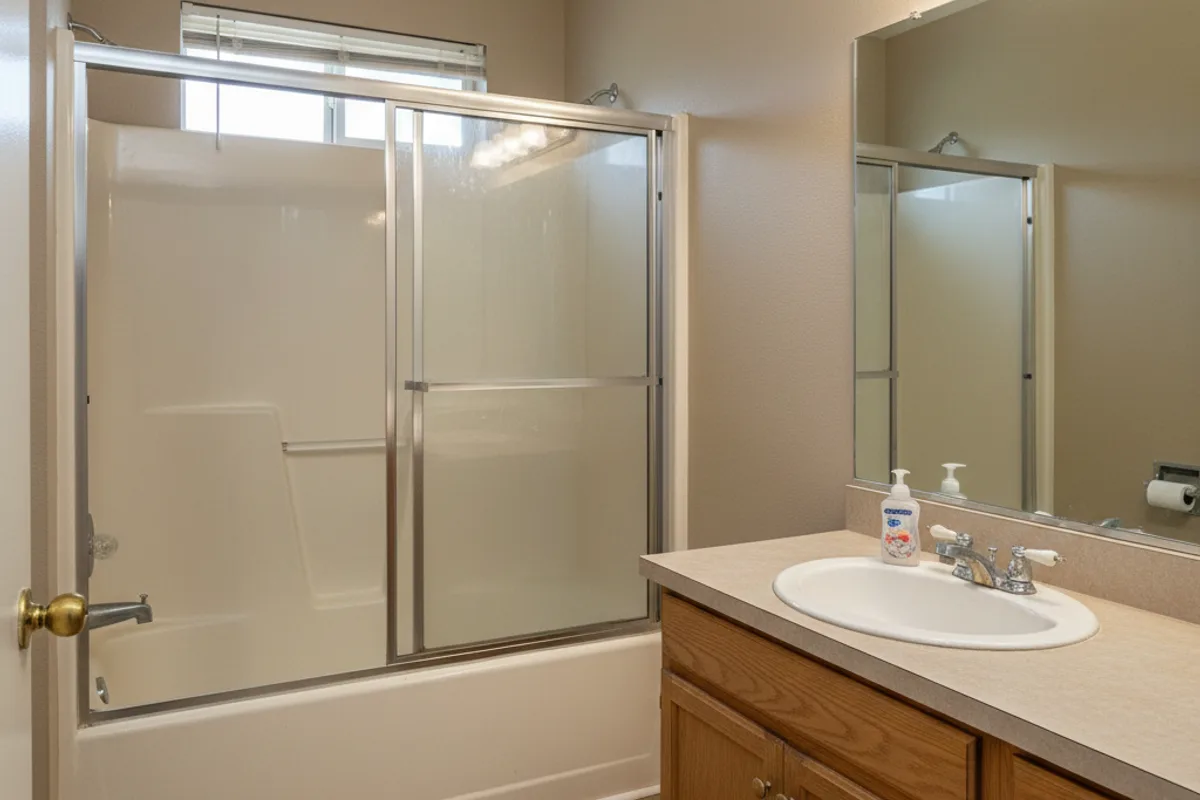
- Tub/shower combos serve dual purposes in shared bathrooms
- Freestanding tubs create a luxury focal point
- Generally lower installation cost than custom tile showers
Our Recommendation for Boise Homes
If your home has two or more full bathrooms, converting the master to a walk-in shower while keeping a tub in the secondary bathroom is the most popular and resale-friendly approach. For single-bathroom homes (common in Boise's North End and older neighborhoods), a tub/shower combo or a walk-in shower with a well-designed layout is typically the best compromise. Freestanding tubs paired with a separate walk-in shower create the most luxurious master bath layout, but require a bathroom footprint of at least 70–80 square feet to feel spacious. Learn more about walk-in shower options.
Whether you're planning for current mobility needs or proactively preparing your bathroom for the future, accessibility features can be integrated beautifully into any bathroom design. The best time to add these elements is during a remodel — when walls are open and plumbing is accessible.
Zero-Threshold Showers
Curbless shower entries eliminate the trip hazard of a traditional 4–6 inch curb. We achieve this with a continuous floor slope toward a linear drain, maintaining waterproofing integrity while creating a seamless transition from bathroom floor to shower floor. This is the single most impactful accessibility feature and also the most design-forward — curbless showers are a luxury trend as well as an accessibility solution.
Grab Bars and Support
Modern grab bars are available in finishes that match your other fixtures — brushed nickel, matte black, polished chrome — and in styles that look like towel bars or accent pieces rather than institutional hardware. We install blocking (2×6 or 3/4-inch plywood backing) inside the wall during framing so grab bars can be mounted anywhere, even if you choose to add them later.
Comfort-Height Fixtures
Comfort-height toilets (17–19 inches vs standard 15 inches) and raised vanities (34–36 inches vs standard 30–32 inches) reduce the strain of sitting and standing. These dimensions are increasingly standard in new construction and feel natural for most adults regardless of mobility level.
Wider Doorways and Clear Floor Space
ADA guidelines call for 32-inch minimum clear door openings, though 36 inches is preferred. If your bathroom doorway is a standard 24-inch or 28-inch opening, widening it during a remodel is straightforward. We also plan for 60-inch turning radius clearance within the bathroom layout when possible — this doesn't require a larger bathroom, just thoughtful fixture placement.
Read our complete accessible bathroom remodeling guide for detailed specifications, cost considerations, and design inspiration.
Most bathroom remodels in Boise require a building permit. The City of Boise's Development Services Department reviews permit applications for residential bathroom work and schedules inspections at key milestones. Permits protect you — they ensure the work meets code and is documented for insurance and resale purposes.
When a Permit Is Required
- Any new or relocated plumbing (moving a toilet, adding a shower, relocating supply lines)
- Electrical work beyond simple fixture swaps (new circuits, GFCI outlets, fan wiring)
- Structural modifications (wall removal, header installation, floor reinforcement)
- Ventilation changes (new duct runs, fan relocation to exterior)
- Adding square footage or converting non-bathroom space into a bathroom
Permit-Exempt Work
Cosmetic updates that don't involve plumbing, electrical, or structural changes generally do not require a permit. This includes painting, replacing a vanity in the same location with the same plumbing connections, swapping a toilet for a new toilet on the same flange, replacing tile on existing substrate, and updating hardware and accessories. However, even "simple" projects sometimes trigger permit requirements — for example, replacing a bathtub with a shower requires a plumbing permit even if the drain location stays the same, because the fixture type has changed.
Inspection Sequence
A typical permitted bathroom remodel in Boise requires two inspections: a rough-in inspection after plumbing and electrical are installed but before walls are closed, and a final inspection after all work is complete. The rough-in inspection is critical — it verifies proper pipe sizing, venting, water pressure testing, electrical grounding, and GFCI protection. We schedule inspections as part of our project timeline so they don't create delays. Iron Crest Remodel pulls all permits and coordinates all inspections as part of every bathroom remodel project.
Bathroom remodels consistently rank among the highest-ROI home improvement projects in the Boise real estate market. According to national remodeling cost-vs-value data adjusted for the Mountain West region, a mid-range bathroom remodel recoups 60–70% of its cost at resale, while a minor bathroom update (new vanity, fixtures, tile floor, and paint without a full gut) can recoup 75–85%.
In Boise specifically, bathroom condition is one of the top three factors buyers evaluate (alongside kitchen and curb appeal). Homes with updated bathrooms sell faster and closer to asking price than comparable homes with dated bathrooms. The most impactful updates for resale value in the current Boise market are:
- Walk-in showers with modern tile work (replacing old tub/shower combos)
- Double vanities in master bathrooms where space allows
- Updated lighting — recessed LEDs, modern sconces, and backlit mirrors
- Neutral, contemporary color palettes (warm grays, whites, matte black accents)
- Heated tile floors — a relatively low-cost upgrade ($800–$1,500 for materials) that buyers notice immediately
Even if you're not planning to sell, a bathroom remodel is one of the few home improvements that pays dividends in daily quality of life from day one. You use your bathroom multiple times every day — the return on comfort and functionality is immediate and ongoing. Explore our Boise remodel ROI guide for detailed return-on-investment data by project type.
A bathroom remodel involves dozens of material and fixture decisions. Here's a checklist of the key selections you'll make during the design phase — and the order in which they typically need to be finalized.
Early Decisions (Weeks 1–2)
- Layout: keep existing or reconfigure
- Shower vs tub vs tub/shower combo
- Vanity type: single vs double, floating vs floor-mount
- Tile material and general color palette
- Budget allocation by category
Detailed Selections (Weeks 2–4)
- Specific tile patterns, sizes, and accent tiles
- Plumbing fixtures: faucets, showerhead, toilet
- Vanity countertop material and edge
- Mirror and medicine cabinet style
- Lighting fixtures and placement
- Hardware finishes (towel bars, robe hooks, TP holder)
- Paint color for non-tiled walls and ceiling
Bathroom remodels occasionally uncover hidden conditions — rot behind tile, deteriorated subfloors, undersized or corroded plumbing, or inadequate framing. When we discover something unexpected, our process is transparent:
- 1
We stop work in the affected area and document the issue with photos.
- 2
We explain the problem, its implications, and the options for addressing it.
- 3
We provide a written change order with the additional cost and any timeline impact.
- 4
You approve the change order in writing before any additional work begins.
- 5
The change is added to the project record with before-and-after documentation.
No surprise charges. No scope creep without your knowledge. This process protects both the quality of the renovation and your budget.
Explore our in-depth guides to plan your bathroom remodel with confidence.
What waterproofing system do you use for shower remodels in Boise?
We use industry-leading waterproofing systems including Schluter KERDI membrane and Laticrete Hydro Ban, depending on the application. Both exceed building code requirements and protect against moisture intrusion for decades. Every shower we build includes a fully waterproofed substrate, sealed penetrations, and proper slope to drain — the details that prevent costly water damage behind finished walls.
How do you handle ventilation in Boise bathroom remodels?
Proper bathroom ventilation is critical in Boise's climate. We install appropriately sized exhaust fans (minimum 50 CFM for standard bathrooms, 1 CFM per square foot for larger spaces) vented directly to the exterior — never into the attic. We also verify ductwork is properly insulated to prevent condensation. In dry Idaho winters, good ventilation prevents moisture buildup that can cause mold and damage without over-drying the space.
Can you remodel my bathroom to be more accessible as I age?
Absolutely. Aging-in-place bathroom features include zero-threshold showers, grab bars integrated into the tile design, comfort-height toilets, wider doorways (32-inch minimum clear), anti-slip flooring, and lever-handle fixtures. Many homeowners choose to incorporate these features proactively during a remodel rather than retrofitting later. We also offer dedicated accessible walk-in shower installations.
What type of tile is best for Boise bathroom floors?
For bathroom floors in Boise, we recommend porcelain tile with a slip-resistance rating of 0.42 or higher (DCOF). Porcelain's near-zero water absorption rate makes it ideal for wet areas, and it resists the mineral deposits from Boise's hard water better than natural stone. Large-format tiles (12×24 or larger) minimize grout lines and create a cleaner, more modern appearance in both small and large bathrooms.
The following government agencies, industry organizations, and official resources provide additional information relevant to your remodeling project.
Research your bathroom remodeling project with our in-depth Boise-area guides.
Browse completed bathroom remodeling projects from across the Treasure Valley. See real results, project details, and transformation stories.
Bathroom projects often expand into shower upgrades, tile work, and accessibility improvements. Bundling related work saves time and money.
Ready to Start Your Remodeling Project?
Get a free, no-obligation estimate from Boise's trusted remodeling experts. Licensed, insured, and ready to build.