How Long Does Bathroom Remodeling Take in Boise?
Understand the typical timeline for bathroom remodeling in Boise, from planning and demolition to installation and finish work.
Quick answer
Do bathroom remodels require permits in Idaho? Yes, most bathroom remodels that involve plumbing changes, electrical work, or structural modifications require permits in Ada County and Canyon County. A simple cosmetic update — paint, fixtures, and accessories — typically does not.
Boise, ID · Bathroom Remodeling
Planning bathroom remodeling in Boise?
Read the full guide below — or get your project priced now. Free, no-obligation estimates from an Idaho registered local team, backed by a 1-year workmanship warranty.
- Licensed Idaho RCE-6681702
- 1-Year Workmanship Warranty
- $2M Liability Coverage
- Free, No-Obligation Estimates


How long each type of bathroom remodeling project actually takes in Boise, from our completed work:
| Project | On-site duration |
|---|---|
| Replacing Harvest-Gold Tile Bathroom in a 1960s Bench Ranch | 3–4 weeks |
| Walk-In Shower Conversion from Tub-Shower Combo (West Boise) | 3–5 weeks |
| North End Craftsman Primary Bath Addition or Expansion | 8–12 weeks total |
| Guest Bathroom Tile Refresh in SE Boise / Harris Ranch Home | 2–3 weeks |
| Primary Suite Bathroom Full Luxury Renovation | 6–10 weeks |
Scope detail and pricing for each of these is on the Boise bathroom remodeling cost guide.
Understanding the timeline for bathroom remodeling in Boise helps you plan around daily life disruptions, coordinate schedules, and set realistic expectations for when the project will be complete. Every project is different, but most bathroom remodeling projects in Boise follow a predictable sequence of phases.
Design and Planning
2–4 weeksInitial consultation, measurements, design development, material selections, and contract finalization. Material lead times (tile, vanity, glass) often extend this phase to 4-6 weeks if custom items are involved.
Permitting
1–3 weeksPermit application, review, and approval through Ada County or Canyon County. Straightforward projects may clear in a few days; projects with structural changes take longer.
Demolition and Rough-In
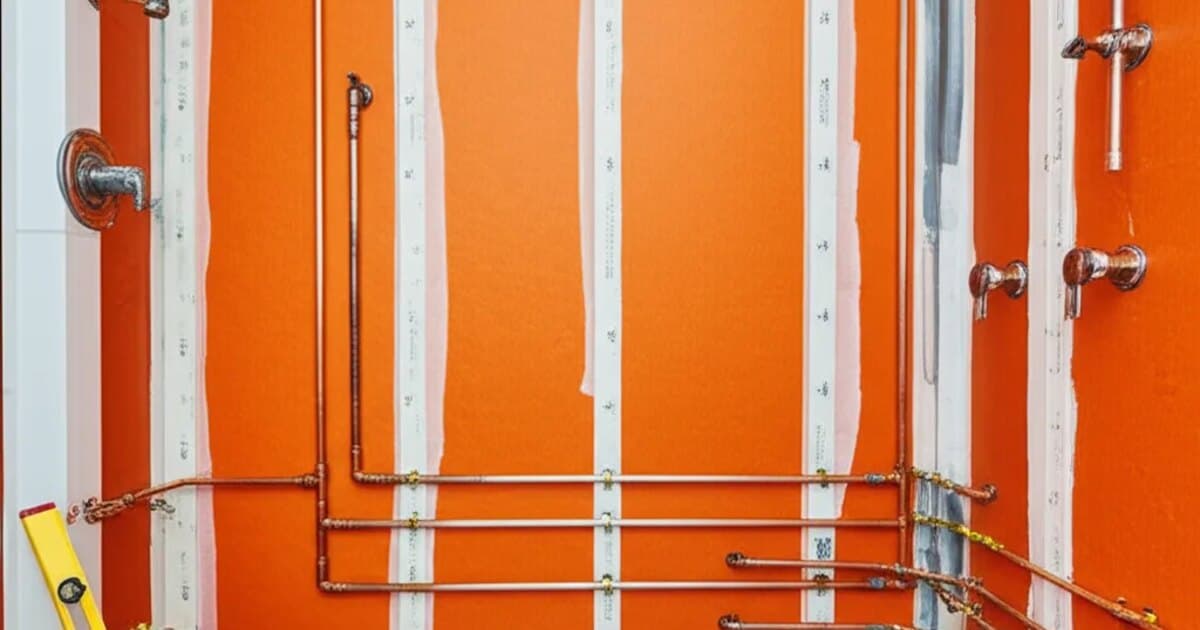
3–5 daysRemove existing fixtures, tile, drywall, and subfloor as needed. Complete plumbing and electrical rough-in. Schedule and pass rough inspection.
Waterproofing and Tile Installation
5–10 daysApply waterproofing membranes, install cement board or backer panels, set tile (floor, walls, shower, niches), grout, and seal. This is typically the longest phase of active work.
Fixture and Finish Installation
3–5 daysInstall vanity, countertop, sink, faucet, toilet, mirror, lighting, exhaust fan, glass shower door, towel bars, and all finish hardware.
Final Inspection and Walkthrough
1–2 daysComplete punch list, pass final inspection, and conduct walkthrough with homeowner. Ensure all caulk, grout, and finish details are clean.
Here is the full step-by-step process for a bathroom remodeling in Boise, including what happens at each stage:
Step 1: Discovery and Design Consultation
We visit your home, measure the existing bathroom, discuss what is and is not working, review your goals and budget range, and photograph the space. You will receive a preliminary scope outline within a few days that includes layout options, material direction, and a ballpark estimate range.
Step 2: Design Development and Material Selection
We create a detailed design plan including tile layouts, vanity specifications, fixture selections, lighting placement, and color palette. You select materials from our supplier partners or bring your own. We finalize the scope of work, confirm lead times, and prepare a fixed-price contract.
Step 3: Permitting and Pre-Construction Planning
If your project involves plumbing relocation, electrical changes, or structural modifications, we pull the required permits through your local jurisdiction. We also coordinate scheduling with our tile installer, plumber, electrician, and glass supplier so every trade is lined up before demolition day.
Step 4: Demolition and Rough-In
We protect adjacent rooms with dust barriers and floor coverings, then carefully demolish the existing bathroom down to studs and subfloor as needed. Plumbing and electrical rough-in happens next — this is when drain locations, water supply lines, recessed lighting, exhaust fan ducting, and any structural framing changes are completed.
Step 5: Waterproofing and Substrate Preparation
Every shower and wet area receives a proper waterproofing membrane system — either sheet membrane, liquid-applied membrane, or a foam panel system like Kerdi or GoBoard. We verify proper slope to drain, inspect the substrate for flatness and stability, and prepare all surfaces for tile.
Step 6: Tile, Vanity, and Fixture Installation
Tile installation begins with floor tile, then shower walls and niches, then any accent features. The vanity is set and plumbed, the mirror and lighting are installed, and all fixtures — faucets, showerhead, toilet, towel bars, and hardware — are connected and tested.
Step 7: Final Inspection, Punch List, and Walkthrough
We complete a detailed punch list inspection, verify all plumbing and electrical connections, test every fixture, and confirm caulk lines, grout joints, and finish details are clean. A final walkthrough with you ensures everything meets expectations before we consider the project complete.
Several factors specific to Boise and the Treasure Valley can affect your bathroom remodeling timeline:
Material lead times
Custom materials, specialty items, and premium products can have lead times of 4-14 weeks. We order materials as early as possible in the design phase to minimize schedule impact.
Permit processing
City of Boise Planning and Development Services typically processes residential permits in 1-3 weeks. More complex projects with structural changes may take longer. We submit permits immediately after design approval.
Seasonal factors
Boise has a semi-arid, four-season climate with hot, dry summers (90-105°F), cold winters (15-35°F), and low annual precipitation. This climate directly affects material choices, construction scheduling, and long-term durability of remodeling work. Interior remodeling can happen year-round, but projects with exterior components are best scheduled during the building season (March through November).
Existing conditions
Boise has over a century of residential construction, from 1900s Craftsman homes in the North End to 2020s new construction in West Boise and Southeast Boise. This diversity means remodeling contractors encounter a wide range of structural systems, plumbing types, electrical standards, and finish materials. Older homes may reveal unexpected conditions during demolition — water damage, outdated wiring, or structural issues — that add time to the schedule. We build contingency into every project timeline.
Decision-making speed
One of the most common causes of project delays is slow decision-making during the design and material selection phase. Having a clear vision and making timely selections keeps the project on track.
- ✓Complete all material selections before demolition begins — this is the single most important thing you can do
- ✓Make decisions promptly when options or changes are presented during construction
- ✓Avoid making changes to the scope after construction has started — change orders add time and cost
- ✓Plan for materials with long lead times early in the design process
- ✓Work with a contractor who manages the schedule proactively and communicates regularly
Local factors — Boise's housing stock and typical construction eras, the climate conditions that drive material and scheduling choices, and permitting through City of Boise Planning and Development Services — are covered in full on our Boise page for this service, alongside 5 common project types.
Bathroom Remodeling in Boise: housing stock, climate & permits →Do bathroom remodels require permits in Idaho?
Yes, most bathroom remodels that involve plumbing changes, electrical work, or structural modifications require permits in Ada County and Canyon County. A simple cosmetic update — paint, fixtures, and accessories — typically does not. We handle the permit application process and coordinate all required inspections.
What tile is best for bathroom floors?
Porcelain tile is the most popular and practical choice for bathroom floors. It is water-resistant, durable, available in many styles, and can mimic the look of wood or stone. We recommend a slight texture or matte finish for slip resistance in wet areas.
Are permits required for remodeling in Boise?
Yes, most remodeling projects that involve plumbing, electrical, structural, or mechanical changes require permits from the City of Boise Planning and Development Services. We handle the entire permit process including application, submission, and inspection coordination.
Planning bathroom remodeling in Boise?
Get expert guidance and a free estimate for your bathroom remodeling project in Boise, ID.
Get Your Free Estimate