
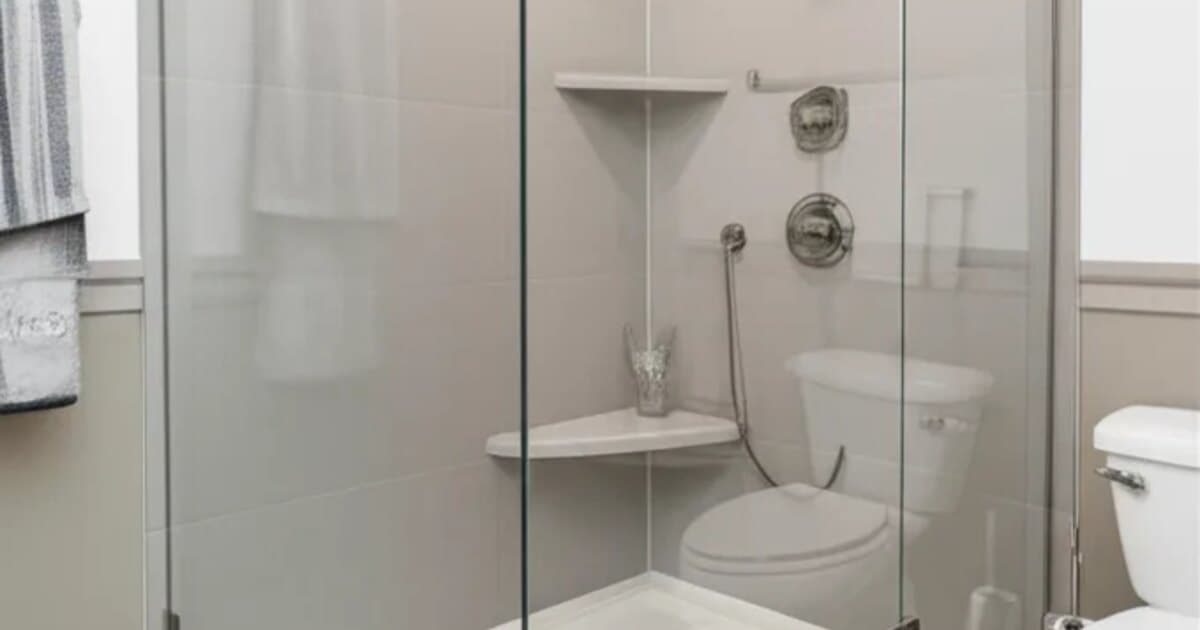
Tub-to-Shower Conversion Services
Stop stepping over a tub you never use. Iron Crest Remodel converts bathtubs into modern walk-in showers with custom tile, glass enclosures, and accessible entry options — all within your existing bathroom footprint.
- Complete bathtub removal and disposal
- New shower pan installation (tile or acrylic)
- Custom tile wall surround
- Frameless or semi-frameless glass door
- Plumbing valve and drain relocation
- Grab bar and bench seat options
- Low-threshold and zero-entry builds
- Niche and shelf installation
Timeline
5 – 10 days
In-Home Assessment
We evaluate your tub area, measure the space, check plumbing access, and discuss your shower preferences and accessibility needs.
Design & Quote
You receive a detailed conversion plan with tile options, glass style, fixture selections, and a fixed-price quote.
Tub Removal & Build
We remove the existing tub, modify plumbing, install the shower base, tile the walls and floor, and install the glass enclosure and fixtures.
Final Inspection
Plumbing is tested, glass is sealed, and we walk through the completed conversion to verify everything meets your expectations.

See Your Remodel Before You Build.
Upload a few photos of your kitchen, bathroom, flooring, or exterior and get AI-generated concept visuals tailored to your space, style, and materials — free, no obligation, in about five minutes. Then request a real estimate from our Idaho registered Boise team.
Free concept preview · No credit card · Licensed Idaho contractor
How much does a tub-to-shower conversion cost in Boise?
Tub-to-shower conversions typically cost $6,000-$15,000 in the Boise area depending on tile selection, glass type, and whether plumbing needs to be relocated.
How long does a tub-to-shower conversion take?
Most conversions are completed in 5-10 business days. Simple conversions with acrylic surrounds can be done in 3-5 days.
Will removing a bathtub hurt my home value?
As long as your home retains at least one bathtub (typically in a secondary bathroom), converting an additional tub to a shower generally adds value. Walk-in showers are the most requested bathroom feature in the Boise market.
Plan your tub-to-shower conversion project with our in-depth guides.

Talk to a real project manager
Have Questions? Call Now for a Free In-Home Consultation.
Mon–Fri 7 AM–6 PM · Idaho registered & insured · No obligation
Russ S. — Project Manager
Russ S. — Project Manager
Ready to Start Your Remodeling Project?
Get a free, no-obligation estimate from Boise's trusted remodeling experts. Licensed, insured, and ready to build.
Every tub-to-shower conversion is different. Explore our detailed guides covering accessibility, design options, and specialty features for Boise homeowners.
Bathtub-to-shower conversions are among the projects Treasure Valley clients ask us for most often. Many Boise-area homes built between the 1990s and 2010s have tub/shower combos in every bathroom — but most homeowners rarely use the tub. Converting to a dedicated walk-in shower creates a more functional, accessible, and modern bathroom.
More usable space — walk-in showers feel larger and are easier to clean
Accessibility — low-threshold or curbless entry eliminates the step-over hazard
Modern aesthetics — walk-in showers with tile and glass are the top bathroom trend
Better ventilation — open designs reduce moisture buildup and mold risk
Aging-in-place — grab bars, benches, and handheld showerheads add safety
Higher perceived value — updated bathrooms are the #2 ROI remodeling project in Idaho


A tub-to-shower conversion is not the right call for every Boise bathroom. The three questions Iron Crest walks every prospective client through before we quote:
Convert if…
- Your home has 2+ full bathrooms — keep a tub in the guest or hall bath, convert the primary.
- The current tub is a builder-grade acrylic or fiberglass unit installed in the 1990s or 2000s that's dated and cracked at the caulk line.
- Nobody in the household actually takes baths — the tub is a rarely-used step-over hazard.
- You are planning to age in place and want zero-threshold entry, a bench, and grab bars.
- The primary bath is under 60 sq ft and every square inch of usable space matters.
- You want a modern tile-and-glass aesthetic that a tub/shower combo cannot deliver.
Keep the tub if…
- This is your only full bathroom — resale narrows meaningfully with no tub in the home.
- You have (or plan to have) young children who need bath bathing.
- Someone in the household actually uses the tub weekly for soaking or relaxation.
- The tub is a genuine cast-iron unit worth refinishing rather than replacing.
- You have three bathrooms and one already has a walk-in shower — keep a tub in the other two.
- Your neighborhood's comparable-sales data shows all-tub homes selling faster than all-shower or mixed inventory.
For homeowners in the “keep the tub” column, Iron Crest also offers walk-in shower vs bathtub comparisons and can install a modern tub/shower combo with a rain shower head, hand-held wand, and comfort-height fixtures — the shower experience without giving up the tub.
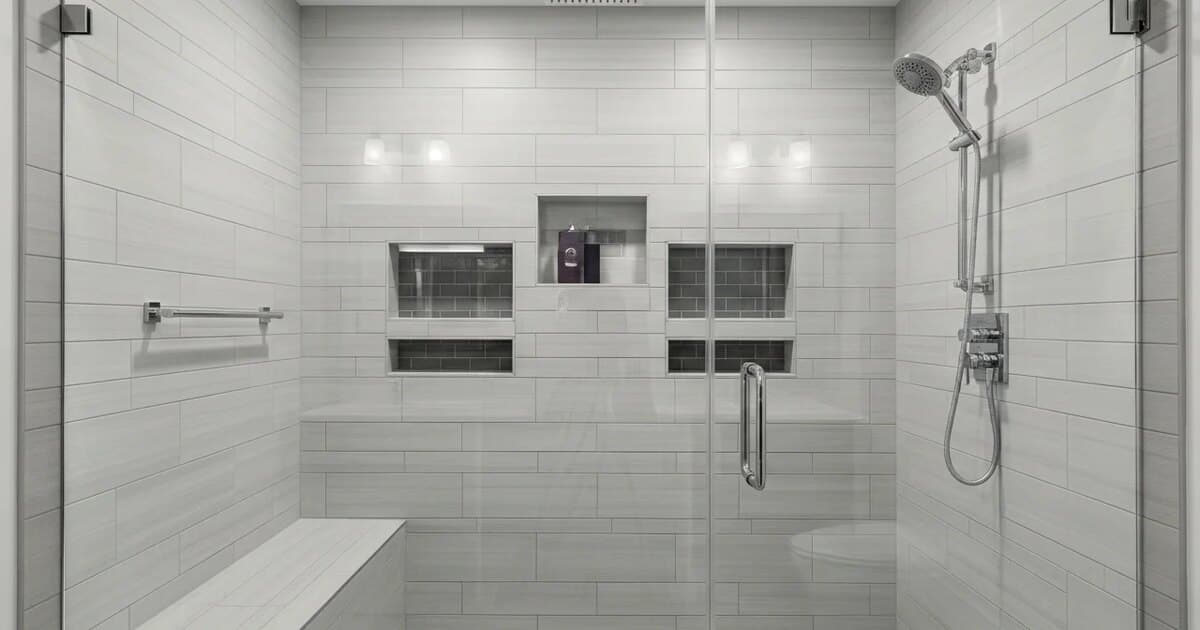
Standard Curbed Walk-In Shower
Most PopularThe most common conversion. A 4-6 inch curb contains water within the shower area, and a frameless or semi-frameless glass enclosure completes the.
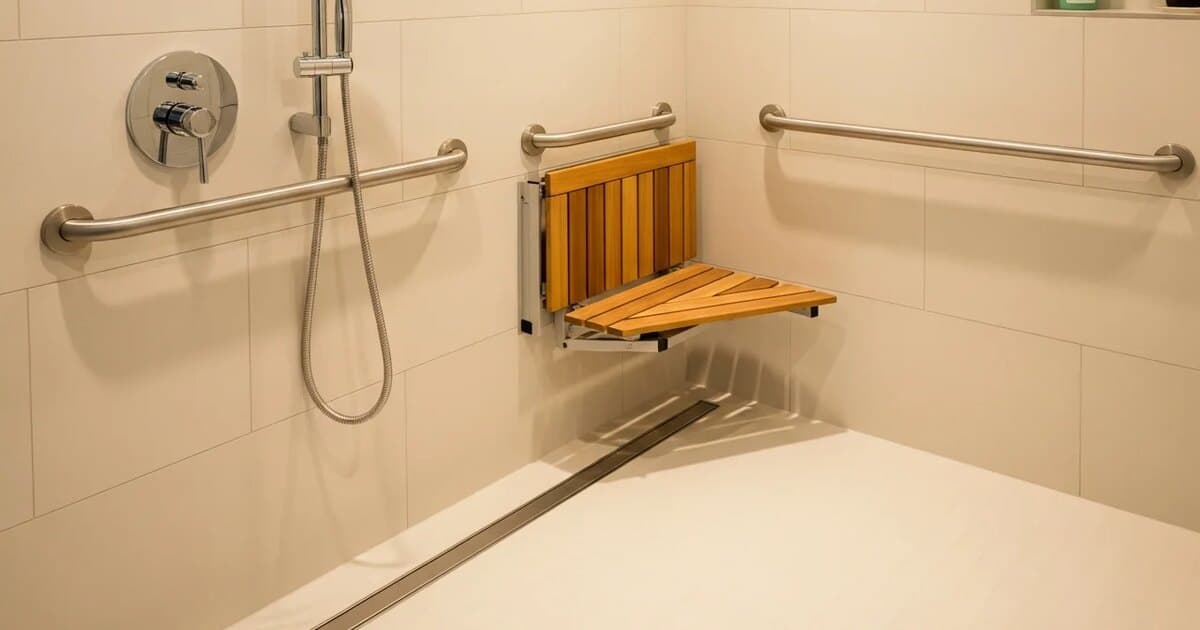
Low-Threshold Shower (1-2 Inch Curb)
Aging-in-PlaceA compromise between standard curbed and fully curbless designs. The low threshold is easy to step over for most people while still providing good.
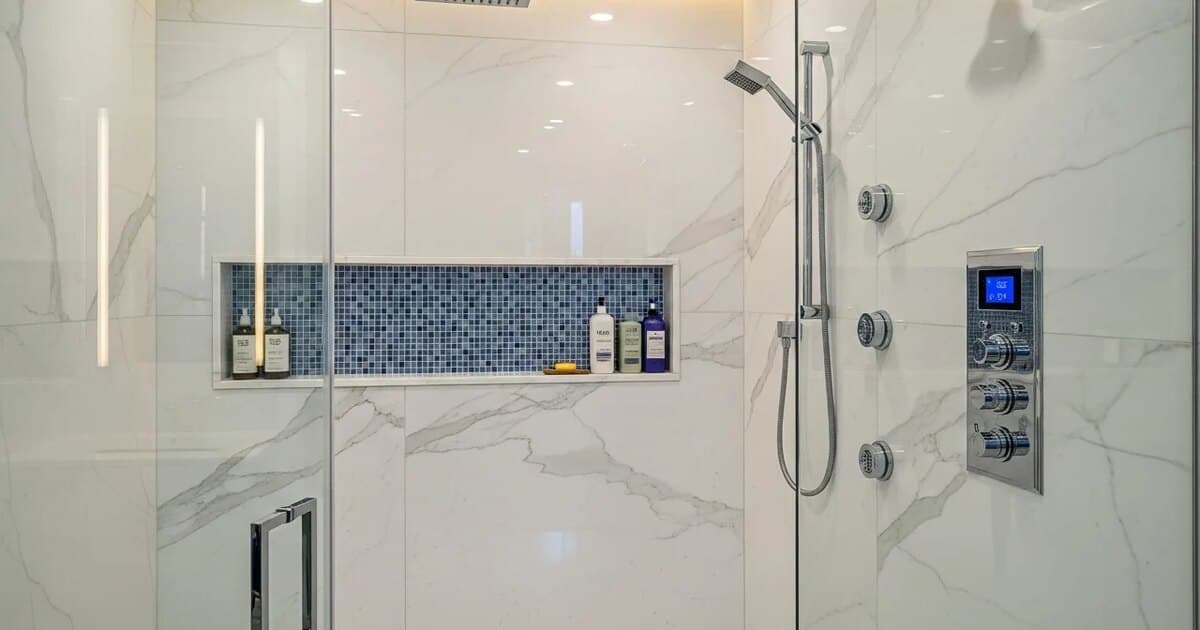
Curbless (Zero-Threshold) Shower
ADA-CompliantThe bathroom floor transitions seamlessly into the shower with no step or curb at all.
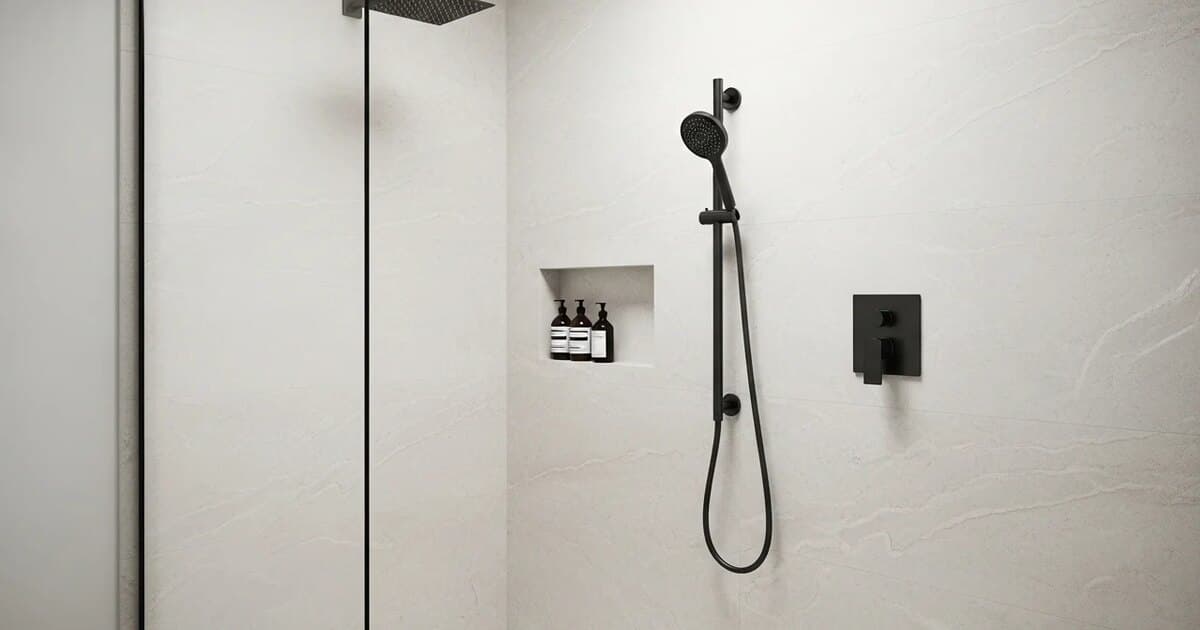
Tub-to-Shower with Built-In Bench
Comfort OptionFor homeowners who want a bench or shelf where the tub used to be, we can build a tiled half-wall or bench that occupies part of the former tub.
Waterproofing is the single most important element of any shower conversion. When a tub is removed and replaced with a tile shower, the waterproofing system must be built from scratch — there is no room for shortcuts. Water intrusion behind tile causes mold, rot, and structural damage that is far more expensive to repair than doing it right the first time.
Schluter Kerdi System
Our preferred waterproofing system. The Kerdi membrane bonds directly to the cement board substrate and creates a continuous waterproof barrier on the shower floor and walls. Kerdi is the industry gold standard and is required by many tile manufacturers to maintain their warranties.
Liquid-Applied Membranes
Products like RedGard, Hydroban, and AquaDefense are roller-applied liquid membranes that cure into a flexible waterproof coating. They are effective when applied properly — two full coats, with reinforcing fabric at seams and corners.


What We Check During Demo
Subfloor condition — plywood thickness, rot, levelness
Stud framing — spacing, condition, blocking for grab bars
Existing plumbing — drain location, supply line condition
Ventilation — exhaust fan CFM rating and duct routing
Moisture damage — signs of prior water intrusion
The tile you choose defines the look and feel of your new shower. Here are the most popular options we install in Boise-area tub-to-shower conversions:
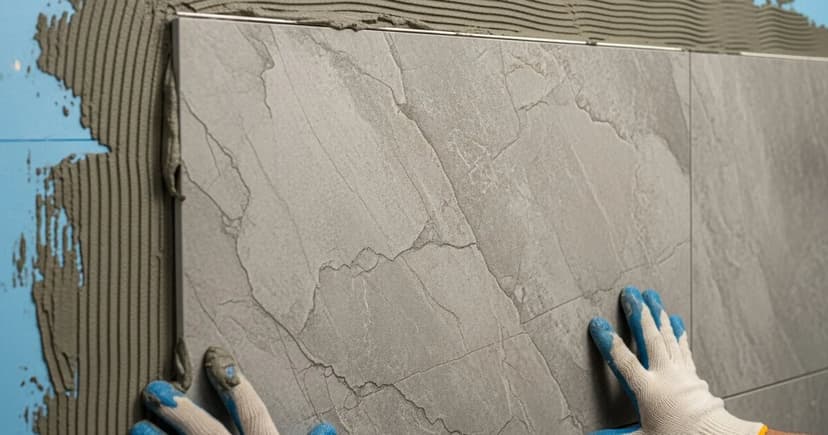
Large-format porcelain (12×24)
Walls — fewer grout lines, modern look
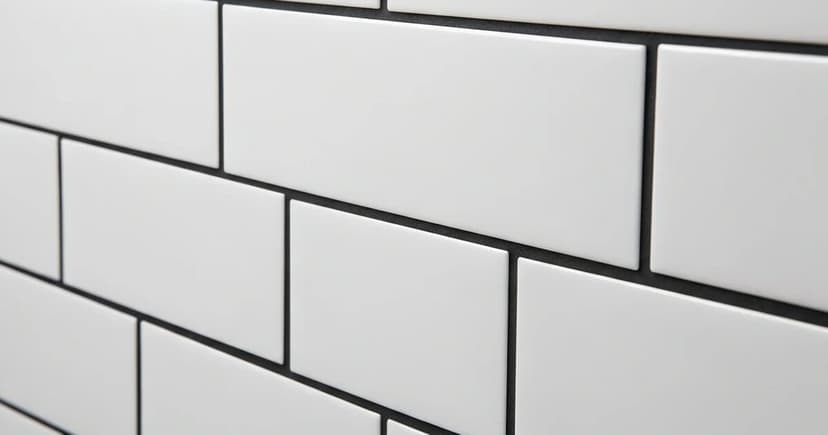
Subway tile (3×6 or 4×12)
Walls — classic, timeless
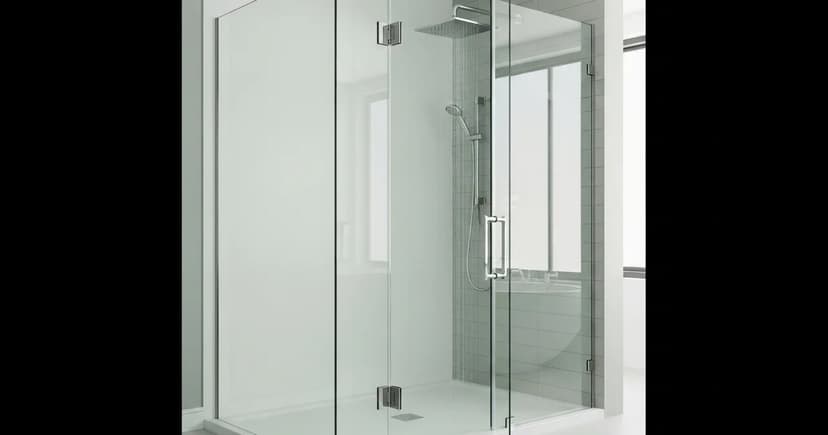
Mosaic tile (1×1 or 2×2)
Shower floor — conforms to slope
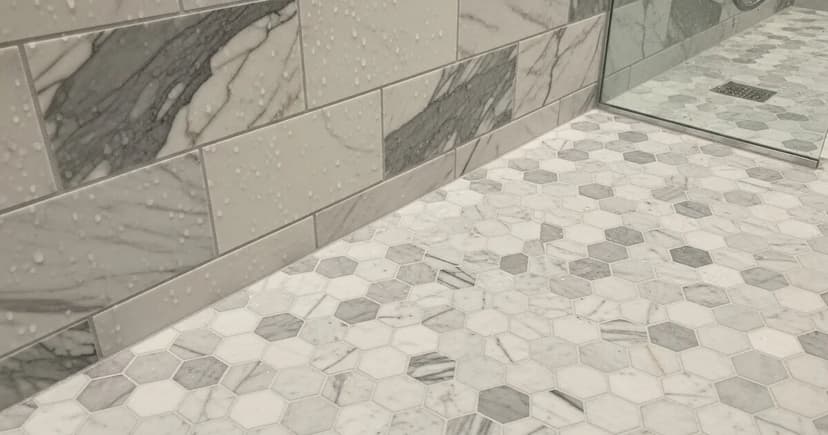
Natural stone (marble, travertine)
Accent walls, niches

Most Boise tub-to-shower conversions use a combination: large-format porcelain on the walls, small mosaic tile on the shower floor for slip resistance, and an accent strip or niche in a contrasting material. This approach balances aesthetics, durability, and budget.

Shower Valve
Pressure-balance (standard) or thermostatic (premium). We recommend thermostatic for consistent temperature control.
Showerhead
Rain shower, handheld, or dual-function combo. Handheld is essential for aging-in-place and easy cleaning.
Glass Enclosure
Frameless ($1,200–$3,500), semi-frameless ($800–$2,000), or fixed panel ($600–$1,200). Frameless is the most popular upgrade.
Grab Bars & Bench
Decorative grab bars that double as towel bars. Built-in tile bench or fold-down teak seat for comfort and safety.
Tub-to-shower conversions in Boise range from $8,500 to $35,000 depending on scope, materials, and design complexity. Here is a typical breakdown:
| Line Item | Basic | Mid-Range | Premium |
|---|---|---|---|
| Demolition & disposal | $500–$800 | $500–$800 | $600–$1,000 |
| Plumbing modifications | $800–$1,200 | $1,000–$1,800 | $1,500–$2,500 |
| Waterproofing | $400–$600 | $600–$900 | $800–$1,200 |
| Tile (materials + labor) | $2,000–$3,500 | $3,500–$6,000 | $5,000–$10,000 |
| Glass enclosure | $800–$1,200 | $1,200–$2,000 | $2,000–$3,500 |
| Fixtures (valve, showerhead) | $300–$500 | $500–$1,000 | $1,000–$2,500 |
| Bench / niche / grab bars | $200–$400 | $400–$800 | $800–$1,500 |
| Permits & inspection | $200–$350 | $200–$350 | $200–$350 |
| Total | $5,200–$8,550 | $7,900–$13,650 | $11,900–$22,550 |
Basic
$5,200–$8,550
Standard tile, curbed entry, basic fixtures
Mid-Range
$7,900–$13,650
Premium tile, frameless glass, upgraded fixtures
Premium
$11,900–$22,550
Natural stone, curbless entry, luxury fixtures
Hard Water Impact
Boise's water is moderately hard (up to ~13 grains per gallon; ~6 average), which means mineral deposits will build up on glass, fixtures, and grout over time. We recommend frameless glass with a protective coating (EnduroShield or similar), light-colored grout that hides mineral staining, and fixtures with spot-resistant finishes.
Ventilation Requirements
Walk-in showers produce more airborne moisture than tub/shower combos because of their open design. The bathroom exhaust fan should be rated for at least 50 CFM (ideally 80-110 CFM) and vented to the exterior — not into the attic. If your existing fan is undersized, we upgrade it as part of the conversion.

Common Issues by Home Era
1960s–1980s
Original cast iron or steel tubs are heavy and may require additional labor for removal. Plumbing is often galvanized steel that should be replaced. Subfloors may need replacement with 3/4" plywood.
1990s–2000s
Fiberglass tub/shower units are lighter and easier to remove. Plumbing is typically copper or PEX in good condition. The 60" × 30" alcove provides a great walk-in shower footprint.
2010s+
Modern plumbing and framing mean fewer surprises during demo. Main consideration is whether the shower valve should be upgraded from pressure-balance to thermostatic.
See examples of our tub-to-shower conversions across the Treasure Valley. Every project features custom tile, professional waterproofing, and frameless or semi-frameless glass.


Read the full case study: Tub-to-Shower Conversion in Caldwell
Should I convert my only bathroom's tub to a shower?
Usually no, and this is the single most common conversion decision Iron Crest talks Boise homeowners through. Real-estate practice in the Treasure Valley is to keep at least one bathtub in the home — typically a hall or guest bath — because families with young children strongly prefer tub bathing and a home listed as “no tub” narrows the buyer pool. If your home has two or more full bathrooms, converting the primary or a secondary bath to a walk-in shower is almost always a net positive. If you have a single full bathroom, we recommend either keeping the tub (with a tub/shower combo) or converting to a tub/shower combo with a comfort-height rain shower head — getting the shower experience without the resale downside.
Will removing my bathtub hurt my home's resale value?
In most cases, converting a tub to a shower in a secondary bathroom has no negative impact on resale value in the Boise market. However, real estate agents recommend keeping at least one bathtub in the home — typically in a hall or guest bath — for families with young children. If your home has two or more bathrooms with tubs, converting one to a walk-in shower is almost always a net positive for value and buyer appeal.
How long does a tub-to-shower conversion take?
A standard tub-to-shower conversion in Boise typically takes 2 to 3 weeks from demolition to final walkthrough. The timeline includes 1 day for demolition, 2-3 days for plumbing and waterproofing, 3-5 days for tile installation, and 1-2 days for glass, fixtures, and finishing. Custom tile work, curbless designs, or structural modifications can extend the timeline to 3-4 weeks.
Do I need a permit for a tub-to-shower conversion?
Yes, the City of Boise requires a building permit for tub-to-shower conversions because the project involves plumbing modifications. The permit ensures the drain relocation, waterproofing, and any structural changes meet code. Ada County and Canyon County have similar requirements. Iron Crest handles all permit applications and inspections as part of the project.
Can you convert a tub to a curbless shower?
Yes, but curbless conversions require more planning than standard curbed showers. The shower floor must slope precisely toward the drain (typically 1/4 inch per foot), and the bathroom floor outside the shower may need to be raised slightly or re-graded. A linear drain along the shower entry helps manage water flow. Curbless designs are ideal for accessibility and aging-in-place but cost 20-30% more than standard curbed conversions due to the additional subfloor work.
What's the drain relocation involved in a tub-to-shower conversion?
A standard alcove tub drain sits at one end of the tub, aligned with the shower supply plumbing. A walk-in shower drain sits either in the center of the shower floor (round drain) or along one wall (linear drain), which requires relocating the drain by 12 to 36 inches from the original tub location. This means cutting into the subfloor, running new drain line and P-trap, and re-securing the subfloor before the new shower pan is built. On slab-on-grade Boise homes, this involves saw-cutting the concrete and adds meaningfully to the project cost. On homes with crawl spaces (common in the Bench and Vista) or basements (common in the North End), drain relocation is accessible from below and adds modest cost. Iron Crest verifies the plumbing access during the estimating phase so the quote reflects the real work required.
Do older Boise homes require asbestos or lead testing before a tub-to-shower conversion?
For pre-1980 Boise homes — concentrated in the North End, Bench, and Vista neighborhoods — yes. Vinyl floor tile, mastic adhesive, joint compound, and pipe wrap from that era commonly contain asbestos. Painted trim and vanity surfaces in pre-1978 homes commonly contain lead. Idaho DEQ and EPA RRP rules require testing and, where confirmed, licensed abatement before disturbance. Testing runs a few hundred dollars and takes 3–7 days for lab results. Abatement is an additional line item if positive. Iron Crest coordinates the testing as standard practice on pre-1980 tub-to-shower conversions in the older Boise neighborhoods where these materials are most likely present. Skipping this step is a code violation and a health risk we do not accept.
Can you convert a tub to a shower without removing the tile surround?
Not durably. The existing tile surround was installed with the tub's specific dimensions and edge profile in mind, and the transition from tile to a new shower pan almost never seals cleanly at the old surround's bottom edge. Attempting to preserve the existing tile creates the exact failure mode — water penetration at the transition — that a conversion is supposed to fix. Iron Crest's standard scope removes tile down to studs, installs a new waterproof membrane over cement backer board (Schluter KERDI or equivalent), and installs new tile matched to the homeowner's specification. This is not a corner we cut; a shower that leaks in year 2 is worse than no conversion at all.
What about tub-to-shower conversion companies that promise it in a day?
Iron Crest does not do the “one-day tub-to-shower” installations that some national brands market. Those installations use pre-formed acrylic or fiberglass wall panels and pans that snap over the existing tub location without full demolition, waterproofing membrane, or tile. They are faster and cheaper up front, but the acrylic panels look manufactured, the seams are visible caulk joints that fail over 5–7 years, and the resale value is not what a properly tiled shower delivers. For a Boise homeowner planning to keep the home more than 5 years or preserve resale value, a full demolition and tile conversion is the correct scope. We are transparent about this trade-off with every prospective client during the estimating conversation.
What sizing options work when the original tub was 60 inches?
A standard alcove tub is 30×60 inches. A tub-to-shower conversion in that same footprint typically produces a 32×60-inch or 34×60-inch shower — comfortably usable, with room for a bench along one short wall. Some Boise conversions expand the shower footprint by borrowing space from an adjacent closet or a former linen storage cavity, producing 32×72 or 36×60 configurations. Iron Crest assesses adjacent wall structure during the estimate to identify whether expanding the footprint is viable — typically it is when the wall is non-load-bearing and no plumbing chase is in the way. Expansions add $1,500 to $4,000 to the project cost.
Is a walk-in shower better for aging in place than a walk-in tub?
For most Treasure Valley homeowners planning ahead for aging in place, a curbless walk-in shower with a built-in bench, grab bars, and a hand-held wand is materially better than a walk-in tub. Walk-in tubs solve one specific problem — safe entry to a soaking tub — but they require the user to sit still while the tub fills and drains, which is 4 to 8 minutes of cold, wet time on each end of the bath. Walk-in showers avoid this entirely, offer easier caregiver access, cost less to build than a walk-in tub, and integrate cleaner with modern bathroom design. Walk-in tubs still make sense for homeowners who genuinely want to soak and cannot safely enter a standard tub — but for the majority of the aging-in-place conversation, a curbless walk-in shower is the right answer.
The following government agencies, industry organizations, and official resources provide additional information relevant to your remodeling project.
Research your tub-to-shower conversion project with our in-depth Boise-area guides.
Researched reports on the specific tub-to-shower conversion questions Boise homeowners run into — hard water, old housing stock, local code, and material performance in the Treasure Valley climate.
A tub-to-shower conversion is a great starting point. Many homeowners combine it with broader bathroom updates.
Ready to Start Your Remodeling Project?
Get a free, no-obligation estimate from Boise's trusted remodeling experts. Licensed, insured, and ready to build.