
Tile Installation Services
From bathroom floors to kitchen backsplashes, Iron Crest Remodel delivers precision tile installation with expert layout planning, proper waterproofing, and clean grout lines. We work with porcelain, ceramic, natural stone, marble, and glass mosaic.
- Shower and tub surround tile
- Bathroom floor tile
- Kitchen backsplash tile
- Large-format tile installation
- Natural stone (marble, travertine, slate)
- Mosaic and accent tile
- Heated floor tile systems
- Waterproofing (Schluter, RedGard)
- Grout sealing and color matching
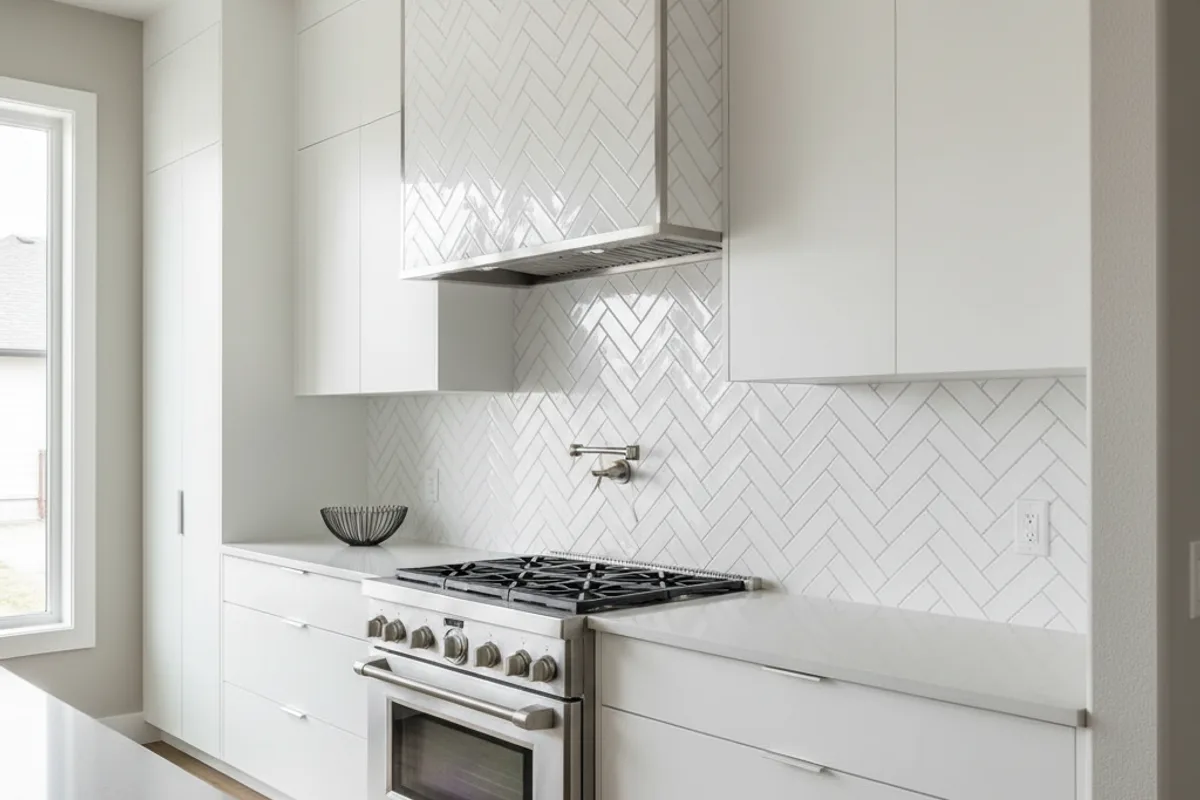
- Tile pattern design (herringbone, subway, stacked)
Timeline
3 – 10 days
Real tile installation projects — see the finished results, project details, and transformation stories.
Tile Design Consultation
We measure your space, discuss patterns and layouts, review tile samples, and plan the installation approach including waterproofing requirements.
Surface Preparation
Existing surfaces are prepared — old tile removed, backer board installed, waterproofing membranes applied in wet areas, and surfaces leveled.
Tile Installation
Tile is laid according to the approved layout with consistent spacing, level surfaces, and precise cuts around fixtures. Mortar is allowed to cure before grouting.
Grouting & Sealing
Grout is applied, cleaned, and sealed. Caulk joints are completed at transitions. A final inspection ensures every tile is properly set and every grout line is clean.

See Your Remodel Before You Build.
Upload a few photos of your kitchen, bathroom, flooring, or exterior and get AI-generated concept visuals tailored to your space, style, and materials — free, no obligation, in about five minutes. Then request a real estimate from our Idaho registered Boise team.
Free concept preview · No credit card · Licensed Idaho contractor
How much does tile installation cost in Boise?
Tile installation in Boise ranges from $10-$25 per square foot including labor and materials. Natural stone costs more ($15-$35/sq ft). Backsplash tile runs $900–$2,500 for a typical 30–40 sq ft backsplash.
What size tile is best for bathroom floors?
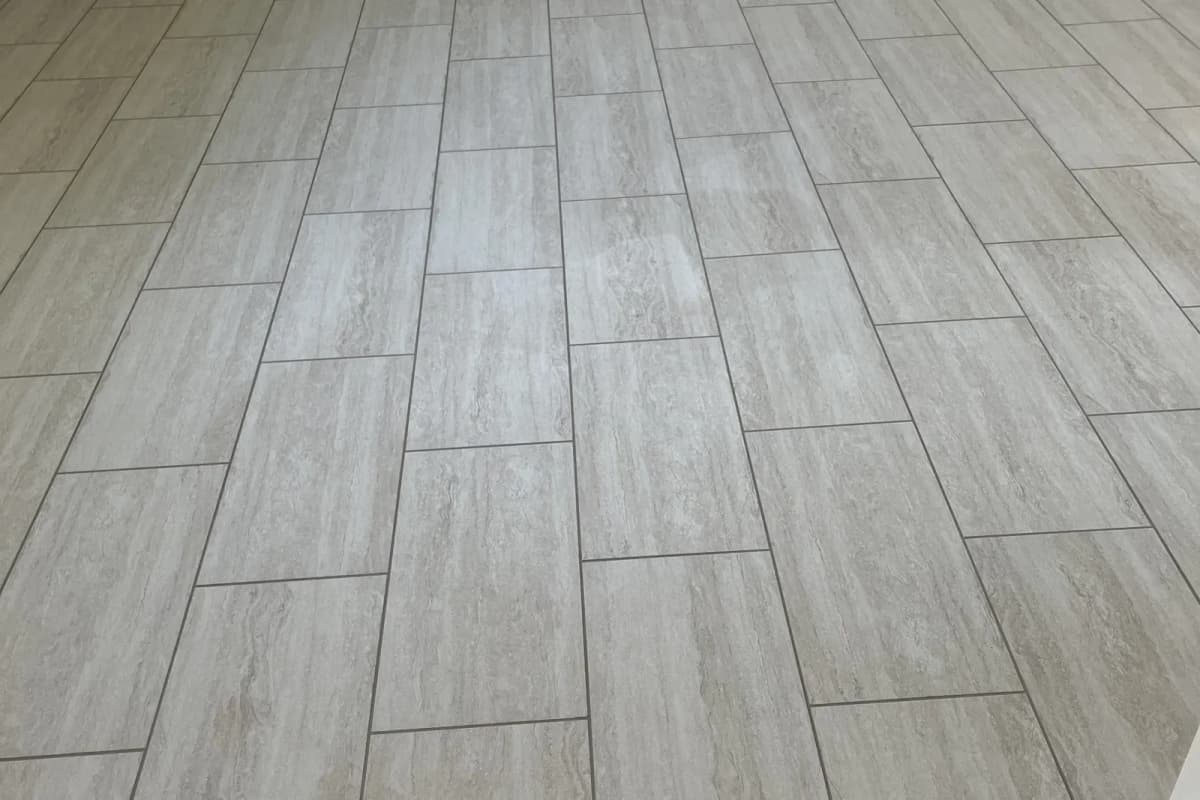
We recommend large-format tiles (12x24 or larger) for bathroom floors — fewer grout lines mean less maintenance and a cleaner look. For shower floors, smaller mosaic tiles (2x2 or hexagon) provide better drainage slope and grip.
How long does tile installation take?
A bathroom floor and shower tile project takes 3-5 days. A kitchen backsplash takes 1-2 days. Larger projects (multiple rooms, complex patterns) may take 1-2 weeks. Mortar and grout cure times factor into the schedule.
Plan your tile installation project with our in-depth guides.

Talk to a real project manager
Have Questions? Call Now for a Free In-Home Consultation.
Mon–Fri 7 AM–6 PM · Idaho registered & insured · No obligation
Russ S. — Project Manager
Russ S. — Project Manager
Ready to Start Your Remodeling Project?
Get a free, no-obligation estimate from Boise's trusted remodeling experts. Licensed, insured, and ready to build.
Different tile applications require different techniques, materials, and preparation. Explore our specialized tile installation guides for Boise homeowners.

Choosing the right tile material is the most important decision in any tile project. Each type has different characteristics for durability, moisture resistance, maintenance, and cost. Here's how the most common tile materials compare for Boise homes:
| Material | Cost/sq ft | Durability | Water Absorption | Best Use |
|---|---|---|---|---|
| Porcelain | $4–$12 | Excellent | <0.5% | Floors, showers, outdoors |
| Ceramic | $2–$8 | Good | 0.5–3% | Walls, backsplashes, light floors |
| Marble | $10–$30 | Good (soft) | 0.2–0.5% | Accent walls, vanity tops |
| Travertine | $8–$20 | Good | 1–5% | Floors, shower walls (sealed) |
| Slate | $6–$15 | Excellent | 0.1–0.4% | Floors, entryways |
| Glass mosaic | $12–$25 | Good | Non-porous | Accents, niches, backsplashes |
| Cement/Encaustic | $8–$18 | Good | Moderate | Floors, accent areas |
Large-format tile (12×24, 24×24, and even 24×48 inch sizes) is the dominant trend in Boise bathroom and floor renovations. Fewer grout lines create a cleaner, more modern look and reduce long-term maintenance. However, large-format tile requires more precise installation:
Substrate must be flat within 1/8 inch per 10 feet — any variation causes lippage (uneven tile edges)
Self-leveling underlayment or skim coating is often needed before installation
Full-coverage mortar application (back-buttering) is required — no spot-bonding
Large tiles are heavier and require modified thinset with extended open time
Shower walls need mechanical support (ledger strips) to prevent tile slipping during cure
Offset patterns should be limited to 33% (not 50%) to reduce lippage at joints
When installed correctly, large-format porcelain tile creates a seamless, high-end look that's easy to clean and incredibly durable. We use Schluter DITRA uncoupling membrane under large-format floor tile to prevent cracking from subfloor movement — especially important in Boise homes with wood-framed subfloors.

Shower tile installations require a completely different approach than floor or backsplash tile. The 2018 IRC requires an approved backer behind tile in wet areas (R702.4.2), bars water-resistant gypsum where it will be exposed to water (R702.3.7), and requires a watertight receptor lining on the shower floor (P2709.2). It does not require a bonded membrane behind shower walls — we install one anyway, as our own standard, because the wall assembly is where the failures we tear out usually started.
Waterproofing Systems
We use the Schluter Kerdi system as our primary shower waterproofing method. The Kerdi membrane is applied over cement board and creates a vapor-tight barrier that prevents moisture from reaching the framing. For shower floors, we use pre-sloped Kerdi-Shower trays or site-built mud beds with Kerdi-Drain integration. Every seam, corner, and penetration is sealed with Kerdi-Band and Kerdi-Seal for a continuous waterproof envelope.
Shower Floor Tile
Shower floors must slope toward the drain (typically 1/4 inch per foot) and use tile with adequate slip resistance. Small mosaic tile (1×1 or 2×2 inch) is the standard choice because it conforms to the slope and provides more grout lines for traction. Linear drains allow larger tile on shower floors by simplifying the slope to a single direction.
Shower Niches and Accents
Built-in niches provide storage without shelves or caddies. We install niches between studs (standard 12" × 24") with a full waterproof membrane lining and a slight outward slope for drainage. A contrasting accent tile in the niche — such as glass mosaic, marble, or a complementary color — creates a design focal point with minimal material cost.

The backsplash is often the design centerpiece of a kitchen remodel. It ties together cabinetry, countertops, and wall color while protecting the wall from cooking splashes.
Popular Backsplash Patterns
Running bond (offset subway) — the most popular layout, works with any tile shape
Herringbone — angled subway or plank tile for visual interest
Stacked (straight set) — modern, clean lines, great with large-format tile
Basketweave — traditional pattern using two tile sizes
Chevron — V-shaped pattern for a dramatic focal wall
Grout Color Impact
Grout color dramatically changes the look of a backsplash. Matching grout to the tile color creates a seamless, monolithic appearance. Contrasting grout (e.g., dark grout with white subway tile) emphasizes the tile pattern and creates a more graphic, contemporary look. For Boise kitchens with cooking grease exposure, we recommend darker grout colors or sealed grout to reduce visible staining.
| Project Type | Materials | Labor | Total Installed |
|---|---|---|---|
| Kitchen backsplash (30 sq ft) | $300–$1,000 | $600–$1,500 | $900–$2,500 |
| Bathroom floor (60 sq ft) | $240–$720 | $480–$900 | $720–$1,620 |
| Shower walls (80 sq ft) | $320–$960 | $800–$1,600 | $1,120–$2,560 |
| Shower floor + walls + niche | $500–$1,500 | $1,200–$2,800 | $1,700–$4,300 |
| Kitchen floor (150 sq ft) | $600–$1,800 | $1,200–$2,250 | $1,800–$4,050 |
| Fireplace surround | $200–$600 | $400–$800 | $600–$1,400 |
| Entryway/mudroom (50 sq ft) | $200–$600 | $400–$750 | $600–$1,350 |
Costs include tile, mortar, grout, and basic surface prep. Waterproofing, substrate repair, heated floor mats, and demolition of existing tile are additional.
Hard Water and Grout Maintenance
Boise's moderately hard water (up to ~13 grains per gallon; ~6 average) leaves mineral deposits on tile and grout, especially in showers. We recommend light-colored grout in shower applications to minimize visible mineral buildup, and epoxy grout for shower floors where water pooling is heaviest. Regular squeegee use after showering extends grout life dramatically. For glass tile, a water-repellent coating prevents hard water spotting.
Radiant Floor Heat Compatibility
Tile is the ideal flooring for radiant heat systems — it conducts heat efficiently and withstands the temperature cycling without expansion issues. The Schluter DITRA-HEAT system combines an uncoupling membrane with embedded heating cables, providing both crack prevention and comfortable warmth. Radiant heat under bathroom tile is one of the most popular upgrades in Boise remodels, particularly for Idaho's cold winter mornings.
Concrete Slab Moisture Testing
Many Boise homes have concrete slab foundations, particularly ranch homes in West Boise, the Bench, and newer Meridian/Star subdivisions. Before installing tile on concrete, we test moisture levels using the calcium chloride test (ASTM F1869) or relative humidity test (ASTM F2170). Elevated moisture requires a moisture mitigation system before tile can be installed. This is a critical step that prevents tile failure and mold growth.
What is the difference between porcelain and ceramic tile?
Porcelain tile is fired at higher temperatures than ceramic, making it denser, harder, and less porous (water absorption below 0.5%). This makes porcelain more durable, frost-resistant, and suitable for high-traffic floors and wet areas like showers. Ceramic tile is softer, easier to cut, and less expensive — ideal for backsplashes and light-use walls. For Boise homes, we recommend porcelain for all floor and shower applications and ceramic for decorative wall applications where budget is a priority.
How long does tile installation last?
Properly installed tile with quality waterproofing and grouting can last 50-75 years or more. The tile itself is nearly indestructible — it's the grout, substrate, and waterproofing that determine longevity. We use modified thinset mortar for superior bond strength, Kerdi waterproofing in wet areas, and recommend epoxy grout for showers and high-moisture areas. With proper installation, your tile will outlast most other finishes in your home.
Can you tile over existing tile?
In some cases, yes. Tiling over existing tile is possible if the existing tile is firmly bonded (no hollow spots or loose tiles), the surface is flat, and the additional height won't cause problems at transitions or door clearances. We use a bonding agent or roughen the existing surface for adhesion. However, for showers and wet areas, we always remove existing tile to ensure proper waterproofing from the substrate out. The added weight of two tile layers must also be considered for wall applications.
What grout should I use in my shower?
For showers, we recommend either epoxy grout or high-performance polymer-modified grout (like Mapei Keracolor U or Laticrete Permacolor Select). Epoxy grout is waterproof, stain-proof, and never needs sealing — it's the best option for shower floors and walls but costs more and is harder to work with. Polymer-modified sanded grout is a good alternative for walls when sealed properly. Boise's hard water (up to ~13 grains/gallon; ~6 average) causes mineral buildup on grout, so lighter colors hide deposits better than dark grout in showers.
A beautiful tile finish starts with disciplined preparation and proven technique. Every Iron Crest tile installation follows a five-step process designed to ensure long-term durability, proper waterproofing, and a flawless finished surface. Cutting corners on any step leads to cracked tiles, failed grout, and costly tear-outs — which is why we approach every project the same way, whether it's a small backsplash or a full shower build.
Step 1: Surface Preparation
Tile is only as good as the surface it's bonded to. We start by evaluating the existing substrate — whether it's concrete slab, plywood subfloor, or cement board — for flatness, structural integrity, and moisture content. Wood subfloors are checked for deflection (L/360 minimum for tile) and reinforced if needed. Concrete is tested for moisture using ASTM F1869 or F2170 standards. Any cracks, voids, or uneven areas are filled with patch compound or self-leveling underlayment. On wood subfloors, we install cement backer board (1/2" on walls, 1/4" over plywood floors) screwed and thinset-bonded to the substrate. The goal is a flat, stable, clean surface that will hold mortar bond for decades.
Step 2: Waterproofing (Wet Areas)
Any surface that contacts water — shower walls, shower floors, tub surrounds, steam showers — receives a full waterproof membrane before a single tile is set. We use the Schluter Kerdi sheet membrane system, which bonds directly to cement board with unmodified thinset. Every seam is overlapped and sealed with Kerdi-Band, and every corner, niche, valve penetration, and curb is wrapped with pre-formed Kerdi accessories. Shower floors use the Kerdi-Drain assembly for a watertight connection between the membrane and the drain body. This creates a continuous waterproof envelope that prevents moisture from ever reaching the framing — the number-one cause of shower failure in Boise homes.
Step 3: Layout & Dry Fit
Before any mortar is mixed, we dry-lay the tile to plan the pattern, verify spacing, and identify where cuts will fall. The layout determines where full tiles are placed for maximum visual impact and where cut tiles are positioned (usually along edges, behind toilets, or in less visible areas). For floors, we snap chalk lines from the room's center point and work outward. For showers, we plan from the most visible wall first. Grout joint widths are set with spacers (typically 1/16" for rectified tile, 1/8" for standard). This step catches problems before they're permanent — a misaligned layout is easy to fix dry, impossible to fix once mortar has cured.
Step 4: Mortar Application & Setting
We use polymer-modified thinset mortar for all tile installations — it provides stronger bond strength and better flexibility than unmodified mortar. The mortar is spread with a notched trowel sized to the tile (1/4" × 3/8" for most wall tile, 1/2" × 1/2" for large-format floor tile). For tiles 12 inches or larger, we back-butter the tile in addition to troweling the substrate, achieving 95%+ mortar coverage and eliminating hollow spots that lead to cracking. Each tile is set with firm, even pressure and slight twist to collapse the trowel ridges. We check alignment constantly with a straightedge and laser level, maintaining consistent grout joints and eliminating lippage. Tiles are cut with a wet saw for clean, precise edges — never scored and snapped for visible cuts.
Step 5: Grouting & Sealing
After the mortar cures for a minimum of 24 hours, we grout the joints. Sanded grout is used for joints 1/8" and wider; unsanded for joints under 1/8". For showers and high-moisture areas, we use epoxy grout or high-performance polymer grout that resists mold, mildew, and staining without requiring sealer. Grout is packed firmly into every joint with a rubber float held at a 45-degree angle, then cleaned with a damp sponge in diagonal strokes to avoid pulling grout from the joints. After grout cures (typically 48–72 hours), all cementitious grout is sealed with a penetrating grout sealer. Perimeter joints where tile meets walls, tubs, or fixtures receive flexible silicone caulk instead of grout to allow for building movement without cracking.
Floor tile and wall tile may look similar on the shelf, but they require different substrates, adhesives, and installation techniques. Understanding these differences is critical to a successful installation — and it's one of the most common areas where DIY and inexperienced installers make costly mistakes.
Substrate Requirements
Floor tile bears weight, foot traffic, and impact loads, so the substrate must be rigid and deflection-free. On wood-framed floors (standard in most Boise homes), we install an uncoupling membrane such as Schluter DITRA over the plywood subfloor. The uncoupling membrane absorbs lateral movement from the wood subfloor and prevents it from transferring stress to the tile — the leading cause of cracked floor tile and grout in wood-framed homes. On concrete slabs, tile can be bonded directly after moisture testing and surface preparation.
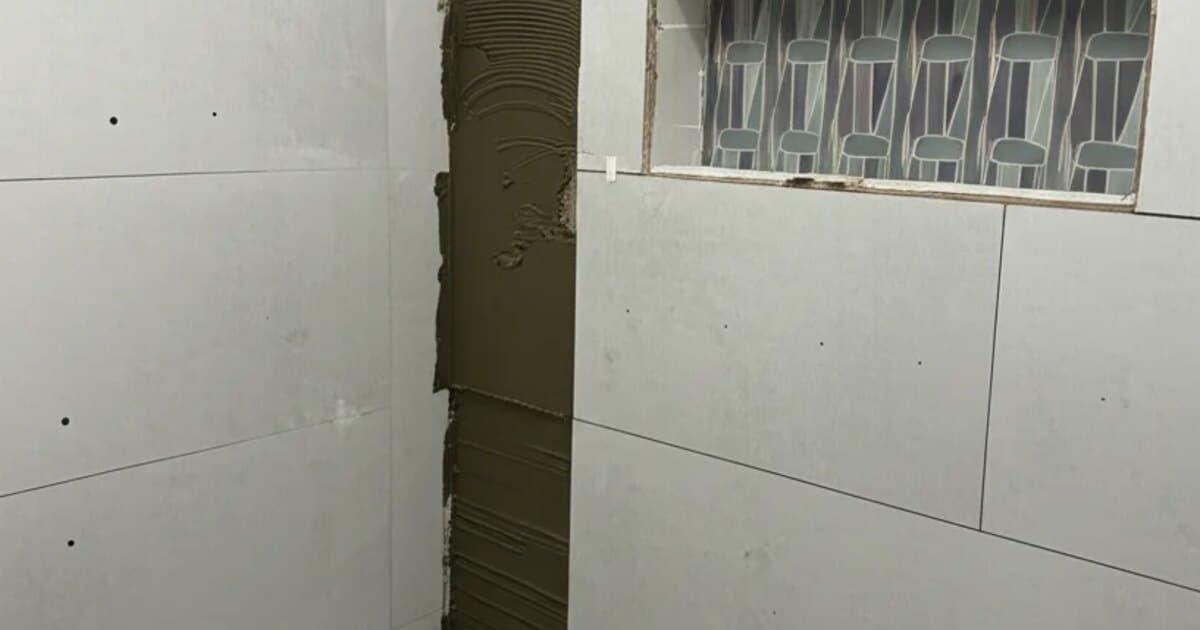
Wall tile does not bear load but must resist gravity during and after installation. The substrate must be flat, plumb, and moisture-appropriate. For dry areas (kitchen backsplashes, fireplace surrounds), tile can be applied directly to clean, primed drywall. For wet areas (shower walls, tub surrounds), an approved backer such as Durock or HardieBacker is required by 2018 IRC R702.4.2, and we add a bonded waterproof membrane over it as our own standard — the code does not require one behind shower walls. We never install tile over standard drywall or water-resistant (green) gypsum in wet areas: R702.3.7 bars it where the surface will be exposed to water, and those substrates fail under prolonged moisture.
Mortar and Adhesive Differences
Floor tile uses polymer-modified ("modified") thinset mortar for superior bond strength and flexibility under load
Wall tile in dry areas can use mastic (premixed adhesive) for convenience, though thinset is always preferred
Large-format wall tile (12×24 and above) requires non-sag, thixotropic thinset that resists slump — standard mortar lets heavy tiles slide before curing
Shower walls always require thinset mortar, never mastic — mastic softens when exposed to sustained moisture
Back-buttering is required for large-format tile on both floors and walls to achieve full mortar coverage
Installation Technique Differences
Floor tile is installed from the center of the room outward, working in sections to maintain straight lines and even spacing. The installer works on top of previously set tile, so mortar open time and working speed are critical. Leveling clips and wedges are used to eliminate lippage between tiles.
Wall tile is installed from the bottom up, usually starting from a level ledger board (not the floor or tub edge, which are rarely level). The installer must work quickly to prevent tile from sliding before the mortar develops initial grab. For large-format wall tile, mechanical support (temporary ledger strips screwed into studs) holds each row in place during the 24-hour cure period. Vertical tile runs must be checked for plumb with a level after every few rows to prevent cumulative drift.
Slip Resistance and Tile Selection
Floor tile must meet minimum slip-resistance standards, especially in bathrooms, entryways, and kitchens where wet conditions are common. The DCOF (Dynamic Coefficient of Friction) rating should be 0.42 or higher for interior wet areas and 0.50 or higher for shower floors (ANSI A326.3 "Wet Plus"). Polished or glossy tile is suitable for walls but should be avoided on floors. We help Boise homeowners select tile with the right texture and DCOF rating for each application — ensuring safety without sacrificing aesthetics.
Not every tile problem requires a full tear-out. Some issues can be repaired surgically, saving thousands of dollars. Others signal deeper problems that only a full replacement will fix. Here's how to tell the difference — and when each approach makes sense for your Boise home.
Signs You Need Full Tile Replacement
Cracked or deteriorating substrate — if the cement board, mud bed, or subfloor underneath the tile is damaged, broken, or water-rotted, patching the tile surface won't solve the structural problem. The tile must come up so the substrate can be repaired or replaced.
Moisture damage behind shower tile — soft or spongy walls behind tile, mold odor, water stains on the ceiling below a bathroom, or visible mold on grout lines indicate waterproofing failure. The only reliable fix is full demolition, framing inspection, proper waterproofing, and new tile.
Widespread grout failure — when grout is crumbling, cracking, or falling out across most of the installation, it usually indicates substrate movement, original installation defects, or the wrong grout type. Regrouting over a failed substrate leads to repeated failure.
Multiple cracked or hollow-sounding tiles — tap tiles gently with a wooden dowel. A hollow sound means the mortar bond has failed underneath. If more than 10-15% of tiles sound hollow, the entire installation has likely lost adhesion and will continue to fail.
Outdated tile with a full remodel — if you're already gutting a bathroom or kitchen, it's almost always more cost-effective to replace all tile rather than try to match and patch around new fixtures and layouts.
When Tile Repair Makes Sense
Single broken or chipped tile — if one or two tiles are damaged from impact (dropped object, furniture strike) but the surrounding tile and substrate are solid, we can remove and replace individual tiles. The key is having matching replacement tile on hand — we always recommend homeowners keep a box of leftover tile from any installation.
Localized grout repair — cracked or missing grout in a small area (around a toilet base, at a tub-to-tile joint, or in a corner) can be removed and replaced without disturbing the tile. Perimeter grout joints should always be flexible caulk, not rigid grout.
Surface scratches or minor chips — small surface damage on porcelain or ceramic tile can sometimes be filled with color-matched epoxy or tile repair compound. This works best on solid-color tile where the repair blends in.
Loose individual tile on a solid substrate — if a single tile has popped loose but the substrate underneath is intact and flat, the tile can be rebonded with fresh thinset. We clean both surfaces, apply mortar, reset the tile, and regrout.
Grout color refresh — discolored or stained grout can be cleaned with professional-grade grout cleaner, or coated with a grout colorant/stain that penetrates and seals the existing grout. This is far less expensive than full regrouting and can dramatically refresh the look of a tile installation.
The Iron Crest Assessment
When you're unsure whether to repair or replace, we provide an honest assessment. We'll inspect the tile surface, test for hollow spots, check the substrate condition, and evaluate the waterproofing integrity (in wet areas). If a repair will last, we'll recommend it — we don't push full replacements when they're not needed. If the underlying problem is structural or moisture-related, we'll explain exactly why replacement is the better investment and what the repair would look like versus the replacement. Transparency is how we build trust with Boise homeowners.
The following government agencies, industry organizations, and official resources provide additional information relevant to your remodeling project.
Research your tile installation project with our in-depth Boise-area guides.
Browse completed tile installation projects from across the Treasure Valley. See real results, project details, and transformation stories.
Tile work is a core element of bathroom, kitchen, and stone projects. Bundling ensures a cohesive design.
Ready to Start Your Remodeling Project?
Get a free, no-obligation estimate from Boise's trusted remodeling experts. Licensed, insured, and ready to build.