
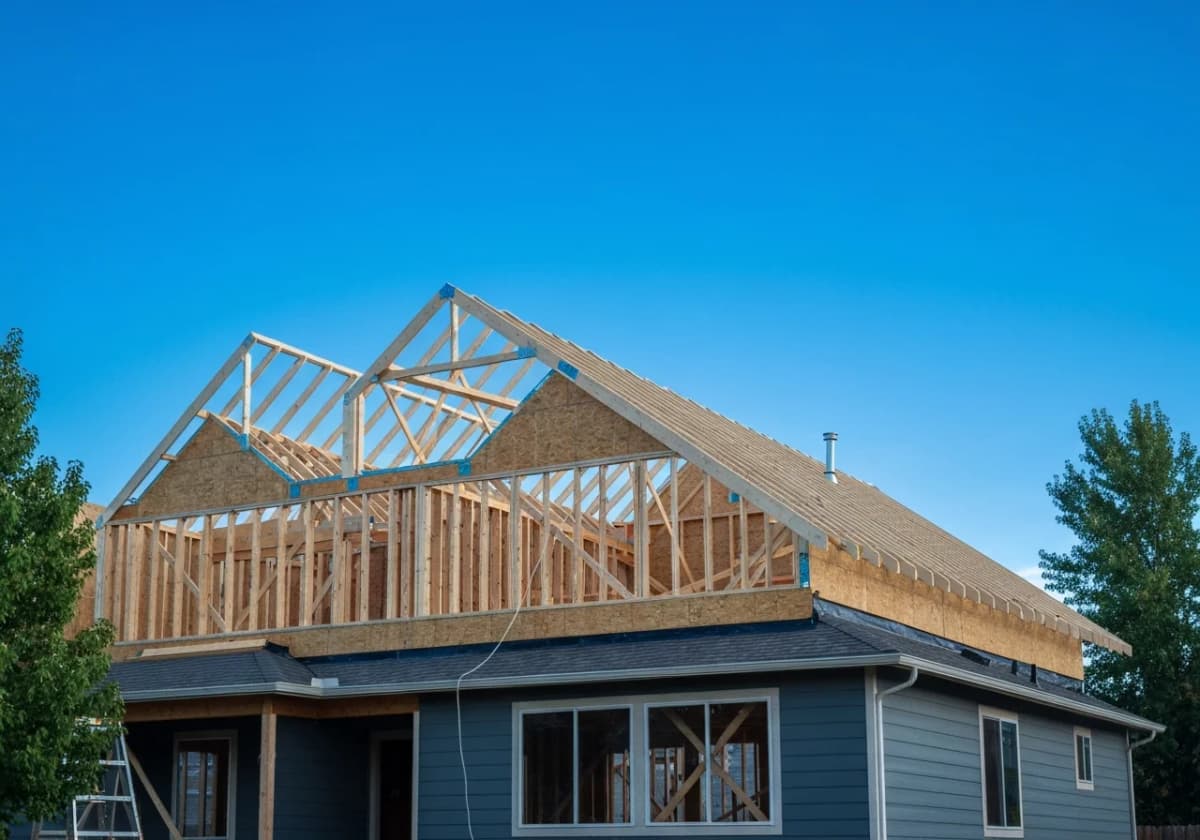
Home Additions in Eagle, ID: Costs, Ideas & Options
Whether you need an extra bedroom, a primary suite, a home office, or expanded living space — we handle design, engineering, permitting, and construction.
Quick answer
Iron Crest Remodeling Group LLC provides home additions in Eagle, ID. Most Eagle home additions cost $90,000 – $500,000+. Eagle home addition costs are the highest in the Treasure Valley, reflecting the premium quality expectations of the market, the larger footprints of Eagle's primary homes and proposed additions, and the complexity of HOA-governed approval processes.
Eagle homeowners have invested in one of the Treasure Valley's most valuable communities — and when the home no longer fits the life, expanding it is almost always the smarter financial decision than moving. Iron Crest Remodel designs and builds home additions in Eagle that meet the city's premium quality standard: architecturally integrated with the existing home, structurally engineered for Ada County's frost depth and thermal demands, and finished to the level that Eagle's custom-home market expects. Whether you're expanding an established Banbury Meadows primary suite, adding a guest wing to a Floating Feather estate, or building the multigenerational in-law suite that keeps your parents close without sharing a front door, Iron Crest brings the expertise and craftsmanship that Eagle projects demand.
Expand your home with a well-planned addition designed around flow, structure, and long-term livability.
A home addition is one of the most significant and valuable improvements you can make to your property. Unlike a remodel that works within existing walls, an addition expands the building footprint — which means foundation work, structural engineering, roofline integration, exterior finish matching, and careful connection to existing mechanical systems. The most common additions in the Treasure Valley include primary suite additions (bedroom + bathroom + closet), family room or great room additions, second-story additions over existing structures, bump-out additions for kitchens or dining rooms, and sunroom or four-season room additions. Every addition project requires careful planning around your existing home's foundation type, roof structure, siding material, and HVAC capacity. A well-designed addition looks like it was always part of the house — matching rooflines, siding profiles, window styles, and interior finishes so there is no visible seam between old and new.
Eagle homeowners pursue home additions for a variety of reasons. Here are the most common situations we see:
- ✓Growing families who have outgrown their current floor plan but love their neighborhood and lot
- ✓Homeowners who need a primary suite addition — separate bedroom, walk-in closet, and bathroom
- ✓Remote workers who need a dedicated home office with separation from living spaces
- ✓Homeowners caring for aging parents who need an in-law suite or ground-floor bedroom addition
- ✓Anyone who would rather add square footage than sell and move in the current housing market
Not every home additions project is the same. Here are the most common project types we complete in Eagle:
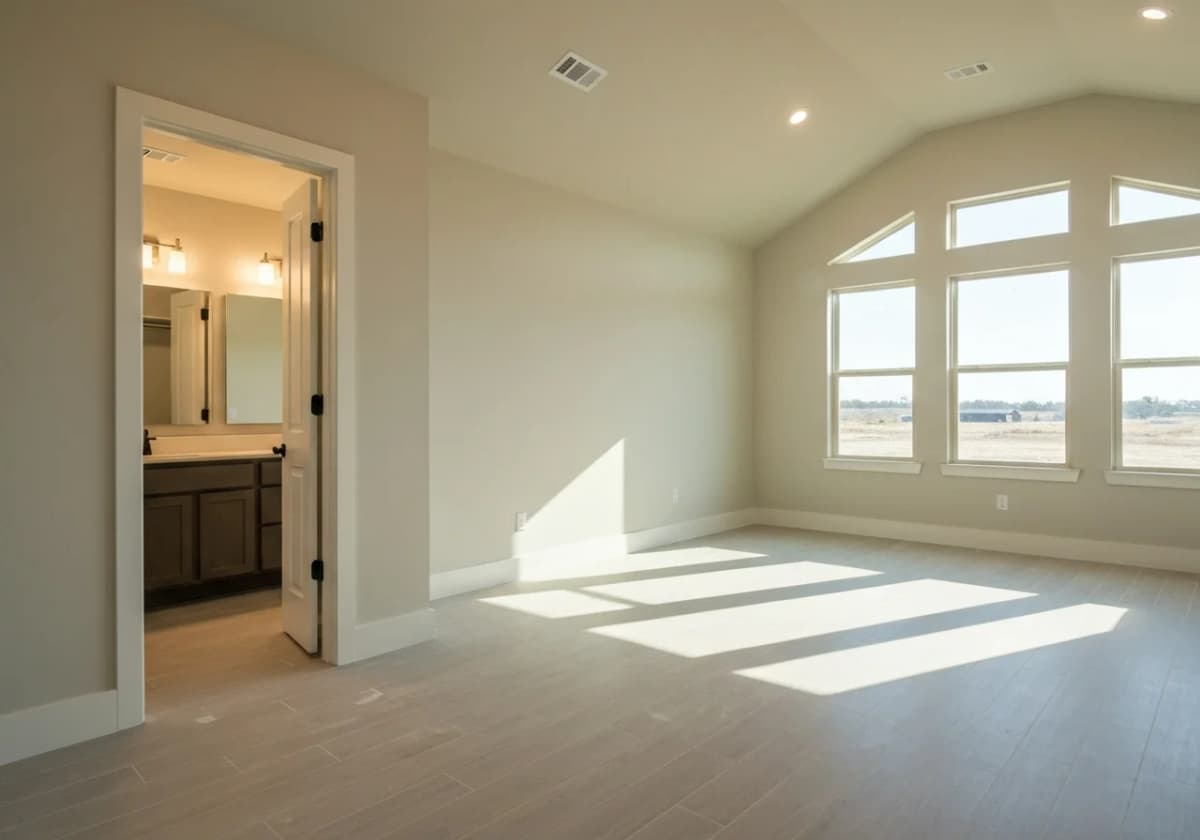
Primary Suite Addition
Add a new primary bedroom, walk-in closet, and private bathroom. This is the most popular addition type and typically adds 400-700 square feet to the home.
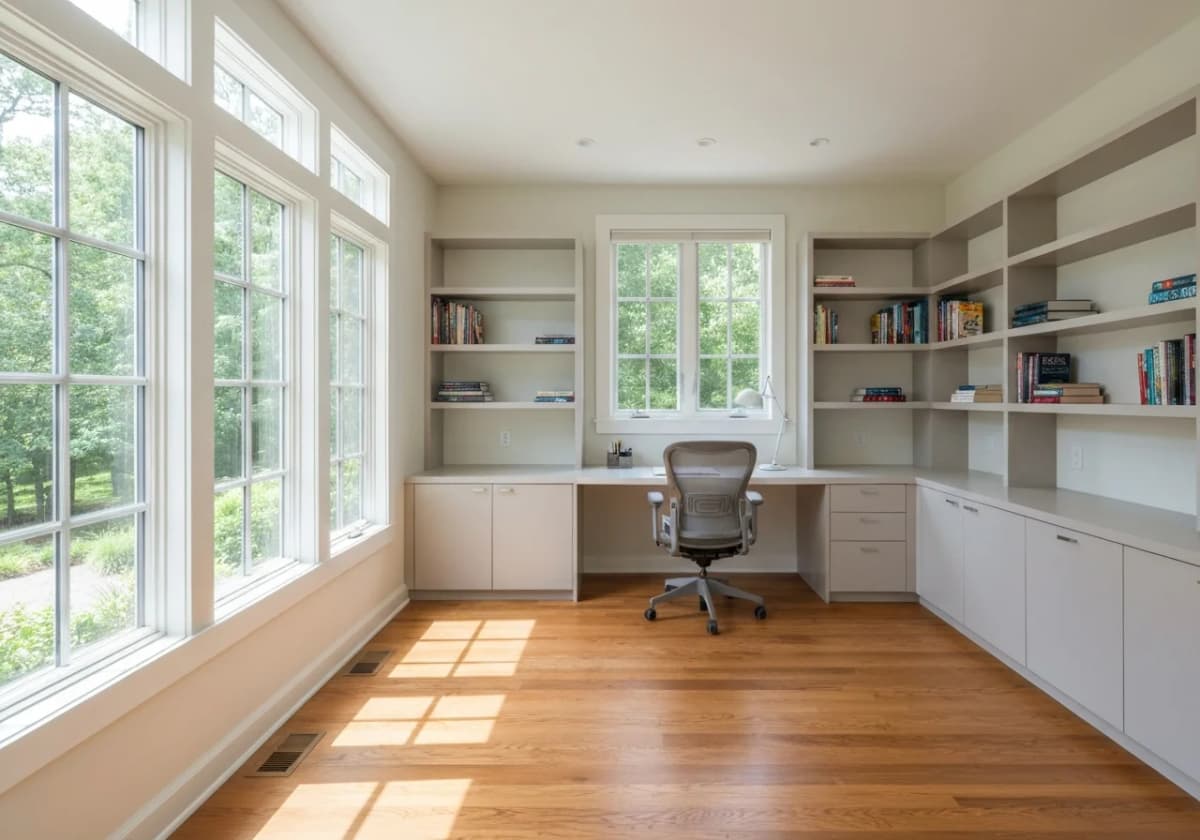
Room Addition (Bedroom, Office, Family Room)
Add a single room or open living space to the home. Room additions range from 150-500 square feet and can be configured as a bedroom, office, playroom, or flex space.
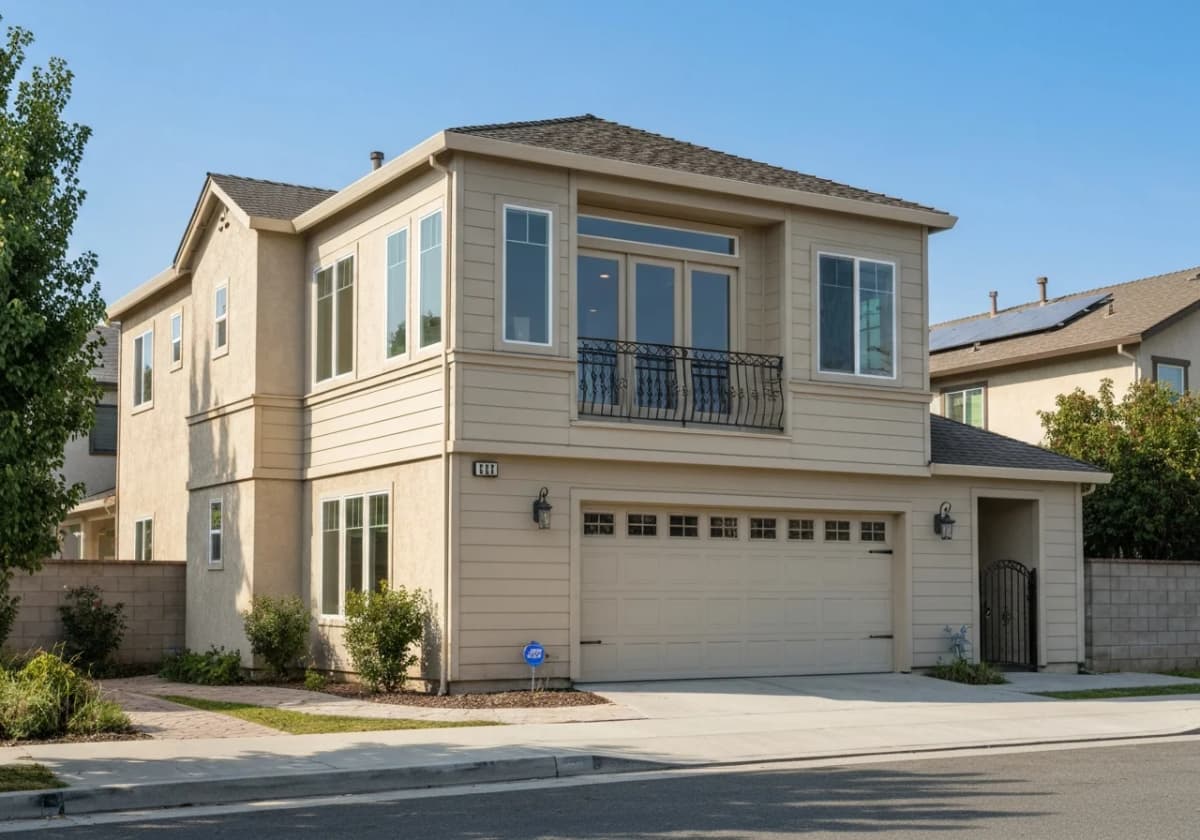
Second-Story Addition
Build up instead of out by adding a second floor over an existing single-story structure. Requires structural evaluation of the existing foundation and framing to ensure they can support the additional load.
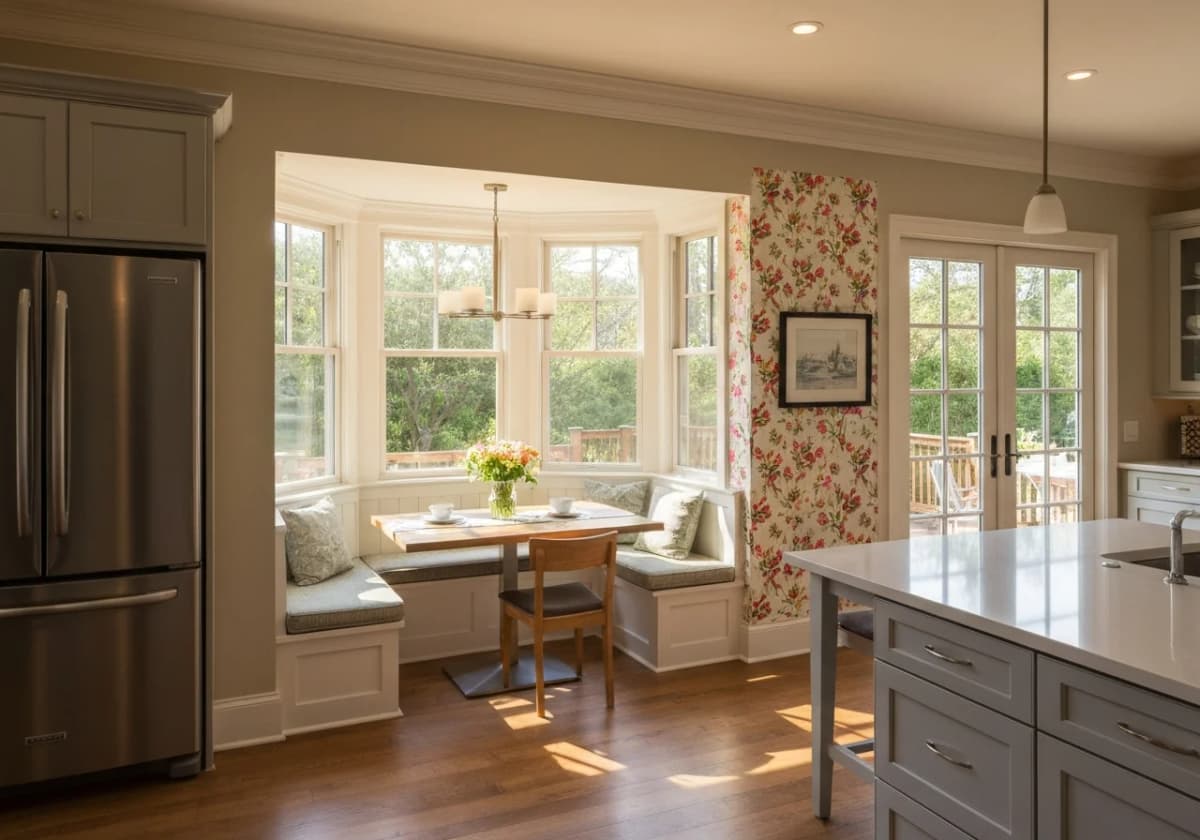
Kitchen or Dining Bump-Out
Extend an exterior wall by 4-12 feet to create more kitchen counter space, a breakfast nook, or a larger dining area. A bump-out is less complex than a full addition and can transform a cramped kitchen.
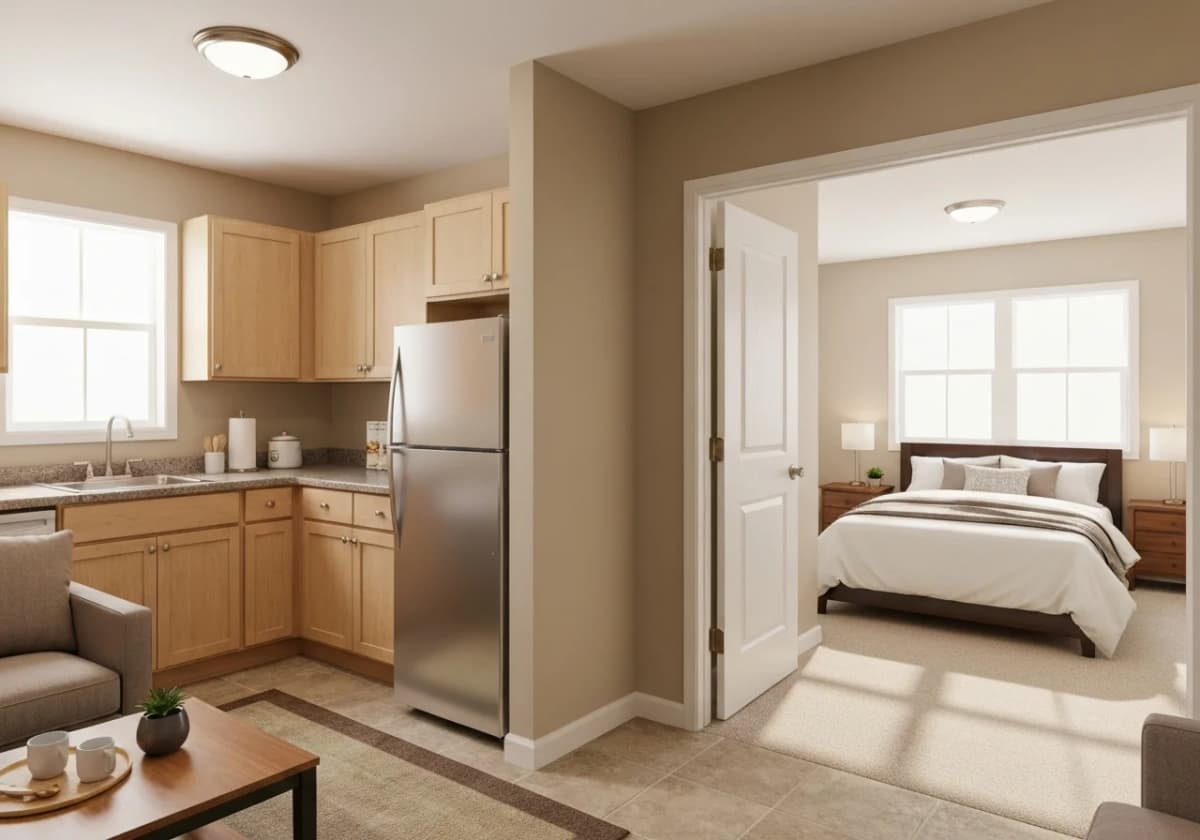
In-Law Suite or Multigenerational Addition
A semi-independent living space with a bedroom, bathroom, kitchenette, and separate entrance designed for aging parents or adult family members. May include accessibility features.
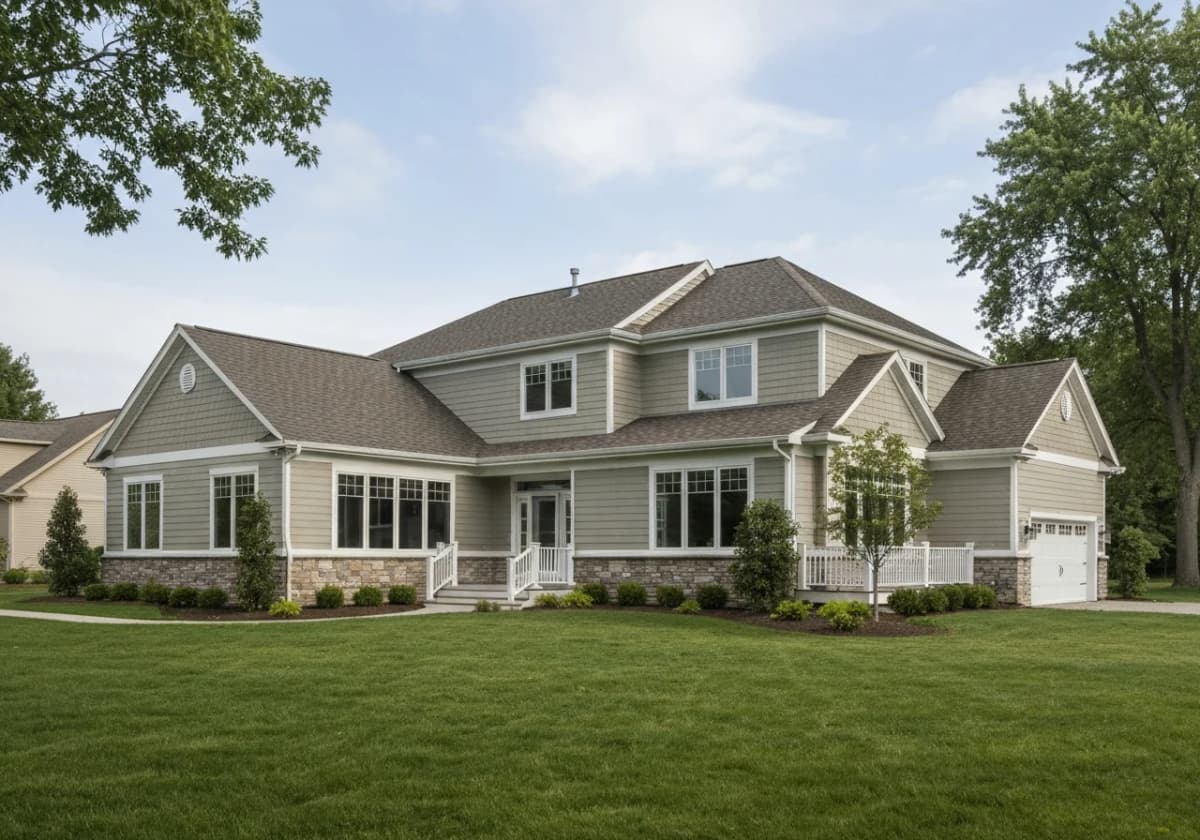
Eagle's housing stock is primarily post-1990 construction with a higher proportion of custom-built homes than other Treasure Valley cities. Larger lot sizes, custom floor plans, and premium original finishes are common.
1990s (Banbury, older neighborhoods)
Even Eagle's oldest neighborhoods run toward the high end of the range. These were custom and semi-custom homes to begin with, so budgets reflect replacing aging natural stone, hardwood, and custom cabinetry with materials that match the quality owners expect here.
2000s–2010s (Legacy, foothills development)
These large custom homes sit at the top of the cost range. Square footage is substantial and the original finishes are premium, so even a design-focused refresh of select rooms carries a high materials budget — though sound systems mean little goes to structural work.
2015–present (new subdivisions)
Costs here split by home type: production homes need the least investment and concentrate spending on finish upgrades, while custom homes built to owner specifications carry budgets as high as the owner's chosen materials demand.
Common issues in Eagle homes
- •Premium but dated finishes from the Tuscan-style era (2000s-2010s) that homeowners want modernized
- •Large kitchens with good layouts but outdated cabinets, countertops, and backsplash
- •Custom homes with unusual layouts that require thoughtful remodel design
- •Large primary bathrooms with garden tubs that homeowners want converted to walk-in showers
- •HOA design guidelines that constrain exterior material and color choices
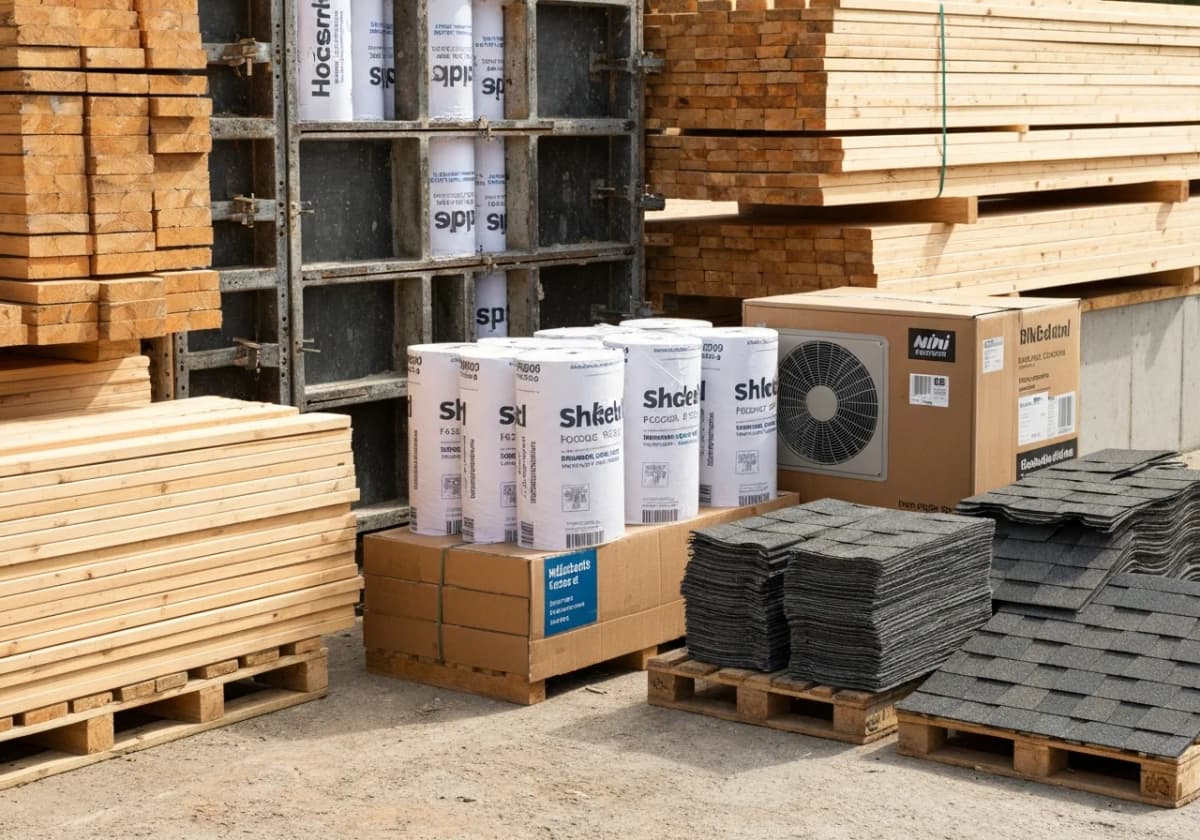
Material selection affects the look, durability, and cost of your home additions. Here are the most popular options we install in Eagle:
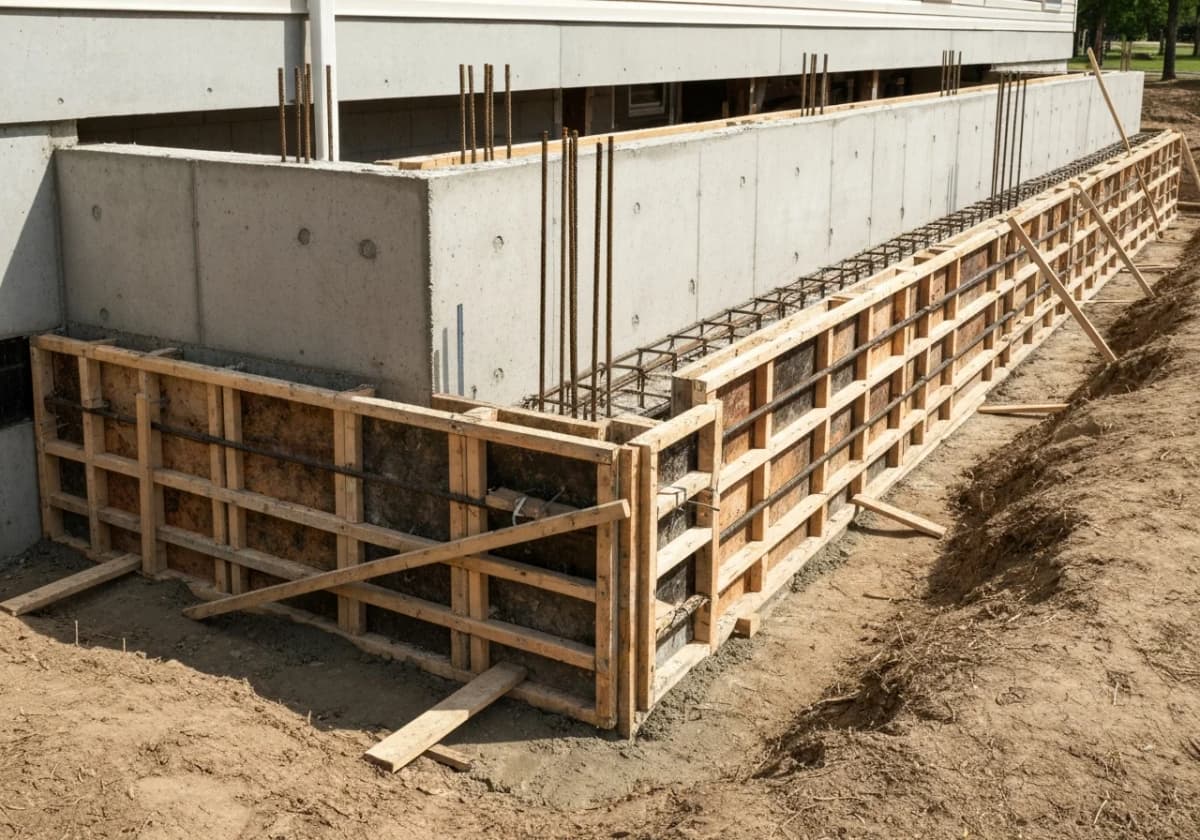
Concrete Foundation (Stem Wall or Slab)
$8,000–$25,000 depending on sizeMost Idaho home additions use a concrete stem wall foundation with a crawl space, matching the existing home's foundation type. Slab-on-grade is used in some applications. The foundation must be engineered to match soil conditions and frost depth requirements.
Best for: All home additions in Idaho
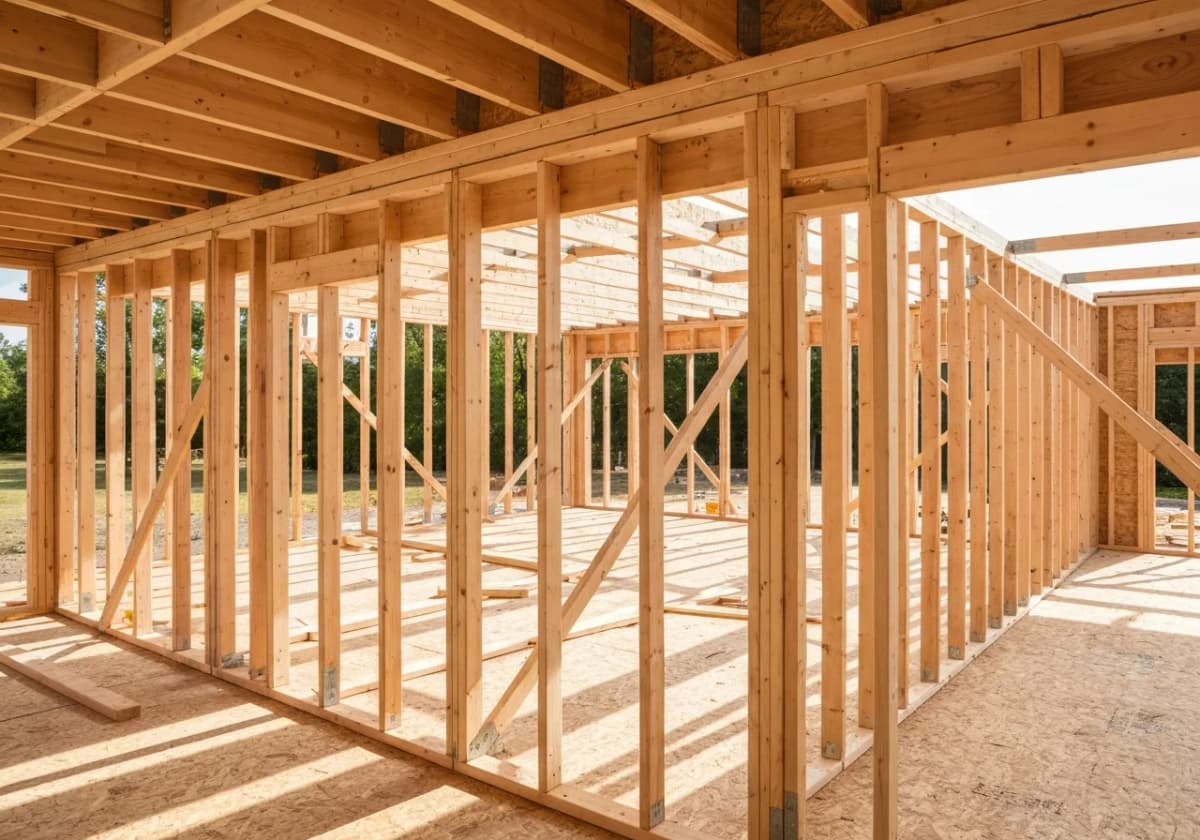
Dimensional Lumber Framing
$15–$25 per sq ft framedStandard 2x4 or 2x6 wood framing for walls, with engineered trusses or rafters for the roof. The framing system must integrate with the existing home's structure at the connection point.
Best for: Standard room additions and second stories
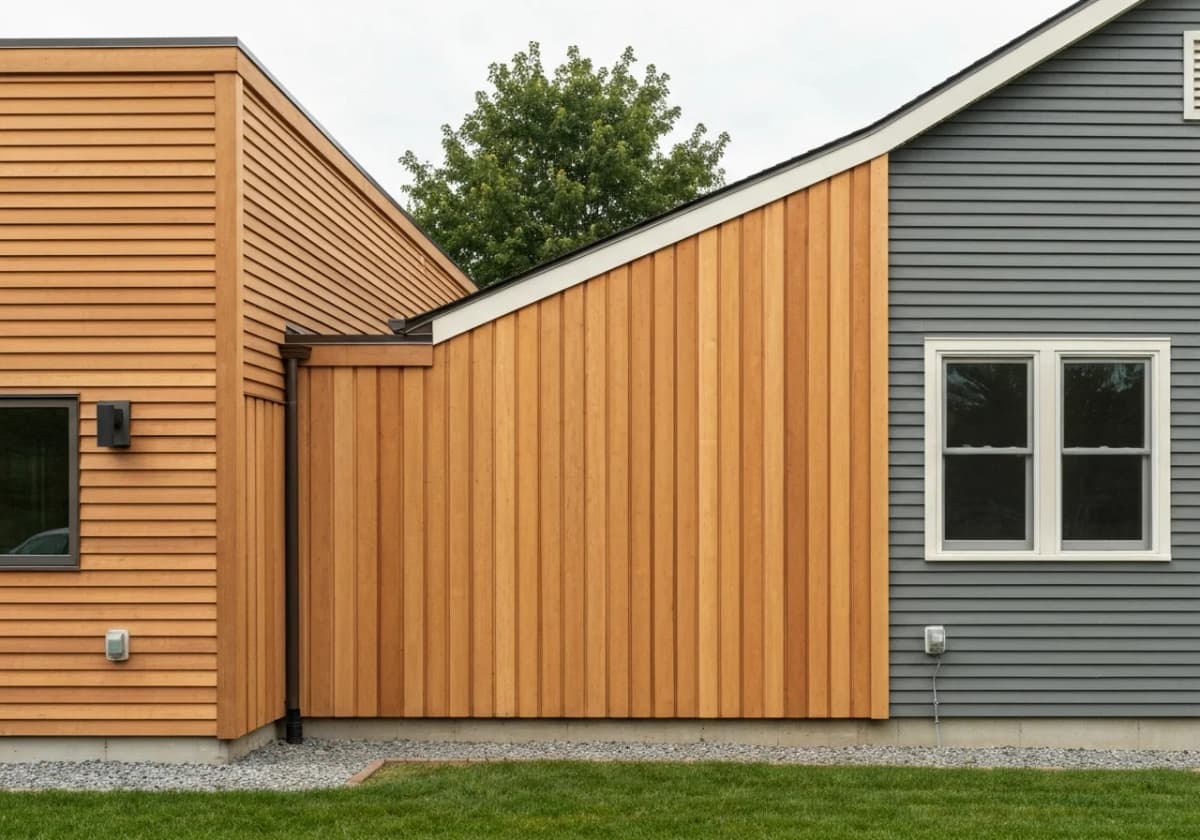
Matching Exterior Siding
$5–$15 per sq ft installedThe addition's exterior must match the existing home. This may involve ordering the same siding profile, doing a partial re-side to blend old and new, or selecting a complementary material for a planned contrast.
Best for: Seamless visual integration
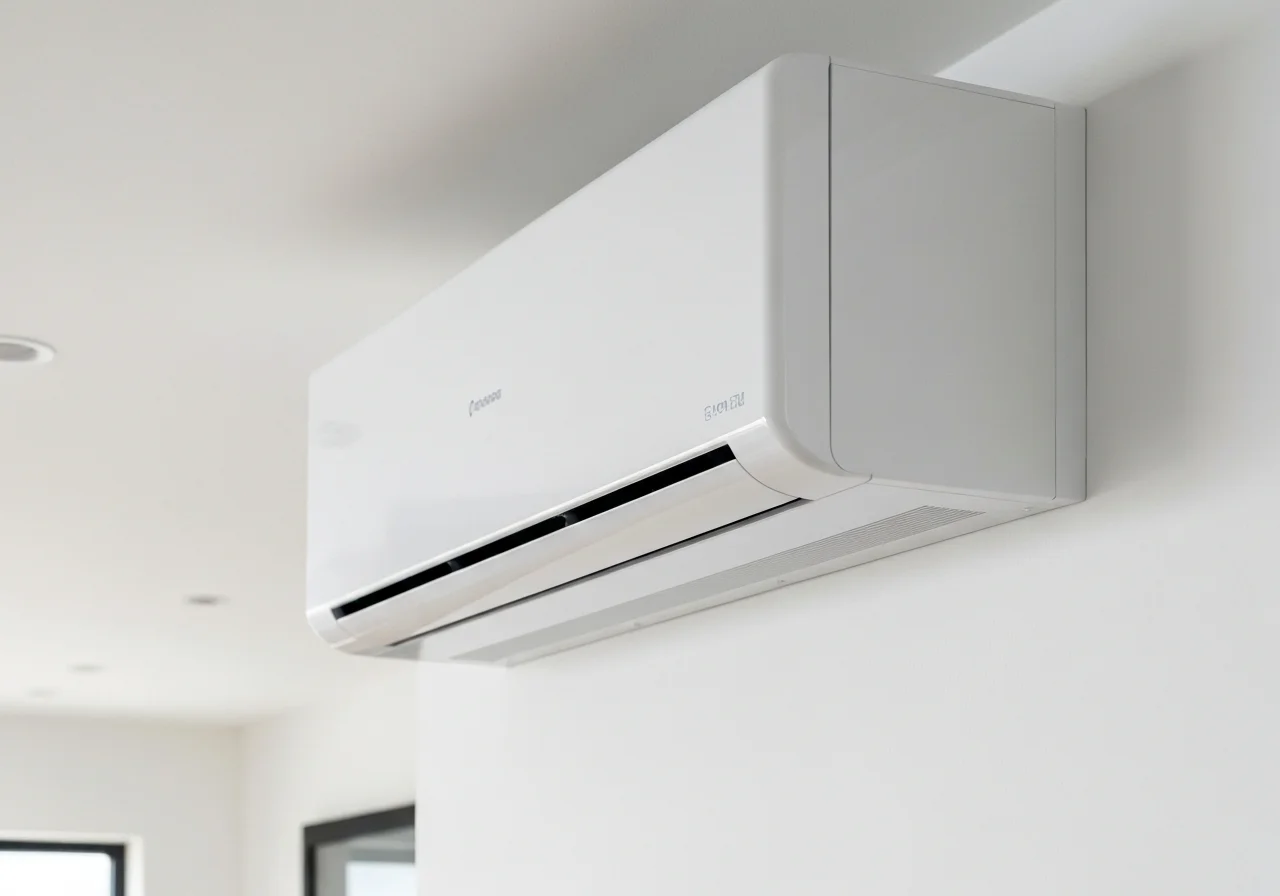
Mini-Split HVAC System
$3,000–$6,000 per zone installedA ductless mini-split system is often the most practical way to heat and cool an addition without extending the existing HVAC system. Mini-splits are efficient, quiet, and provide independent temperature control for the new space.
Best for: Additions where extending existing ductwork is impractical
Engineered Hardwood or LVP Flooring
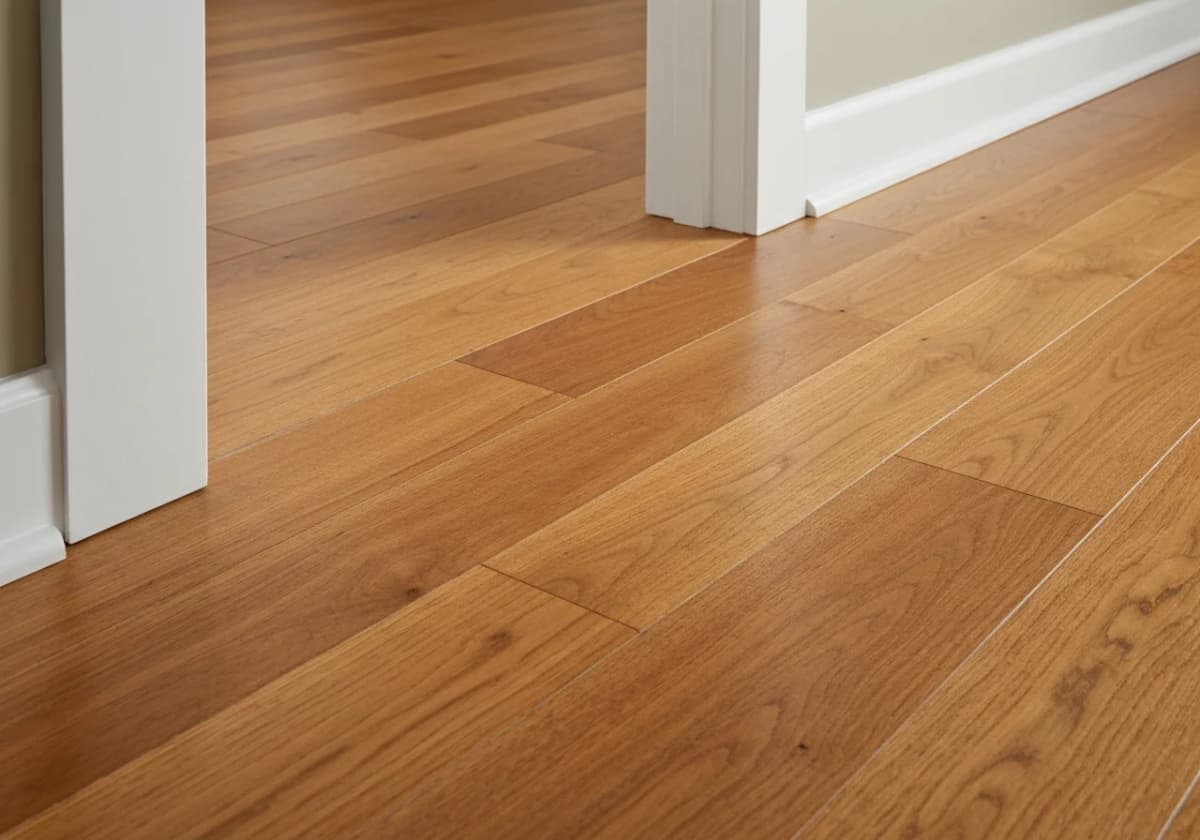
$5–$15 per sq ft installedFlooring in the addition should match or complement existing home flooring. Engineered hardwood can match existing real hardwood. LVP is durable, waterproof, and available in realistic wood looks.
Best for: Matching existing home flooring
Here is how a typical home additions project works from first contact to final walkthrough:
Feasibility Assessment and Site Evaluation
We evaluate your lot size, setback requirements, existing foundation type, roof structure, utility connections, and zoning restrictions to determine what type and size of addition is possible on your property.
Architectural Design and Engineering
We create detailed architectural plans including floor plans, elevations, structural engineering, roofline integration, and mechanical system connections. Plans must meet local building codes and zoning requirements.
Permitting and Plan Review
Home additions require building permits, plan review, and multiple inspections. We submit plans to the local building department, respond to any review comments, and manage the approval process.
Foundation and Framing
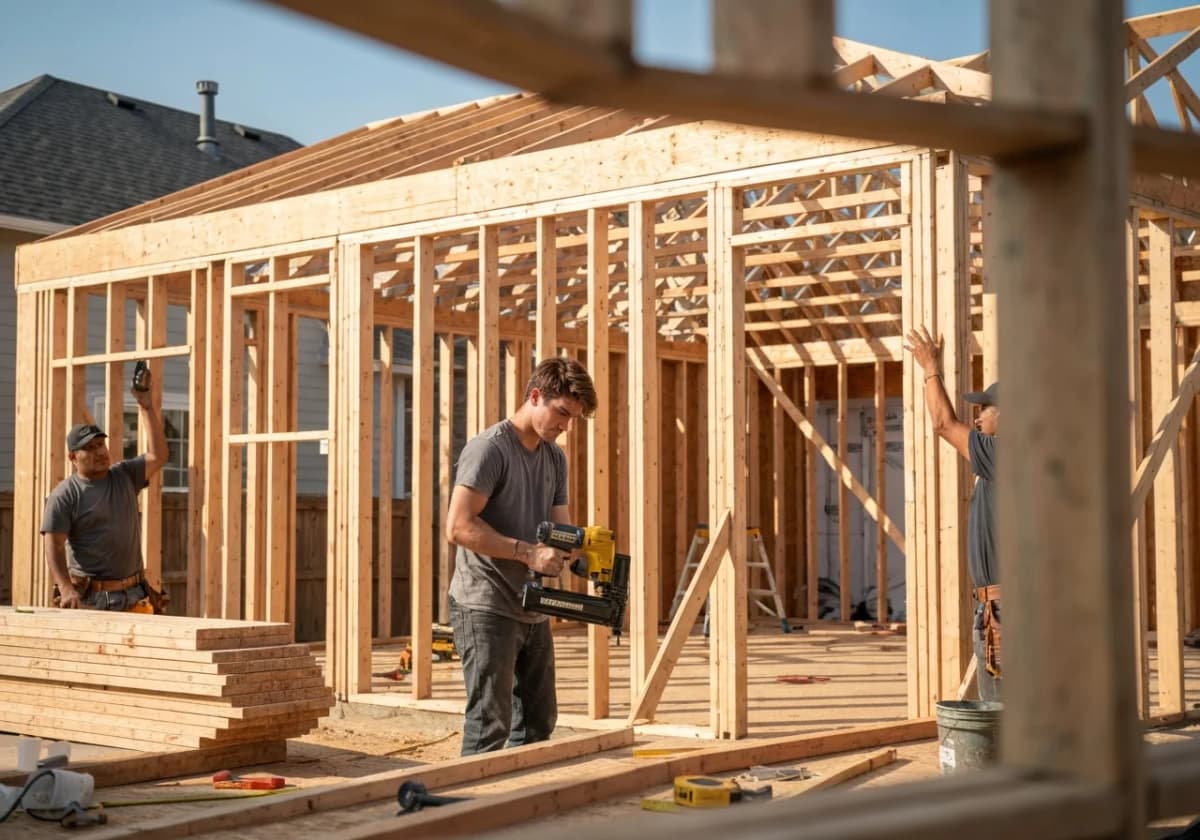
Excavation and foundation work (typically concrete stem wall or slab-on-grade in Idaho) is completed first. Once the foundation is inspected, framing begins — walls, roof structure, and connection to the existing home.
Mechanical, Electrical, and Plumbing (MEP)
HVAC ductwork or mini-split installation, electrical wiring, plumbing rough-in (if the addition includes a bathroom or kitchenette), and insulation are completed before drywall.
Exterior Finish and Roofing
Roofing, siding, windows, and exterior trim are installed and integrated with the existing home's exterior. We match materials, colors, and profiles so the addition looks seamless.
Interior Finish and Final Details
Drywall, paint, flooring, trim, doors, fixtures, and all interior finish work is completed. The connection point between old and new is finished to be invisible. Final inspections are passed and a walkthrough is conducted.
Here is what to expect for project duration when planning home additions in Eagle:
| Phase | Duration | Details |
|---|---|---|
| Design and Engineering | 4–8 weeks | Architectural design, structural engineering, and plan preparation. This phase is longer than a remodel because additions require engineered plans. |
| Permitting and Plan Review | 2–6 weeks | Building department plan review, permit issuance, and any revisions. More complex additions may require multiple review cycles. |
| Foundation | 1–3 weeks | Excavation, forming, concrete pour, and curing. Weather conditions in Idaho can affect foundation scheduling, especially in winter months. |
| Framing and Roofing | 2–4 weeks | Wall framing, roof structure, windows, and exterior sheathing. The addition begins to take shape during this phase. |
| Mechanical, Electrical, Plumbing, and Insulation | 2–3 weeks | All mechanical rough-in, insulation, and inspection. This must be complete before drywall begins. |
| Interior and Exterior Finish | 3–6 weeks | Drywall, paint, flooring, trim, siding, fixtures, and final details. The connection between old and new is completed during this phase. |
Eagle range: $90,000 – $500,000+
Most Eagle projects: $200,000
Eagle home addition costs are the highest in the Treasure Valley, reflecting the premium quality expectations of the market, the larger footprints of Eagle's primary homes and proposed additions, and the complexity of HOA-governed approval processes. Ground-floor additions with their own foundation run $90,000 to $160,000 at the entry level of Eagle's market. Primary suite additions that include a luxury bathroom run $160,000 to $280,000. Second-story additions and full-floor additions run $250,000 to $450,000. Guest wing or in-law suite additions with high-end specifications run $200,000 to $380,000. Estate-scale additions in Floating Feather Road homes that expand living area by 1,500 square feet or more can reach $400,000 to $500,000 or beyond. HOA approval processes add $4,000 to $10,000 in pre-construction costs and 6 to 10 weeks to the project timeline.
The final cost of home additions in Eagle depends on several factors. Here are the biggest cost drivers:
Size of the Addition (Square Footage)
high impactHome additions in Idaho typically cost $200-350 per square foot depending on complexity and finish level. Our 400 sq ft primary suite addition in Eagle ran $80,000-$100,000.
Foundation Work
high impactThe type and complexity of foundation work depends on soil conditions, existing foundation type, and addition size. Rocky soil or high water table conditions increase excavation costs.
Structural Complexity and Roofline Integration
high impactTying a new roofline into an existing roof is one of the most critical and costly aspects. Complex rooflines, multiple valleys, and hip-to-gable transitions require skilled framing.
Plumbing and HVAC Requirements
medium impactAdditions with bathrooms require new plumbing lines. HVAC may require ductwork extension, a new zone, or a mini-split system. These mechanical systems add $5,000-15,000 to the budget.
Interior Finish Level
medium impactBuilder-grade finishes vs. premium finishes (hardwood floors, custom trim, tile, quartz counters in a bathroom) can swing interior finish costs by $20-50+ per square foot.
Permit and Engineering Fees
medium impactHome additions require architectural plans, structural engineering, and building permits. Plan preparation and engineering typically cost $3,000-8,000. Permits add $500-2,000+.
These are the real-world projects we see most often from Eagle homeowners:
Banbury Meadows — Primary Suite Addition with Luxury Bathroom
The most ambitious and most rewarding home addition project in Eagle's established neighborhoods transforms an undersized primary suite into a luxury retreat that commands the home's best orientation and captures views of the surrounding landscape. These additions typically expand the primary bedroom to 350 to 500 square feet, add a 150 to 200 square foot walk-in closet with custom organization, and build a primary bathroom of 150 to 250 square feet with a custom tile shower (steam optional), soaking tub, dual vanity, and heated tile floors. The structural tie-in to the existing home requires engineered roofline design, precise waterproofing at the tie-in, and exterior material matching that meets the Banbury Meadows HOA's strict compatibility standards. The result is a primary suite that matches the ambition of Eagle's housing market. What it adds in appraised value is a question for an appraiser working current comparables — we have no transaction-level data for it and will not publish a figure.
Eagle Guest Wing Addition for Extended Family
Eagle families who regularly host extended family for extended periods — or who want to create a self-contained space for aging parents that is not technically an ADU — build guest wing additions that provide bedroom, bathroom, and sitting room capacity with a degree of independence from the main home's circulation. These additions are architecturally integrated with the primary home but designed with a private entry, independent bathroom, and sitting area that allows guests or family members to maintain a comfortable daily routine without imposing on the main household. The guest wing addition is Eagle's premium alternative to the ADU — bigger, more gracious, fully connected to the main home's systems, and designed to the same quality standard as the rest of the house.
Floating Feather Estate Expansion
Estate-scale additions on Floating Feather Road and in Eagle's larger parcel neighborhoods involve the most complex and most rewarding design challenges in the Treasure Valley's addition market. These are additions of 1,000 square feet or more that expand living areas, add entertaining space, create primary suite wings, or develop semi-detached guest structures — all designed to integrate with the existing home as if the addition was always intended. The structural engineering, architectural design, and finish quality of these projects exceed anything in the surrounding market and produce homes that are genuinely distinguished in Eagle's competitive luxury segment.
Eagle Hills — Home Office Addition for Executive Work-From-Home
Eagle's professional homeowner base has created sophisticated demand for home office additions that provide genuine executive-level workspace — large enough for a full desk and meeting area, equipped with dedicated electrical capacity and ethernet infrastructure, acoustically separated from the home's living areas, and finished to a quality standard consistent with the home's overall character. These additions are often sited above the garage or off the rear of the primary home, with an exterior entry that allows clients or colleagues to visit without entering the home's private areas.
Eagle Multigenerational In-Law Suite Addition
Eagle in-law suite additions for aging parents are built to the premium quality standard that Eagle homeowners apply to every aspect of their homes. Quality cabinetry, stone countertops, tile shower with frameless glass, and accessible design features — zero-threshold shower, grab bar blocking, wider doorways, lever hardware — combine in a space that is genuinely beautiful as well as functionally designed for long-term accessibility. The private entrance, independent HVAC, and kitchenette capacity that characterize a true in-law suite are designed with the same architectural care as every other element.

Problem: Not enough bedrooms for a growing family
Solution: We design bedroom additions that integrate with the existing floor plan, adding space without disrupting current room flow or outdoor living areas.
Problem: No primary suite — just a standard bedroom with a hall bath
Solution: We add a primary suite wing with a private bathroom, walk-in closet, and direct access. This is the most requested addition type in the Treasure Valley.
Problem: Need a home office but no room to create one
Solution: A dedicated office addition provides separation from household activity, proper lighting, electrical for equipment, and the quiet workspace remote professionals need.
Problem: Aging parents need ground-floor living space
Solution: We design in-law suites with bedroom, bathroom, kitchenette, and potentially a separate entrance for independence and privacy.
Problem: Cramped kitchen or living area with no room to expand
Solution: A bump-out addition of 4-12 feet can transform a cramped kitchen or living room, adding counter space, a dining nook, or a seating area.
Eagle shares the Treasure Valley's semi-arid climate. Foothills properties may experience slightly colder winter temperatures and more wind exposure than valley-floor locations.
Foothills Exposure
Properties in Eagle's foothills areas experience more wind, greater temperature variation, and more UV exposure. Material selections for these properties should prioritize durability.
Larger Lots and More Exterior Surface
Eagle's larger homes and lots mean more siding, more roof area, and longer utility runs for ADUs and additions. This affects both material quantity and project cost.
Irrigation and Landscaping
Many Eagle properties have extensive landscaping and irrigation. Addition and ADU projects must plan around existing landscape investments.
Legacy
An upscale master-planned community with custom and semi-custom homes. Homeowners here invest in premium kitchen and bathroom remodels with high-end materials.
Common projects in Legacy:
- •Luxury kitchen remodels with custom cabinetry and premium appliances
- •Spa-style bathroom remodels with heated floors and custom tile
- •Outdoor living spaces with covered patios and outdoor kitchens
- •Basement entertainment spaces
Banbury
An established neighborhood with homes from the 1990s and 2000s, many on larger lots with river or canal proximity. A mix of custom and production homes.
Common projects in Banbury:
- •Whole-home remodels updating 1990s-2000s finishes
- •Home additions for primary suites
- •Kitchen renovations with open-concept conversion
- •ADU construction on larger lots
Downtown Eagle / Historic Core
A walkable downtown area with a mix of older homes, renovated properties, and newer infill development. The downtown core has a distinct small-town character.
Common projects in Downtown Eagle / Historic Core:
- •Full home renovations of older properties
- •Kitchen and bathroom remodels in character homes
- •Home additions sensitive to the downtown aesthetic
- •Interior updates maintaining neighborhood character
Every Eagle neighborhood has different housing stock, homeowner priorities, and project considerations. Here is what home additions looks like in each area:
Banbury Meadows
Eagle Hills and Newer Eagle Developments
Floating Feather Road and Estate Properties
Permit authority: City of Eagle Building Department
Online portal: www.cityofeagle.org/building
- ✓Permits required for all remodeling involving plumbing, electrical, or structural changes
- ✓Some areas have specific design guidelines or overlay districts
- ✓HOA approval is commonly required before city permits for exterior work
- ✓ADU construction is subject to zoning review and specific lot requirements
- ✓Standard permit processing is typically 1-2 weeks
Helpful ID resources
- City of Eagle Building Department — permit applications, inspections, and code resources
- Idaho DEQ — Asbestos Program — testing and abatement requirements for pre-1980 homes
- EPA Lead Renovation, Repair and Painting (RRP) Program — required certification for work in pre-1978 homes
- ●Roofline integration — the addition's roof must tie into the existing roof seamlessly to prevent leaks and visual disconnection
- ●Exterior material matching — siding, trim, window style, and paint color must match or intentionally complement the existing home
- ●Interior flow — the hallway, doorway, and room transition from the existing home into the addition should feel natural, not awkward
- ●Foundation matching — the addition's foundation type should match the existing home (crawl space, slab, basement) when possible
- ●Mechanical system capacity — evaluate whether existing HVAC, electrical panel, and plumbing main can support the additional load
- ●Natural light — plan window placement for light quality, views, and energy efficiency; additions on the north side need more interior lighting
Here are the design trends we see most often in Eagle home additions projects:
- →Transitional and contemporary design replacing Tuscan and traditional styles
- →Natural materials — real wood, stone, and metal accents
- →Premium appliance packages with professional-grade ranges
- →Heated bathroom floors and smart shower systems
- →Custom cabinetry with integrated storage solutions
- →Statement lighting — large pendants, linear fixtures, and sculptural elements
- →Outdoor kitchens and covered living spaces
- →Whole-home smart technology integration
Eagle has some of the highest property values in the Treasure Valley, with many homes valued at $500,000 to $1,000,000+. This premium market supports higher-end remodeling investments. Homeowners in Eagle expect quality craftsmanship, premium materials, and design-forward results. ROI on well-executed remodels is strong because buyers in this market pay a premium for updated, modern homes.
Costs and permit requirements differ by jurisdiction across the Treasure Valley. These guides cover Eagle specifically.
Avoid these common pitfalls Eagle homeowners encounter with home additions projects:
Mistake: Proceeding with Eagle addition design without obtaining HOA CC&Rs and ARB requirements first
Better approach: Eagle HOA ARB requirements are specific to each community and are more detailed than most homeowners anticipate. Starting design without understanding the specific compatibility standards — roofline pitch requirements, exterior material specifications, window proportion guidelines — results in designs that require significant revision after ARB feedback. Obtain the HOA's architectural standards document before beginning design and build compliance into the design from the start.
Mistake: Specifying addition finishes at a lower quality than the existing home
Better approach: An Eagle home addition that uses lower-quality finishes than the existing home creates a quality mismatch that undermines the daily experience of the house — the addition reads as the cheap part of it. Every finish decision — flooring, cabinetry, countertops, bathroom tile — should be specified at or above the existing home's quality standard to produce a coherent result that enhances rather than dilutes the overall property.
Mistake: Underestimating structural engineering requirements for Eagle additions
Better approach: Eagle's larger homes, Ada County's seismic zone classification, and the 24-inch frost depth requirement create structural engineering demands that exceed standard residential construction. Every Eagle addition involving second-story construction or significant load changes requires licensed Idaho structural engineering — and the engineering cost ($4,000 to $12,000) must be included in the project budget from the beginning.
Mistake: Not confirming the existing home's HVAC capacity before designing a large addition
Better approach: Eagle's larger primary homes often have HVAC systems that were sized with some excess capacity, but adding 400 or more square feet of conditioned space can exceed that capacity — particularly for additions with west-facing exposures that receive significant summer heat gain. Confirm existing HVAC capacity before finalizing the addition design, and include mechanical upgrades in the project scope when the addition exceeds the system's capacity.
Most popular remodeling projects in Eagle
- ✓Luxury kitchen remodels with custom cabinetry
- ✓Spa-style primary bathroom remodels
- ✓Outdoor living and entertainment spaces
- ✓Whole-home remodels updating 2000s finishes
- ✓Home additions for primary suites or bonus rooms
- ✓ADU construction on larger lots
- ✓Basement entertainment and living spaces
- ✓Home office conversions

See Your Remodel Before You Build.
Upload a few photos of your kitchen, bathroom, flooring, or exterior and get AI-generated concept visuals tailored to your space, style, and materials — free, no obligation, in about five minutes. Then request a real estimate from our Idaho registered Boise team.
Free concept preview · No credit card · Licensed Idaho contractor
Is it worth adding onto an Eagle home rather than buying a larger one?
Often, yes — especially for owners holding low-rate mortgages on properties that have appreciated. But the comparison depends on numbers we cannot supply. Selling means transaction costs on both sides and financing the price difference at today's rate; adding on means a fixed construction price with the existing mortgage untouched, plus keeping the community, school, and neighbor relationships that staying preserves. The only figure in that comparison a contractor can give you honestly is the construction price, which we itemize in writing. Get the sale and purchase figures from an agent working real Eagle comparables and the financing numbers from your lender, then run the arithmetic yourself rather than trusting a monthly-payment range from a contractor's website.
How do I get HOA approval for a Banbury Meadows home addition?
The Banbury Meadows HOA requires a formal ARB submittal with architectural elevation drawings showing the addition from all affected elevations, a site plan showing the addition's footprint relative to property lines, and material specifications including manufacturer names, product line, and color selections for all exterior materials. The ARB typically reviews submittals at monthly meetings, and the review timeline from submittal to decision runs 6 to 10 weeks, the same window to budget for Eagle's other active HOA communities. Iron Crest prepares all submittal materials and coordinates the ARB process as a standard project service.
How long does an Eagle home addition project take?
From project initiation to construction completion, an Eagle home addition typically takes 7 to 12 months — 8 to 10 weeks for architectural design and permit preparation, 6 to 10 weeks for parallel HOA and permit review, and 4 to 8 months for construction depending on scope. A ground-floor addition runs 4 to 5 months of construction; a primary suite addition runs 5 to 7 months; an estate-scale addition of 1,000 or more square feet runs 7 to 10 months. Iron Crest provides a project-specific schedule with milestone dates at the proposal stage.
What finish quality should I expect for an Eagle home addition?
The interior finish quality of an Eagle home addition should be indistinguishable from the primary home's existing finish quality — which means matching or complementing the existing flooring, trim, cabinetry quality, and hardware finish throughout the addition. For primary suite additions, the bathroom finish quality should meet the spa standard of Eagle's premium market: custom tile shower, frameless glass, stone or engineered stone countertops, quality plumbing fixtures. Reducing finish quality below the primary home's standard creates a mismatch that is immediately apparent the moment you walk from the original house into the addition.
How do I know if a home addition is worth it?
That depends on available lot space, budget, current home layout, and whether the extra square footage solves a long-term need. In the Treasure Valley's housing market, adding square footage to a well-located home is often more cost-effective than buying a larger home — especially when you factor in moving costs, higher property taxes, and the appreciation of your current location.
How much does a home addition cost per square foot in Idaho?
Home additions in the Boise area typically cost $200-350 per square foot, depending on foundation type, structural complexity, finish level, and whether the addition includes plumbing (bathroom) or specialized systems. A simple room addition is on the lower end; a primary suite with full bathroom is on the higher end.
Do home additions require permits?
Yes. All home additions require building permits, plan review, and multiple inspections — foundation, framing, mechanical, electrical, plumbing, insulation, and final. We handle the entire permitting process.
How long does a home addition take to build?
A typical home addition takes 3 to 6 months from start of construction to completion. Including design, engineering, and permitting, the total project timeline is 5 to 9 months. Weather, permit timelines, and material availability all affect the schedule.
Will the addition match my existing home?
Yes. We carefully match rooflines, siding, windows, trim profiles, and interior finishes so the addition looks like it was always part of the house. This is one of the most important aspects of addition design.
Can I add a second story to my single-story home?
It is possible, but requires a structural evaluation of the existing foundation and framing to confirm they can support the additional load. Second-story additions are more complex and costly than ground-level additions but preserve outdoor space.
Do I need to move out during construction?
Most homeowners stay in the home during an addition project. The construction area is sealed from the living space with dust barriers. Temporary disruptions to utilities are typically brief and scheduled in advance.
What about my HVAC — will my existing system handle the addition?
We evaluate your existing HVAC system capacity during the design phase. In many cases, a ductless mini-split system is the most practical solution for heating and cooling the addition independently.

Talk to a real project manager
Have Questions? Call Now for a Free In-Home Consultation.
Mon–Fri 7 AM–6 PM · Idaho registered & insured · No obligation
Russ Shloma — Project Manager
Russ Shloma — Project Manager
Start your home additions in Eagle
Get a free, no-obligation estimate for home additions in Eagle, ID. We handle design, permits, and every detail of construction.
Get Your Free Estimate