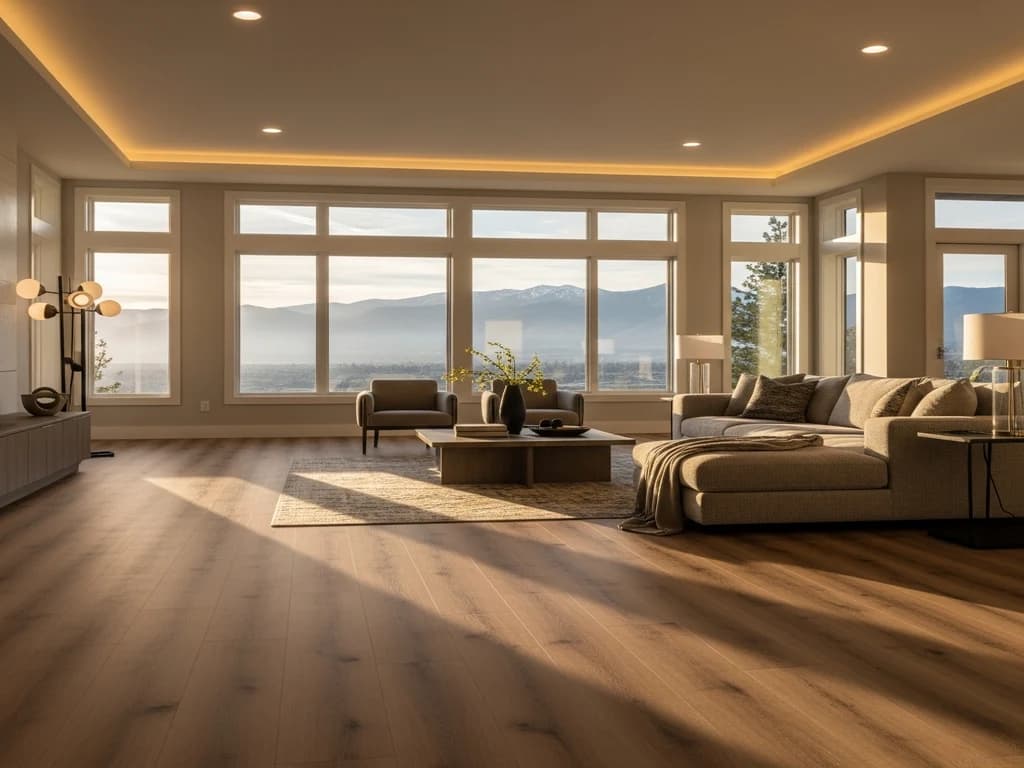
Why Boise Homeowners Are Remodeling to Age in Place
Boise is aging — and its homeowners are getting smarter about it. According to the U.S. Census Bureau, Ada County's 65-and-older population has grown by over 35% in the last decade, and projections show that trend accelerating as the Treasure Valley attracts retirees from higher-cost West Coast cities. But here's what's changing: instead of planning to move into assisted living facilities, a growing majority of Boise-area seniors and pre-retirees are choosing to modify their existing homes to remain safe, comfortable, and independent for decades.
The numbers make the case. The average cost of assisted living in Boise runs $4,200–$5,800 per month — that's $50,000–$70,000 per year. A comprehensive aging-in-place remodel, by contrast, typically costs $20,000–$80,000 as a one-time investment and allows homeowners to stay in the neighborhoods they love: the established streets of the North End, the quiet cul-de-sacs of Southeast Boise, the mature-tree neighborhoods of Collister and Garden City, or the newer subdivisions in Meridian and Eagle where many Boomers built their forever homes.
According to AARP's 2023 Home and Community Preferences Survey, 77% of adults age 50+ want to remain in their current home as they age. The challenge is that most Boise homes weren't designed with aging in mind. Standard bathroom doorways are 24–28 inches wide (a wheelchair needs 32–36). Bathtubs require stepping over a high wall. Light switches and thermostats sit at heights that become unreachable from a seated position. Stairways lack handrails on both sides.
At Iron Crest Remodel, aging-in-place modifications have become one of our fastest-growing service categories. This guide covers every major upgrade — from simple grab bar installations to full first-floor master suite conversions — with Boise-specific costs, code considerations, and design approaches that prioritize both safety and aesthetics.

Zero-Threshold Showers and Accessible Bathrooms
The bathroom is the most dangerous room in the house for older adults. The CDC reports that 80% of falls among seniors occur in the bathroom, and the bathtub is the most common site. In Boise, where many homes feature standard 14–18 inch tub walls, stepping in and out of the tub is the single highest-risk daily activity for aging homeowners.
A zero-threshold (curbless) shower eliminates this risk entirely. The shower floor transitions seamlessly to the bathroom floor with no step, no lip, and no barrier. A wheelchair, walker, or shower chair rolls straight in. But here's the key: a well-designed curbless shower doesn't look like a medical facility. It looks like a high-end European spa — because that's where the design originated.
What goes into a zero-threshold shower conversion in a Boise home:
- Floor reconfiguration — The shower floor slopes gently toward a linear drain (typically 1/4" per foot), which sits flush with the surrounding tile. This requires modifying the subfloor framing, which is more involved in slab-on-grade homes (common in Southeast Boise and Meridian) than in homes with crawl spaces. Cost: $2,000–$4,500 for the structural work.
- Waterproofing system — A curbless shower demands bulletproof waterproofing. We use Schluter KERDI membrane systems or hot-mop methods to create a continuous waterproof barrier from the shower floor across the entire bathroom floor. This prevents any water that escapes the shower area from reaching the subfloor. Cost: $1,500–$3,000.
- Tile selection — Small-format tiles (2"x2" or mosaic) with a high DCOF (Dynamic Coefficient of Friction) rating of 0.42+ provide traction even when wet. Matte-finish porcelain in natural tones creates a beautiful look that also happens to be the safest surface available. See our tile selection guide for detailed material comparisons.
- Glass enclosure or open design — Frameless glass panels (not doors) contain water splash while maintaining visual openness and wheelchair accessibility. Some Boise homeowners opt for a fully open wet-room design where the entire bathroom floor slopes to a drain.
- Fold-down bench — A teak or phenolic fold-down bench provides seating when needed and folds flat against the wall when not in use. Cost: $300–$800 installed.
Total cost for a zero-threshold shower conversion in Boise: $8,000–$18,000 depending on size, tile selection, and structural requirements. When done as part of a full bathroom remodel, the incremental cost of going curbless versus a standard shower is only $2,000–$5,000 — making it one of the smartest investments you can make for long-term livability.
Grab Bars and Safety Features That Don't Look Clinical
The biggest objection we hear from Boise homeowners about aging-in-place modifications is this: "I don't want my bathroom to look like a hospital." We get it — and the good news is that modern grab bars and safety accessories have evolved dramatically from the institutional stainless-steel rails of a decade ago.
Today's grab bars come in finishes that match your existing fixtures: matte black, brushed nickel, oil-rubbed bronze, brushed gold, and polished chrome. Several manufacturers produce grab bars that double as towel bars, toilet paper holders, and shelf supports, so they serve a functional purpose that has nothing to do with accessibility — until you need them to.
Strategic grab bar placement based on ADA guidelines and our experience in Boise homes:
- Shower/tub area — One vertical bar at the entry point (for balance while stepping in), one horizontal bar on the long wall at 33–36" height (for stability while standing), and one angled bar on the back wall (for assistance sitting down and standing up from a shower chair). Total: 3 bars minimum.
- Toilet area — One horizontal bar on the side wall at 33–36" height, 42" minimum length. Alternatively, a swing-up grab bar mounted behind the toilet provides support on both sides and folds out of the way.
- Vanity area — A grab bar integrated into or mounted beside the vanity provides stability while standing at the sink for grooming.
- Hallway and transitions — Continuous wall-mounted rails in hallways and at room transitions provide wayfinding support and balance for those using walkers.
Installation detail that matters: Grab bars must be secured to structural framing (studs) or properly installed blocking — not just drywall. Each bar must support a minimum of 250 pounds of force. In Boise homes where stud spacing doesn't align with ideal bar placement, we install solid blocking between studs behind the drywall during a remodel, creating universal mounting points throughout the bathroom. This is far easier and less expensive to do during a renovation than as a retrofit. Cost: $100–$300 per grab bar installed with proper blocking, or $500–$2,000 for a complete bathroom grab bar package.
Other safety features that integrate seamlessly into a modern Boise bathroom:
- Comfort-height toilets (17–19" seat height vs standard 15") — Easier to sit and stand. Cost: $300–$800 installed. ADA-compliant models available from every major manufacturer.
- Handheld shower heads on adjustable slide bars — Allow seated showering at any height. Cost: $150–$400.
- Anti-scald valves — Pressure-balancing or thermostatic mixing valves prevent sudden temperature spikes. Required by code in new construction and essential for safety. Cost: $200–$500 during a shower remodel.

Wider Doorways and Hallway Modifications
Standard interior doorways in most Boise homes are 24–30 inches wide. A standard wheelchair requires 32 inches of clear passage, and ADA guidelines recommend 36 inches for comfortable wheelchair and walker access. Widening doorways is one of the most common aging-in-place modifications — and one where the approach varies significantly based on your home's construction.
Simple door widening (30" to 36"): In many Boise homes, widening a non-load-bearing doorway by 4–6 inches involves removing the existing frame, cutting the studs, installing a new wider header, and reframing. Drywall patching, painting, and a new wider door complete the project. Cost: $800–$2,000 per doorway.
Load-bearing wall doorways: If the doorway is in a load-bearing wall (common in ranch-style homes throughout Boise's Bench, Vista, and West Valley neighborhoods), widening requires a properly engineered header to redistribute the structural load. This adds $500–$1,500 to the project and may require a building permit from the City of Boise.
Offset hinges: For doorways where full widening isn't practical (bathrooms with tight plumbing layouts, closets, utility rooms), offset or "swing-clear" hinges add 2 inches of clear passage by moving the door completely out of the frame when open. Cost: $30–$60 per door, and they work with existing doors and frames — no construction required. This is the quickest and most affordable accessibility improvement available.
Pocket doors: Where space permits, replacing a swing door with a pocket door eliminates the door swing entirely, effectively gaining the full width of the opening plus the floor space the swing door would occupy. Pocket doors are particularly valuable in Boise's smaller bathrooms (common in 1960s–1980s homes) where a swing door blocks access to the toilet or shower. Cost: $500–$1,500 per door including framing modifications.
Hallway considerations: ADA guidelines recommend 42-inch-wide hallways for wheelchair access, but most Boise homes have 36-inch hallways. Full hallway widening is a major structural project rarely justified for residential aging-in-place. Instead, we focus on removing obstructions (wall-mounted thermostats, protruding light fixtures, narrow spots caused by HVAC returns) and ensuring doorways at the ends of hallways are wide enough for turning access.
When planning door and hallway modifications, consider the entire path of travel from the bedroom to the bathroom, from the living area to the kitchen, and from inside to outside. Widening one doorway only helps if the route is accessible end-to-end. We map these paths during our design consultation and prioritize the modifications that create complete accessible routes through the home.
First-Floor Master Suite Conversions
For Boise homeowners in two-story homes with the master bedroom upstairs, a first-floor master suite conversion is the single most impactful aging-in-place modification available. It eliminates the daily stair climb that becomes increasingly difficult and dangerous with age, and it creates a complete living suite — bedroom, bathroom, and closet — on the main level.
This modification is especially relevant in Boise's housing stock because so many of the Treasure Valley's 1990s–2010s homes were built with upstairs master suites. Neighborhoods throughout Eagle, Meridian, Southeast Boise, and the Boise Highlands feature thousands of two-story plans where every bedroom is upstairs and the main level is entirely living/dining/kitchen space.
Common approaches for first-floor master suite conversions in Boise:
Formal dining room conversion: Many Boise homes have formal dining rooms that rarely get used. Converting this space into a bedroom with an adjacent bathroom carved from a hallway closet, laundry room, or powder room expansion is the least disruptive approach. Cost: $25,000–$55,000 depending on bathroom complexity and finishes.
Home office/den conversion: A main-level home office or den with a nearby half-bath offers excellent conversion potential. The half-bath expansion to a full bath with accessible shower is the major cost component. Cost: $20,000–$45,000.
Garage conversion: For homes where main-level space is limited, converting a portion of the attached garage into a master suite provides ample square footage. This requires insulation, HVAC extension, flooring, and a new bathroom. Cost: $40,000–$80,000. Note that Ada County requires maintaining minimum covered parking or provides variances in certain zones — check with Boise Planning and Development Services before proceeding.
Addition: When interior conversion isn't feasible, a bump-out or ground-floor addition provides purpose-built accessible space. A 200–300 sq ft addition with full accessible bathroom in Boise costs $60,000–$120,000 but creates a custom-designed suite with zero compromises. See our home additions page for more details on building additions in the Treasure Valley.
Regardless of approach, a first-floor master suite should include: a zero-threshold shower (or rough-in plumbing for one), blocking in walls for future grab bars, at least one 36" doorway, adequate lighting, and a closet configured for reach from a seated position. Even if these features aren't needed immediately, building them in during the conversion costs a fraction of retrofitting later.

Kitchen Accessibility Upgrades
The kitchen is where most Boise homeowners spend the majority of their waking hours at home, and an inaccessible kitchen can erode independence faster than any other room. The good news: many kitchen accessibility upgrades also improve the kitchen for everyone — which is why universal design principles are becoming standard in all of our kitchen remodels, not just those explicitly for aging-in-place.
Varied counter heights: A kitchen with counters at multiple heights accommodates standing work, seated work, and wheelchair access. A standard 36" work surface for most tasks, a 30–32" section for seated prep or kneading dough, and a 42" raised counter for casual dining and serving. The lower section should have knee clearance underneath (no base cabinets blocking legroom). Cost premium: $1,500–$4,000 above a standard uniform-height layout.
Pull-out and pull-down shelving: Upper cabinets become inaccessible when reaching overhead is difficult. Pull-down shelf mechanisms from Rev-a-Shelf and Blum bring contents to counter level with a single pull. Base cabinets with full-extension pull-out drawers eliminate the deep bending required to access items in the back. Cost: $150–$400 per cabinet position. We recommend these in at least 4–6 key locations: spice storage, dishware, pots and pans, and the pantry.
Drawer-style appliances: Microwave drawers (Sharp, GE Profile) install under the counter, eliminating the overhead lift that causes burns and spills. Dishwasher drawers (Fisher & Paykel) load at a comfortable waist height. Side-swing wall ovens open like a door rather than dropping down, providing easier access from a seated position. Cost premium: $300–$800 per appliance over standard models.
Lever-handle faucets and touchless activation: Round knobs require grip strength and wrist torque that diminishes with arthritis and aging. Lever handles operate with a push or pull from any direction. Touchless faucets from Moen and Delta activate with a wave, eliminating the need for any hand contact. Cost: $200–$600 for a quality lever or touchless kitchen faucet.
D-shaped cabinet pulls: Replace small round knobs with D-shaped or bar-style pulls that can be grasped with a full hand or hooked with one finger. This simple swap costs $3–$15 per pull and takes minutes per cabinet — but it transforms usability for anyone with limited hand dexterity.
Contrasting edges and task lighting: Clear visual contrast between countertop edges, cabinet faces, and flooring helps those with declining vision navigate the kitchen safely. Under-cabinet LED task lighting illuminates work surfaces without shadows. These upgrades also happen to be the same aesthetic improvements that every modern kitchen benefits from.
Lighting Improvements for Safety and Comfort
Vision changes are among the most universal effects of aging. A 60-year-old needs three times more light than a 20-year-old to see with the same clarity. A 75-year-old needs five times more. In a Boise home with the lighting levels designed for a young family, an aging resident is essentially navigating in the dark — and that's when falls happen.
Effective aging-in-place lighting addresses three needs: ambient lighting (general room illumination), task lighting (focused light for specific activities), and night lighting (low-level path illumination for nighttime navigation).
Ambient lighting upgrades: Most Boise homes built before 2010 have insufficient ambient lighting. A single ceiling fixture per room was standard — and it's not enough. Adding recessed LED can lights to supplement existing fixtures raises overall light levels to safe minimums. Target 50–75 foot-candles for kitchens and bathrooms, 30–50 for hallways and living spaces. Cost: $75–$150 per recessed light installed during a remodel.
Task lighting: Under-cabinet lights in kitchens, vanity lights flanking bathroom mirrors (not overhead, which creates shadows), and adjustable reading lights in bedrooms provide focused illumination where eyes need it most. LED strips in closets, pantries, and stairways ensure visibility in every transition space. Cost: $200–$800 per zone.
Night lighting: This is the single most impactful lighting upgrade for fall prevention. Motion-activated LED night lights installed at floor level along the path from bedroom to bathroom illuminate the route without the blinding effect of overhead lights. Hardwired options (LED step lights recessed into baseboards or stair risers) provide permanent, zero-maintenance path lighting. Cost: $50–$150 per plug-in unit or $100–$250 per hardwired step light.
Switch upgrades: Rocker switches (which can be pressed with an elbow, fist, or forearm) replace small toggle switches. Illuminated switch plates glow in the dark, making them findable without fumbling. Smart switches with voice control eliminate the need to reach the switch at all — "Hey Google, turn on the hallway light" works for everyone regardless of mobility or vision. Cost: $25–$75 per switch, or $200–$400 for a smart switch with voice assistant integration.
In Boise's climate, where winter daylight hours drop to under 9 hours in December and January, good interior lighting isn't just a safety feature — it directly affects mood, energy levels, and quality of life for aging residents who spend more time indoors during the colder months.

Non-Slip Flooring and Stairlift Solutions
Flooring is a safety decision that most people treat as a purely aesthetic one. For aging-in-place homes in Boise, the right flooring prevents falls, accommodates mobility devices, and maintains its safety characteristics through years of use in Idaho's dry climate.
Best flooring choices for aging-in-place in Boise:
- Luxury vinyl plank (LVP) — The top recommendation for most rooms. LVP provides excellent traction (even when wet), cushioned comfort underfoot, low maintenance, and seamless room-to-room transitions without trip-hazard thresholds. Waterproof properties make it ideal for bathrooms and kitchens. Cost: $4–$8/sf installed. Choose textured matte finishes for maximum slip resistance. The best overall choice for Boise's dry climate — LVP doesn't expand/contract like hardwood in low humidity.
- Textured porcelain tile — Best for bathrooms and entryways where water exposure is highest. Select tiles with a DCOF rating of 0.42 or higher (the ADA-recommended minimum for wet surfaces). Large-format tiles (12x24" or larger) reduce grout lines and create a smoother surface for walkers and wheelchairs. Cost: $8–$15/sf installed. Check out our tile installation services for more information.
- Cork flooring — Naturally antimicrobial, cushioned (reducing fall injury severity), warm underfoot, and available in modern designs. Cork is also naturally slip-resistant when dry. Cost: $6–$10/sf installed. Not recommended for bathrooms due to water sensitivity.
- Low-pile carpet — For bedrooms only. Low-pile (not plush) carpet with a firm pad provides the softest fall surface and the most forgiving landing for anyone who does lose balance. Avoid high-pile or shag carpet, which creates tripping hazards and resists wheelchair movement. Cost: $3–$7/sf installed.
Flooring to avoid: High-gloss hardwood (slippery when dusty — common in Boise's dry air), loose throw rugs (the #1 tripping hazard in homes), any transition strips higher than 1/4" between rooms, and uneven natural stone (charming but treacherous).
Stairlifts
For Boise homeowners who need to maintain access to a second floor but aren't ready for a full first-floor master conversion, a stairlift provides safe, reliable vertical transportation. Modern stairlifts are compact, fold flat against the wall when not in use, and operate on standard household current with battery backup.
Straight stairlift: For homes with straight staircases (the majority of Boise two-story homes). Cost: $3,000–$5,500 installed. Installation takes 2–4 hours and requires no structural modifications.
Curved stairlift: For homes with curved, L-shaped, or multi-landing staircases. The rail is custom-manufactured to match your staircase exactly. Cost: $8,000–$15,000 installed. Lead time: 4–8 weeks for rail fabrication.
Outdoor stairlifts: For Boise homes with front porch steps, deck stairs, or grade changes between the garage and entry. Weather-rated models from Harmar and Bruno handle Idaho's freeze-thaw cycles. Cost: $3,500–$7,000 installed.
Smart Home Technology for Aging in Place
Smart home technology has matured to the point where it genuinely improves safety and independence for aging Boise homeowners. The key is choosing simple, reliable systems that work intuitively — not complex tech stacks that require troubleshooting.
Voice-controlled lighting and climate: Amazon Alexa, Google Home, and Apple HomeKit allow hands-free control of lights, thermostats, locks, and more. For someone with limited mobility or vision, saying "Alexa, turn on the kitchen lights" is safer than navigating to a wall switch in the dark. Voice control is especially valuable during Boise's cold mornings when getting out of a warm bed to adjust the thermostat feels like an obstacle course. Cost: $100–$400 for a voice assistant plus 5–10 smart switches and a smart thermostat.
Smart locks and video doorbells: Keyless entry via keypad code, smartphone, or voice command eliminates the fumbling-with-keys scenario that's both frustrating and a security vulnerability. Video doorbells (Ring, Nest Hello) let homeowners see and speak with visitors without walking to the door. In Boise neighborhoods where package theft has increased, these devices also protect deliveries. Cost: $200–$500 for a smart lock and $150–$300 for a video doorbell.
Medical alert systems: Modern medical alert devices go far beyond the "I've fallen and I can't get up" pendants. Current systems include automatic fall detection (using accelerometers and AI), GPS tracking for residents who walk Boise's Greenbelt or neighborhood paths, and direct two-way communication with emergency services. Wearable options from Medical Guardian, Bay Alarm Medical, and Apple Watch offer peace of mind without stigma. Cost: $25–$50/month for monitoring, or one-time purchase for Apple Watch ($400+) with fall detection built in.
Smart water leak and temperature sensors: Sensors that alert homeowners (and family members) to water leaks, freezing temperatures, or unusual temperature changes prevent damage and catch HVAC failures before they become emergencies. In Boise, where January nighttime temperatures routinely drop below 20°F, a furnace failure detected early can prevent burst pipes and thousands in water damage. Cost: $30–$80 per sensor.
Medication management: Smart pill dispensers with audible reminders and app notifications help maintain medication schedules. Some integrate with family member apps to provide confirmation that medications were taken. Cost: $50–$300 depending on features.
Stove safety devices: Automatic stove shut-off devices (FireAvert, iGuardStove) cut power to the range if the smoke detector activates or if the stove has been left on beyond a set time. For aging homeowners, this single device can prevent kitchen fires that are the #1 cause of residential fire in the U.S. Cost: $200–$400.
The most important principle: install technology gradually and ensure the user is comfortable before adding more. A smart home that overwhelms its resident is worse than no smart home at all. Start with voice-controlled lighting and a smart thermostat, add safety devices as needed, and build from there.

Costs by Project and Planning Your Aging-in-Place Remodel
Here's a comprehensive cost breakdown for aging-in-place modifications in Boise, organized from lowest to highest investment:
Quick Wins ($100–$1,000)
- Offset door hinges (per door): $30–$60
- D-shaped cabinet pulls (per pull): $3–$15
- Rocker light switches (per switch): $25–$50
- Motion-activated night lights (set of 5–8): $75–$200
- Comfort-height toilet: $300–$800
- Handheld shower head with slide bar: $150–$400
- Lever-handle faucets (each): $200–$600
- Grab bars (per bar, with blocking): $100–$300
Moderate Projects ($1,000–$10,000)
- Complete bathroom grab bar package: $500–$2,000
- Doorway widening (per doorway): $800–$2,000
- Whole-home flooring upgrade to LVP: $4,000–$12,000
- Whole-home lighting improvement: $2,000–$6,000
- Smart home safety package: $1,000–$3,000
- Straight stairlift: $3,000–$5,500
- Pocket door installation (per door): $500–$1,500
Major Projects ($10,000–$80,000+)
- Zero-threshold shower conversion: $8,000–$18,000
- Full accessible bathroom remodel: $15,000–$35,000
- Kitchen accessibility upgrade: $10,000–$30,000
- First-floor master suite (from existing space): $20,000–$55,000
- First-floor master suite (addition): $60,000–$120,000
- Comprehensive whole-home aging-in-place remodel: $40,000–$80,000
Working with a CAPS-Certified Professional
The Certified Aging-in-Place Specialist (CAPS) designation from the National Association of Home Builders indicates a contractor has completed specialized training in designing and building for the aging population. When selecting a contractor for aging-in-place work in Boise, look for CAPS certification as a baseline qualification.
Planning considerations specific to Boise:
- Start before you need it. The best time to make aging-in-place modifications is during a remodel you're already planning. Adding blocking for future grab bars during a bathroom renovation costs almost nothing. Widening a doorway while walls are open is half the cost of doing it as a standalone project.
- Permits: Structural modifications (doorway widening in load-bearing walls, additions), plumbing changes (adding bathrooms), and electrical work require City of Boise permits. Simple modifications like grab bars, flooring, lighting, and smart home devices do not.
- Insurance and financing: Some long-term care insurance policies cover aging-in-place modifications. VA grants (SAH and SHA) are available for qualifying veterans. FHA 203(k) renovation loans can finance aging-in-place modifications as part of a home purchase or refinance.
Ready to discuss aging-in-place modifications for your Boise home? Request a free consultation and our team will evaluate your home's current accessibility, recommend prioritized improvements, and provide detailed cost estimates for each phase of work.
How much does an aging-in-place remodel cost in Boise?
An aging-in-place remodel in Boise ranges from $5,000–$15,000 for basic modifications (grab bars, lighting, flooring, lever handles) to $40,000–$80,000 for comprehensive upgrades including an accessible bathroom, kitchen modifications, doorway widening, and smart home technology. A first-floor master suite conversion adds $20,000–$120,000 depending on whether it uses existing space or requires an addition.
What is a zero-threshold shower and why is it important for aging in place?
A zero-threshold (curbless) shower eliminates the step or curb at the shower entry, creating a seamless transition from the bathroom floor into the shower. This allows wheelchair, walker, or shower chair access and eliminates the #1 fall risk in the bathroom — stepping over a tub wall or shower curb. Modern curbless showers look like high-end European designs, not medical facilities. Cost in Boise: $8,000–$18,000 for a full conversion.
Do grab bars have to look institutional or medical?
Not at all. Modern grab bars come in designer finishes including matte black, brushed nickel, oil-rubbed bronze, and brushed gold to match any bathroom style. Many manufacturers make grab bars that double as towel bars, toilet paper holders, and shelf supports. When properly placed and finished to match existing fixtures, guests won't even recognize them as accessibility features.
What is the best flooring for aging in place in Boise?
Luxury vinyl plank (LVP) is the best all-around flooring for aging-in-place homes in Boise. It provides excellent slip resistance, cushioned comfort, waterproof properties, smooth transitions between rooms, and stability in Boise's dry climate. For bathrooms, textured porcelain tile with a DCOF rating of 0.42+ offers the best wet-surface traction. Avoid high-gloss hardwood, loose rugs, and uneven natural stone.
How wide do doorways need to be for wheelchair access?
ADA guidelines recommend a minimum of 32 inches of clear passage for wheelchair access, with 36 inches preferred for comfortable maneuverability. Most Boise homes have 24–30 inch interior doorways. Widening a standard doorway to 36 inches costs $800–$2,000 per opening. Offset hinges can add 2 inches of clear width for $30–$60 per door without any construction work.
Is a first-floor master suite conversion worth the investment in Boise?
Yes, a first-floor master suite conversion is one of the most valuable aging-in-place modifications and also adds significant resale value. In Boise's market, main-level master suites are highly desirable across all age groups. Costs range from $20,000–$55,000 when converting existing main-level space (formal dining room, office, or den) to $60,000–$120,000 for an addition. The investment avoids $50,000–$70,000/year in assisted living costs.
What smart home technology is most helpful for aging in place?
The most impactful smart home technologies for aging in place are: voice-controlled lighting (eliminates navigating to wall switches in the dark), smart locks with keypad entry (no key fumbling), automatic stove shut-off devices (fire prevention), medical alert systems with fall detection, and smart water leak/temperature sensors (preventing frozen pipes in Boise winters). Start with voice-controlled lighting and a smart thermostat, then add safety devices gradually.
Do I need a permit for aging-in-place modifications in Boise?
In Boise, permits are required for structural changes (doorway widening in load-bearing walls, additions), new plumbing (adding or relocating bathrooms), and electrical modifications beyond simple fixture swaps. Permits are NOT required for grab bar installation, flooring replacement, lighting fixture changes, smart home devices, stairlifts, toilet replacement, or faucet upgrades. IronCrest handles all necessary permits for projects that require them.