
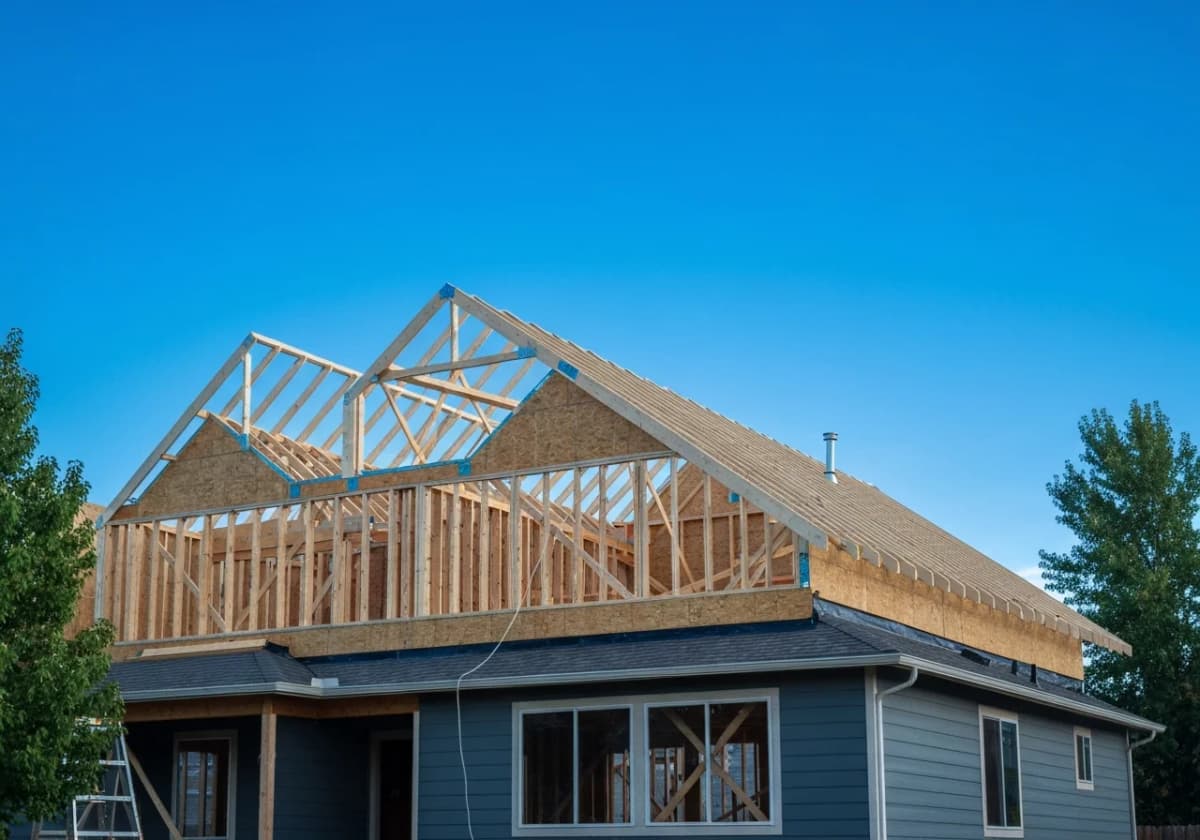
Home Additions in Caldwell, ID: Costs, Ideas & Options
Whether you need an extra bedroom, a primary suite, a home office, or expanded living space — we handle design, engineering, permitting, and construction.
Quick answer
Iron Crest Remodeling Group LLC provides home additions in Caldwell, ID. Most Caldwell home additions cost $55,000 – $290,000. Caldwell home addition costs are among the lowest in the Treasure Valley, reflecting Canyon County's labor market and the generally simpler site conditions of Caldwell's residential neighborhoods.
Caldwell homeowners have made one of Canyon County's most practical real estate decisions — and as their families grow, Iron Crest Remodel helps them make the next smart decision: adding space to the home they own rather than paying moving-up premiums in today's market. From primary suite additions in Caldwell's older neighborhoods to family room expansions and in-law suites, we bring structural quality, honest pricing, and Canyon County code expertise to every project. For families who want more space without sacrificing the neighborhood relationships, school district ties, and community connections they've built, an addition is a fixed, quotable price against a move-up cost that depends on figures only an agent and a lender can supply. Iron Crest has been building additions in Canyon County long enough to know the specific structural conditions in Caldwell's historic core, the HOA landscape in the city's newer subdivisions, and the permit process with the City of Caldwell's building department — local knowledge that prevents the delays and cost surprises that unfamiliar contractors routinely encounter.
Expand your home with a well-planned addition designed around flow, structure, and long-term livability.
A home addition is one of the most significant and valuable improvements you can make to your property. Unlike a remodel that works within existing walls, an addition expands the building footprint — which means foundation work, structural engineering, roofline integration, exterior finish matching, and careful connection to existing mechanical systems. The most common additions in the Treasure Valley include primary suite additions (bedroom + bathroom + closet), family room or great room additions, second-story additions over existing structures, bump-out additions for kitchens or dining rooms, and sunroom or four-season room additions. Every addition project requires careful planning around your existing home's foundation type, roof structure, siding material, and HVAC capacity. A well-designed addition looks like it was always part of the house — matching rooflines, siding profiles, window styles, and interior finishes so there is no visible seam between old and new.
Caldwell homeowners pursue home additions for a variety of reasons. Here are the most common situations we see:
- ✓Growing families who have outgrown their current floor plan but love their neighborhood and lot
- ✓Homeowners who need a primary suite addition — separate bedroom, walk-in closet, and bathroom
- ✓Remote workers who need a dedicated home office with separation from living spaces
- ✓Homeowners caring for aging parents who need an in-law suite or ground-floor bedroom addition
- ✓Anyone who would rather add square footage than sell and move in the current housing market
Not every home additions project is the same. Here are the most common project types we complete in Caldwell:
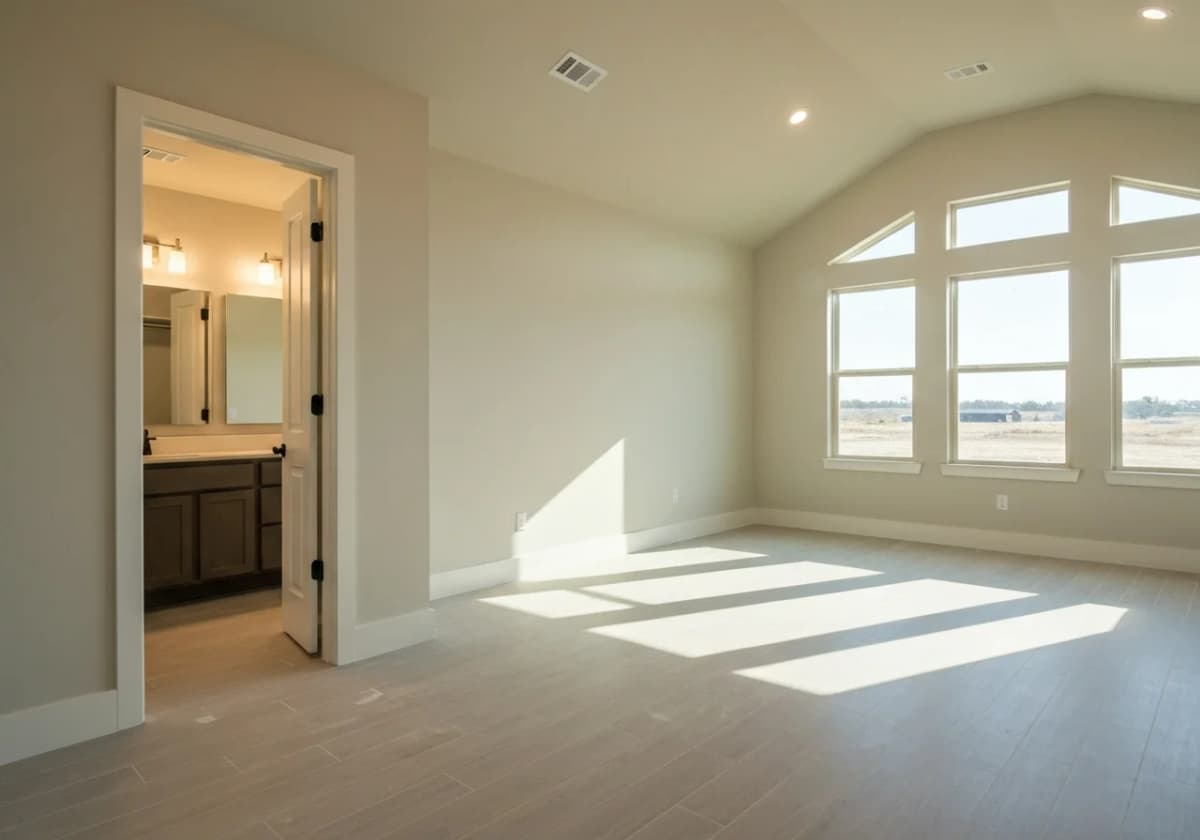
Primary Suite Addition
Add a new primary bedroom, walk-in closet, and private bathroom. This is the most popular addition type and typically adds 400-700 square feet to the home.
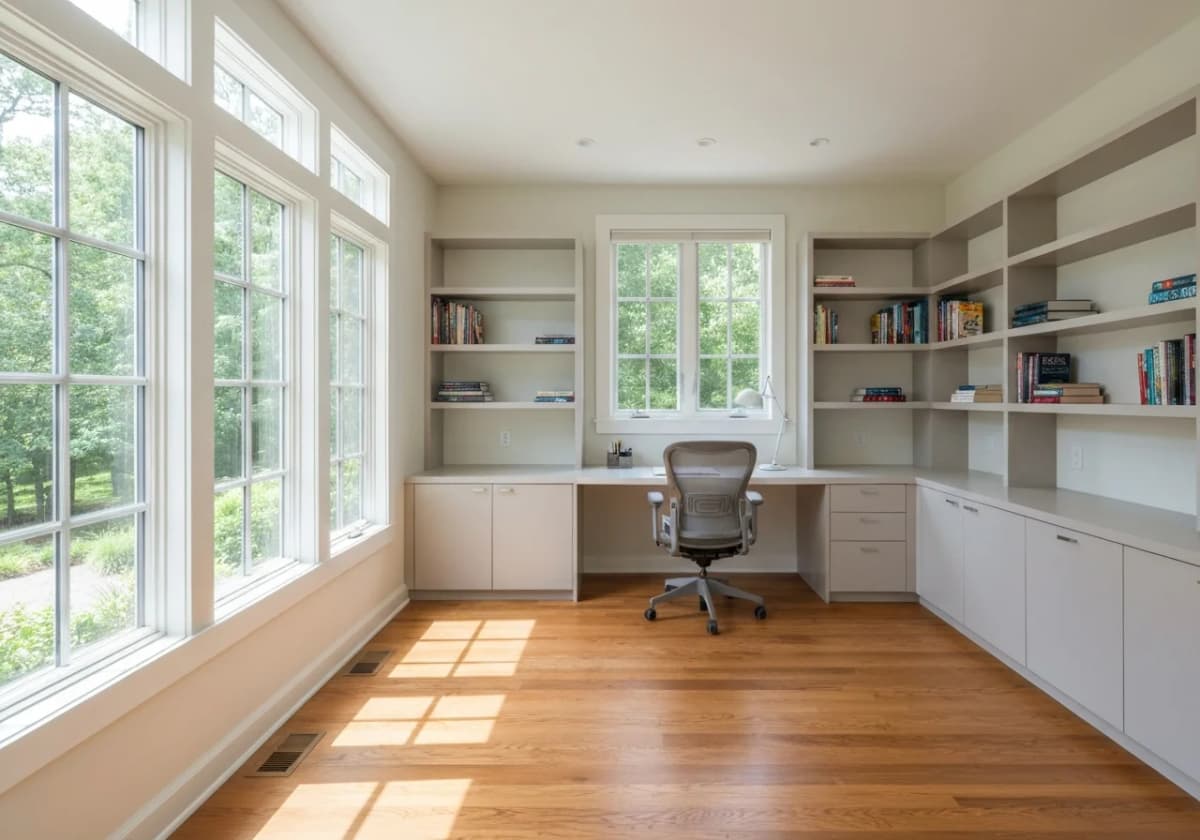
Room Addition (Bedroom, Office, Family Room)
Add a single room or open living space to the home. Room additions range from 150-500 square feet and can be configured as a bedroom, office, playroom, or flex space.
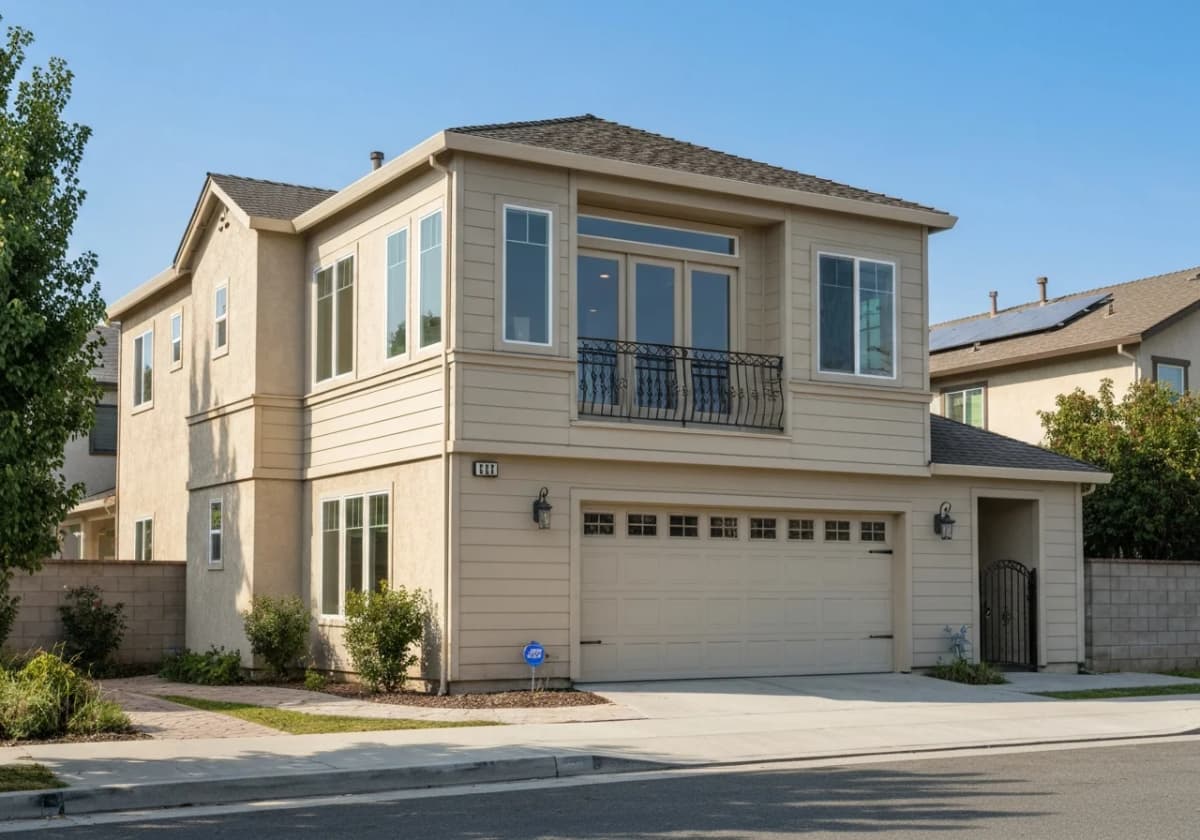
Second-Story Addition
Build up instead of out by adding a second floor over an existing single-story structure. Requires structural evaluation of the existing foundation and framing to ensure they can support the additional load.
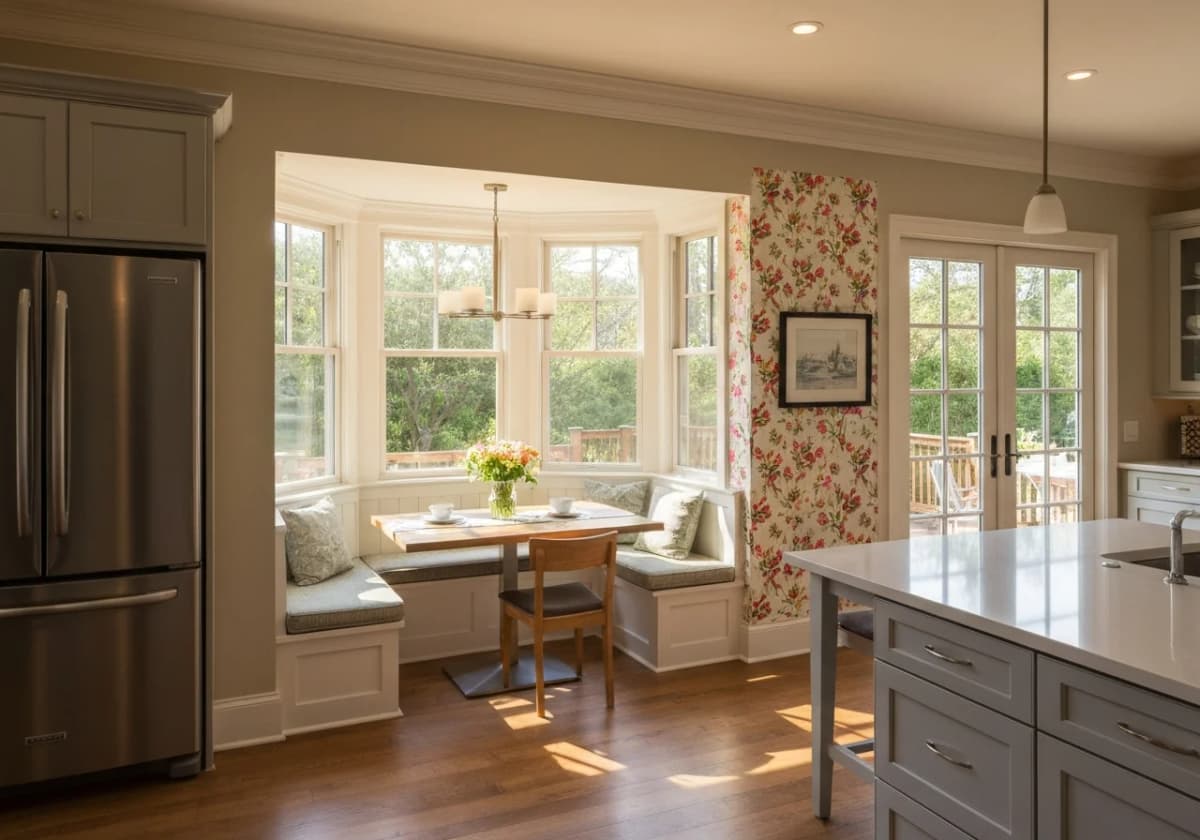
Kitchen or Dining Bump-Out
Extend an exterior wall by 4-12 feet to create more kitchen counter space, a breakfast nook, or a larger dining area. A bump-out is less complex than a full addition and can transform a cramped kitchen.
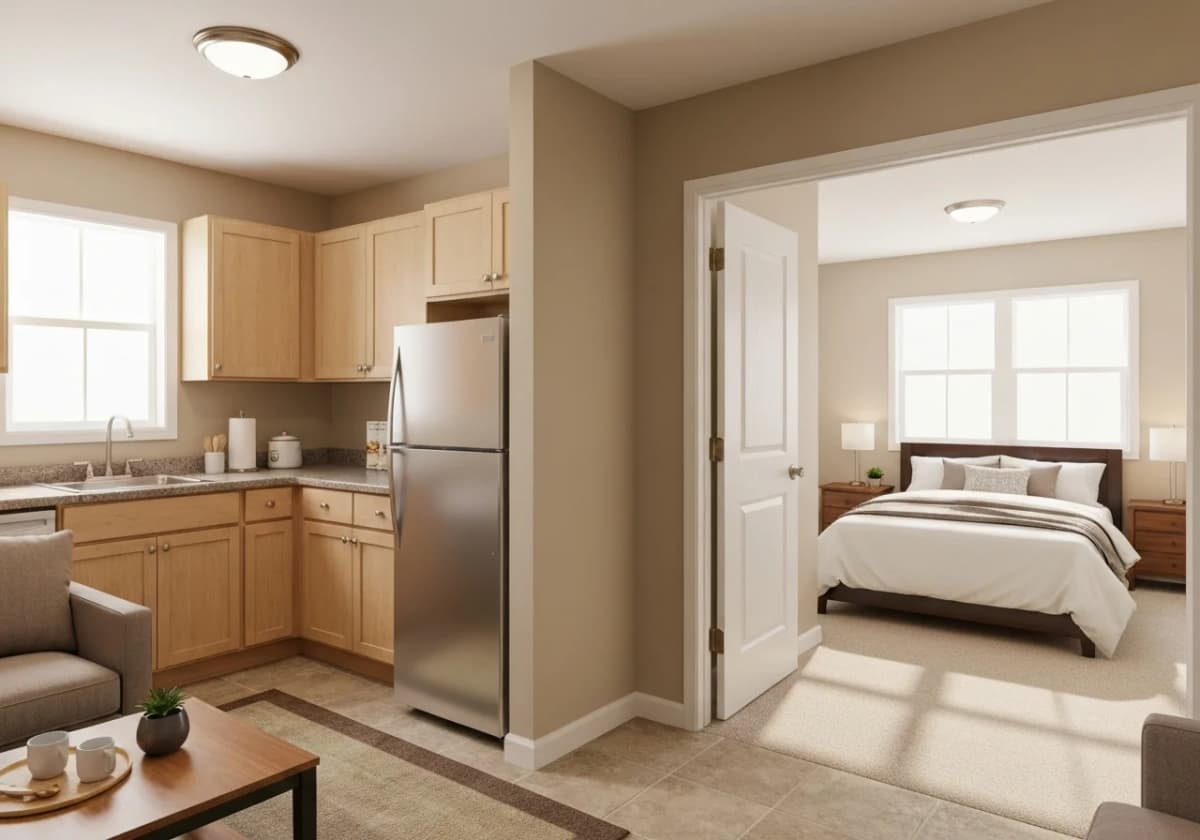
In-Law Suite or Multigenerational Addition
A semi-independent living space with a bedroom, bathroom, kitchenette, and separate entrance designed for aging parents or adult family members. May include accessibility features.
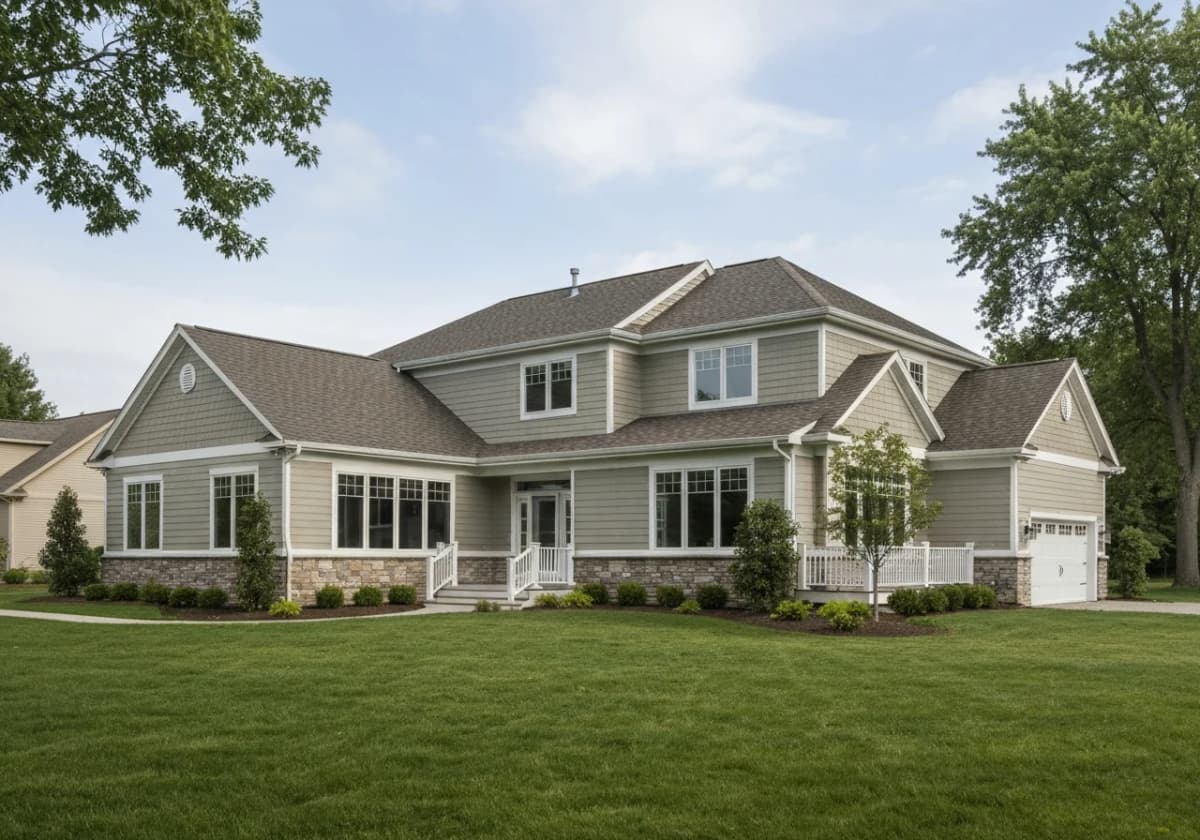
Caldwell has a mix of historic downtown homes, mid-century construction, and newer subdivision development. Older homes often need comprehensive updates while newer homes benefit from finish upgrades.
Pre-1960 (Downtown)
Caldwell's pre-1960 downtown homes are the most expensive to remodel in the city. Budget for updating aging plumbing, electrical, and insulation in addition to the cosmetic work, which pushes these projects toward the high end of the range.
1970s–1990s
These 1970s–1990s ranch and early subdivision homes are budget-predictable. The construction is sound, so spending concentrates on replacing standard finishes that have reached end of life, keeping projects in the mid-range.
2000s–present (South Caldwell)
These newer South Caldwell homes need the least structural investment. Modern systems are already in place, so the budget goes almost entirely toward upgrading the standard builder-grade finishes over time.
Common issues in Caldwell homes
- •Aging plumbing and electrical in pre-1970 homes
- •Small kitchens with inadequate storage and counter space
- •Outdated bathrooms with original fixtures
- •Poor insulation in older construction
- •Builder-grade finishes wearing out in 2000s homes
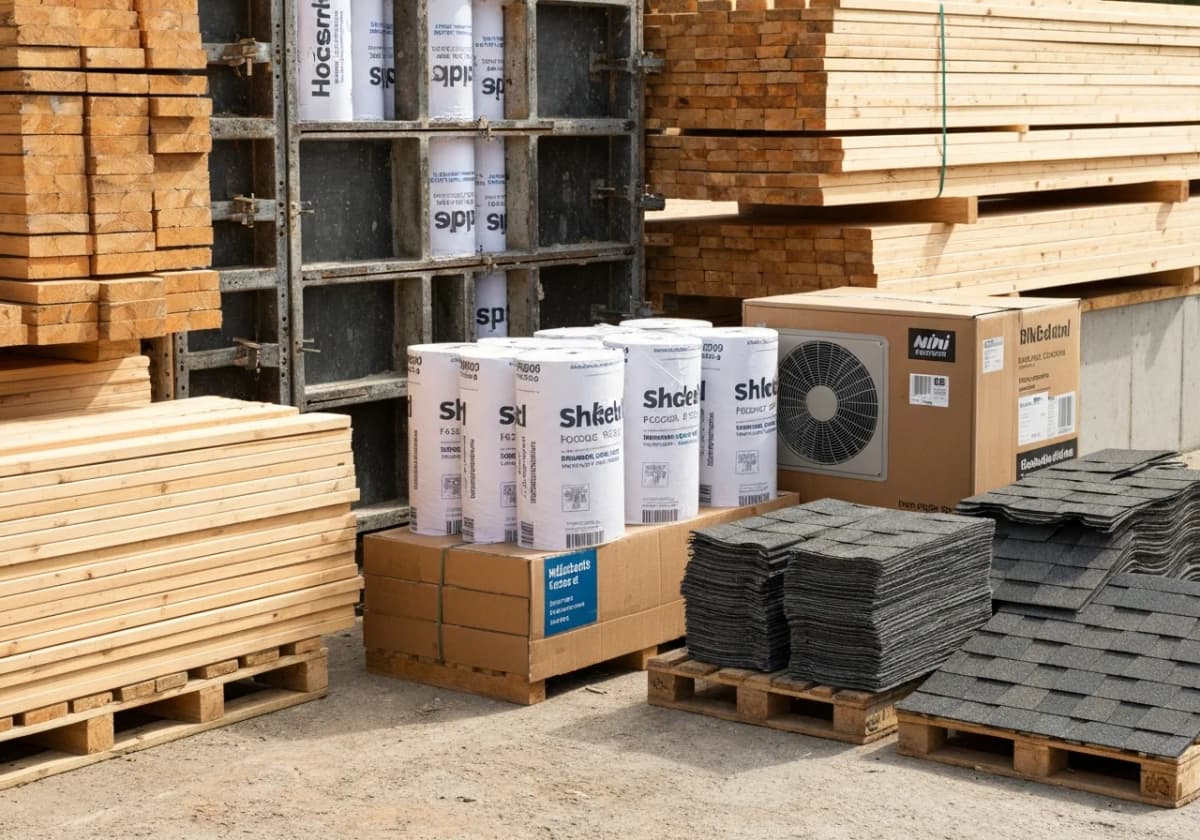
Material selection affects the look, durability, and cost of your home additions. Here are the most popular options we install in Caldwell:
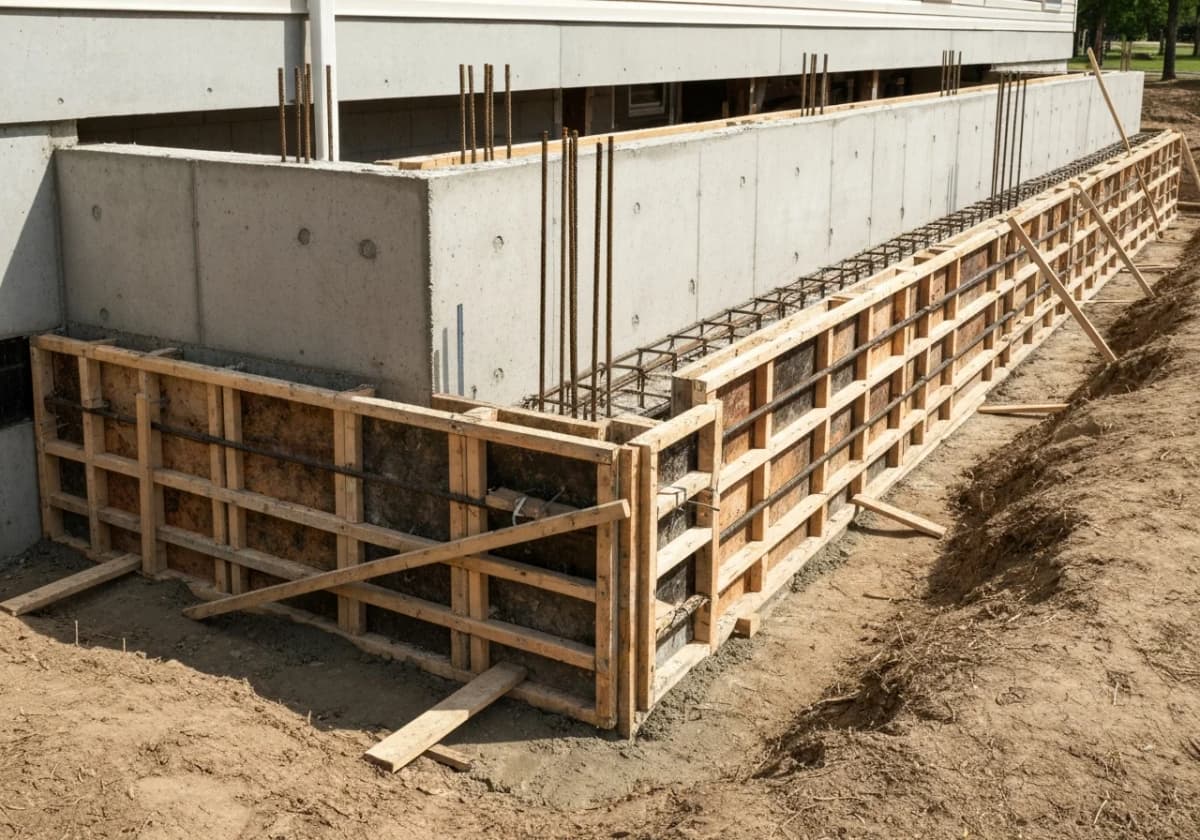
Concrete Foundation (Stem Wall or Slab)
$8,000–$25,000 depending on sizeMost Idaho home additions use a concrete stem wall foundation with a crawl space, matching the existing home's foundation type. Slab-on-grade is used in some applications. The foundation must be engineered to match soil conditions and frost depth requirements.
Best for: All home additions in Idaho
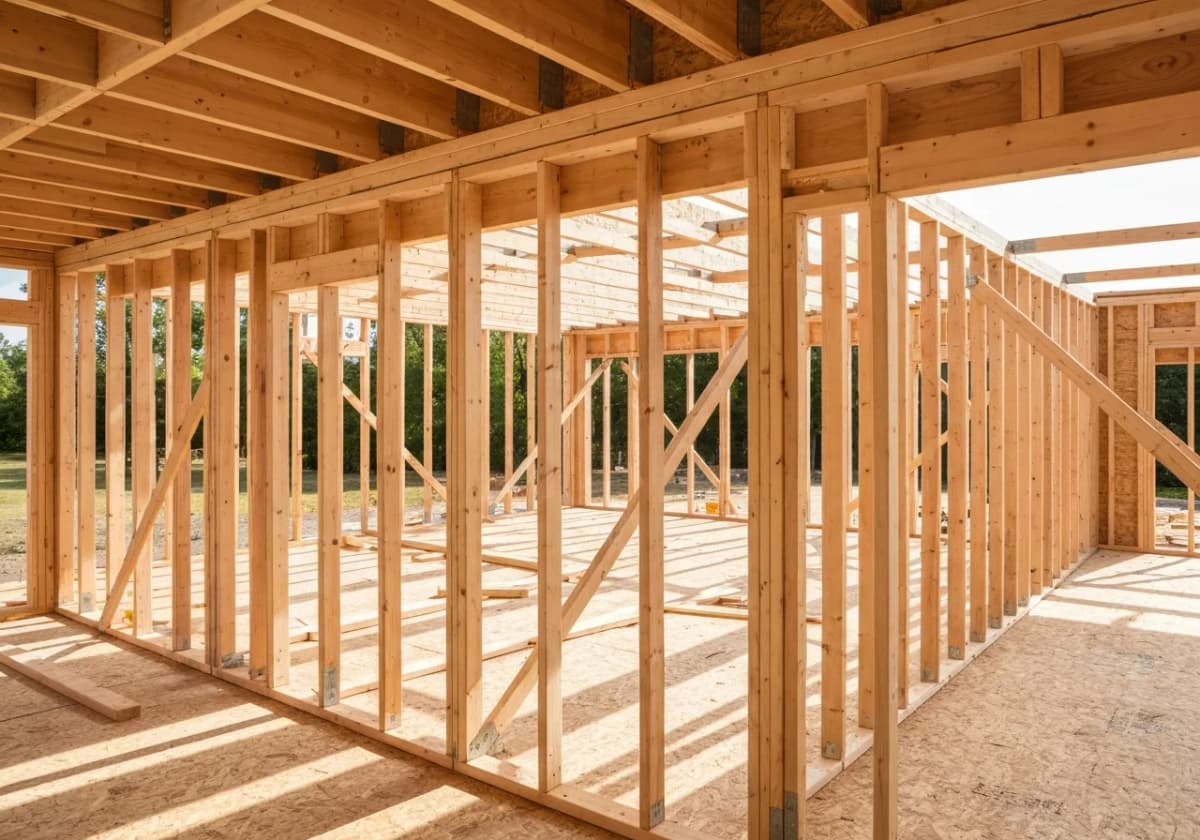
Dimensional Lumber Framing
$15–$25 per sq ft framedStandard 2x4 or 2x6 wood framing for walls, with engineered trusses or rafters for the roof. The framing system must integrate with the existing home's structure at the connection point.
Best for: Standard room additions and second stories
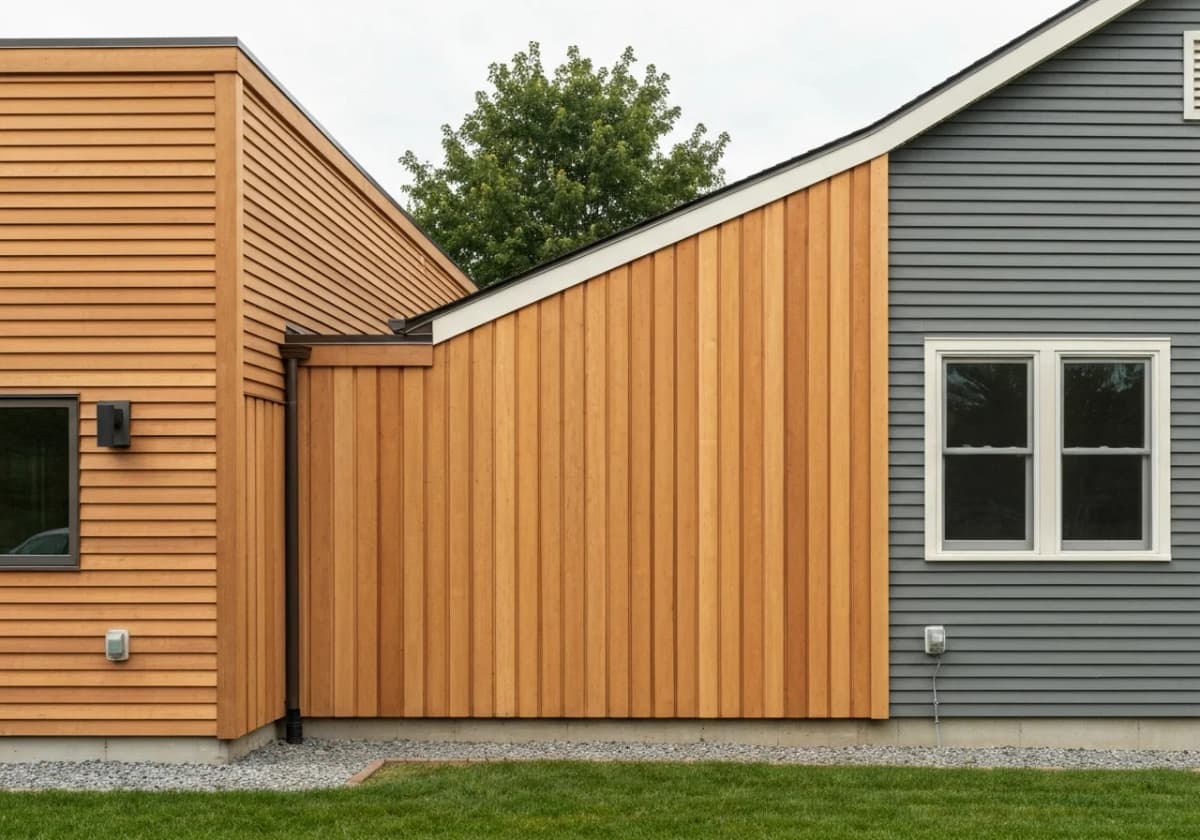
Matching Exterior Siding
$5–$15 per sq ft installedThe addition's exterior must match the existing home. This may involve ordering the same siding profile, doing a partial re-side to blend old and new, or selecting a complementary material for a planned contrast.
Best for: Seamless visual integration
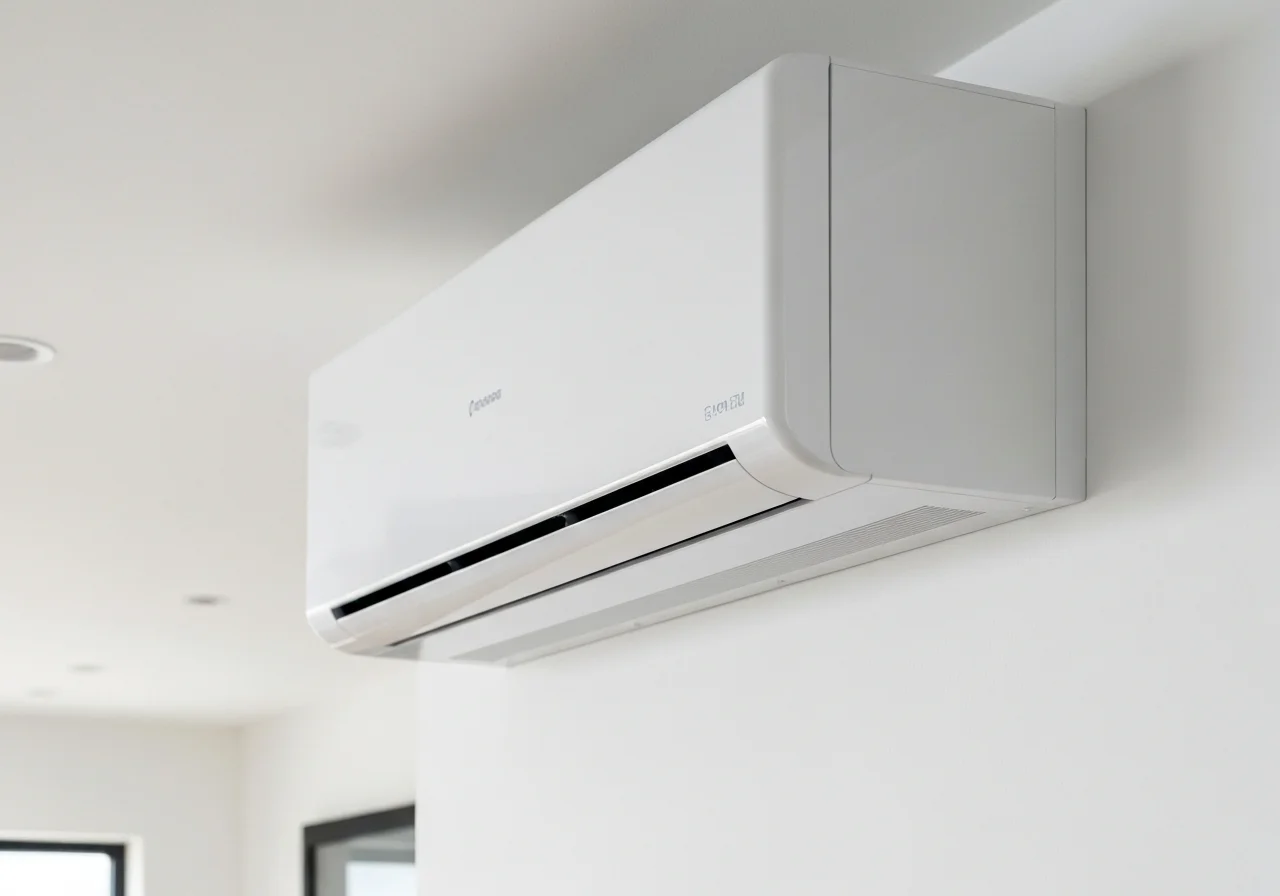
Mini-Split HVAC System
$3,000–$6,000 per zone installedA ductless mini-split system is often the most practical way to heat and cool an addition without extending the existing HVAC system. Mini-splits are efficient, quiet, and provide independent temperature control for the new space.
Best for: Additions where extending existing ductwork is impractical
Engineered Hardwood or LVP Flooring
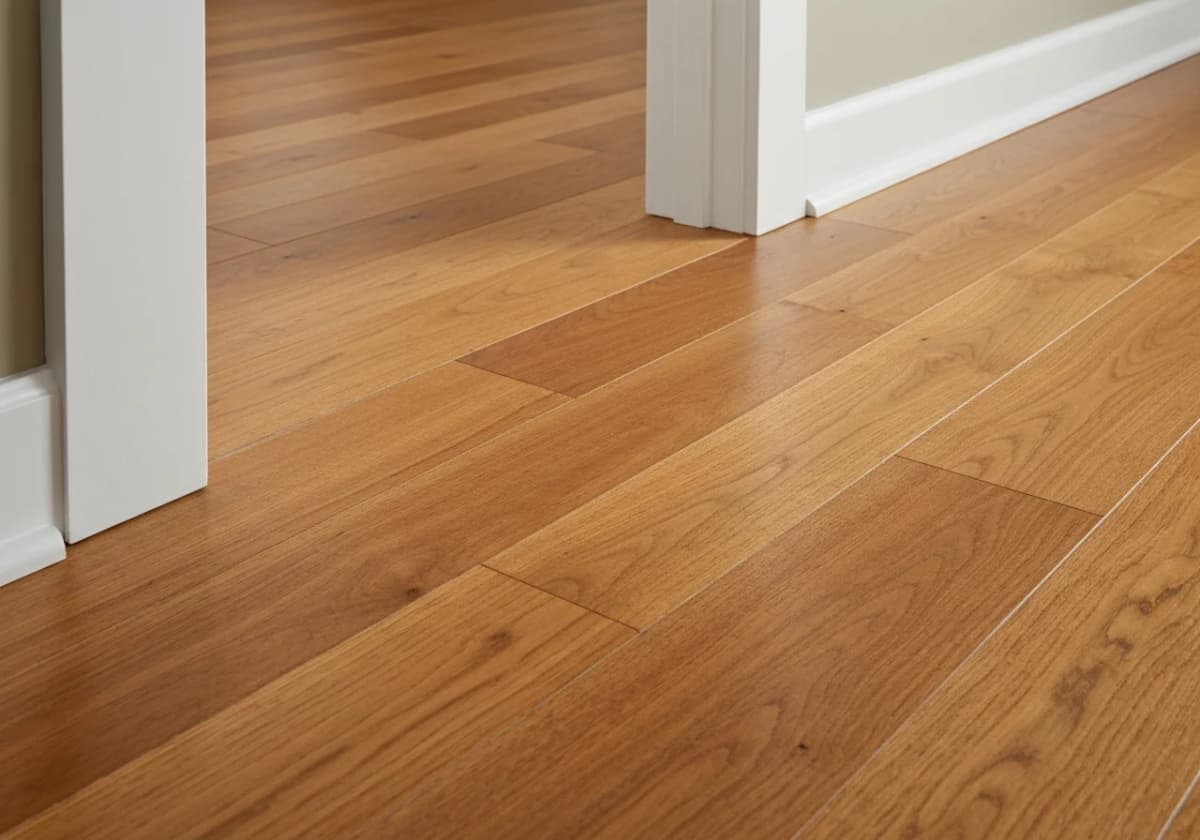
$5–$15 per sq ft installedFlooring in the addition should match or complement existing home flooring. Engineered hardwood can match existing real hardwood. LVP is durable, waterproof, and available in realistic wood looks.
Best for: Matching existing home flooring
Here is how a typical home additions project works from first contact to final walkthrough:
Feasibility Assessment and Site Evaluation
We evaluate your lot size, setback requirements, existing foundation type, roof structure, utility connections, and zoning restrictions to determine what type and size of addition is possible on your property.
Architectural Design and Engineering
We create detailed architectural plans including floor plans, elevations, structural engineering, roofline integration, and mechanical system connections. Plans must meet local building codes and zoning requirements.
Permitting and Plan Review
Home additions require building permits, plan review, and multiple inspections. We submit plans to the local building department, respond to any review comments, and manage the approval process.
Foundation and Framing
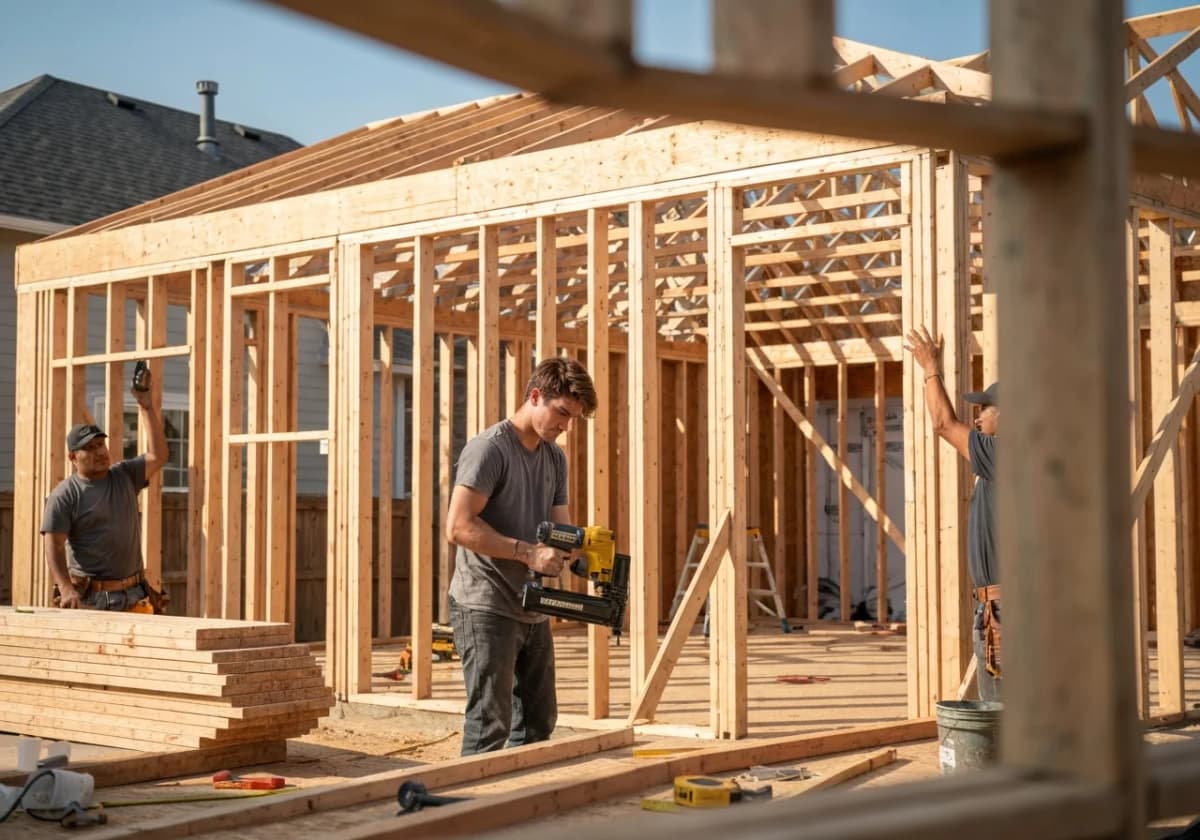
Excavation and foundation work (typically concrete stem wall or slab-on-grade in Idaho) is completed first. Once the foundation is inspected, framing begins — walls, roof structure, and connection to the existing home.
Mechanical, Electrical, and Plumbing (MEP)
HVAC ductwork or mini-split installation, electrical wiring, plumbing rough-in (if the addition includes a bathroom or kitchenette), and insulation are completed before drywall.
Exterior Finish and Roofing
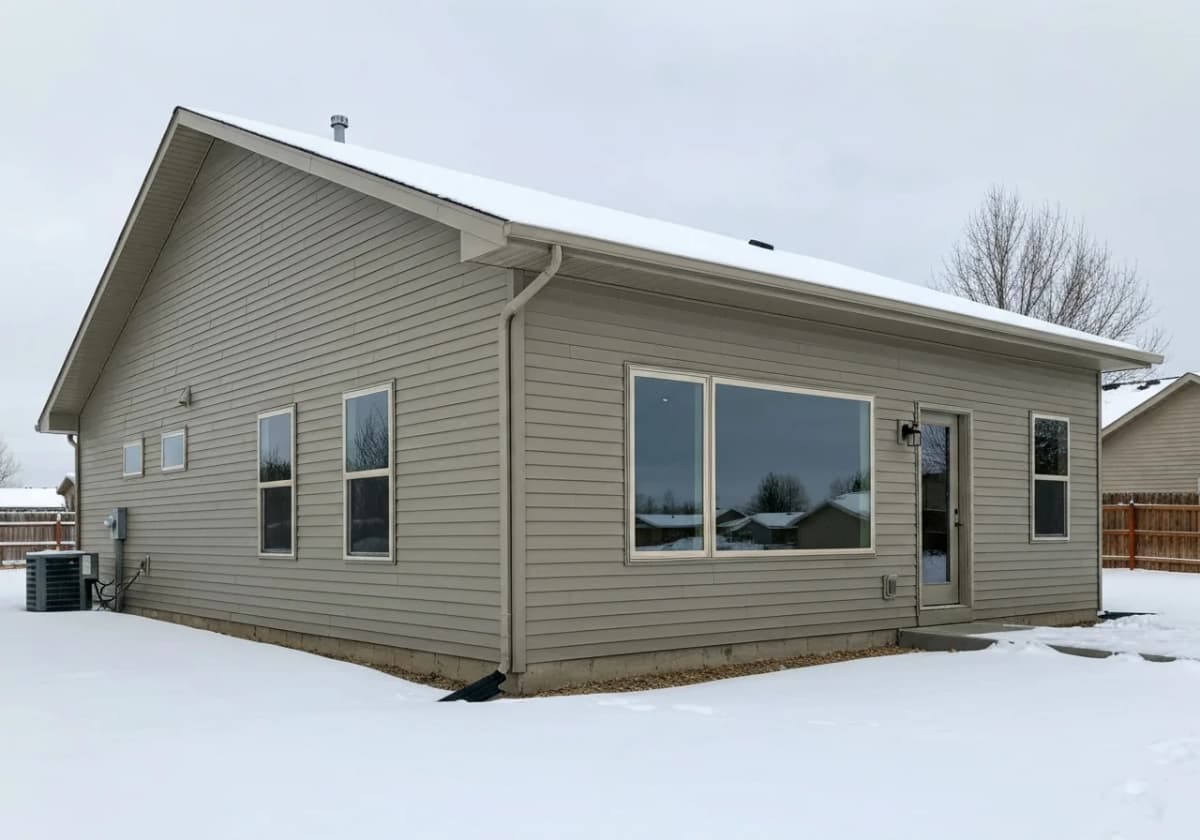
Roofing, siding, windows, and exterior trim are installed and integrated with the existing home's exterior. We match materials, colors, and profiles so the addition looks seamless.
Interior Finish and Final Details
Drywall, paint, flooring, trim, doors, fixtures, and all interior finish work is completed. The connection point between old and new is finished to be invisible. Final inspections are passed and a walkthrough is conducted.
Here is what to expect for project duration when planning home additions in Caldwell:
| Phase | Duration | Details |
|---|---|---|
| Design and Engineering | 4–8 weeks | Architectural design, structural engineering, and plan preparation. This phase is longer than a remodel because additions require engineered plans. |
| Permitting and Plan Review | 2–6 weeks | Building department plan review, permit issuance, and any revisions. More complex additions may require multiple review cycles. |
| Foundation | 1–3 weeks | Excavation, forming, concrete pour, and curing. Weather conditions in Idaho can affect foundation scheduling, especially in winter months. |
| Framing and Roofing | 2–4 weeks | Wall framing, roof structure, windows, and exterior sheathing. The addition begins to take shape during this phase. |
| Mechanical, Electrical, Plumbing, and Insulation | 2–3 weeks | All mechanical rough-in, insulation, and inspection. This must be complete before drywall begins. |
| Interior and Exterior Finish | 3–6 weeks | Drywall, paint, flooring, trim, siding, fixtures, and final details. The connection between old and new is completed during this phase. |
Caldwell range: $55,000 – $290,000
Most Caldwell projects: $115,000
Caldwell home addition costs are among the lowest in the Treasure Valley, reflecting Canyon County's labor market and the generally simpler site conditions of Caldwell's residential neighborhoods. Ground-floor room additions run $55,000 to $90,000. Primary suite additions with bathroom run $85,000 to $155,000. Second-story additions run $150,000 to $265,000. In-law suite additions run $110,000 to $185,000. These are the figures we quote in Caldwell; we do not publish a percentage discount against Ada County, because we have not measured one. Pre-1980 Caldwell homes should include a structural assessment allowance of $3,500 to $6,000 for conditions discovered during demolition that affect the addition's connection to the existing structure.
The final cost of home additions in Caldwell depends on several factors. Here are the biggest cost drivers:
Size of the Addition (Square Footage)
high impactHome additions in Idaho typically cost $200-350 per square foot depending on complexity and finish level. Our 400 sq ft primary suite addition in Eagle ran $80,000-$100,000.
Foundation Work
high impactThe type and complexity of foundation work depends on soil conditions, existing foundation type, and addition size. Rocky soil or high water table conditions increase excavation costs.
Structural Complexity and Roofline Integration
high impactTying a new roofline into an existing roof is one of the most critical and costly aspects. Complex rooflines, multiple valleys, and hip-to-gable transitions require skilled framing.
Plumbing and HVAC Requirements
medium impactAdditions with bathrooms require new plumbing lines. HVAC may require ductwork extension, a new zone, or a mini-split system. These mechanical systems add $5,000-15,000 to the budget.
Interior Finish Level
medium impactBuilder-grade finishes vs. premium finishes (hardwood floors, custom trim, tile, quartz counters in a bathroom) can swing interior finish costs by $20-50+ per square foot.
Permit and Engineering Fees
medium impactHome additions require architectural plans, structural engineering, and building permits. Plan preparation and engineering typically cost $3,000-8,000. Permits add $500-2,000+.
These are the real-world projects we see most often from Caldwell homeowners:
Caldwell Ranch — Primary Suite Creation
Caldwell's one-bathroom ranches are the most common addition trigger in the city. Creating a proper primary suite — dedicated primary bedroom with an appropriate floor area for a king bed, nightstands, and furniture; a full bathroom with tile shower and quality fixtures; and a walk-in closet — transforms the daily experience of the home and removes the deficiency a buyer would otherwise price into an offer. These additions extend off the rear or side of the existing home with a new foundation, framing that ties into the existing structure, a roofline that integrates cleanly with the original, and exterior materials that match the primary home. Downtown Caldwell Craftsman and ranch homes benefit from a primary suite addition that references the home's original architectural character through the choice of roofline profile, window style, and exterior detail — producing a result that looks like a thoughtful original design rather than a cost-driven add-on.
Caldwell In-Law Suite — Multigenerational Family Investment
Caldwell in-law suites are built with the personal investment that family housing demands — accessible bathroom, quality kitchen, and the privacy and independence features that make the living arrangement work well for both generations. Zero-threshold shower, wider doorways, grab bar blocking, lever hardware, and private exterior entrance are the design elements that turn an addition into a genuinely livable independent space. The Canyon County in-law suite is typically a ground-floor addition adjacent to the main home, with its own entrance that provides independence while maintaining the proximity that multigenerational living serves. The kitchen and bathroom specifications are selected for long-term usability — accessible sink heights, touch-lever faucets, wide-clearance appliance placement, and flooring materials that provide slip resistance and ease of maintenance for an older occupant.
Family Room Addition — Making Room for How Families Actually Live
Caldwell's pre-1980 homes were built without the open-plan family living spaces that contemporary families expect. A family room addition of 200 to 300 square feet, opening off the existing kitchen or living area, creates the social gathering space that these older homes are missing. These additions are among the most immediately impactful projects Iron Crest builds in Caldwell, because they change how the household uses the house rather than simply adding floor area. The connection between the addition and the existing kitchen is a critical design detail: creating a visual and physical flow that makes the new space feel like an organic extension of the existing home rather than a separate room requires careful planning of the opening, the ceiling height transition, and the flooring continuity.
Caldwell Home Office Addition — Dedicated Workspace for Remote Professionals
Canyon County's growing remote professional population has made dedicated home office additions a regular project category in Caldwell. A proper home office addition — 150 to 200 square feet, with its own door for acoustic separation, dedicated electrical circuits for professional equipment, ethernet infrastructure, appropriate natural light, and a professional backdrop quality — creates the workspace that a bedroom corner cannot provide. These additions are sited to minimize the acoustic impact of family activity on work performance, with thoughtful placement that serves both the home office's functional requirements and the family's daily circulation patterns.

Problem: Not enough bedrooms for a growing family
Solution: We design bedroom additions that integrate with the existing floor plan, adding space without disrupting current room flow or outdoor living areas.
Problem: No primary suite — just a standard bedroom with a hall bath
Solution: We add a primary suite wing with a private bathroom, walk-in closet, and direct access. This is the most requested addition type in the Treasure Valley.
Problem: Need a home office but no room to create one
Solution: A dedicated office addition provides separation from household activity, proper lighting, electrical for equipment, and the quiet workspace remote professionals need.
Problem: Aging parents need ground-floor living space
Solution: We design in-law suites with bedroom, bathroom, kitchenette, and potentially a separate entrance for independence and privacy.
Problem: Cramped kitchen or living area with no room to expand
Solution: A bump-out addition of 4-12 feet can transform a cramped kitchen or living room, adding counter space, a dining nook, or a seating area.
Caldwell shares the Treasure Valley climate. Canyon County locations tend to be slightly warmer in summer with more agricultural dust exposure.
Heat and UV
West-facing exterior surfaces degrade faster. UV-resistant materials recommended.
Agricultural Environment
More dust and particulate exposure for exterior finishes.
Freeze-Thaw
Standard Idaho frost-depth requirements apply for all foundation work.
Downtown Caldwell
The historic core with homes dating from the early 1900s through the 1960s. An area seeing increasing revitalization and investment.
Common projects in Downtown Caldwell:
- •Kitchen remodels in older homes with small layouts
- •Bathroom updates replacing original fixtures and tile
- •System upgrades — plumbing, electrical, insulation
- •Home additions adding space to compact floor plans
South Caldwell
Newer residential development with homes from the 2000s to present. Builder-grade construction similar to Nampa and Meridian subdivisions.
Common projects in South Caldwell:
- •Kitchen upgrades replacing builder-grade finishes
- •Bathroom remodels with modern fixtures and tile
- •Flooring replacement
- •Deck and outdoor living construction
Every Caldwell neighborhood has different housing stock, homeowner priorities, and project considerations. Here is what home additions looks like in each area:
Downtown Caldwell and Historic West Corridor
South and East Caldwell Subdivisions
Permit authority: City of Caldwell Building Department
- ✓Permits required for plumbing, electrical, and structural work
- ✓Permit fees are set by the city's current fee schedule
- ✓Review times vary with scope and workload; we build the review window into the schedule
- ✓ADU and addition projects require zoning review
Helpful ID resources
- Idaho DEQ — Asbestos Program — testing and abatement requirements for pre-1980 homes
- EPA Lead Renovation, Repair and Painting (RRP) Program — required certification for work in pre-1978 homes
- ●Roofline integration — the addition's roof must tie into the existing roof seamlessly to prevent leaks and visual disconnection
- ●Exterior material matching — siding, trim, window style, and paint color must match or intentionally complement the existing home
- ●Interior flow — the hallway, doorway, and room transition from the existing home into the addition should feel natural, not awkward
- ●Foundation matching — the addition's foundation type should match the existing home (crawl space, slab, basement) when possible
- ●Mechanical system capacity — evaluate whether existing HVAC, electrical panel, and plumbing main can support the additional load
- ●Natural light — plan window placement for light quality, views, and energy efficiency; additions on the north side need more interior lighting
Here are the design trends we see most often in Caldwell home additions projects:
- →Budget-conscious upgrades with durable, practical materials
- →Modern farmhouse style popular in both old and new homes
- →LVP flooring replacing carpet throughout homes
- →White and light-colored kitchen cabinets
- →Walk-in showers in primary bathrooms
- →Energy efficiency improvements — windows, insulation, HVAC
Caldwell offers the most affordable housing in the western Treasure Valley, making it an excellent market for value-driven remodeling. Strategic upgrades in Caldwell can represent significant equity gains relative to home value. The rental market is also strong, making ADU construction an increasingly viable investment.
Costs and permit requirements differ by jurisdiction across the Treasure Valley. These guides cover Caldwell specifically.
Avoid these common pitfalls Caldwell homeowners encounter with home additions projects:
Mistake: Adding square footage without addressing the home's primary bottleneck
Better approach: An addition that adds a bedroom to a one-bathroom Caldwell home without also adding a bathroom creates a more crowded situation around the existing bathroom rather than solving the primary bottleneck. Identify the addition scope that addresses the household's most significant daily friction point — usually a bathroom or primary suite in Caldwell's older homes — and design the addition to solve that problem directly. If the home has one bathroom, the addition should include a bathroom. If the primary bedroom is too small for a king bed, the addition should create a room that is large enough. Partial solutions create partial improvements.
Mistake: Not budgeting for structural assessment and discovery in pre-1980 Caldwell homes
Better approach: Caldwell's older housing stock has structural conditions that vary significantly and that are not visible without assessment. Including structural assessment in the pre-construction planning phase — at $2,500 to $5,000 — prevents mid-project cost surprises that can push addition budgets significantly above their initial estimates. The assessment identifies: foundation conditions at the proposed connection point; framing adequacy in the walls and roof where the addition will tie in; and any deterioration, modification, or non-standard construction that affects the addition's structural design. A thorough pre-construction assessment is far less expensive than discovering surprises after concrete is poured and framing is erected.
Mistake: Choosing addition materials based on cost rather than compatibility with the existing home
Better approach: An addition that uses different siding material, a different window style, or a mismatched roofline creates a visual break that reads as a budget add-on from the street. The modest additional cost of matching materials precisely — using the same siding manufacturer and profile, matching the window style and color, tying the roofline cleanly into the existing structure — produces a result that looks intentional instead. We are not going to attach a dollar figure to that difference: we have no transaction-level data isolating an addition's integration quality from a Caldwell sale, and the argument stands on its own without one.
Mistake: Starting design before confirming whether the lot can accommodate the addition footprint
Better approach: Many Caldwell homeowners have vivid ideas about addition placement that conflict with setback requirements or lot coverage limits they were not aware of. Designing a full addition before confirming regulatory compliance wastes design costs and causes schedule delays. Iron Crest's pre-design site assessment confirms setback constraints, lot coverage capacity, and any other regulatory limitations before design investment begins — preventing the frustrating redesign process that follows a regulator's rejection of a non-compliant proposal.
Most popular remodeling projects in Caldwell
- ✓Kitchen remodels with functional improvements
- ✓Bathroom updates with modern fixtures and tile
- ✓Whole-home updates in older homes
- ✓Energy efficiency upgrades
- ✓Home additions
- ✓Flooring replacement

See Your Remodel Before You Build.
Upload a few photos of your kitchen, bathroom, flooring, or exterior and get AI-generated concept visuals tailored to your space, style, and materials — free, no obligation, in about five minutes. Then request a real estimate from our Idaho registered Boise team.
Free concept preview · No credit card · Licensed Idaho contractor
How does an addition compare to moving up in Caldwell's market?
Often the addition wins, but the comparison depends on numbers we cannot supply. Moving means agent commissions, closing costs on both the sale and the purchase, and the difference between your existing mortgage rate and today's. Adding on means a fixed construction price, financed however you choose, with your current mortgage untouched — plus keeping the neighborhood relationships, school district placement, and community connections that make Caldwell living valuable. The only figure in that comparison a contractor can give you honestly is the construction price, which we will itemize in writing. Get the rest from an agent working real Caldwell comparables and from your lender, then run it. We would rather you check the arithmetic than take a monthly-payment range from a contractor's website.
What is the most important first step in planning a Caldwell home addition?
A site assessment that confirms the proposed addition's compliance with Caldwell's setback requirements and lot coverage limits. Many Caldwell homeowners discover during the design process that the addition they envisioned conflicts with a setback or lot coverage requirement — at which point the design must be modified, delaying the project. Iron Crest conducts this regulatory review as the first step in every Caldwell addition consultation, combined with a structural assessment of the existing home's conditions at the proposed addition connection point.
Do Caldwell older homes need structural assessment before an addition project?
Yes, for any Caldwell home built before 1980. The older housing stock in Caldwell's historic core has structural conditions — original framing systems, foundation configurations, and decades of piecemeal modification — that are not visible without assessment and that can significantly affect addition feasibility, connection design, and cost. A licensed Idaho structural engineer's assessment of the existing home's relevant structural elements costs $2,500 to $5,000 and is a non-optional investment for any addition connecting to pre-1980 construction. It is much less expensive to identify structural surprises before construction begins than to discover them mid-project when they affect completed work.
What accessible design features should a Caldwell in-law suite include?
The most important accessible design features for a Canyon County in-law suite are: zero-threshold shower entry with a drain configuration that handles normal shower flow without a curb; 36-inch doors throughout the suite, including bathroom and closet, which deliver the 32-inch clear width accessible design calls for; grab bar blocking installed at ADA heights in the shower and at the toilet, allowing grab bar installation at any time without opening the wall; lever-format door hardware throughout, which is operable with a closed fist and accessible for arthritic hands; and kitchen layout that provides turning radius for a walker or wheelchair. Building these features during construction adds $8,000 to $15,000 to the scope. Retrofitting any of them afterward means reopening finished walls, re-tiling, and re-plumbing — which is why we include them as standard in every Iron Crest in-law suite rather than treating them as a later option.
How do I finance a Caldwell home addition?
The most common financing approach for Caldwell home additions is a home equity line of credit (HELOC) or home equity loan, drawing on equity accumulated over a long holding period. How much is available on a specific property is a question for your lender — it depends on the current appraised value, the mortgage balance, and the lender's combined loan-to-value limit, none of which a contractor should be estimating for you. Cash-out refinancing is another option, though the rate differential from most existing mortgages makes HELOCs more cost-effective in the current interest rate environment. Construction-to-permanent loans are available for larger addition projects. Iron Crest works with whichever financing structure the homeowner chooses and can provide the project documentation that lenders typically require.
How long does a Caldwell home addition typically take?
From initial consultation to construction completion, a Caldwell home addition typically takes 5 to 8 months. The pre-construction phase — design, engineering, permit application, permit review, HOA review if applicable, and construction preparation — typically takes 6 to 10 weeks. The construction phase varies by scope: ground-floor room additions run 8 to 14 weeks; primary suite additions with bathroom run 10 to 18 weeks; second-story additions run 16 to 24 weeks; in-law suite additions run 14 to 20 weeks. Iron Crest provides a project-specific schedule at the proposal stage based on the confirmed scope and current workload.
How do I know if a home addition is worth it?
That depends on available lot space, budget, current home layout, and whether the extra square footage solves a long-term need. In the Treasure Valley's housing market, adding square footage to a well-located home is often more cost-effective than buying a larger home — especially when you factor in moving costs, higher property taxes, and the appreciation of your current location.
How much does a home addition cost per square foot in Idaho?
Home additions in the Boise area typically cost $200-350 per square foot, depending on foundation type, structural complexity, finish level, and whether the addition includes plumbing (bathroom) or specialized systems. A simple room addition is on the lower end; a primary suite with full bathroom is on the higher end.
Do home additions require permits?
Yes. All home additions require building permits, plan review, and multiple inspections — foundation, framing, mechanical, electrical, plumbing, insulation, and final. We handle the entire permitting process.
How long does a home addition take to build?
A typical home addition takes 3 to 6 months from start of construction to completion. Including design, engineering, and permitting, the total project timeline is 5 to 9 months. Weather, permit timelines, and material availability all affect the schedule.
Will the addition match my existing home?
Yes. We carefully match rooflines, siding, windows, trim profiles, and interior finishes so the addition looks like it was always part of the house. This is one of the most important aspects of addition design.
Can I add a second story to my single-story home?
It is possible, but requires a structural evaluation of the existing foundation and framing to confirm they can support the additional load. Second-story additions are more complex and costly than ground-level additions but preserve outdoor space.

Talk to a real project manager
Have Questions? Call Now for a Free In-Home Consultation.
Mon–Fri 7 AM–6 PM · Idaho registered & insured · No obligation
Russ Shloma — Project Manager
Russ Shloma — Project Manager
Start your home additions in Caldwell
Get a free, no-obligation estimate for home additions in Caldwell, ID. We handle design, permits, and every detail of construction.
Get Your Free Estimate