
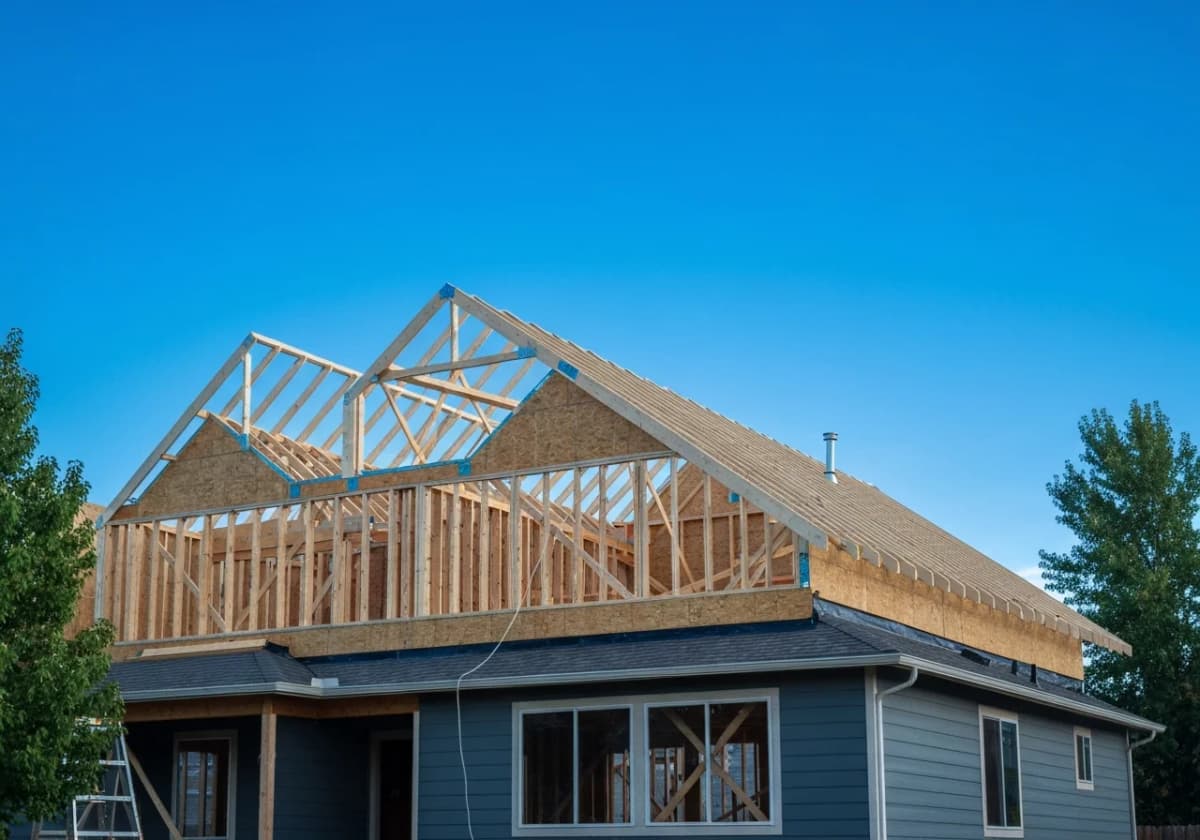
Home Additions in Middleton, ID
Whether you need an extra bedroom, a primary suite, a home office, or expanded living space — we handle design, engineering, permitting, and construction.
Quick answer
Iron Crest Remodeling Group LLC provides home additions in Middleton, ID. Most Middleton home additions cost $45,000 – $400,000+. Middleton addition costs are driven by foundation type, roof tie-in complexity, whether the addition adds plumbed rooms, and the era of the existing home.
Home additions in Middleton answer a problem the town's own growth created. As Canyon County's oldest settlement, Middleton has a core of early-1900s-through-1970s farm and town homes that were built compact and single-story for a different era of family life — and a vast ring of 2000s–2020s subdivisions, built fast to meet a population that grew more than 70 percent between 2010 and 2020, that are now full of families who have outgrown a footprint they expected to keep. Both situations point to the same answer: add square footage rather than leave a town people moved to deliberately. Iron Crest Remodel designs and builds additions across that full Canyon County spread — primary-suite additions onto single-bath farmhouses, family-room and bedroom additions onto subdivision homes, and the structural, foundation, and permit work that a real addition (as opposed to a glorified bump-out) actually requires. A Middleton addition is governed by the city's specific design criteria — a 24-inch frost depth, a 115 mph wind basic speed, a 10°F winter design temperature — the well-versus-city-utility split across town, and the Boise River floodplain. This page is written to those facts, not to a generic addition template.
Expand your home with a well-planned addition designed around flow, structure, and long-term livability.
A home addition is one of the most significant and valuable improvements you can make to your property. Unlike a remodel that works within existing walls, an addition expands the building footprint — which means foundation work, structural engineering, roofline integration, exterior finish matching, and careful connection to existing mechanical systems. The most common additions in the Treasure Valley include primary suite additions (bedroom + bathroom + closet), family room or great room additions, second-story additions over existing structures, bump-out additions for kitchens or dining rooms, and sunroom or four-season room additions. Every addition project requires careful planning around your existing home's foundation type, roof structure, siding material, and HVAC capacity. A well-designed addition looks like it was always part of the house — matching rooflines, siding profiles, window styles, and interior finishes so there is no visible seam between old and new.
Middleton homeowners pursue home additions for a variety of reasons. Here are the most common situations we see:
- ✓Growing families who have outgrown their current floor plan but love their neighborhood and lot
- ✓Homeowners who need a primary suite addition — separate bedroom, walk-in closet, and bathroom
- ✓Remote workers who need a dedicated home office with separation from living spaces
- ✓Homeowners caring for aging parents who need an in-law suite or ground-floor bedroom addition
- ✓Anyone who would rather add square footage than sell and move in the current housing market
Not every home additions project is the same. Here are the most common project types we complete in Middleton:
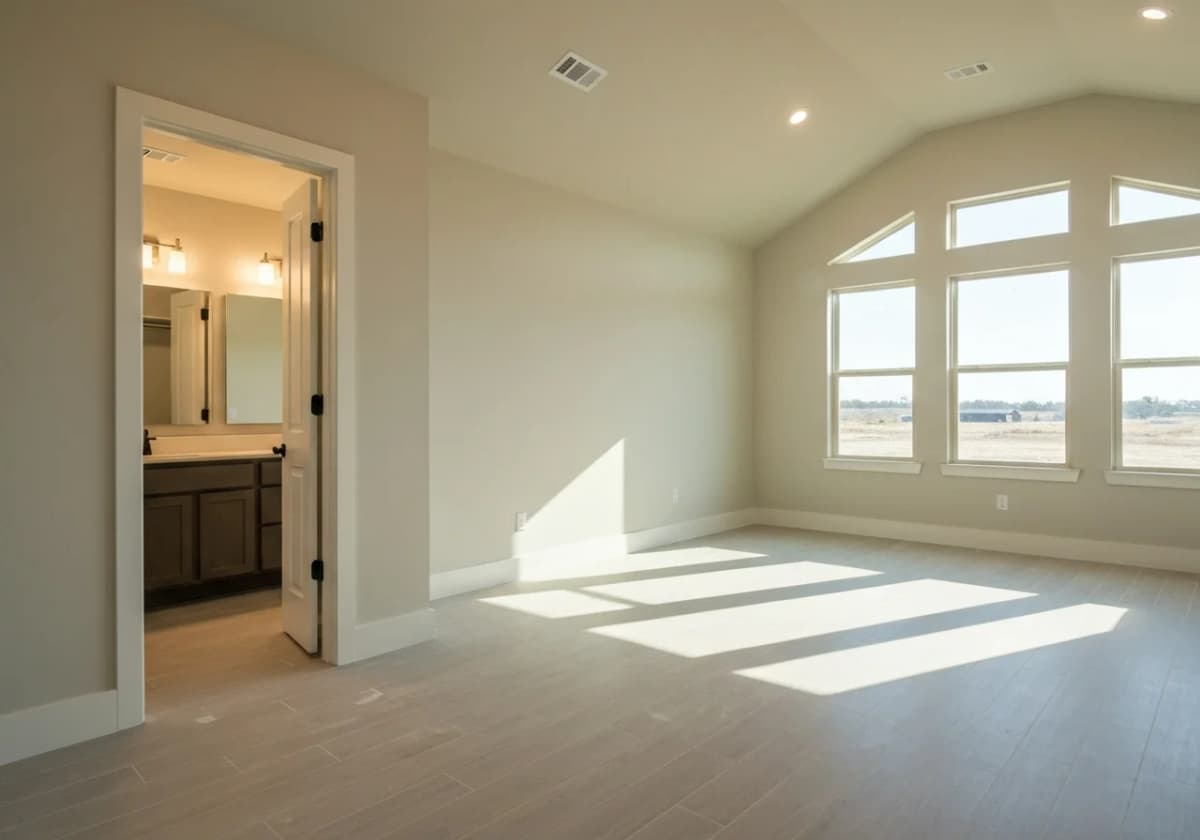
Primary Suite Addition
Add a new primary bedroom, walk-in closet, and private bathroom. This is the most popular addition type and typically adds 400-700 square feet to the home.
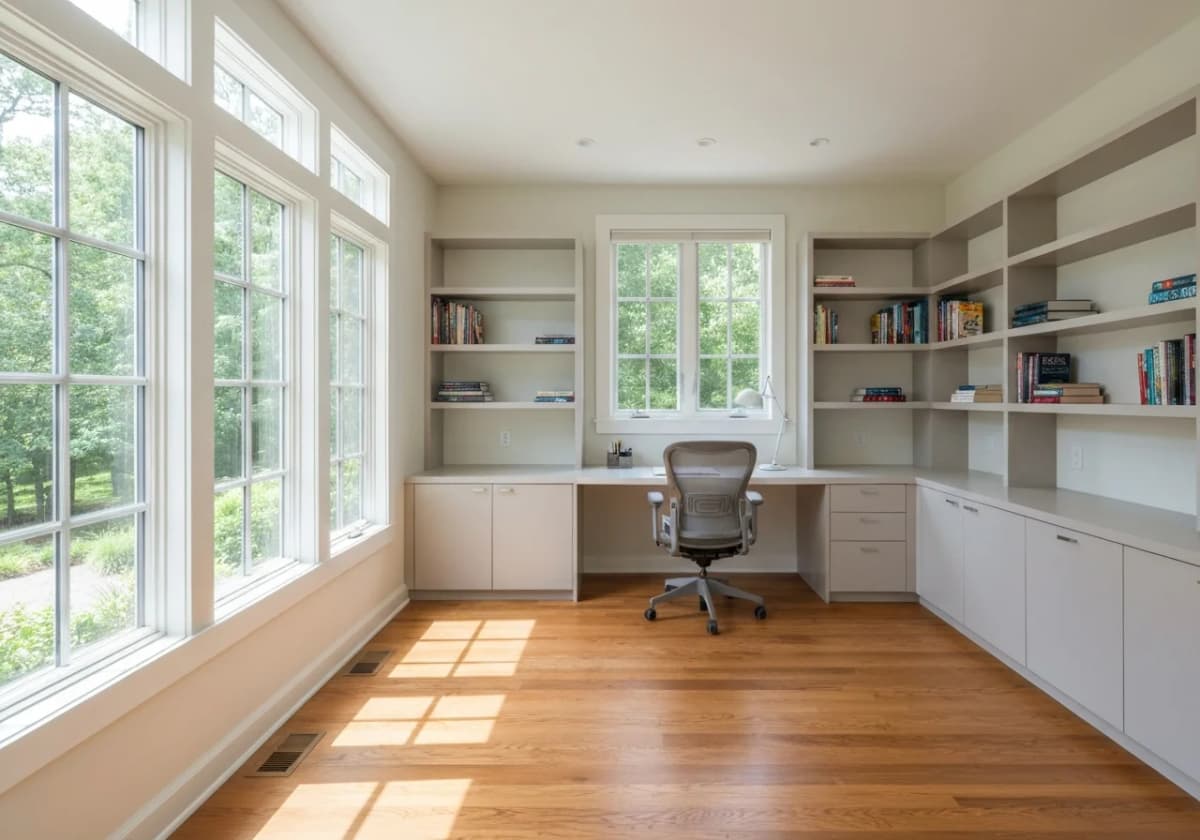
Room Addition (Bedroom, Office, Family Room)
Add a single room or open living space to the home. Room additions range from 150-500 square feet and can be configured as a bedroom, office, playroom, or flex space.
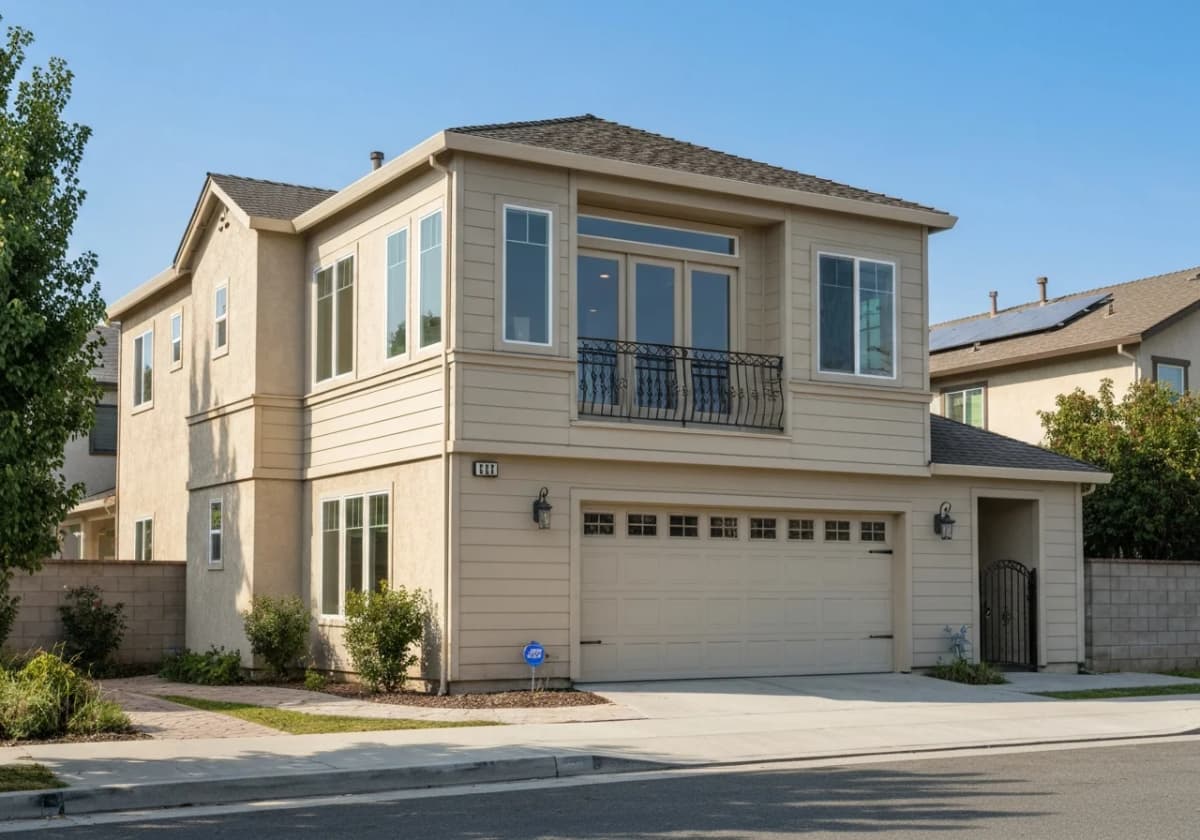
Second-Story Addition
Build up instead of out by adding a second floor over an existing single-story structure. Requires structural evaluation of the existing foundation and framing to ensure they can support the additional load.
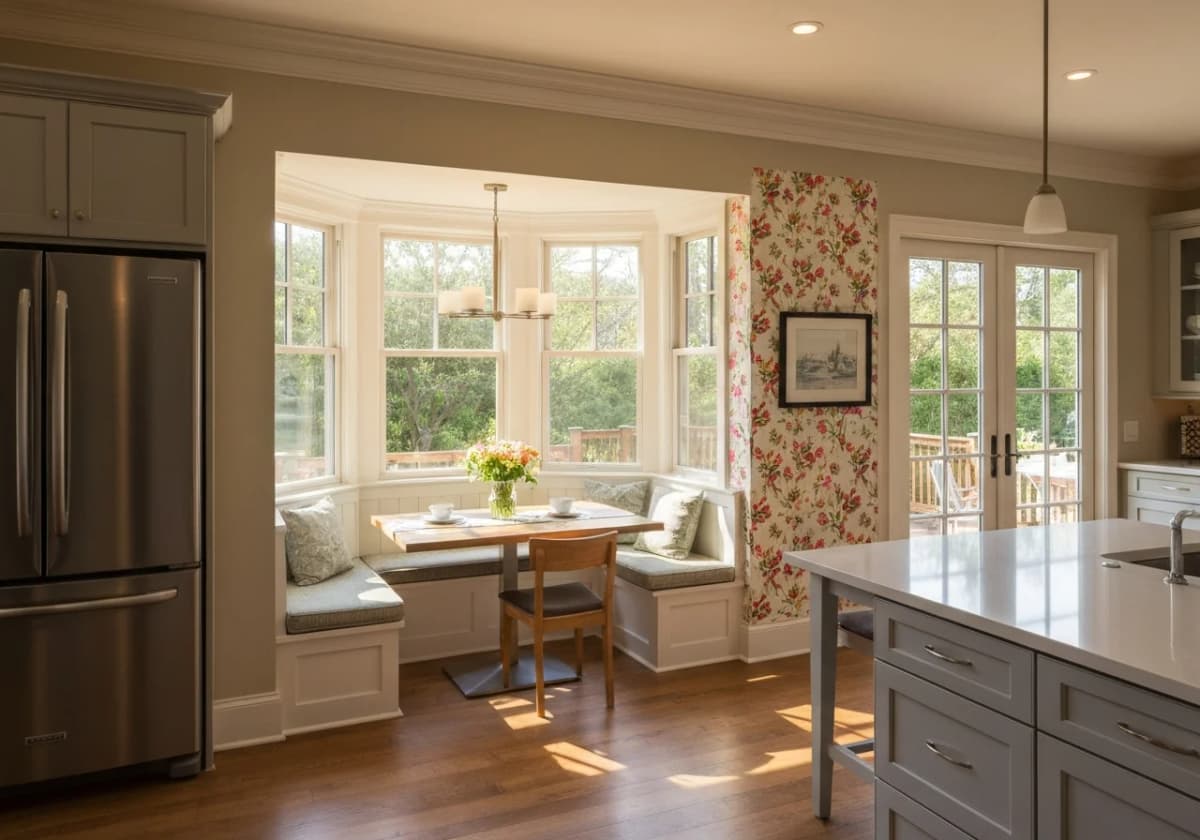
Kitchen or Dining Bump-Out
Extend an exterior wall by 4-12 feet to create more kitchen counter space, a breakfast nook, or a larger dining area. A bump-out is less complex than a full addition and can transform a cramped kitchen.
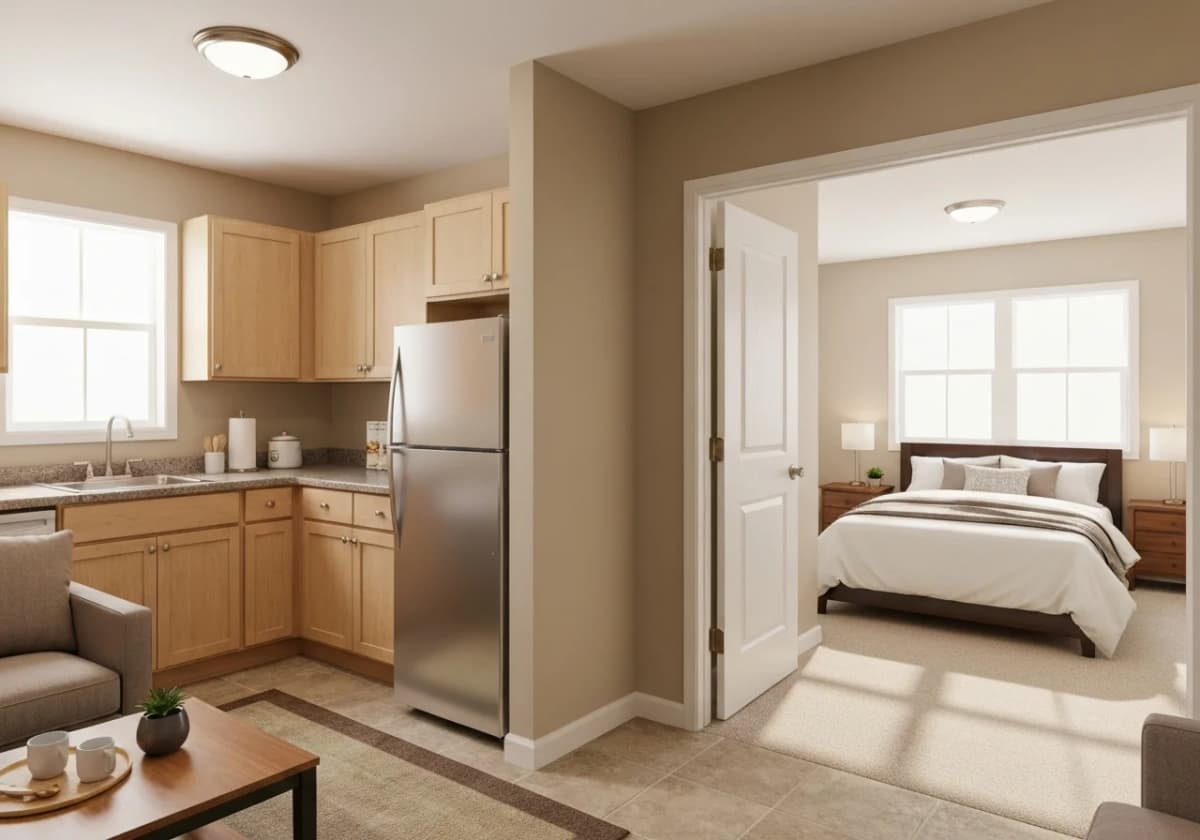
In-Law Suite or Multigenerational Addition
A semi-independent living space with a bedroom, bathroom, kitchenette, and separate entrance designed for aging parents or adult family members. May include accessibility features.
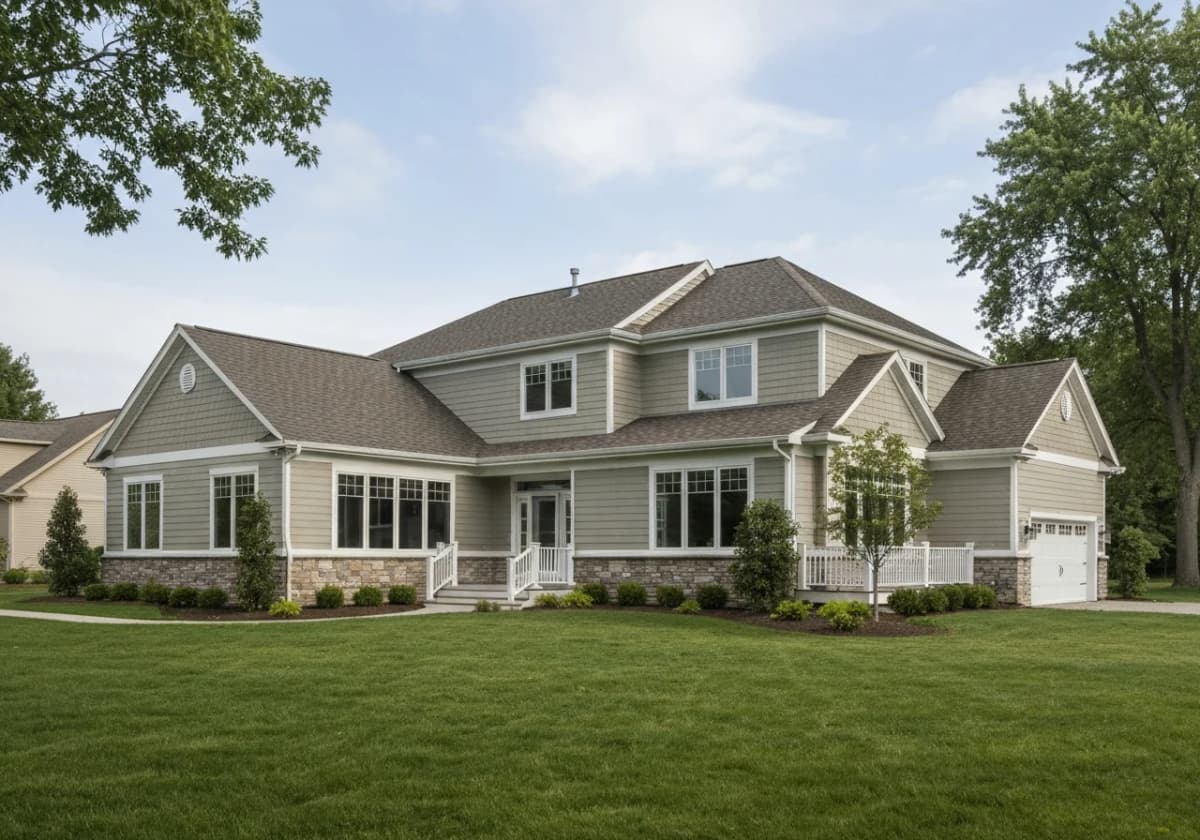
A sharply bimodal stock: a hard core of pre-1970 farm and town homes (galvanized supply, cast-iron drains, minimal insulation, frequent single-bath, possible asbestos/lead) and a very large 2000s–2020s production-subdivision ring (sound systems, uniformly builder-grade finishes), plus higher-end foothill/acreage builds.
1900s–1940s
Original farm and town homes in the historic core; wood siding, plaster, single-bath, original or near-original systems.
1950s–1970s
Mid-century rural and town ranches; mud-set tile, galvanized/cast-iron plumbing, undersized electrical, minimal insulation.
1980s–1999
Early subdivision and rural infill; some polybutylene-era plumbing risk, dated but sound builder finishes.
2000s–2020s
The dominant stock by volume — Kestrel Estates, Bridgewater Creek, Quail Haven, Hidden Mill, View Ridge, Middleton Lakes; modern systems, builder-grade finishes now aging out.
Common issues in Middleton homes
- •Galvanized supply and cast-iron drains in pre-1970 homes
- •Asbestos in pre-1980 flooring/mastic and lead paint in pre-1978 homes
- •Water-damaged joisted subfloors and framing behind old finishes
- •Builder-grade fiberglass tub-combos and thin finishes in subdivision stock
- •Hard-water scaling/etching, worse on private wells
- •Under-insulated envelopes relative to the 5B / 10°F design winter
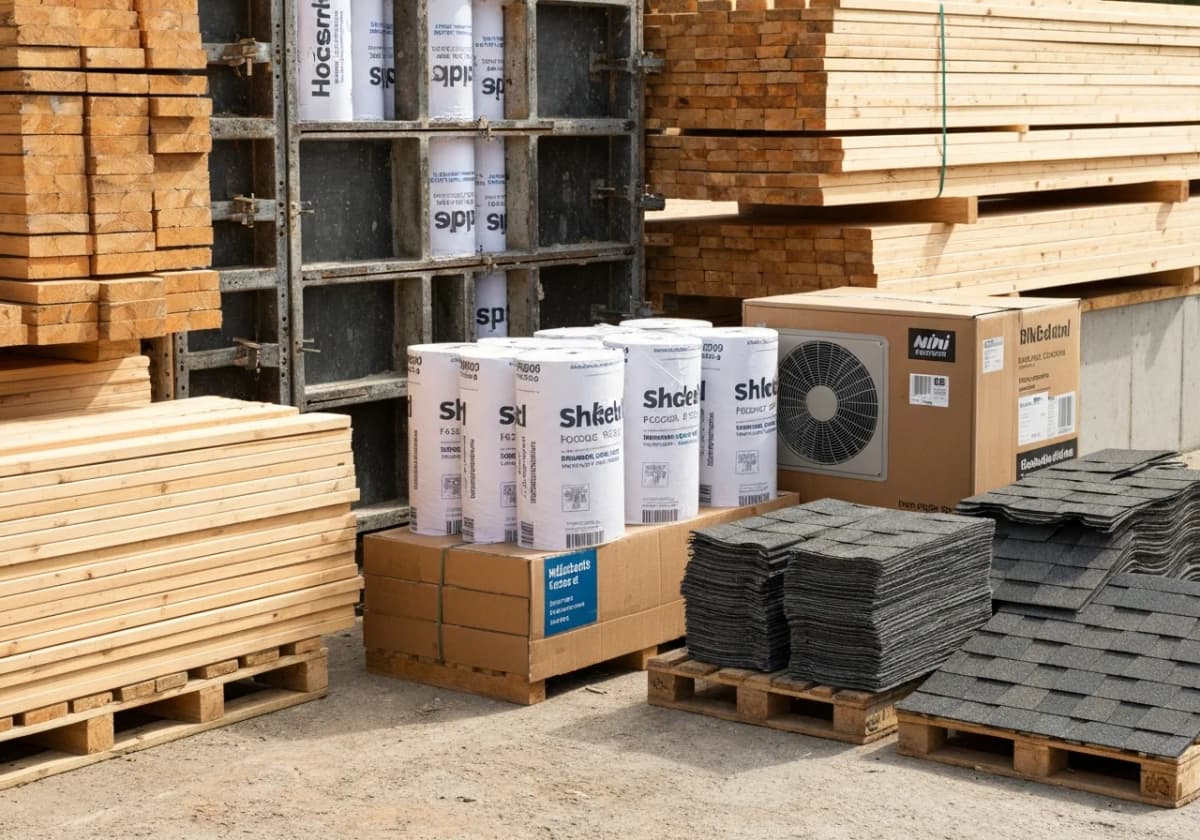
Material selection affects the look, durability, and cost of your home additions. Here are the most popular options we install in Middleton:
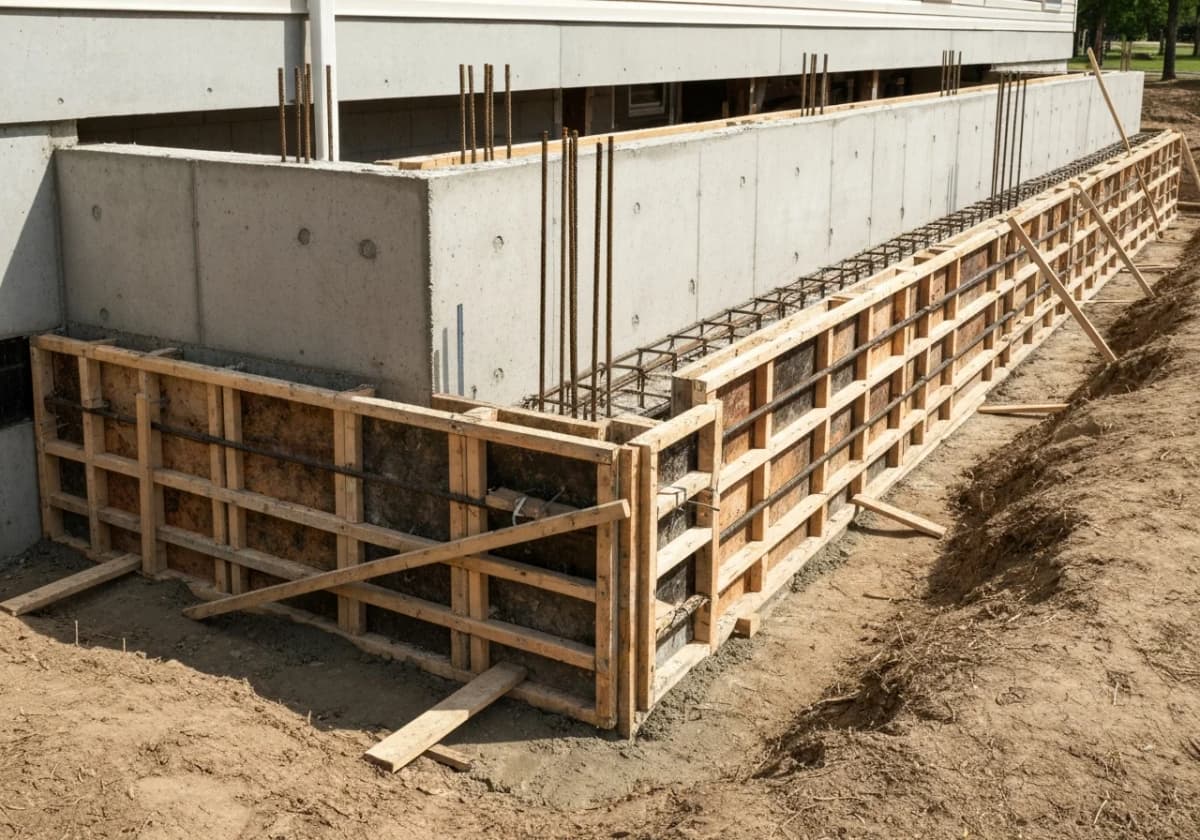
Concrete Foundation (Stem Wall or Slab)
$8,000–$25,000 depending on sizeMost Idaho home additions use a concrete stem wall foundation with a crawl space, matching the existing home's foundation type. Slab-on-grade is used in some applications. The foundation must be engineered to match soil conditions and frost depth requirements.
Best for: All home additions in Idaho
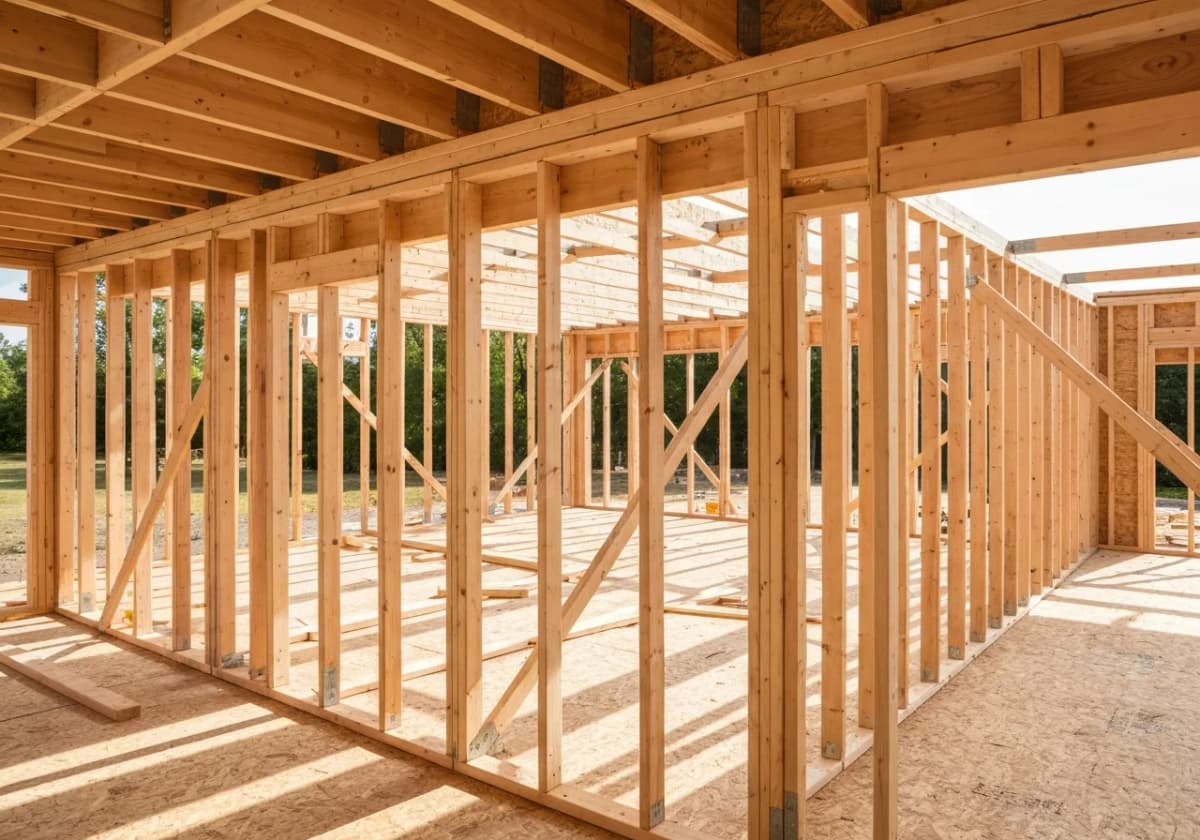
Dimensional Lumber Framing
$15–$25 per sq ft framedStandard 2x4 or 2x6 wood framing for walls, with engineered trusses or rafters for the roof. The framing system must integrate with the existing home's structure at the connection point.
Best for: Standard room additions and second stories
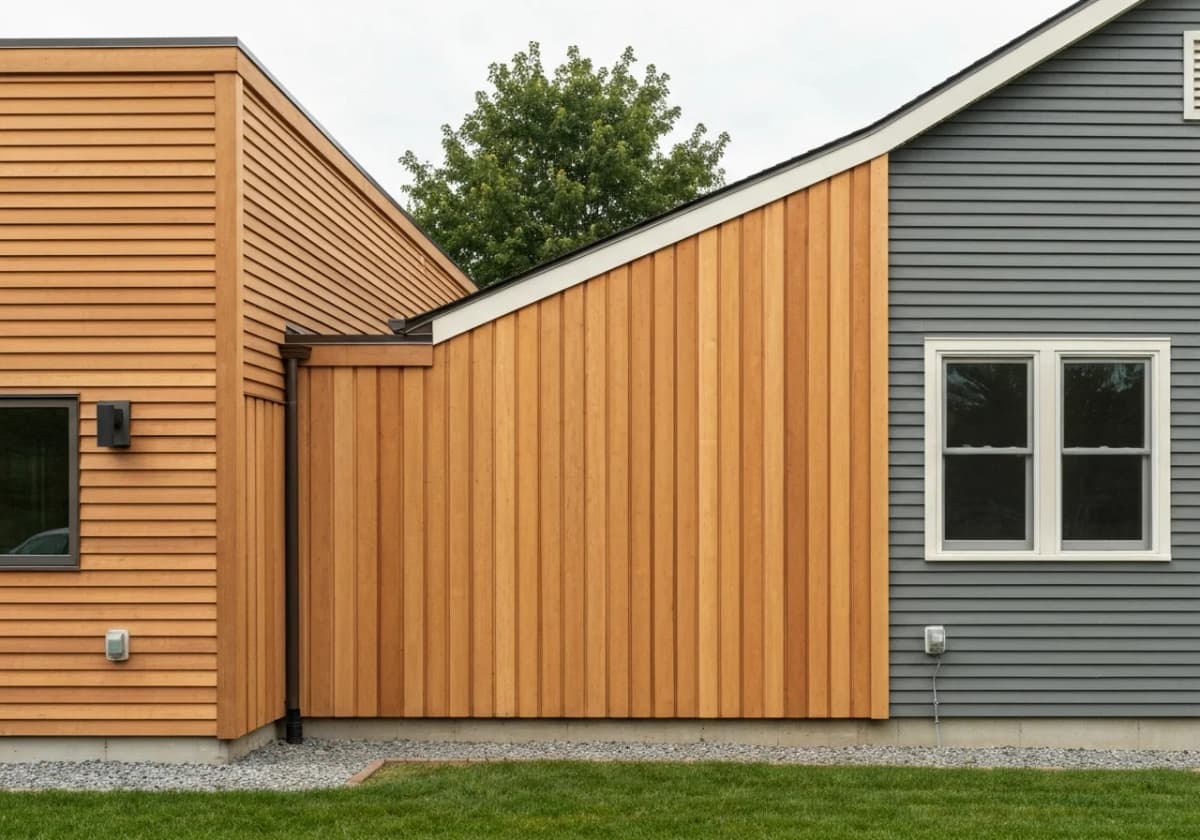
Matching Exterior Siding
$5–$15 per sq ft installedThe addition's exterior must match the existing home. This may involve ordering the same siding profile, doing a partial re-side to blend old and new, or selecting a complementary material for a planned contrast.
Best for: Seamless visual integration
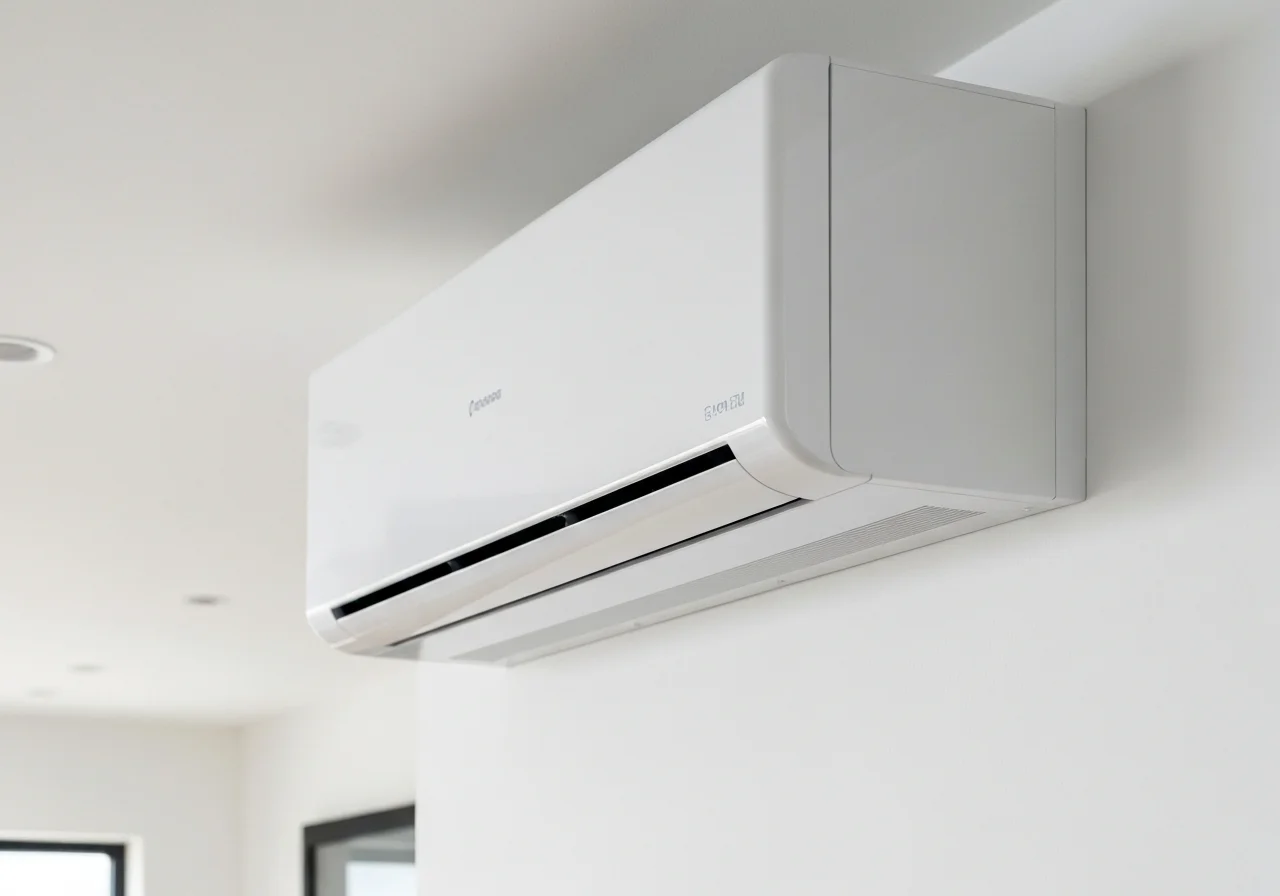
Mini-Split HVAC System
$3,000–$6,000 per zone installedA ductless mini-split system is often the most practical way to heat and cool an addition without extending the existing HVAC system. Mini-splits are efficient, quiet, and provide independent temperature control for the new space.
Best for: Additions where extending existing ductwork is impractical
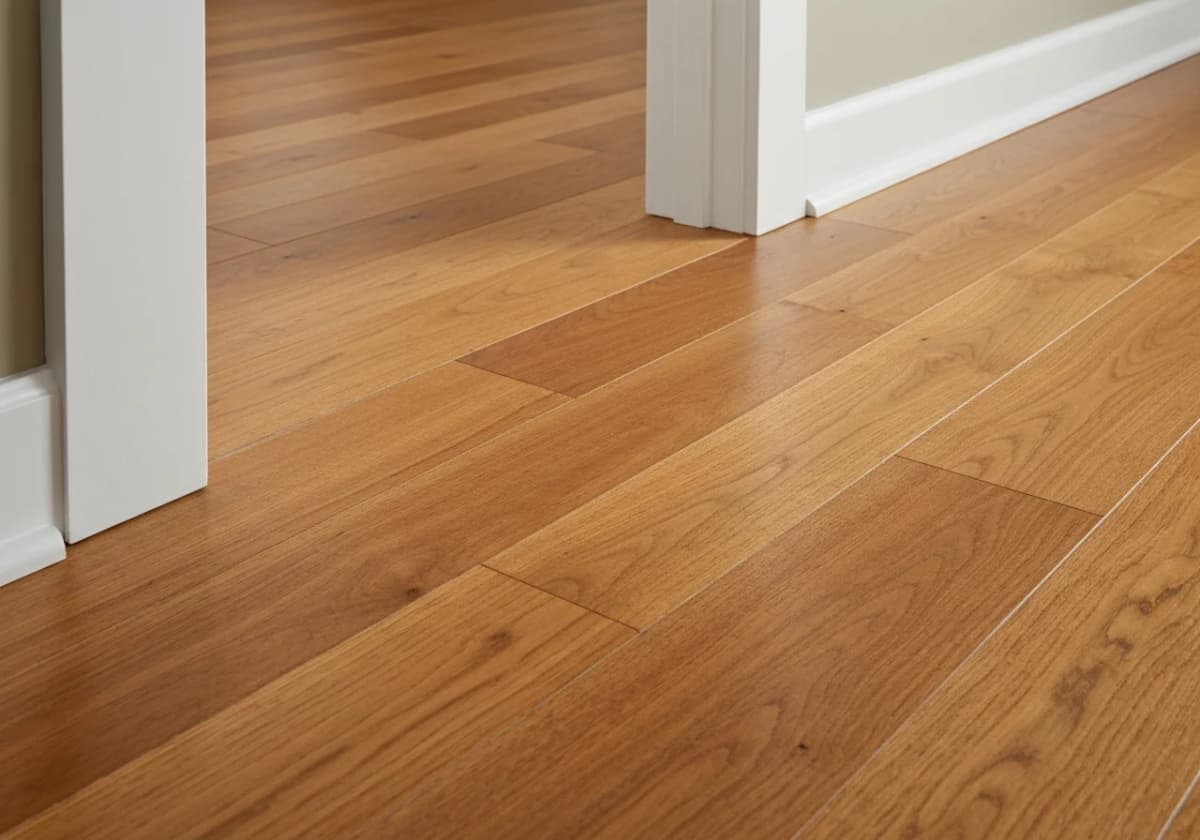
Engineered Hardwood or LVP Flooring
$5–$15 per sq ft installedFlooring in the addition should match or complement existing home flooring. Engineered hardwood can match existing real hardwood. LVP is durable, waterproof, and available in realistic wood looks.
Best for: Matching existing home flooring
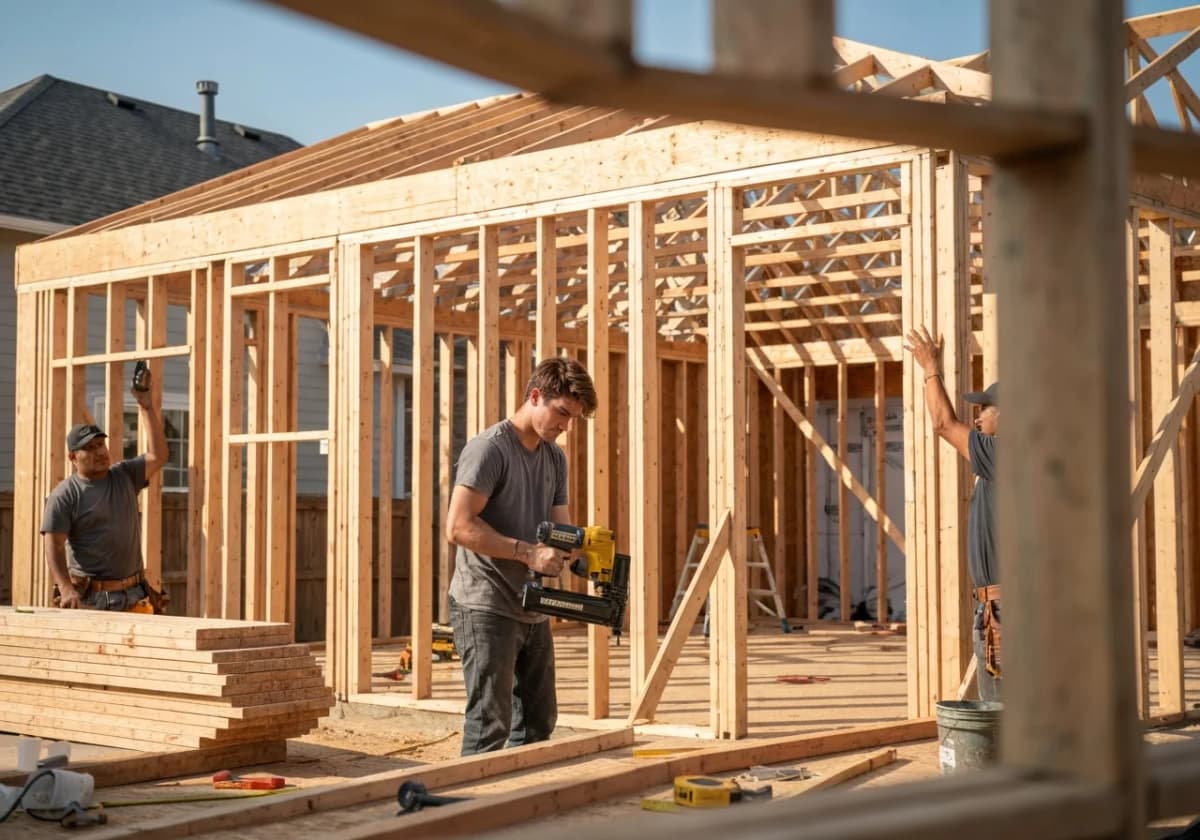
Here is how a typical home additions project works from first contact to final walkthrough:
Feasibility Assessment and Site Evaluation
We evaluate your lot size, setback requirements, existing foundation type, roof structure, utility connections, and zoning restrictions to determine what type and size of addition is possible on your property.
Architectural Design and Engineering
We create detailed architectural plans including floor plans, elevations, structural engineering, roofline integration, and mechanical system connections. Plans must meet local building codes and zoning requirements.
Permitting and Plan Review
Home additions require building permits, plan review, and multiple inspections. We submit plans to the local building department, respond to any review comments, and manage the approval process.
Foundation and Framing
Excavation and foundation work (typically concrete stem wall or slab-on-grade in Idaho) is completed first. Once the foundation is inspected, framing begins — walls, roof structure, and connection to the existing home.
Mechanical, Electrical, and Plumbing (MEP)
HVAC ductwork or mini-split installation, electrical wiring, plumbing rough-in (if the addition includes a bathroom or kitchenette), and insulation are completed before drywall.
Exterior Finish and Roofing
Roofing, siding, windows, and exterior trim are installed and integrated with the existing home's exterior. We match materials, colors, and profiles so the addition looks seamless.
Interior Finish and Final Details
Drywall, paint, flooring, trim, doors, fixtures, and all interior finish work is completed. The connection point between old and new is finished to be invisible. Final inspections are passed and a walkthrough is conducted.
Here is what to expect for project duration when planning home additions in Middleton:
| Phase | Duration | Details |
|---|---|---|
| Design and Engineering | 4–8 weeks | Architectural design, structural engineering, and plan preparation. This phase is longer than a remodel because additions require engineered plans. |
| Permitting and Plan Review | 2–6 weeks | Building department plan review, permit issuance, and any revisions. More complex additions may require multiple review cycles. |
| Foundation | 1–3 weeks | Excavation, forming, concrete pour, and curing. Weather conditions in Idaho can affect foundation scheduling, especially in winter months. |
| Framing and Roofing | 2–4 weeks | Wall framing, roof structure, windows, and exterior sheathing. The addition begins to take shape during this phase. |
| Mechanical, Electrical, Plumbing, and Insulation | 2–3 weeks | All mechanical rough-in, insulation, and inspection. This must be complete before drywall begins. |
| Interior and Exterior Finish | 3–6 weeks | Drywall, paint, flooring, trim, siding, fixtures, and final details. The connection between old and new is completed during this phase. |
Middleton range: $45,000–$85,000 – $200,000–$400,000+
Most Middleton projects: $110,000–$200,000
Middleton addition costs are driven by foundation type, roof tie-in complexity, whether the addition adds plumbed rooms, and the era of the existing home. The low range covers a modest single-room addition — a bedroom, office, or sunroom — on a slab or crawlspace foundation with a straightforward roof tie-in and no major plumbing. The average range reflects the most common Middleton addition: a primary-suite addition (bedroom plus bathroom plus closet, 350–600 sq ft) or a family-room-plus-bedroom addition with foundation, full envelope, HVAC extension or a dedicated zone, and finishes matched to the house. The high range applies to large multi-room or second-story additions and to additions onto older farm-era homes where the existing structure needs reinforcement, electrical service upgrade, or septic work to absorb the new load. Two Middleton-specific cost factors: first, septic capacity — outside the city sewer area, an addition that adds bedrooms or bathrooms can require a septic system upgrade or a new drainfield, a substantial line item that has to be identified in design, not discovered late; second, foundations must reach below the 24-inch frost line and be engineered to the city's adopted criteria, and matching an addition's envelope to a 5B winter standard is not where to economize. City of Middleton or Canyon County building permits, engineered plans, and inspections are required and scaled to project valuation.
The final cost of home additions in Middleton depends on several factors. Here are the biggest cost drivers:
Size of the Addition (Square Footage)
high impactHome additions in Idaho typically cost $200-350 per square foot depending on complexity and finish level. Our 400 sq ft primary suite addition in Eagle ran $80,000-$100,000.
Foundation Work
high impactThe type and complexity of foundation work depends on soil conditions, existing foundation type, and addition size. Rocky soil or high water table conditions increase excavation costs.
Structural Complexity and Roofline Integration
high impactTying a new roofline into an existing roof is one of the most critical and costly aspects. Complex rooflines, multiple valleys, and hip-to-gable transitions require skilled framing.
Plumbing and HVAC Requirements
medium impactAdditions with bathrooms require new plumbing lines. HVAC may require ductwork extension, a new zone, or a mini-split system. These mechanical systems add $5,000-15,000 to the budget.
Interior Finish Level
medium impactBuilder-grade finishes vs. premium finishes (hardwood floors, custom trim, tile, quartz counters in a bathroom) can swing interior finish costs by $20-50+ per square foot.
Permit and Engineering Fees
medium impactHome additions require architectural plans, structural engineering, and building permits. Plan preparation and engineering typically cost $3,000-8,000. Permits add $500-2,000+.
These are the real-world projects we see most often from Middleton homeowners:
Primary-Suite Addition onto a Single-Bath Farm-Era Home
The defining older-Middleton addition: a pre-1970 home in the historic core or rural area with one bathroom and no primary suite gets a 350–550 sq ft addition containing a bedroom, an ensuite bath, and a walk-in closet. Scope includes a frost-depth-compliant engineered foundation, a roof tie-in matched to the existing structure, full Climate Zone 5B envelope, new plumbing and electrical, HVAC extension or a dedicated mini-split zone, and finishes that respect the home's age. On well/septic properties — common for this housing — septic capacity is assessed first, because a new bathroom and bedroom increase the load on a system sized for the original house. This addition resolves the single biggest limitation of Middleton's original homes — a household sharing one bathroom and no primary suite.
Family-Room / Great-Room Addition onto a Subdivision Home
A Kestrel Estates, Bridgewater Creek, or Quail Haven home where the family has outgrown the original living space gets a 300–500 sq ft great-room addition off the rear, opened to the existing kitchen or living area. Scope includes engineered foundation, a clean roofline tie-in, large windows and slider designed for the 5B envelope, HVAC zoning, and finishes matched to the existing interior. The structural and envelope work is more predictable than on older homes — no galvanized pipe or asbestos — so the variables are the roof geometry, the connection detail, and HOA architectural review where the subdivision requires it.
Second Bathroom + Bedroom Addition (Older Core Home)
Many original Middleton homes were built single-bath. This addition adds a bedroom and a full second bathroom — relieving the home's most acute daily constraint. Scope is an engineered foundation, framing and envelope to the city's adopted criteria, new supply and drain with a properly sized vent, GFCI circuits, and exterior-vented ventilation, with the existing electrical panel upgraded if it cannot carry the new load. On septic properties this is precisely the scenario where capacity must be verified before design is finalized, because the added bath is exactly the load a 60-year-old septic system was not sized for.
Multigenerational / In-Law Addition
Middleton's family-oriented growth has produced steady demand for multigenerational additions — a self-contained suite with a bedroom, full bath, sitting area, and sometimes a kitchenette for aging parents or returning adult children. This is distinct from a detached ADU (see our ADU page): it is an attached addition under the home's roof, with its own entrance where the lot allows. Scope includes accessible design (zero-threshold entry, lever hardware, blocked walls for grab bars), a dedicated HVAC zone, and a layout that functions independently while staying connected to the main home.
Second-Story or Bump-Up Addition (Constrained Lots)
On Middleton's tighter historic-core lots, or where setbacks limit a ground-footprint addition, building up rather than out is the answer. A second-story addition or partial bump-up requires a structural evaluation of the existing foundation and framing to confirm it can carry the new load, often with reinforcement, plus a temporary weather-protection plan and a phased schedule to keep the home livable. This is the most engineering-intensive addition type and the one where an experienced Canyon County contractor's structural judgment matters most.

Problem: Not enough bedrooms for a growing family
Solution: We design bedroom additions that integrate with the existing floor plan, adding space without disrupting current room flow or outdoor living areas.
Problem: No primary suite — just a standard bedroom with a hall bath
Solution: We add a primary suite wing with a private bathroom, walk-in closet, and direct access. This is the most requested addition type in the Treasure Valley.
Problem: Need a home office but no room to create one
Solution: A dedicated office addition provides separation from household activity, proper lighting, electrical for equipment, and the quiet workspace remote professionals need.
Problem: Aging parents need ground-floor living space
Solution: We design in-law suites with bedroom, bathroom, kitchenette, and potentially a separate entrance for independence and privacy.
Problem: Cramped kitchen or living area with no room to expand
Solution: A bump-out addition of 4-12 feet can transform a cramped kitchen or living room, adding counter space, a dining nook, or a seating area.
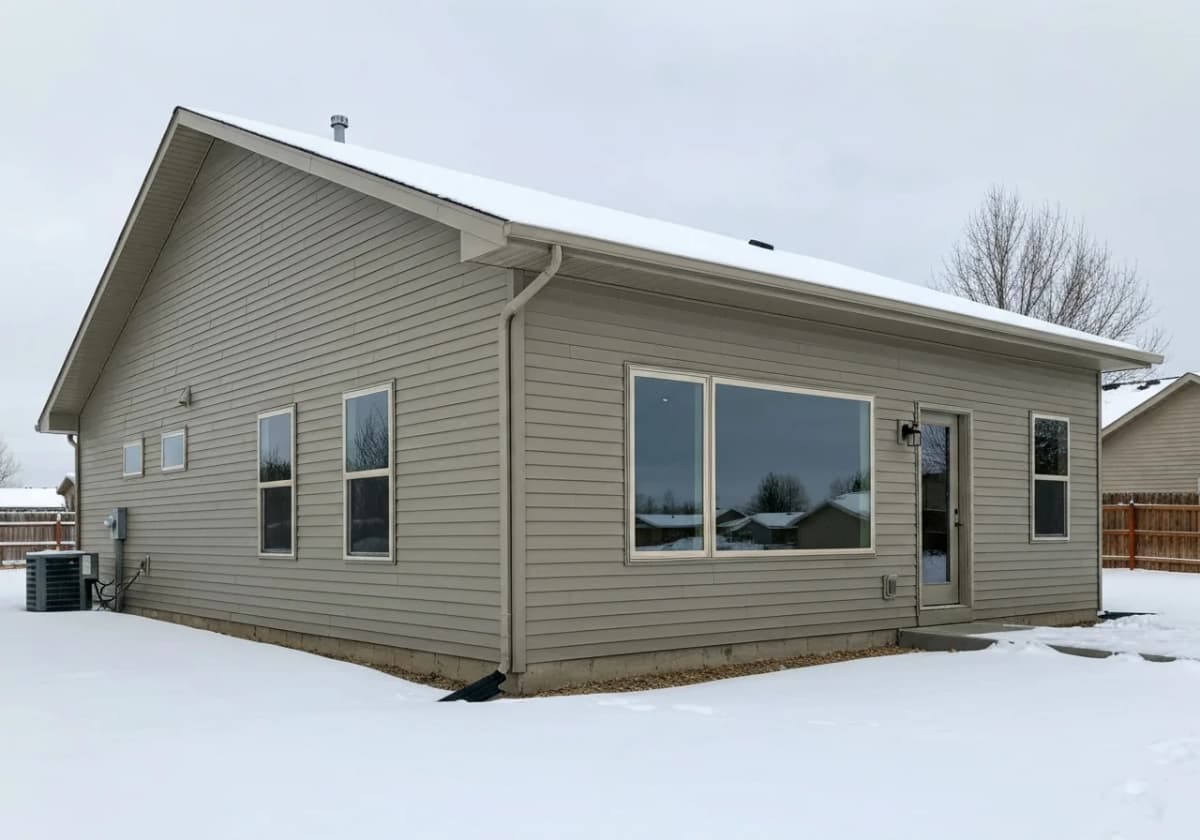
High-desert river valley at ~2,400 ft, IECC Climate Zone 5B: cold winters (≈10°F winter design temperature), intense high-elevation summer UV, dry heat, hard freeze-thaw cycling, and pervasive wind-driven agricultural dust. The City's official adopted criteria classify weathering as 'severe.'
Cold winters / 10°F design temp
Drives envelope and window specification, frost-depth footings, and high demand for radiant floor heat.
Frost depth 24 inches
All footings (deck, addition, ADU) must bear below 24" — or deeper per geotechnical report on variable rural/foothill soils.
Severe weathering & intense UV
Economy siding/paint/decking fail on an accelerated, visible schedule; premium UV- and freeze-rated systems required.
Hard Canyon County water (harder on wells)
Scales glass and fixtures, etches stone; drives coated glass, porcelain, brushed fixtures, and softeners.
Agricultural dust
Pervasive field dust loads tile grout and seams and demands heavier surface prep for paint adhesion.
Boise River floodplain
City maintains adopted FIRM maps (Ord. 531, 4-2-2014); river-/channel-proximate work requires flood-zone verification.
Old Middleton / Historic Core & Mill Site
The original town grid around Main Street and the historic mill site — Canyon County's oldest neighborhood, with pre-1970 farm and town homes on smaller, tighter-setback lots.
Common projects in Old Middleton / Historic Core & Mill Site:
- •Whole-home gut renovations
- •Single-bath-to-two-bath additions
- •Lead-safe interior & exterior repaints
- •Kitchen open-ups with structural beams
Kestrel Estates & Bridgewater Creek
Planned 2010s-and-later production-home subdivisions along the Middleton Road / Hwy 44 growth corridors, generally on city water and sewer, with builder-grade finishes now aging out.
Common projects in Kestrel Estates & Bridgewater Creek:
- •Tub-combo to tiled walk-in conversions
- •Builder-grade kitchen refreshes
- •Fiber-cement re-sides
- •Covered composite decks
Quail Haven, Hidden Mill & Middleton Lakes
Newer growth-wave and amenity/water-feature subdivisions with strict HOA architectural review; some lots near the lower Boise River floodplain.
Common projects in Quail Haven, Hidden Mill & Middleton Lakes:
- •Whole-home coherence remodels
- •Window replacements
- •Flooring updates
- •Primary-suite & family-room additions
Foothill / Sage Canyon Edge & View Ridge
Higher-end foothill and acreage properties toward the Star border with larger lots, views, and private well/septic; finish expectations well above the city median.
Common projects in Foothill / Sage Canyon Edge & View Ridge:
- •Luxury primary-suite & shower builds
- •Detached ADUs
- •Multi-level decks
- •Custom whole-home renovations
Rural Middleton Road Acreage
Agricultural acreage outside the city sewer envelope, predominantly on private well and septic, with the highest dust and wind exposure and the most outdoor-living space.
Common projects in Rural Middleton Road Acreage:
- •Detached ADUs (septic-feasibility-led)
- •Farmhouse whole-home guts
- •Acreage outdoor living structures
- •Well/softener-integrated bath & kitchen remodels
Every Middleton neighborhood has different housing stock, homeowner priorities, and project considerations. Here is what home additions looks like in each area:
Old Middleton / Historic Core
Kestrel Estates & Bridgewater Creek
Quail Haven & Hidden Mill
View Ridge & Foothill / Sage Canyon Edge
Rural Middleton Road Acreage
Permit authority: City of Middleton Building Department (1103 West Main Street, Middleton, ID 83644; (208) 585-3133) for properties inside city limits; Canyon County Building Department for unincorporated properties. Septic for rural/ADU work via Southwest District Health.
Online portal: middleton.id.gov/Departments/Building
- ✓Online permitting via CitizenServe portal (linked from the City Building Department page).
- ✓Adopted codes: International Building Code and International Residential Code (parts I–IV & IX), 2018 editions with Idaho amendments; IECC Climate Zone 5B.
- ✓Official adopted design criteria: ground snow 20 psf / minimum roof snow 25 psf; basic wind 115 mph (ASCE 7-16, Risk Category II); seismic B or C with default Site Class D; frost line 24" or per geotech; winter design temp ~10°F; weathering 'severe.'
- ✓Floodplain regulated via adopted FIRM maps (Ordinance 531, effective 4-2-2014).
- ✓Jurisdiction (City vs. County) must be confirmed at the parcel level — it materially affects ADU zoning, lot-coverage, setback, and parking rules.
- ✓Pre-1980 homes: EPA RRP lead-safe practices and Idaho DEQ asbestos requirements apply before disturbance.
Helpful ID resources
- City of Middleton Building Department (1103 West Main Street, Middleton, ID 83644; (208) 585-3133) for properties inside city limits; Canyon County Building Department for unincorporated properties. Septic for rural/ADU work via Southwest District Health. — permit applications, inspections, and code resources
- Idaho DEQ — Asbestos Program — testing and abatement requirements for pre-1980 homes
- EPA Lead Renovation, Repair and Painting (RRP) Program — required certification for work in pre-1978 homes
- ●Roofline integration — the addition's roof must tie into the existing roof seamlessly to prevent leaks and visual disconnection
- ●Exterior material matching — siding, trim, window style, and paint color must match or intentionally complement the existing home
- ●Interior flow — the hallway, doorway, and room transition from the existing home into the addition should feel natural, not awkward
- ●Foundation matching — the addition's foundation type should match the existing home (crawl space, slab, basement) when possible
- ●Mechanical system capacity — evaluate whether existing HVAC, electrical panel, and plumbing main can support the additional load
- ●Natural light — plan window placement for light quality, views, and energy efficiency; additions on the north side need more interior lighting
Here are the design trends we see most often in Middleton home additions projects:
- →Builder tub-combo to fully tiled walk-in shower conversions
- →Curbless, aging-in-place primary showers (high ownership / long tenure)
- →Electric radiant tile floor heat against the 10°F winter
- →Hard-water-resistant coated frameless glass + whole-house softeners
- →Opening closed farm-era kitchens to living space with engineered beams
- →Fiber-cement re-sides with continuous-insulation upgrades
- →Covered composite outdoor living structures on generous lots
- →Detached ADUs on rural acreage (septic-feasibility-led)
Middleton's home values have risen on sustained, rapid in-migration, and the homeownership rate is high. Because buyers entering the growth market compare resales directly against the new construction still being built in the same subdivisions, dated finishes (and, in older stock, deferred systems) act as active discounts rather than neutral features — making coherent, code-correct remodeling unusually well-rewarded here.
Avoid these common pitfalls Middleton homeowners encounter with home additions projects:
Mistake: Designing a bedroom or bathroom addition without verifying septic capacity
Better approach: On Middleton's many well/septic properties, adding plumbed rooms increases load on a system sized for the original house and can require a new drainfield and a separate health-district permit. Verify septic capacity during design, before finalizing scope, so the cost and timeline are known. Discovering it after the foundation is poured is the single most expensive sequencing failure on a rural Middleton addition.
Mistake: Treating footing depth as a place to save money
Better approach: Middleton's adopted criteria require footings below a 24-inch frost line, deeper where a geotech report on variable rural or foothill soils demands it. Shallow footings allow seasonal heave that cracks the old-to-new connection within a few winters. Engineer and pour to the required depth and reinforcement — the cost difference is small against the cost of a failed connection.
Mistake: Building the addition to a lower thermal standard than the house
Better approach: An addition under-insulated relative to Middleton's 10°F design winter and 5B climate becomes the cold room nobody uses, with condensation at the tie-in. Build to current 5B envelope standards and detail the connection for continuous air and thermal control so the addition performs as part of the home, not as an appendage.
Mistake: Skipping the structural evaluation on a second-story or older-home addition
Better approach: Adding above or onto a 60-year-old Middleton home without confirming the existing foundation and framing can carry the new load risks structural failure and a stalled, dangerous project. A structural evaluation — and reinforcement where needed — comes before design, not after framing begins.
Mistake: Ignoring HOA architectural review in subdivision additions
Better approach: In Kestrel Estates, Bridgewater Creek, and similar planned communities, additions are exterior changes that HOA architectural review typically governs. Submitting after design is complete risks rework and delay. We confirm requirements and prepare the HOA submittal as part of project planning so approval is in hand before construction starts.
Most popular remodeling projects in Middleton
- ✓Primary-bath & shower walk-in conversions in subdivision homes
- ✓Whole-home gut renovations of pre-1970 farm/core homes
- ✓Primary-suite & second-bath additions onto single-bath homes
- ✓Detached & garage-conversion ADUs
- ✓Kitchen rebuilds (subdivision refresh & core open-up)
- ✓Fiber-cement siding replacement with envelope upgrade
- ✓5B-spec window replacement
- ✓Covered decks & acreage outdoor living structures

See Your Remodel Before You Build.
Upload a few photos of your kitchen, bathroom, flooring, or exterior and get AI-generated concept visuals tailored to your space, style, and materials — free, no obligation, in about five minutes. Then request a real estimate from our Idaho registered Boise team.
Free concept preview · No credit card · Licensed Idaho contractor
My older Middleton home is on a septic system — can I still add a bathroom?
Often yes, but septic capacity is the first thing we evaluate, not the last. Adding a bedroom or bathroom increases the design load on a system that was sized for the original house, and it may require a septic upgrade or a new drainfield permitted through Southwest District Health and Canyon County. We assess this during design, before finalizing scope, so the cost and timeline of any septic work are known up front rather than discovered after the foundation is poured. This is the single most important planning step on a rural or historic-core Middleton addition.
Do I permit a Middleton addition through the city or the county?
It depends on whether your property is inside Middleton city limits or in the unincorporated county. In-city additions go through the City of Middleton Building Department (1103 West Main Street; (208) 585-3133) via its CitizenServe portal; properties outside city limits go through Canyon County. Either way an addition requires a building permit with engineered plans plus the applicable trade permits, and inspections at footing, foundation, framing, rough-in, insulation, and final. We confirm jurisdiction at your address and manage the full permitting process.
How deep do the addition's footings have to be in Middleton?
The City of Middleton's adopted design criteria require foundations to bear below a 24-inch frost line, or deeper if a project geotechnical report calls for it. On Middleton's rural and foothill properties with variable or expansive soils, a geotech report commonly drives footing depth, width, and reinforcement beyond the default minimum. Footings that do not reach below the frost line allow seasonal heave that cracks the addition's connection to the house — it is not a place to economize, and it is engineered and inspected accordingly.
Why does my addition need to be insulated better than my existing house?
Because Middleton's winters are genuinely cold — a roughly 10°F design temperature in IECC Climate Zone 5B — and an addition that does not at least match the existing envelope becomes the cold, uncomfortable room nobody uses, with condensation problems at the old-to-new connection. We build the addition to the current 5B energy standard and detail the tie-in for continuous air and thermal control, which is the difference between an addition that feels like part of the house and one that feels bolted on.
Can I build up instead of out on my smaller Middleton lot?
Yes, where the lot or setbacks make a ground-footprint addition impractical — common on tighter historic-core lots. A second-story or bump-up addition requires a structural evaluation of the existing foundation and framing to confirm (or reinforce) their capacity to carry the new load, plus a phased schedule and weather protection to keep the home livable during construction. It is the most engineering-intensive addition type, and the structural assessment up front is what makes it safe and predictable.
Will an addition pay back in Middleton's market?
We will not publish a payback percentage, because we do not have one to publish: Iron Crest holds no MLS access and no transaction-level appraisal data isolating an addition from a Middleton sale, and any figure here would be a guess in the costume of a finding. What we can say is narrower and still useful. A single-bath farmhouse is competing against two-bath homes and a subdivision home without a family room is competing against homes that have one — those are conditions a buyer prices in, and an addition removes them. For what removing them is worth on your street, ask an agent or an appraiser working current Middleton comparables. We also size the program to the home rather than past it, because over-building relative to the block is the one outcome nobody recovers from.
How do I know if a home addition is worth it?
That depends on available lot space, budget, current home layout, and whether the extra square footage solves a long-term need. In the Treasure Valley's housing market, adding square footage to a well-located home is often more cost-effective than buying a larger home — especially when you factor in moving costs, higher property taxes, and the appreciation of your current location.
How much does a home addition cost per square foot in Idaho?
Home additions in the Boise area typically cost $200-350 per square foot, depending on foundation type, structural complexity, finish level, and whether the addition includes plumbing (bathroom) or specialized systems. A simple room addition is on the lower end; a primary suite with full bathroom is on the higher end.
Do home additions require permits?
Yes. All home additions require building permits, plan review, and multiple inspections — foundation, framing, mechanical, electrical, plumbing, insulation, and final. We handle the entire permitting process.
How long does a home addition take to build?
A typical home addition takes 3 to 6 months from start of construction to completion. Including design, engineering, and permitting, the total project timeline is 5 to 9 months. Weather, permit timelines, and material availability all affect the schedule.
Will the addition match my existing home?
Yes. We carefully match rooflines, siding, windows, trim profiles, and interior finishes so the addition looks like it was always part of the house. This is one of the most important aspects of addition design.
Can I add a second story to my single-story home?
It is possible, but requires a structural evaluation of the existing foundation and framing to confirm they can support the additional load. Second-story additions are more complex and costly than ground-level additions but preserve outdoor space.

Talk to a real project manager
Have Questions? Call Now for a Free In-Home Consultation.
Mon–Fri 7 AM–6 PM · Idaho registered & insured · No obligation
Russ S. — Project Manager
Russ S. — Project Manager
Start your home additions in Middleton
Get a free, no-obligation estimate for home additions in Middleton, ID. We handle design, permits, and every detail of construction.
Get Your Free Estimate