
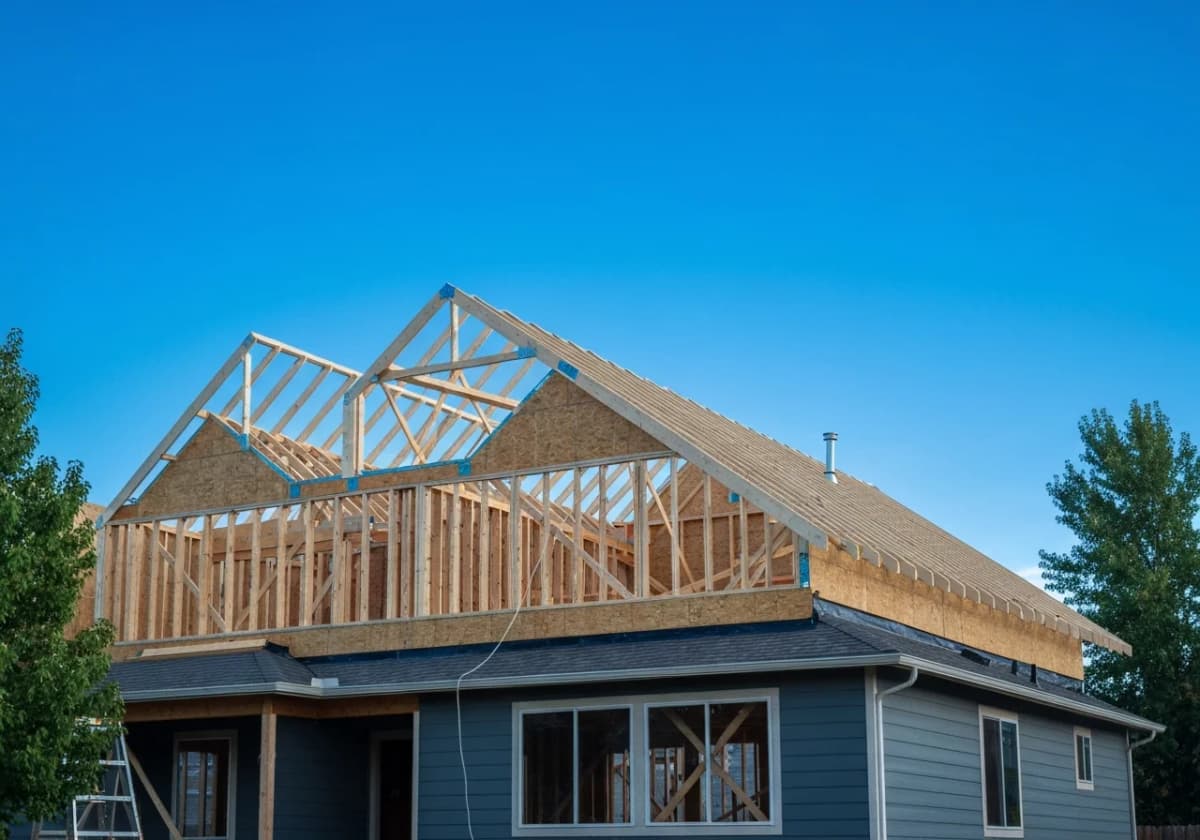
Home Additions in New Plymouth, ID
Whether you need an extra bedroom, a primary suite, a home office, or expanded living space — we handle design, engineering, permitting, and construction.
Quick answer
Iron Crest Remodeling Group LLC provides home additions in New Plymouth, ID. Most New Plymouth home additions cost $45,000 – $450,000. New Plymouth addition costs are governed less by local labor rates — which track Treasure Valley norms — than by foundation requirements, tie-in complexity to older homes, and utility infrastructure.
Home additions in New Plymouth, Idaho take place on a land pattern unlike anywhere else in the Treasure Valley. The town was platted in 1896 as an irrigation colony — the Plymouth Society of Chicago and William E. Smythe laying out a horseshoe of two streets around a mile-long Boulevard park, with the original colony lots sized as generous acre tracts intended to carry a house, a garden, and pasture. That history means many New Plymouth properties, both inside the horseshoe and on the surrounding agricultural acreage, have something most Treasure Valley suburban lots do not: room to grow outward. The homes themselves, though — colony-era farmhouses, a thick mid-century ranch layer, and a modest newer-build minority — were built small and now need more space for multi-generational living, working from home, and aging in place. Iron Crest Remodel (Iron Crest Remodeling Group LLC, Idaho RCE-6681702) approaches New Plymouth additions with attention to what makes them different here: foundations engineered to a 24-inch frost depth and Payette County's 30 psf ground snow load, tie-ins to century-old framing and undersized electrical service, the well-and-septic reality on the agricultural fringe versus municipal service in town, and the Fruitland-contracted permit pathway that is unique among valley cities. With a 2020 Census population of 1,494, this is a community where additions are built to last for generations because the homes usually stay in the family.
Expand your home with a well-planned addition designed around flow, structure, and long-term livability.
A home addition is one of the most significant and valuable improvements you can make to your property. Unlike a remodel that works within existing walls, an addition expands the building footprint — which means foundation work, structural engineering, roofline integration, exterior finish matching, and careful connection to existing mechanical systems. The most common additions in the Treasure Valley include primary suite additions (bedroom + bathroom + closet), family room or great room additions, second-story additions over existing structures, bump-out additions for kitchens or dining rooms, and sunroom or four-season room additions. Every addition project requires careful planning around your existing home's foundation type, roof structure, siding material, and HVAC capacity. A well-designed addition looks like it was always part of the house — matching rooflines, siding profiles, window styles, and interior finishes so there is no visible seam between old and new.
New Plymouth homeowners pursue home additions for a variety of reasons. Here are the most common situations we see:
- ✓Growing families who have outgrown their current floor plan but love their neighborhood and lot
- ✓Homeowners who need a primary suite addition — separate bedroom, walk-in closet, and bathroom
- ✓Remote workers who need a dedicated home office with separation from living spaces
- ✓Homeowners caring for aging parents who need an in-law suite or ground-floor bedroom addition
- ✓Anyone who would rather add square footage than sell and move in the current housing market
Not every home additions project is the same. Here are the most common project types we complete in New Plymouth:
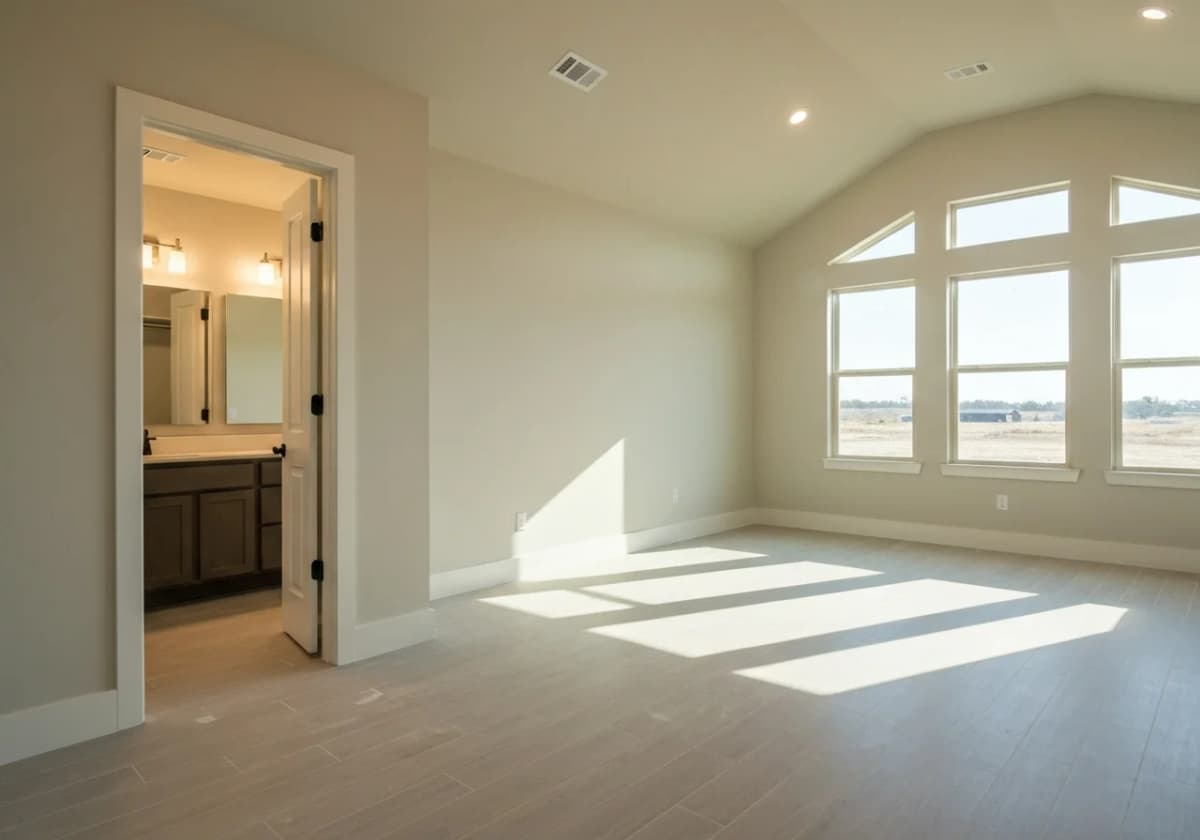
Primary Suite Addition
Add a new primary bedroom, walk-in closet, and private bathroom. This is the most popular addition type and typically adds 400-700 square feet to the home.
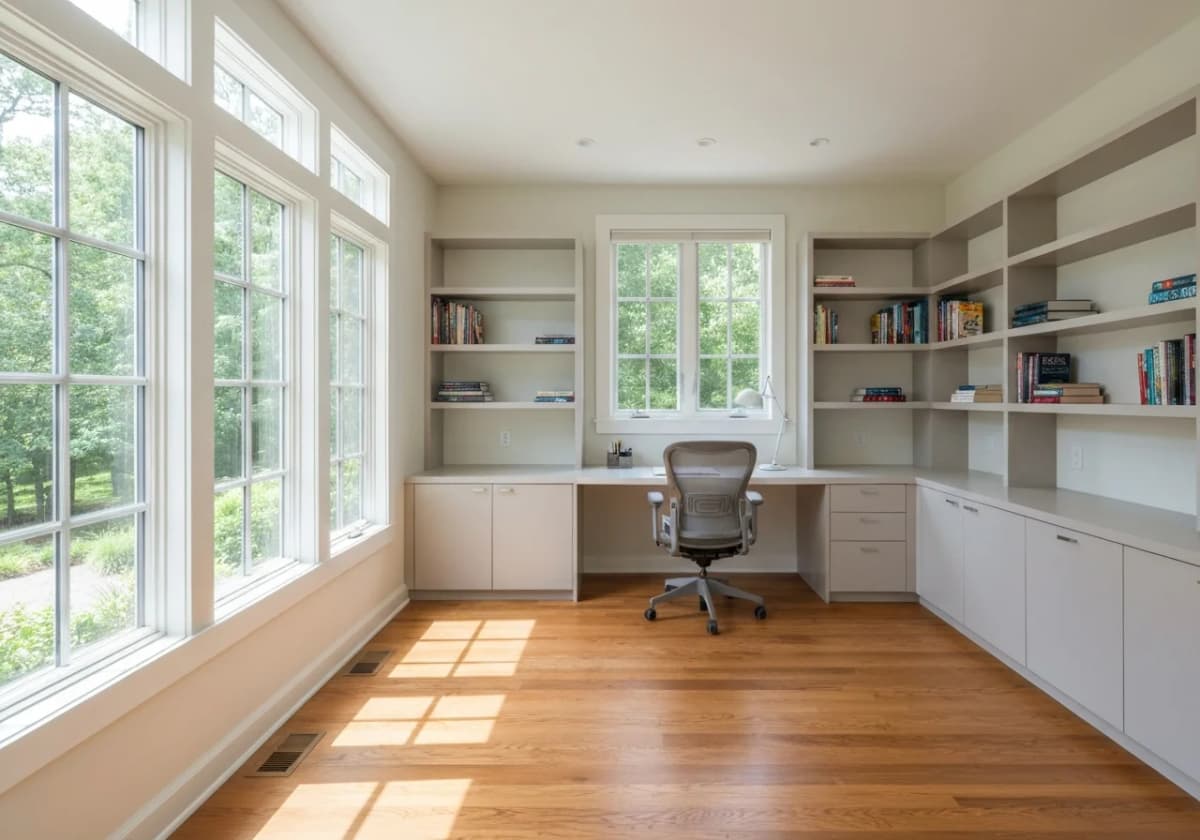
Room Addition (Bedroom, Office, Family Room)
Add a single room or open living space to the home. Room additions range from 150-500 square feet and can be configured as a bedroom, office, playroom, or flex space.
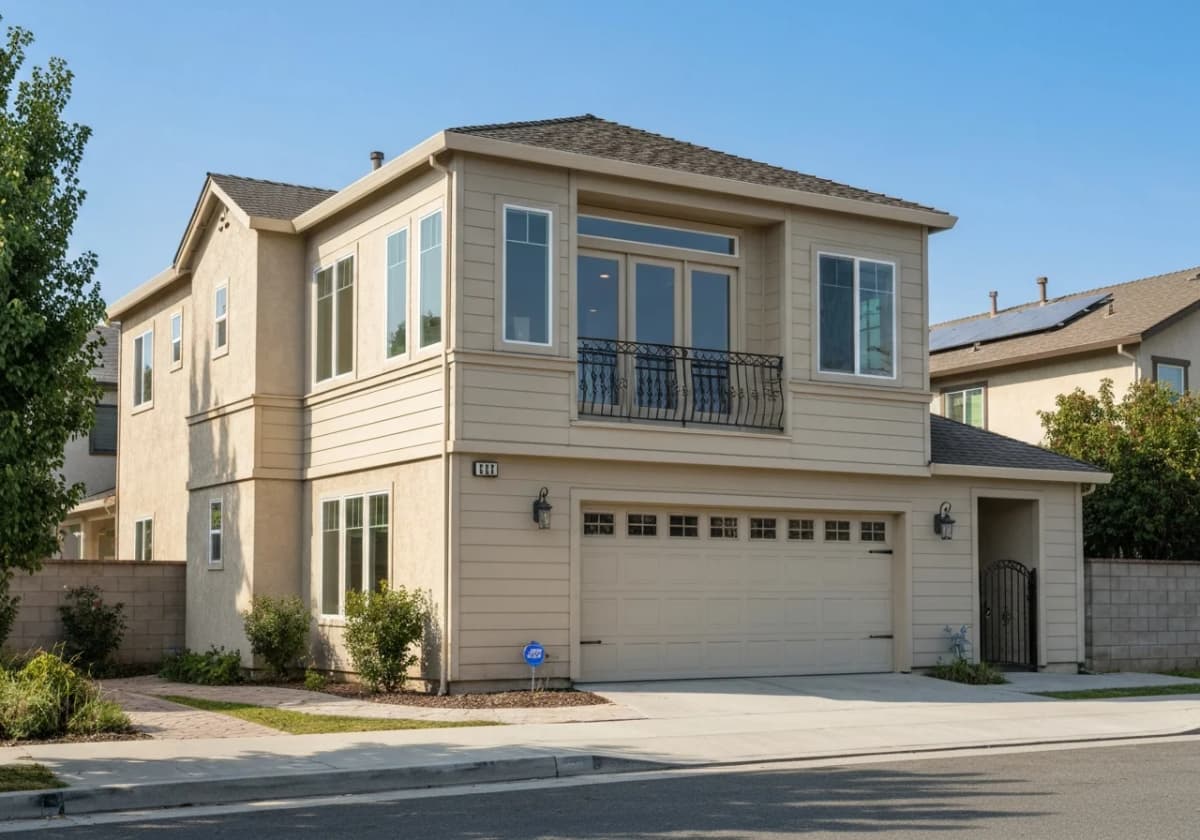
Second-Story Addition
Build up instead of out by adding a second floor over an existing single-story structure. Requires structural evaluation of the existing foundation and framing to ensure they can support the additional load.
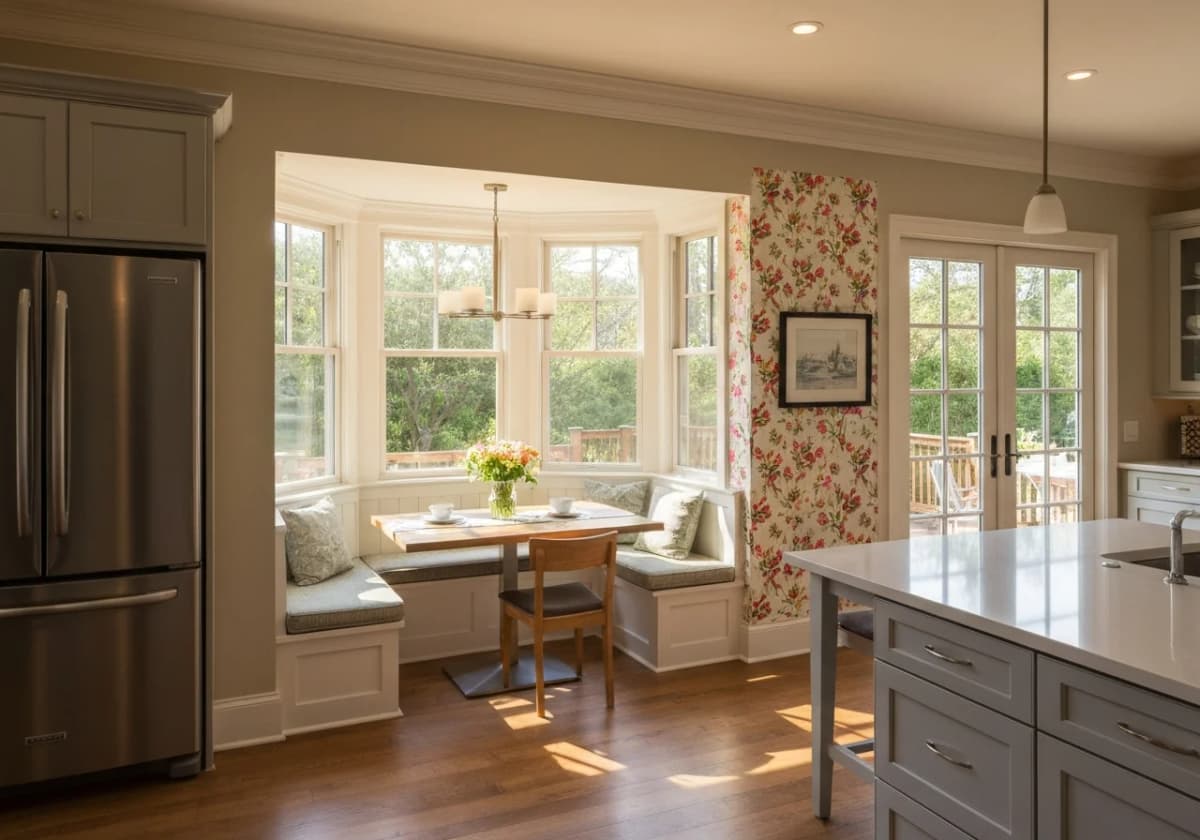
Kitchen or Dining Bump-Out
Extend an exterior wall by 4-12 feet to create more kitchen counter space, a breakfast nook, or a larger dining area. A bump-out is less complex than a full addition and can transform a cramped kitchen.
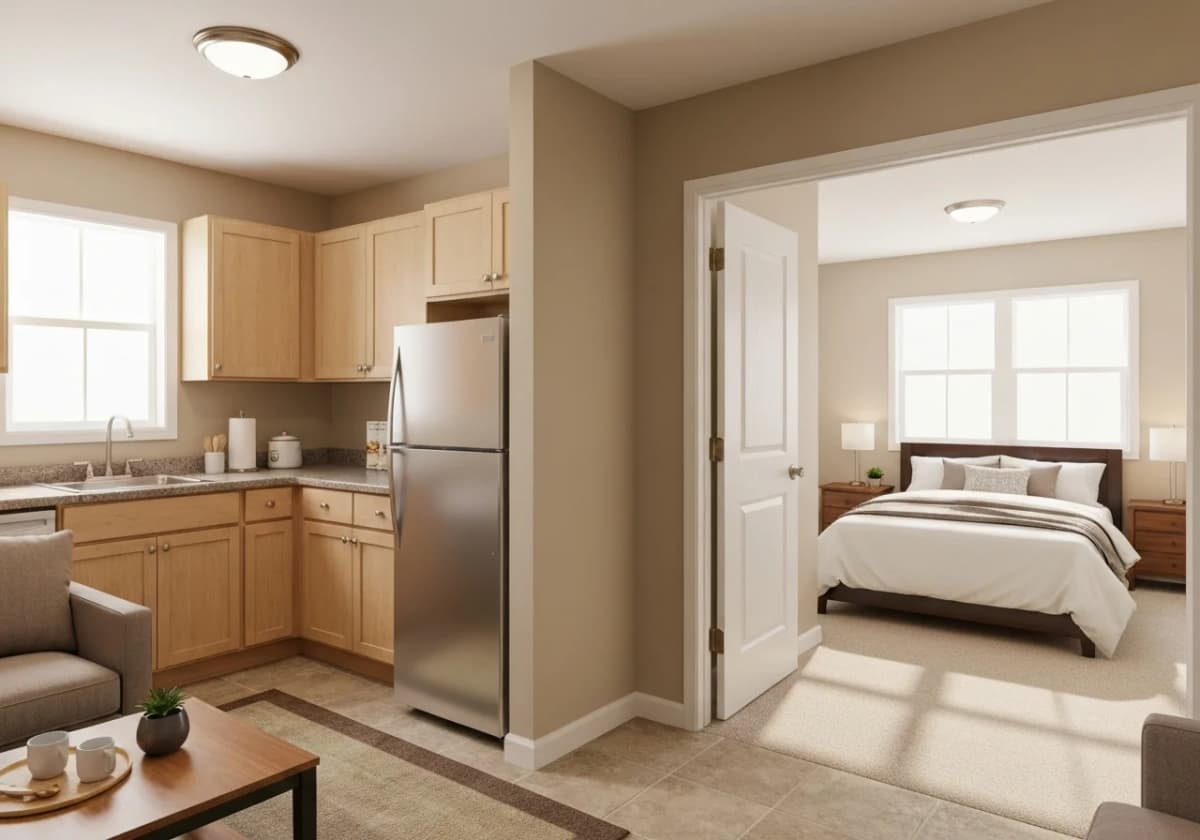
In-Law Suite or Multigenerational Addition
A semi-independent living space with a bedroom, bathroom, kitchenette, and separate entrance designed for aging parents or adult family members. May include accessibility features.
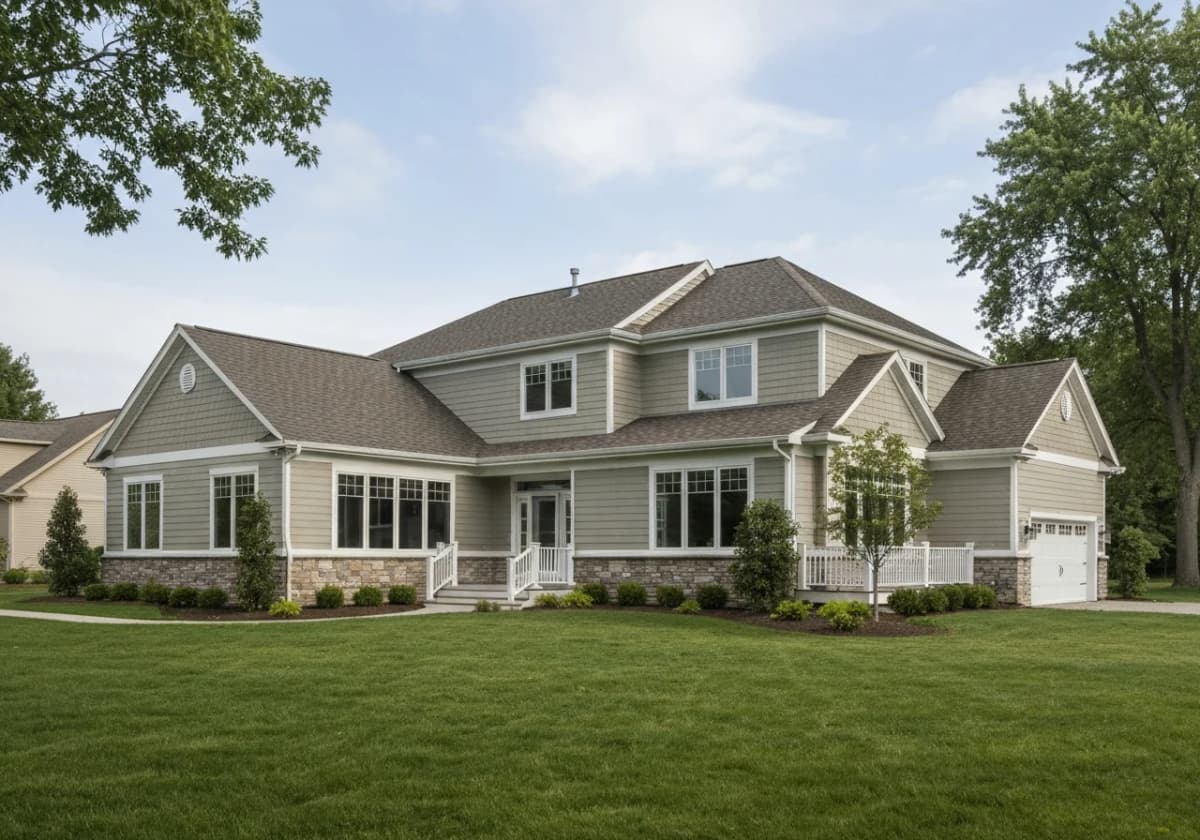
New Plymouth's housing is older and more layered than the suburban Treasure Valley: a 1896 colony-era and pre-1940 farmhouse core, a deep 1950s–1970s ranch layer, and a modest post-2000 subdivision minority. Most homes sit over vented crawlspaces.
1896–1940 (Colony era)
Original colony and early-twentieth-century farmhouses around The Boulevard. Plaster-and-lath interiors, original wood siding and single-pane sash, galvanized supply lines, undersized electrical service, and crawlspace subfloors. Pre-1978 lead-paint and pre-1980 asbestos handling required.
1950s–1970s (Mid-century)
Ranches and ramblers built as irrigated agriculture matured. Sound framing, aging copper plumbing, marginal panels, single-pane or early aluminum windows, thin insulation, and closed floor plans. Pre-1978/1980 environmental rules still apply.
2000–present (Subdivisions)
Post-2000 builds such as Harvest Creek. Modern PEX plumbing, adequate electrical, and builder-grade finishes on tighter lots. No environmental-testing requirements.
Common issues in New Plymouth homes
- •Undersized electrical service and too few circuits in older homes
- •Galvanized supply lines corroded to minimal flow
- •Crawlspace subfloor and joist rot from concealed leaks
- •Original single-pane windows and minimal insulation
- •Asbestos in pre-1980 flooring/mastic; lead paint in pre-1978 homes
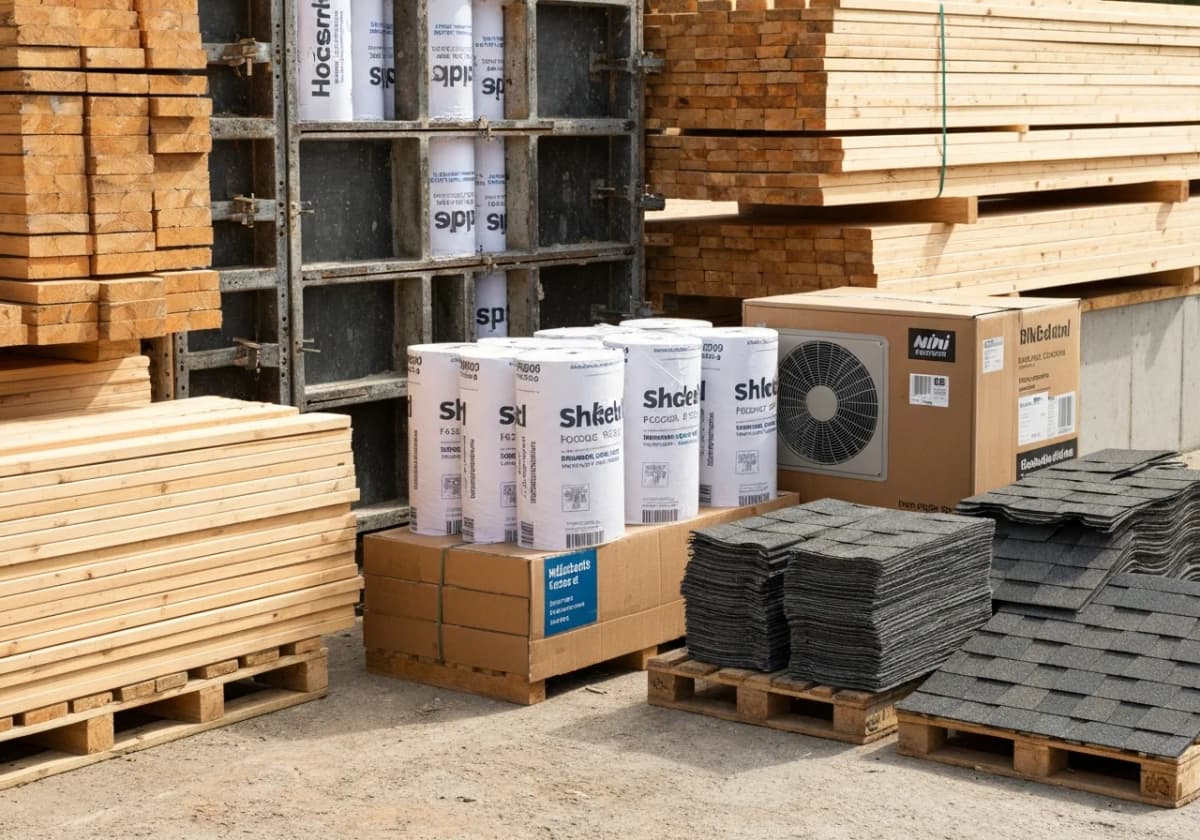
Material selection affects the look, durability, and cost of your home additions. Here are the most popular options we install in New Plymouth:
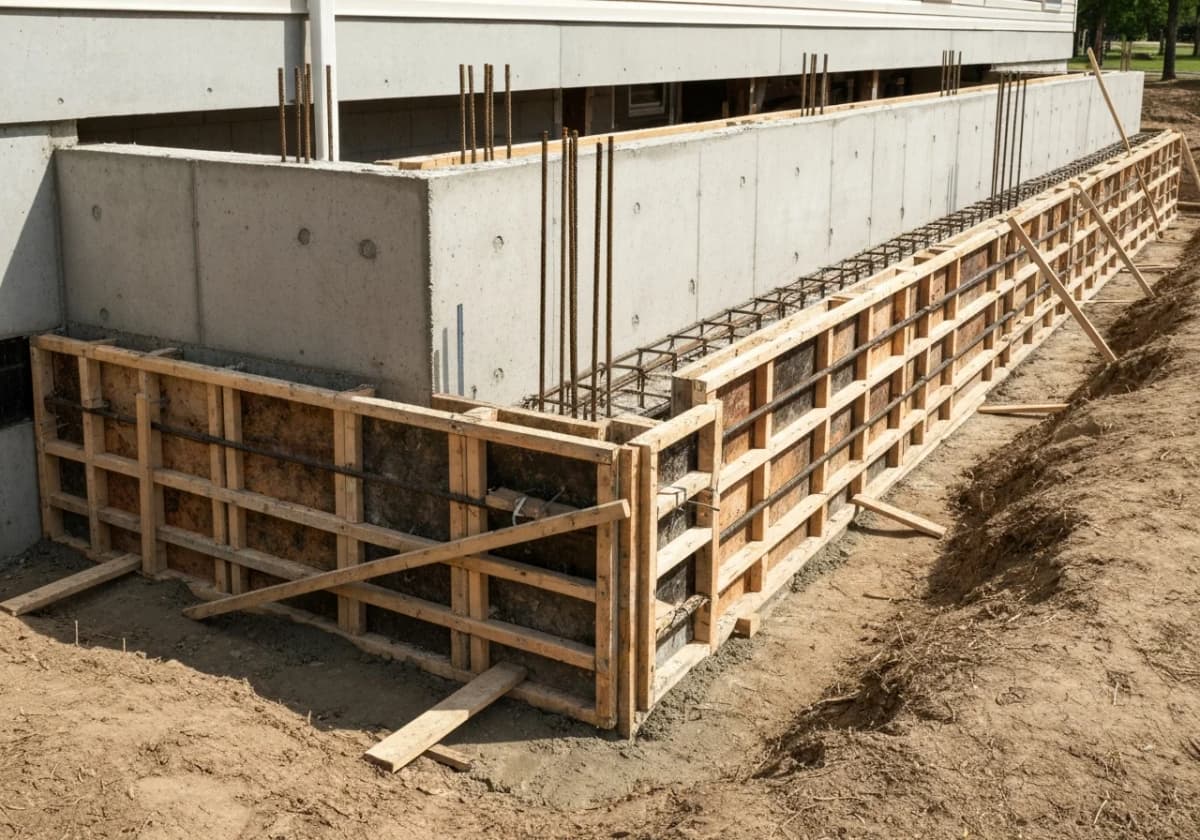
Concrete Foundation (Stem Wall or Slab)
$8,000–$25,000 depending on sizeMost Idaho home additions use a concrete stem wall foundation with a crawl space, matching the existing home's foundation type. Slab-on-grade is used in some applications. The foundation must be engineered to match soil conditions and frost depth requirements.
Best for: All home additions in Idaho
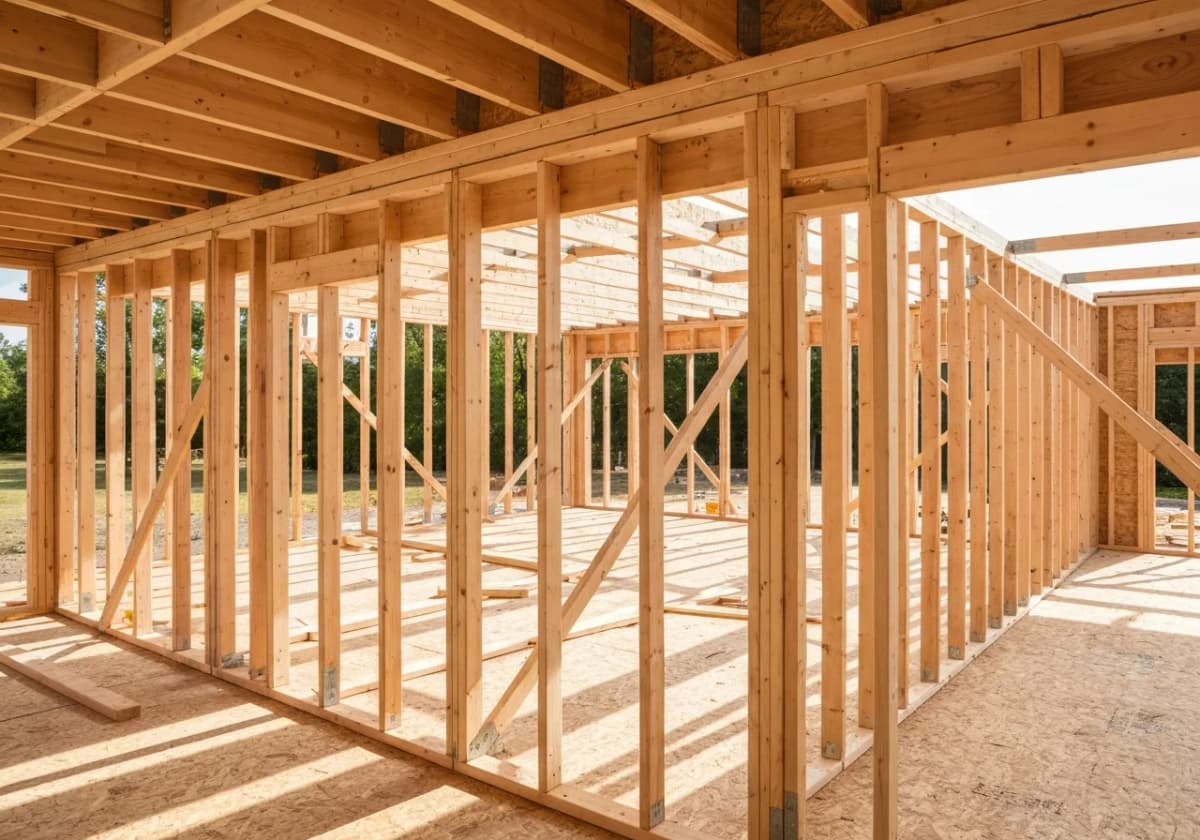
Dimensional Lumber Framing
$15–$25 per sq ft framedStandard 2x4 or 2x6 wood framing for walls, with engineered trusses or rafters for the roof. The framing system must integrate with the existing home's structure at the connection point.
Best for: Standard room additions and second stories
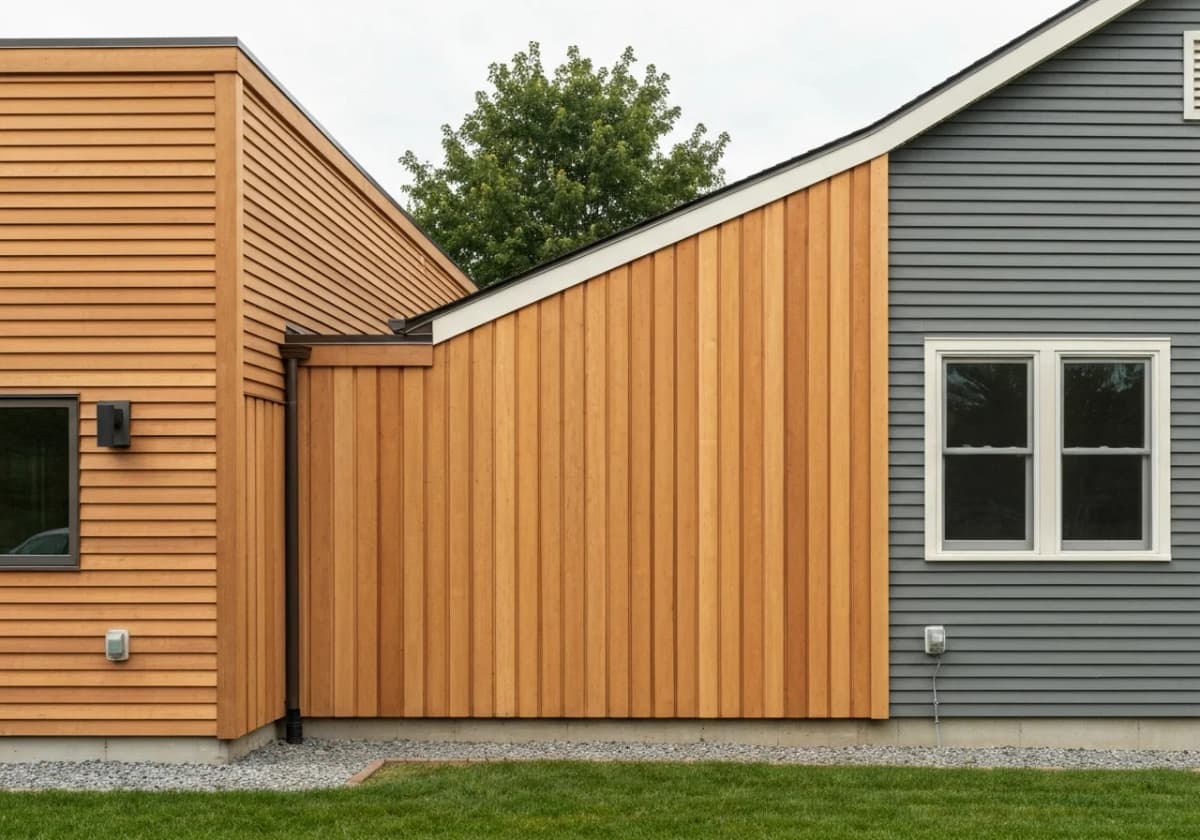
Matching Exterior Siding
$5–$15 per sq ft installedThe addition's exterior must match the existing home. This may involve ordering the same siding profile, doing a partial re-side to blend old and new, or selecting a complementary material for a planned contrast.
Best for: Seamless visual integration
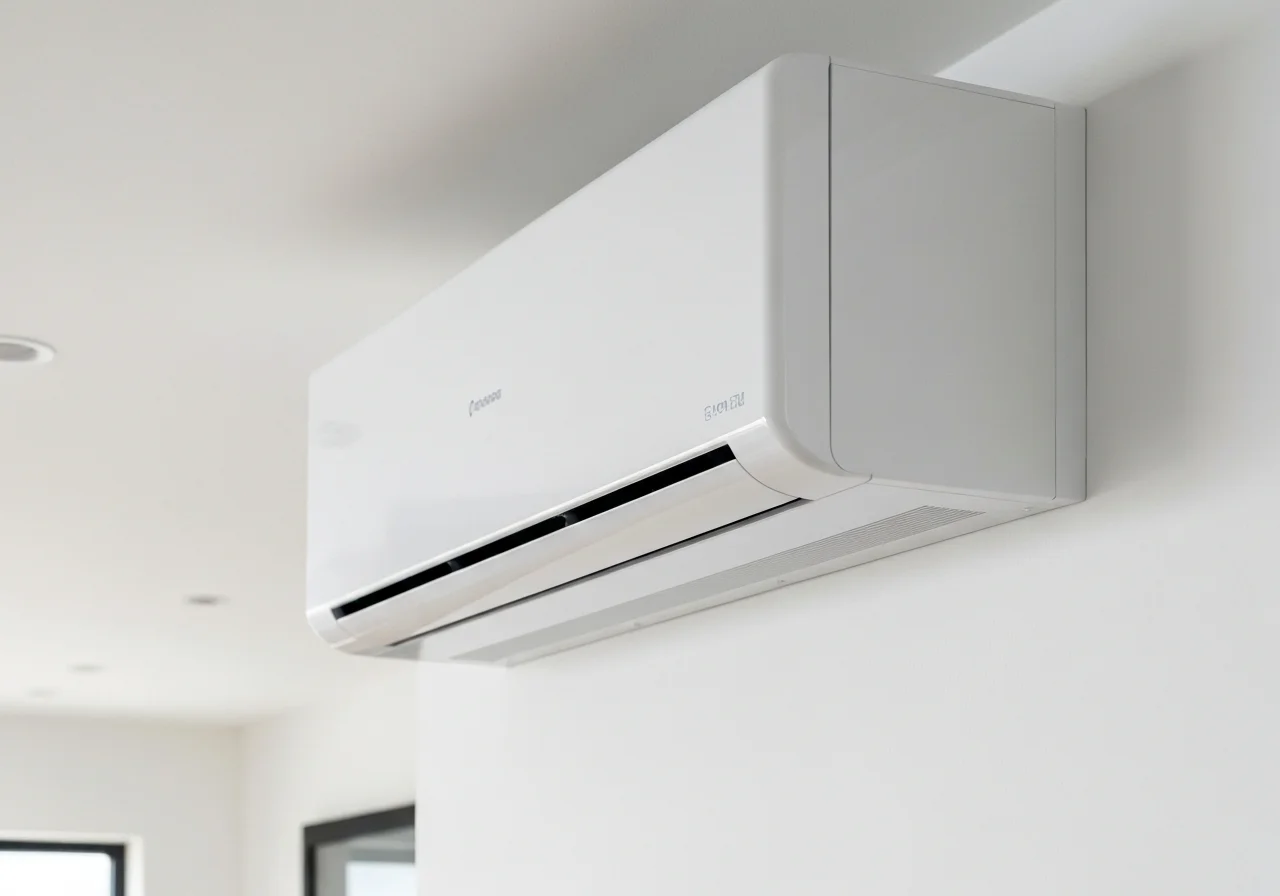
Mini-Split HVAC System
$3,000–$6,000 per zone installedA ductless mini-split system is often the most practical way to heat and cool an addition without extending the existing HVAC system. Mini-splits are efficient, quiet, and provide independent temperature control for the new space.
Best for: Additions where extending existing ductwork is impractical
Engineered Hardwood or LVP Flooring
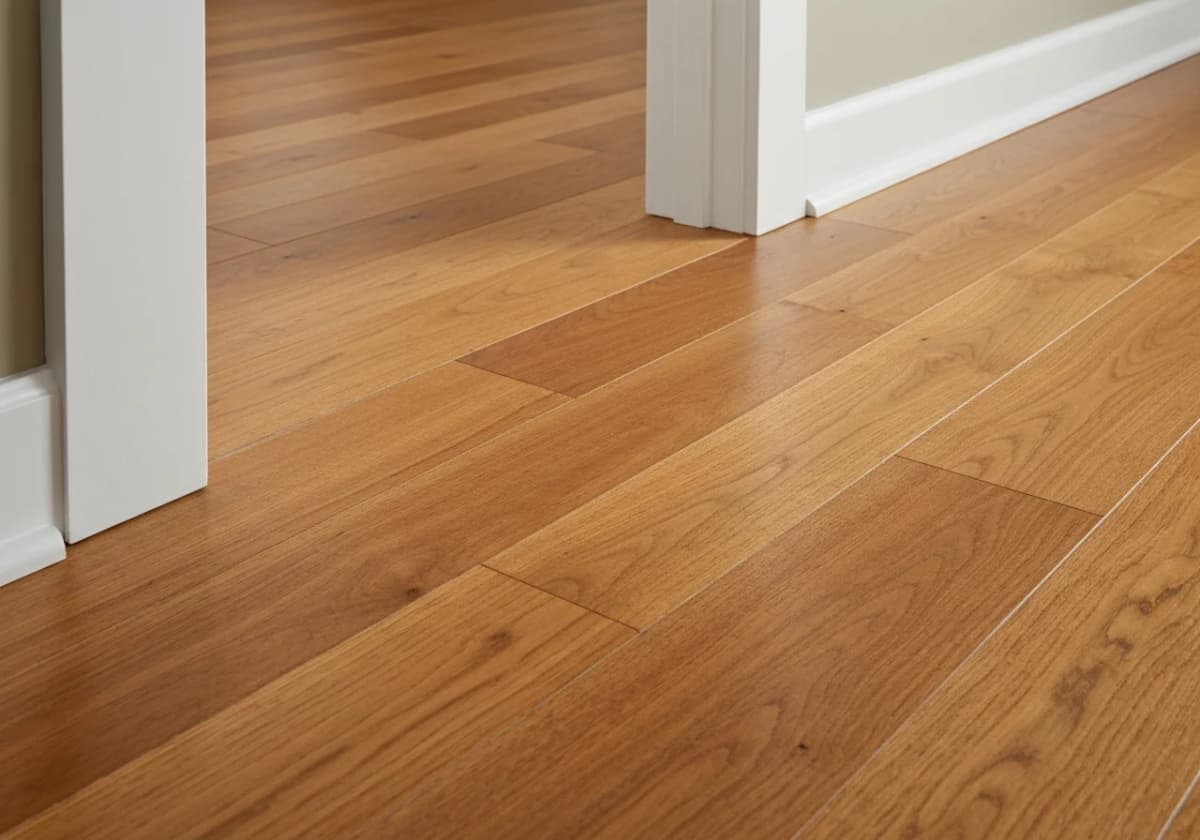
$5–$15 per sq ft installedFlooring in the addition should match or complement existing home flooring. Engineered hardwood can match existing real hardwood. LVP is durable, waterproof, and available in realistic wood looks.
Best for: Matching existing home flooring
Here is how a typical home additions project works from first contact to final walkthrough:
Feasibility Assessment and Site Evaluation
We evaluate your lot size, setback requirements, existing foundation type, roof structure, utility connections, and zoning restrictions to determine what type and size of addition is possible on your property.
Architectural Design and Engineering
We create detailed architectural plans including floor plans, elevations, structural engineering, roofline integration, and mechanical system connections. Plans must meet local building codes and zoning requirements.
Permitting and Plan Review
Home additions require building permits, plan review, and multiple inspections. We submit plans to the local building department, respond to any review comments, and manage the approval process.
Foundation and Framing
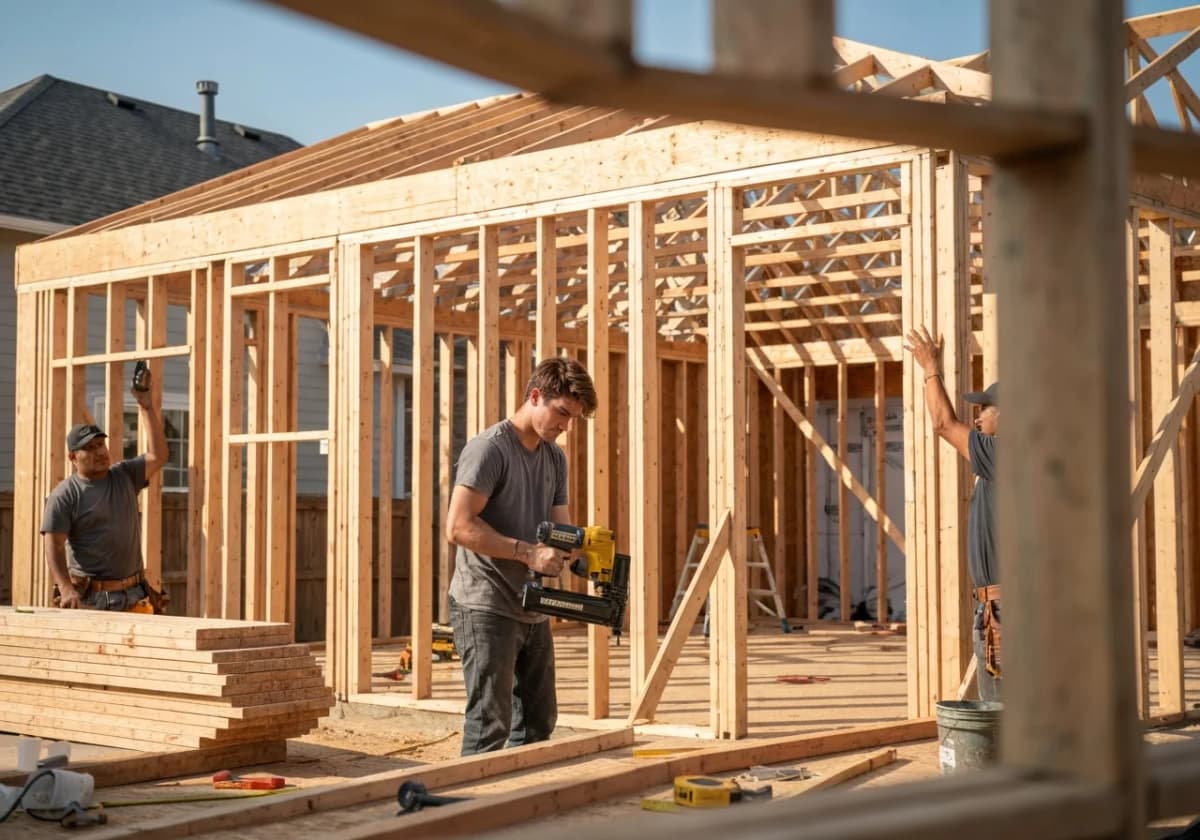
Excavation and foundation work (typically concrete stem wall or slab-on-grade in Idaho) is completed first. Once the foundation is inspected, framing begins — walls, roof structure, and connection to the existing home.
Mechanical, Electrical, and Plumbing (MEP)
HVAC ductwork or mini-split installation, electrical wiring, plumbing rough-in (if the addition includes a bathroom or kitchenette), and insulation are completed before drywall.
Exterior Finish and Roofing
Roofing, siding, windows, and exterior trim are installed and integrated with the existing home's exterior. We match materials, colors, and profiles so the addition looks seamless.
Interior Finish and Final Details
Drywall, paint, flooring, trim, doors, fixtures, and all interior finish work is completed. The connection point between old and new is finished to be invisible. Final inspections are passed and a walkthrough is conducted.
Here is what to expect for project duration when planning home additions in New Plymouth:
| Phase | Duration | Details |
|---|---|---|
| Design and Engineering | 4–8 weeks | Architectural design, structural engineering, and plan preparation. This phase is longer than a remodel because additions require engineered plans. |
| Permitting and Plan Review | 2–6 weeks | Building department plan review, permit issuance, and any revisions. More complex additions may require multiple review cycles. |
| Foundation | 1–3 weeks | Excavation, forming, concrete pour, and curing. Weather conditions in Idaho can affect foundation scheduling, especially in winter months. |
| Framing and Roofing | 2–4 weeks | Wall framing, roof structure, windows, and exterior sheathing. The addition begins to take shape during this phase. |
| Mechanical, Electrical, Plumbing, and Insulation | 2–3 weeks | All mechanical rough-in, insulation, and inspection. This must be complete before drywall begins. |
| Interior and Exterior Finish | 3–6 weeks | Drywall, paint, flooring, trim, siding, fixtures, and final details. The connection between old and new is completed during this phase. |
New Plymouth range: $45,000–$90,000 – $220,000–$450,000
Most New Plymouth projects: $110,000–$240,000
New Plymouth addition costs are governed less by local labor rates — which track Treasure Valley norms — than by foundation requirements, tie-in complexity to older homes, and utility infrastructure. The low range covers a modest single-room bump-out on a newer subdivision home with simple structural tie-in and existing adequate utilities. The high range covers large primary-suite wings or two-story additions on larger farm properties with custom finishes, full mechanical and electrical extension, and significant structural integration. The average band reflects a typical New Plymouth addition: a 300–700 square foot single-story addition — bedroom and bath suite, expanded living space, or in-law quarters — with a new code-compliant foundation, framing tied into existing structure, HVAC and electrical extension, and finishes matching the home. Three local cost drivers stand out. First, frost-protected foundations to Payette County's 24-inch frost depth and snow-load engineering add cost over warmer-climate construction. Second, tying new framing and systems into colony-era or mid-century homes with undersized electrical service routinely triggers a panel upgrade and structural reinforcement. Third, properties on the agricultural fringe served by private septic may require septic-capacity evaluation or expansion when bedrooms are added — a significant and frequently overlooked line item.
The final cost of home additions in New Plymouth depends on several factors. Here are the biggest cost drivers:
Size of the Addition (Square Footage)
high impactHome additions in Idaho typically cost $200-350 per square foot depending on complexity and finish level. Our 400 sq ft primary suite addition in Eagle ran $80,000-$100,000.
Foundation Work
high impactThe type and complexity of foundation work depends on soil conditions, existing foundation type, and addition size. Rocky soil or high water table conditions increase excavation costs.
Structural Complexity and Roofline Integration
high impactTying a new roofline into an existing roof is one of the most critical and costly aspects. Complex rooflines, multiple valleys, and hip-to-gable transitions require skilled framing.
Plumbing and HVAC Requirements
medium impactAdditions with bathrooms require new plumbing lines. HVAC may require ductwork extension, a new zone, or a mini-split system. These mechanical systems add $5,000-15,000 to the budget.
Interior Finish Level
medium impactBuilder-grade finishes vs. premium finishes (hardwood floors, custom trim, tile, quartz counters in a bathroom) can swing interior finish costs by $20-50+ per square foot.
Permit and Engineering Fees
medium impactHome additions require architectural plans, structural engineering, and building permits. Plan preparation and engineering typically cost $3,000-8,000. Permits add $500-2,000+.
These are the real-world projects we see most often from New Plymouth homeowners:
Primary Suite Addition to a Colony-Era Boulevard Farmhouse
A defining New Plymouth addition: a pre-1940 farmhouse near The Boulevard with two or three small bedrooms and a single bathroom, where the family needs a real primary suite. Scope is a new frost-protected foundation to Payette County criteria, framing tied into century-old structure (which requires careful structural assessment of the existing home), a primary bedroom with an ensuite bath and walk-in closet, HVAC extension or a dedicated zone, an electrical service upgrade (colony-era panels rarely have capacity for an added wing), and exterior finishes that respect the farmhouse vocabulary so the addition reads as original rather than bolted-on. Lead-safe practices apply where the addition ties into pre-1978 painted structure.
In-Law / Multi-Generational Suite on Farm Acreage
Common in New Plymouth's farm and ranch families: a self-contained suite for aging parents or extended family working the land — bedroom, bathroom, sitting area, often a kitchenette, with accessible single-level design and a private entrance. On rural acreage this is physically straightforward given the land available, but it requires septic-capacity evaluation (an added bedroom and kitchenette increases load on a private system), well-capacity consideration, and Payette County permitting since these parcels are typically outside city limits. Accessible design — zero-step entry, wider doorways, blocking-backed grab bar support — is standard for the aging-parent use case.
Family-Room or Great-Room Expansion on a Mid-Century Ranch
New Plymouth's 1950s–1970s ranches frequently have undersized, compartmentalized living space. A family-room or great-room addition off the rear, tied into the existing structure and often combined with opening the kitchen to the new space, transforms how the home functions for a growing or multi-generational household. Scope includes foundation, structural tie-in (the existing exterior wall becomes interior, requiring beam support where it was bearing), HVAC and electrical extension, large windows oriented to capture the valley light and rural views, and unified flooring across old and new.
Home Office / Farm-Business Addition
Agricultural and remote work drives demand for a dedicated office or farm-business space — a quiet, separately accessible room with adequate dedicated circuits, good daylight, and sometimes a separate entrance for clients or farm operations. On larger New Plymouth properties this can be a detached-feel wing or a bump-out off the main living area. Scope is modest relative to a suite but still requires foundation, structural tie-in, and electrical capacity that older homes frequently lack.
Second-Story or Bedroom-Wing Addition for a Growing Family
When a New Plymouth family needs multiple additional bedrooms and the lot or layout favors building up, a second-story or substantial bedroom-wing addition is the answer. This is the most structurally demanding scenario — the existing foundation and framing must be evaluated to carry new loads, which in colony-era and mid-century homes often requires reinforcement, and snow-load engineering to Payette County's 30 psf criteria governs the new roof structure. Significant electrical, HVAC, and sometimes plumbing-riser work is involved.

Problem: Not enough bedrooms for a growing family
Solution: We design bedroom additions that integrate with the existing floor plan, adding space without disrupting current room flow or outdoor living areas.
Problem: No primary suite — just a standard bedroom with a hall bath
Solution: We add a primary suite wing with a private bathroom, walk-in closet, and direct access. This is the most requested addition type in the Treasure Valley.
Problem: Need a home office but no room to create one
Solution: A dedicated office addition provides separation from household activity, proper lighting, electrical for equipment, and the quiet workspace remote professionals need.
Problem: Aging parents need ground-floor living space
Solution: We design in-law suites with bedroom, bathroom, kitchenette, and potentially a separate entrance for independence and privacy.
Problem: Cramped kitchen or living area with no room to expand
Solution: A bump-out addition of 4-12 feet can transform a cramped kitchen or living room, adding counter space, a dining nook, or a seating area.
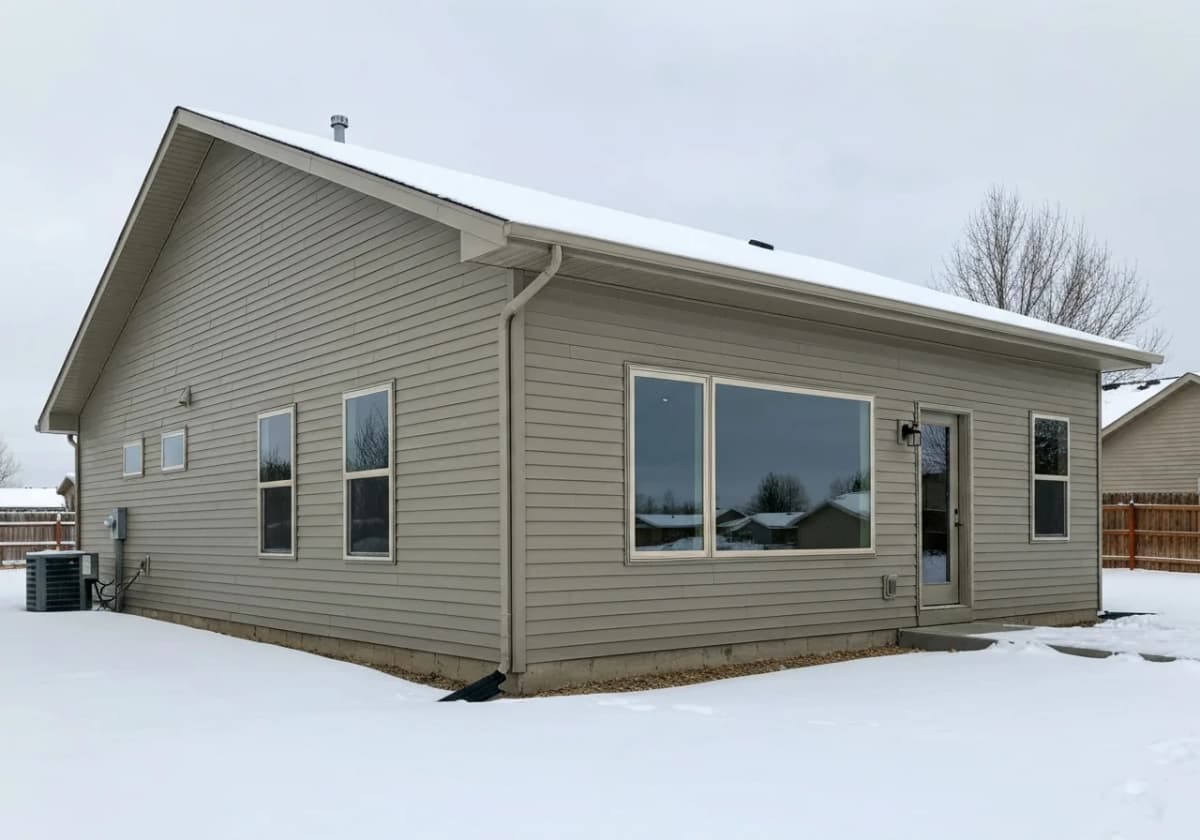
High-desert Payette River valley at ~2,257 ft: hot, dry, sun-intense summers and cold winters with real snow load and a 24-inch frost line, plus wind off open agricultural ground and hard water.
Ground Snow Load
Payette County design criterion of 30 psf governs roof and deck structural design.
Frost Depth
24-inch frost depth requires foundations, footings, and deck piers below grade to prevent frost heave.
Wind & Seismic
115 mph ultimate wind speed and Seismic Design Category C; wind off open farmland drives infiltration and uplift on exposed structures.
Intense UV / Temperature Swing
Open-valley sun degrades wood siding, coatings, and decking; wide hot-to-cold swing drives material movement and air leakage.
Hard Water
Hard municipal and private-well water scales glass and fixtures and degrades grout and stone; drives material/glass selection.
The Boulevard / Historic Horseshoe Core
The 1896 colony heart: two horseshoe streets around the mile-long Boulevard park with original irrigation ditches. Predominantly colony-era and pre-1940 wood-sided farmhouses on generous original acre tracts; strong period character and a protected streetscape.
Common projects in The Boulevard / Historic Horseshoe Core:
- •Full systems modernization (electrical, plumbing, insulation)
- •Period-sensitive whole-home renovation
- •Plaster repair and lead-safe interior painting
- •Bathroom and kitchen gut renovations
Mid-Century Ranch Streets (In-Town)
Grid streets around and behind the horseshoe filled with 1950s–1970s ranches and ramblers built as the irrigated farm economy matured. Sound framing, aging copper and marginal panels, closed floor plans, on municipal water and sewer.
Common projects in Mid-Century Ranch Streets (In-Town):
- •Tub-to-walk-in-shower conversions
- •Kitchen modernization and floor-plan opening
- •Whole-house window and flooring replacement
- •Wood-to-fiber-cement re-siding
Agricultural Fringe / Rural Acreage
Working farm and ranch acreage surrounding the town, outside city limits and under Payette County jurisdiction. Homes range from century-old farmsteads to modern custom builds, typically on private wells and septic systems.
Common projects in Agricultural Fringe / Rural Acreage:
- •Multi-generational additions and ADUs
- •Septic-aware bedroom additions
- •Aging-in-place bathroom and shower conversions
- •Outbuilding and barn exterior coating
Harvest Creek / Newer Subdivisions
Post-2000 subdivision pockets representing New Plymouth's modern housing minority. Modern PEX plumbing, adequate panels, and builder-grade finishes on tighter lots; no environmental-testing requirements.
Common projects in Harvest Creek / Newer Subdivisions:
- •Builder-grade kitchen and bath upgrades
- •Flooring replacement
- •Deck construction
- •Finish-level refreshes
Every New Plymouth neighborhood has different housing stock, homeowner priorities, and project considerations. Here is what home additions looks like in each area:
The Boulevard / Historic Horseshoe Core
Agricultural Fringe / Rural Acreage
Mid-Century Ranch Streets In-Town
Harvest Creek / Newer Subdivisions
Permit authority: City of New Plymouth (building inspection contracted to the City of Fruitland Building Department) for properties inside city limits; Payette County Building Department for unincorporated rural parcels. Plumbing and electrical permits issued separately by the State of Idaho (DOPL).
Online portal: npidaho.com/building-department
- ✓New Plymouth contracts building inspection to the City of Fruitland Building Department (208-452-4946); permit forms submitted via New Plymouth City Hall or clerk@npidaho.com.
- ✓Plumbing and electrical permits are obtained directly from the State of Idaho, not the city.
- ✓Adopted codes: 2018 IRC, 2018 IBC, 2018 IECC; energy compliance testing required on every fifth residential home completed.
- ✓Payette County design criteria: 30 psf ground snow load, 115 mph wind, Seismic Design Category C, 24-inch frost depth.
- ✓Rural parcels outside city limits are permitted by Payette County; verify jurisdiction per parcel.
- ✓Pre-1978 homes: EPA RRP lead-safe practices; pre-1980 homes: asbestos testing/abatement.
Helpful ID resources
- City of New Plymouth (building inspection contracted to the City of Fruitland Building Department) for properties inside city limits; Payette County Building Department for unincorporated rural parcels. Plumbing and electrical permits issued separately by the State of Idaho (DOPL). — permit applications, inspections, and code resources
- Idaho DEQ — Asbestos Program — testing and abatement requirements for pre-1980 homes
- EPA Lead Renovation, Repair and Painting (RRP) Program — required certification for work in pre-1978 homes
- ●Roofline integration — the addition's roof must tie into the existing roof seamlessly to prevent leaks and visual disconnection
- ●Exterior material matching — siding, trim, window style, and paint color must match or intentionally complement the existing home
- ●Interior flow — the hallway, doorway, and room transition from the existing home into the addition should feel natural, not awkward
- ●Foundation matching — the addition's foundation type should match the existing home (crawl space, slab, basement) when possible
- ●Mechanical system capacity — evaluate whether existing HVAC, electrical panel, and plumbing main can support the additional load
- ●Natural light — plan window placement for light quality, views, and energy efficiency; additions on the north side need more interior lighting
Here are the design trends we see most often in New Plymouth home additions projects:
- →Period-sensitive renovation of colony-era farmhouses
- →Curbless, aging-in-place walk-in showers
- →Open floor plans in closed mid-century ranches
- →Durable, low-maintenance materials (fiber cement, LVP, quartz)
- →Multi-generational suites and ADUs on farm acreage
- →Working pantries and canning/food-preservation kitchen zones
- →Energy-driven window and envelope upgrades
- →View-oriented outdoor living on generous parcels
New Plymouth and Payette County home values have appreciated well above their historic norms; local market median list prices reached roughly $485,000 with an average around $449,000 in early 2026 (Redfin), against a longer-run median home value near $277,500. Inventory is limited in a small market with homes selling in roughly 70 days. With trading up locally often impractical, long-tenure, multi-generational families predominantly renovate to keep — making durable, do-it-once work the local standard and a strong resale signal in a closely-watched market.
Avoid these common pitfalls New Plymouth homeowners encounter with home additions projects:
Mistake: Designing a rural addition without first evaluating septic capacity
Better approach: On New Plymouth's agricultural fringe, septic sizing is tied to bedroom count under Payette County and Idaho DEQ rules. Adding bedrooms or a kitchenette can require drainfield expansion or a system upgrade. Evaluate septic and well capacity in pre-design — discovering a capacity shortfall at permit can force a redesign or add tens of thousands in unbudgeted cost.
Mistake: Assuming the city permits the project when the parcel is outside city limits
Better approach: Many New Plymouth addition projects are on unincorporated agricultural land permitted by Payette County, not the city/Fruitland pathway. Confirm jurisdiction, zoning, and setbacks for the specific parcel before design. Building under the wrong assumption causes permit rejection and schedule loss.
Mistake: Tying a new wing into a colony-era home without assessing the existing foundation
Better approach: Pre-1940 New Plymouth farmhouses have foundations of varied and sometimes uncertain capacity. New loads must be carried into structure verified to support them, with reinforcement where needed. Skipping the existing-structure assessment risks differential settlement and a failed tie-in. Assessment precedes design.
Mistake: Underbuilding the foundation for the frost line and snow load
Better approach: Footings must extend below Payette County's 24-inch frost depth, and the addition's roof must be engineered for a 30 psf ground snow load. Shortcuts here cause frost heave and structural failure. Proper foundation depth and snow-load engineering are non-negotiable in this climate.
Mistake: Letting the addition look bolted-on to a character home
Better approach: An addition that does not match the existing roof pitch, siding, trim, and window proportions damages both appearance and resale, especially on a period Boulevard farmhouse. Design the addition to read as original. The detailing cost is modest relative to the value of an addition that disappears into the home.
Most popular remodeling projects in New Plymouth
- ✓Whole-home systems modernization
- ✓Bathroom and shower remodels
- ✓Kitchen remodels
- ✓Home additions and ADUs
- ✓Window replacement
- ✓Re-siding (wood to fiber cement)
- ✓Flooring with subfloor repair
- ✓Deck construction

See Your Remodel Before You Build.
Upload a few photos of your kitchen, bathroom, flooring, or exterior and get AI-generated concept visuals tailored to your space, style, and materials — free, no obligation, in about five minutes. Then request a real estimate from our Idaho registered Boise team.
Free concept preview · No credit card · Licensed Idaho contractor
Will adding bedrooms to my rural New Plymouth home affect my septic system?
Very likely, and this is the most commonly overlooked issue in New Plymouth additions. On the agricultural fringe outside city limits, homes are on private septic systems whose sizing is tied to bedroom count under Payette County and Idaho DEQ standards. Adding bedrooms or a suite with a kitchenette increases the design load and may require a septic evaluation, drainfield expansion, or system upgrade. We investigate septic and well capacity during pre-design, not at permit, because it can materially affect feasibility and budget.
Who permits my addition — the city or Payette County?
It depends on the parcel. Homes inside New Plymouth city limits route building permit applications through New Plymouth City Hall with inspections by the contracted City of Fruitland Building Department (208-452-4946). Properties on the agricultural fringe outside city limits are permitted by Payette County's building department. Plumbing and electrical permits, in either case, are issued separately by the State of Idaho. Confirming the correct authority and the parcel's zoning and setbacks is the first step we take.
Is there room to add onto my New Plymouth home?
More often than in the rest of the valley, yes. New Plymouth's 1896 colony platting created generous acre tracts, and homes on surrounding farm acreage have substantial land. That makes single-story wings, primary suites, and in-law additions physically feasible where a tight suburban lot would not allow them. The constraints here are usually utility capacity and existing-structure tie-in rather than land — we verify lot coverage and setbacks for your specific parcel early.
Can a new addition match my older Boulevard farmhouse?
Yes, and it should. A well-designed New Plymouth addition reads as original — matching roof pitch, siding profile, trim details, and window proportions of the existing farmhouse so it does not announce itself as bolted-on. This matters on the Boulevard, where homes carry strong period character. It requires careful structural tie-in to often-uncertain colony-era foundations and lead-safe practices on pre-1978 painted structure, both of which we manage as standard.
How long does a New Plymouth home addition take?
A modest single-room or office addition runs 8–12 weeks. A family-room or single-story suite addition runs 12–18 weeks. A primary-suite wing on an older home runs 14–22 weeks. A second-story or large bedroom-wing addition runs 18–28 weeks. Add permit processing through the applicable authority (city/Fruitland or Payette County) plus separate state plumbing and electrical permits, and septic evaluation time for rural parcels. We recommend starting design well ahead of the spring–summer build window.
Will my older home need an electrical upgrade for an addition?
Almost always. Colony-era and many mid-century New Plymouth homes have undersized electrical service that cannot support an added wing's lighting, outlets, and HVAC. A service-panel upgrade is a near-universal line item for additions on these homes. We assess panel capacity during design and scope the upgrade up front; the electrical permit for it is issued by the State of Idaho, separate from the building permit.
How do I know if a home addition is worth it?
That depends on available lot space, budget, current home layout, and whether the extra square footage solves a long-term need. In the Treasure Valley's housing market, adding square footage to a well-located home is often more cost-effective than buying a larger home — especially when you factor in moving costs, higher property taxes, and the appreciation of your current location.
How much does a home addition cost per square foot in Idaho?
Home additions in the Boise area typically cost $200-350 per square foot, depending on foundation type, structural complexity, finish level, and whether the addition includes plumbing (bathroom) or specialized systems. A simple room addition is on the lower end; a primary suite with full bathroom is on the higher end.
Do home additions require permits?
Yes. All home additions require building permits, plan review, and multiple inspections — foundation, framing, mechanical, electrical, plumbing, insulation, and final. We handle the entire permitting process.
How long does a home addition take to build?
A typical home addition takes 3 to 6 months from start of construction to completion. Including design, engineering, and permitting, the total project timeline is 5 to 9 months. Weather, permit timelines, and material availability all affect the schedule.
Will the addition match my existing home?
Yes. We carefully match rooflines, siding, windows, trim profiles, and interior finishes so the addition looks like it was always part of the house. This is one of the most important aspects of addition design.
Can I add a second story to my single-story home?
It is possible, but requires a structural evaluation of the existing foundation and framing to confirm they can support the additional load. Second-story additions are more complex and costly than ground-level additions but preserve outdoor space.

Talk to a real project manager
Have Questions? Call Now for a Free In-Home Consultation.
Mon–Fri 7 AM–6 PM · Idaho registered & insured · No obligation
Russ S. — Project Manager
Russ S. — Project Manager
Start your home additions in New Plymouth
Get a free, no-obligation estimate for home additions in New Plymouth, ID. We handle design, permits, and every detail of construction.
Get Your Free Estimate