
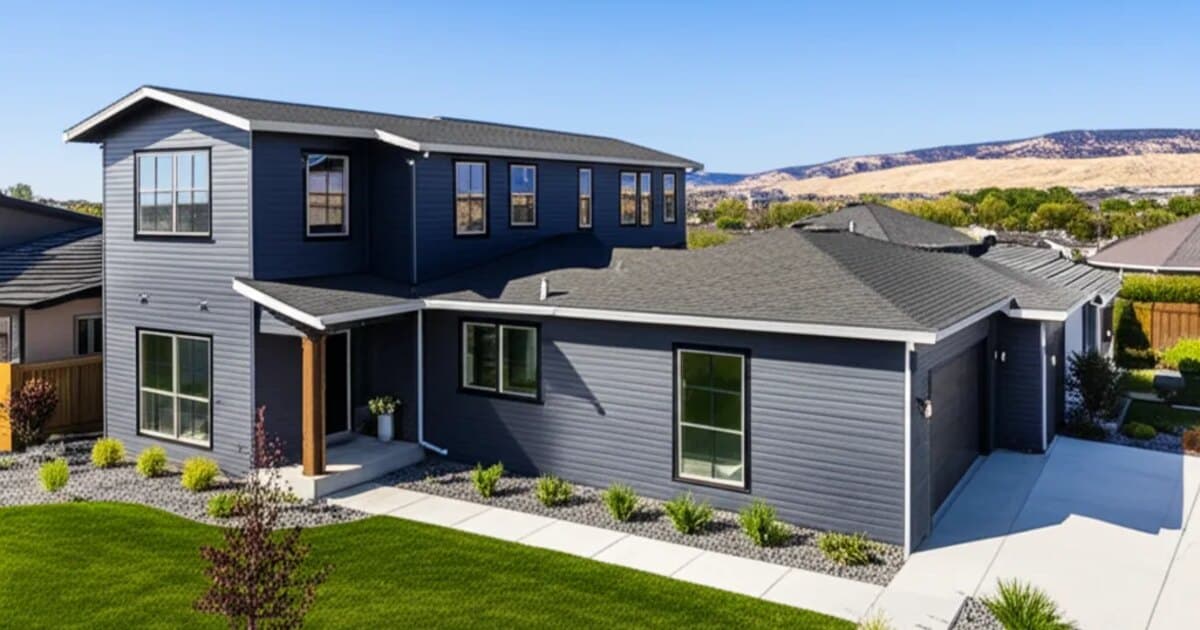
Home Additions Cost in Eagle
See what drives the budget for home additions in Eagle, including structural scope, design complexity, and finish level.
Quick answer
Most Eagle home additions cost $90,000 to $500,000+, with a typical Eagle project landing near $200,000. Eagle home addition costs are the highest in the Treasure Valley, reflecting the premium quality expectations of the market, the larger footprints of Eagle's primary homes and proposed additions, and the complexity of HOA-governed approval processes.
Eagle, ID · Home Additions
Planning home additions in Eagle?
Read the full guide below — or get your project priced now. Free, no-obligation estimates from an Idaho registered local team, backed by a 1-year workmanship warranty.
- Licensed Idaho RCE-6681702
- 1-Year Workmanship Warranty
- $2M Liability Coverage
- Free, No-Obligation Estimates

Typical range in Eagle: $90,000 – $500,000+
Typical Eagle project: $200,000
Eagle home addition costs are the highest in the Treasure Valley, reflecting the premium quality expectations of the market, the larger footprints of Eagle's primary homes and proposed additions, and the complexity of HOA-governed approval processes. Ground-floor additions with their own foundation run $90,000 to $160,000 at the entry level of Eagle's market. Primary suite additions that include a luxury bathroom run $160,000 to $280,000. Second-story additions and full-floor additions run $250,000 to $450,000. Guest wing or in-law suite additions with high-end specifications run $200,000 to $380,000. Estate-scale additions in Floating Feather Road homes that expand living area by 1,500 square feet or more can reach $400,000 to $500,000 or beyond. HOA approval processes add $4,000 to $10,000 in pre-construction costs and 6 to 10 weeks to the project timeline.
Permit costs and review times in Eagle
Permit fees and plan-review turnaround are set by Eagle, not by the contractor, and they differ across the Treasure Valley. They belong in your budget and your schedule from the start.
- How Eagle calculates the fee
- Valuation-based (ICC Building Valuation Data, now the August 2022 edition). Up to $500: $23.50; to $2,000: plus $3.05 per $100; $2,001–$25,000: $69.25 + $14 per $1,000; $25,001–$50,000: $391.25 + $10.10 per $1,000; $50,001–$100,000: $643.75 + $7 per $1,000; $100,001–$500,000: $993.75 + $5.60 per $1,000; $500,001–$1,000,000: $3,233.75 + $4.75 per $1,000 (each "or fraction thereof"). Residential plan review adds 35% of the permit fee.
- Plan-review turnaround
- Plan-review turnaround (no revisions): single-family home, ADU, detached garage/shop, shed, addition, or pool ≈ 6 weeks; townhomes ≈ 6–8 weeks.
Figures quoted from Eagle's published scheduleFee schedule Res 20-19 (tiers restated in Res 23-01; trade fees amended Res 23-34, Dec 2023)
Idaho adopts building codes by statute, so the code editions are the same statewide — the 2018 IRC with Idaho amendments and the 2023 NEC. What changes between cities is the fee formula, the review queue, and which office holds the file.
The cost of home additions in Eagle depends on the scope of work, materials selected, complexity of the layout, condition of existing systems, and the finish level you choose. Every project is different, but understanding the major cost drivers helps you plan a realistic budget and make informed decisions about where to invest and where to save. The ranges above reflect the full spectrum of projects we complete in Eagle — from straightforward updates to comprehensive renovations with premium materials and significant structural changes.
Common project types we take on in Eagle, with the typical investment and timeline for each:
Banbury Meadows — Primary Suite Addition with Luxury Bathroom
$185,000–$310,0005–7 monthsThe most ambitious and most rewarding home addition project in Eagle's established neighborhoods transforms an undersized primary suite into a luxury retreat that commands the home's best orientation and captures views of the surrounding landscape. These additions typically expand the primary bedroom to 350 to 500 square feet, add a 150 to 200 square foot walk-in closet with custom organization, and build a primary bathroom of 150 to 250 square feet with a custom tile shower (steam optional), soaking tub, dual vanity, and heated tile floors. The structural tie-in to the existing home requires engineered roofline design, precise waterproofing at the tie-in, and exterior material matching that meets the Banbury Meadows HOA's strict compatibility standards. The result is a primary suite that matches the ambition of Eagle's housing market. What it adds in appraised value is a question for an appraiser working current comparables — we have no transaction-level data for it and will not publish a figure.
Eagle Guest Wing Addition for Extended Family
$200,000–$340,0005–7 monthsEagle families who regularly host extended family for extended periods — or who want to create a self-contained space for aging parents that is not technically an ADU — build guest wing additions that provide bedroom, bathroom, and sitting room capacity with a degree of independence from the main home's circulation. These additions are architecturally integrated with the primary home but designed with a private entry, independent bathroom, and sitting area that allows guests or family members to maintain a comfortable daily routine without imposing on the main household. The guest wing addition is Eagle's premium alternative to the ADU — bigger, more gracious, fully connected to the main home's systems, and designed to the same quality standard as the rest of the house.
Floating Feather Estate Expansion
$320,000–$550,0006–10 monthsEstate-scale additions on Floating Feather Road and in Eagle's larger parcel neighborhoods involve the most complex and most rewarding design challenges in the Treasure Valley's addition market. These are additions of 1,000 square feet or more that expand living areas, add entertaining space, create primary suite wings, or develop semi-detached guest structures — all designed to integrate with the existing home as if the addition was always intended. The structural engineering, architectural design, and finish quality of these projects exceed anything in the surrounding market and produce homes that are genuinely distinguished in Eagle's competitive luxury segment.
Eagle Hills — Home Office Addition for Executive Work-From-Home
$110,000–$195,0003–5 monthsEagle's professional homeowner base has created sophisticated demand for home office additions that provide genuine executive-level workspace — large enough for a full desk and meeting area, equipped with dedicated electrical capacity and ethernet infrastructure, acoustically separated from the home's living areas, and finished to a quality standard consistent with the home's overall character. These additions are often sited above the garage or off the rear of the primary home, with an exterior entry that allows clients or colleagues to visit without entering the home's private areas.
Eagle Multigenerational In-Law Suite Addition
$185,000–$310,0005–6 monthsEagle in-law suite additions for aging parents are built to the premium quality standard that Eagle homeowners apply to every aspect of their homes. Quality cabinetry, stone countertops, tile shower with frameless glass, and accessible design features — zero-threshold shower, grab bar blocking, wider doorways, lever hardware — combine in a space that is genuinely beautiful as well as functionally designed for long-term accessibility. The private entrance, independent HVAC, and kitchenette capacity that characterize a true in-law suite are designed with the same architectural care as every other element.
These are the factors that have the biggest impact on your home additions budget in Eagle. Understanding each one helps you make better decisions during the planning phase.
Size of the Addition (Square Footage)
high impactHome additions in Idaho typically cost $200-350 per square foot depending on complexity and finish level. Our 400 sq ft primary suite addition in Eagle ran $80,000-$100,000.
Foundation Work
high impactThe type and complexity of foundation work depends on soil conditions, existing foundation type, and addition size. Rocky soil or high water table conditions increase excavation costs.
Structural Complexity and Roofline Integration
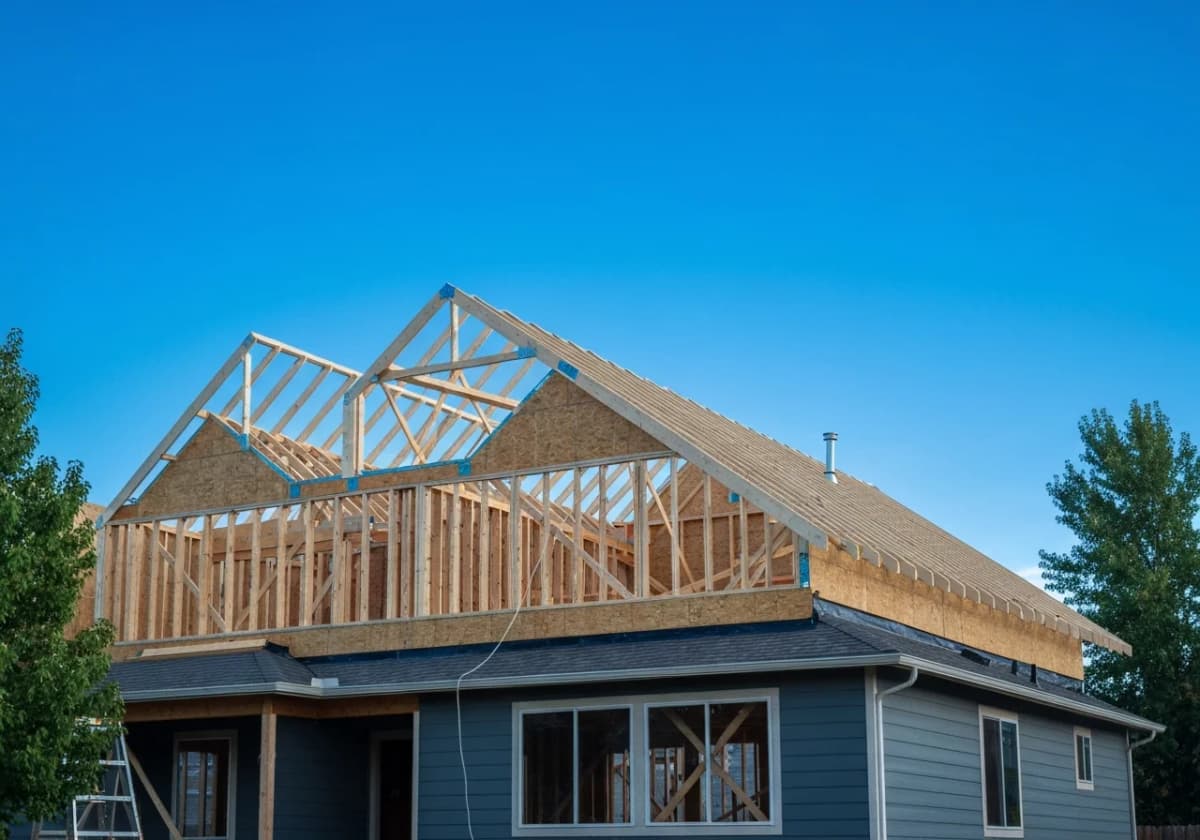
high impactTying a new roofline into an existing roof is one of the most critical and costly aspects. Complex rooflines, multiple valleys, and hip-to-gable transitions require skilled framing.
Plumbing and HVAC Requirements
medium impactAdditions with bathrooms require new plumbing lines. HVAC may require ductwork extension, a new zone, or a mini-split system. These mechanical systems add $5,000-15,000 to the budget.
Interior Finish Level
medium impactBuilder-grade finishes vs. premium finishes (hardwood floors, custom trim, tile, quartz counters in a bathroom) can swing interior finish costs by $20-50+ per square foot.
Permit and Engineering Fees
medium impactHome additions require architectural plans, structural engineering, and building permits. Plan preparation and engineering typically cost $3,000-8,000. Permits add $500-2,000+.
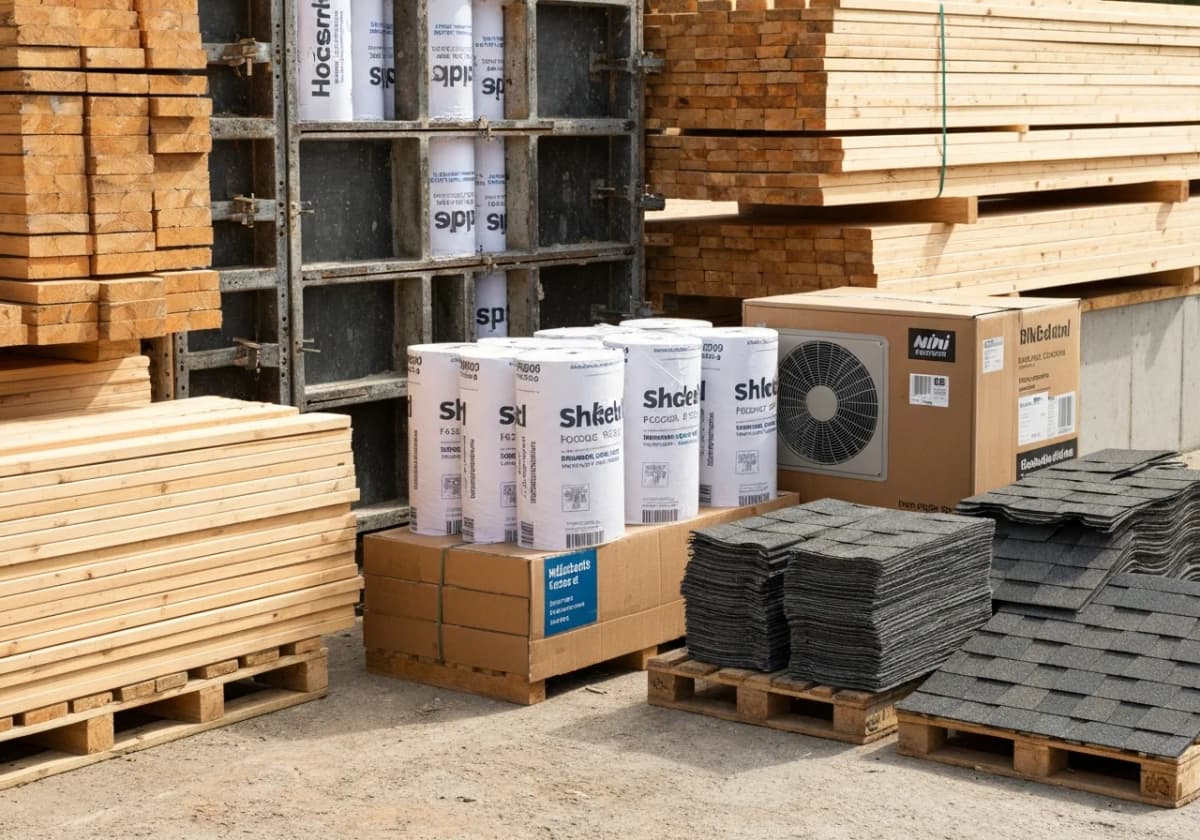
Materials are one of the most controllable parts of your budget. Here is how popular options compare for home additions in Eagle:
| Material | Price Range | Best For |
|---|---|---|
| Concrete Foundation (Stem Wall or Slab) | $8,000–$25,000 depending on size | All home additions in Idaho |
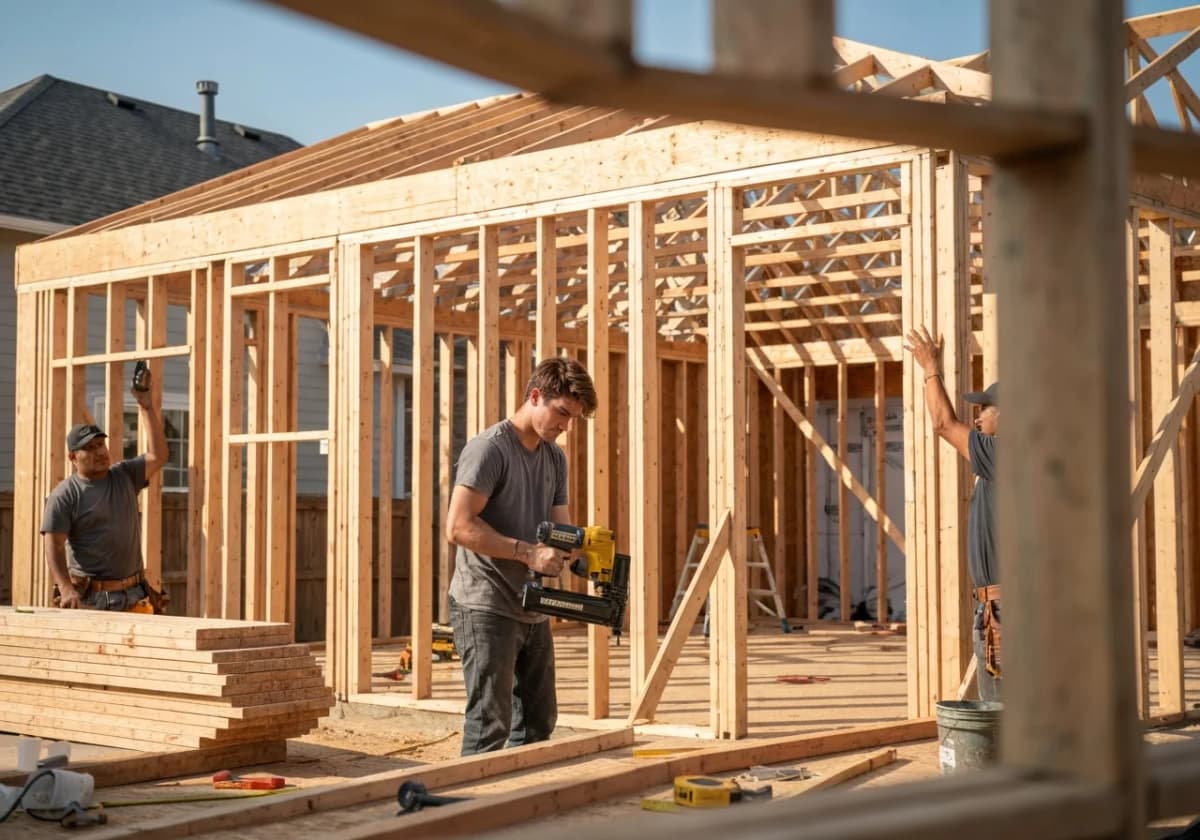
| Dimensional Lumber Framing | $15–$25 per sq ft framed | Standard room additions and second stories |
| Matching Exterior Siding | $5–$15 per sq ft installed | Seamless visual integration |
| Mini-Split HVAC System | $3,000–$6,000 per zone installed | Additions where extending existing ductwork is impractical |
| Engineered Hardwood or LVP Flooring | $5–$15 per sq ft installed | Matching existing home flooring |
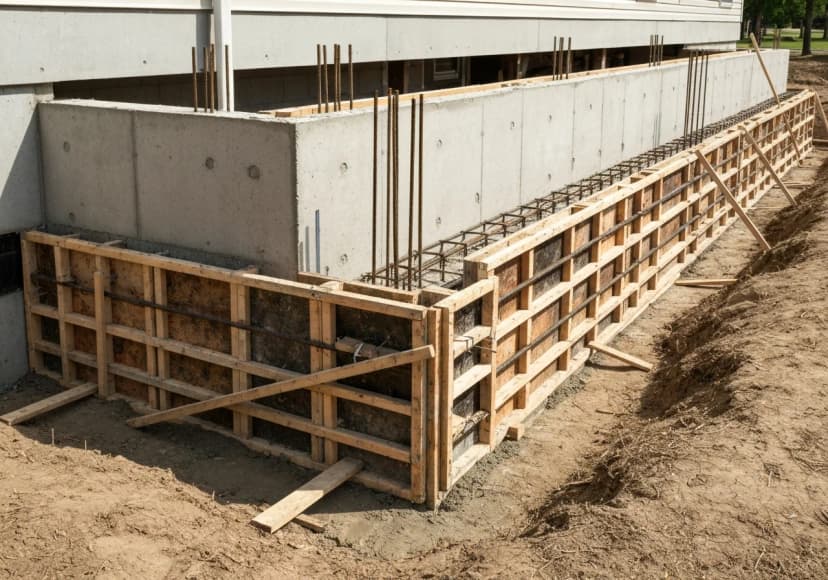
Concrete Foundation (Stem Wall or Slab)
$8,000–$25,000 depending on size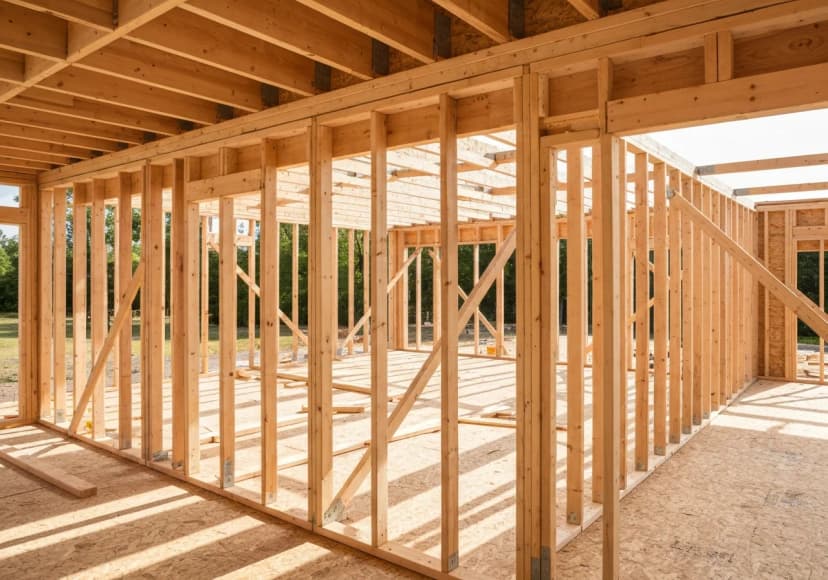
Dimensional Lumber Framing
$15–$25 per sq ft framed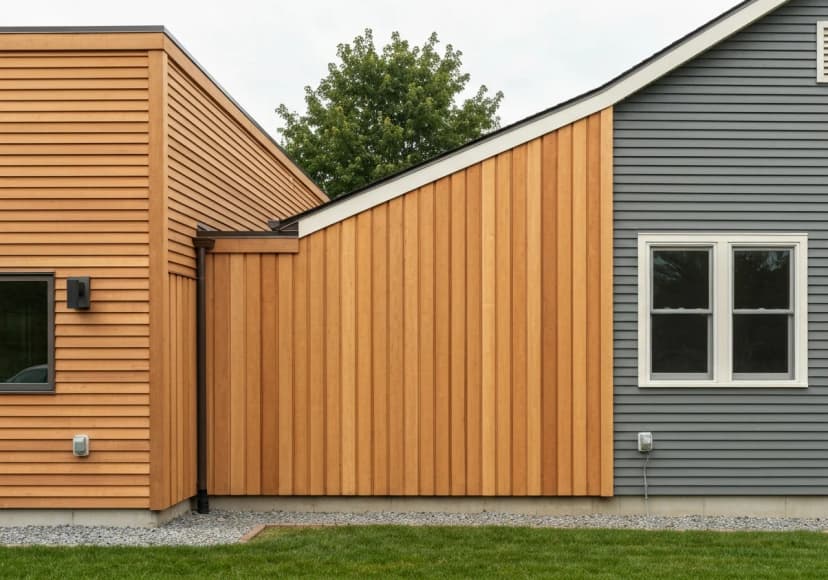
Matching Exterior Siding
$5–$15 per sq ft installed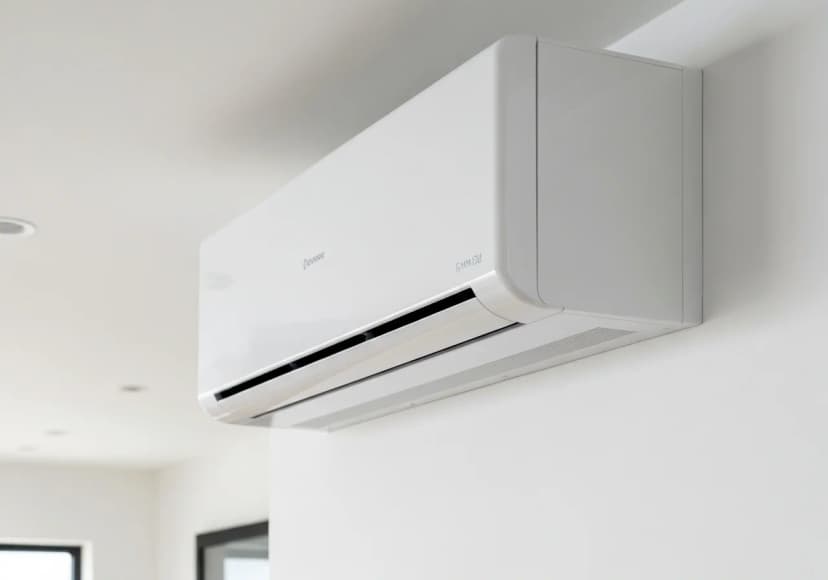
Mini-Split HVAC System
$3,000–$6,000 per zone installed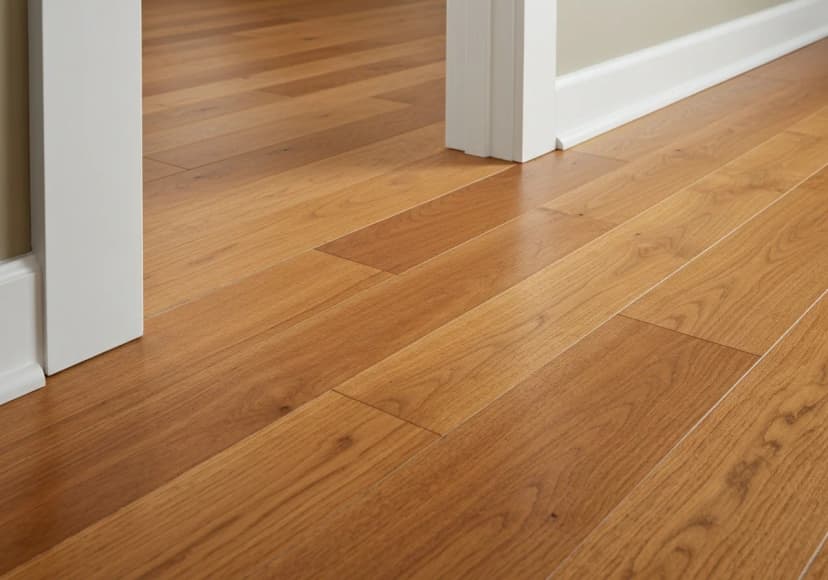
Engineered Hardwood or LVP Flooring
$5–$15 per sq ft installedLabor costs in Ada County reflect the local construction market, trade availability, and seasonal demand. Spring and summer are the busiest seasons for remodeling in the Treasure Valley, which can affect scheduling and occasionally pricing. Planning your project during the fall or winter months may provide more scheduling flexibility.
The most reliable way to understand what your specific home additions will cost in Eagle is to schedule an in-home consultation. During this visit, we measure the space, discuss your goals and material preferences, evaluate existing conditions, and prepare a detailed scope and estimate based on your specific project.
What to have ready for your estimate consultation:
- ✓ A general idea of your budget range
- ✓ Examples of styles and finishes you like (photos, Pinterest boards, etc.)
- ✓ Any known issues with the current space (leaks, mold, outdated systems)
- ✓ A list of must-haves vs nice-to-haves for the finished project
- ✓ Your preferred timeline for starting and completing the work
Local factors — Eagle's housing stock and typical construction eras, the climate conditions that drive material and scheduling choices, and permitting through City of Eagle Building Department — are covered in full on our Eagle page for this service, alongside 5 common project types.
Home Additions in Eagle: housing stock, climate & permits →How do I know if a home addition is worth it?
That depends on available lot space, budget, current home layout, and whether the extra square footage solves a long-term need. In the Treasure Valley's housing market, adding square footage to a well-located home is often more cost-effective than buying a larger home — especially when you factor in moving costs, higher property taxes, and the appreciation of your current location.
How much does a home addition cost per square foot in Idaho?
Home additions in the Boise area typically cost $200-350 per square foot, depending on foundation type, structural complexity, finish level, and whether the addition includes plumbing (bathroom) or specialized systems. A simple room addition is on the lower end; a primary suite with full bathroom is on the higher end.
Do luxury finish selections affect project planning?
Yes. Premium materials and custom fabrication often have longer lead times — 8-14 weeks for custom cabinets, 4-6 weeks for specialty stone, and 6-10 weeks for professional appliances. We build these lead times into the project schedule during the design phase.
Planning home additions in Eagle?
Get expert guidance and a free estimate for your home additions project in Eagle, ID.
Get Your Free Estimate