
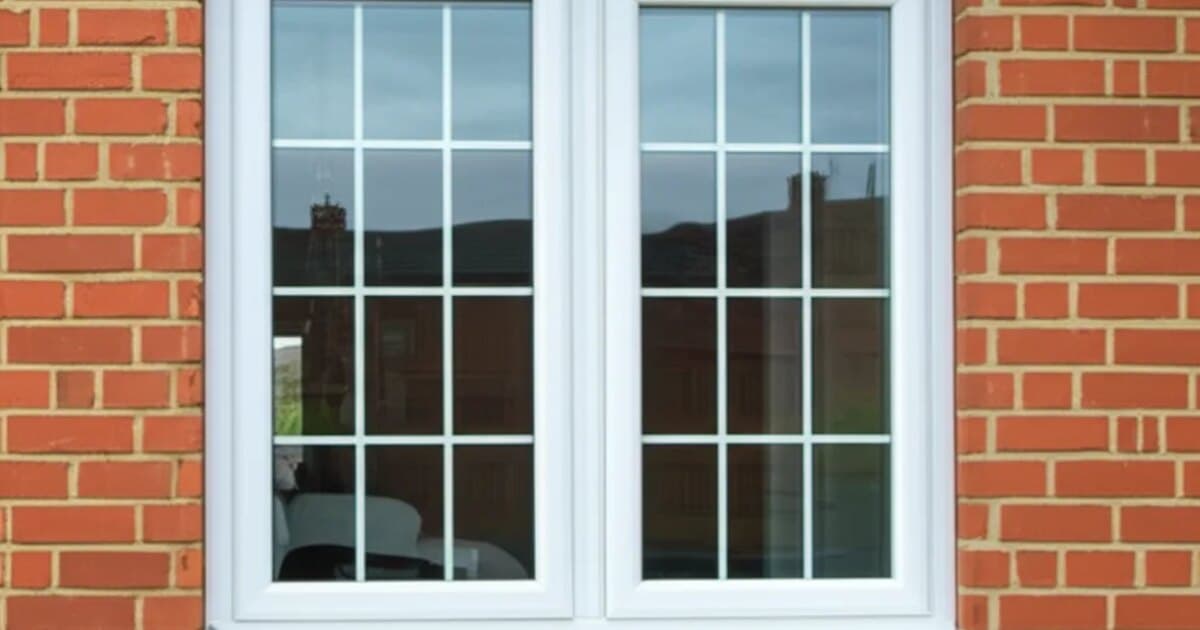
Window Replacement in Boise, Idaho
Reduce energy costs and improve comfort with replacement windows from Iron Crest Remodel. We install energy-efficient vinyl, fiberglass, and wood windows with Low-E glass, argon fill, and proper flashing for Idaho climate performance.
- Double-hung, casement, and slider windows
- Double and triple-pane glass
- Low-E coatings and argon gas fill
- Vinyl, fiberglass, and wood frames
- Picture and bay window installation
- Egress window installation
- Custom window sizes and shapes
- Interior and exterior trim finishing
- Window flashing and waterproofing
- Energy Star certified products
Timeline
1 – 4 days
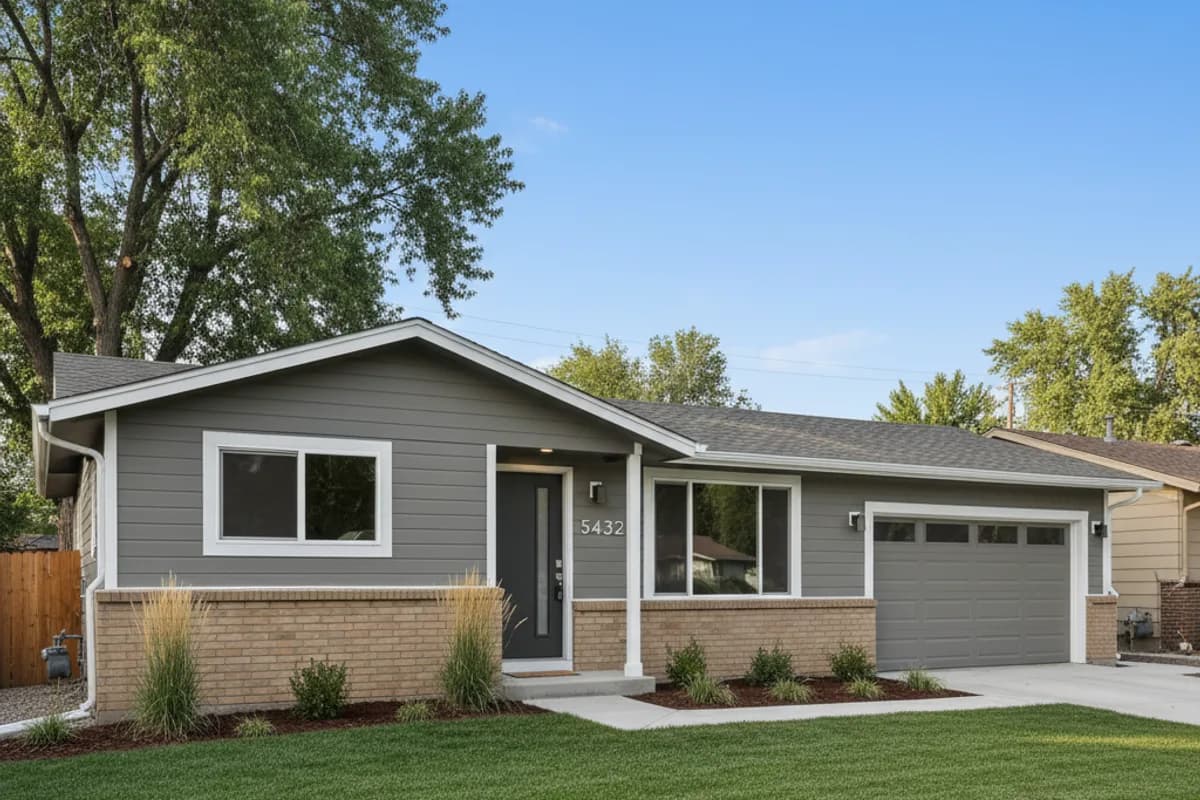
A real window replacement project — see the finished result, the project details, and the full transformation story.
Window Assessment
We evaluate your existing windows for air leakage, condensation, operability, and energy performance. We measure each opening and discuss style and material preferences.
Product Selection
We recommend window products based on your home style, energy goals, and budget. You select frame material, glass options, grid patterns, and hardware finishes.
Professional Installation
Old windows are removed, openings are inspected and prepped, new windows are installed with proper shimming, insulation, and flashing. Each window is tested for operation and seal.
Trim & Warranty
Interior and exterior trim is installed or restored. You receive manufacturer warranty documentation and care instructions.

See Your Remodel Before You Build.
Upload a few photos of your kitchen, bathroom, flooring, or exterior and get AI-generated concept visuals tailored to your space, style, and materials — free, no obligation, in about five minutes. Then request a real estimate from our Idaho registered Boise team.
Free concept preview · No credit card · Licensed Idaho contractor
How much do replacement windows cost in Boise?
Replacement windows in Boise typically cost $500-$1,200 per window installed for vinyl and $800-$1,800 for fiberglass or wood. A whole-house window replacement (15-20 windows) runs $10,000-$25,000.
How much can new windows save on energy bills?
Energy-efficient replacement windows can reduce heating and cooling costs by 15-30% depending on your current windows. Homes with single-pane windows see the most dramatic improvement. Look for ENERGY STAR certification and a U-factor of 0.27 or lower, the Northern climate zone target that applies to Boise.
How long does window replacement take?
Most window replacements are completed in 1-3 days. A full-house project with 15-20 windows typically takes 2-4 days. Each window takes 30-60 minutes to install.
Plan your window replacement project with our in-depth guides.
Explore our in-depth guides to understand window replacement costs, timelines, and planning details for cities across the Treasure Valley.
See detailed window replacement information specific to your city, including local permit requirements, housing stock insights, and neighborhood-level recommendations.

Talk to a real project manager
Have Questions? Call Now for a Free In-Home Consultation.
Mon–Fri 7 AM–6 PM · Idaho registered & insured · No obligation
Russ S. — Project Manager
Russ S. — Project Manager
Ready to Start Your Remodeling Project?
Get a free, no-obligation estimate from Boise's trusted remodeling experts. Licensed, insured, and ready to build.
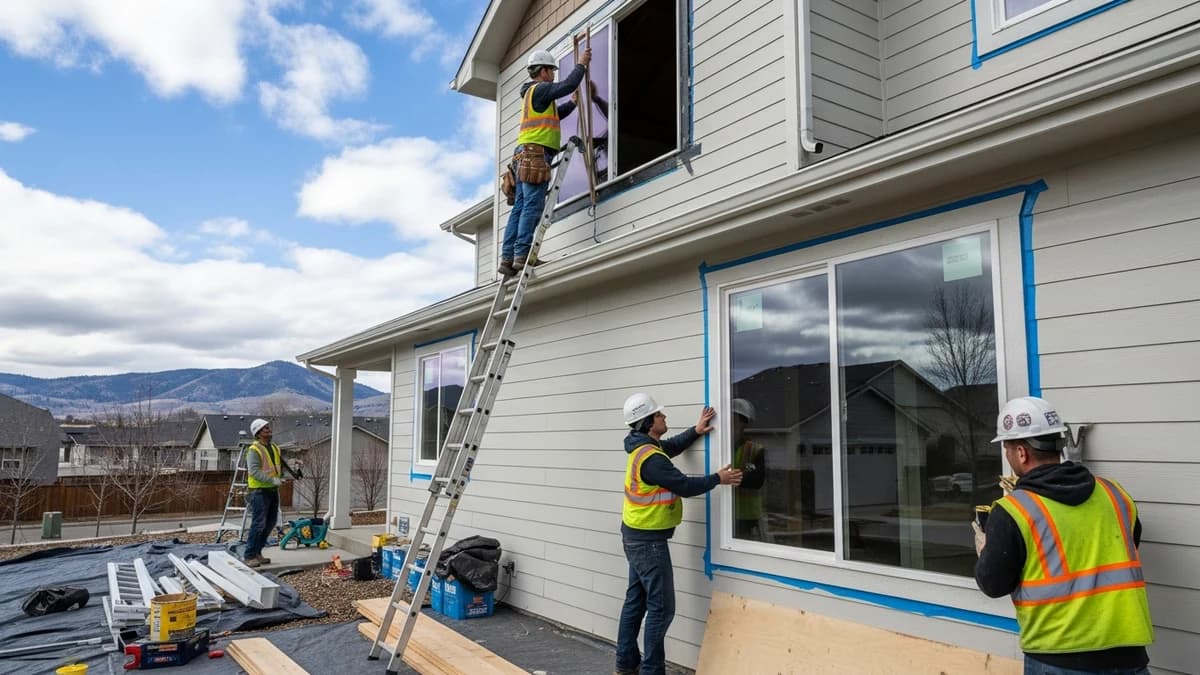
Choosing the right window style is as important as choosing the right frame material or glass package. Each window type operates differently, offers different levels of ventilation, and suits different areas of the home. Here are the styles we install most often in Boise-area homes and the situations where each performs best.
Double-Hung Windows
Double-hung windows have two operable sashes that slide vertically. Both the top and bottom sash can be opened, which allows warm air to escape from the top while cooler air enters from the bottom — a natural ventilation pattern that works well during Boise's mild spring and fall months. Both sashes tilt inward for cleaning, which is a significant advantage on second-story windows. Double-hung windows are the most common replacement window in Boise and fit virtually every architectural style, from North End bungalows to Southeast Boise subdivision homes. They perform well with standard-sized openings and are available in every frame material and glass configuration.
Casement Windows
Casement windows are hinged on one side and swing outward using a crank handle. When closed, the sash presses against the frame under compression, creating one of the tightest seals of any operable window type. This makes casement windows an excellent choice for energy efficiency in Boise's cold winters. They provide full top-to-bottom ventilation (the entire sash opens), making them ideal for kitchens and bathrooms where maximum airflow is needed. Casement windows work best in openings up to about 36 inches wide; larger openings are better served by other styles. One consideration: casements should not be installed facing walkways, decks, or patios where an open sash could obstruct foot traffic.
Sliding Windows
Sliding windows (also called gliders) operate horizontally on a track. One or both sashes slide left or right. They are a practical choice for wide openings, above kitchen counters, and in locations where a projecting sash (like a casement) would be impractical. Sliding windows are also commonly used for basement egress applications because they can be sized to meet IRC egress requirements while fitting low-clearance openings. In Boise, sliders are popular for ranch-style homes and contemporary builds where horizontal lines complement the architecture.
Picture Windows
Picture windows are fixed (non-operable) and designed to maximize the view and natural light. Because they have no moving parts, picture windows offer the best energy performance and the lowest air infiltration of any window type. They are ideal for living rooms and great rooms in Boise homes that face the Foothills or the Boise Front. Picture windows are often flanked by operable double-hung or casement windows to provide ventilation alongside the view. Large picture windows should be specified with triple-pane glass or at minimum a high-performance Low-E coating to manage solar heat gain on south- and west-facing walls.
Bay and Bow Windows
Bay windows project outward from the wall in a three-panel configuration (typically a center picture window flanked by casement or double-hung windows at 30- or 45-degree angles). Bow windows use four or more panels in a gentle curve. Both styles add dimension, natural light, and usable shelf or seating space to a room. Bay and bow windows are popular in Boise's North End and East End neighborhoods where homeowners want to add character and curb appeal. Installation requires a structural header and proper support (either a cable system from above or a knee brace from below), making these projects more involved than standard window replacements.
Awning Windows
Awning windows are hinged at the top and swing outward from the bottom. Their key advantage is that they can remain open during light rain without allowing water inside — the sash acts as a small awning. This makes them useful for bathrooms, laundry rooms, and above kitchen sinks where ventilation is needed in all weather conditions. Awning windows are frequently paired below or above picture windows to add ventilation to a fixed-glass installation. In Boise, where afternoon thunderstorms are common in summer, awning windows let homeowners ventilate without worrying about unexpected rain.
Explore our detailed guides for each window type. Learn about costs, energy performance, pros and cons, and which style works best for your Boise home.
Choosing the right windows? Our comparisons and buying guides help you pick the best options for your Boise home.
The frame material determines your window's thermal performance, maintenance requirements, lifespan, and cost. Each material has legitimate strengths and trade-offs. Here is an honest comparison based on how each performs in Boise's specific climate conditions — hot, dry summers with intense UV exposure and cold winters with freeze-thaw cycling.
| Frame Material | Cost per Window | Durability | Energy Efficiency | Maintenance |
|---|---|---|---|---|
| Vinyl | $300–$900 | 25–40 years | Good | None |
| Fiberglass | $550–$950 | 40–50+ years | Excellent | None |
| Wood | $700–$1,500+ | 30–50 years | Good | Paint/stain every 3–5 years |
| Aluminum | Quoted case by case | 30–40 years | Poor (thermal bridge) | Minimal |
| Wood-Clad (Fiberglass or Aluminum) | $700–$1,500+ | 40–50+ years | Excellent | Exterior: none; Interior: periodic |
Installed per-window costs above are the Boise bands we publish for this service. Aluminum is not a frame we specify for replacement work here, so we quote it case by case rather than publishing a band we cannot stand behind.
Vinyl Frames
Vinyl (PVC) is the frame material most Boise replacements use, and it is the one we install most often. Modern vinyl frames are multi-chambered for thermal insulation, never need painting, and resist moisture, rot, and insect damage. Quality vinyl windows from brands like Milgard and Pella hold up well in Boise's climate. The main limitation is that vinyl expands and contracts with temperature changes — which is a consideration in Boise where summer-to-winter temperature swings can exceed 120°F. Premium vinyl windows with welded corners and reinforced frames handle this cycling better than budget models with mechanically fastened corners.
Fiberglass Frames
Fiberglass (pultruded) frames are stronger than vinyl, expand and contract at nearly the same rate as glass, and offer the best long-term dimensional stability of any frame material. Fiberglass is essentially immune to Boise's UV exposure and temperature extremes. Brands like Marvin Elevate, Andersen A-Series, and Milgard Ultra offer fiberglass options with excellent warranty coverage. Fiberglass frames can be painted, which gives homeowners the flexibility to change exterior colors down the road. The trade-off is cost — fiberglass windows sit above comparable vinyl in every quote we write. We recommend fiberglass for homeowners who want the longest possible lifespan and are willing to invest in premium performance.
Wood Frames
Wood frames offer a warm, natural interior aesthetic that no synthetic material can fully replicate. They provide good insulation and are the traditional choice for historic homes in Boise's North End and Harrison Boulevard areas. The challenge in Idaho's climate is maintenance: wood frames require exterior painting or staining every 3–5 years to prevent moisture damage, and the intense Boise sun can cause finishes to deteriorate faster than in milder climates. Marvin and Andersen produce high-quality wood windows with excellent craftsmanship. For homeowners who want the interior look of wood without the exterior maintenance, wood-clad windows (described below) are the practical solution.
Aluminum Frames
Aluminum frames are strong, lightweight, and allow for slim sight lines (more glass, less frame). They are common in mid-century and contemporary architecture. However, aluminum is a thermal conductor — it transfers heat readily, which makes aluminum-framed windows significantly less energy-efficient than vinyl or fiberglass in Boise's climate. Aluminum frames are also prone to condensation on interior surfaces during cold weather, which can damage surrounding trim and drywall over time. Thermally broken aluminum frames (with a non-conductive barrier between the interior and exterior frame surfaces) improve performance but add cost. We generally recommend vinyl or fiberglass over aluminum for Boise homes unless the architectural style specifically calls for aluminum's slim profile.
Wood-Clad Frames
Clad windows combine a wood interior with a protective exterior cladding of fiberglass, aluminum, or vinyl. You get the warm, paintable or stainable wood interior for your living space with a maintenance-free exterior that resists Boise's UV exposure and weather. Andersen 400 Series (vinyl-clad), Marvin Ultimate (aluminum-clad), and Pella Architect Series (aluminum-clad) are the most popular clad windows in the Boise market. Clad windows are the premium choice and typically carry the highest price point, but they combine the best attributes of both materials.
For most Boise homeowners, vinyl provides the best value across cost, performance, and longevity. For homeowners investing in long-term performance or high-end aesthetics, fiberglass or wood-clad windows are worth the premium. We help you match the right frame material to your home, budget, and goals during the consultation.
The glass package — not the frame — is the single largest factor in a window's energy performance. Modern glass technology has advanced dramatically, and understanding the key specifications will help you make informed decisions about which options deliver real value for Boise's climate.
Low-E Coatings
Low-emissivity (Low-E) coatings are microscopically thin metallic oxide layers applied to glass surfaces that reflect infrared heat while allowing visible light to pass through. In winter, Low-E glass reflects interior heat back into your home, reducing heat loss through the window. In summer, it reflects solar infrared radiation away from your home, reducing cooling loads. Most replacement windows in Boise use Low-E coatings on Surface 2 (the interior face of the outer pane) or Surface 3 (the exterior face of the inner pane), and premium glass packages coat both surfaces. Low-E coatings also cut ultraviolet transmission substantially, which protects furniture, flooring, and artwork from fading — a benefit that matters at Boise's 2,730-foot elevation, where ultraviolet radiation is more intense than at sea level. Ask for the visible transmittance and the manufacturer's published UV figure on the specific glass package rather than a generic percentage.
Gas Fill: Argon vs Krypton
The space between glass panes is filled with an inert gas that insulates better than air. Argon is the standard fill, it measurably improves the U-factor compared with an air-filled unit, and it is cost-effective and available in every window brand. Krypton insulates better still, but it costs significantly more and is primarily used in triple-pane windows where the gap between panes is narrower (krypton performs optimally in smaller airspaces). For most Boise homeowners, argon-filled double-pane windows with Low-E coatings provide the best balance of performance and value. Krypton or krypton-argon blends are worth considering for triple-pane applications on north-facing walls or large picture windows where maximum insulation is the priority.
Triple-Pane vs Double-Pane
Double-pane (two layers of glass with one gas-filled chamber) is the standard for replacement windows and meets Idaho Energy Code requirements. Triple-pane (three layers of glass with two gas-filled chambers) lowers the U-factor further — compare the NFRC numbers on the two quotes to see exactly how much. The trade-off is cost (the triple-pane upcharge in the Boise market runs about $150–$300 per unit) and weight (triple-pane sashes are heavier, which affects hardware longevity on operable windows). In Boise, triple-pane windows make the most financial sense on north-facing walls, large picture windows, and in homes where comfort (eliminating cold spots near windows in winter) is a priority. For south- and west-facing windows, the added insulation of triple-pane is less impactful because solar heat gain is the dominant factor, and Low-E coatings address that more effectively than a third pane.
U-Factor and SHGC Ratings
Two numbers on the NFRC label determine a window's energy performance. U-factor measures heat transfer rate — lower is better. Idaho's adopted energy code caps fenestration at 0.32 in IECC Climate Zone 5, and premium windows reach 0.20–0.25. SHGC (Solar Heat Gain Coefficient) measures how much solar heat passes through the glass. Idaho code sets no SHGC requirement, so that side of the specification is a choice rather than a floor. For west-facing windows in Boise, a lower SHGC reduces afternoon cooling loads during July and August, when the July average high is about 94°F and individual afternoons run well past 100°F. ENERGY STAR uses its own map: all of Idaho, Ada County included, sits in the Northern zone, where Version 7.0 requires a U-factor of 0.22 or lower with an SHGC of 0.17 or higher — the SHGC number is a minimum, not a maximum, because winter solar gain offsets heating in a heating-dominated climate.
Reading the Performance Label Before You Buy
Every window we install carries an NFRC performance label listing its tested U-factor, SHGC, visible transmittance, and air leakage — and we leave those labels in place until you have seen them, so you can confirm the glass you paid for is the glass that got installed. Look for ENERGY STAR certification for the Northern climate zone (Version 7.0: U-factor 0.22 or lower with SHGC 0.17 or higher), which is a good deal stricter than the Idaho energy code cap of 0.32. We provide the full product specification sheet and Energy Star certification documentation for every unit on your order. Neither Idaho Power nor Intermountain Gas offers a rebate on replacement windows, so build your budget around the purchase price and the energy savings — not an incentive that may not exist when you sign.
There are two fundamentally different approaches to replacing a window, and choosing the wrong one can compromise performance, waste money, or create problems down the road. Understanding the difference is one of the most important decisions in your window project.
Insert (Pocket) Replacement
An insert replacement (also called a pocket replacement) installs a new window unit inside the existing window frame. The old frame, sill, and exterior casing remain in place. The new window slides into the existing opening and is shimmed, insulated, and sealed. Insert replacements are faster (30–45 minutes per window), less expensive, cause minimal disruption to interior and exterior trim, and are appropriate when the existing frame is structurally sound, square, level, and free of rot or water damage. Most of the window replacements we perform in Boise are inserts, because most homes have frames in acceptable condition. The trade-off: the new window's glass area is slightly smaller than the original because the new frame sits inside the existing one, reducing the visible glass by approximately 1–2 inches on each side.
Full-Frame (New Construction) Replacement
A full-frame replacement removes everything — the old sashes, frame, sill, casing, and sometimes the surrounding trim — down to the rough opening in the wall framing. A new window with its own frame and nailing flange is installed, flashed, and sealed against the weather-resistive barrier. Full-frame replacement is necessary when the existing frame is rotted, water-damaged, warped, or structurally compromised. It is also the right approach when you want to change the window size, add a header for a larger opening, or correct previous installation problems. Full-frame replacements cost roughly 20 to 40 percent more than inserts because they involve more labor, exterior trim work, and potentially siding repair. Each window takes 1.5–3 hours to install.
Common Scenarios in Boise Homes
- 1950s–1970s ranch homes (Bench, Vista, Garden City): Often have aluminum-frame single-pane windows. Frames are usually in good condition — insert replacement is typically appropriate.
- 1920s–1940s bungalows (North End, East End): Original wood frames may have rot from decades of exposure. Full-frame replacement is common, especially on north-facing walls where moisture accumulates.
- 1980s–1990s homes (Southeast Boise, West Boise): Often have vinyl or aluminum windows with failed seals (fogged glass). Frames are usually sound — insert replacement works well.
- 2000s–present homes (Eagle, Star, Meridian): Windows may still be under warranty. If replacement is needed, insert replacement into the existing vinyl or fiberglass frame is typical.
- Homes with stucco or stone exteriors: Full-frame replacement is more complex and costly because removing the existing frame disturbs the exterior finish. We assess whether inserts can avoid this disruption.
During our on-site assessment, we inspect every window opening individually. Some homes need a mix of insert and full-frame replacements — inserts where frames are sound and full-frame where they are not. We document the condition of each opening and explain the recommendation before you commit to a scope.
Boise's climate, geography, and building environment create specific challenges and opportunities for window replacement that are different from national averages. Here are the local factors we account for in every window project.
Intense UV Exposure
At 2,730 feet of elevation, the ultraviolet radiation reaching a Boise window is more intense than at sea level. This accelerates degradation of window seals, gaskets, and frame materials over time. Vinyl windows exposed to sustained direct sun (particularly west-facing and south-facing elevations) need UV-stabilized compounds in the PVC to resist discoloration and brittleness. Low-E coatings are especially important here — they cut ultraviolet transmission and solar heat gain together, protecting interior furnishings from fading. Ask the manufacturer for the published figure on the exact glass package rather than accepting a range from a brochure. We specify windows with UV-stabilized frames and recommend Low-E glass on every window in the home, not just sun-facing sides.
Freeze-Thaw Cycles
Boise winters regularly see overnight lows in the teens and single digits, followed by daytime highs in the 30s and 40s. This constant freeze-thaw cycling stresses window seals, caulking, and flashing. Water that infiltrates gaps during the day can freeze at night, expanding and widening the gap. Over multiple seasons, this process can compromise weather seals and lead to air and water infiltration. Proper installation with flexible, temperature-rated sealants (we use OSI Quad Max or equivalent) and correct shimming is critical to long-term performance in Boise. Rigid sealants that work in mild climates can crack and fail here within a few years.
Hard Water Staining on Glass
Boise's tap water measures about 6 grains per gallon on average and up to roughly 13 in the hardest, well-fed zones. Irrigation sprinklers that overshoot onto windows deposit mineral-laden water on the glass surface. Over time, these mineral deposits etch into the glass and become permanent if not addressed. New windows ordered with a factory-applied easy-clean glass coating resist mineral buildup and are significantly easier to maintain; ask which coating a quoted line actually carries, because the names differ by glass supplier. We recommend these coatings for any windows on elevations exposed to sprinkler overspray, and we advise homeowners to adjust sprinkler heads away from windows during installation.
Wildfire Smoke Seasons
Boise has experienced increasingly frequent wildfire smoke events in recent years, concentrated in late summer. Tightly sealed replacement windows significantly reduce smoke infiltration into the home compared to older windows with worn seals and gaps. For homeowners concerned about indoor air quality during smoke events, we recommend combining new windows with weatherstripping upgrades on doors and addressing any other air infiltration points in the building envelope. New windows reduce air infiltration compared with older single-pane or failed-seal units; the NFRC label reports the tested air-leakage rate for the unit you are buying, which is the number to compare.
Energy Star Climate Zone and Building Code
Boise is in IECC Climate Zone 5 and the ENERGY STAR Northern zone. Idaho has adopted the 2018 International Energy Conservation Code with state amendments. For fenestration in this zone the code sets a maximum U-factor of 0.32 and no SHGC requirement. ENERGY STAR Version 7.0 certification in the Northern zone is stricter still: U-factor 0.22 or lower with an SHGC of 0.17 or higher. All windows we install meet or exceed the code requirement, and we specify to the ENERGY STAR threshold as the working floor. The City of Boise Building Division and Ada County Development Services enforce these standards through plan review and inspection for projects that require a permit (new openings, size changes, egress windows).
Window replacement costs in Boise depend on window style, frame material, glass package, and whether the project requires insert or full-frame installation. The following tables provide realistic cost ranges based on our experience in the Treasure Valley market. All prices include the window unit, installation labor, insulation, sealant, and interior trim finishing.
Cost per Window by Type and Frame Material (Installed)
| Window Type | Vinyl | Fiberglass | Wood-Clad |
|---|---|---|---|
| Double-Hung | $400–$800 | $600–$900 | $800–$1,300 |
| Casement | $450–$900 | $650–$950 | $850–$1,400 |
| Sliding | $350–$750 | $550–$850 | $750–$1,200 |
| Picture (Fixed) | $300–$650 | $550–$800 | $700–$1,100 |
| Awning | $400–$800 | $600–$900 | $800–$1,300 |
| Bay Window (3-panel) | $1,200–$3,500 | $1,800–$4,000 | $3,500–$6,000+ |
| Bow Window (4-panel) | $2,000–$4,000 | $3,000–$5,000 | $4,000–$6,000+ |
Whole-House Window Replacement Estimates
| Number of Windows | Vinyl (Insert) | Fiberglass (Insert) | Wood-Clad (Insert) |
|---|---|---|---|
| 10 windows | $5,000–$9,000 | $5,500–$9,500 | $7,000–$15,000 |
| 15 windows | $7,500–$13,500 | $8,250–$14,250 | $10,500–$22,500 |
| 20 windows | $10,000–$18,000 | $11,000–$19,000 | $14,000–$28,000 |
The whole-home band we publish for Boise window replacement is $6,500 to $28,000, with most projects landing near $13,500; the rows above are the per-window bands multiplied out by window count, so a small job sits below that band and a large custom one sits at the top of it. Full-frame replacements add roughly 20 to 40 percent to the per-window cost due to additional labor, exterior trim, flashing, and potential siding repair. Bay and bow window installations include structural support and are priced as complete assemblies rather than per window. We provide detailed, itemized estimates for every project — the numbers above reflect typical ranges in the Boise market, not fixed pricing. Read our complete exterior remodel cost guide for additional pricing context.
Understanding what happens on installation day helps homeowners prepare their home and set realistic expectations. Here is our step-by-step process for a typical window replacement project in Boise.
- 1
Pre-Installation Measurement and Verification
Before ordering, we take precise measurements of every window opening — width, height, and depth at multiple points. We check for square, plumb, and level. These measurements are verified against the window order before scheduling installation. A mis-measured opening is the kind of error that stalls a whole install day, so every set of numbers is checked twice before anything is ordered.
- 2
Window Manufacturing and Lead Time
Custom-ordered windows typically take 3–6 weeks to manufacture. Stock sizes from major brands like Milgard may be available sooner. We confirm the delivery date and schedule your installation window once the product ships, and we inspect every unit for damage or defects on arrival, before it comes to your home.
- 3
Interior Preparation
On installation day, we protect flooring and furniture near each window with drop cloths and plastic sheeting. We remove window treatments (blinds, curtains, and hardware) and clear the area around each window. Homeowners can help by removing fragile items from windowsills and clearing a 3-foot workspace around each window the day before installation.
- 4
Old Window Removal
For insert replacements, we remove the old sashes, stops, and any deteriorated hardware while leaving the existing frame intact. For full-frame replacements, we remove the entire window assembly including the frame, sill, and exterior casing. We inspect the rough opening for rot, insect damage, and moisture issues. Any structural problems are documented and discussed before proceeding.
- 5
Opening Preparation and Flashing
We clean the opening, apply sill pan flashing (for full-frame installations), and verify the opening is square and properly sized. Proper flashing is critical — it directs any water that penetrates the exterior cladding away from the wall assembly. In Boise’s climate, where driving rain is less common but snowmelt can pool at sills, correct flashing prevents the slow moisture damage that is often invisible until it becomes a major structural issue.
- 6
New Window Installation
The new window is set into the opening, shimmed for plumb and level, and fastened according to the manufacturer’s specifications. We insulate the gap between the window frame and the rough opening with low-expansion spray foam (never high-expansion foam, which can bow the frame and prevent the window from operating). Each window is tested for smooth operation, proper locking, and seal integrity.
- 7
Exterior and Interior Finishing
On the exterior, we apply sealant around the window perimeter and install or restore exterior trim and casing. For full-frame replacements where siding was disturbed, we repair and match the surrounding siding. On the interior, we install new trim, casing, and sill extensions as needed. All trim joints are caulked and finished to match existing trim profiles.
- 8
Final Inspection and Cleanup
We clean all glass surfaces, remove protective film, verify every window operates correctly, and conduct a final walk-through with you. Old windows and debris are removed from the property. You receive manufacturer warranty documentation, care and maintenance instructions, and our workmanship warranty information.
Explore our in-depth resources to plan your Boise window replacement project with confidence.
How long does a whole-house window replacement take in Boise?
A whole-house window replacement with 15–20 windows typically takes 3–5 days of on-site installation. The total project timeline is longer because it includes a home assessment, product selection, and a manufacturing lead time of 3–6 weeks for custom-ordered windows. Insert replacements are faster than full-frame replacements because the existing frame stays in place. We schedule installations in sequence — typically 4–6 windows per day — so your home is never fully exposed overnight. Weather in Boise rarely delays window installation, but we avoid scheduling during active rain or temperatures below 20°F because sealants and foam insulation require minimum temperatures to cure properly.
How much can I save on energy bills after replacing my windows?
The only savings figures we quote are ENERGY STAR's published ones. Replacing single-pane clear windows throughout a home with ENERGY STAR certified units saves an average of $568 a year in the Northern climate zone that Boise sits in — about 12 percent of the whole-home utility bill — and replacing double-pane clear windows saves $282 a year, about 6 percent (ENERGY STAR / D+R International, October 2023, EnergyPlus modeling across 132 U.S. cities on a 2,376-square-foot reference home). Those are modeled averages rather than a projection for your house, and the result moves with house size, window count, orientation, and how leaky the originals were. In Boise, where winters regularly reach single digits and summer highs exceed 100°F, the change is felt first on the north and west sides of the home. We specify units certified for the ENERGY STAR Northern zone, which under Version 7.0 means a U-factor of 0.22 or lower with an SHGC of 0.17 or higher.
Do I need a permit to replace windows in Boise?
In most cases, a like-for-like window replacement — same size opening, same location — does not require a building permit in Boise or Ada County. However, if you are changing the size of the window opening, adding a new window, converting a window to a door, or installing an egress window in a bedroom that currently lacks one, a permit is required. Egress windows must meet the 2018 IRC requirements Idaho has adopted (Section R310): a minimum net clear opening of 5.7 square feet — 5.0 square feet where the opening is at grade level — with a minimum net clear width of 20 inches, a minimum net clear height of 24 inches, and a sill no more than 44 inches above the finished floor. We handle all permit applications and inspections when the scope requires them.
What are the best replacement windows for Boise’s climate?
Two separate thresholds apply. Boise falls in IECC Climate Zone 5, where Idaho's adopted energy code caps fenestration U-factor at 0.32 and sets no SHGC requirement, so the code floor is a thermal-transmission number and the solar side is left to specification. ENERGY STAR is much stricter: all of Idaho, Ada County included, sits in its Northern zone, where Version 7.0 requires a U-factor of 0.22 or lower with an SHGC of 0.17 or higher — that SHGC figure is a minimum rather than a maximum, because winter solar gain offsets heating in a heating-dominated climate. The best-performing windows for Boise combine Low-E coatings, argon gas fill, and insulated frames (vinyl or fiberglass). For north-facing windows, prioritize a low U-factor to minimize winter heat loss. For west-facing glass that takes the worst afternoon sun, a lower SHGC cuts the summer cooling load. Triple-pane windows are worth considering for large picture windows and north-facing walls where maximum insulation matters most. We install Milgard, Andersen, and Pella; ask for the NFRC label numbers on the exact line being quoted rather than relying on the brand name.
The following government agencies, industry organizations, and official resources provide additional information relevant to your remodeling project.
Research your window replacement project with our in-depth Boise-area guides.
Browse completed window replacement projects from across the Treasure Valley. See real results, project details, and transformation stories.
Window replacement is most cost-effective when combined with siding or exterior painting projects.
We provide window replacement to homeowners across the Treasure Valley and southwest Idaho. Each city has its own dedicated page with local permitting, climate, and project detail — and each county hub covers the surrounding communities we also serve.
Ready to Start Your Remodeling Project?
Get a free, no-obligation estimate from Boise's trusted remodeling experts. Licensed, insured, and ready to build.