
Window Replacement Design Ideas for Boise
Get inspired with window replacement design ideas tailored to Boise homes, from trending styles to practical layout considerations.
Quick answer
Boise's window replacement market is distinguished from other Treasure Valley communities by the combination of diverse housing vintage, extreme climate performance demands, and the historic character considerations that apply to the North End.
Boise, ID · Window Replacement
Planning window replacement in Boise?
Read the full guide below — or get your project priced now. Free, no-obligation estimates from an Idaho registered local team, backed by a 1-year workmanship warranty.
- Licensed Idaho RCE-6681702
- 1-Year Workmanship Warranty
- $2M Liability Coverage
- Free, No-Obligation Estimates


Boise's window replacement market is distinguished from other Treasure Valley communities by the combination of diverse housing vintage, extreme climate performance demands, and the historic character considerations that apply to the North End. Meridian and Nampa, which are dominated by post-1980 housing, have a window replacement market that is primarily a service-life-driven replacement cycle for builder-grade products. Boise's mix of pre-war historic homes, mid-century ranches, and contemporary developments creates a market where technical and aesthetic complexity varies dramatically from project to project. The historic preservation dimension is unique to Boise in the Treasure Valley. No other Ada County city has a comparable concentration of architecturally significant pre-war homes with original window profiles that must be replicated in modern products. This requires window contractors working in Boise to maintain a knowledge base about historic window profiles, City of Boise Historic Preservation guidelines, and the product lines from manufacturers who specifically address the historic replacement market — a specialized knowledge set that is simply not required in Meridian's subdivision-dominated market. Boise's long, dry, largely cloudless summers are harder on exterior finishes than the maritime and Midwest climates many new arrivals come from, so product-life expectations imported from those markets do not transfer cleanly. We do not publish a UV-intensity multiplier against other Treasure Valley cities, because we have not measured one.
North End
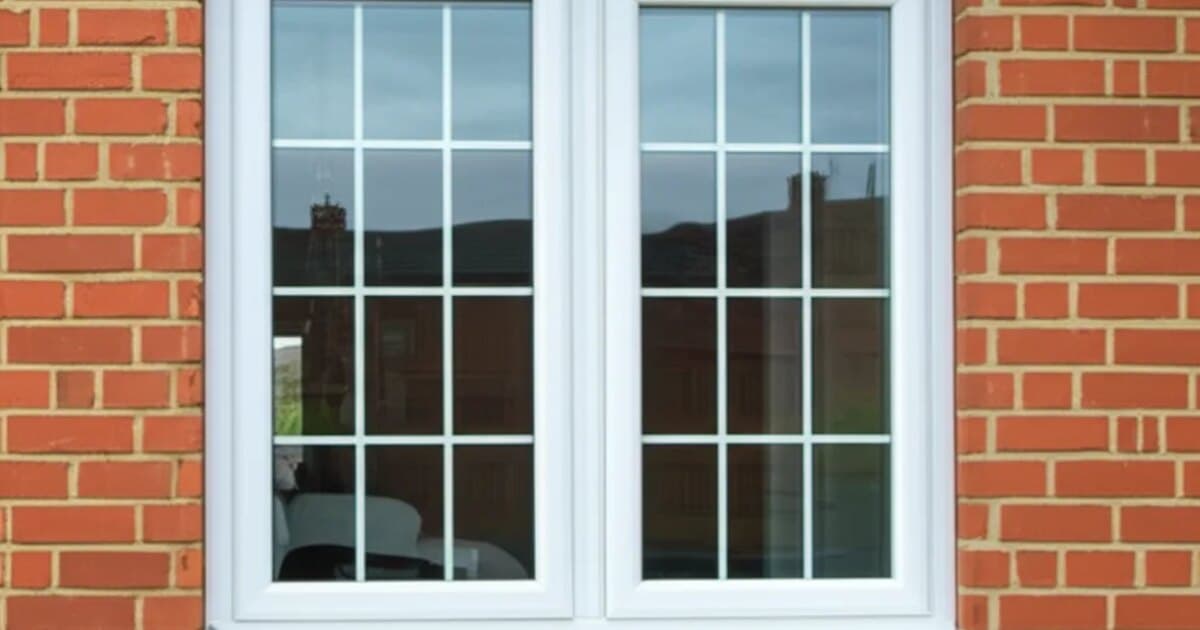
The North End presents the most technically and aesthetically complex window replacement environment in Boise. Homes here were built predominantly between 1900 and 1945, and many retain original wood-frame double-hung windows — some still with single-pane glass and rope-weight counterbalance systems — that are architectural artifacts as much as functional openings. The divided-light patterns, muntin profiles, and window proportions of Craftsman bungalows and Foursquare homes are integral to the architectural character that drives the neighborhood's premium property values. Replacement in this context requires a product that replicates the exterior profile of the original window as closely as possible while delivering modern thermal performance. Simulated divided lights (SDL) — individual panes of glass separated by applied grille bars with a shadow bar between the panes to replicate the visual depth of true divided lights — are the appropriate solution for most North End homes. True divided-light windows are available for the most historically sensitive properties but come at a significant price premium and sacrifice some thermal performance by multiplying the number of glass-to-sash seals. Properties within the North End Historic District require attention to City of Boise Historic Preservation guidelines. The guidelines address exterior window appearance — frame color, profile dimensions, glazing bar patterns — and the process for obtaining a Certificate of Appropriateness. For many straightforward replacements using historically compatible products, staff-level approval is available without full commission review. We navigate this process regularly and can advise on product specifications that meet historic guidelines while delivering modern performance. North End homes also frequently have non-standard rough opening sizes from original construction — window openings sized to non-modular dimensions that do not align with contemporary product catalogs. Custom or semi-custom fabrication is often required, adding lead time and cost to the project. We measure every rough opening individually and specify products against actual field dimensions rather than assuming standard sizing. The mature tree canopy of the North End creates specific exposure conditions for north-facing windows — lower direct sun exposure but higher ambient shade and potential for condensation on cold glass surfaces during temperature transitions in fall and spring. Proper Low-E specification and adequate interior ventilation management are more important than in open-exposure suburban settings.
Boise Bench
Bench-area windows exist on a wide performance spectrum, from truly original single-pane units in the oldest homes near the Bench rim to early double-pane replacements from the 1980s and 1990s that are now showing seal failures and hardware deterioration. The common thread across Bench homes is the combination of relatively modest original construction and decades of deferred maintenance that has left window systems significantly underperforming relative to what modern products can deliver. One of the most frequent conditions we document on Bench homes is the failed insulated glass unit (IGU) — the fogged, hazy appearance between the panes of a double-pane window caused by seal failure that allows humid interior air to enter the space between the panes, deposit minerals on the glass surface, and permanently obscure visibility. IGU failure does not indicate a frame problem in most cases; the frame may be structurally sound while every glass unit in the home has failed its seal. In these cases, the question is whether to re-glaze the existing frames with new IGUs or to replace the full window unit. We provide a comparative cost analysis — re-glazing is less expensive per unit but may not be possible if the existing frames are deteriorating, and replacement provides an opportunity to upgrade to a better glass package and potentially a better frame material simultaneously. Bench homes on the elevated plateau often experience more wind exposure than the sheltered valleys to the north and east, and air infiltration through aged window weatherstripping is a meaningful source of both energy loss and dust infiltration — a real concern in a semi-arid city where dust events are a seasonal occurrence. New window installations eliminate the weatherstripping deterioration that accumulates over decades and close the infiltration gaps that are the primary pathway for dust-laden exterior air to enter the home. Bench homeowners are also among the most practically motivated in Boise's window market. The aesthetic drive that shapes decisions in Harris Ranch and the North End is less dominant on the Bench; performance and return on investment are the primary considerations. We frame Bench window replacement proposals around energy bill reduction, comfort improvement, and the certified NFRC ratings of the specific units being installed — specifics that resonate with the practical, value-oriented Bench homeowner demographic.
West Boise
West Boise's 1990s and 2000s housing stock is entering the window replacement phase of its lifecycle in large numbers. The builder-grade double-pane windows installed in subdivisions across the Star Road, Five Mile Road, and Maple Grove Road corridors were specified to minimum energy code standards of their time — standards that were meaningfully below what current Idaho Energy Code requires and what current product capability makes available. Two to three decades of thermal cycling, UV exposure, and weatherstripping compression have left most of these window installations underperforming relative to even their original specification. The most common West Boise window conditions include: failed IGU seals (foggy glass between panes), broken or frozen hardware (cranks on casement windows, balance failures on double-hungs), deteriorated weatherstripping that no longer seals properly, and vinyl frames that have developed micro-gaps at corner welds from years of thermal cycling. Any one of these conditions warrants individual repair; when multiple conditions are present across a large percentage of the home's windows, full replacement is almost always more cost-effective and delivers a step-change in performance rather than an incremental improvement. Scale is what distinguishes the West Boise replacement project from a smaller one. At typically 1,800–3,000 square feet with 15–25 windows spread across four elevations, a single glass package applied uniformly across the house gives up performance on most of it — the west-facing openings absorbing the full weight of a July afternoon and the north-facing openings where January heat loss dominates call for opposite solar heat gain specifications. The standard rough openings of 1990s and 2000s West Boise construction make orientation-specific specification easy to execute: the different glass packages come from the same catalog and ship on the same order, with no custom fabrication and no added lead time. West Boise also has a significant population of homeowners who have added sunrooms, covered patios, or second-story additions over the years, and these additions frequently used whatever window product was available at the time without coordinating with the rest of the home's window system. A comprehensive replacement project is an opportunity to standardize the window system across the original structure and any additions, achieving visual consistency and a unified weathertight envelope.
SE Boise / Harris Ranch
Harris Ranch and SE Boise's premium development corridor attract homeowners with high design expectations and a willingness to invest in quality products, making this neighborhood the strongest market in Boise for fiberglass frame windows, triple-pane specifications, and premium glass packages. The architectural vocabulary of Harris Ranch homes — a mix of Craftsman-influenced, contemporary, and transitional styles on larger foothills lots — supports a wide range of window profiles and configurations, from traditional double-hung in wood-interior frames to large picture windows and multi-panel sliding glass doors that frame Foothills views. The foothills orientation of many SE Boise and Harris Ranch properties creates specific performance challenges. West and southwest-facing windows collect the most aggressive afternoon sun of any orientation in the Boise area, and in a development where many homes are positioned to capture Foothills views to the north and east while their living spaces face west toward downtown and the Treasure Valley, the solar gain management problem is acute. We consistently recommend the most aggressive SHGC specifications — low-e glass with SHGC of 0.22–0.28 — for western exposures in this neighborhood, and present triple-pane options on all west-facing openings as the most effective intervention for afternoon cooling load management. Harris Ranch homes also have a meaningful population of large-format picture and multi-panel window walls — openings that blur the boundary between interior and exterior living space — that have become a design priority as the neighborhood has developed. These openings, while visually dramatic, represent significant thermal vulnerability if specified at a low performance level. We work with manufacturers offering thermally broken frames with high-performance glass packages that maintain the architectural intent while controlling the energy and comfort implications of large glazed openings. A whole-home replacement at the upper end of this page's band is a significant but proportionate investment on a Harris Ranch home, and it delivers daily comfort improvements in a neighborhood where homeowners have high expectations for their living environment. We do not publish a resale-recovery figure for it — what a window replacement returns at sale on a specific Harris Ranch property is a question for a local agent or appraiser working current comparables, not for a contractor.

The design phase is where your window replacement goes from a general idea to a specific plan. Good design balances aesthetics, functionality, budget, and the unique characteristics of your home and neighborhood in Boise. Here are the most popular design approaches and trends we see in Boise and the surrounding Treasure Valley.
Boise homeowners tend to favor designs that blend modern functionality with the regional character of Idaho homes. Here are the most requested design elements:
These design factors are specific to window replacement projects and affect both the look and function of the finished space:
Window style consistency — use the same style (double-hung, casement, slider) on each elevation for a unified exterior appearance
Grid pattern selection — grids between the glass (GBG) add a traditional look while maintaining easy cleaning; no grids create a clean, modern appearance
Interior color and finish — match window interior color to your trim and millwork; wood-clad windows offer the most interior finish options
Glass performance by exposure — south and west windows benefit from solar-control Low-E coatings; north windows benefit from high-solar-gain Low-E to capture winter warmth
Ventilation planning — ensure enough operable windows for adequate airflow; code requires egress-sized windows in bedrooms for emergency exit
Exterior color coordination — match or complement exterior window color with siding, trim, and front door for cohesive curb appeal
The materials and finishes you choose bring your design to life. Here are the options most commonly selected for window replacement projects in Boise:
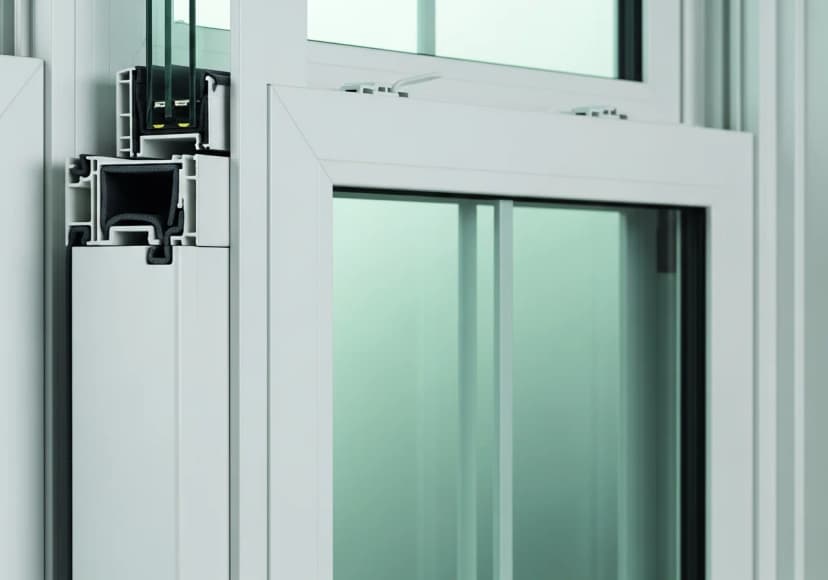
Vinyl Windows (Milgard, Simonton, Ply Gem)
$300–$900 per window installed, depending on tierBudget-conscious whole-home replacements where maximum energy savings per dollar is the priority
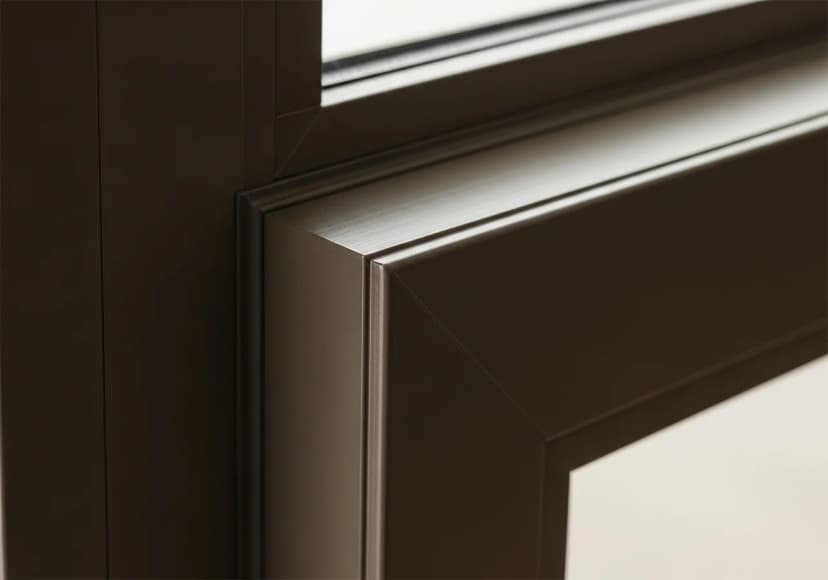
Fiberglass Windows (Milgard, Marvin, Pella)
$700–$1,400 per window installedHomeowners who want premium performance, slim profiles, and color options beyond white
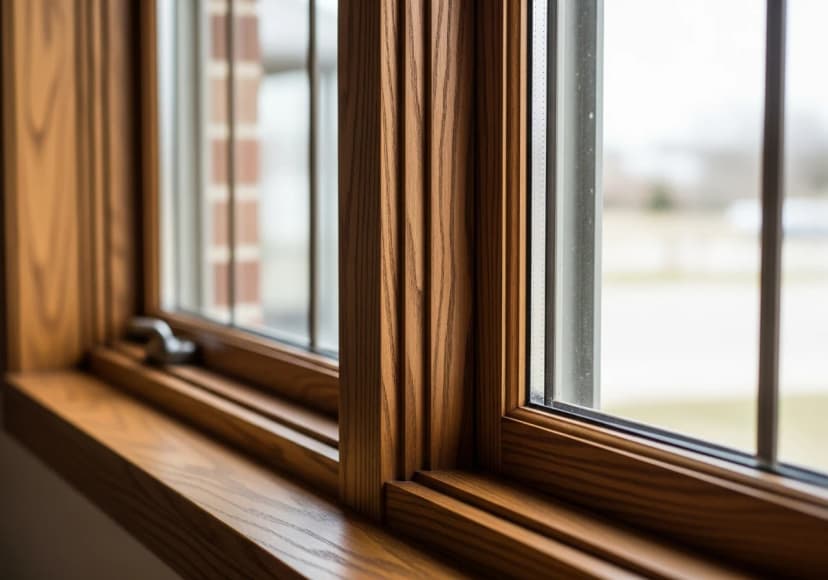
Wood-Clad Windows (Andersen, Marvin, Pella)
$900–$1,800+ per window installedHigh-end renovations, historic homes, and homeowners who want real wood interior trim and aesthetics
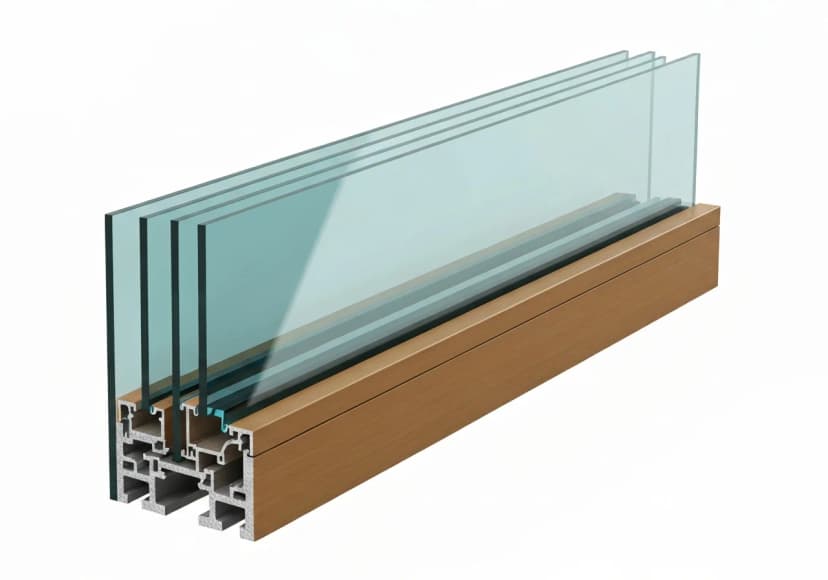
Low-E Glass with Argon Fill
Included in most quality replacement windowsAll replacement windows in the Treasure Valley — how manufacturers reach the U-factor of 0.32 that Idaho's adopted energy code sets for Climate Zone 5
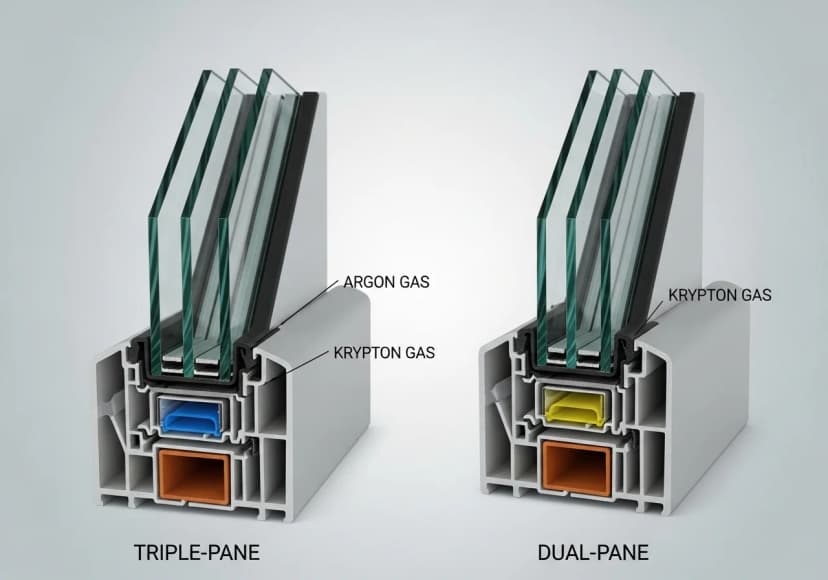
Triple-Pane Glass
$150–$300 premium per window over dual-paneNorth-facing windows for winter comfort, west-facing windows for afternoon solar load, bedrooms near roads, and homeowners seeking maximum energy performance
Learning from others' mistakes saves time and money. Here are the most common window replacement design pitfalls we see in Boise:
Drafty windows causing cold spots and high heating bills in winter
We replace old single-pane or failed double-pane windows with modern Low-E, argon-filled units that reduce heat loss by 30-50%. Proper insulation around the frame eliminates drafts at the window-to-wall connection.
Foggy windows with failed seals and condensation between panes
Failed seals cannot be repaired — the window unit must be replaced. New factory-sealed dual or triple-pane units with quality spacers and seals restore clear views and insulation performance.
Windows that are difficult to open, close, or lock
New replacement windows operate smoothly with modern balance systems, tilt-in sashes for easy cleaning, and multi-point locking hardware for improved security.
Excessive noise from traffic or neighbors
We recommend dual-pane windows with laminated glass or triple-pane configurations for maximum noise reduction. Proper installation with foam-filled gaps at the rough opening also reduces sound transmission.
UV damage to furniture, flooring, and artwork near windows
Low-E glass blocks 70-95% of harmful UV rays while allowing visible light to pass through. This dramatically reduces fading and UV damage to interior furnishings, flooring, and artwork.
For window replacement projects in Boise, you have two main approaches to the design process: hiring a separate interior designer then a contractor, or working with a design-build firm that handles both under one roof.
Design-build (our approach)
- ✓ Single point of contact
- ✓ Design informed by real construction costs
- ✓ Faster project delivery
- ✓ Budget aligned from day one
Separate designer + contractor
- ● More specialized design expertise
- ● Independent design perspective
- ● Requires coordination between parties
- ● Can result in budget surprises
Local factors — Boise's housing stock and typical construction eras, the climate conditions that drive material and scheduling choices, and permitting through City of Boise Planning and Development Services — are covered in full on our Boise page for this service, alongside 4 common project types.
Window Replacement in Boise: housing stock, climate & permits →Do replacement windows qualify for tax credits?
Yes. Energy Star certified windows qualify for federal energy efficiency tax credits under the Inflation Reduction Act. As of 2024, homeowners can claim up to $600 for qualifying window replacements. We can help you identify qualifying products.
What is the difference between insert and full-frame replacement?
Insert replacement installs the new window within the existing frame, preserving interior and exterior trim. Full-frame replacement removes everything including the old frame, allowing for new flashing and insulation at the rough opening. Full-frame costs more but addresses the entire window assembly.
Does the North End have special remodeling rules?
Yes. The North End Historic District has additional design review requirements for exterior modifications. Interior work is not affected, but changes to the exterior appearance — siding, windows, roofing, and additions — may require Historic Preservation Commission review.
Planning window replacement in Boise?
Get expert guidance and a free estimate for your window replacement project in Boise, ID.
Get Your Free Estimate