
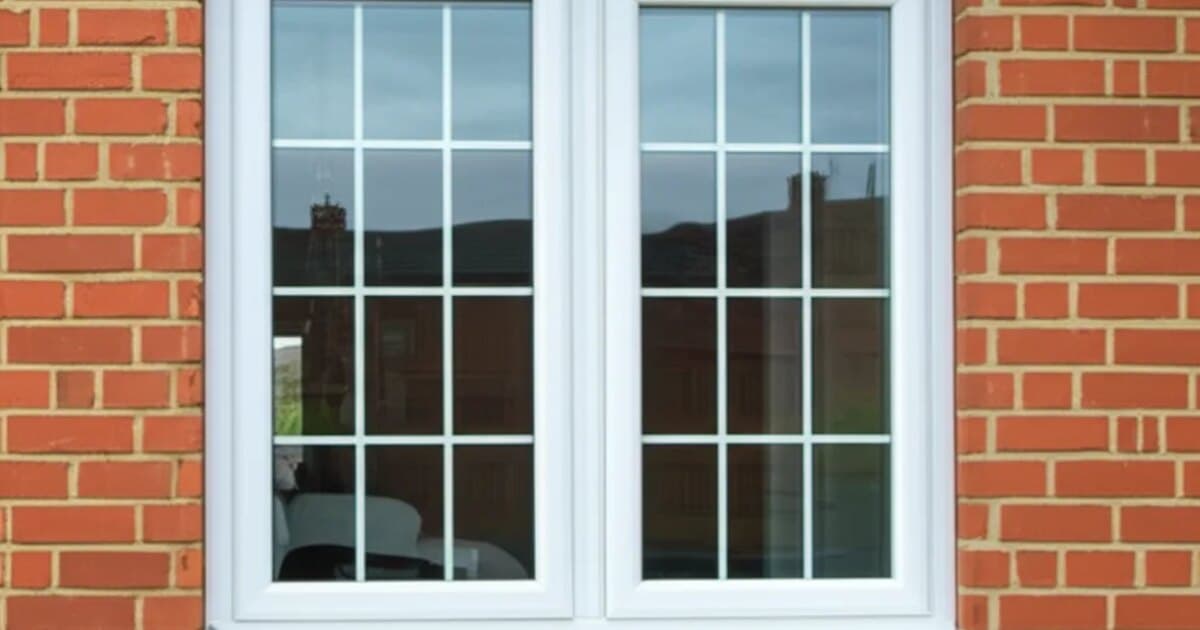
Window Replacement Cost in Boise
Planning window replacement in Boise? Here is what to budget for new energy-efficient windows, from material selection to installation.
Quick answer
Most Boise window replacement projects cost $6,500 to $28,000, with a typical Boise project landing near $13,500. Boise window replacement costs reflect the city's specific housing stock, the performance specifications the climate demands, and current regional labor rates. Vinyl is the material most Boise replacements use, and it prices in two tiers: builder-grade double-pane Low-E vinyl runs $300–$500 per window installed, and the premium welded-corner, multi-chamber vinyl we actually specify runs $500–$900.
Boise, ID · Window Replacement
Planning window replacement in Boise?
Read the full guide below — or get your project priced now. Free, no-obligation estimates from an Idaho registered local team, backed by a 1-year workmanship warranty.
- Licensed Idaho RCE-6681702
- 1-Year Workmanship Warranty
- $2M Liability Coverage
- Free, No-Obligation Estimates


Typical range in Boise: $6,500 – $28,000
Typical Boise project: $13,500
Boise window replacement costs reflect the city's specific housing stock, the performance specifications the climate demands, and current regional labor rates. Vinyl is the material most Boise replacements use, and it prices in two tiers: builder-grade double-pane Low-E vinyl runs $300–$500 per window installed, and the premium welded-corner, multi-chamber vinyl we actually specify runs $500–$900. Fiberglass frames, which handle Boise's thermal cycling better than vinyl and carry longer warranties, run $550–$950 per window installed. Wood-interior windows — most appropriate for North End historic homes — range from $700 to $1,500+ per window depending on size and profile, and custom or historically matched sizes for pre-war rough openings push higher still. Those per-window figures multiply out into the $6,500 to $28,000 whole-home band at the top of this page: the low end is a modest window count in premium vinyl, the middle is a 20-window ranch or two-story, and the high end is a large or historic home with custom-fit wood-interior units. Scopes that fall outside that band — a single elevation on one side, an unusually large custom-glazed home on the other — are quoted individually rather than folded into it.
Permit costs and review times in Boise
Permit fees and plan-review turnaround are set by Boise, not by the contractor, and they differ across the Treasure Valley. They belong in your budget and your schedule from the start.
- How Boise calculates the fee
- Valuation-based (Table 1-A). Up to $500: $26.37; $501–$2,000: $26.37 plus $2.95 per additional $100. $2,001–$25,000: $70.76 for the first $2,000 plus $12.71 per additional $1,000. $25,001–$50,000: $362.80 plus $9.30 per $1,000. $50,001–$100,000: $595.30 plus $6.35 per $1,000. Over $100,000: $913.09 plus $5.17 per $1,000 (each "or fraction thereof"). Residential plan review adds 20% of the permit fee. The FY27 schedule (Oct 1, 2026) left this table unchanged and raised several smaller fees such as reinspections.
- Plan-review turnaround
- Published first-review targets (working days): single-family Level 1 under 10, Level 2 under 14; additions/alterations Level 1 under 1, Level 2 under 10. The city's Jun–Aug 2026 report shows actual averages of 10, 12, 1 and 8 working days respectively. Total time to a ready-to-issue permit, including applicant resubmittals, ran longer (e.g. 42 days for single-family Level 1).
Figures quoted from Boise's published scheduleFY27 fee schedule eff. Oct 1, 2026 (Table 1-A unchanged since 2021)
Idaho adopts building codes by statute, so the code editions are the same statewide — the 2018 IRC with Idaho amendments and the 2023 NEC. What changes between cities is the fee formula, the review queue, and which office holds the file.
The cost of window replacement in Boise depends on the scope of work, materials selected, complexity of the layout, condition of existing systems, and the finish level you choose. Every project is different, but understanding the major cost drivers helps you plan a realistic budget and make informed decisions about where to invest and where to save. The ranges above reflect the full spectrum of projects we complete in Boise — from straightforward updates to comprehensive renovations with premium materials and significant structural changes.
Common project types we take on in Boise, with the typical investment and timeline for each:
Pre-1970 North End Home — Original Single-Pane Double-Hung Replacement
$900–$1,600 per window installed2–4 days for 10–15 windowsNorth End homes built before 1970 frequently retain their original wood-frame double-hung windows, some of which are the original single-pane units from the home's construction — rope-weight counterbalanced sashes that have been painted shut and repainted so many times that operation is purely theoretical. These windows are beautiful in their original profile but catastrophically inefficient by modern standards. The project involves careful removal of the original units, documentation of rough opening dimensions (which are frequently non-standard in pre-war construction), and installation of custom or semi-custom replacement windows in wood-interior fiberglass or aluminum-clad wood frames that replicate the original divided-light profile visible from the street. Low-E glass with a solar heat gain coefficient (SHGC) tuned for south and west orientations is essential. Historic district properties may require specific exterior color and profile approvals from City of Boise Historic Preservation staff. The result is a window that reads as original from the sidewalk but performs at a modern energy standard.
West Boise Ranch — Builder-Grade to Premium Vinyl Upgrade
$7,500–$14,000 for a full home1–2 days for 12–18 standard windowsThe vast majority of West Boise homes built in the 1990s and early 2000s were glazed with builder-grade single-pane or early double-pane windows that have reached or exceeded their design life. These windows have developed failed seals (visible as the hazy fog between panes that appears when the inert gas fill escapes), hardware failures, and frame degradation that makes operation difficult and weatherstripping integrity poor. Full replacement with premium double-pane Low-E vinyl frame windows dramatically improves thermal performance, eliminates air infiltration, and restores smooth operation. The relatively standard rough opening sizes in 1990s-2000s West Boise construction make these projects faster and more cost-predictable than historic home work — installers can work from a standard product catalog rather than custom fabrication.
Boise Bench Home — Back-Elevation Window Replacement
$3,500–$7,500 for a back-elevation window group1–2 daysBench-area ranch homes built in the 1950s through 1970s typically feature large back-elevation windows and jalousie-style openings that are among the worst thermal performers in the residential window world. Jalousie windows — the louvered crank-open units common in that era — have virtually no insulating or sealing performance and are a primary source of both energy loss and security vulnerability. Replacing them with modern aluminum-clad fiberglass or vinyl-frame units incorporating Low-E glass and improved sealing systems dramatically improves thermal performance in the rooms where Boise homeowners most want comfort — the main living and dining spaces that open to back yards and patios. We typically replace all windows on the back elevation in the same project for installation efficiency and to ensure a consistent appearance and performance profile across the entire elevation.
SE Boise / Harris Ranch — Noise and Solar Management on Foothills Exposure
$15,000–$25,000 for a full home with premium specifications3–5 daysHarris Ranch and SE Boise properties on south and west-facing foothills exposures face a specific combination of challenges: intense afternoon solar gain from the western sun reflecting off the Boise Foothills, elevated ambient noise from Warm Springs Avenue and the growing arterial network serving the development, and premium real estate values that justify higher-specification glass packages. These projects typically specify triple-pane units on south and west elevations for maximum solar gain coefficient control, with laminated glass interlayers on road-facing windows for acoustic attenuation. The incremental cost of triple-pane versus double-pane on a per-window basis runs $150–$300 per unit — a premium we present against the cooling-season comfort improvement in the rooms that take the afternoon western sun, not against an energy saving we have not measured.
State Street Corridor — Acoustic Priority Window Replacement
$800–$1,400 per window installed with acoustic glass2–3 days for 10–15 windowsProperties within two to four blocks of State Street in the North End and near the downtown core experience traffic noise levels that are a legitimate quality-of-life issue and a real estate differentiator. Standard double-pane windows reduce noise transmission compared to single-pane originals, but the most effective acoustic solution is laminated glass — which incorporates a plastic interlayer that dampens sound transmission — in combination with a wider air space between panes. Manufacturers publish a Sound Transmission Class (STC) rating for each glass package, and laminated options rate above the standard double-pane units they replace — compare the rated figures for the specific packages being quoted rather than a general claim about laminated glass. We specify laminated glass as the standard recommendation for windows facing State Street or Vista Avenue, and include the acoustic performance comparison in our project proposals so homeowners can make an informed specification decision.
These are the factors that have the biggest impact on your window replacement budget in Boise. Understanding each one helps you make better decisions during the planning phase.
Number of Windows
high impactThe total window count is the primary cost driver. Whole-home replacements of 15-25 windows benefit from volume pricing that reduces per-unit cost. Single-window replacements have higher per-unit costs due to minimum labor charges.
Frame Material
high impactVinyl is the most affordable, fiberglass is mid-range, and wood-clad is the premium option. The frame material alone can create a 2-3x cost difference per window.
Window Size and Style
medium impactStandard double-hung and slider windows are the most affordable. Large picture windows, bay windows, bow windows, and custom shapes cost significantly more due to size, engineering, and manufacturing complexity.
Installation Method
medium impactInsert (pocket) replacement is faster and less expensive because it preserves existing trim. Full-frame replacement costs more due to frame removal, rough opening preparation, new flashing, and trim replacement.
Glass Package Upgrades
low impactTriple-pane glass, specialty Low-E coatings for specific exposures, laminated glass for noise reduction, and impact-resistant glass add $100-300+ per window over standard dual-pane Low-E.
Exterior Trim and Finishing
low impactAluminum capping, PVC trim, or wood trim finishing on the exterior adds cost but creates a clean, weather-tight appearance. The scope of exterior finish work depends on the installation method and existing trim condition.
Materials are one of the most controllable parts of your budget. Here is how popular options compare for window replacement in Boise:
| Material | Price Range | Best For |
|---|---|---|
| Vinyl Windows (Milgard, Simonton, Ply Gem) | $300–$900 per window installed, depending on tier | Budget-conscious whole-home replacements where maximum energy savings per dollar is the priority |
| Fiberglass Windows (Milgard, Marvin, Pella) | $700–$1,400 per window installed | Homeowners who want premium performance, slim profiles, and color options beyond white |
| Wood-Clad Windows (Andersen, Marvin, Pella) | $900–$1,800+ per window installed | High-end renovations, historic homes, and homeowners who want real wood interior trim and aesthetics |
| Low-E Glass with Argon Fill | Included in most quality replacement windows | All replacement windows in the Treasure Valley — how manufacturers reach the U-factor of 0.32 that Idaho's adopted energy code sets for Climate Zone 5 |
| Triple-Pane Glass | $150–$300 premium per window over dual-pane | North-facing windows for winter comfort, west-facing windows for afternoon solar load, bedrooms near roads, and homeowners seeking maximum energy performance |
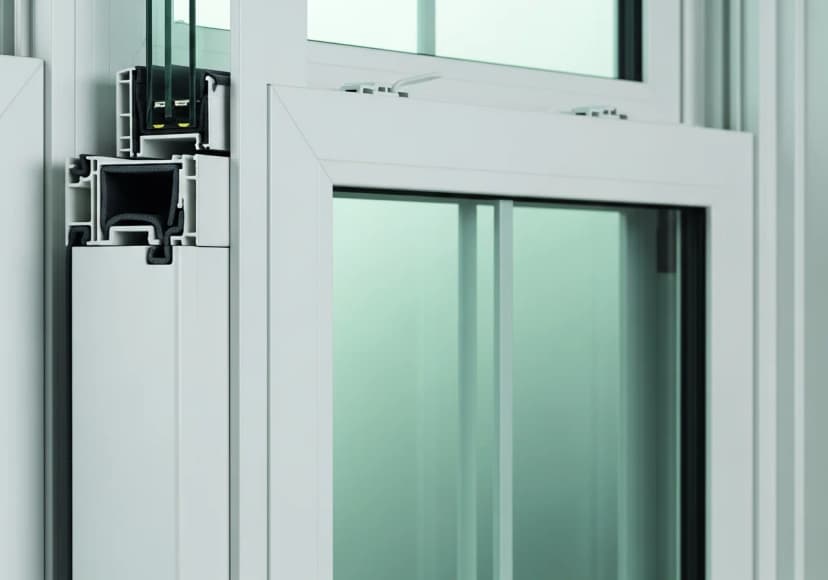
Vinyl Windows (Milgard, Simonton, Ply Gem)
$300–$900 per window installed, depending on tier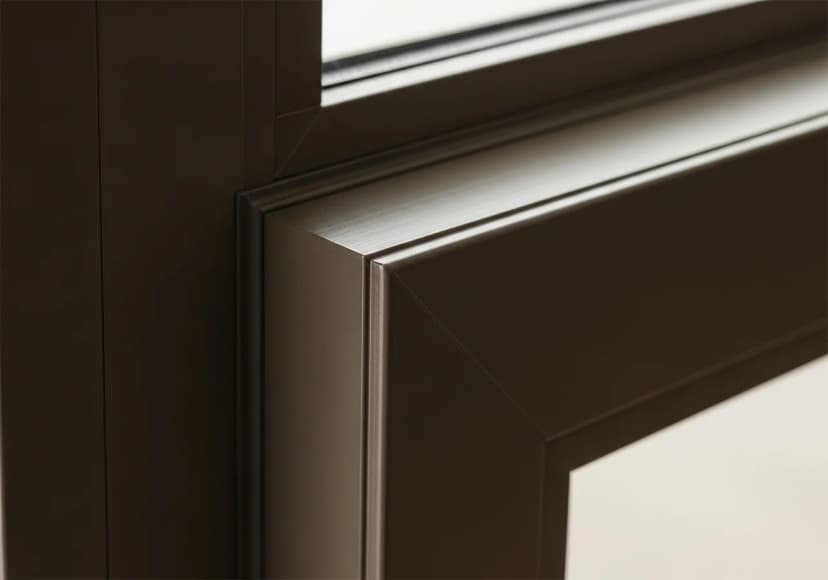
Fiberglass Windows (Milgard, Marvin, Pella)
$700–$1,400 per window installed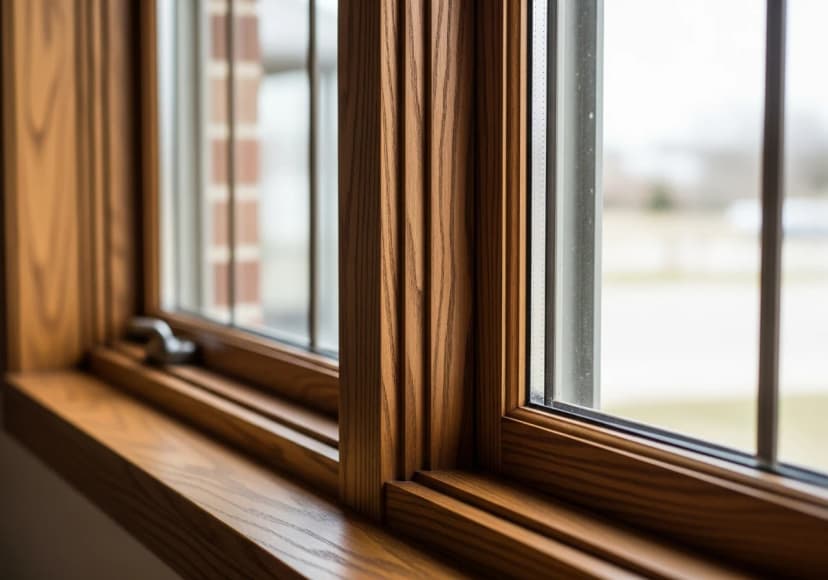
Wood-Clad Windows (Andersen, Marvin, Pella)
$900–$1,800+ per window installed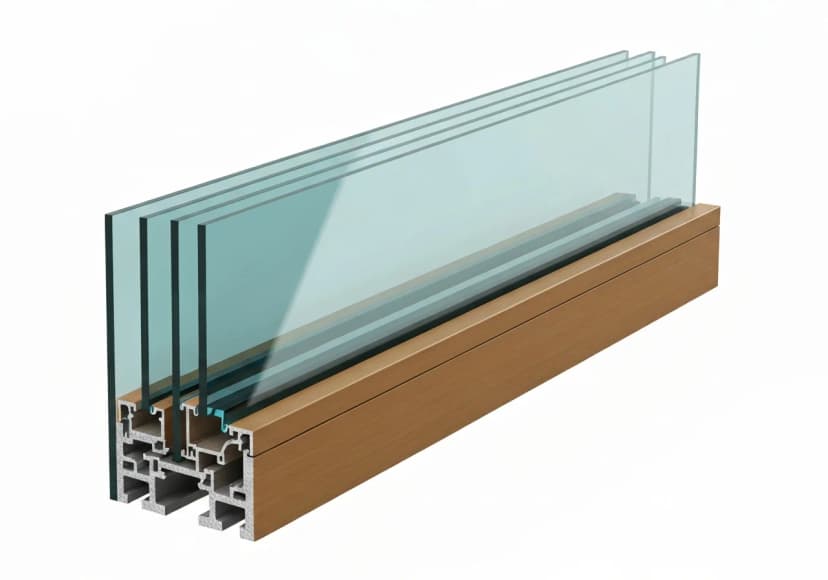
Low-E Glass with Argon Fill
Included in most quality replacement windows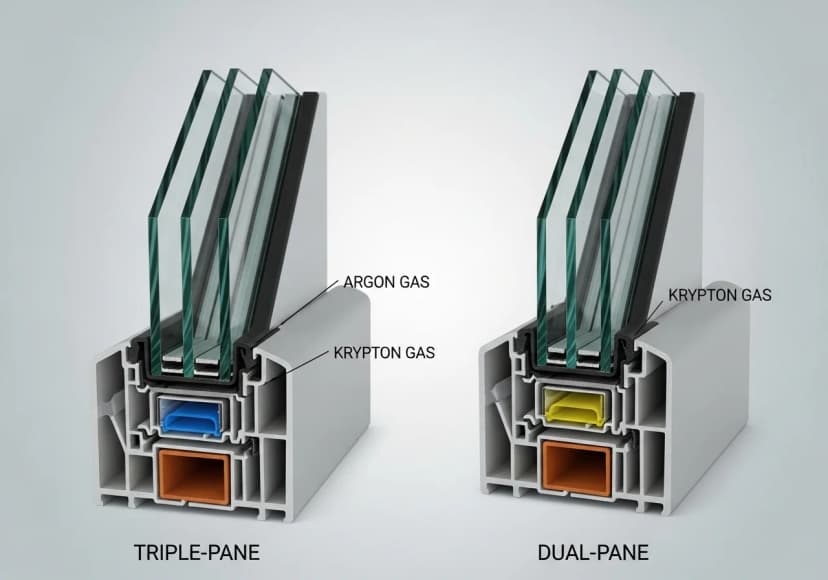
Triple-Pane Glass
$150–$300 premium per window over dual-paneLabor costs in Ada County reflect the local construction market, trade availability, and seasonal demand. Spring and summer are the busiest seasons for remodeling in the Treasure Valley, which can affect scheduling and occasionally pricing. Planning your project during the fall or winter months may provide more scheduling flexibility.
The most reliable way to understand what your specific window replacement will cost in Boise is to schedule an in-home consultation. During this visit, we measure the space, discuss your goals and material preferences, evaluate existing conditions, and prepare a detailed scope and estimate based on your specific project.
What to have ready for your estimate consultation:
- ✓ A general idea of your budget range
- ✓ Examples of styles and finishes you like (photos, Pinterest boards, etc.)
- ✓ Any known issues with the current space (leaks, mold, outdated systems)
- ✓ A list of must-haves vs nice-to-haves for the finished project
- ✓ Your preferred timeline for starting and completing the work
Local factors — Boise's housing stock and typical construction eras, the climate conditions that drive material and scheduling choices, and permitting through City of Boise Planning and Development Services — are covered in full on our Boise page for this service, alongside 4 common project types.
Window Replacement in Boise: housing stock, climate & permits →How much do replacement windows cost in Boise?
Replacement windows in the Boise area typically cost $400-800 per window for quality vinyl, $700-1,400 for fiberglass, and $900-1,800+ for wood-clad — including installation. A whole-home replacement of 15-20 windows typically runs $10,000-22,000 for vinyl or $15,000-30,000+ for fiberglass or wood-clad.
How much can new windows save on energy bills?
Replacing single-pane windows with modern Low-E, argon-filled units can reduce heating and cooling costs by 15-30%. The savings are especially significant in Boise's climate with cold winters and hot summers. Triple-pane windows offer even greater savings.
Do you work on older homes in Boise?
Yes. We regularly remodel homes from every era of Boise construction — from 1900s Craftsman homes in the North End to 1970s ranch homes on the Bench to 2000s builder-grade homes in West Boise. Each era presents different structural, plumbing, and electrical considerations that we plan for during the design phase.
Planning window replacement in Boise?
Get expert guidance and a free estimate for your window replacement project in Boise, ID.
Get Your Free Estimate