Exterior Painting Cost in Boise
Planning exterior painting in Boise? Here is what to budget for a professional exterior paint job that lasts.
Quick answer
Most Boise exterior painting projects cost $2,800 to $18,000, with a typical Boise project landing near $6,500. Exterior painting costs in Boise are driven by the climate demands — the UV and temperature stress described above require premium paint systems and thorough prep that cannot be shortcut.
Boise, ID · Exterior Painting
Planning exterior painting in Boise?
Read the full guide below — or get your project priced now. Free, no-obligation estimates from an Idaho registered local team, backed by a 1-year workmanship warranty.
- Licensed Idaho RCE-6681702
- 1-Year Workmanship Warranty
- $2M Liability Coverage
- Free, No-Obligation Estimates


Typical range in Boise: $2,800 – $18,000
Typical Boise project: $6,500
Exterior painting costs in Boise are driven by the climate demands — the UV and temperature stress described above require premium paint systems and thorough prep that cannot be shortcut. Neither Sherwin-Williams nor Benjamin Moore publishes a list price we can quote, so we do not print a per-gallon figure; the premium exterior lines cost materially more than mid-grade products, and on most jobs materials are the smaller half of the number anyway. The wide range from low to high reflects genuine project diversity: a simple single-story 1,500-square-foot ranch on the Bench with T1-11 siding in good condition is a fundamentally different project from a two-story 3,000-square-foot North End Craftsman with original wood siding, multiple dormers, and detailed trim work. Projects involving wood rot repair, lead paint prep, full stripping of failing previous coatings, or masonry primer on stucco surfaces all add cost. The average of $6,500 reflects the most common project type in Boise: a two-story, 2,200-square-foot home with horizontal lap siding in fair-to-good condition requiring full prep, prime, and two topcoats.
Permit costs and review times in Boise
Permit fees and plan-review turnaround are set by Boise, not by the contractor, and they differ across the Treasure Valley. They belong in your budget and your schedule from the start.
- How Boise calculates the fee
- Valuation-based (Table 1-A). Up to $500: $26.37; $501–$2,000: $26.37 plus $2.95 per additional $100. $2,001–$25,000: $70.76 for the first $2,000 plus $12.71 per additional $1,000. $25,001–$50,000: $362.80 plus $9.30 per $1,000. $50,001–$100,000: $595.30 plus $6.35 per $1,000. Over $100,000: $913.09 plus $5.17 per $1,000 (each "or fraction thereof"). Residential plan review adds 20% of the permit fee. The FY27 schedule (Oct 1, 2026) left this table unchanged and raised several smaller fees such as reinspections.
- Plan-review turnaround
- Published first-review targets (working days): single-family Level 1 under 10, Level 2 under 14; additions/alterations Level 1 under 1, Level 2 under 10. The city's Jun–Aug 2026 report shows actual averages of 10, 12, 1 and 8 working days respectively. Total time to a ready-to-issue permit, including applicant resubmittals, ran longer (e.g. 42 days for single-family Level 1).
Figures quoted from Boise's published scheduleFY27 fee schedule eff. Oct 1, 2026 (Table 1-A unchanged since 2021)
Idaho adopts building codes by statute, so the code editions are the same statewide — the 2018 IRC with Idaho amendments and the 2023 NEC. What changes between cities is the fee formula, the review queue, and which office holds the file.
The cost of exterior painting in Boise depends on the scope of work, materials selected, complexity of the layout, condition of existing systems, and the finish level you choose. Every project is different, but understanding the major cost drivers helps you plan a realistic budget and make informed decisions about where to invest and where to save. The ranges above reflect the full spectrum of projects we complete in Boise — from straightforward updates to comprehensive renovations with premium materials and significant structural changes.
Common project types we take on in Boise, with the typical investment and timeline for each:
Full Exterior Repaint — North End Wood-Siding Craftsman
$9,500–$15,00010–15 daysA 1,900-square-foot 1920s Craftsman with original fir lap siding, detailed trim, and a deep front porch with decorative columns. The prep process begins with a thorough soft-wash power washing to remove mildew, dust, and chalked paint residue, followed by a two-week drying period before any paint is applied. All soft wood is treated with wood hardener, loose paint is scraped to bare wood, and bare areas are spot-primed with an oil-based primer. All nail holes and cracks are filled with exterior spackle, all trim-to-siding joints are re-caulked with 50-year paintable caulk, and all previously painted surfaces are lightly sanded for adhesion. The topcoat system uses Sherwin-Williams Duration Exterior in a body color, trim color, and a porch floor paint rated for foot traffic. This is the most demanding exterior project type in Boise, and the most rewarding — done properly, the difference shows on the sunny elevations years later, which is where a shortcut job gives itself away first.
Stucco Repaint — West Boise Ranch Home
$4,500–$8,5006–9 daysA 1990-built stucco-finish home in west Boise with hairline thermal cracking throughout the south and west elevations — the predictable result of 30-plus years of Boise's temperature cycling. The prep process involves power washing, allowing full drying, and then applying an elastomeric bridging primer to the cracked areas before topcoating with an elastomeric or high-elasticity exterior paint. Standard exterior latex paints are not appropriate for stucco in Boise because they cannot bridge the thermal cracks that will re-open with each season; elastomeric products are formulated specifically to flex across these cracks and maintain a waterproof film. Color selection for stucco in Boise should favor lighter tones on south and west exposures to minimize heat absorption and thermal stress.
Deck and Fence Staining — Harris Ranch New Build
$1,800–$3,5003–5 daysA 2019-built Harris Ranch home with a rear cedar deck and cedar horizontal fence that have weathered through five Boise summers without any protective coating, resulting in gray oxidation, UV checking, and early surface checking in the wood. The prep process involves pressure washing, deck brightener application, and a full dry cycle before staining. A semi-transparent penetrating stain (Defy Extreme or TWP 1500 series) is applied by brush and back-rolled to ensure full penetration into the open wood grain. Cedar decks are common in Boise's newer neighborhoods, and the maintenance interval here is shorter than the same wood products need in wetter, cloudier markets because the controlling variable is sun rather than rain.
Pre-Sale Exterior Refresh — Southeast Boise
$5,500–$8,0006–8 daysA 2008-built southeast Boise home preparing for sale, with original builder-applied exterior paint that has chalked, faded significantly on the south and west elevations, and begun to show cracking around windows and at corner boards. The project scope includes full power washing, caulk inspection and replacement at all joints and penetrations, spot priming of any bare areas, and two coats of Sherwin-Williams Duration Exterior in a freshened version of the original color scheme — keeping the home recognizable to neighbors while presenting a visibly refreshed curb appeal. This is the most common exterior painting scenario in southeast Boise, where the 2005–2015 build vintage means original paint systems are reaching the end of their useful life in volume.
Garage Door, Trim, and Accent Repaint — Boise Bench
$1,200–$2,8002–4 daysA 1965 Bench bungalow where the body paint is in acceptable condition but the trim, window frames, garage door, and front door have peeled and faded to the point of hurting curb appeal. A targeted refresh of just the trim and accent elements — rather than a full repaint — is often the most cost-effective exterior project for a Bench home whose body coating still has life in it. The trim areas are scraped, sanded, primed, and topcoated in Benjamin Moore Aura Exterior, with the front door receiving a full prep-sand-prime-topcoat treatment in a bold accent color (iron red, deep navy, or forest green are popular in this neighborhood) that transforms the home's street presence at a fraction of the cost of a full repaint.
These are the factors that have the biggest impact on your exterior painting budget in Boise. Understanding each one helps you make better decisions during the planning phase.
Home Size and Number of Stories
high impactThe total exterior surface area is the primary cost driver. A two-story home has significantly more paintable surface and requires ladder or scaffold access, which increases labor time and cost.
Surface Preparation Requirements
high impactHomes with extensive peeling, cracking, or deteriorated paint require much more prep work — scraping, sanding, caulking, and priming — which can represent 40-60% of total project labor.
Siding Material
medium impactWood lap siding, cedar shingles, fiber cement (HardiePlank), stucco, and vinyl each require different prep techniques, products, and application methods. Some materials require more coats or specialized primers.
Number of Colors and Trim Details
medium impactA single siding color with matching trim is the most efficient. Multiple body colors, contrasting trim, detailed millwork, and decorative elements require additional masking, cutting in, and paint changes.
Height and Access Challenges
medium impactTall peaks, steep rooflines, second-story soffits, and areas requiring scaffolding or lift equipment add labor time and equipment costs.
Wood Rot Repair
low impactDamaged or rotted trim, fascia, or siding discovered during prep needs to be repaired or replaced before painting. Rot repair costs vary from minor patching to full board replacement.
Materials are one of the most controllable parts of your budget. Here is how popular options compare for exterior painting in Boise:
| Material | Price Range | Best For |
|---|---|---|
| Sherwin-Williams Duration Exterior | $65–$85 per gallon | Siding and large exterior surfaces that need maximum weather resistance |
| Benjamin Moore Aura Exterior | $70–$90 per gallon | South- and west-facing walls that receive intense Boise sun exposure |
| Sherwin-Williams SuperDeck Stain | $45–$65 per gallon | Wood decks, fences, pergolas, and horizontal wood surfaces |
| Exterior Caulk — DAP Dynaflex Ultra or OSI Quad | $6–$12 per tube | Trim joints, window frames, siding gaps, and penetration sealing |
| Exterior Primer — Zinsser Cover Stain or Kilz Original | $30–$50 per gallon | Bare wood, cedar trim, stain-blocking, and tannin-prone surfaces |
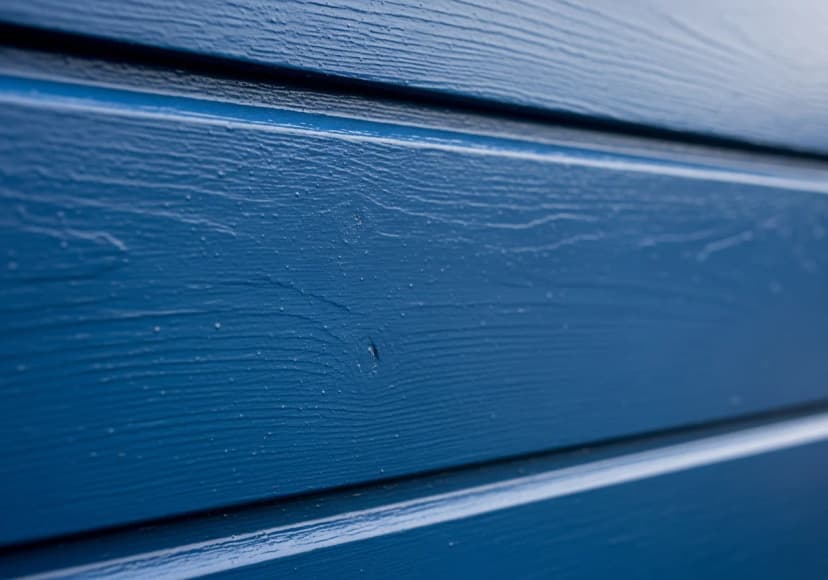
Sherwin-Williams Duration Exterior
$65–$85 per gallon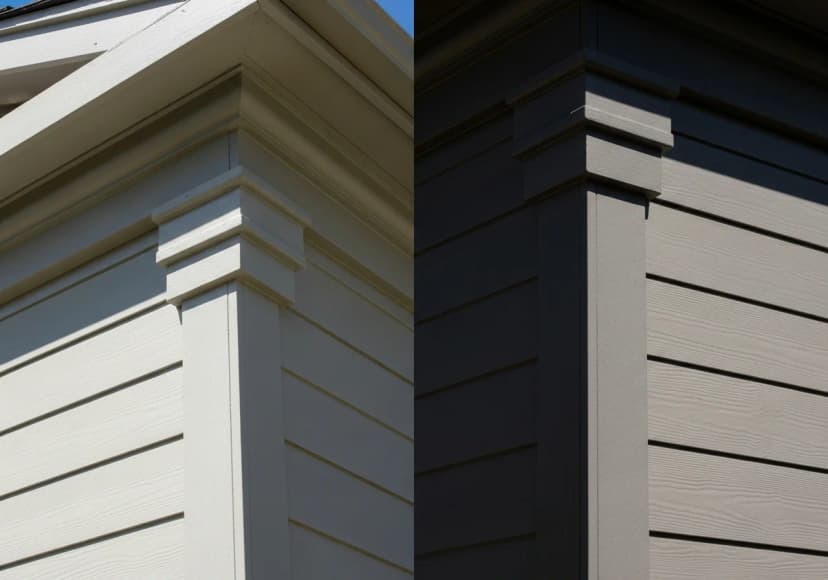
Benjamin Moore Aura Exterior
$70–$90 per gallon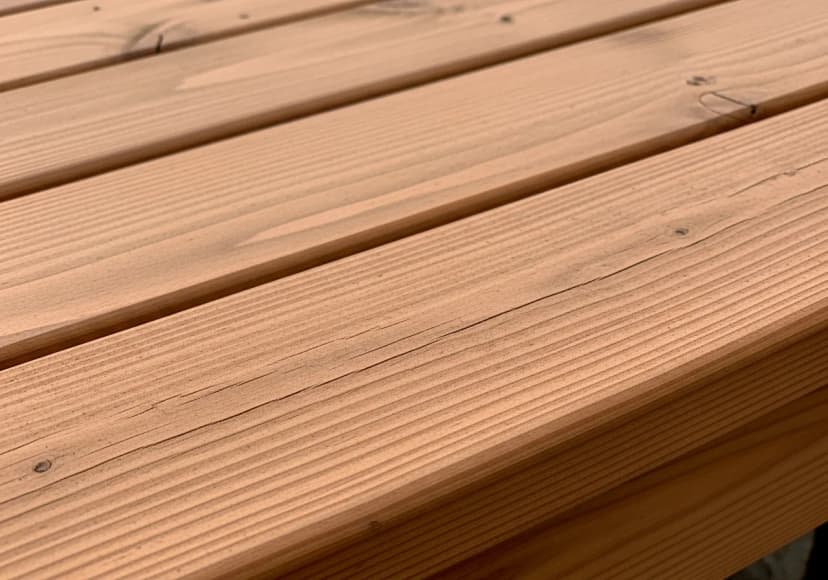
Sherwin-Williams SuperDeck Stain
$45–$65 per gallon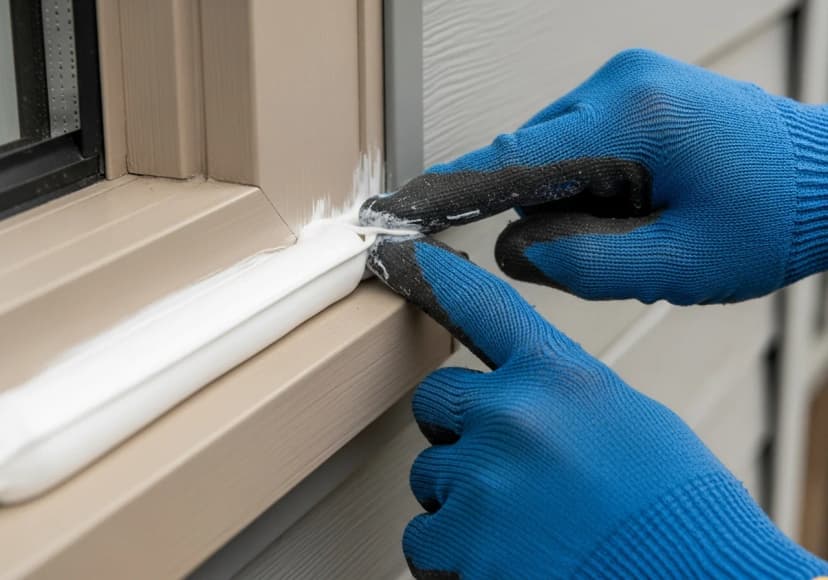
Exterior Caulk — DAP Dynaflex Ultra or OSI Quad
$6–$12 per tube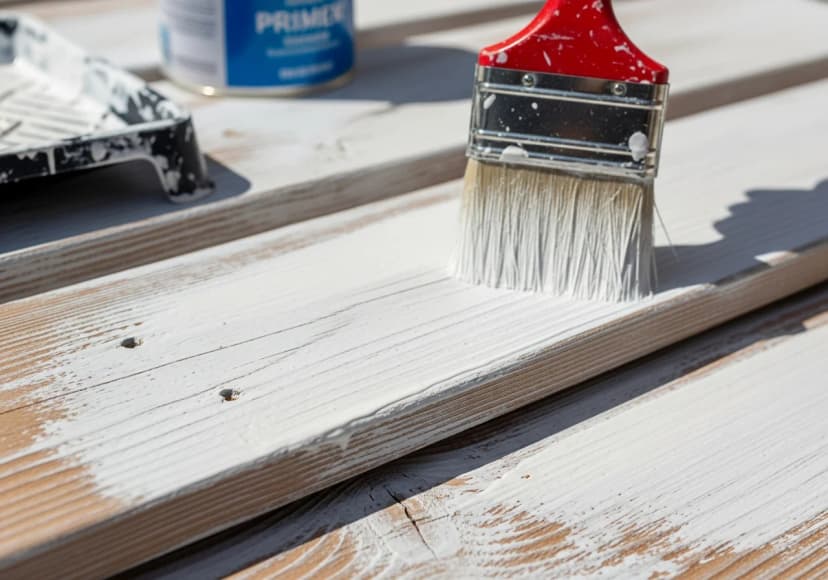
Exterior Primer — Zinsser Cover Stain or Kilz Original
$30–$50 per gallonLabor costs in Ada County reflect the local construction market, trade availability, and seasonal demand. Spring and summer are the busiest seasons for remodeling in the Treasure Valley, which can affect scheduling and occasionally pricing. Planning your project during the fall or winter months may provide more scheduling flexibility.
The most reliable way to understand what your specific exterior painting will cost in Boise is to schedule an in-home consultation. During this visit, we measure the space, discuss your goals and material preferences, evaluate existing conditions, and prepare a detailed scope and estimate based on your specific project.
What to have ready for your estimate consultation:
- ✓ A general idea of your budget range
- ✓ Examples of styles and finishes you like (photos, Pinterest boards, etc.)
- ✓ Any known issues with the current space (leaks, mold, outdated systems)
- ✓ A list of must-haves vs nice-to-haves for the finished project
- ✓ Your preferred timeline for starting and completing the work
Local factors — Boise's housing stock and typical construction eras, the climate conditions that drive material and scheduling choices, and permitting through City of Boise Planning and Development Services — are covered in full on our Boise page for this service, alongside 5 common project types.
Exterior Painting in Boise: housing stock, climate & permits →How much does it cost to paint a house exterior in Boise?
A full exterior repaint for a typical single-story home in the Treasure Valley runs $4,000-8,000. Two-story homes typically cost $7,000-14,000. Costs vary based on home size, surface condition, prep requirements, and paint quality.
Should I repaint or reside my home?
If your siding is structurally sound and the surface condition allows for proper prep, repainting is significantly more cost-effective than residing. If siding is rotted, warped, or damaged beyond repair, replacement may be the better long-term investment.
Do you work on older homes in Boise?
Yes. We regularly remodel homes from every era of Boise construction — from 1900s Craftsman homes in the North End to 1970s ranch homes on the Bench to 2000s builder-grade homes in West Boise. Each era presents different structural, plumbing, and electrical considerations that we plan for during the design phase.
Planning exterior painting in Boise?
Get expert guidance and a free estimate for your exterior painting project in Boise, ID.
Get Your Free Estimate