
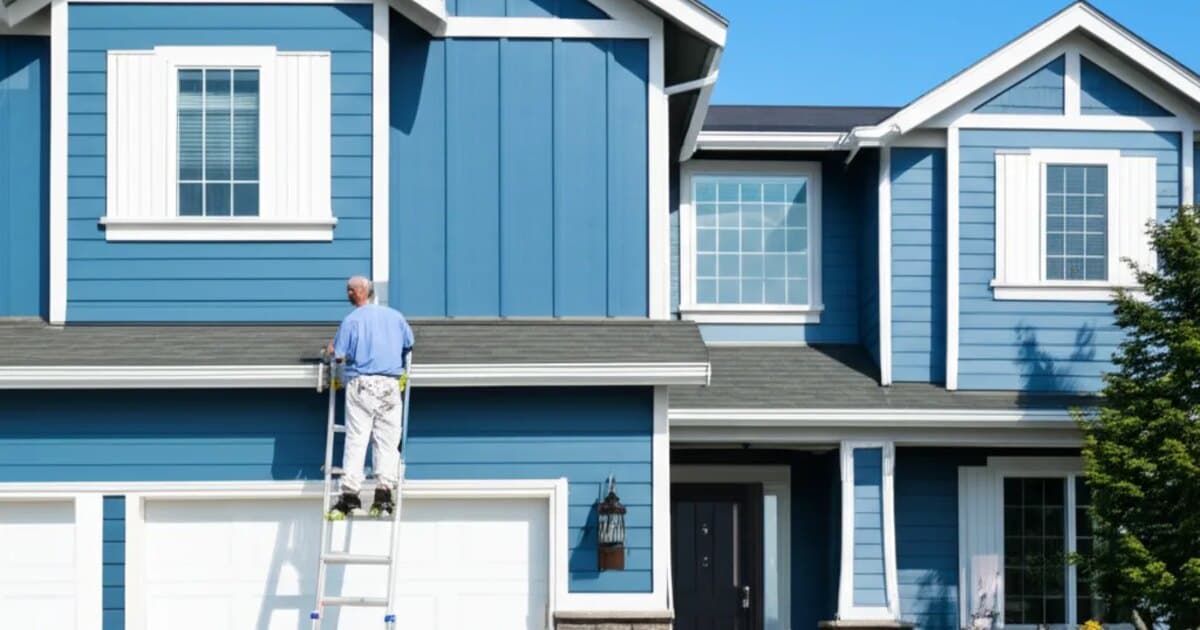
Exterior Painting Design Ideas for Boise
Get inspired with exterior painting design ideas tailored to Boise homes, from trending styles to practical layout considerations.
Quick answer
Boise's exterior painting environment is defined by a combination of factors that separates it from every other Treasure Valley city. Nampa, Caldwell, and Meridian share the same general climate, but Boise's housing stock — with its concentration of pre-1940 wood-sided homes in the North End and its urban density of tree-canopied neighborhoods that create both shade and moisture variability — creates a more technically demanding exterior painting environment than the newer-build, more-homogeneous suburban markets to the west.
Boise, ID · Exterior Painting
Planning exterior painting in Boise?
Read the full guide below — or get your project priced now. Free, no-obligation estimates from an Idaho registered local team, backed by a 1-year workmanship warranty.
- Licensed Idaho RCE-6681702
- 1-Year Workmanship Warranty
- $2M Liability Coverage
- Free, No-Obligation Estimates


Boise's exterior painting environment is defined by a combination of factors that separates it from every other Treasure Valley city. Nampa, Caldwell, and Meridian share the same general climate, but Boise's housing stock — with its concentration of pre-1940 wood-sided homes in the North End and its urban density of tree-canopied neighborhoods that create both shade and moisture variability — creates a more technically demanding exterior painting environment than the newer-build, more-homogeneous suburban markets to the west. Sun exposure is the other differentiator, and it is measurable rather than rhetorical: NOAA's long-term record for the Boise Air Terminal gives 120 clear days, 90 partly cloudy days, and sunshine at 63 percent of possible, against roughly 12 inches of precipitation a year. That is a climate in which the controlling wear mechanism on an exterior coating is ultraviolet light and thermal movement rather than rain. We do not publish a comparison of UV index against Portland or Seattle — we have no source for one — but the product selection we specify for Boise exteriors (Sherwin-Williams Duration, Benjamin Moore Aura, a Loxon or ConFlex system on stucco) is driven by that failure mode rather than by moisture. Boise's growth has also produced a more demanding exterior painting customer than the surrounding Treasure Valley cities. Expectations here run to colour consultation, real project management, and quality control on the parts of the job nobody can see once the ladders come down — which is the standard we set out to meet.
North End
The North End is the most challenging and most rewarding exterior painting environment in Boise, and the work done here defines a contractor's reputation in the local market. The neighborhood's Craftsman bungalows and American Foursquares — built predominantly between 1900 and 1940 — have original wood siding that has survived a century of Boise's climate with varying degrees of maintenance, and the condition of that siding determines the entire scope and cost of an exterior painting project. The most important early step in any North End exterior painting project is a thorough siding condition assessment. Original fir lap siding in the North End ranges from excellent — tight, smooth, and ready to paint after cleaning and caulking — to failing, with soft wood, deep UV checking, failed caulk at all joints, and previous paint layers delaminating in sheets. For siding in poor condition, Iron Crest always recommends wood hardener on soft spots and the replacement of boards that have lost structural integrity before any coating is applied. Painting over failing wood is a waste of money and will result in premature failure regardless of how good the paint product is. Lead paint has to be assumed on any North End home that has not been stripped to bare wood in living memory. Pre-1978 exterior surfaces frequently carry multiple layers of lead-based paint, and the dry, chalking condition of those surfaces makes lead dust a real consideration during prep. EPA's RRP Rule governs this work: a firm paid to disturb more than 20 square feet of exterior painted surface on a pre-1978 home must be EPA Lead-Safe certified and must follow lead-safe work practices — ground containment, no open-flame or high-heat removal, wet methods, HEPA cleanup, and controlled waste handling. Ask for the EPA firm certification number of whoever bids the job and check it against EPA's public lookup. We work to those practices on pre-1978 North End exteriors as standard procedure, not an option. The architectural detail of North End homes — deep eaves, decorative rafter tails, porch columns with turned spindles, window hoods, and corner boards — means that exterior painting here requires a high percentage of hand-brush work. The trim-to-body ratio on a North End Craftsman is far higher than on a simple west Boise ranch, and this detail work is where the quality difference between contractors is most visible: clean trim lines, crisply painted porch ceilings (traditionally a soft blue-green in this neighborhood), and the cutting-in around rafter tails and window hoods that decides whether the house reads as restored or merely recoated.
Boise Bench
The Boise Bench's mid-century housing stock presents exterior painting challenges that are distinct from both the older North End and the newer west Boise developments. Homes here were built between the late 1940s and early 1970s, using a variety of exterior siding materials that reflect the construction practices of each decade: horizontal wood lap siding on earlier homes, T1-11 panel siding on homes from the late 1960s and 1970s, asbestos cement shingles on a significant number of mid-century homes, and various vinyl and aluminum siding retrofits applied over the decades as homeowners sought lower-maintenance alternatives. The asbestos cement shingles found on many Bench homes require special mention. These grey-brown rectangular shingles were widely used in the 1950s and 1960s and contain chrysotile asbestos in the cement matrix. They are generally safe when intact and unpainted, but sanding, scraping, or power washing them can release asbestos fibers. Iron Crest never sands or abrasively preps asbestos shingle siding; the proper approach is soft-wash cleaning, gentle hand scraping of loose paint only, and application of a bonding primer and topcoat without abrasive prep. Homeowners with asbestos shingle siding who want to repaint should specifically ask contractors about their handling protocol — any contractor who proposes power sanding these surfaces should be disqualified immediately. The Bench's south-facing exposures get little relief from tree canopy — the lots are smaller than the North End's and the post-war plantings have not reached the canopy size of the older neighborhood's urban forest. Unshaded south walls are where chalking and colour loss show up first on any Boise house, which is why the product decision matters more here than on a shaded elevation. Run your hand across the siding: if it comes away with a chalky residue, the binder is breaking down and the film is near the end of its protective life.
West Boise (Eagle Road Corridor)
West Boise's exterior painting market is dominated by homes built between 1985 and 2010, most of which were originally finished with stucco, vinyl siding, or hardboard lap siding — materials that have different maintenance requirements than the wood-clad older homes elsewhere in the city. The good news for west Boise homeowners is that these materials are generally in better structural condition than the aging wood siding found in older neighborhoods; the challenging news is that Boise's UV intensity and temperature cycling have been working on these surfaces for 15 to 35 years and the signs of that stress are increasingly visible. Stucco is the most common exterior finish in west Boise's 1985–2005 building vintage, and virtually every stucco home in this area now shows the hairline thermal cracking that accumulates over years of Boise's extreme temperature cycling. These cracks are not structurally significant but they are cosmetically damaging and, in the worst cases, allow moisture infiltration that causes efflorescence (white salt deposits) and staining. The proper treatment involves elastomeric primer applied into the cracks, followed by an elastomeric topcoat, but many contractors — and virtually all DIY projects — apply standard latex paint over cracked stucco, which covers the cracks temporarily but does not bridge them. When the next thermal cycle opens the crack wider than the paint film can span, the topcoat tears open even faster than the original crack. Hardboard siding — the composite wood product installed on many west Boise homes from the late 1980s through early 2000s — requires particularly careful assessment before repainting. Hardboard is prone to moisture absorption at cut edges and nail penetrations, and when water gets into the compressed wood fibers it causes swelling, face cracking, and delamination that no amount of paint will fix. Iron Crest carefully inspects all hardboard surfaces for these failure signs and recommends replacement of affected panels before painting — putting new paint over swelling hardboard is a short-term solution that can fail within a few seasons.
Southeast Boise / Harris Ranch
Southeast Boise and Harris Ranch represent the newest exterior painting market in Boise — homes built from 2005 forward, predominantly sided with James Hardie fiber cement lap siding, and painted with factory-applied primer and finish coats that are beginning to show UV wear and color fading on a growing number of properties. The exterior painting needs of this submarket are different from every other Boise neighborhood: less structural complexity, more consistency of substrate, and a primary driver of service demand that is UV-driven aesthetic decline rather than structural maintenance necessity. James Hardie fiber cement siding is durable and moisture-resistant, and the factory-applied ColorPlus finish that protects most Harris Ranch and southeast Boise homes carries a 15-year limited finish warranty from James Hardie against peeling, cracking and chipping — separate from the 30-year non-prorated warranty on the substrate itself. Read those documents for the actual terms; they are Hardie's commitments, not ours. What we see in the field is colour loss on south and west elevations before anything structural happens, enough to create visible contrast with the shaded sides of the same house. James Hardie states that its pre-primed siding "should be painted with an acrylic top coat" and that ColorPlus siding can be repainted if you want to change colour. That is the guidance we follow; we do not hold, and do not claim, any James Hardie certification. Harris Ranch is a design-conscious community with architectural review that applies to exterior colour changes. Confirm the current submittal requirements with your HOA before a colour change is finalised — we prepare colour samples and elevation drawdowns for board review as part of project planning, but the board sets the rules and the timeline. Cedar decks and fences are everywhere in southeast Boise and Harris Ranch, and they are an ongoing maintenance category that many homeowners underestimate. Unprotected cedar greys and checks under sun exposure, and Boise gives it plenty. TWP, one of the penetrating stains we specify, publishes a two-to-three-year maintenance interval on cedar and pressure-treated pine and notes that deck floors wear faster than vertical surfaces. We recommend getting a penetrating UV-blocking stain onto new cedar in its first year rather than waiting for it to grey.

The design phase is where your exterior painting goes from a general idea to a specific plan. Good design balances aesthetics, functionality, budget, and the unique characteristics of your home and neighborhood in Boise. Here are the most popular design approaches and trends we see in Boise and the surrounding Treasure Valley.
Boise homeowners tend to favor designs that blend modern functionality with the regional character of Idaho homes. Here are the most requested design elements:
These design factors are specific to exterior painting projects and affect both the look and function of the finished space:
Color scheme coordination — choose siding, trim, and accent colors that complement your roof color, stone or brick elements, and the neighborhood aesthetic
Sun exposure impact — south- and west-facing walls receive the most UV and heat; choose fade-resistant colors and expect these surfaces to weather faster
Sheen selection — flat or matte for siding to hide imperfections, satin or semi-gloss for trim and doors for durability and visual contrast
Historical or HOA guidelines — some Boise neighborhoods and HOAs have exterior color restrictions; verify compliance before committing to colors
Front door as focal point — a bold, contrasting front door color adds character and curb appeal without the commitment of painting the entire house a dramatic color
Seasonal timing — exterior painting in Boise is best done between mid-April and mid-October when temperatures stay above 50°F and humidity is low
The materials and finishes you choose bring your design to life. Here are the options most commonly selected for exterior painting projects in Boise:
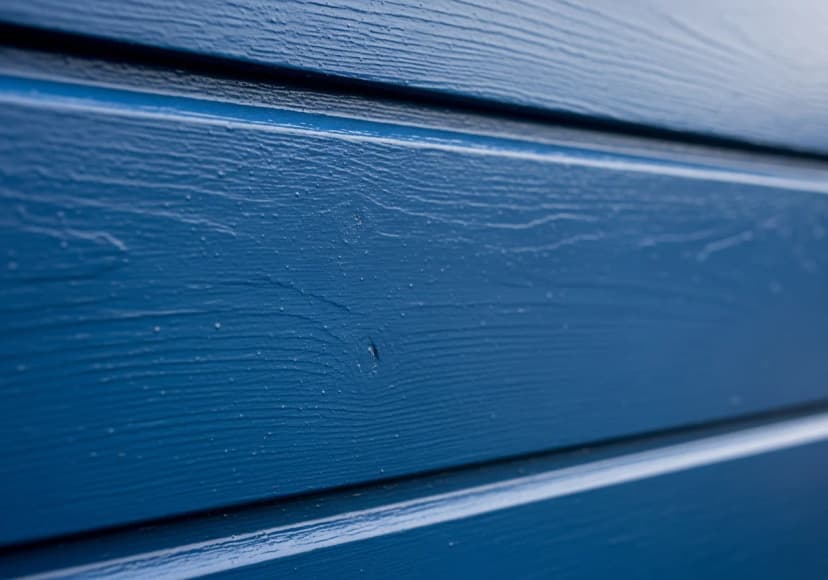
Sherwin-Williams Duration Exterior
$65–$85 per gallonSiding and large exterior surfaces that need maximum weather resistance
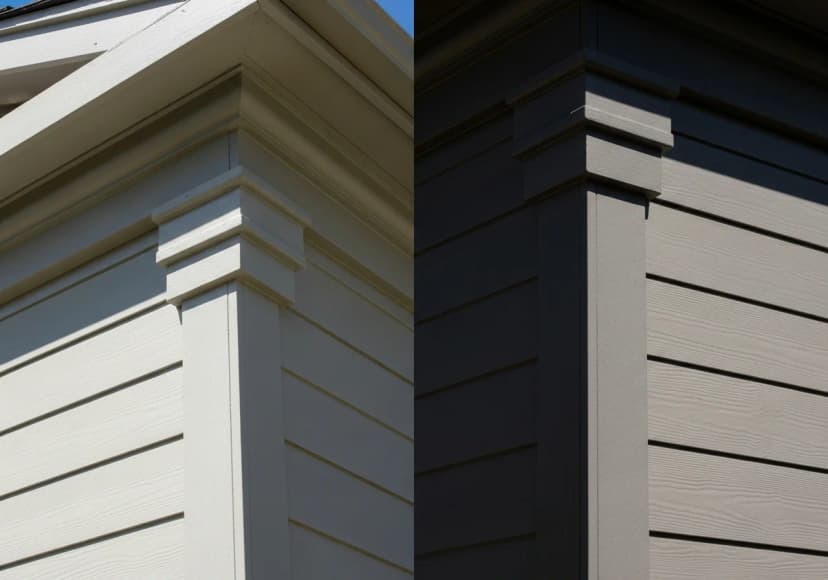
Benjamin Moore Aura Exterior
$70–$90 per gallonSouth- and west-facing walls that receive intense Boise sun exposure
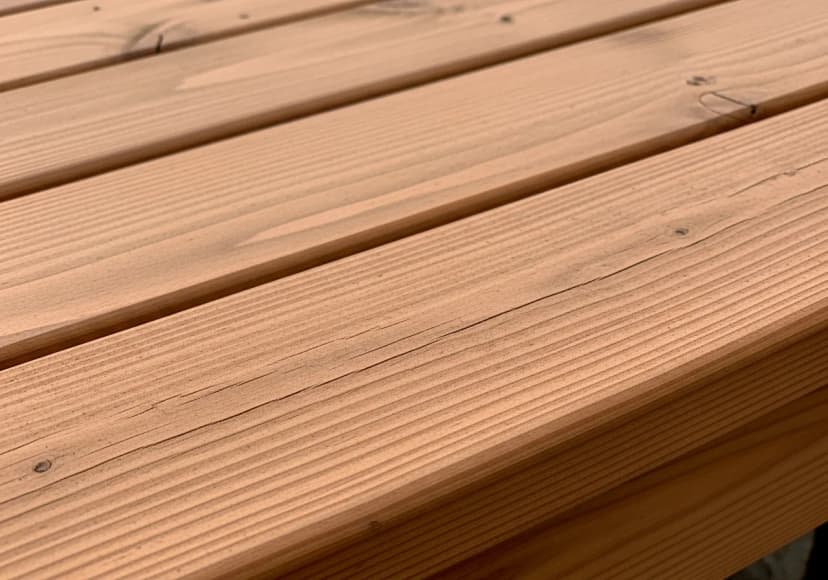
Sherwin-Williams SuperDeck Stain
$45–$65 per gallonWood decks, fences, pergolas, and horizontal wood surfaces
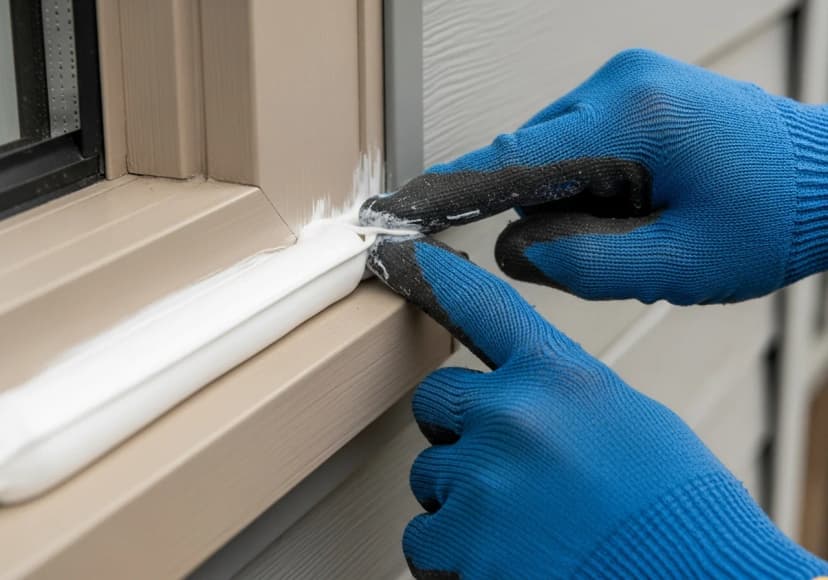
Exterior Caulk — DAP Dynaflex Ultra or OSI Quad
$6–$12 per tubeTrim joints, window frames, siding gaps, and penetration sealing
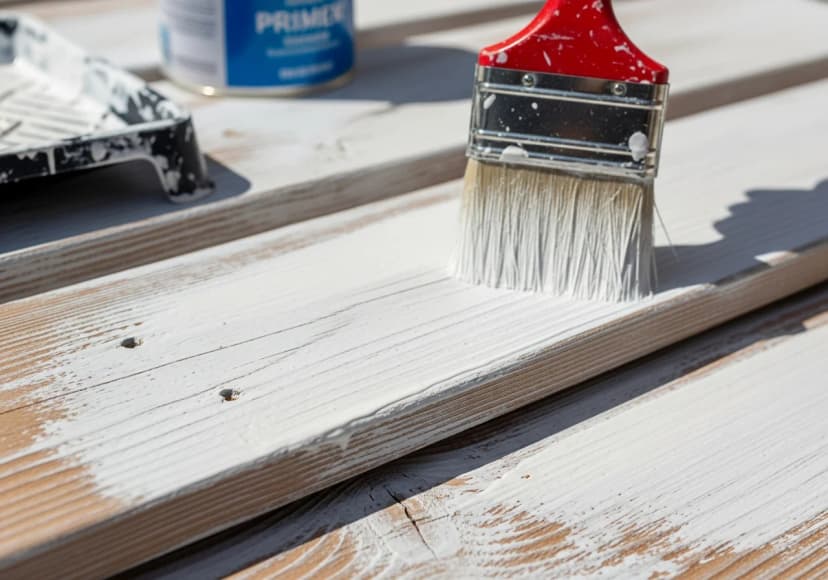
Exterior Primer — Zinsser Cover Stain or Kilz Original
$30–$50 per gallonBare wood, cedar trim, stain-blocking, and tannin-prone surfaces
Learning from others' mistakes saves time and money. Here are the most common exterior painting design pitfalls we see in Boise:
Peeling and flaking paint caused by poor surface preparation
We scrape all loose paint to a firm edge, sand transitions smooth, apply bonding primer, and build up new paint film from a solid substrate — ensuring long-term adhesion.
Fading and chalking from Idaho's intense UV exposure
We use premium exterior paints with UV-resistant pigments and fade-resistant technology specifically rated for high-altitude, high-UV environments like the Treasure Valley.
Caulk failure around windows, doors, and trim joints
We remove failed caulk, clean the joints, and apply premium flexible exterior caulk that can handle Idaho's temperature range from -10°F to 110°F without cracking or separating.
Mildew and algae growth on north-facing or shaded surfaces
Power washing removes existing mildew, and premium exterior paints with built-in mildewcide prevent regrowth. Proper surface preparation ensures the mildew-resistant coating adheres properly.
Wood rot at trim, fascia, and window sills
We identify and repair or replace rotted wood before painting. Minor rot can be treated with wood hardener and filled with exterior wood filler; significant rot requires board replacement.
For exterior painting projects in Boise, you have two main approaches to the design process: hiring a separate interior designer then a contractor, or working with a design-build firm that handles both under one roof.
Design-build (our approach)
- ✓ Single point of contact
- ✓ Design informed by real construction costs
- ✓ Faster project delivery
- ✓ Budget aligned from day one
Separate designer + contractor
- ● More specialized design expertise
- ● Independent design perspective
- ● Requires coordination between parties
- ● Can result in budget surprises
Local factors — Boise's housing stock and typical construction eras, the climate conditions that drive material and scheduling choices, and permitting through City of Boise Planning and Development Services — are covered in full on our Boise page for this service, alongside 5 common project types.
Exterior Painting in Boise: housing stock, climate & permits →Can you paint fiber cement (HardiePlank) siding?
Yes. Fiber cement siding accepts paint very well and is one of the best substrates for exterior painting. We use 100% acrylic exterior paint that bonds to the cementitious surface and provides long-lasting color and protection.
Do you repair wood rot before painting?
Yes. We identify all rot during the prep phase and repair or replace damaged wood before any paint is applied. Painting over rot without repair leads to continued deterioration and premature paint failure.
Does the North End have special remodeling rules?
Yes. The North End Historic District has additional design review requirements for exterior modifications. Interior work is not affected, but changes to the exterior appearance — siding, windows, roofing, and additions — may require Historic Preservation Commission review.
Planning exterior painting in Boise?
Get expert guidance and a free estimate for your exterior painting project in Boise, ID.
Get Your Free Estimate