
Siding Installation in Boise, Idaho
Upgrade your home exterior with durable, low-maintenance siding. Iron Crest Remodel installs James Hardie fiber cement, LP SmartSide engineered wood, vinyl, and natural cedar siding — designed to protect your home through Idaho winters and summers.
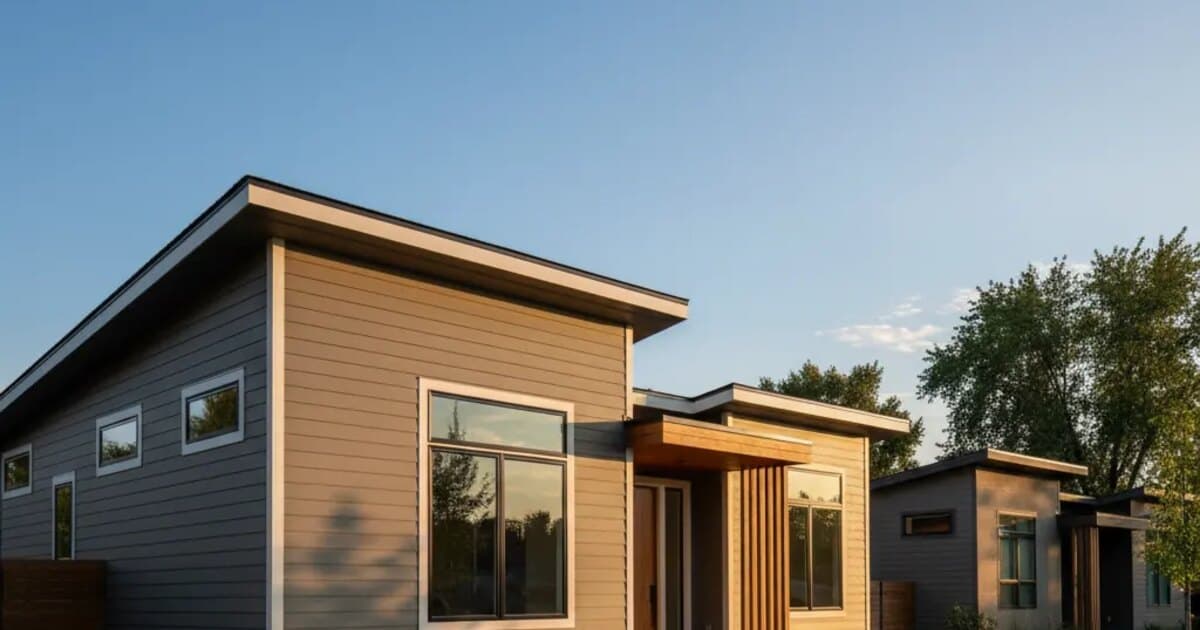
Fiber Cement Siding
Non-combustible, UV-resistant James Hardie siding — the gold standard for Idaho homes with 30-50 year lifespan.
Learn More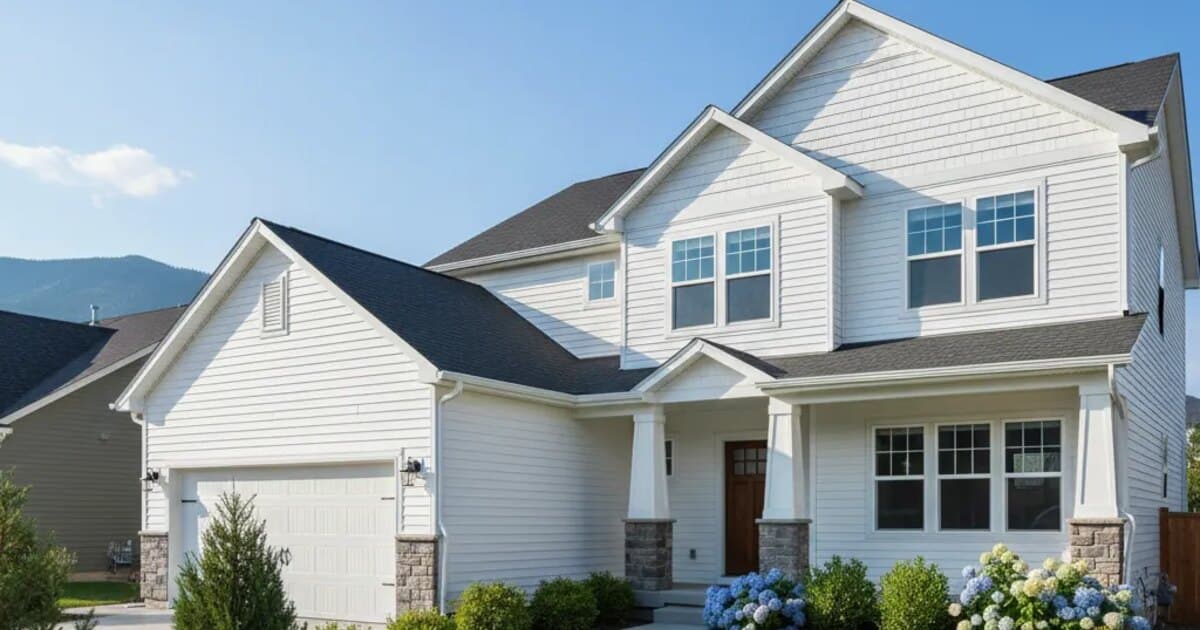
Vinyl Siding
The most affordable siding option with zero painting required — ideal for budget-conscious Boise homeowners.
Learn More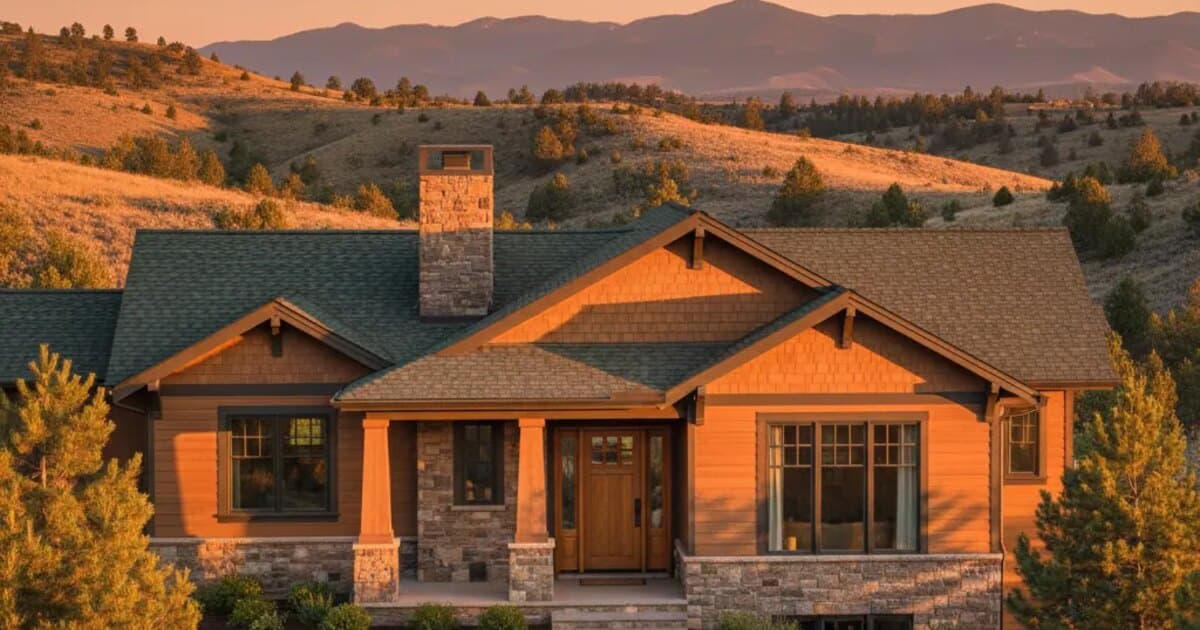
Engineered Wood Siding
LP SmartSide engineered wood — authentic wood look with superior rot and termite resistance.
Learn More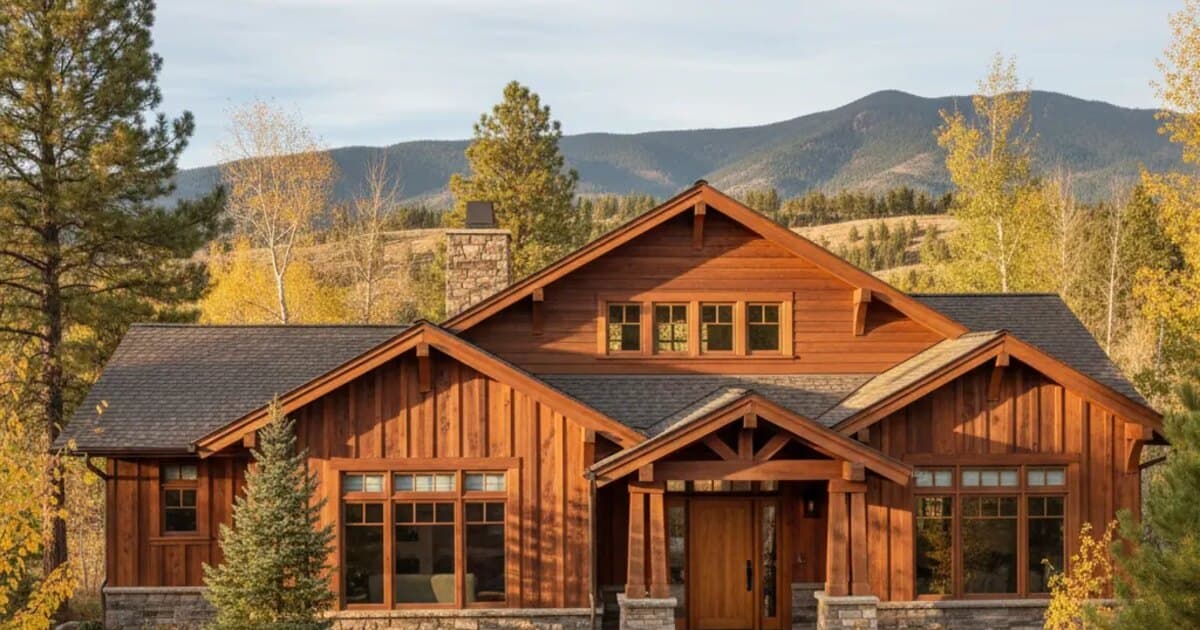
Cedar Siding
Natural western red cedar with timeless beauty — premium choice for craftsman and custom homes.
Learn More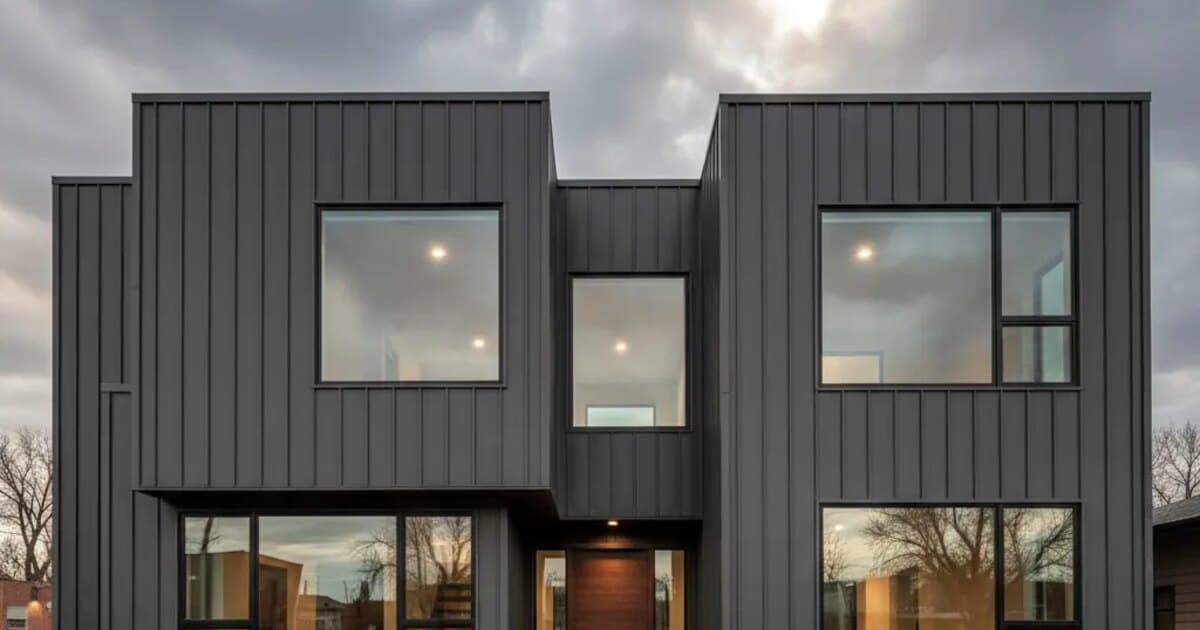
Metal Siding
Steel and aluminum siding panels — non-combustible, 40-60 year lifespan, zero rot risk.
Learn More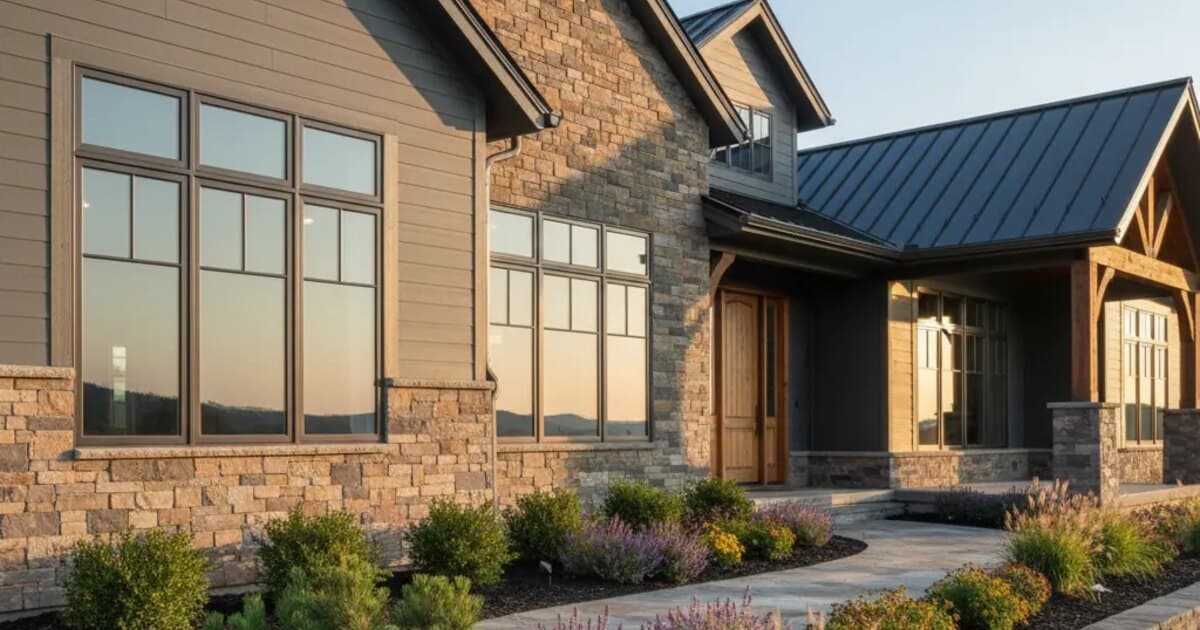
Stone Veneer Siding
Manufactured and natural stone veneer — premium curb appeal with non-combustible fire protection.
Learn MoreMany homeowners do not realize their siding has failed until water damage has already reached the sheathing or framing. Here are the warning signs we see most often during exterior inspections in the Treasure Valley.

Warping or Buckling
Panels that are no longer flat against the wall indicate moisture behind the siding or heat damage. Common on south and west-facing vinyl walls in Boise summers.
Cracking or Splitting
Horizontal cracks in fiber cement or wood siding allow water infiltration. Even hairline cracks can admit enough moisture to cause rot behind the panel over an Idaho winter.
Fading or Chalking
If your hand picks up a chalky residue when you touch the siding, the paint or finish has failed. This is common on older vinyl and primed-then-painted fiber cement after 10 to 15 years at Boise altitude.
Rising Energy Bills
Deteriorated siding often means compromised insulation and air sealing. If your heating costs have increased without other changes, failed siding may be contributing to energy loss.
Mold or Mildew
Dark streaks or spots, especially on north-facing walls, indicate moisture retention. While surface mold can be cleaned, recurring growth suggests the siding is trapping moisture against the sheathing.
Soft or Spongy Spots
Press firmly on the siding in multiple locations. If it gives or feels soft, the material (or the sheathing behind it) has sustained moisture damage and needs replacement, not repair.
Pest Damage
Woodpecker holes, wasp nests behind loose panels, or evidence of carpenter ants indicate the siding is no longer providing an effective barrier. Fiber cement is immune to all three.
Peeling Paint
If paint is peeling from the inside out (bubbling from behind), moisture is migrating through the wall assembly. This is a ventilation or vapor barrier problem, not just a paint problem, and re-painting will not fix it.
Get Your Free Siding Estimate
Free in-home consultation — we respond within one business day. Fixed pricing and a 3-year workmanship warranty.
Siding costs in the Boise metro have risen in recent years with material inflation and strong demand across Ada and Canyon counties. Here are current per-square-foot and whole-house cost ranges for the four most common siding materials installed in the Treasure Valley in 2026.
| Siding Type | Per Sq Ft (Installed) | 1,500 Sq Ft Home | 2,500 Sq Ft Home |
|---|---|---|---|
| Vinyl (premium grade) | $4–$7 | $7,000–$12,000 | $11,500–$20,000 |
| LP SmartSide (primed) | $7–$10 | $12,000–$17,500 | $20,000–$28,500 |
| Fiber Cement (Hardie primed) | $8–$12 | $14,000–$21,000 | $23,000–$34,500 |
| Fiber Cement (ColorPlus) | $10–$14 | $17,500–$24,500 | $28,500–$40,000 |
Whole-house estimates assume full siding replacement including old siding removal, house wrap, trim, and cleanup. Costs vary by home complexity, stories, and amount of trim/detail work. Sheathing repair, window re-flashing, and fascia replacement are additional. Prices reflect Boise metro market rates as of early 2026.
How each material performs in Boise's climate, what goes on behind the siding, and what to expect from the project itself. Open the topics that matter to your home.
Siding Materials for Boise's Climate
Boise's high-desert climate is harder on siding than most homeowners realize. With UV intensity higher than at sea level, roughly 87 freeze-thaw cycles a year, summer highs above 100°F, and late-summer wildfire smoke, your siding needs to withstand a punishing mix of conditions. Here's how the four most popular siding materials stack up for Treasure Valley homes.

Fiber Cement (James Hardie)
The gold standard for Idaho homes. James Hardie fiber cement is made from Portland cement, sand, and cellulose fiber — a combination that creates a product impervious to rot, termites, and woodpeckers. It's non-combustible (critical for Boise Foothills WUI zones), holds paint longer than any other siding material at altitude, and carries a 30-year non-prorated warranty.
Pros: Non-combustible, best UV resistance at altitude, 30-50 year lifespan, deepest shadow lines for authentic wood look
Pros: ColorPlus factory finish carries 15-year finish warranty against fading, peeling, cracking
Cons: Higher installed cost ($8–$12/sq ft), requires experienced installers, cannot be installed below 40°F
Cons: Heavier than vinyl or LP — may require additional labor for two-story homes
Vinyl Siding
The most affordable option and still the most common siding material in America. Modern premium vinyl (0.046"+ thickness) has improved significantly over the thin panels of the 1990s. However, vinyl has real limitations in Boise's climate — it warps under extreme heat on south-facing walls, becomes brittle in sub-zero cold, and melts near heat sources like grills or wildfires.
Pros: Lowest cost ($4–$7/sq ft installed), never needs painting, easy to clean, wide color selection
Pros: Lightweight installation, good impact resistance in mid-range temperatures
Cons: Melts — not approved for WUI zones, poor choice for Boise Foothills properties
Cons: Fades faster at Boise altitude, can warp on west/south walls in July–August heat
Engineered Wood (LP SmartSide)
LP SmartSide is made from treated wood strands bonded with resin and wax in a high-pressure process. The result is a siding that looks and machines like real wood but resists moisture, rot, and termites far better than cedar. It's lighter than fiber cement and has a warm wood-grain texture that many Boise homeowners prefer over the smoother profile of Hardie products.
Pros: Authentic wood look and feel, lighter than fiber cement, mills and cuts easily on site
Pros: Mid-range cost ($7–$10/sq ft), easy to work with for custom trim details
Cons: Requires repainting every 10–15 years (vs. 15+ for Hardie ColorPlus)
Cons: Less impact-resistant than fiber cement, cut edges must be sealed to prevent moisture wicking
LP SmartSide ExpertFinish
LP's factory-applied ExpertFinish coating is the engineered wood answer to Hardie's ColorPlus. Applied in a controlled environment with a 15-year finish warranty, ExpertFinish eliminates the need for immediate site painting and provides UV-resistant color that lasts significantly longer than field-applied paint at Boise's elevation. Available in 16 pre-finished colors designed for Western U.S. homes.
Pros: 15-year factory finish warranty, saves on initial painting cost, consistent color across all boards
Cons: Fewer color options than field-paint, touch-up paint must be ordered from LP
Siding Material Comparison for Idaho Homes
Choosing the right siding material is one of the most important decisions for your home's exterior. Idaho's climate — intense UV radiation, roughly 87 freeze-thaw cycles a year, dry summers, and wildfire risk — demands materials that can perform in extreme conditions.
| Material | Cost/sq ft | Lifespan | Fire Rating | Maintenance |
|---|---|---|---|---|
| Vinyl | $4–$7 | 20-30 yrs | Melts | Low — wash only |
| Fiber Cement (Hardie) | $8–$12 | 30-50 yrs | Non-combustible | Low — repaint 15+ yrs |
| Engineered Wood (LP) | $7–$10 | 30-40 yrs | Class C (ASTM E84) | Low — repaint 10-15 yrs |
| Cedar | $8–$14 | 20-40 yrs | Combustible | High — stain every 3-5 yrs |
| Metal (steel/aluminum) | $6–$12 | 40-60 yrs | Non-combustible | Very low |
| Stone Veneer | $12–$25 | 50+ yrs | Non-combustible | Minimal |
James Hardie Fiber Cement Siding
James Hardie is the #1 brand of fiber cement siding in North America and our most-recommended siding material for Idaho homes. Made from cement, sand, and cellulose fiber, Hardie siding is engineered to withstand extreme weather without warping, cracking, or rotting.

Product Lines
HardiePlank Lap Siding — The most popular profile. Horizontal planks in smooth or woodgrain texture. Available in 5.25" to 8.25" exposed widths.
HardiePanel Vertical Siding — 4×8 or 4×10 sheets for board-and-batten or flat panel modern designs. Popular for accent gables and contemporary Boise homes.
HardieShingle — Individual or panel-format shingle siding for Cape Cod or Craftsman styling. Common in North End Boise and Eagle.
HardieTrim — Matching trim boards for window and door surrounds, fascia, and corner boards.
ColorPlus Technology
Hardie's ColorPlus factory finish applies multiple coats of paint in a controlled environment, then bakes it onto the board. The result is a finish that resists UV fading, peeling, and chipping far longer than field-applied paint. ColorPlus comes in 33 standard colors and is backed by a 15-year finish warranty. For Boise's intense sun exposure at 2,730 feet elevation, ColorPlus is the clear winner over primed-and-painted options.
House Wrap and Weather Barriers
The weather-resistive barrier (WRB) behind your siding is just as important as the siding itself. It's the last line of defense against water intrusion — and it's invisible once the siding is installed. We never skip or shortcut this step.

Tyvek DrainWrap
Our standard WRB for most projects. DrainWrap has a grooved surface that channels moisture downward even behind the siding, preventing water accumulation. It's breathable (allows vapor to escape from the wall cavity) while blocking liquid water. All seams are taped with Tyvek tape for a continuous barrier.
Window and Door Flashing
Every window, door, and wall penetration must be properly flashed to direct water outward. We use peel-and-stick flashing (like Zip System flashing tape or DuPont FlexWrap) at all openings, integrated with the house wrap in a shingle-lap pattern so water always flows down and out. Improper flashing is the failure we find most often behind siding — we see it regularly in Boise homes where siding was installed without proper flashing integration.
Boise-Specific Siding Considerations

Wildfire Zones (WUI)
Homes in the Boise Foothills, parts of Eagle, and rural areas of Ada and Canyon counties are within the Wildland-Urban Interface (WUI). These areas have additional building requirements for fire-resistant materials. Fiber cement and metal siding are non-combustible and meet all WUI requirements. Vinyl melts and wood is combustible — neither is recommended for WUI properties. Check with your local fire district for specific requirements.
UV Exposure at Altitude
Boise sits at 2,730 feet elevation. UV radiation is more intense than at sea level, which accelerates color fading and surface degradation. South-facing and west-facing walls take the hardest hit. Factory-finished siding (ColorPlus, SmartFinish) with UV-resistant coatings lasts significantly longer than site-painted siding under these conditions.
HOA Requirements
Most subdivisions in Eagle, Meridian, and Star have HOA architectural guidelines that specify approved siding materials, colors, and profiles. Many HOAs require fiber cement or engineered wood (prohibiting vinyl), and some mandate specific color palettes. We help homeowners navigate the HOA approval process by preparing material samples and architectural drawings for ARC (Architectural Review Committee) submission before ordering materials.
Siding Installation Timeline — What to Expect
A full siding replacement on a typical Boise home follows a predictable sequence. Here is the week-by-week breakdown for a standard 2,000 square foot project with fiber cement siding.

Removal & Inspection
Old siding is removed, revealing the sheathing underneath. We inspect every square foot for rot, water damage, pest damage, and structural issues. Any compromised sheathing is replaced before new materials go on. This is the most important step — what is behind the siding matters more than the siding itself.
Weather Barrier & Flashing
New house wrap (Tyvek DrainWrap or equivalent) is installed with all seams taped. Every window, door, vent, and penetration gets new peel-and-stick flashing integrated with the house wrap in a shingle-lap pattern. This creates a continuous water management system behind the siding.
Siding Installation
Siding panels are installed from the bottom up, following manufacturer specifications for nailing, gap spacing, and joint treatment. Fiber cement requires specific fasteners and spacing for Idaho's freeze-thaw environment. Corner boards, J-channel, and starter strips are installed first to establish the framework.
Trim, Caulk & Cleanup
Window and door trim, soffit, and fascia are installed. All joints are caulked with paintable, flexible sealant. If primed siding was used, painting begins. Final cleanup includes removing all debris, old siding, and nails. A final walkthrough with the homeowner ensures every detail meets expectations.
Timeline assumes a single-story or simple two-story home with standard rectangular geometry. Multi-level homes, extensive trim detail, dormers, and gables add 1 to 2 weeks. Weather delays during shoulder seasons (October to April) may extend timelines.
What New Siding Is Worth in the Boise Market

We do not publish a cost-recovery percentage for siding. The figures that circulate come from national cost-versus-value surveys; there is no Boise-specific resale study behind them, and a national panel average does not transfer to one address in one neighbourhood. If the resale case is what decides this project, ask a local agent or an appraiser for a comparative market analysis on current comparables near you — that is a real number about your house.
Failing siding is a condition flag — it lands in the home inspection report and becomes a negotiation item
New cladding changes the first impression before a buyer is out of the car; it is the largest single surface on the house
Fiber cement and engineered wood both end the repaint-or-restain cycle that cedar and older wood siding carry indefinitely
A re-side is the cheapest moment to add continuous exterior insulation, because the wall is already open
We publish no energy-saving percentage: the honest answer depends on what is in your walls now, which we can tell you once we open one up

Talk to a real project manager
Have Questions? Call Now for a Free In-Home Consultation.
Mon–Fri 7 AM–6 PM · Idaho registered & insured · No obligation
Russ S. — Project Manager
Russ S. — Project Manager
Every siding guide, comparison, checklist, and resource we've published — grouped by what you're trying to figure out.
Compare & Choose
Siding Types & Materials
Costs, Permits & Planning
Real siding installation projects from across the Treasure Valley — see the finished results, project details, and transformation stories.
What is the best siding for Boise, Idaho?
James Hardie fiber cement siding is our top recommendation for Boise homes. It handles temperature extremes (-10°F to 100°F+), resists moisture, does not burn, and holds paint for 15+ years. LP SmartSide is an excellent alternative at a lower price point.
How much does siding replacement cost in Boise?
Full siding replacement in Boise typically costs $8-$14 per square foot for fiber cement and $5-$9 per square foot for vinyl. A typical 2,000 sq ft home ranges from $15,000-$30,000 depending on material and complexity.
How long does a siding project take?
Full siding replacement on a standard home takes 1-3 weeks depending on home size, stories, and complexity. Partial siding repair or replacement can be done in 2-5 days.
Is James Hardie fiber cement better than vinyl siding?
For Idaho homes, James Hardie fiber cement outperforms vinyl in almost every category. Fiber cement is non-combustible (critical in Idaho's wildfire-prone areas), resists UV fading better at Boise's altitude, handles freeze-thaw cycles without becoming brittle, and has a thicker profile that creates deeper shadow lines for a more authentic wood-like appearance. Hardie siding carries a 30-year non-prorated warranty vs. the prorated warranties typical of vinyl. The trade-off is cost — fiber cement runs $8-$12/sq ft installed vs. $4-$7/sq ft for vinyl — but the longevity and performance justify the premium in Idaho's climate.
How long does siding installation take?
A typical whole-house siding replacement in Boise takes 2-4 weeks depending on home size, siding material, and the extent of sheathing repair needed. A 1,500 sq ft home with minimal repair might take 2 weeks, while a 2,500+ sq ft home requiring sheathing replacement, new house wrap, and custom trim could take 4 weeks. Weather delays (rain, extreme heat, or temperatures below 40°F for fiber cement) can extend timelines during shoulder seasons.
Can you install new siding over existing siding?
In some cases, yes — but we recommend against it for most projects. Installing over existing siding prevents inspection of the sheathing for moisture damage, rot, or pest intrusion. It also adds weight and thickness that affects trim, window, and door profiles. If the existing siding is vinyl and in good condition with no moisture damage behind it, an overlay is sometimes viable for budget-conscious projects. For fiber cement and engineered wood, manufacturers typically require installation over clean sheathing with fresh house wrap for warranty coverage.
Should I choose factory-finished or site-painted siding?
James Hardie's ColorPlus factory finish is applied in a controlled environment with multiple coats and a baked-on finish that Hardie warranties for 15 years against peeling, cracking, and chipping. Site-applied paint (even premium Sherwin-Williams Duration) typically needs repainting in 7-10 years in Idaho's UV-intense climate. ColorPlus adds about $1-$2/sq ft to the siding cost but saves the immediate painting cost and extends the time before first repaint. LP SmartSide's SmartFinish factory coating is similar. For most Boise homeowners, factory finish is the better long-term value.
We provide siding installation to homeowners across the Treasure Valley and southwest Idaho. Each city has its own dedicated page with local permitting, climate, and project detail — and each county hub covers the surrounding communities we also serve.
Ready to Start Your Remodeling Project?
Get a free, no-obligation estimate from Boise's trusted remodeling experts. Licensed, insured, and ready to build.