
Home Additions Design Ideas for Meridian
Get inspired with home additions design ideas tailored to Meridian homes, from trending styles to practical layout considerations.
Quick answer
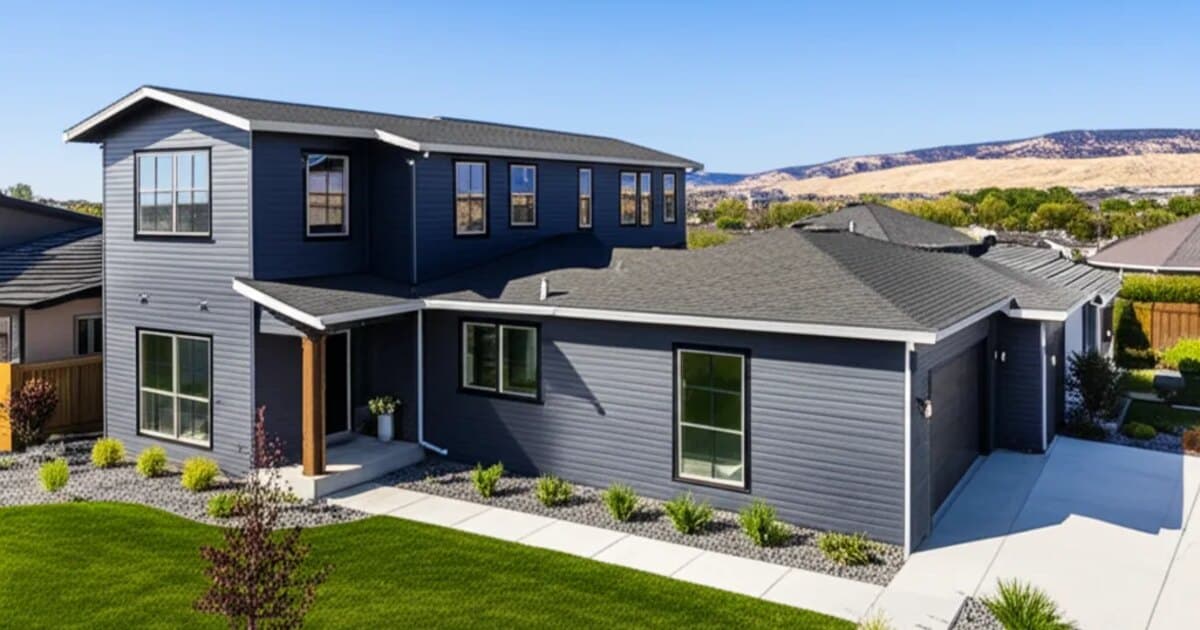
Will the addition match my existing home? Yes. We carefully match rooflines, siding, windows, trim profiles, and interior finishes so the addition looks like it was always part of the house. This is one of the most important aspects of addition design.
Meridian, ID · Home Additions
Planning home additions in Meridian?
Read the full guide below — or get your project priced now. Free, no-obligation estimates from an Idaho registered local team, backed by a 1-year workmanship warranty.
- Licensed Idaho RCE-6681702
- 1-Year Workmanship Warranty
- $2M Liability Coverage
- Free, No-Obligation Estimates

Meridian's home addition market is differentiated by the uniformity of its housing stock, the consistency of its HOA governance structure, and the specific economic logic that makes additions the financially superior alternative to moving up in Meridian's current real estate market. The production-home uniformity means that Meridian addition projects have a more predictable design vocabulary and a more consistent set of architectural compatibility requirements than in Boise's diverse housing stock. The HOA governance means that every Meridian addition project involves a dual-track approval process — city permits and HOA ARB — that requires specific experience to navigate efficiently. The economic logic — stay in your Meridian home and add space rather than paying moving-up premiums at today's prices and rates — is more universally applicable in Meridian than in any other Treasure Valley market because the production-home price tier creates the largest gap between current mortgage costs and new mortgage costs for comparable space. Meridian's continued growth is the backdrop to all of this, but it is a backdrop rather than a guarantee, and we will not build a return projection on it. What a homeowner controls is the quality and the cost of the space they add; what the market does with it afterward is outside anyone's ability to promise, including ours.
Bridgetower and Paramount
Bridgetower and Paramount are the highest-volume Meridian home addition markets because their combination of large homeowner populations, production-home floor plans with consistent addition demand triggers, and active HOA governance creates a well-defined project category: the addition that addresses a specific floor plan deficiency while complying with the community's architectural standards. The addition project pipeline in these communities is remarkably consistent. Primary suite additions that expand undersized original bedrooms, kitchen extensions that open cramped cooking areas to dining space, and home office additions for work-from-home professionals are the three categories that constitute most of Bridgetower and Paramount's addition volume. Each of these project types has a well-established design and execution approach in Iron Crest's Meridian portfolio, and the HOA compatibility requirements are manageable with proper pre-construction planning. The HOA coordination dimension deserves explicit attention. Both Bridgetower and Paramount have formal ARB processes with specific submittal requirements — site plans, architectural elevations showing how the addition integrates with the existing home, material specifications with manufacturer names and colors, and sometimes a design narrative explaining the design approach. Iron Crest prepares these submittals as a standard project service and has experience with the specific reviewers and preferences of these communities' ARBs.
Tuscany and Spurwing
Tuscany and Spurwing represent Meridian's premium subdivision segment, and home addition projects in these communities trend toward the most scope-ambitious in the city. Homeowners here have larger original floor plans than Bridgetower or Paramount, more equity available for investment, and aesthetic expectations that are closer to Eagle's market than to standard Meridian production. Primary suite additions in Tuscany and Spurwing frequently combine a bedroom expansion with a full primary bathroom renovation — the two scopes are naturally complementary, and executing them together produces a cohesive result that staged individual projects cannot. Kitchen additions in these communities often extend to full kitchen remodels that address the cabinetry, countertops, and appliances simultaneously with the new square footage. Whether that scope returns its cost at resale in Tuscany or Spurwing is a question for an appraiser working current comparables in those communities, not one we will answer with a percentage. What we can say is that the buyer pool here is sophisticated enough to tell a well-executed addition from a tacked-on one, which is an argument for execution quality rather than for a return figure.
Older Meridian (Lochsa Falls, Spring Wood)
Meridian's older subdivisions — those built in the late 1980s and 1990s before the planned community model became dominant — are home to the addition projects that require the most structural assessment and the most careful design attention. These homes are older than the rest of Meridian's housing stock, their construction standards were less uniform than later production, and their original floor plans were more varied. HOA governance in older Meridian subdivisions is less consistent than in the newer planned communities — some Lochsa Falls and Spring Wood properties have no active HOA, others have HOAs with dormant ARB processes, and a few have active HOAs with current review requirements. Confirming HOA status and requirements before beginning any addition design is essential for older Meridian properties. Whether an addition in older Meridian moves the home toward the price tier its location supports is a question for an agent working real comparables on those streets — it is a plausible argument, not a measurement we can make, and we will not publish a figure for it.
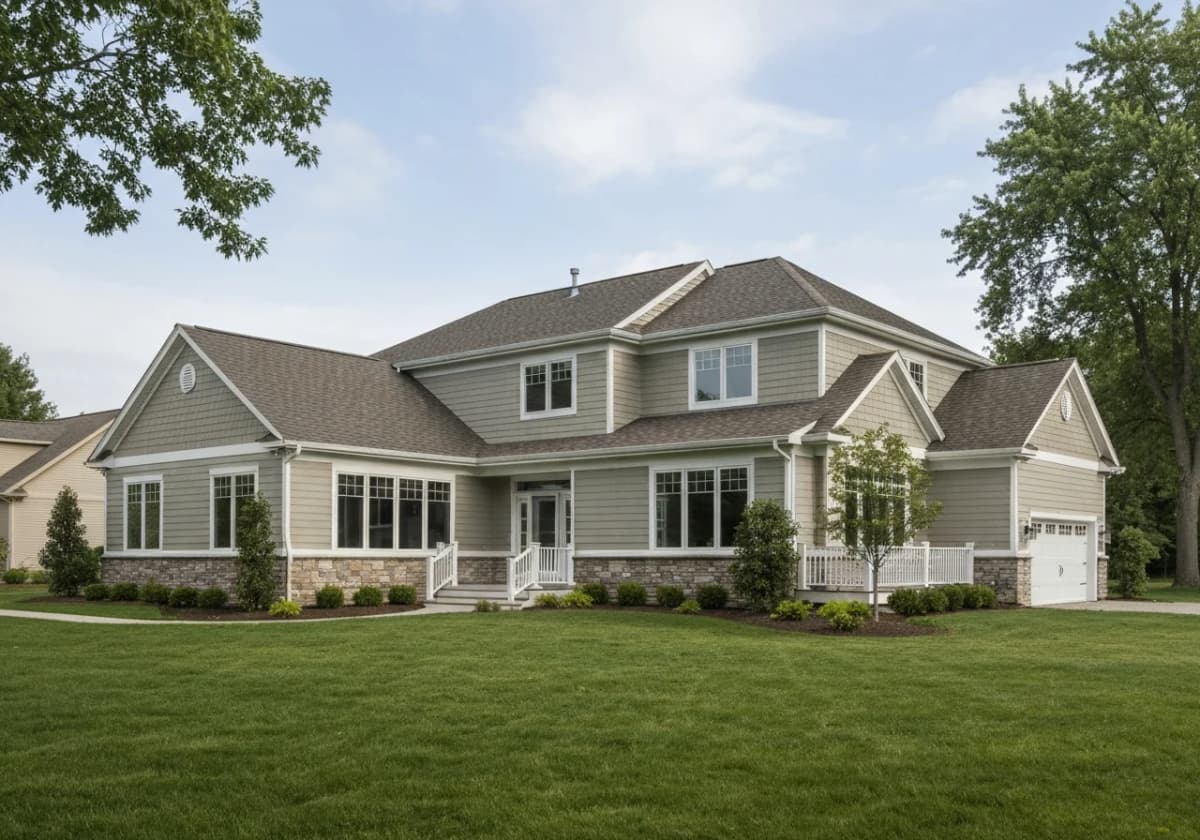
The design phase is where your home additions goes from a general idea to a specific plan. Good design balances aesthetics, functionality, budget, and the unique characteristics of your home and neighborhood in Meridian. Here are the most popular design approaches and trends we see in Meridian and the surrounding Treasure Valley.
Meridian homeowners tend to favor designs that blend modern functionality with the regional character of Idaho homes. Here are the most requested design elements:
These design factors are specific to home additions projects and affect both the look and function of the finished space:
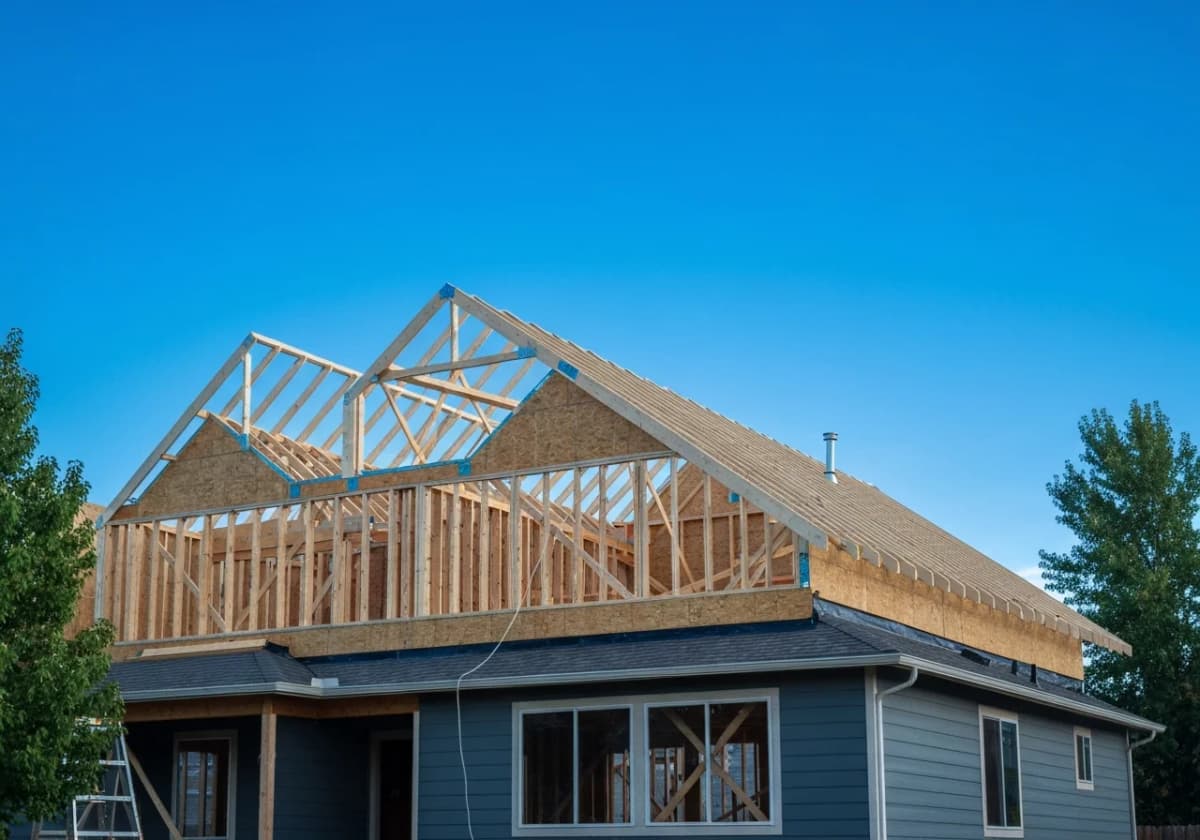
Roofline integration — the addition's roof must tie into the existing roof seamlessly to prevent leaks and visual disconnection
Exterior material matching — siding, trim, window style, and paint color must match or intentionally complement the existing home
Interior flow — the hallway, doorway, and room transition from the existing home into the addition should feel natural, not awkward
Foundation matching — the addition's foundation type should match the existing home (crawl space, slab, basement) when possible
Mechanical system capacity — evaluate whether existing HVAC, electrical panel, and plumbing main can support the additional load
Natural light — plan window placement for light quality, views, and energy efficiency; additions on the north side need more interior lighting
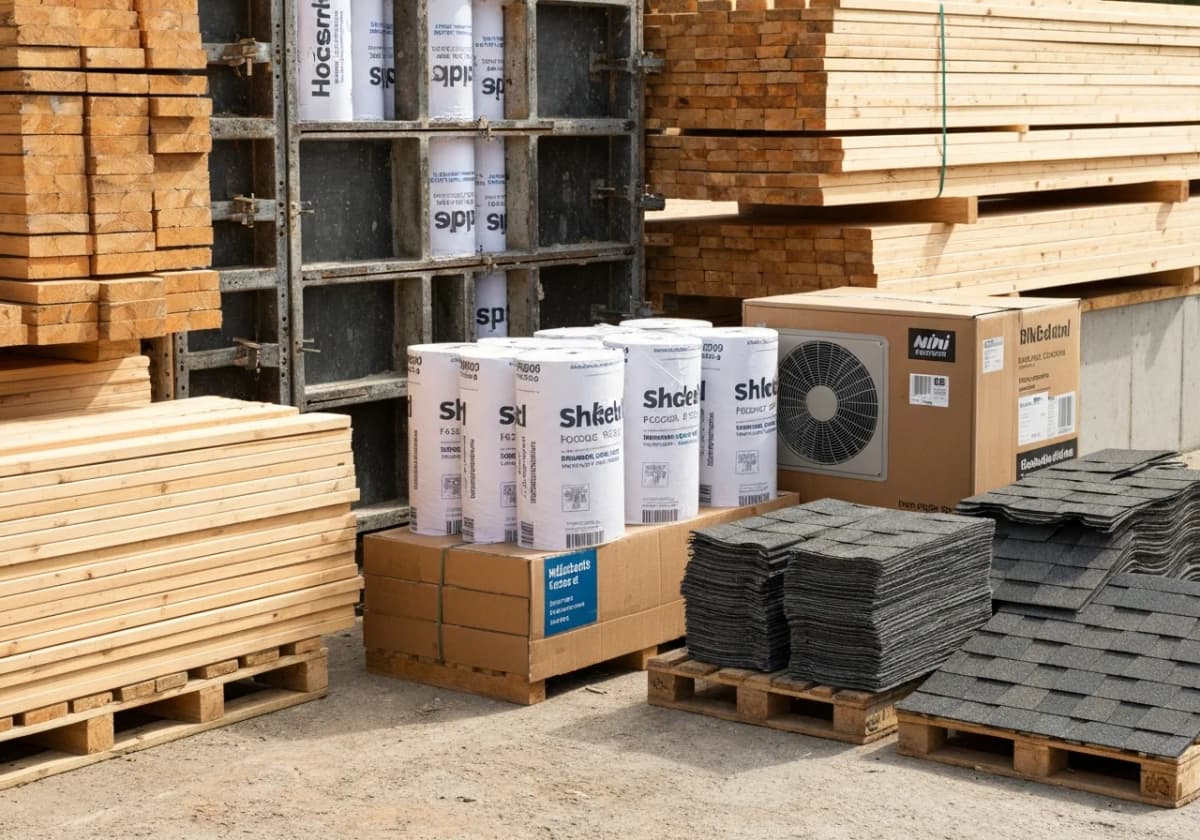
The materials and finishes you choose bring your design to life. Here are the options most commonly selected for home additions projects in Meridian:
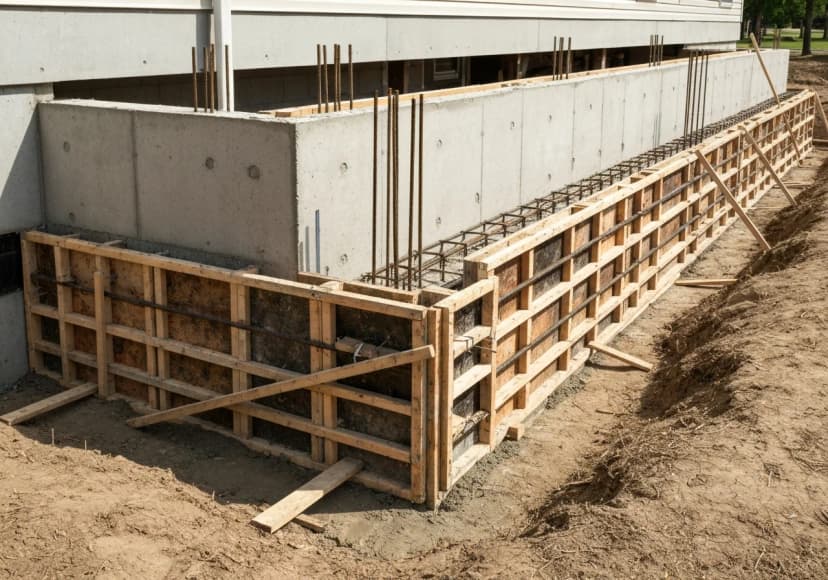
Concrete Foundation (Stem Wall or Slab)
$8,000–$25,000 depending on sizeAll home additions in Idaho
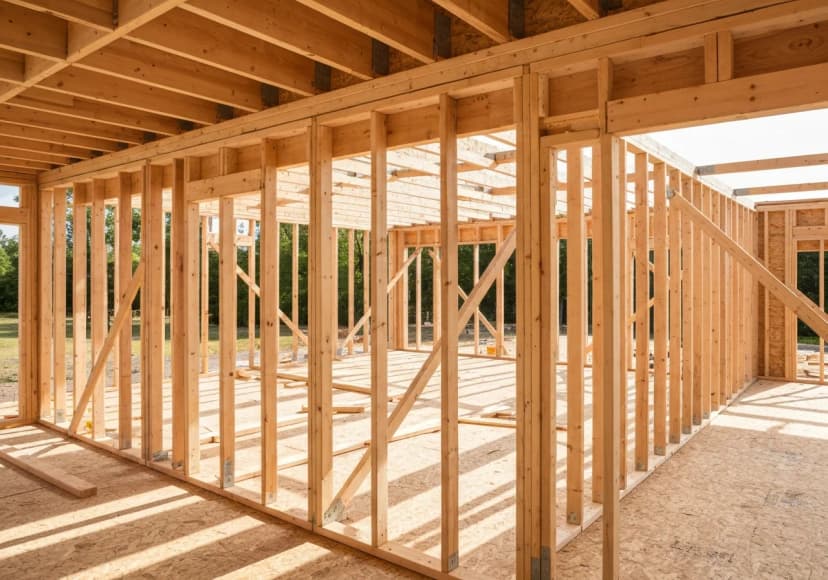
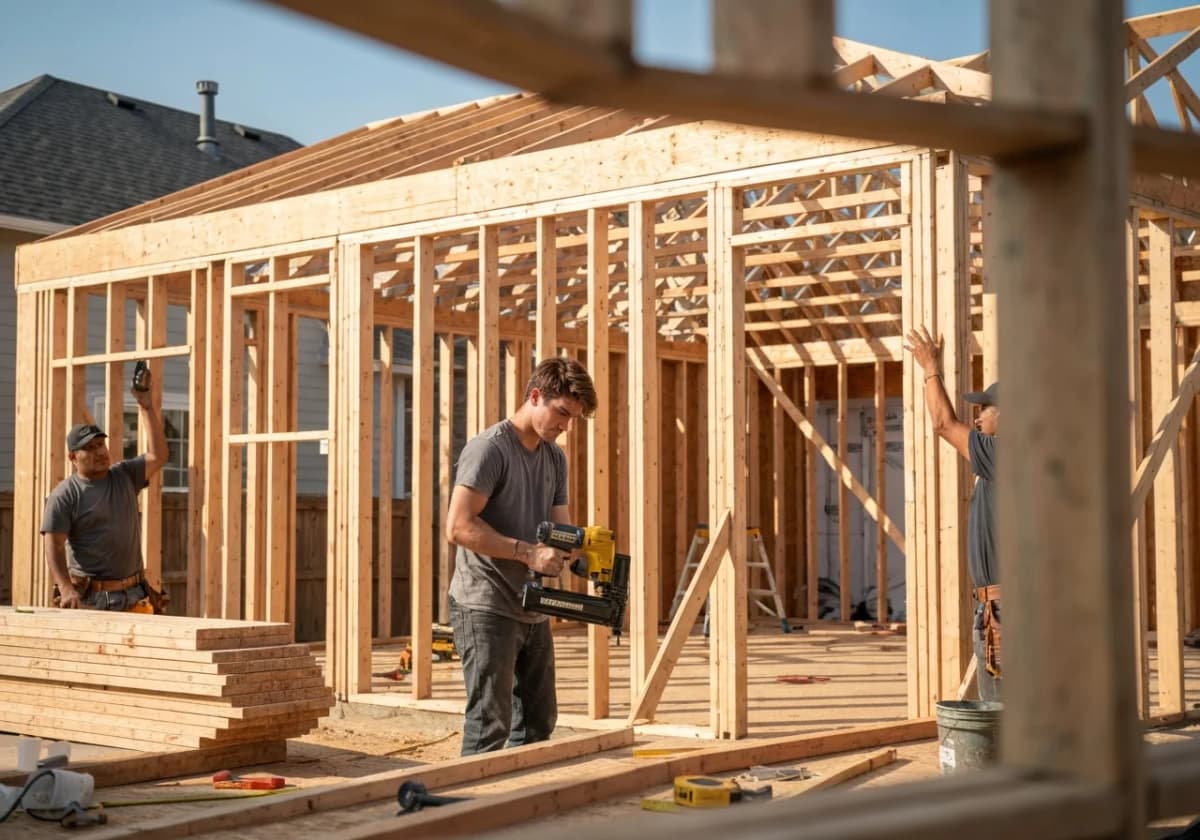
Dimensional Lumber Framing
$15–$25 per sq ft framedStandard room additions and second stories
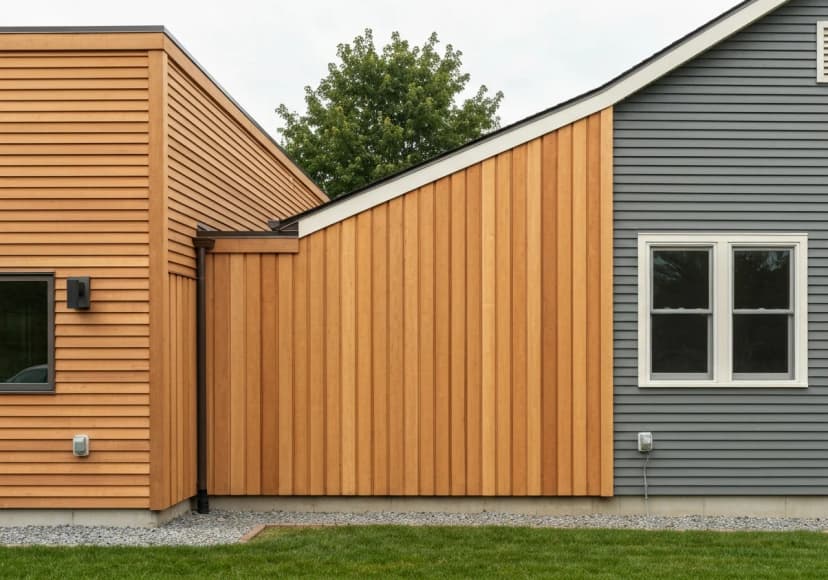
Matching Exterior Siding
$5–$15 per sq ft installedSeamless visual integration
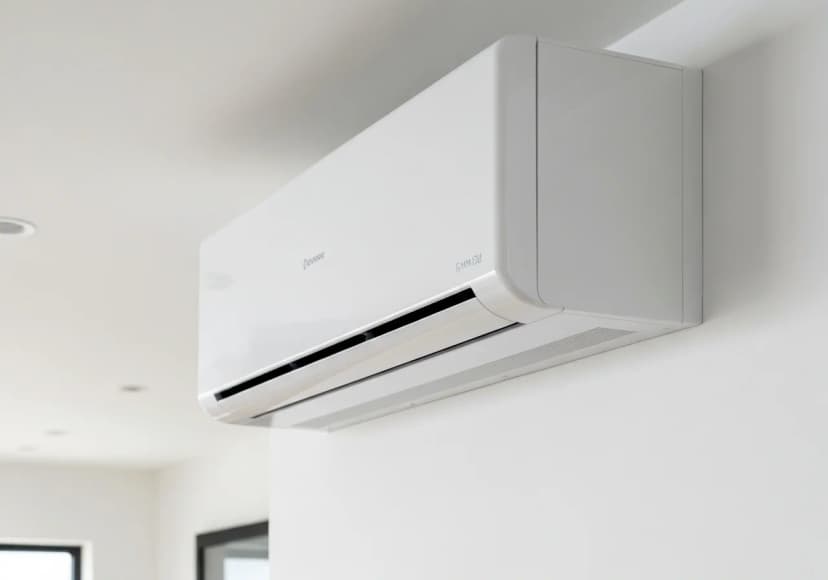
Mini-Split HVAC System
$3,000–$6,000 per zone installedAdditions where extending existing ductwork is impractical
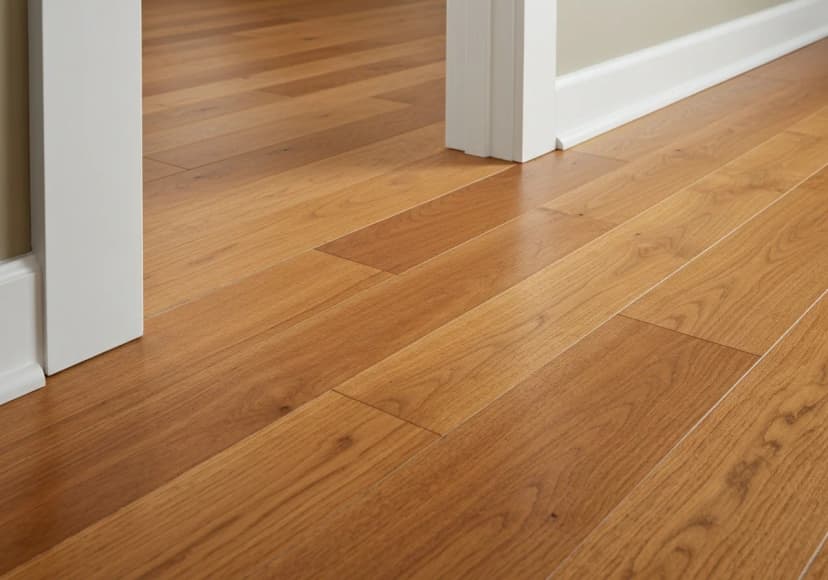
Engineered Hardwood or LVP Flooring
$5–$15 per sq ft installedMatching existing home flooring
Learning from others' mistakes saves time and money. Here are the most common home additions design pitfalls we see in Meridian:
Not enough bedrooms for a growing family
We design bedroom additions that integrate with the existing floor plan, adding space without disrupting current room flow or outdoor living areas.
No primary suite — just a standard bedroom with a hall bath
We add a primary suite wing with a private bathroom, walk-in closet, and direct access. This is the most requested addition type in the Treasure Valley.
Need a home office but no room to create one
A dedicated office addition provides separation from household activity, proper lighting, electrical for equipment, and the quiet workspace remote professionals need.
Aging parents need ground-floor living space
We design in-law suites with bedroom, bathroom, kitchenette, and potentially a separate entrance for independence and privacy.
Cramped kitchen or living area with no room to expand
A bump-out addition of 4-12 feet can transform a cramped kitchen or living room, adding counter space, a dining nook, or a seating area.
For home additions projects in Meridian, you have two main approaches to the design process: hiring a separate interior designer then a contractor, or working with a design-build firm that handles both under one roof.
Design-build (our approach)
- ✓ Single point of contact
- ✓ Design informed by real construction costs
- ✓ Faster project delivery
- ✓ Budget aligned from day one
Separate designer + contractor
- ● More specialized design expertise
- ● Independent design perspective
- ● Requires coordination between parties
- ● Can result in budget surprises
Local factors — Meridian's housing stock and typical construction eras, the climate conditions that drive material and scheduling choices, and permitting through City of Meridian Building Department — are covered in full on our Meridian page for this service, alongside 5 common project types.
Home Additions in Meridian: housing stock, climate & permits →Will the addition match my existing home?
Yes. We carefully match rooflines, siding, windows, trim profiles, and interior finishes so the addition looks like it was always part of the house. This is one of the most important aspects of addition design.
What about my HVAC — will my existing system handle the addition?
We evaluate your existing HVAC system capacity during the design phase. In many cases, a ductless mini-split system is the most practical solution for heating and cooling the addition independently.
Planning home additions in Meridian?
Get expert guidance and a free estimate for your home additions project in Meridian, ID.
Get Your Free Estimate