
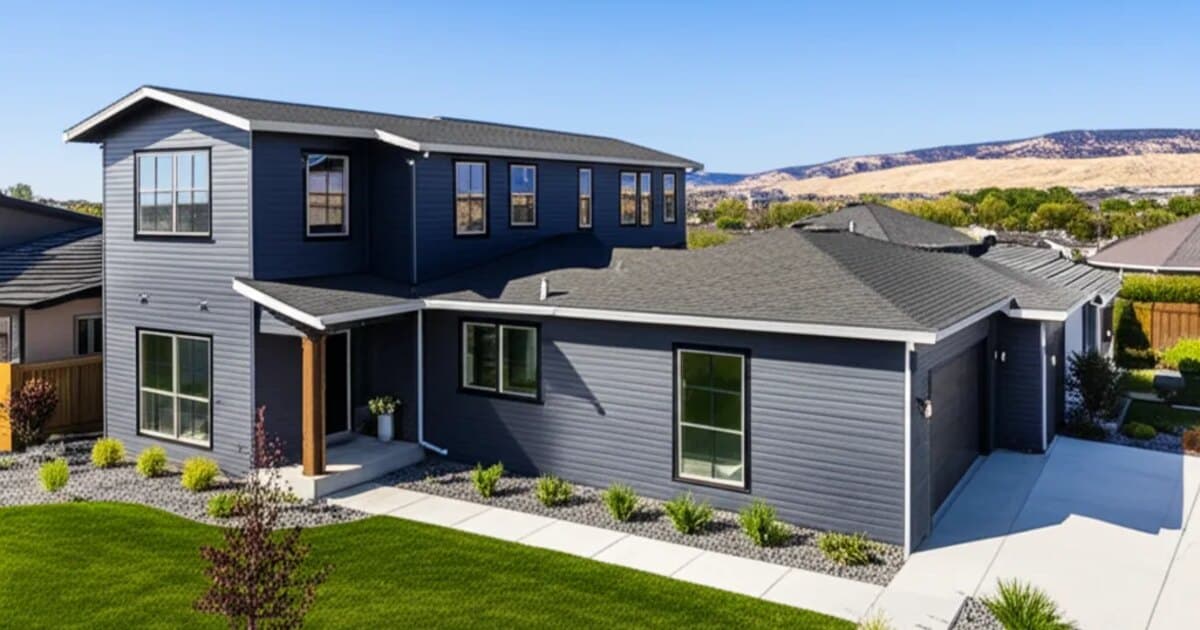
Best Materials for Home Additions in Meridian
Explore the most popular material options for home additions in Meridian, with pricing, durability, and style comparisons to help you choose.
Quick answer
A typical home addition takes 3 to 6 months from start of construction to completion. Including design, engineering, and permitting, the total project timeline is 5 to 9 months. Weather, permit timelines, and material availability all affect the schedule.
Meridian, ID · Home Additions
Planning home additions in Meridian?
Read the full guide below — or get your project priced now. Free, no-obligation estimates from an Idaho registered local team, backed by a 1-year workmanship warranty.
- Licensed Idaho RCE-6681702
- 1-Year Workmanship Warranty
- $2M Liability Coverage
- Free, No-Obligation Estimates
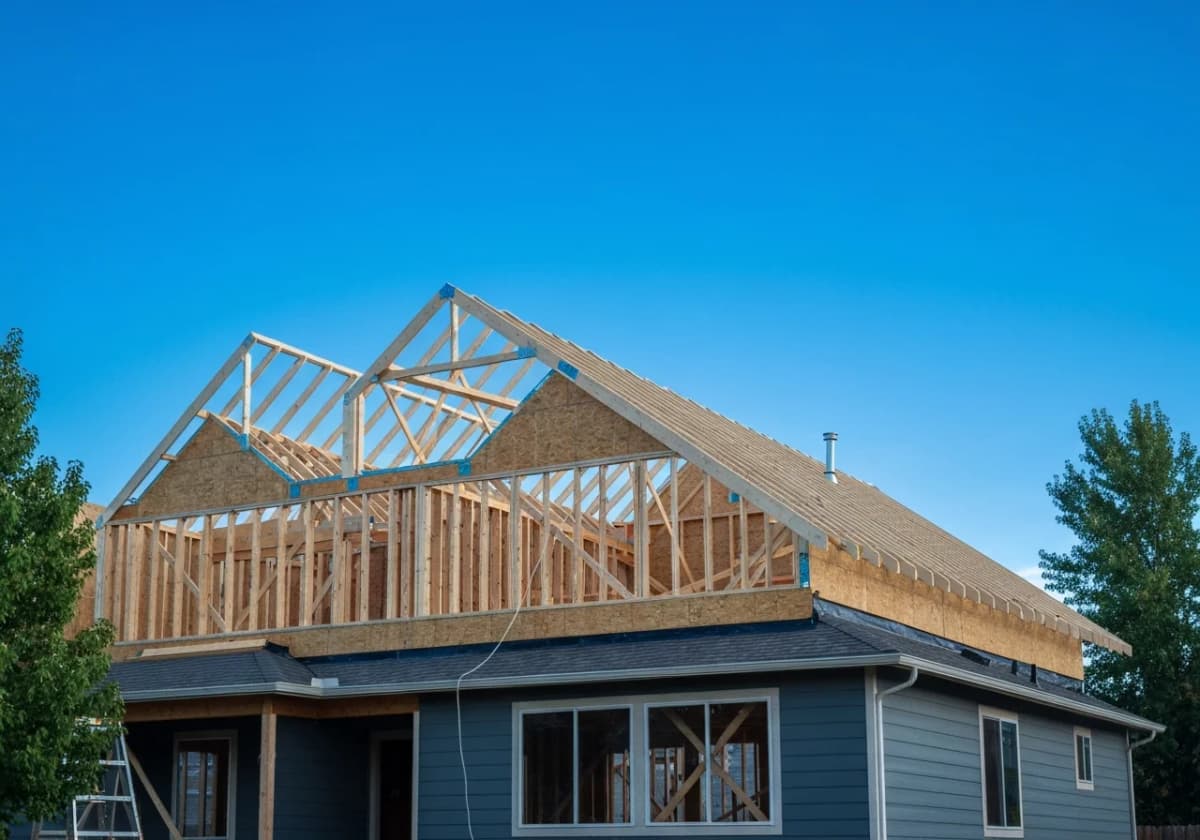
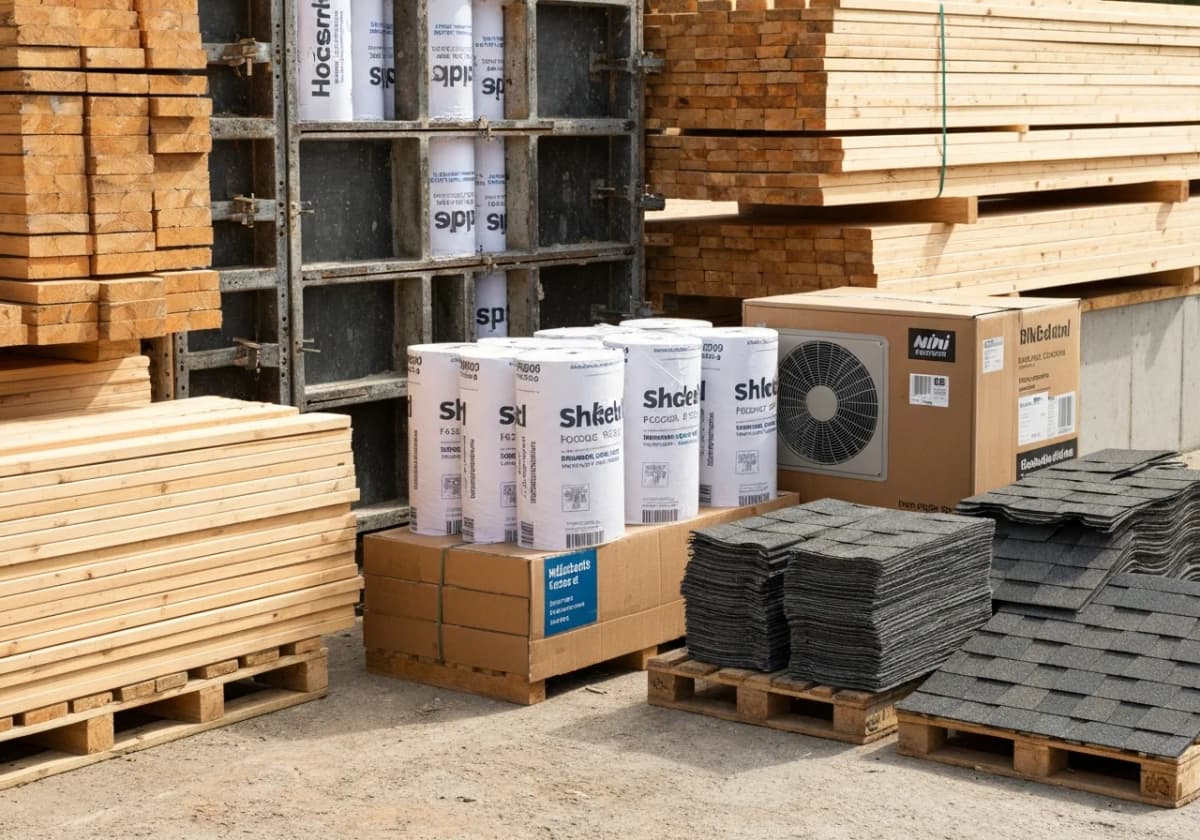
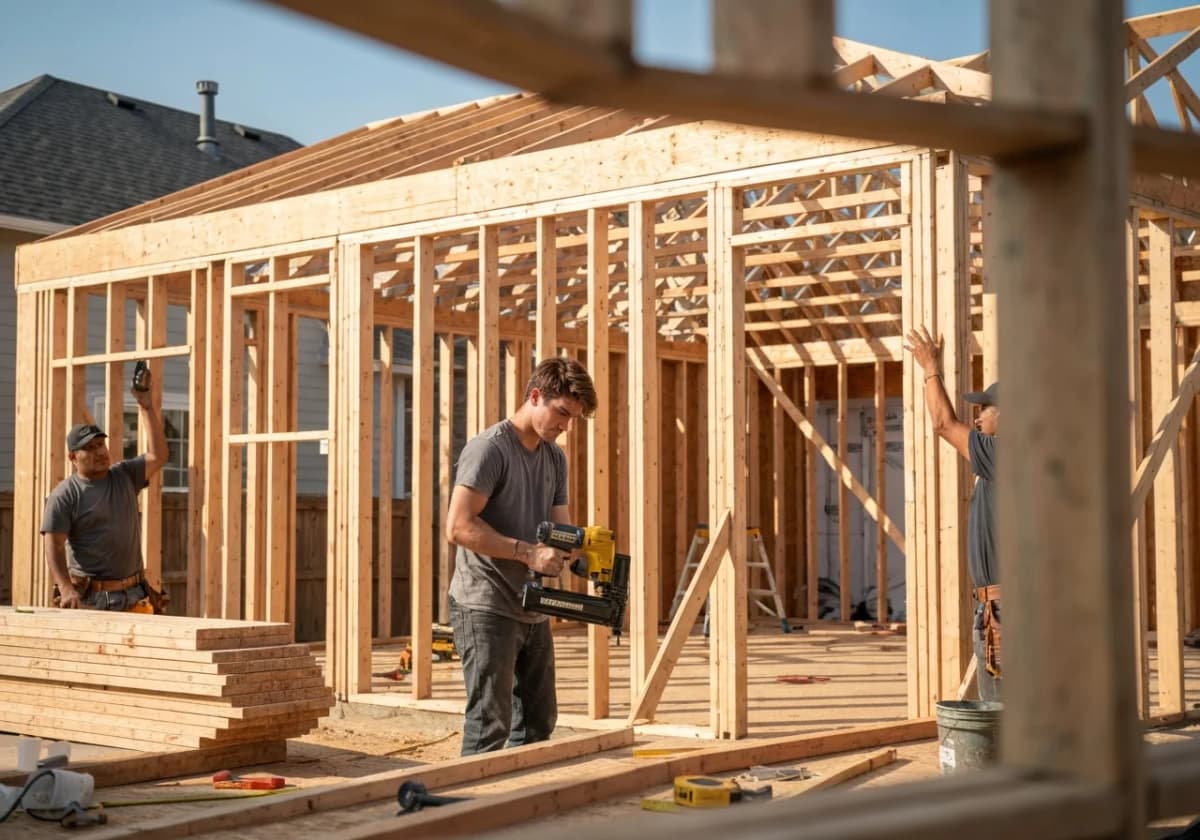

Meridian home addition materials are governed by Ada County's climate requirements, the city's production-home architectural context, and the HOA compatibility standards of Meridian's planned communities. Foundation materials for Meridian additions must meet Ada County's 24-inch frost depth requirement. Poured concrete perimeter foundations or isolated footings designed by a licensed Idaho structural engineer are the standard for any new foundation work in Meridian. Slab-on-grade additions with insulated perimeter protection are appropriate for certain ground-floor addition configurations. Framing for Meridian additions uses engineered lumber products — LVL beams, I-joists, and LSL headers — for all structural applications. Idaho's dry climate causes conventional dimensional lumber to lose moisture after installation, producing the shrinkage, squeaking, and nail pops that are more common in Treasure Valley construction than in humid-climate markets. Engineered lumber's dimensional stability eliminates this post-construction settling. Exterior Cladding Compatibility: Meridian HOA architectural standards require that addition exterior materials match the primary home's siding type, color, and profile. Most Meridian production homes use vinyl siding, stucco, or James Hardie fiber cement — and the addition exterior must use the same material from the same manufacturer in a matching or closely coordinated color. Iron Crest coordinates siding material matching for every Meridian addition project. Where the addition ties into the existing roof, the covering must match what is already on the house in brand, style, and color — which means identifying the existing product before the addition's roof is specified rather than after. Architectural asphalt shingles are the common case on Meridian production homes and matching profiles are generally still available. The roof tie-in is one of the most visible aspects of a home addition's architectural integration, and precise attention to shingle profile and color matching prevents the "tacked-on" appearance that poor roofing tie-ins create. HVAC Extension or Addition: Meridian's production homes have HVAC systems sized for the original square footage, and extending them to serve a home addition typically requires either ductwork extension with appropriate capacity additions at the air handler or the installation of a supplemental mini-split system for the new space. The choice depends on the size of the addition and the capacity of the existing HVAC system — Iron Crest provides a mechanical engineer's assessment for every addition project that involves more than 300 square feet of new conditioned space.
Choosing the right materials is one of the most important decisions in any home additions project. The materials you select affect the look, durability, maintenance requirements, and overall cost of the finished project. Here is a detailed look at the most popular material options for home additions in Meridian and the Treasure Valley.
These are the most commonly used materials for home additions projects in Meridian. Each has different characteristics that affect cost, durability, and style:
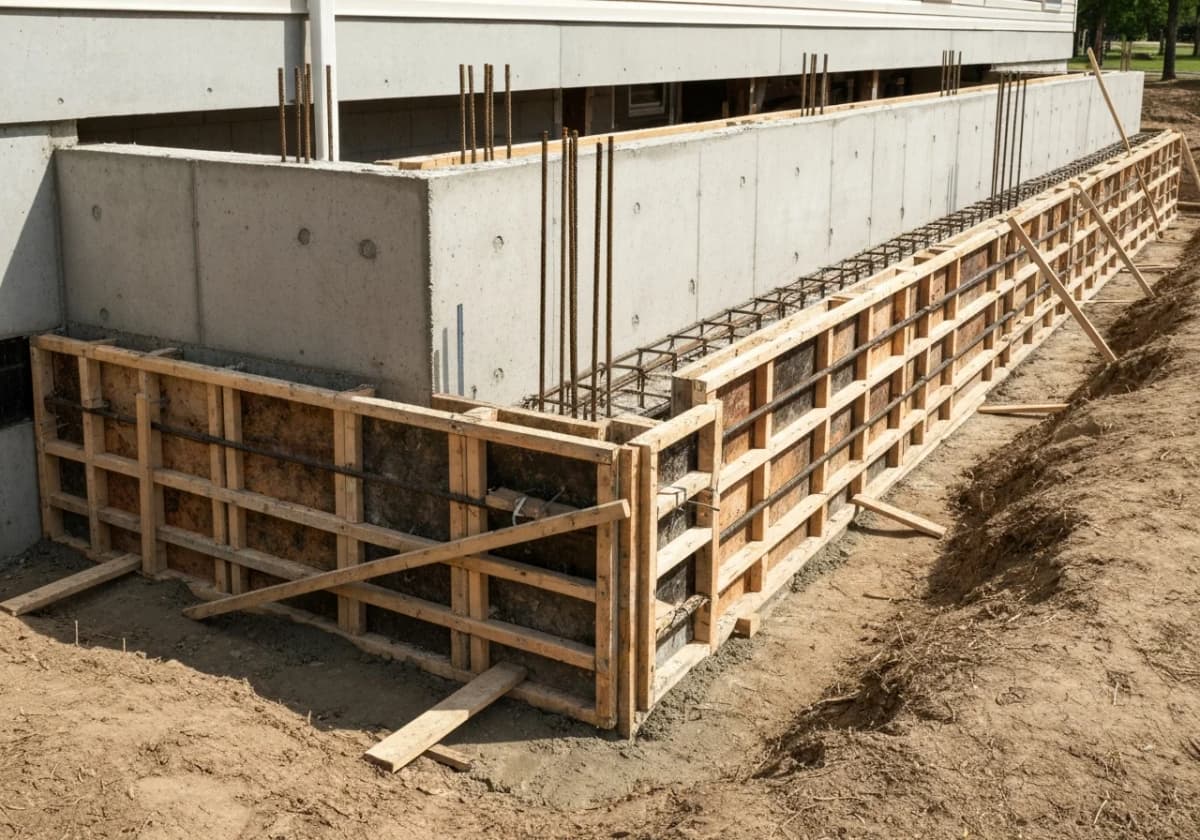
Concrete Foundation (Stem Wall or Slab)
$8,000–$25,000 depending on sizeMost Idaho home additions use a concrete stem wall foundation with a crawl space, matching the existing home's foundation type. Slab-on-grade is used in some applications. The foundation must be engineered to match soil conditions and frost depth requirements.
Best for: All home additions in Idaho
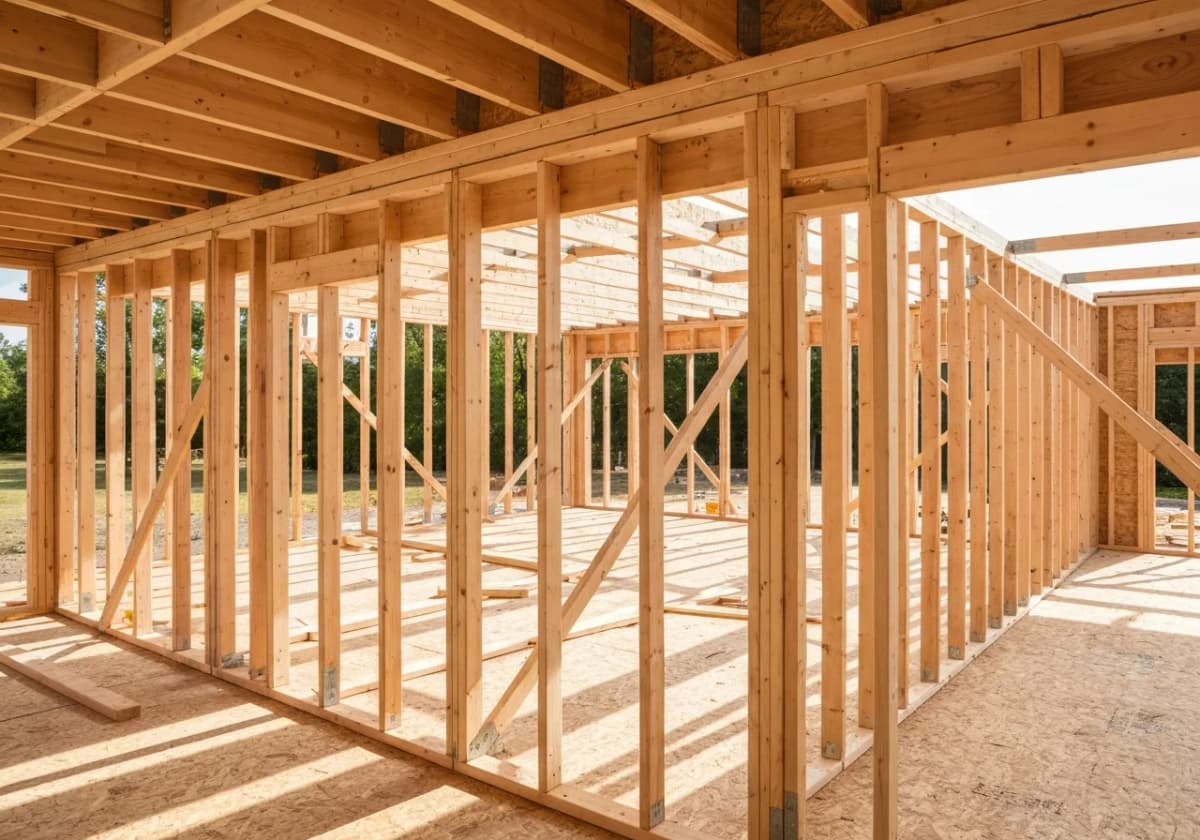
Dimensional Lumber Framing
$15–$25 per sq ft framedStandard 2x4 or 2x6 wood framing for walls, with engineered trusses or rafters for the roof. The framing system must integrate with the existing home's structure at the connection point.
Best for: Standard room additions and second stories
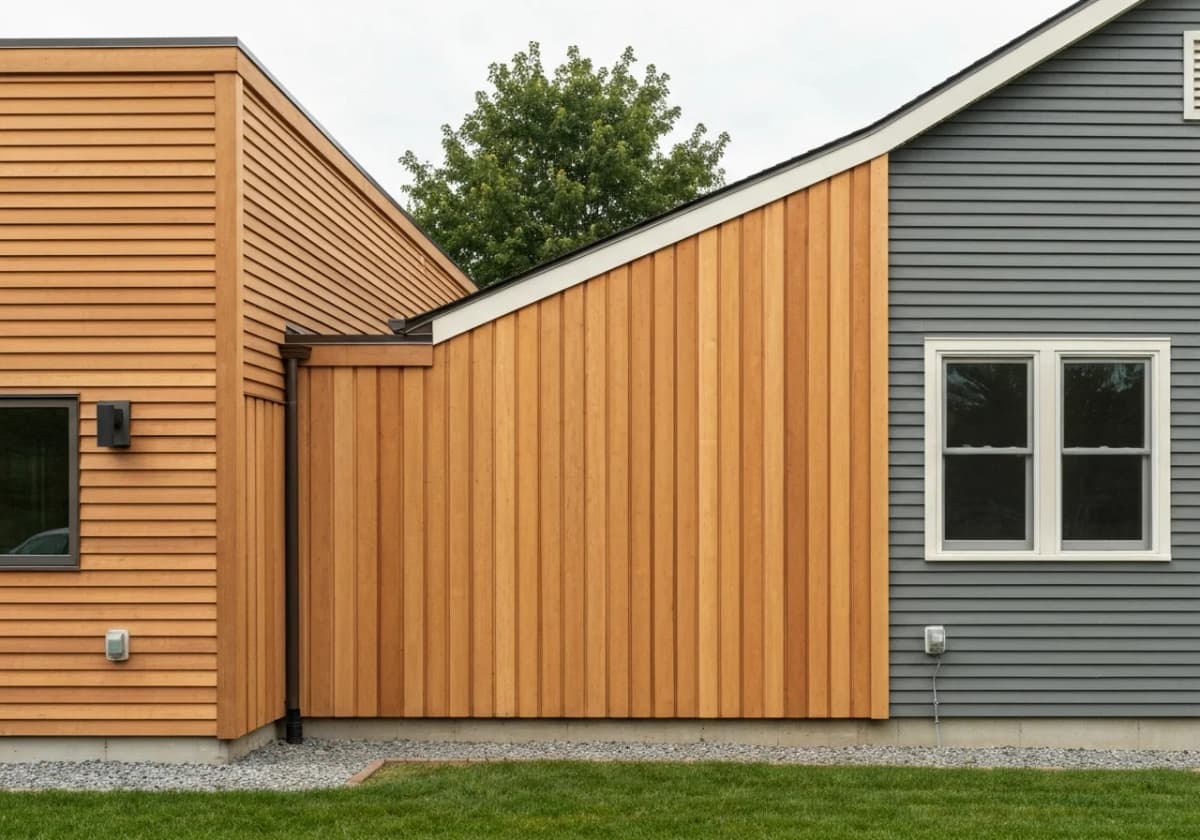
Matching Exterior Siding
$5–$15 per sq ft installedThe addition's exterior must match the existing home. This may involve ordering the same siding profile, doing a partial re-side to blend old and new, or selecting a complementary material for a planned contrast.
Best for: Seamless visual integration
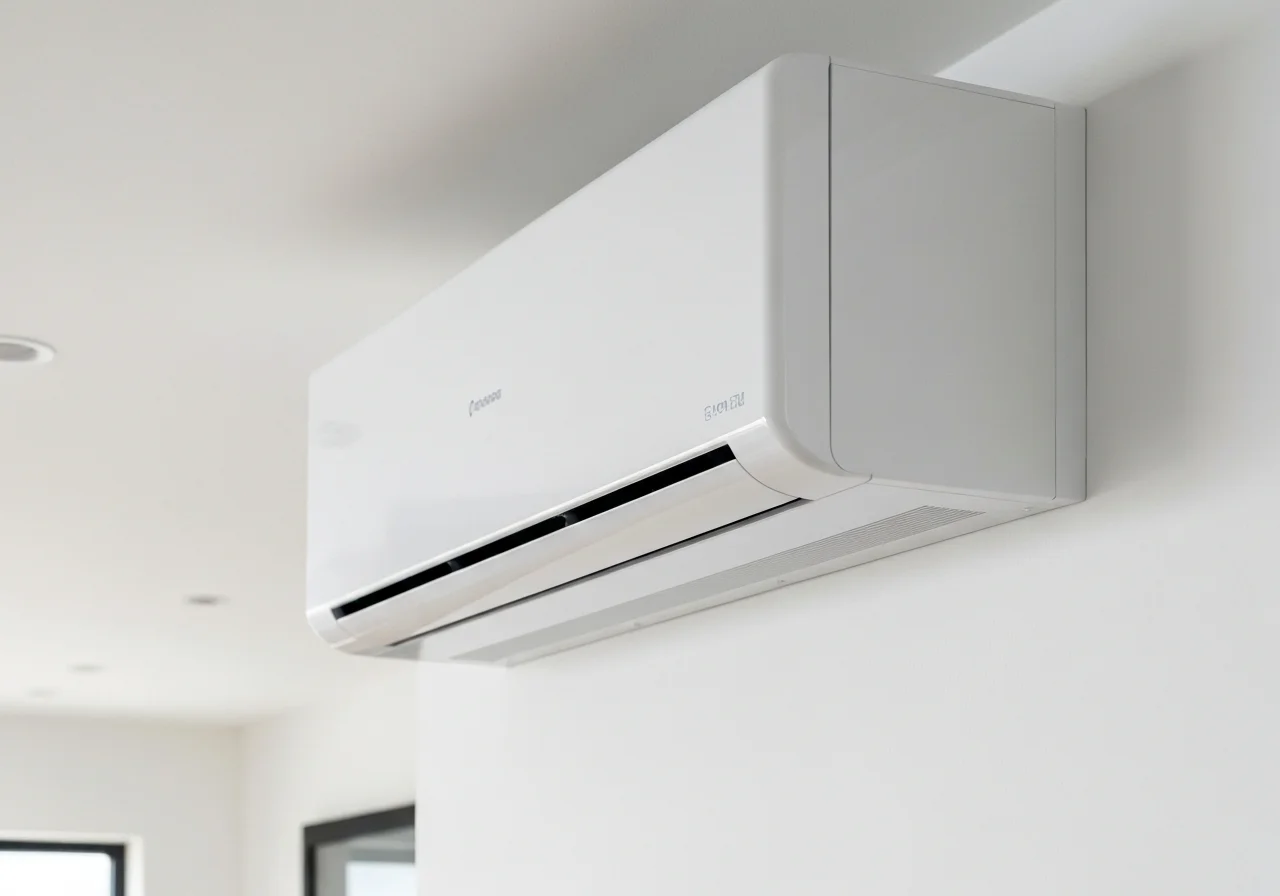
Mini-Split HVAC System
$3,000–$6,000 per zone installedA ductless mini-split system is often the most practical way to heat and cool an addition without extending the existing HVAC system. Mini-splits are efficient, quiet, and provide independent temperature control for the new space.
Best for: Additions where extending existing ductwork is impractical
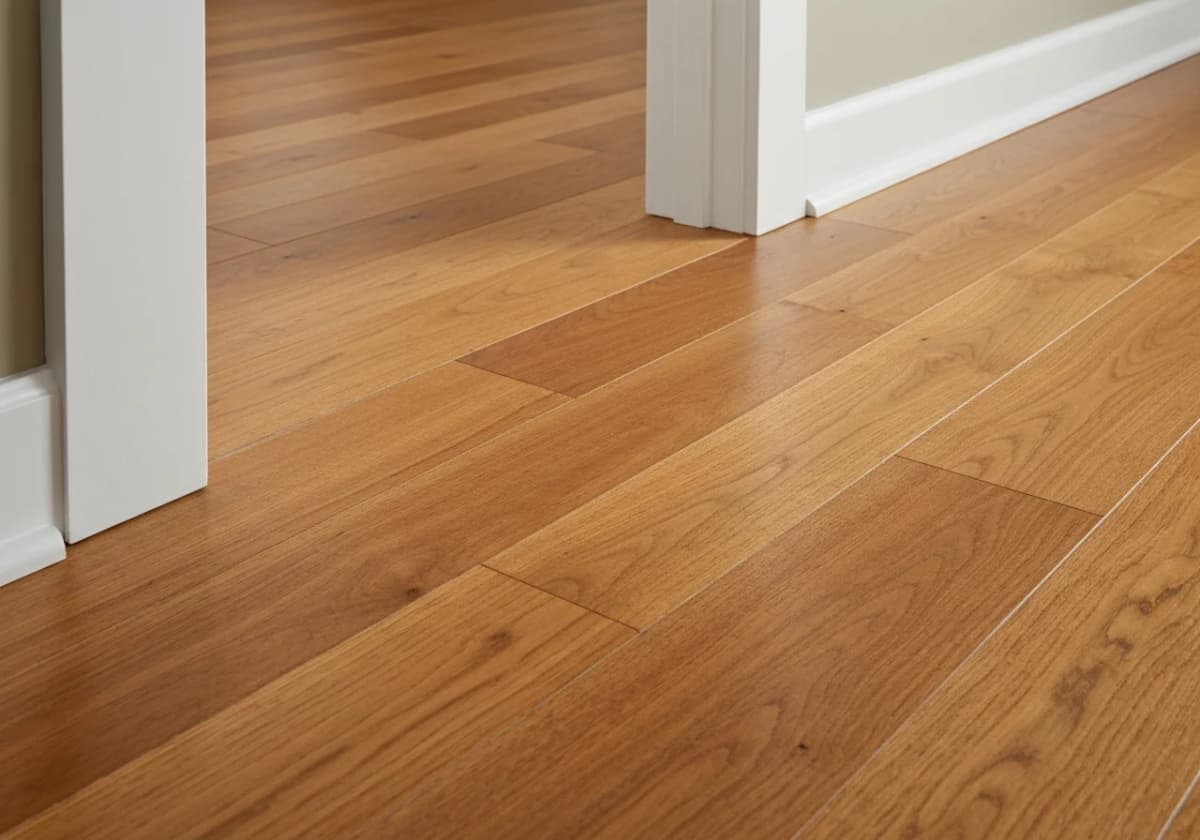
Engineered Hardwood or LVP Flooring
$5–$15 per sq ft installedFlooring in the addition should match or complement existing home flooring. Engineered hardwood can match existing real hardwood. LVP is durable, waterproof, and available in realistic wood looks.
Best for: Matching existing home flooring
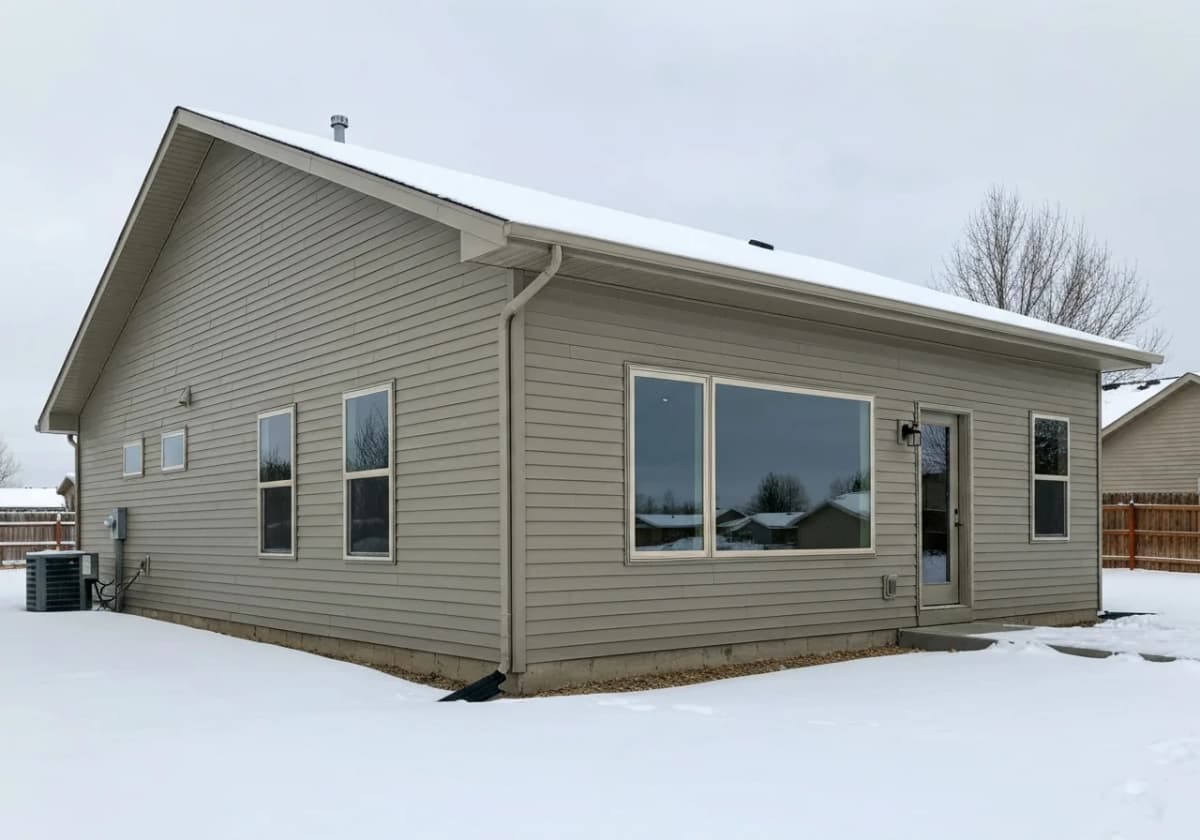
Meridian shares Boise's semi-arid climate with hot summers, cold winters, and low humidity. The same material and construction considerations apply — UV resistance for exterior materials, freeze-thaw durability, and proper insulation.
Hot Summers (90-105°F)
Exterior materials and finishes must resist UV degradation. West-facing windows and walls get the most sun exposure. Proper insulation and HVAC sizing are critical for comfort.
Cold Winters (15-30°F)
Frost depth requirements affect foundation work for additions and ADUs. Plumbing in exterior walls and crawl spaces needs freeze protection.
Wind and Dust
Meridian's open terrain means more wind and dust exposure than central Boise. Exterior finish quality and window sealing matter for long-term durability.
Low Precipitation
Less rain means less exterior moisture exposure, which is favorable for siding and paint longevity. However, irrigation and ground moisture around foundations still require attention.
In Meridian, the combination of dry summers, cold winters, and variable humidity levels means that material selection should prioritize durability and climate resistance. We recommend choosing materials rated for the temperature extremes and moisture conditions typical of Ada County.
Material availability affects both timeline and cost. Standard materials are typically available within 1-2 weeks from local suppliers in Meridian. Custom or specialty materials may have lead times of 4-14 weeks. We recommend selecting materials early in the design phase to avoid schedule delays.
Typical lead times
- ● Standard/stock materials: 1-2 weeks
- ● Semi-custom orders: 3-6 weeks
- ● Full custom/specialty items: 6-14 weeks
- ● Imported or artisan materials: 8-16+ weeks
Local factors — Meridian's housing stock and typical construction eras, the climate conditions that drive material and scheduling choices, and permitting through City of Meridian Building Department — are covered in full on our Meridian page for this service, alongside 5 common project types.
Home Additions in Meridian: housing stock, climate & permits →How long does a home addition take to build?
A typical home addition takes 3 to 6 months from start of construction to completion. Including design, engineering, and permitting, the total project timeline is 5 to 9 months. Weather, permit timelines, and material availability all affect the schedule.
Do I need to move out during construction?
Most homeowners stay in the home during an addition project. The construction area is sealed from the living space with dust barriers. Temporary disruptions to utilities are typically brief and scheduled in advance.
What is the most common remodel in Meridian?
Kitchen remodels are the most common project in Meridian. Most involve replacing builder-grade cabinets, upgrading to quartz countertops, adding a larger island, improving lighting, and installing new flooring. Many also include opening the kitchen to the living area.
Planning home additions in Meridian?
Get expert guidance and a free estimate for your home additions project in Meridian, ID.
Get Your Free Estimate