
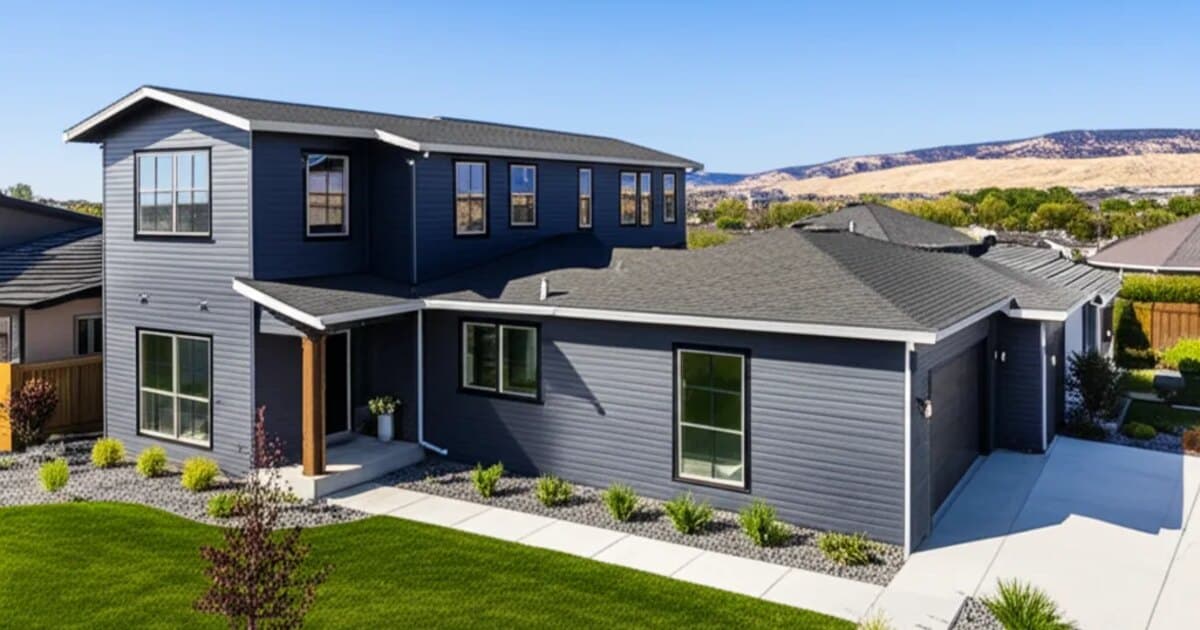
Best Materials for Home Additions in Boise
Explore the most popular material options for home additions in Boise, with pricing, durability, and style comparisons to help you choose.
Quick answer
A typical home addition takes 3 to 6 months from start of construction to completion. Including design, engineering, and permitting, the total project timeline is 5 to 9 months. Weather, permit timelines, and material availability all affect the schedule.
Boise, ID · Home Additions
Planning home additions in Boise?
Read the full guide below — or get your project priced now. Free, no-obligation estimates from an Idaho registered local team, backed by a 1-year workmanship warranty.
- Licensed Idaho RCE-6681702
- 1-Year Workmanship Warranty
- $2M Liability Coverage
- Free, No-Obligation Estimates
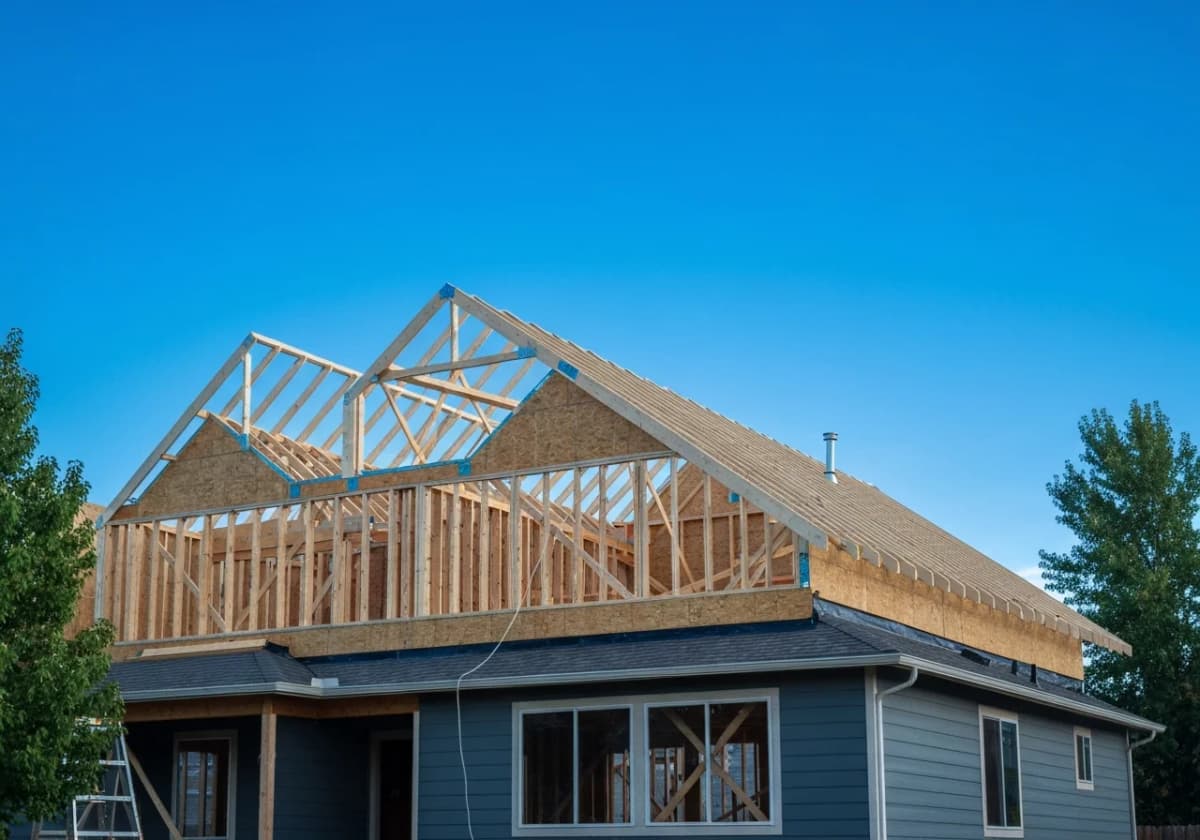
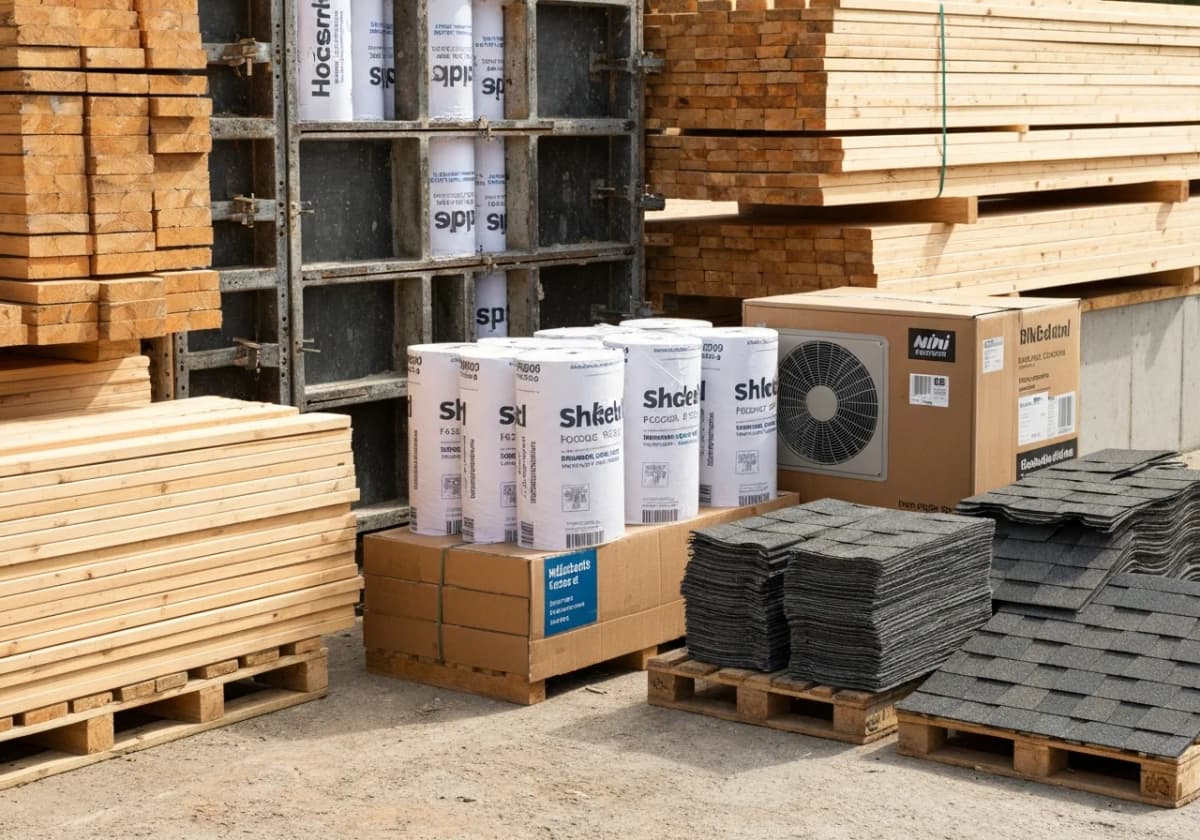
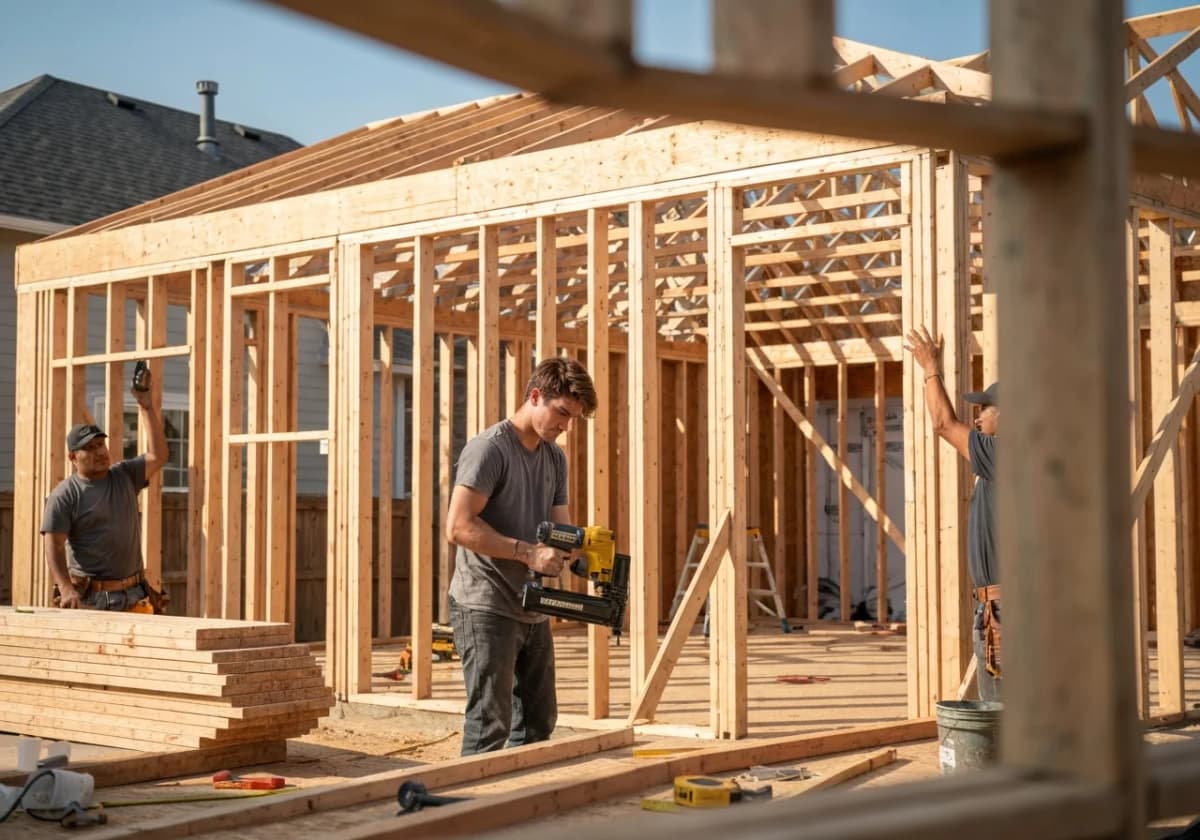

Material selection for Boise home additions is driven by three non-negotiable realities: Ada County's 24-inch frost depth, a climate that swings from 15°F in January to 105°F in August, and the architectural diversity of a city where homes span more than a century of construction styles. Foundation materials must be specified for Idaho's frost conditions. Poured concrete with proper rebar sizing, bearing below the 24-inch frost depth, is standard for any new foundation in Ada County, whether it's a full perimeter foundation for a room addition or isolated footings for a cantilevered bump-out. Insulating concrete forms (ICFs) are increasingly popular for below-grade and slab-on-grade additions because they dramatically improve thermal performance — a real benefit in a climate where the ground holds cold deep into spring and radiates heat through summer. Framing lumber in Boise additions is almost universally engineered lumber for structural members — LVL beams, I-joists, and LSL headers provide the dimensional consistency and load capacity that second-story additions demand without the twisting and shrinking that can plague dimensional lumber in Boise's dry climate. Boise's low humidity — averaging 30–40% relative humidity — causes dimensional lumber to lose moisture after installation, which can result in squeaky floors, sticky doors, and visible nail pops within the first year if engineered products aren't specified. Exterior cladding selection depends heavily on the neighborhood context. In the North End, Hardie Board fiber cement lap siding in 4-inch or 6-inch reveal profiles closely mimics the original wood lap siding on Craftsman bungalows while providing far superior resistance to Boise's UV intensity and freeze-thaw cycles. In West Boise and Harris Ranch, stucco and stone veneer combinations are architecturally consistent with the existing homes and provide excellent thermal mass that moderates temperature swings. Vinyl siding, while cost-effective, tends to expand and contract visibly in Boise's temperature extremes and is generally discouraged on additions where matching the original home's quality is important. Where an addition ties into the existing roof, the covering has to match what is already there, so the existing product and profile are identified before the addition's roof is specified rather than after. Architectural asphalt shingles are the common case and matching profiles are generally still available; where a home already carries standing-seam metal, the tie-in is detailed to that instead, which also sheds Boise's occasional heavy snow loads and reflects more summer solar gain than asphalt. Window and door specifications have a disproportionate impact on both comfort and energy performance in Boise's climate. Vinyl or fiberglass-framed double-pane windows with a Low-E coating and argon fill are the standard minimum. For west-facing additions that face Boise's brutal afternoon sun, triple-pane glass or a high solar heat gain coefficient specification is worth the premium. Proper window installation with continuous water-resistive barriers and flashing is critical in a climate where summer thunderstorms can deliver intense but brief precipitation that exploits any installation weakness. Insulation specifications for Boise additions must exceed the minimums in the Idaho Energy Code. Walls at R-21 (2x6 framing with batts plus rigid foam sheathing) and attic insulation at R-49 or better are the practical targets for a comfortable, energy-efficient addition in this climate. Spray foam at rim joists and band joists prevents the cold-air infiltration that would otherwise make addition floors cold in January and create condensation problems in the crawlspace.
Choosing the right materials is one of the most important decisions in any home additions project. The materials you select affect the look, durability, maintenance requirements, and overall cost of the finished project. Here is a detailed look at the most popular material options for home additions in Boise and the Treasure Valley.
These are the most commonly used materials for home additions projects in Boise. Each has different characteristics that affect cost, durability, and style:
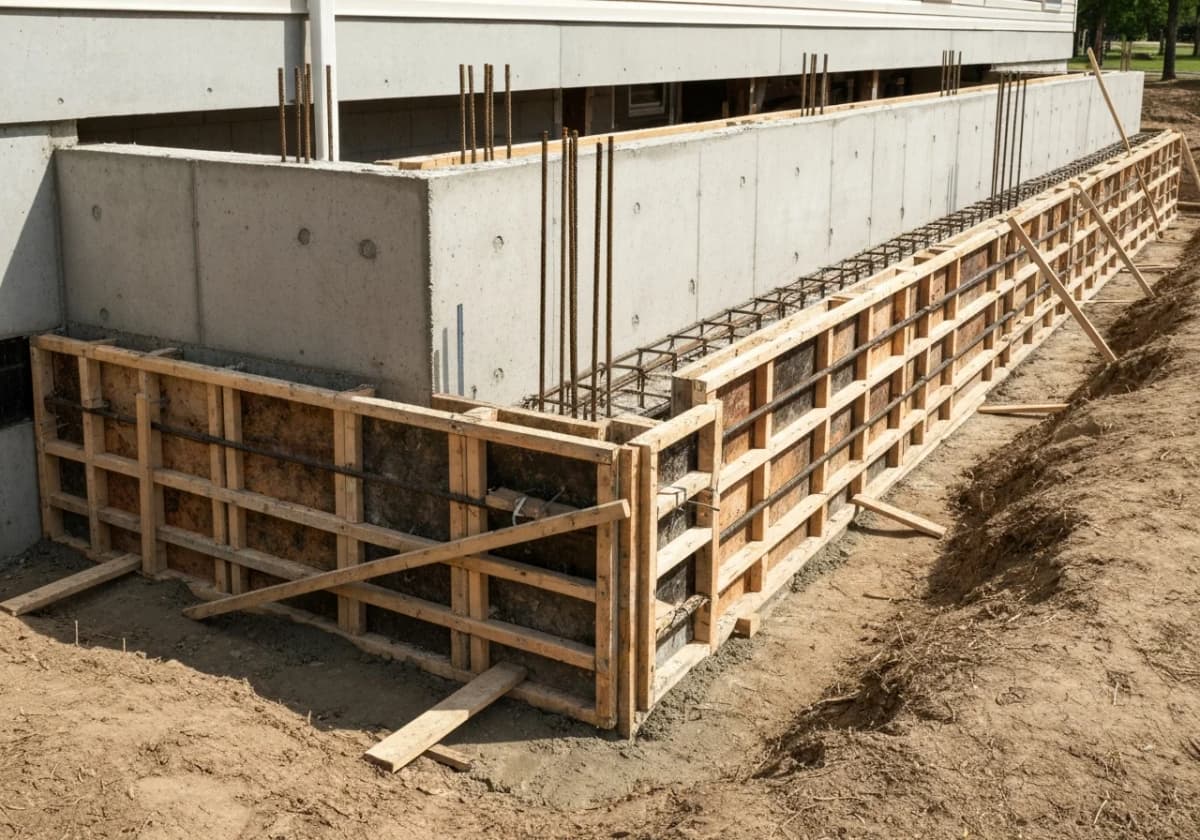
Concrete Foundation (Stem Wall or Slab)
$8,000–$25,000 depending on sizeMost Idaho home additions use a concrete stem wall foundation with a crawl space, matching the existing home's foundation type. Slab-on-grade is used in some applications. The foundation must be engineered to match soil conditions and frost depth requirements.
Best for: All home additions in Idaho
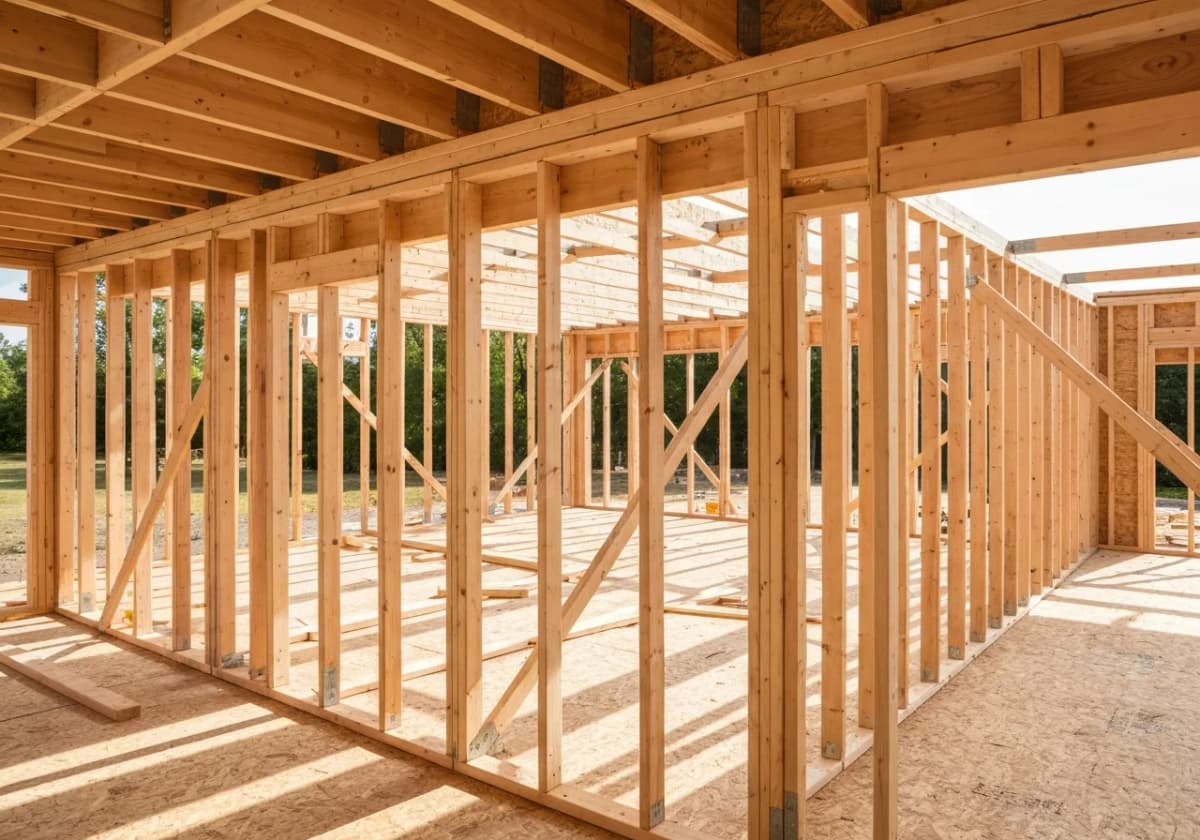
Dimensional Lumber Framing
$15–$25 per sq ft framedStandard 2x4 or 2x6 wood framing for walls, with engineered trusses or rafters for the roof. The framing system must integrate with the existing home's structure at the connection point.
Best for: Standard room additions and second stories
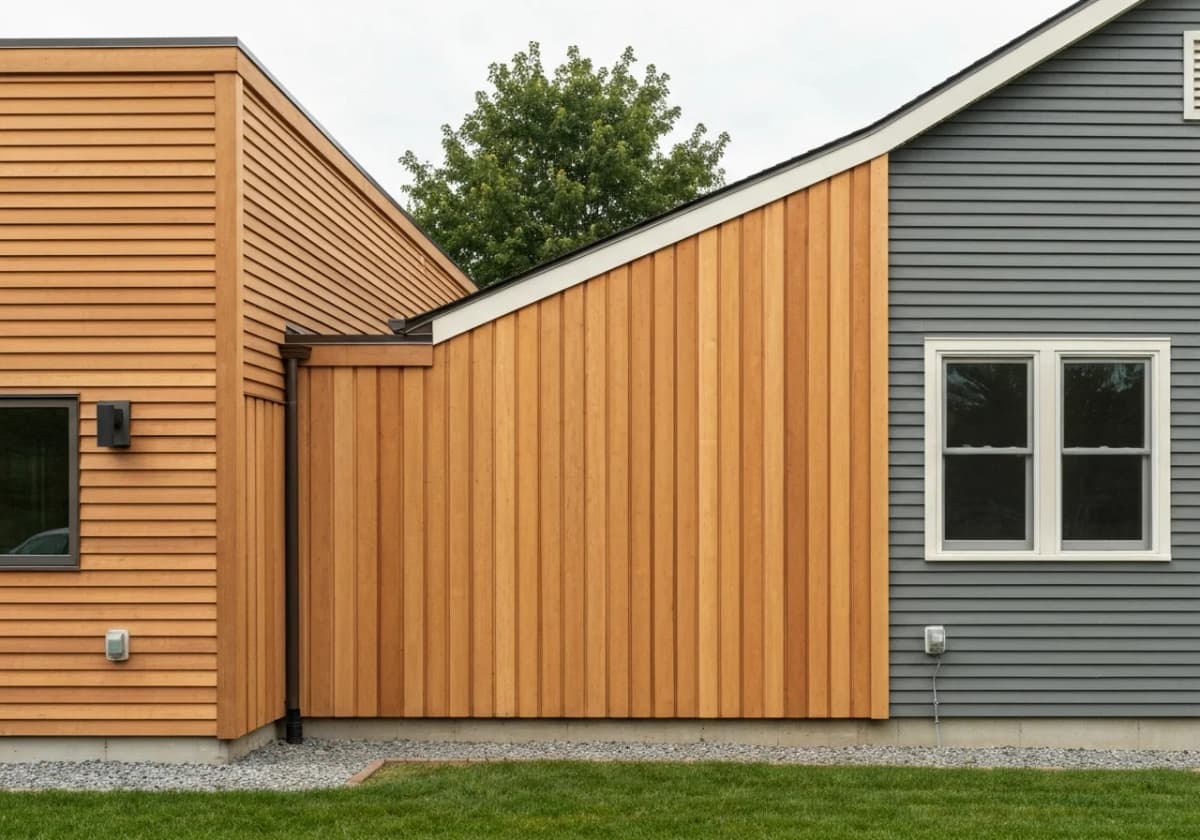
Matching Exterior Siding
$5–$15 per sq ft installedThe addition's exterior must match the existing home. This may involve ordering the same siding profile, doing a partial re-side to blend old and new, or selecting a complementary material for a planned contrast.
Best for: Seamless visual integration
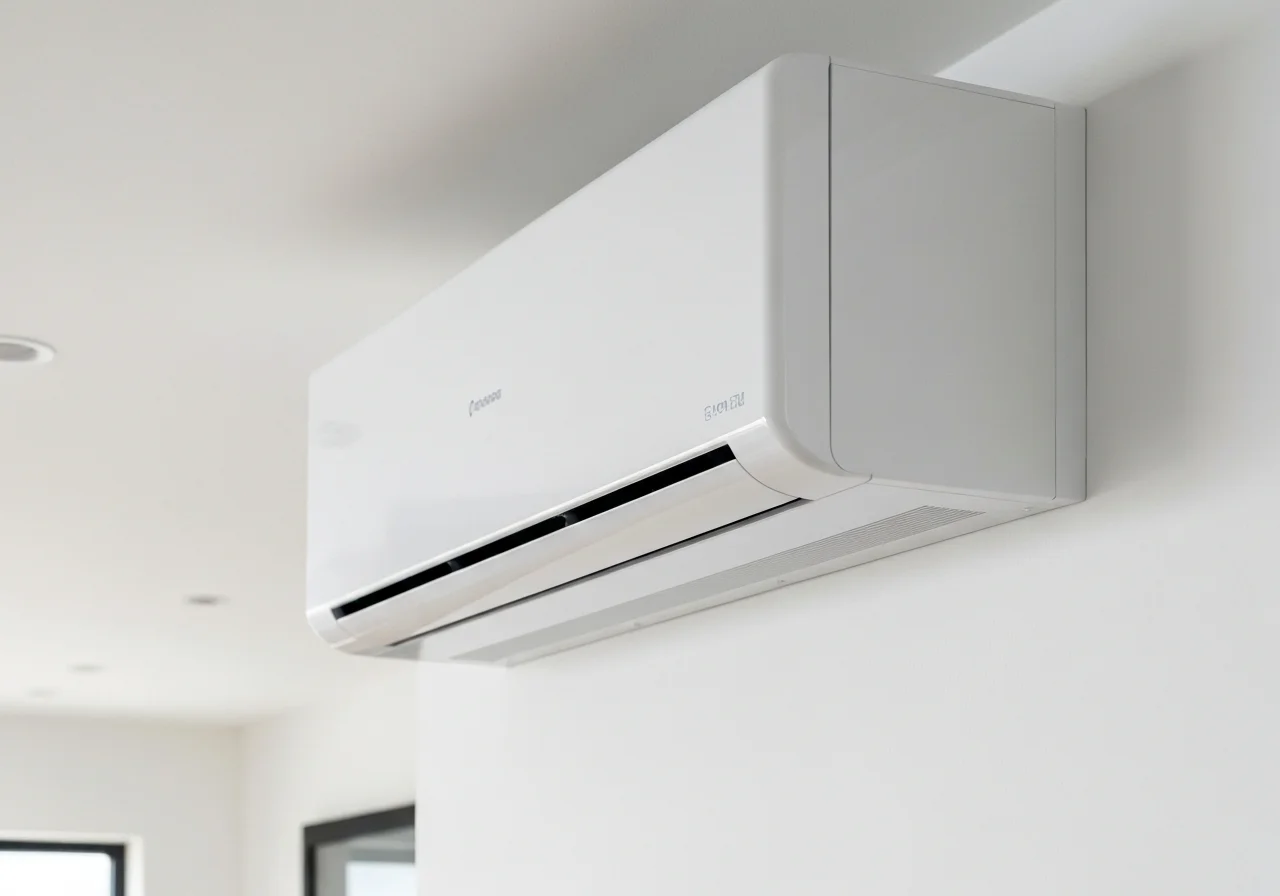
Mini-Split HVAC System
$3,000–$6,000 per zone installedA ductless mini-split system is often the most practical way to heat and cool an addition without extending the existing HVAC system. Mini-splits are efficient, quiet, and provide independent temperature control for the new space.
Best for: Additions where extending existing ductwork is impractical
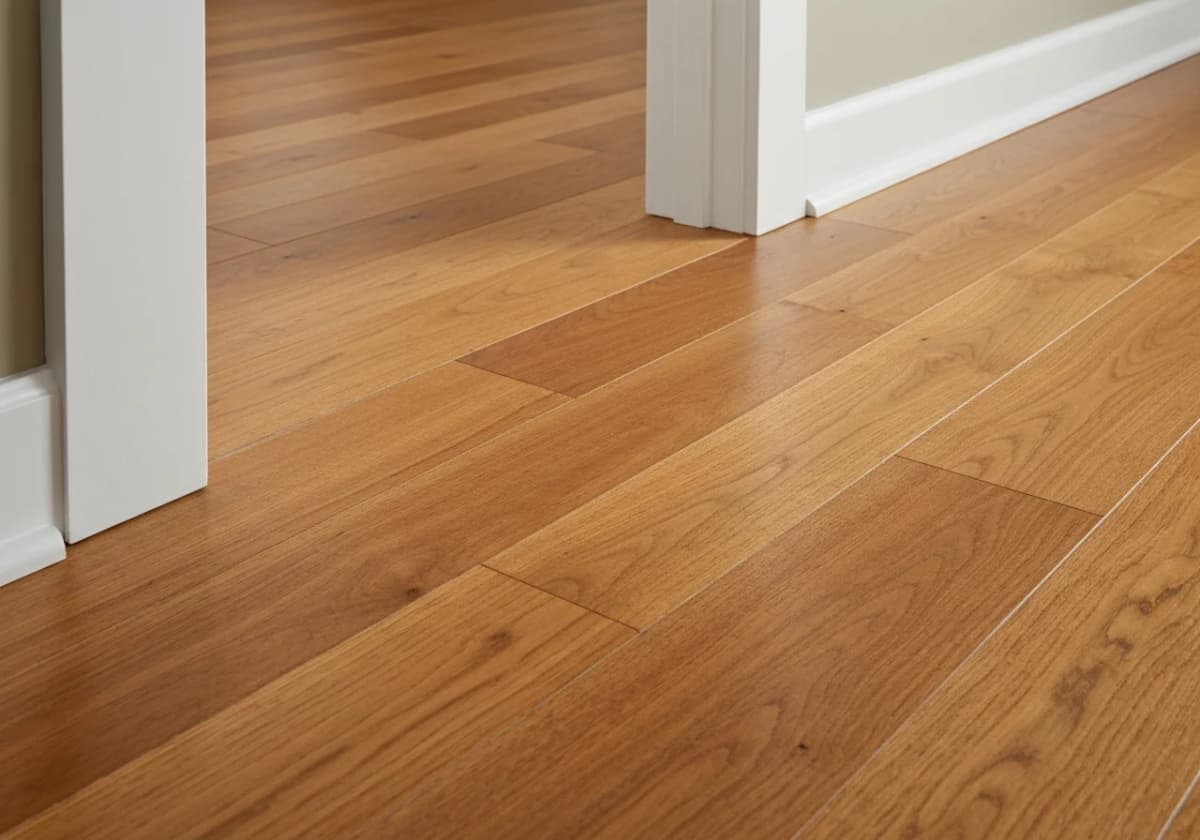
Engineered Hardwood or LVP Flooring
$5–$15 per sq ft installedFlooring in the addition should match or complement existing home flooring. Engineered hardwood can match existing real hardwood. LVP is durable, waterproof, and available in realistic wood looks.
Best for: Matching existing home flooring
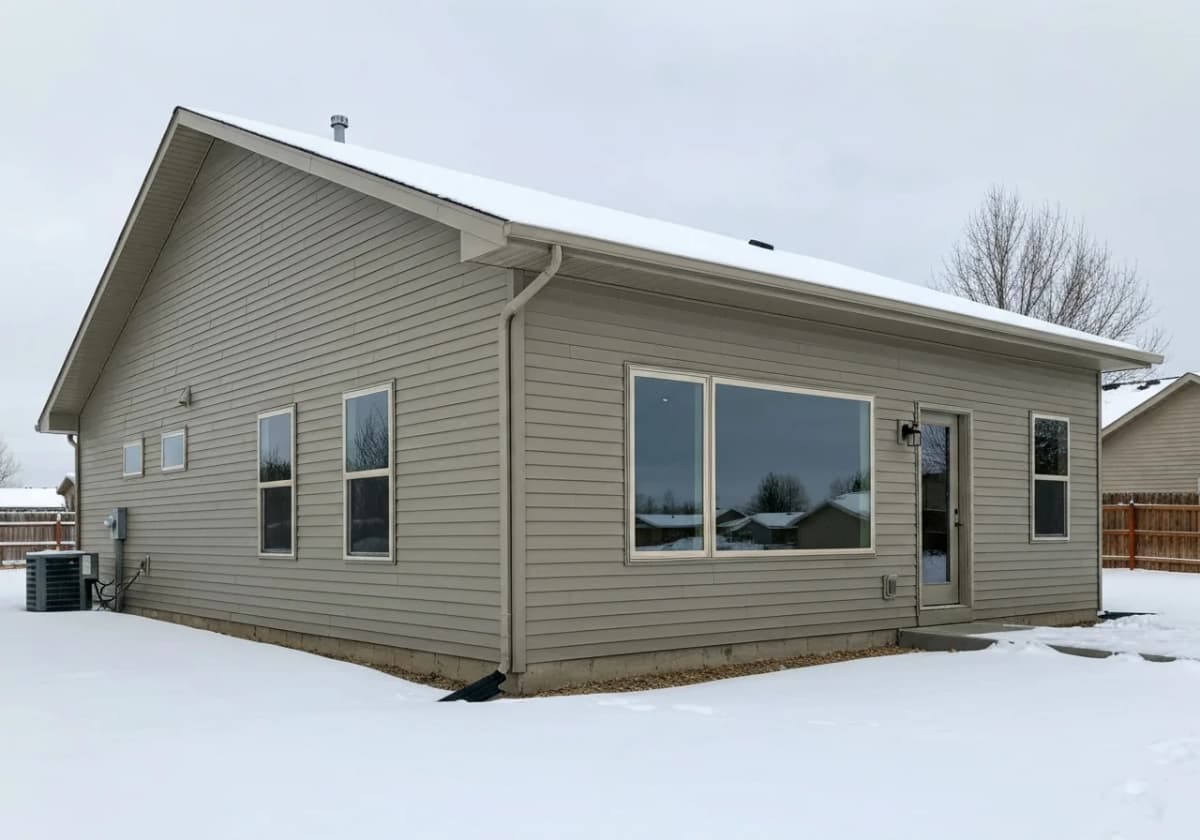
Boise has a semi-arid, four-season climate with hot, dry summers (90-105°F), cold winters (15-35°F), and low annual precipitation. This climate directly affects material choices, construction scheduling, and long-term durability of remodeling work.
Temperature Extremes (15°F to 105°F range)
Exterior materials must handle dramatic temperature swings. Windows need strong thermal performance. Interior comfort depends on insulation quality and HVAC sizing.
Low Humidity and Dry Air
Wood materials can dry, shrink, and crack. Hardwood floors may develop gaps in winter. Bathroom ventilation is still critical because bathrooms create localized high-humidity environments.
Freeze-Thaw Cycles
Exterior tile, concrete, and masonry must handle freezing and thawing without cracking. Foundation work has specific frost-depth requirements in the Boise area.
UV Exposure (300+ sunny days)
Exterior paint, siding, and stain fade faster under constant UV. South-facing and west-facing surfaces require UV-resistant materials and more frequent maintenance.
Construction Season
Foundation and exterior work is best scheduled March through November. Interior remodeling can happen year-round. Winter concrete pours require special cold-weather precautions.
In Boise, the combination of dry summers, cold winters, and variable humidity levels means that material selection should prioritize durability and climate resistance. We recommend choosing materials rated for the temperature extremes and moisture conditions typical of Ada County.
Material availability affects both timeline and cost. Standard materials are typically available within 1-2 weeks from local suppliers in Boise. Custom or specialty materials may have lead times of 4-14 weeks. We recommend selecting materials early in the design phase to avoid schedule delays.
Typical lead times
- ● Standard/stock materials: 1-2 weeks
- ● Semi-custom orders: 3-6 weeks
- ● Full custom/specialty items: 6-14 weeks
- ● Imported or artisan materials: 8-16+ weeks
Local factors — Boise's housing stock and typical construction eras, the climate conditions that drive material and scheduling choices, and permitting through City of Boise Planning and Development Services — are covered in full on our Boise page for this service, alongside 5 common project types.
Home Additions in Boise: housing stock, climate & permits →How long does a home addition take to build?
A typical home addition takes 3 to 6 months from start of construction to completion. Including design, engineering, and permitting, the total project timeline is 5 to 9 months. Weather, permit timelines, and material availability all affect the schedule.
Do I need to move out during construction?
Most homeowners stay in the home during an addition project. The construction area is sealed from the living space with dust barriers. Temporary disruptions to utilities are typically brief and scheduled in advance.
What are the most popular remodeling projects in Boise?
Kitchen remodels, primary bathroom remodels, ADU construction, and whole-home renovations of 1980s-1990s homes are the most common projects we complete in Boise. Open-concept kitchen conversions and walk-in shower installations are especially popular.
Planning home additions in Boise?
Get expert guidance and a free estimate for your home additions project in Boise, ID.
Get Your Free Estimate