
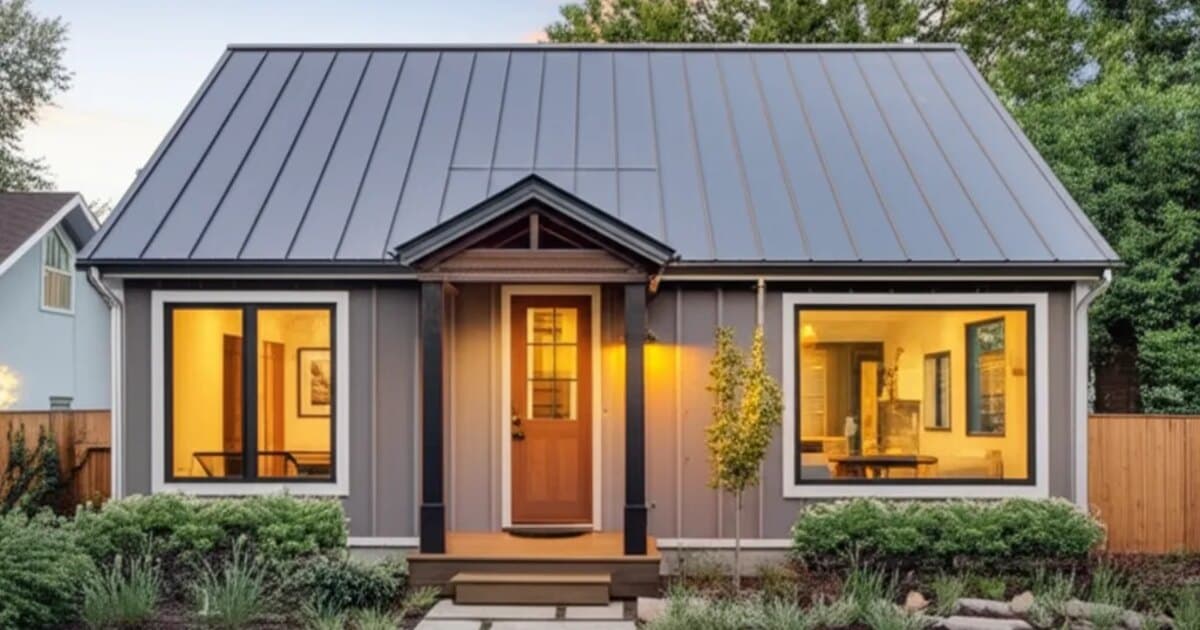
ADU Construction in Boise, Idaho
Add a self-contained living space to your property. Iron Crest Remodel designs and builds accessory dwelling units (ADUs) in Boise — from studio cottages to full one-bedroom units with kitchen, bath, and independent utilities.
- Custom ADU design (studio to 2-bedroom)
- Full kitchen and bathroom builds
- Independent utility connections
- Zoning and permit management
- Foundation and framing
- Insulation and HVAC systems
- Interior and exterior finishes
- Landscaping and site restoration
- ADA-accessible ADU options
- Garage conversion to ADU
Timeline
4 – 8 months
Feasibility Assessment
We evaluate your property for ADU eligibility — lot size, setbacks, zoning, utility access, and site conditions. You receive a feasibility report with size and placement options.
Design & Permitting
Architectural plans are developed, engineered, and submitted for building permits. We coordinate with the City of Boise and Ada County for all required approvals.
Site Work & Construction
Foundation, framing, roofing, siding, windows, and doors are completed. Plumbing, electrical, and HVAC are installed. Interior finishes follow.
Final Inspections & Occupancy
All required inspections are completed, certificate of occupancy is obtained, and the ADU is ready for use — whether for family, guests, or rental income.

See Your Remodel Before You Build.
Upload a few photos of your kitchen, bathroom, flooring, or exterior and get AI-generated concept visuals tailored to your space, style, and materials — free, no obligation, in about five minutes. Then request a real estimate from our licensed Boise crew.
Free concept preview · No credit card · Licensed Idaho contractor
Can I build an ADU on my property in Boise?
Boise adopted updated ADU regulations that allow accessory dwelling units on most residential lots. Requirements include minimum lot size, setback distances, and maximum ADU size limits. Iron Crest Remodel evaluates your property eligibility during the initial consultation.
How much does an ADU cost to build in Boise?
ADU construction in Boise typically costs $150,000-$300,000 depending on size, finishes, and site conditions. A basic 400 sq ft studio ADU starts around $120,000. A full 800 sq ft one-bedroom unit with premium finishes can reach $250,000+.
How long does it take to build an ADU?
From permit approval to completion, ADU construction takes 4-8 months. The permitting process itself can take 4-12 weeks depending on the jurisdiction and complexity.
Not every adu construction project is the same. Cosmetic updates are minor refreshes — not full remodels. Full remodels start at the Standard tier and above. Here are the most common scope levels we handle in the Boise area, with typical investment ranges.
Garage Conversion
$80,000 – $150,000
Convert an existing attached or detached garage into a living unit. Lower cost because the shell exists. Plumbing, electrical, insulation, and finishes required.
Studio ADU (400–500 sq ft)
$120,000 – $200,000
Compact open-plan unit with kitchenette, bathroom, and combined living/sleeping area. Most affordable new-build option.
One-Bedroom ADU (500–800 sq ft)
$180,000 – $280,000
Separate bedroom, full kitchen, bathroom, and living area. Most popular size for Boise rental ADUs.
Two-Bedroom ADU (800–1,000 sq ft)
$250,000 – $350,000+
Full-size dwelling with two bedrooms, full kitchen and bath, and dedicated living space. Maximum rental income potential.
Remodeling in the Treasure Valley comes with local factors that affect scope, cost, and timeline. Here is what Boise-area homeowners should know.
Boise ADU Zoning
Boise allows ADUs on most R-1 residential lots. Maximum size is typically 10% of lot area or 900 sq ft, whichever is less. ADUs must maintain primary dwelling setbacks and can be detached or attached.
Utility Connections
New ADUs require separate water, sewer, and electrical connections. Boise City water/sewer connection fees run $8,000–$15,000. Electrical service panel and meter add $3,000–$6,000.
Rental Market
Boise ADU rental rates average $1,200–$1,800/month for studios and $1,500–$2,200/month for one-bedrooms (2024 market data). Strong rental demand from Boise State students, young professionals, and remote workers.
Fire Separation
Detached ADUs within 5 feet of the primary dwelling or property line require one-hour fire-rated construction. This affects wall assembly, sheathing, and siding choices.
Choosing between detached adu (new build) and garage conversion? Here is a side-by-side comparison to help you decide.
| Factor | Detached ADU (New Build) | Garage Conversion |
|---|---|---|
| Cost | $180,000–$350,000 | $80,000–$150,000 |
| Timeline | 5–8 months | 3–5 months |
| Privacy | Fully separate structure | Adjacent to main home |
| Parking Impact | No garage lost | Lose garage parking |
| Design Freedom | Unlimited layout options | Constrained by existing shell |
Plan your adu construction project with our in-depth guides.
Explore our in-depth guides to understand adu construction costs, timelines, and planning details for cities across the Treasure Valley.
See detailed adu construction information specific to your city, including local permit requirements, housing stock insights, and neighborhood-level recommendations.

Talk to a real project manager
Have Questions? Call Now for a Free In-Home Consultation.
Mon–Fri 7 AM–6 PM · Licensed & insured · No obligation
Russ S. — Project Manager
Russ S. — Project Manager
Ready to Start Your Remodeling Project?
Get a free, no-obligation estimate from Boise's trusted remodeling experts. Licensed, insured, and ready to build.
Every property is different. Explore our detailed guides for each ADU type to find the best fit for your lot, budget, and goals.
Building an ADU in Boise? Our guides cover planning checklists, ROI analysis, rental income projections, and head-to-head ADU type comparisons.

Accessory dwelling units come in several forms, each with distinct advantages depending on your property layout, budget, and intended use. Understanding these differences is the first step toward choosing the ADU configuration that delivers the best return for your specific situation.
Detached ADU (Backyard Cottage)
A detached ADU is a standalone structure built in your backyard, completely separate from the main house. This is the most versatile ADU type and the most popular in Boise's growing market. Detached ADUs range from 400 to 900 square feet and cost $150,000–$300,000+ depending on size, finishes, and site conditions. Construction takes 4–6 months after permits are approved. Detached units are ideal for homeowners who want maximum privacy between dwellings, plan to generate long-term rental income, or need a fully independent living space for a family member. The separate structure allows independent utility metering, private entrances, and dedicated outdoor space — all factors that maximize rental value and livability.
Garage Conversion

Converting an existing garage into a living space is often the fastest and most affordable path to an ADU. Garage conversions range from 300 to 600 square feet and cost $80,000–$150,000 because the foundation, walls, and roof structure already exist. The conversion takes 3–4 months from permit approval. The primary work involves insulating walls and ceiling, adding windows for natural light and egress, installing plumbing for a kitchen and bathroom, upgrading electrical service, and finishing the interior to residential code. Boise allows garage conversions in most zones that permit ADUs. This option is best for homeowners on a tighter budget, those with alternative parking, and properties where lot constraints make new construction impractical.
Basement Conversion
Homes with full or walkout basements can convert that existing space into a highly cost-effective ADU. Basement ADUs range from 500 to 1,000+ square feet and cost $100,000–$200,000. The timeline is typically 3–5 months. Key considerations include ceiling height (minimum 7 feet for habitable space per IRC), moisture management, natural light via egress windows, and a separate entrance. Walkout basements in Boise's hillside neighborhoods — North End, East End, Boise Highlands — are particularly well suited because they already have at-grade access on one side and don't require window wells. This option maximizes value from existing square footage without expanding the building footprint.
Above-Garage ADU
An above-garage ADU adds a second story to an existing or new garage, creating a living unit on top while preserving vehicle parking below. This configuration works well on smaller lots where building footprint is limited but vertical space is available. Costs range from $130,000–$220,000 depending on whether the garage foundation and framing need reinforcement to support the additional load. Most Boise garages built after 1990 have adequate foundations; older garages may require structural upgrades. The elevated position offers better views and natural ventilation, with stairs providing a clear separation of living space from parking.
Attached Addition ADU
An attached ADU is built as an addition to the main house with its own separate entrance, kitchen, bathroom, and living space. This configuration shares one or more walls with the primary dwelling, which reduces foundation and exterior wall costs. Attached ADUs cost $120,000–$250,000 depending on size and complexity. They are ideal for aging-in-place scenarios where a family member wants proximity to the main household but needs independent living space. Sound-rated wall assemblies (STC 50+) and separate mechanical systems ensure both dwellings maintain privacy and comfort.
Not sure which type fits your property? Iron Crest Remodel provides a free feasibility assessment that evaluates your lot, zoning, and goals to recommend the best ADU configuration. See our detailed ADU cost breakdown for a side-by-side comparison of costs, timelines, and ROI for each type.
ADU costs vary significantly by type, size, and finish level. The table below reflects actual project data from ADUs we've built across the Treasure Valley, including all permits, utility connections, and standard site work.
| Cost Category | Garage Conversion | Detached (1-BR) | Detached (2-BR) |
|---|---|---|---|
| Design & Engineering | $5,000–$10,000 | $10,000–$18,000 | $12,000–$22,000 |
| Permits & Fees | $3,000–$6,000 | $5,000–$10,000 | $6,000–$12,000 |
| Foundation | Existing (minor repairs) | $15,000–$30,000 | $20,000–$40,000 |
| Framing & Structure | $8,000–$15,000 | $25,000–$45,000 | $35,000–$60,000 |
| Roofing | Existing (minor repairs) | $8,000–$15,000 | $10,000–$20,000 |
| Plumbing | $8,000–$15,000 | $12,000–$22,000 | $15,000–$28,000 |
| Electrical | $5,000–$10,000 | $8,000–$15,000 | $10,000–$18,000 |
| HVAC | $5,000–$12,000 | $8,000–$18,000 | $10,000–$22,000 |
| Insulation & Drywall | $6,000–$12,000 | $10,000–$18,000 | $14,000–$24,000 |
| Interior Finishes | $15,000–$30,000 | $25,000–$45,000 | $35,000–$60,000 |
| Utility Connections | $5,000–$15,000 | $15,000–$35,000 | $18,000–$40,000 |
| Site Work & Landscaping | $2,000–$5,000 | $8,000–$18,000 | $10,000–$22,000 |
| TOTAL RANGE | $80,000–$150,000 | $175,000–$300,000 | $250,000–$350,000+ |
Budget tip: We recommend a 10–15% contingency beyond these ranges for unexpected site conditions — buried utilities, soil issues, or structural surprises during garage conversions. If the contingency isn't needed, you keep the savings. Iron Crest provides detailed line-item estimates, not vague allowances.
Before designing an ADU, your property must meet several eligibility requirements. Boise's progressive ADU ordinance (adopted 2019, updated since) expanded eligibility significantly, making most residential lots potential candidates. Here are the eight factors we evaluate during every feasibility assessment.
- Lot size: minimum 4,000 square feet in R-1C zones (Boise's most common residential zone). Larger minimums apply in R-1A and R-1B zones. Most Boise residential lots meet this threshold.
- Zoning: ADUs are permitted in R-1A, R-1B, R-1C, R-2, and A-1 residential zones — covering the vast majority of Boise neighborhoods from the North End to Southeast Boise.
- Setbacks: ADUs must maintain minimum 5-foot setbacks from side and rear property lines. Detached ADUs require 6–10 feet of separation from the main house depending on fire code.
- Lot coverage: combined footprint of all structures (main house, ADU, garage, sheds) cannot exceed maximum lot coverage — typically 40–50% of total lot area.
- Utility access: adequate sewer, water, electrical, and gas connections to support an additional dwelling. Older neighborhoods may require service upgrades.
- HOA restrictions: some Boise subdivisions have covenants restricting or prohibiting ADUs. We verify HOA rules before beginning any design work.
- Terrain and grade: steeply sloped lots, high water tables, or rocky soil increase foundation costs. A geotechnical evaluation identifies these factors early.
- Existing structures: total dwelling units on the lot must comply with zoning density limits. Most R-1 zones allow one main dwelling plus one ADU.
Iron Crest Remodel provides a comprehensive feasibility report during the initial consultation, covering all eight factors above along with a preliminary site plan showing ADU placement options on your specific lot.
Navigating Boise's ADU regulations is one of the most important — and most confusing — parts of the process. The City of Boise has adopted progressive ADU policies, but specific requirements vary by zone, lot size, and ADU type. Here's what you need to know before investing in design.
Eligible Zoning Districts
Boise permits ADUs in residential zones R-1A, R-1B, R-1C, R-2, and A-1. The R-1C zone is the most ADU-friendly, with the smallest minimum lot size at 4,000 square feet. R-1A and R-1B zones have larger lot minimums but still allow ADUs. R-2 zones may already carry multi-unit allowances that make ADU construction straightforward. The A-1 agricultural zone allows ADUs on larger rural properties in the Boise foothills and outlying areas.
Maximum Size Limits
Boise ADU size is limited to the lesser of 10% of total lot area or 900 square feet. For a typical 7,000-square-foot lot, the maximum ADU size would be 700 square feet. For lots of 9,000+ square feet, the full 900-square-foot maximum applies. These limits apply to heated living area — covered porches, carports, and storage areas are calculated separately under lot coverage rules.
Height Restrictions
Detached ADUs are generally limited to one story and a maximum height of 25 feet, though the specific limit depends on zone and proximity to property lines. ADUs within 5 feet of a setback may have lower height limits to protect neighbor privacy. Two-story ADUs are possible on larger lots but may require additional design review. Basement and garage conversions within the existing structure are not subject to new height restrictions.
Owner-Occupancy & Rental Rules
Boise originally required property owners to live in either the main house or the ADU. This requirement has been relaxed in recent years to encourage ADU development and increase housing supply. Current regulations allow non-owner-occupied properties to have ADUs in most zones. Short-term rental regulations (rentals under 30 days) may still apply — check current Boise ordinances if you plan to use the ADU for vacation or short-term rentals.
Permit Process Overview
The Boise ADU permitting process follows a predictable sequence: optional pre-application meeting with Planning and Development Services, architectural design and engineering, plan review submission (4–12 weeks depending on complexity), building permit issuance, construction with required inspections at each phase (foundation, framing, mechanical, electrical, plumbing, insulation, final), and certificate of occupancy upon successful final inspection. Iron Crest Remodel manages the entire permit process — from pre-application through CO — so you don't have to navigate city departments yourself.
For a deeper dive into every zoning requirement and permit step, read our complete Boise ADU permits and zoning guide.

The right floor plan depends on who will use the ADU and how. Below are the most common ADU layouts we build in Boise, with typical size ranges and best-use scenarios.
| Layout | Size Range | Monthly Rent | Best For |
|---|---|---|---|
| Studio | 300–450 sq ft | $900–$1,200 | Single occupant, home office, or guest suite |
| 1-Bedroom | 450–650 sq ft | $1,100–$1,500 | Couple, remote worker, or long-term rental |
| 2-Bedroom | 650–900 sq ft | $1,400–$1,800 | Family member or premium rental unit |
Space Planning Principles for Small Footprints
In compact ADU floor plans, every square foot matters. We follow four core principles to maximize livability. Eliminate hallways — in units under 600 sq ft, hallways waste 10–15% of usable space. Group wet walls by placing kitchen and bathroom on the same wall or back-to-back, reducing plumbing runs and maximizing open living area. Use open layouts where kitchen, dining, and living flow together without partition walls, maximizing perceived space and natural light. Design storage into walls with built-in shelving, closet systems, and over-door storage that doesn't consume floor area. These principles apply whether you're building a 350-square-foot studio or a 900-square-foot two-bedroom.
Explore detailed layout options in our ADU floor plan planning guide.
Connecting utilities is one of the most significant cost factors in ADU construction — and one of the least visible to homeowners during planning. Understanding utility requirements early prevents budget surprises and timeline delays. Here are the five utility systems every Boise ADU requires.
Sewer
ADUs connect to the City of Boise sewer system. Shared connections (tying into the main house's existing sewer lateral) are most cost-effective and permitted in most cases. A separate sewer lateral costs $5,000–$15,000 but may be required if the existing lateral is undersized, damaged, or at capacity. The City charges a sewer connection fee for new ADU connections.
Water
Water service is provided by the City of Boise or Veolia depending on location. Shared water connections from the main house reduce costs. A separate water meter and service line costs $3,000–$8,000+ but provides independent metering for rental units. We evaluate pressure and flow rates to confirm the existing service can support an additional dwelling.
Electrical
Idaho Power provides electrical service throughout Boise. ADUs typically require a separate 100-amp electrical panel minimum. Separate metering is required for rental units and preferred for larger units. A new electrical service drop and meter costs $2,000–$6,000. We coordinate with Idaho Power for service connections, transformer upgrades if needed, and meter installation.
Natural Gas
Intermountain Gas provides natural gas in Boise. ADUs with gas heating, cooking, or water heating need a gas connection — shared or separate meter. A new gas meter and service line costs $1,500–$4,000. All-electric ADUs (heat pump HVAC, electric range, heat pump water heater) eliminate gas costs entirely and are increasingly popular for efficiency and simplicity.
Telecom & Internet
Internet is essential for ADU livability. Options include extending the main house's Wi-Fi via mesh network, running dedicated Ethernet, or installing a separate service. Sparklight and CenturyLink/Lumen serve most Boise neighborhoods, with fiber in some areas. We install conduit during construction for future telecom upgrades.
Total utility hookup costs for a Boise ADU typically range from $15,000 to $40,000, depending on whether connections are shared or separate, distance from existing service points, and upgrade requirements. Shared connections keep costs at the low end; fully independent utilities with separate meters cost more but simplify billing for rental units.
For detailed cost breakdowns by utility type, see our ADU utility hookup cost guide.

Financing is one of the top questions Boise homeowners ask when considering an ADU. With construction costs ranging from $80,000 to $350,000+, most projects require financing beyond cash savings. Here are the most common options available to Idaho homeowners, each with distinct advantages depending on your equity position, timeline, and goals.
Home Equity Line of Credit (HELOC)
HELOCs are the most popular ADU financing method in Boise. With average home values of $450,000–$550,000 in the Treasure Valley and many homeowners holding 40–60%+ equity, a HELOC provides flexible, draw-as-needed funding during construction. Interest rates are variable but typically lower than construction loans. HELOCs work best for homeowners with substantial equity who want to pay only for funds drawn during each construction phase, minimizing interest costs. Most Idaho lenders offer HELOCs up to 80–85% of combined loan-to-value.
Cash-Out Refinance
Cash-out refinancing replaces your existing mortgage with a larger loan, giving you the difference as cash for construction. This option is advantageous when current mortgage rates are lower than your existing rate (a refinance improves your overall payment while funding the ADU) or when you need the full construction budget upfront. The downside is closing costs ($3,000–$8,000) and resetting your mortgage term. A strategic approach: some homeowners do a cash-out refi after the ADU is complete, when the added square footage and rental income increase the appraised value and improve loan terms.
Construction-to-Permanent Loan
These specialized loans fund the construction phase (disbursed in draws as work progresses) and then convert to a permanent mortgage upon completion. This avoids two separate closings and the uncertainty of qualifying for a permanent loan after construction. Construction-to-permanent loans require detailed construction plans, a licensed contractor, and a construction timeline — all things Iron Crest provides as standard project documentation. Rates are typically 0.5–1% higher than conventional mortgages during the construction phase.
FHA 203(k) Renovation Loan
FHA 203(k) loans allow homeowners to finance both the purchase (or refinance) of a home and renovation work — including ADU construction — in a single loan. This is particularly useful for buyers purchasing a home specifically because the lot supports an ADU. Down payment requirements are lower than conventional construction loans (3.5% with FHA). The 203(k) process requires an FHA-approved consultant and contractor, and the ADU must meet all local code requirements.
Personal Savings & Combination Strategies
Many Boise homeowners combine funding sources: personal savings for the initial design and permit phase ($10,000–$25,000), a HELOC for the construction phase, and then a cash-out refinance upon completion to pay off the HELOC and lock in a fixed rate. This staged approach minimizes interest costs and takes advantage of the increased property value after the ADU is complete and producing rental income.
Iron Crest Remodel works with several local lenders experienced in ADU financing and can provide introductions during the planning phase. We also provide the detailed construction documentation lenders require for draw-based financing.
Not every Boise neighborhood offers the same ADU opportunity. Lot sizes, zoning, access, and rental demand vary significantly across the Treasure Valley. Here's our neighborhood-by-neighborhood assessment based on dozens of ADU projects across the region.
| Neighborhood | Typical Lot | Best ADU Type | Rental Demand |
|---|---|---|---|
| North End | 5,000–8,000 sq ft | Detached (alley access) | Very High |
| West End / Depot Bench | 5,500–9,000 sq ft | Detached or Garage Conversion | High |
| Boise Bench | 7,000–10,000 sq ft | Detached or Basement | High |
| Southeast Boise | 8,000–15,000 sq ft | Detached (large lots) | Moderate–High |
| East End / Boise Highlands | 6,000–12,000 sq ft | Basement (walkout) or Detached | High |
| Northwest Boise | 6,000–10,000 sq ft | Detached or Above-Garage | Moderate |
| Eagle | 8,000–20,000+ sq ft | Detached (spacious lots) | Moderate |
| Meridian | 5,000–8,000 sq ft | Garage Conversion or Attached | Moderate–High |
| Star / Middleton | 8,000–1 acre | Detached (rural character) | Growing |
ADU feasibility depends on your specific lot, not just the neighborhood average. Corner lots, alley-access properties, and oversized lots often have advantages that aren't reflected in neighborhood-level data. Iron Crest evaluates every property individually during the free feasibility assessment.

For many Boise homeowners, rental income is the primary financial motivation for building an ADU. The Treasure Valley's strong rental market — driven by sustained population growth and limited housing supply — makes ADUs a compelling investment with multiple return pathways.
Boise Rental Market Rates (2025–2026)
- Studio ADU (300–450 sq ft): $900–$1,200 per month
- 1-Bedroom ADU (450–650 sq ft): $1,100–$1,500 per month
- 2-Bedroom ADU (650–900 sq ft): $1,400–$1,800 per month
Units near BSU, downtown, the Boise Bench, and the North End command the higher end of these ranges due to walkability and proximity to employment centers.
10-Year ROI Analysis
| Metric | Studio ADU | 1-BR ADU | 2-BR ADU |
|---|---|---|---|
| Construction Cost | $120K–$180K | $175K–$250K | $250K–$350K |
| Monthly Rent | $1,050 avg | $1,300 avg | $1,600 avg |
| Annual Gross Income | $12,600 | $15,600 | $19,200 |
| 10-Year Gross Income | $126,000 | $156,000 | $192,000 |
| Property Value Added | $25K–$55K | $35K–$75K | $50K–$105K |
| Effective 10-Year ROI | 85–150% | 75–130% | 70–115% |
ROI calculations include rental income and property value increase. Operating costs (maintenance, insurance, vacancy, property management) typically reduce gross income by 15–25%.
Rental-Ready Finish Selections
Finish choices directly impact long-term rental returns. Rental-ready finishes prioritize durability, low maintenance, and broad tenant appeal: luxury vinyl plank flooring instead of hardwood (waterproof, cheaper to replace), quartz countertops instead of granite (non-porous, no sealing), and semi-gloss paint finishes (easier to clean between tenants). Investing in quality appliances, durable bathroom fixtures, and efficient HVAC reduces maintenance costs and attracts reliable long-term tenants willing to pay premium rents.
For a complete guide to finish selections that maximize rental durability and appeal, see our rental-ready finishes guide.
Building an ADU in Boise is a multi-phase process that requires careful sequencing. Here's a realistic timeline for each phase, from initial consultation through certificate of occupancy.
| Phase | Duration | Key Activities |
|---|---|---|
| Feasibility & Design | 2–4 weeks | Site evaluation, zoning review, floor plan, elevations, engineering |
| Permitting | 4–12 weeks | Plan review, revisions, building permit issuance |
| Site Prep & Foundation | 2–4 weeks | Excavation, forms, pour, cure, foundation inspection |
| Framing & Rough-In | 4–6 weeks | Walls, roof, windows, electrical/plumbing/HVAC rough-in |
| Insulation & Drywall | 2–3 weeks | Insulation inspection, drywall hang, tape, texture |
| Interior Finishes | 4–6 weeks | Flooring, cabinets, counters, fixtures, paint, appliances |
| Final Inspections & CO | 1–2 weeks | Final inspection, corrections, certificate of occupancy |
| TOTAL (New Detached) | 8–14 months | Feasibility through certificate of occupancy |
Faster Timelines: Conversions
Garage conversions take 3–4 months total, basement conversions 3–5 months, because the structural shell already exists. Permitting is faster for conversions with fewer structural changes, and construction moves quickly once framing modifications and utility rough-ins are complete.
Seasonal Strategy for Boise
Start design and permitting in fall or winter (October–February) so permits are approved and construction begins in spring (March–May). This takes advantage of Boise's dry spring and summer weather for foundation work, framing, and exterior finishes. Starting construction in late fall is possible but can add 2–4 weeks due to frozen ground, weather delays, and shorter daylight hours.
For a week-by-week breakdown, see our detailed ADU construction timeline guide.

A well-designed ADU provides privacy for both the main house residents and the ADU occupants. Site design decisions made early in the process determine whether the ADU feels like a private retreat or an awkward intrusion. Here are the key considerations for Boise properties.
Window Orientation
ADU windows should avoid direct sight lines into the main house's primary living spaces and bedrooms. We orient windows toward the yard, street, or alley rather than the main house. Clerestory windows (high, narrow windows near the ceiling) provide natural light without privacy concerns. Frosted glass works well for bathrooms and close-range windows.
Entry & Circulation Paths
The ADU entrance should be separate from the main house entrance, ideally with its own path from the street or alley. Properties with alley access (common in North End, West End, and older neighborhoods) have a natural advantage — the ADU entrance faces the alley while the main house faces the street, creating complete circulation separation.
Landscaping for Visual Screening
Strategic landscaping creates visual separation without tall fences. Evergreen hedges (arborvitae, boxwood) provide year-round screening. Ornamental grasses, raised planter beds, and pergolas with climbing plants create semi-transparent barriers that soften the space. We include a landscape plan with every ADU project addressing privacy, drainage, and outdoor living for both dwellings.
Sound Separation
For detached ADUs, the air gap between buildings provides natural sound isolation — 10+ feet of separation reduces noise transmission significantly. For garage or basement conversions, we install sound-rated insulation (mineral wool batts, STC 50+), resilient channel on shared walls, and solid-core doors. Mechanical equipment is located away from bedrooms in both dwellings.
Homeowners considering adding space often debate between an ADU and a traditional home addition. Both add square footage and value, but they serve fundamentally different purposes. Here's how they compare.
| Factor | ADU | Home Addition |
|---|---|---|
| Primary Purpose | Independent living unit / rental income | Expand existing home's living space |
| Kitchen & Bath | Full kitchen and bathroom required | Optional — extends existing rooms |
| Separate Entrance | Required by code | Not required |
| Rental Income | $900–$1,800/month potential | Not applicable (part of main home) |
| Permitting | ADU-specific zoning rules apply | Standard building permit |
| Cost per Sq Ft | $250–$400 (standalone systems) | $200–$350 (shares existing systems) |
| Property Tax Impact | Separate assessable unit | Added to main home value |
| Resale Value | Income potential + appraised value | Direct increase in home value |
| Best For | Rental income, multigenerational, aging-in-place | Growing family, home office, extra bedrooms |
Some homeowners build both — a home addition to expand their primary living space and an ADU for rental income or family housing. Iron Crest Remodel builds both and can design a combined project that shares site mobilization, utility work, and permitting costs for significant savings. See our home additions page for details on room additions and second stories.
Planning an ADU involves decisions across multiple phases. Here's a checklist organized by timeline to keep your project on track from initial concept through permit submission.
Before Design (Month 1)
- Confirm zoning eligibility for your property
- Check setback requirements and lot coverage limits
- Assess utility access (sewer, water, electrical, gas)
- Verify HOA rules and any deed restrictions
- Determine budget range and explore financing options
- Choose ADU type: detached, conversion, or attached
During Design & Permitting (Months 1–3)
- Finalize floor plan and unit layout
- Select exterior materials to complement main house
- Choose interior finishes (flooring, counters, fixtures)
- Apply for building permits with the City of Boise
- Schedule utility connections with providers
- Plan site work and landscaping for privacy
ADU construction occasionally uncovers unexpected site conditions — unstable soil, buried utility lines, tree root intrusion, or foundation requirements beyond initial engineering. When we discover something unexpected, our process is transparent:
- 1
We stop work in the affected area and document the issue with photos and measurements.
- 2
We explain the problem, its structural or code implications, and the available options for resolving it.
- 3
We provide a written change order with the additional cost and timeline impact — including alternatives at different price points.
- 4
You approve the change order in writing before any additional work begins.
- 5
The change is added to the project record with before-and-after documentation for your files.
Common ADU-specific change order triggers include unexpected soil conditions requiring deeper footings, utility line conflicts during excavation, tree root intrusion, and additional structural requirements during framing inspections. We budget a 10–15% contingency into every ADU estimate — and if the contingency isn't needed, you keep the savings.
Explore our in-depth guides to plan your Boise ADU project with confidence.
How much does it cost to build an ADU in Boise in 2026?
ADU costs in Boise range from $80,000 for a basic garage conversion to $350,000+ for a premium two-bedroom detached unit. The average Boise ADU project runs $175,000–$250,000 for a one-bedroom detached cottage with standard finishes. Major cost drivers include foundation type (slab vs crawlspace), utility connection strategy (shared vs separate meters), and finish level. Site-specific factors like soil conditions, slope, and access for equipment also affect pricing. Iron Crest Remodel provides detailed line-item estimates during the design phase — not vague ranges — so you know exactly where every dollar goes.
What Boise neighborhoods are best for building an ADU?
The best Boise neighborhoods for ADUs combine favorable lot sizes, zoning compliance, and strong rental demand. The North End and West End offer alley access that simplifies separate entrances. Southeast Boise and the Boise Bench have larger lots (8,000–12,000+ sq ft) with room for detached structures. Neighborhoods near Boise State University, downtown, and the Greenbelt command the highest rental rates. Eagle, Meridian, and Star are also seeing increased ADU interest as their zoning codes evolve. Iron Crest builds ADUs across the entire Treasure Valley.
Can I finance an ADU with a home equity loan in Idaho?
Yes. Home equity loans (HELOCs) are the most common ADU financing method in Idaho. With Boise home values averaging $450,000–$550,000, many homeowners have sufficient equity to fund an ADU without a separate construction loan. Other options include cash-out refinancing, FHA 203(k) renovation loans (which can include ADUs), and conventional construction-to-permanent loans. Some homeowners combine a HELOC for initial construction costs with a cash-out refinance upon completion, when the ADU adds to the appraised value. Iron Crest works with several local lenders experienced in ADU financing.
Do I need to provide parking for an ADU in Boise?
Boise has relaxed parking requirements for ADUs in recent years. In most residential zones, no additional off-street parking is required for an ADU, particularly if the property is within a half-mile of a transit route or in areas with on-street parking availability. However, if you are converting a garage to an ADU, you should be aware that the conversion eliminates your existing covered parking. We evaluate parking impacts during the feasibility assessment and help you plan for any necessary alternatives such as driveway expansion or a carport.
How long does it take to get ADU permits in Boise?
The City of Boise ADU permit timeline typically runs 4–12 weeks for plan review, depending on project complexity and city workload. Simple garage conversions with minimal structural changes are often reviewed in 4–6 weeks. New detached ADUs requiring structural engineering, site plans, and utility coordination take 8–12 weeks. Incomplete submissions or code compliance issues can add 2–4 weeks for resubmission. Iron Crest submits complete permit packages with all required documentation to minimize review time and avoid resubmission cycles.
The following government agencies, industry organizations, and official resources provide additional information relevant to your remodeling project.
Research your adu construction project with our in-depth Boise-area guides.
Researched reports on the specific adu construction questions Boise homeowners run into — hard water, old housing stock, local code, and material performance in the Treasure Valley climate.
Browse completed adu construction projects from across the Treasure Valley. See real results, project details, and transformation stories.
ADU construction often involves siding, exterior painting, and deck work to integrate the new structure with your property.
We provide adu construction to homeowners across the Treasure Valley and southwest Idaho. Each city has its own dedicated page with local permitting, climate, and project detail — and each county hub covers the surrounding communities we also serve.
Ready to Start Your Remodeling Project?
Get a free, no-obligation estimate from Boise's trusted remodeling experts. Licensed, insured, and ready to build.