See the expected timeline for ADU Construction in Meridian, from planning and approvals through construction.
Typical timelines for actual adu builder projects we complete in Meridian:
North Meridian's 1990s and early 2000s subdivisions are populated with homes that have attached two-car garages — typically 400 to 500 square feet — that were built as part of the original builder-grade package. Many of these garages function adequately as vehicle storage but represent a significant underutilized asset for homeowners who have accumulated equity and are looking for a rental income source. Converting an attached garage to an ADU in these neighborhoods involves a carefully sequenced set of decisions. First, HOA covenant review to understand what the governing documents say about ADU conversion and whether architectural committee approval is required. Second, a structural assessment of the existing slab and framing to identify conditions that would affect the conversion budget. Third, City of Meridian permitting for the change-of-use and new construction elements. The conversion scope typically includes insulating walls, ceiling, and the existing slab from above with a rigid foam and concrete topping or sleeper floor system; installing a full bathroom and kitchen; replacing or upgrading the electrical panel; installing a mini-split heat pump for independent HVAC; converting the garage door opening to a window-and-door assembly that provides natural light and an exterior entrance; and completing interior finish to a rental-ready standard. Because the attached garage shares a wall with the primary home, fire separation requirements apply — a one-hour fire-rated wall assembly between the ADU and the primary residence is required by code. In HOA-governed North Meridian communities, the exterior treatment of the former garage door opening is the most scrutinized design element. Iron Crest designs these conversions to match the primary home's window style, siding profile, and roofline so the end result reads as an intentional architectural feature rather than a patched-over opening.
South Meridian's 2005-and-newer subdivisions frequently feature larger lot sizes than North Meridian's earlier developments — 8,000 to 12,000 square foot parcels are common — which creates genuine room for a detached ADU in the rear yard while maintaining setback compliance and usable outdoor space for the primary home. Detached new-construction ADUs in South Meridian are typically 500-to-700-square-foot one-bedroom or two-bedroom units positioned at the rear of the lot, either with alley access where one exists or with a paved path from the primary home's driveway. These are complete new structures: poured perimeter foundations or engineered slab-on-grade, stick-frame exterior walls, a gable or hip roofline designed to complement the primary home, independent mechanical systems including mini-split HVAC, water heater, and electrical panel, and full interior finish. South Meridian's HOA communities require that detached ADU exterior materials match the primary home — the same siding profile, a complementary color palette, and the same window style. City of Meridian zoning governs lot coverage maximums, setbacks, and ADU size limitations, all of which must be confirmed for each specific parcel before design work begins. Impact fees apply to detached units regardless of square footage. A well-designed South Meridian detached ADU rents in the $1,400–$1,750 per month range, making the financial case for new construction compelling even at higher per-square-foot costs than a conversion.
Paramount and Lochsa Falls represent Meridian's mid-to-upper market, where lot sizes are more generous, architectural standards are more exacting, and the ADU opportunity is oriented as much toward lifestyle flexibility and long-term property value enhancement as toward immediate rental income maximization. Homeowners in these neighborhoods who build ADUs are often creating a space that will serve a sequenced set of uses — guest suite now, housing for an aging parent or adult child later, and eventually a premium rental unit. That sequenced-use pattern justifies a higher specification level than a pure rental-income ADU would warrant. A Paramount carriage house ADU might be a 650-to-800-square-foot structure above a three-car garage, finished with the same quartz countertops, hardwood flooring, and trim detail level as the primary home, with a covered deck that captures park or green space views. These projects require HOA architectural committee approval and often involve a design process that coordinates directly with the committee's design guidelines — specific siding profiles, roofline pitch requirements, window specifications, and material palettes that are enforced consistently across the neighborhood. Iron Crest's experience navigating Paramount's and Lochsa Falls' architectural review processes means we know what these committees look for and how to prepare a submission that moves through approval efficiently rather than cycling through revision rounds.
Meridian's post-1990 housing stock includes a meaningful number of homes with full basements — particularly in North Meridian's 1990s developments and in South Meridian's larger executive homes. Basement ADU conversions are the most cost-effective path to an independent living unit because the structure, foundation, and exterior envelope already exist, eliminating the most expensive elements of new construction. A Meridian basement ADU conversion involves installing an egress window (required for any sleeping room under Idaho building code), adding a full bathroom and kitchen or kitchenette, upgrading electrical service and adding circuits for new loads, installing independent HVAC using a mini-split, creating a separate exterior entry by cutting a new door through the foundation wall or enlarging an existing window opening with an egress well, insulating walls and ceiling for thermal and sound performance, and completing interior finish to rental-ready standards. The critical pre-design check is ceiling height — Idaho residential code requires a minimum of 7 feet in habitable rooms, and most Meridian basements finish at 8 to 9 feet, which is adequate. Basements with lower clearances are not viable without underpinning. Impact fees still apply to basement ADU conversions in Meridian, and HOA covenants must be reviewed as with any ADU project type. Basement conversions are particularly attractive for North Meridian homeowners whose lot configurations are too constrained for a detached unit and who want to preserve their garage parking capacity.
Some Meridian properties — particularly those on larger parcels in earlier subdivisions or on unplatted acreage at the edge of the city's growth boundary — have existing detached structures: workshops, storage buildings, or pool houses built with basic framing that are candidates for ADU conversion. These projects are evaluated case-by-case because the existing structure's compliance with current setback requirements, lot coverage limits, and structural standards is not guaranteed. A detached structure built as a workshop 15 years ago may not have been permitted, may not meet current setbacks, and may require structural upgrading before it can be permitted as an ADU. Iron Crest's pre-design assessment for these projects includes a code compliance review, a structural evaluation, and a realistic cost estimate that accounts for any remediation work required before conversion scope begins. When the existing structure is compliant or can be brought into compliance cost-effectively, conversion is a highly efficient investment — but skipping the due diligence step and discovering non-compliance during the permitting process is an expensive mistake that we work to prevent by identifying constraints upfront.

Understanding the timeline for adu construction in Meridian helps you plan around daily life disruptions, coordinate schedules, and set realistic expectations for when the project will be complete. Every project is different, but most adu builder projects in Meridian follow a predictable sequence of phases.
Confirm the property qualifies for an ADU under current zoning, identify setback and size constraints, and determine utility connection feasibility.
Architectural plans, structural engineering, site plan, and mechanical design. ADU designs must meet full building code requirements.
Plan review, permit issuance, and any required revisions. ADU permitting timelines vary by jurisdiction in the Treasure Valley.
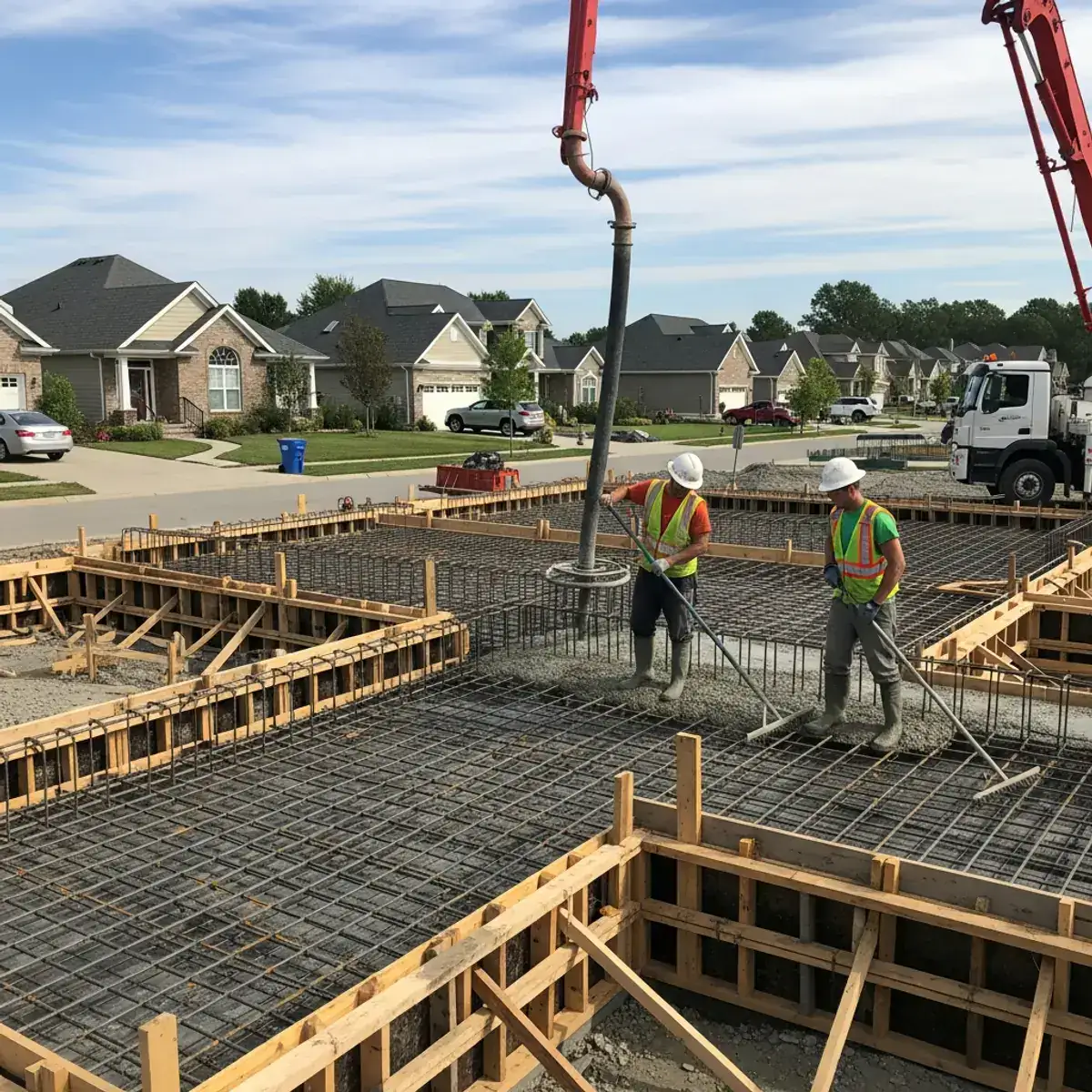
Excavation, utility trenching, foundation pour, and curing. Weather-dependent in Idaho, especially during winter months.
Framing, roof installation, windows, exterior sheathing, electrical, plumbing, HVAC, and insulation. All rough-in inspections are completed.
Drywall, paint, flooring, kitchen, bathroom, fixtures, and all finish details. Final inspections and certificate of occupancy.
Here is the full step-by-step process for a adu builder in Meridian, including what happens at each stage:
We research your property's zoning designation, lot size, setback requirements, maximum ADU size allowed, parking requirements, and any HOA restrictions. Not every lot qualifies for an ADU, so this step is critical before investing in design.
Based on feasibility findings, we develop a concept design including floor plan, placement on the lot, utility connection points, and exterior style. You receive a preliminary budget range to confirm the project is viable.
Detailed architectural plans are prepared including floor plans, elevations, structural engineering, mechanical systems, and site plan. These plans must meet local building codes and will be submitted for permit review.
We submit plans for permit review, coordinate utility connections (water, sewer, electrical, gas), and manage any required inspections or reviews. ADU permitting can take 4-8 weeks depending on the jurisdiction.
Excavation, grading, utility trenching, and foundation work. For detached ADUs, this typically means a new concrete foundation. Garage conversions may require foundation modifications.
Complete construction including framing, roofing, siding, windows, insulation, drywall, flooring, kitchen, bathroom, HVAC, electrical, plumbing, and all finish work. The ADU is built to the same code standards as a primary residence.
All required inspections are passed, the certificate of occupancy is issued, and the ADU is ready for use. We provide a complete walkthrough and all warranty documentation.
Several factors specific to Meridian and the Treasure Valley can affect your adu builder timeline:
Custom materials, specialty items, and premium products can have lead times of 4-14 weeks. We order materials as early as possible in the design phase to minimize schedule impact.
City of Meridian Building Department typically processes residential permits in 1-3 weeks. More complex projects with structural changes may take longer. We submit permits immediately after design approval.
Meridian shares Boise's semi-arid climate with hot summers, cold winters, and low humidity. The same material and construction considerations apply — UV resistance for exterior materials, freeze-thaw durability, and proper insulation. Interior remodeling can happen year-round, but projects with exterior components are best scheduled during the building season (March through November).
Meridian's housing stock is predominantly post-1990 construction. The majority of homes feature PEX plumbing, 200-amp electrical panels, and energy-efficient windows — but with builder-grade interior finishes that homeowners upgrade as the homes age. Older homes may reveal unexpected conditions during demolition — water damage, outdated wiring, or structural issues — that add time to the schedule. We build contingency into every project timeline.
One of the most common causes of project delays is slow decision-making during the design and material selection phase. Having a clear vision and making timely selections keeps the project on track.
The specific type of adu builder project affects the timeline significantly. Here are the most common project types in Meridian:

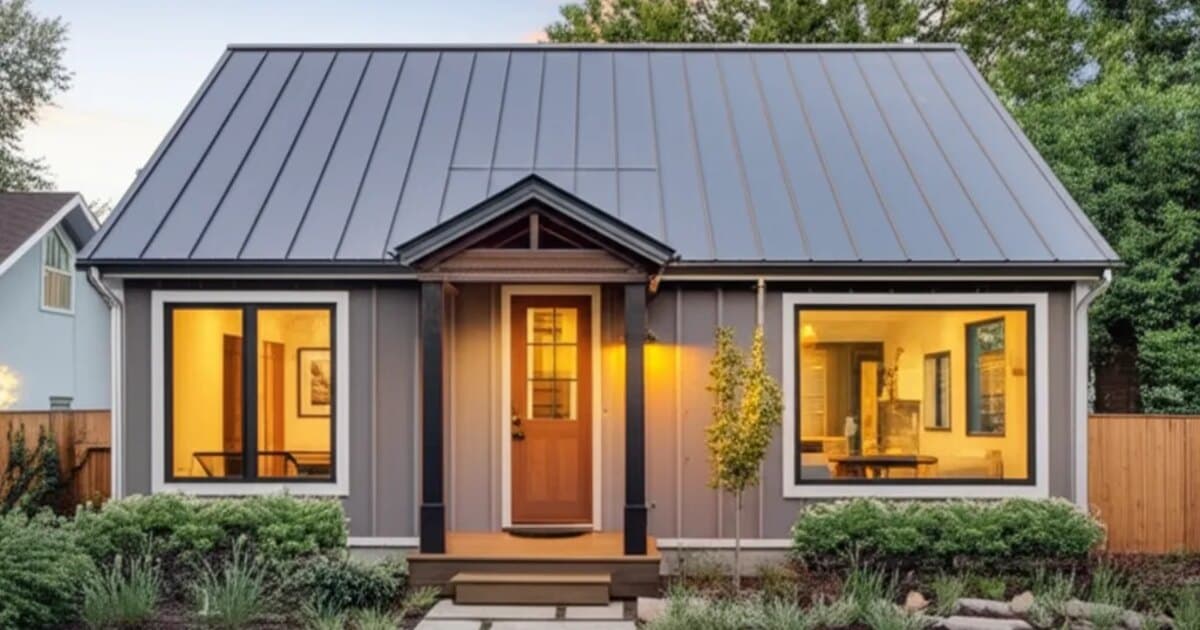
A standalone structure built on your property — typically 400-1,000 square feet with a bedroom, bathroom, kitchen, and living area. This is the most popular ADU type and offers the most design flexibility.

Convert an existing attached or detached garage into a living space. Includes insulation, drywall, flooring, plumbing, electrical, HVAC, kitchen, and bathroom installation within the existing structure.

Build an ADU that shares one or more walls with the main home but has its own entrance, kitchen, bathroom, and living space. Similar to a home addition but designed as an independent unit.

Convert an existing basement into a separate dwelling unit with its own entrance, kitchen, bathroom, and living area. Requires egress windows, fire separation, and independent utility metering in most jurisdictions.
Meridian is Idaho's fastest-growing city and the second-largest in the state. The majority of Meridian's housing stock was built after 1990, with massive subdivision development through the 2000s, 2010s, and continuing today. This means most Meridian homeowners are dealing with builder-grade finishes — stock cabinets, laminate countertops, basic carpet, and standard fixtures — rather than the structural or system issues common in older Boise homes. Meridian remodeling projects tend to focus on upgrading finishes to match the homeowner's taste and needs: replacing builder kitchens with custom layouts, converting tub/shower combos to walk-in showers, opening up floor plans, and adding outdoor living spaces. The city's permit process is straightforward and well-documented through the Meridian Building Department.
Meridian's housing stock is predominantly post-1990 construction. The majority of homes feature PEX plumbing, 200-amp electrical panels, and energy-efficient windows — but with builder-grade interior finishes that homeowners upgrade as the homes age.
Early subdivision homes with standard 90s finishes: oak cabinets, laminate countertops, carpet throughout, and basic tile in bathrooms. These homes are 25-35 years old and are the most common full-remodel candidates.
Larger homes with better floor plans but still builder-grade finishes. Many have slab granite installed during the granite boom but are now dated. Cabinets, fixtures, and flooring are the primary upgrade targets.
Newer construction with open floor plans and modern systems. Homeowners typically upgrade finishes 3-7 years after purchase — replacing builder-grade countertops, cabinet hardware, lighting, and flooring.

Meridian shares Boise's semi-arid climate with hot summers, cold winters, and low humidity. The same material and construction considerations apply — UV resistance for exterior materials, freeze-thaw durability, and proper insulation.
Exterior materials and finishes must resist UV degradation. West-facing windows and walls get the most sun exposure. Proper insulation and HVAC sizing are critical for comfort.
Frost depth requirements affect foundation work for additions and ADUs. Plumbing in exterior walls and crawl spaces needs freeze protection.
Meridian's open terrain means more wind and dust exposure than central Boise. Exterior finish quality and window sealing matter for long-term durability.
Less rain means less exterior moisture exposure, which is favorable for siding and paint longevity. However, irrigation and ground moisture around foundations still require attention.
Permit authority: City of Meridian Building Department
Yes. ADU projects require building permits, plan review, and multiple inspections. In most Boise-area jurisdictions, ADUs also require zoning compliance review to confirm lot size, setbacks, and parking requirements are met. We handle the entire permitting process.
A detached new-construction ADU typically costs $120,000-200,000+ in the Boise area, depending on size, finish level, and site conditions. A garage conversion is typically $80,000-150,000. Costs include design, engineering, permitting, construction, and utility connections.
From start of design to move-in, a typical ADU project takes 6 to 12 months. This includes design (4-8 weeks), permitting (4-8 weeks), and construction (3-5 months). Garage conversions are faster; detached new construction takes longer.
In most Boise-area jurisdictions, yes. ADUs can be rented as long-term rentals. Short-term rental rules (Airbnb, VRBO) vary by city and may have additional restrictions. Check local regulations before planning a short-term rental strategy.
A well-built one-bedroom ADU in the Boise area can generate $800-1,500+ per month in rental income, depending on location, size, finish level, and market conditions. This income can offset or exceed the monthly cost of financing the ADU construction.
Maximum ADU size varies by jurisdiction. In Boise, detached ADUs can be up to 1,000 square feet or 10% of the lot area, whichever is less. Other cities in the Treasure Valley have different size limits. We confirm the specific rules for your property during the feasibility phase.
Owner-occupancy requirements vary by jurisdiction. Some cities require the property owner to live in either the primary home or the ADU. Others have relaxed or eliminated owner-occupancy requirements. We confirm the rules for your specific location.
Yes. A permitted, well-constructed ADU typically adds $100,000-200,000+ to property value in the Boise area — often more than the construction cost. ADUs also make a property more attractive to buyers who value rental income potential or multigenerational living flexibility.
Get expert guidance and a free estimate for your adu construction project in Meridian, ID.
Get Your Free Estimate