
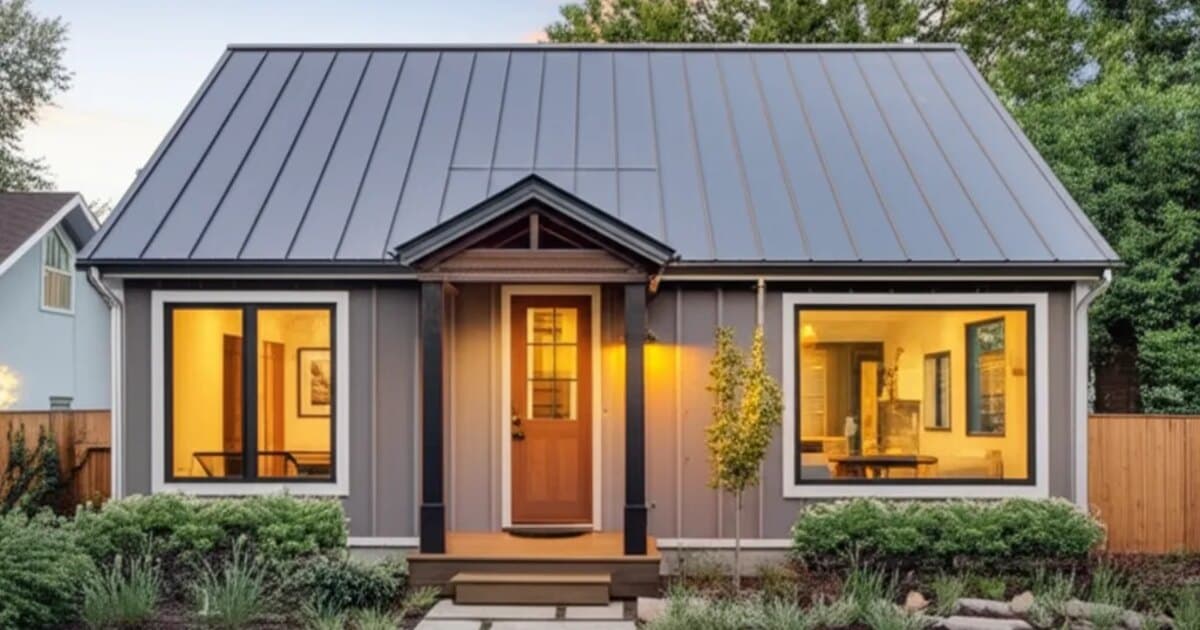
ADU Construction Cost in Meridian
Understand the major budget considerations for ADU construction in Meridian, including site work, utilities, and finish level.
Quick answer
Most Meridian ADU construction projects cost $90,000 to $275,000, with a typical Meridian project landing near $155,000. ADU construction costs in Meridian are shaped by project type, lot configuration, HOA requirements, and the specific impact fee and utility connection costs that apply to each parcel.
Meridian, ID · ADU Construction
Planning ADU construction in Meridian?
Read the full guide below — or get your project priced now. Free, no-obligation estimates from an Idaho registered local team, backed by a 1-year workmanship warranty.
- Licensed Idaho RCE-6681702
- 1-Year Workmanship Warranty
- $2M Liability Coverage
- Free, No-Obligation Estimates


Typical range in Meridian: $90,000 – $275,000
Typical Meridian project: $155,000
ADU construction costs in Meridian are shaped by project type, lot configuration, HOA requirements, and the specific impact fee and utility connection costs that apply to each parcel. Garage-to-ADU conversions — the most common ADU project type in Meridian's 1990s and 2000s subdivisions — typically run $90,000–$140,000 depending on the garage's size, structural condition, and the extent of HVAC, plumbing, and electrical upgrading required. Detached new-construction ADUs in South Meridian and newer developments run $180–$270 per square foot for a mid-range finish, making a 600-square-foot detached ADU a $108,000–$162,000 project before impact fees. City of Meridian impact fees add $8,000–$18,000 to every new ADU project — a fixed cost that must be budgeted from day one and is frequently omitted from competing contractor quotes. Utility connection costs add another $6,000–$14,000 if the ADU requires a separate water meter and sewer lateral. Attached ADUs sharing a wall with the primary residence run $170–$250 per square foot. HOA architectural review adds $500–$2,000 in fees and 4–8 weeks to the permitting timeline. All-in project costs including fees, permits, and utility connections typically land at $110,000–$180,000 for a garage conversion and $140,000–$230,000 for a new detached unit.
Permit costs and review times in Meridian
Permit fees and plan-review turnaround are set by Meridian, not by the contractor, and they differ across the Treasure Valley. They belong in your budget and your schedule from the start.
- How Meridian calculates the fee
- Valuation-based, adopted by Resolution 18-2110: $50 plus $5.50 per $1,000 of valuation or fraction thereof. There is no separate residential plan-review percentage — a non-refundable $50 (remodel/addition) or $150 (new home) plan-review application fee is credited to the permit. The city sets valuation from per-square-foot multipliers for new homes, additions and garages; remodels use the total project value. Impact and utility assessment fees are separate.
- Plan-review turnaround
- Residential permits: 7–10 business days from submittal to approval (in-house review). Inspections next business day.
Figures quoted from Meridian's published scheduleResolution 18-2110, eff. Oct 1, 2018 (estimating worksheet rev. Jun 1, 2026)
Idaho adopts building codes by statute, so the code editions are the same statewide — the 2018 IRC with Idaho amendments and the 2023 NEC. What changes between cities is the fee formula, the review queue, and which office holds the file.
The cost of adu construction in Meridian depends on the scope of work, materials selected, complexity of the layout, condition of existing systems, and the finish level you choose. Every project is different, but understanding the major cost drivers helps you plan a realistic budget and make informed decisions about where to invest and where to save. The ranges above reflect the full spectrum of projects we complete in Meridian — from straightforward updates to comprehensive renovations with premium materials and significant structural changes.
Common project types we take on in Meridian, with the typical investment and timeline for each:
North Meridian Attached Garage Conversion — Two-Car Garage to Independent ADU
$90,000–$135,00014–20 weeks from HOA approval and permit applicationNorth Meridian's 1990s and early 2000s subdivisions are populated with homes that have attached two-car garages — typically 400 to 500 square feet — that were built as part of the original builder-grade package. Many of these garages function adequately as vehicle storage but represent a significant underutilized asset for homeowners who have accumulated equity and are looking for a rental income source. Converting an attached garage to an ADU in these neighborhoods involves a carefully sequenced set of decisions. First, HOA covenant review to understand what the governing documents say about ADU conversion and whether architectural committee approval is required. Second, a structural assessment of the existing slab and framing to identify conditions that would affect the conversion budget. Third, City of Meridian permitting for the change-of-use and new construction elements. The conversion scope typically includes insulating walls, ceiling, and the existing slab from above with a rigid foam and concrete topping or sleeper floor system; installing a full bathroom and kitchen; replacing or upgrading the electrical panel; installing a mini-split heat pump for independent HVAC; converting the garage door opening to a window-and-door assembly that provides natural light and an exterior entrance; and completing interior finish to a rental-ready standard. Because the attached garage shares a wall with the primary home, fire separation requirements apply — a one-hour fire-rated wall assembly between the ADU and the primary residence is required by code. In HOA-governed North Meridian communities, the exterior treatment of the former garage door opening is the most scrutinized design element. Iron Crest designs these conversions to match the primary home's window style, siding profile, and roofline so the end result reads as an intentional architectural feature rather than a patched-over opening.
South Meridian Detached ADU — New Construction Backyard Unit
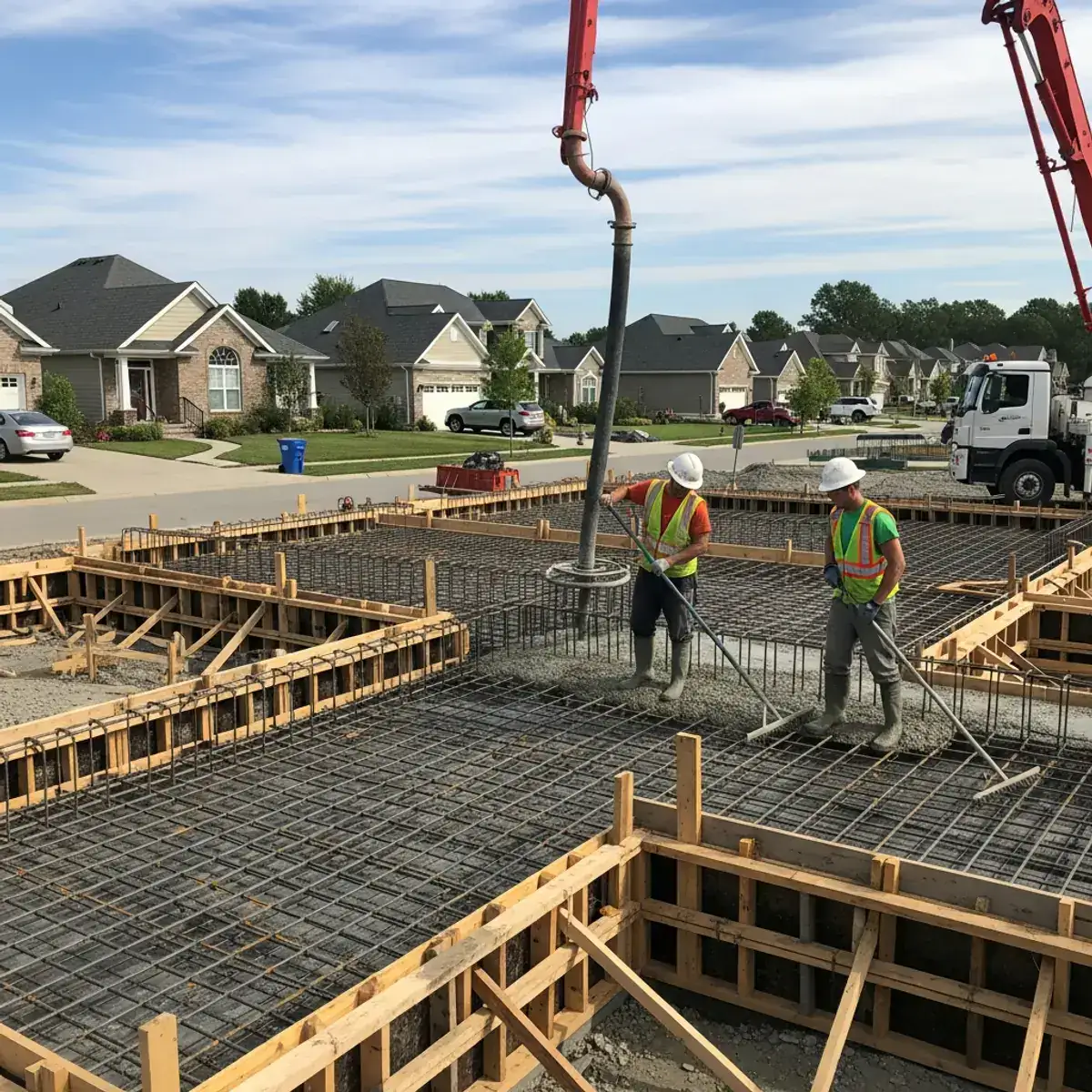
$145,000–$210,00020–28 weeks from HOA approval and permit applicationSouth Meridian's 2005-and-newer subdivisions frequently feature larger lot sizes than North Meridian's earlier developments — 8,000 to 12,000 square foot parcels are common — which creates genuine room for a detached ADU in the rear yard while maintaining setback compliance and usable outdoor space for the primary home. Detached new-construction ADUs in South Meridian are typically 500-to-700-square-foot one-bedroom or two-bedroom units positioned at the rear of the lot, either with alley access where one exists or with a paved path from the primary home's driveway. These are complete new structures: poured perimeter foundations or engineered slab-on-grade, stick-frame exterior walls, a gable or hip roofline designed to complement the primary home, independent mechanical systems including mini-split HVAC, water heater, and electrical panel, and full interior finish. South Meridian's HOA communities require that detached ADU exterior materials match the primary home — the same siding profile, a complementary color palette, and the same window style. City of Meridian zoning governs lot coverage maximums, setbacks, and ADU size limitations, all of which must be confirmed for each specific parcel before design work begins. Impact fees apply to detached units regardless of square footage. A detached unit also presents to a renter as a standalone small home rather than a converted garage, which is the distinction that matters most to the family renters this part of Meridian draws, and it is the reason a new detached unit can be worth its higher per-square-foot cost on a lot that has room for one.
Paramount/Lochsa Falls — Premium Carriage House ADU
$175,000–$265,00022–32 weeks including HOA reviewParamount and Lochsa Falls represent Meridian's mid-to-upper market, where lot sizes are more generous, architectural standards are more exacting, and the ADU opportunity is oriented as much toward lifestyle flexibility and long-term property value enhancement as toward immediate rental income maximization. Homeowners in these neighborhoods who build ADUs are often creating a space that will serve a sequenced set of uses — guest suite now, housing for an aging parent or adult child later, and eventually a premium rental unit. That sequenced-use pattern justifies a higher specification level than a pure rental-income ADU would warrant. A Paramount carriage house ADU might be a 650-to-800-square-foot structure above a three-car garage, finished with the same quartz countertops, hardwood flooring, and trim detail level as the primary home, with a covered deck that captures park or green space views. These projects require HOA architectural committee approval and often involve a design process that coordinates directly with the committee's design guidelines — specific siding profiles, roofline pitch requirements, window specifications, and material palettes that are enforced consistently across the neighborhood. Iron Crest's experience navigating Paramount's and Lochsa Falls' architectural review processes means we know what these committees look for and how to prepare a submission that moves through approval efficiently rather than cycling through revision rounds.
Meridian Basement ADU Conversion
$90,000–$105,00010–16 weeks from permit applicationMeridian's post-1990 housing stock includes a meaningful number of homes with full basements — particularly in North Meridian's 1990s developments and in South Meridian's larger executive homes. Basement ADU conversions are the most cost-effective path to an independent living unit because the structure, foundation, and exterior envelope already exist, eliminating the most expensive elements of new construction. A Meridian basement ADU conversion involves installing an egress window (required for any sleeping room under Idaho building code), adding a full bathroom and kitchen or kitchenette, upgrading electrical service and adding circuits for new loads, installing independent HVAC using a mini-split, creating a separate exterior entry by cutting a new door through the foundation wall or enlarging an existing window opening with an egress well, insulating walls and ceiling for thermal and sound performance, and completing interior finish to rental-ready standards. The critical pre-design check is ceiling height — Idaho residential code requires a minimum of 7 feet in habitable rooms, and most Meridian basements finish at 8 to 9 feet, which is adequate. Basements with lower clearances are not viable without underpinning. Impact fees still apply to basement ADU conversions in Meridian, and HOA covenants must be reviewed as with any ADU project type. Basement conversions are particularly attractive for North Meridian homeowners whose lot configurations are too constrained for a detached unit and who want to preserve their garage parking capacity.
Detached Existing Structure — Workshop or Outbuilding Conversion
$90,000–$120,00012–18 weeks from permit applicationSome Meridian properties — particularly those on larger parcels in earlier subdivisions or on unplatted acreage at the edge of the city's growth boundary — have existing detached structures: workshops, storage buildings, or pool houses built with basic framing that are candidates for ADU conversion. These projects are evaluated case-by-case because the existing structure's compliance with current setback requirements, lot coverage limits, and structural standards is not guaranteed. A detached structure built as a workshop 15 years ago may not have been permitted, may not meet current setbacks, and may require structural upgrading before it can be permitted as an ADU. Iron Crest's pre-design assessment for these projects includes a code compliance review, a structural evaluation, and a realistic cost estimate that accounts for any remediation work required before conversion scope begins. When the existing structure is compliant or can be brought into compliance cost-effectively, conversion is a highly efficient investment — but skipping the due diligence step and discovering non-compliance during the permitting process is an expensive mistake that we work to prevent by identifying constraints upfront.
These are the factors that have the biggest impact on your ADU construction budget in Meridian. Understanding each one helps you make better decisions during the planning phase.
ADU Type (Detached vs. Conversion)
high impactA detached new-construction ADU costs significantly more than a garage conversion because it requires a new foundation, full framing, roofing, and all-new utility connections. Garage conversions leverage the existing structure.
Size (Square Footage)
high impactADUs range from ~300 sq ft studios to Boise's current 900 sq ft cap (the state floor under Idaho Code § 67-6541 rises to 1,000 sq ft or 75% of the primary home by February 1, 2027). Larger units cost more but provide more rental income potential and livability.
Utility Connections
high impactConnecting water, sewer, electrical, and gas to the ADU site involves trenching, new service lines, and potentially utility upgrades. Distance from the main house to the ADU affects cost.
Kitchen and Bathroom Complexity
medium impactEvery ADU needs at least a bathroom and kitchen. The finish level — basic vs. mid-range vs. premium — significantly affects the mechanical and finish costs.
Site Conditions and Access
medium impactSloped lots, limited access for equipment, rocky soil, or mature trees in the building area can increase site preparation and foundation costs.
Permitting and Impact Fees
medium impactADU permit fees, impact fees, and utility connection fees vary by jurisdiction. Under Idaho Code § 67-6541(2)(c), cities over 10,000 residents may not charge an ADU higher impact or utility-connection fees than a single-family home.
Materials are one of the most controllable parts of your budget. Here is how popular options compare for ADU construction in Meridian:
| Material | Price Range | Best For |
|---|---|---|
| Concrete Slab or Stem Wall Foundation | $8,000–$20,000 | Detached ADU new construction |
| Standard Wood Framing | $12–$22 per sq ft framed | All ADU types |
| Mini-Split HVAC System | $3,500–$7,000 installed | Detached ADUs and garage conversions |
| Compact Kitchen Package | $5,000–$15,000 complete | Studio and one-bedroom ADUs |
| Matching or Complementary Siding | $5–$15 per sq ft installed | Seamless property aesthetic |
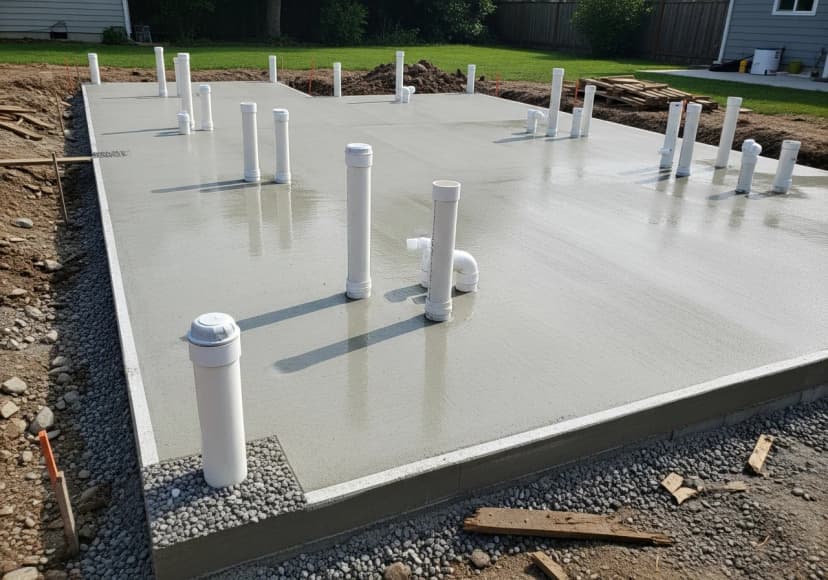
Concrete Slab or Stem Wall Foundation
$8,000–$20,000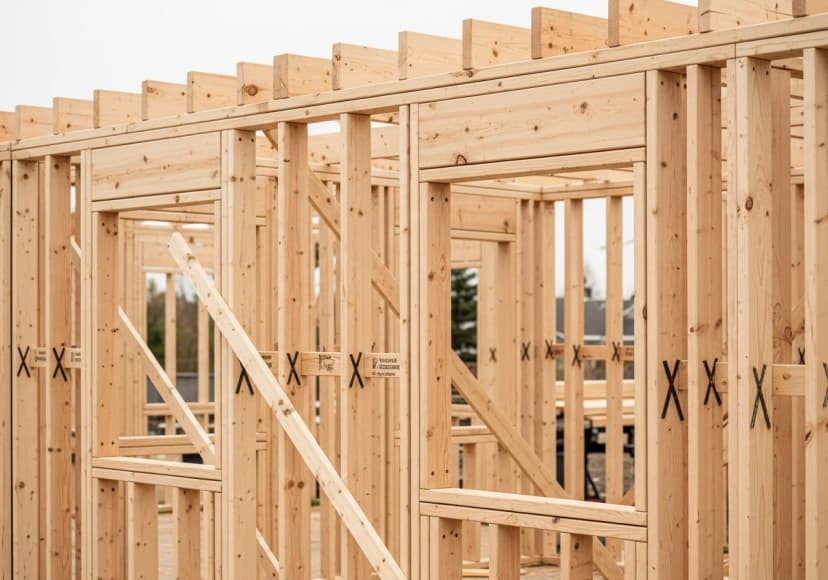
Standard Wood Framing
$12–$22 per sq ft framed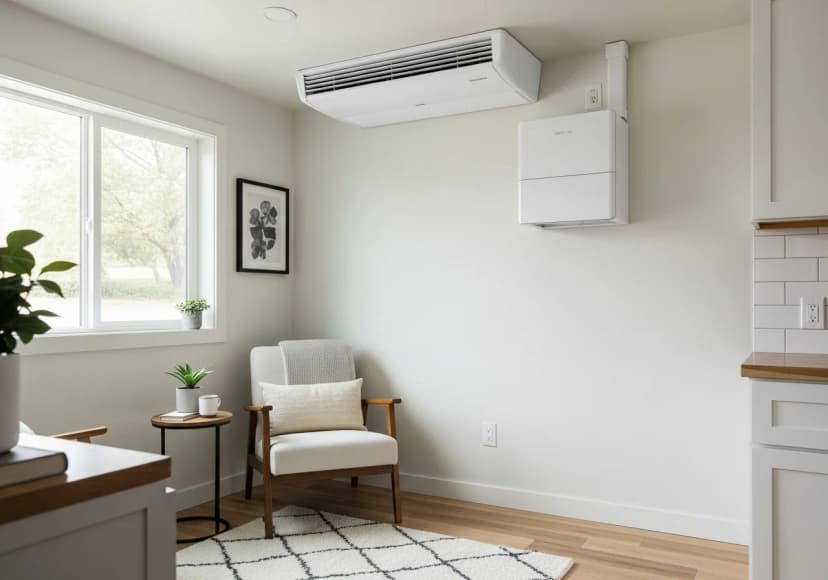
Mini-Split HVAC System
$3,500–$7,000 installed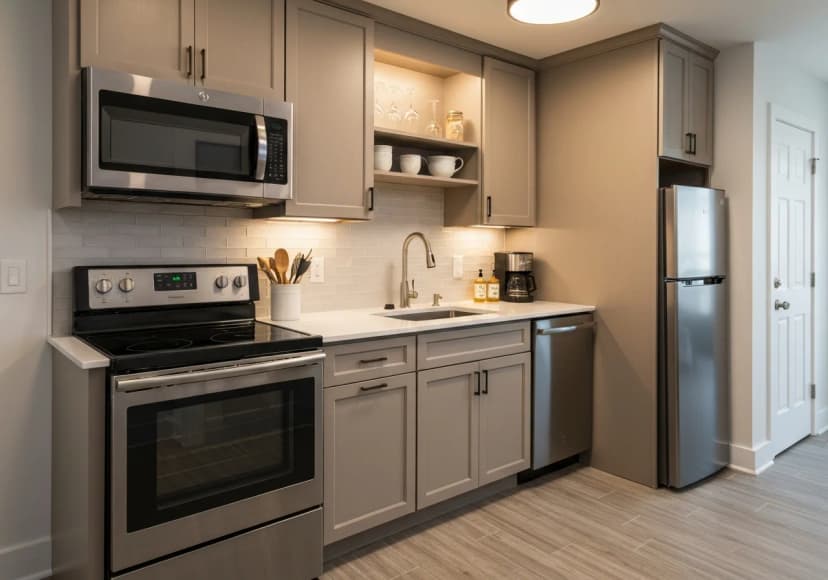
Compact Kitchen Package
$5,000–$15,000 complete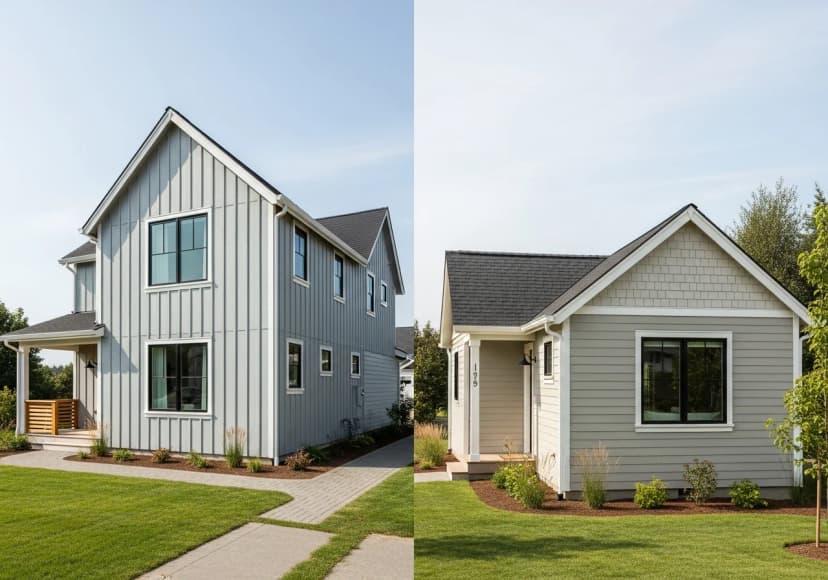
Matching or Complementary Siding
$5–$15 per sq ft installedLabor costs in Ada County reflect the local construction market, trade availability, and seasonal demand. Spring and summer are the busiest seasons for remodeling in the Treasure Valley, which can affect scheduling and occasionally pricing. Planning your project during the fall or winter months may provide more scheduling flexibility.
The most reliable way to understand what your specific ADU construction will cost in Meridian is to schedule an in-home consultation. During this visit, we measure the space, discuss your goals and material preferences, evaluate existing conditions, and prepare a detailed scope and estimate based on your specific project.
What to have ready for your estimate consultation:
- ✓ A general idea of your budget range
- ✓ Examples of styles and finishes you like (photos, Pinterest boards, etc.)
- ✓ Any known issues with the current space (leaks, mold, outdated systems)
- ✓ A list of must-haves vs nice-to-haves for the finished project
- ✓ Your preferred timeline for starting and completing the work
Local factors — Meridian's housing stock and typical construction eras, the climate conditions that drive material and scheduling choices, and permitting through City of Meridian Building Department — are covered in full on our Meridian page for this service, alongside 4 common project types.
ADU Construction in Meridian: housing stock, climate & permits →How much does it cost to build an ADU in the Boise area?
Most Boise ADUs cost $95,000–$320,000, with a typical project near $165,000. A garage conversion typically runs $95,000–$145,000, and a new 600 sq ft one-bedroom detached ADU $145,000–$220,000; utility connection costs vary with distance to existing services and are one of the most variable line items. Our 600 sq ft detached North End ADU ran $120,000–$150,000.
How much rental income can an ADU generate in Boise?
It depends on location, size, finish level, and market conditions — check current listings for comparable units. Our 600 sq ft North End one-bedroom ADU has a recorded rental potential of $1,400–$1,600 per month.
Are open-concept remodels common in Meridian?
Yes. Many Meridian homes built in the 1990s and early 2000s have closed-off kitchens with walls separating the kitchen from the living and dining areas. Opening these walls is one of the most popular and impactful remodeling projects in Meridian.
Planning ADU construction in Meridian?
Get expert guidance and a free estimate for your adu construction project in Meridian, ID.
Get Your Free Estimate