
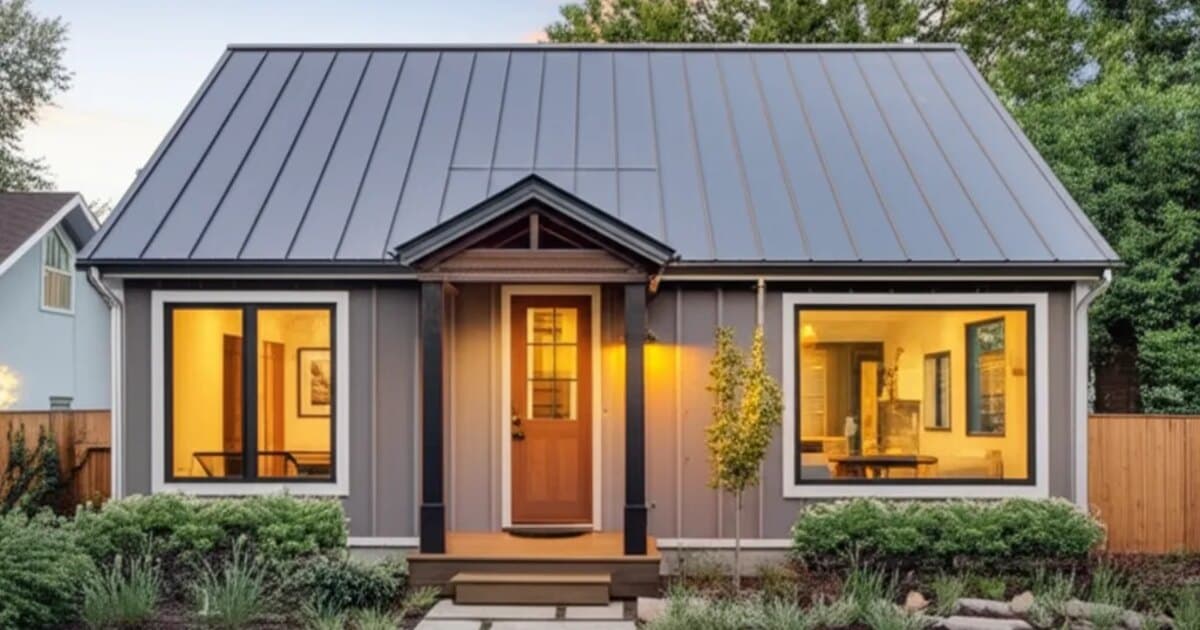
Best Materials for ADU Construction in Meridian
Explore the most popular material options for ADU construction in Meridian, with pricing, durability, and style comparisons to help you choose.
Quick answer
Do ADUs require permits and planning approval? Yes. ADU projects require building permits, plan review, and multiple inspections. In most Boise-area jurisdictions, ADUs also require zoning compliance review to confirm lot size, setbacks, and parking requirements are met. We handle the entire permitting process.
Meridian, ID · ADU Construction
Planning ADU construction in Meridian?
Read the full guide below — or get your project priced now. Free, no-obligation estimates from an Idaho registered local team, backed by a 1-year workmanship warranty.
- Licensed Idaho RCE-6681702
- 1-Year Workmanship Warranty
- $2M Liability Coverage
- Free, No-Obligation Estimates


Material selection for Meridian ADU construction is driven by priorities that differ in important ways from primary home construction: durability across tenant cycles, HOA aesthetic requirements, Ada County's climate demands, and the practical reality that rental properties receive less owner-attentive maintenance than owner-occupied homes. Getting these specifications right at the start of the project is far less expensive than replacing materials that were underspecified for the rental environment within the first few years of the property's income-producing life. Exterior cladding for a Meridian ADU must satisfy two constraints simultaneously: HOA compatibility and long-term durability. Most Meridian HOA design guidelines specify that ADU exterior materials must match or be compatible with the primary home — which, in a post-1990 Meridian subdivision, almost always means stucco, brick veneer, or a fiber cement board siding product. LP SmartSide engineered wood siding and James Hardie fiber cement siding are both common choices for that reason — they replicate the appearance of the original production builder siding profiles at a quality level that typically exceeds the original builder materials — though the specific product still has to be checked against your own HOA's approved materials list before it is specified. Hardie's ColorPlus factory-finish products are particularly appropriate for rental ADUs because the factory-applied finish carries a 15-year finish warranty (manufacturer terms — confirm current coverage on James Hardie's own site) and removes the field repainting cycle that painted siding eventually requires — a meaningful maintenance cost saving over a rental property's ownership horizon. Vinyl siding is less appropriate for HOA-governed Meridian neighborhoods where architectural committees specifically assess material quality, and it is a poor choice for a rental structure that will receive less maintenance attention than the primary home. HVAC specification for Meridian ADUs has effectively standardized on mini-split ductless heat pump systems for compelling reasons. Mini-splits move more heat energy than the electrical energy they consume across most of Meridian's winter temperature range, require no duct distribution network, provide both heating and cooling from a single system, and are controllable independently from the primary residence's mechanical systems. For a rental ADU, independent HVAC control is essential — it allows tenant-controlled comfort without any connection to the primary home's systems, which simplifies utility billing and eliminates shared-systems complications in landlord-tenant relationships. Meridian's temperature range — cold winters reaching single digits in January, summers pushing past 100°F in July — makes the dual heating and cooling capability of a heat pump directly applicable. A single-zone mini-split is sized for most ADUs under 650 square feet; two-zone systems suit larger units or complex floor plans. Flooring for Meridian ADU rentals should be specified for durability and easy partial replacement rather than aesthetic ambition. Luxury vinyl plank at a 20-mil wear layer in 7mm-to-8mm thickness is the right specification for every room in a rental ADU. It is waterproof, handles the temperature cycling that occurs in a structure that may be vacant between tenants during Idaho winters, and is substantially more durable than standard-grade LVP or laminate flooring. Porcelain tile in the bathroom is non-negotiable from a durability standpoint: 12-by-24 porcelain tile over properly prepared cement board and a quality waterproofing membrane will outlast vinyl bathroom flooring under rental use conditions by a wide margin. Kitchen specification for Meridian ADU rentals reflects the family-market tenant profile directly. A full kitchen — not a kitchenette — with a 30-inch range or cooktop, a full-size refrigerator, a dishwasher, and adequate counter and cabinet space is the right specification for a Meridian ADU targeting family renters. Semi-custom shaker cabinets with soft-close hardware, quartz or solid-surface countertops, and an undermount sink represent the specification level a well-located Meridian ADU aimed at family renters should carry. Builder-grade cabinets and laminate countertops are usually a false economy in this market — a better-specified unit leases faster, turns over less often, and needs replacing later, and all three of those show up in what the property actually earns rather than in what it cost on day one. Plumbing fixtures for Meridian ADU rentals should hit mid-tier quality — Delta or Moen at their mid-range price points — providing the reliability and parts availability that minimize service calls over a rental property's ownership horizon. Heat pump water heaters are an increasingly attractive specification in Meridian ADUs where all-electric mechanical systems avoid a gas service connection and its associated monthly fixed charges. A 50-gallon heat pump water heater provides meaningful energy savings in a compact structure where the water heater's heat output is captured within the conditioned space.
Choosing the right materials is one of the most important decisions in any ADU construction project. The materials you select affect the look, durability, maintenance requirements, and overall cost of the finished project. Here is a detailed look at the most popular material options for ADU construction in Meridian and the Treasure Valley.
These are the most commonly used materials for ADU construction projects in Meridian. Each has different characteristics that affect cost, durability, and style:

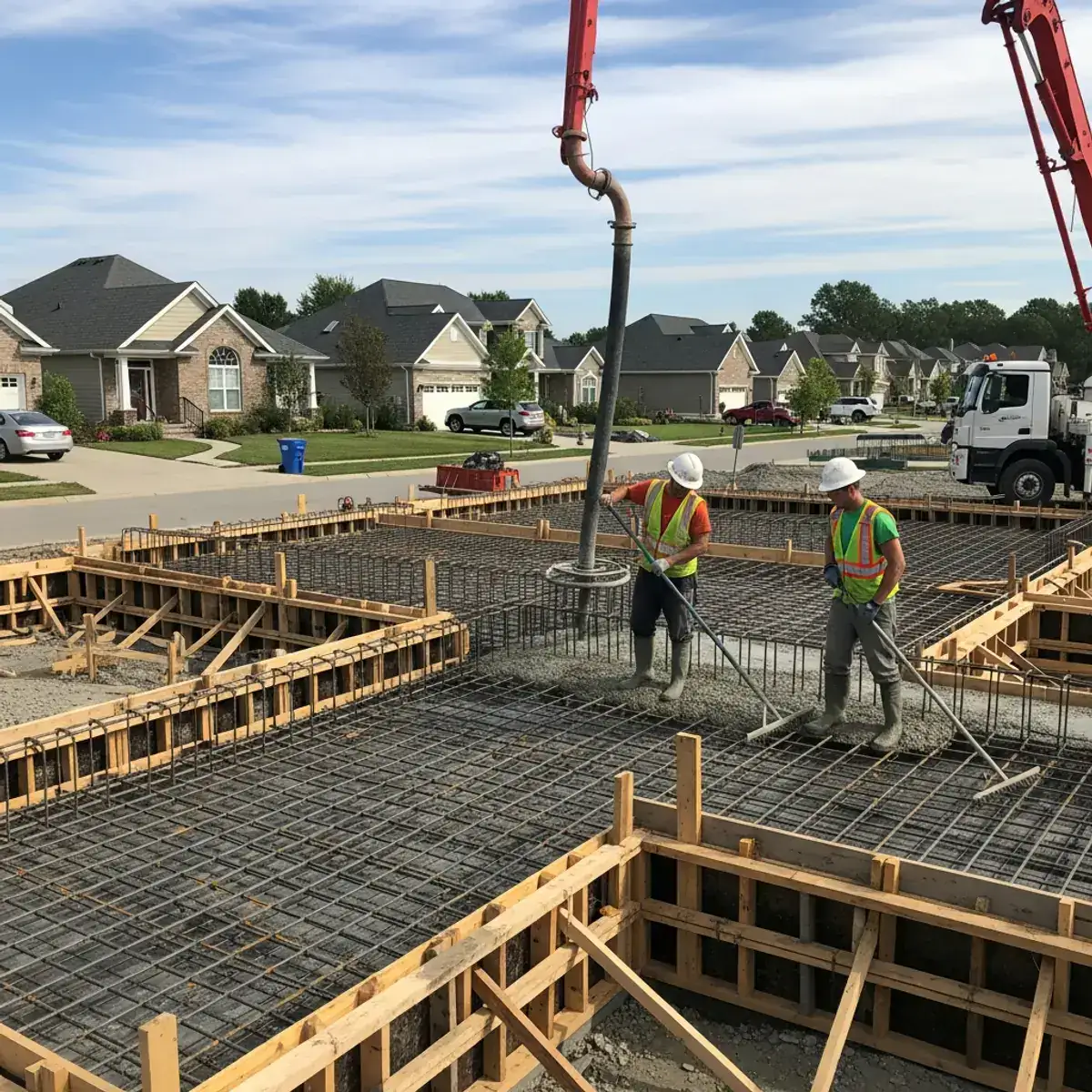
Concrete Slab or Stem Wall Foundation
$8,000–$20,000Most detached ADUs in Idaho use a concrete slab-on-grade or stem wall foundation depending on lot conditions, frost depth, and plumbing requirements. Garage conversions may use the existing slab with modifications.
Best for: Detached ADU new construction

Standard Wood Framing
$12–$22 per sq ft framed2x4 or 2x6 wood framing for walls, with trusses for the roof. ADU framing follows the same building codes as primary residences, including insulation requirements, fire separation, and structural standards.
Best for: All ADU types

Mini-Split HVAC System
$3,500–$7,000 installedThe most common heating and cooling solution for ADUs. A ductless mini-split provides efficient heating and cooling with a small exterior compressor and one or two interior wall units. No ductwork required.
Best for: Detached ADUs and garage conversions

Compact Kitchen Package
$5,000–$15,000 completeADU kitchens need to be efficient. A compact kitchen typically includes a 24-inch range, apartment-size refrigerator, single-bowl sink, and upper and lower cabinets — all designed to maximize function in a smaller footprint.
Best for: Studio and one-bedroom ADUs

Matching or Complementary Siding
$5–$15 per sq ft installedThe ADU exterior should complement the main home. Options include matching the existing siding exactly, using a contrasting but compatible material, or using a modern material like board-and-batten or metal panel for a contemporary look.
Best for: Seamless property aesthetic

Meridian shares Boise's semi-arid climate with hot summers, cold winters, and low humidity. The same material and construction considerations apply — UV resistance for exterior materials, freeze-thaw durability, and proper insulation.
Hot Summers (90-105°F)
Exterior materials and finishes must resist UV degradation. West-facing windows and walls get the most sun exposure. Proper insulation and HVAC sizing are critical for comfort.
Cold Winters (15-30°F)
Frost depth requirements affect foundation work for additions and ADUs. Plumbing in exterior walls and crawl spaces needs freeze protection.
Wind and Dust
Meridian's open terrain means more wind and dust exposure than central Boise. Exterior finish quality and window sealing matter for long-term durability.
Low Precipitation
Less rain means less exterior moisture exposure, which is favorable for siding and paint longevity. However, irrigation and ground moisture around foundations still require attention.
In Meridian, the combination of dry summers, cold winters, and variable humidity levels means that material selection should prioritize durability and climate resistance. We recommend choosing materials rated for the temperature extremes and moisture conditions typical of Ada County.
Material availability affects both timeline and cost. Standard materials are typically available within 1-2 weeks from local suppliers in Meridian. Custom or specialty materials may have lead times of 4-14 weeks. We recommend selecting materials early in the design phase to avoid schedule delays.
Typical lead times
- ● Standard/stock materials: 1-2 weeks
- ● Semi-custom orders: 3-6 weeks
- ● Full custom/specialty items: 6-14 weeks
- ● Imported or artisan materials: 8-16+ weeks
Local factors — Meridian's housing stock and typical construction eras, the climate conditions that drive material and scheduling choices, and permitting through City of Meridian Building Department — are covered in full on our Meridian page for this service, alongside 4 common project types.
ADU Construction in Meridian: housing stock, climate & permits →Do ADUs require permits and planning approval?
Yes. ADU projects require building permits, plan review, and multiple inspections. In most Boise-area jurisdictions, ADUs also require zoning compliance review to confirm lot size, setbacks, and parking requirements are met. We handle the entire permitting process.
Do I need to live on the property to have an ADU?
No. Idaho's 2026 ADU law (Senate Bill 1354, Idaho Code § 67-6541, in force since July 1, 2026) prohibits every city over 10,000 residents from requiring owner-occupancy of either the primary home or the ADU, so you can live in one unit and rent the other, or rent both. Boise had already dropped its owner-occupancy rule in the 2023 Modern Zoning Code. Cities of 10,000 or fewer residents (such as Emmett, Fruitland, Payette, Homedale, Parma, or New Plymouth) still set their own rules, and lenders or HOA covenants that existed when you bought may have their own conditions — we confirm all of it during the feasibility review.
What is the most common remodel in Meridian?
Kitchen remodels are the most common project in Meridian. Most involve replacing builder-grade cabinets, upgrading to quartz countertops, adding a larger island, improving lighting, and installing new flooring. Many also include opening the kitchen to the living area.
Planning ADU construction in Meridian?
Get expert guidance and a free estimate for your adu construction project in Meridian, ID.
Get Your Free Estimate