

ADU Construction in Garden City, ID: Costs, Ideas & Options
From detached guest houses to garage conversions — we handle zoning research, design, permitting, and full construction of accessory dwelling units.
Quick answer
Iron Crest Remodeling Group LLC provides adu construction in Garden City, ID. Most Garden City adu construction projects cost $90,000 – $280,000. Garden City ADU construction costs reflect the diversity of the housing stock and the variability of site conditions in this heterogeneous market.
Garden City is one of the Treasure Valley's most creatively fertile communities, and its ADU opportunity reflects everything that makes this small city distinctive. Whether you're converting a backyard workshop in the Live-Work-Create District into a legal rental unit, building a Greenbelt Corridor guest suite, or adding a Garden City Core in-law apartment to an aging bungalow, Iron Crest Remodel brings the local regulatory knowledge, construction expertise, and design sensibility that Garden City's unique properties demand. ADU construction in Garden City serves the creative professional community's value for flexible living arrangements, housing independence alongside proximity, and the practical economics of income generation on land already owned in one of the Treasure Valley's most desirable addresses. Unlike ADU projects in Boise or Meridian — where the regulatory framework and housing stock are relatively standardized — Garden City's ADU landscape is defined by diversity: diverse building types, diverse zoning contexts, and a homeowner base that brings genuine design intelligence to every conversation.
Build an ADU that adds usable space, flexibility, and long-term property value.
An ADU (Accessory Dwelling Unit) is a self-contained living space on the same lot as an existing home. ADUs have become increasingly popular in the Boise area as housing demand has grown, zoning rules have evolved, and homeowners have recognized the financial and lifestyle benefits of adding a separate living unit to their property. ADU types include detached new construction (a standalone building on the lot), garage conversions (converting an existing garage into living space), attached additions (building a unit that shares a wall with the main home), and basement conversions (converting a finished or unfinished basement into a separate unit with its own entrance). Every ADU project requires careful navigation of local zoning rules, setback requirements, utility connections, parking requirements, and building code compliance. The design must balance livability, code compliance, construction cost, and long-term value. For reference, our 600 sq ft North End ADU appraised at $155,000 in added value, with a recorded rental potential of $1,400–$1,600 per month.
Garden City homeowners pursue adu construction for a variety of reasons. Here are the most common situations we see:
- ✓Homeowners who want rental income from a detached or attached unit on their property
- ✓Families who need a guest house, in-law suite, or multigenerational living space
- ✓Remote workers or creatives who want a separate studio, office, or workshop space
- ✓Property investors who want to increase property value and utility with an ADU
- ✓Homeowners who want housing flexibility — rent now, use for family later, or vice versa
Not every ADU construction project is the same. Here are the most common project types we complete in Garden City:

Detached ADU (New Construction)
A standalone structure built on your property — typically 400-1,000 square feet with a bedroom, bathroom, kitchen, and living area. This is the most popular ADU type and offers the most design flexibility.

Garage Conversion ADU
Convert an existing attached or detached garage into a living space. Includes insulation, drywall, flooring, plumbing, electrical, HVAC, kitchen, and bathroom installation within the existing structure.

Attached ADU Addition
Build an ADU that shares one or more walls with the main home but has its own entrance, kitchen, bathroom, and living space. Similar to a home addition but designed as an independent unit.

Basement ADU Conversion
Convert an existing basement into a separate dwelling unit with its own entrance, kitchen, bathroom, and living area. Requires egress windows, fire separation, and independent utility metering in most jurisdictions.

Garden City has a diverse and eclectic housing stock — from 1950s river cottages to modern townhomes. Properties tend to be smaller than other Treasure Valley cities, making space-efficient design a priority.
1950s–1970s (cottages, older homes)
Garden City's 1950s–1970s river cottages are the most expensive to remodel here. They often need comprehensive updates to plumbing, electrical, insulation, and finishes all at once, which pushes budgets toward the high end despite the homes' smaller size.
1990s–2010s
These 1990s–2010s homes and townhomes are budget-predictable. The construction is sound, so spending concentrates on finish upgrades rather than system repairs, keeping projects in the mid-range.
2010s–present
These modern townhomes and infill properties need the least structural investment. Systems are already modern, so the budget goes toward design-focused finish upgrades, with adaptive-reuse properties occasionally adding cost where existing structures need adapting.
Common issues in Garden City homes
- •Compact floor plans requiring space-efficient design solutions
- •Older plumbing and electrical in 1950s-1970s homes
- •Smaller lots with limited expansion potential
- •Mixed-use zoning that affects project planning
- •River proximity moisture considerations for some properties

Material selection affects the look, durability, and cost of your ADU construction. Here are the most popular options we install in Garden City:

Concrete Slab or Stem Wall Foundation
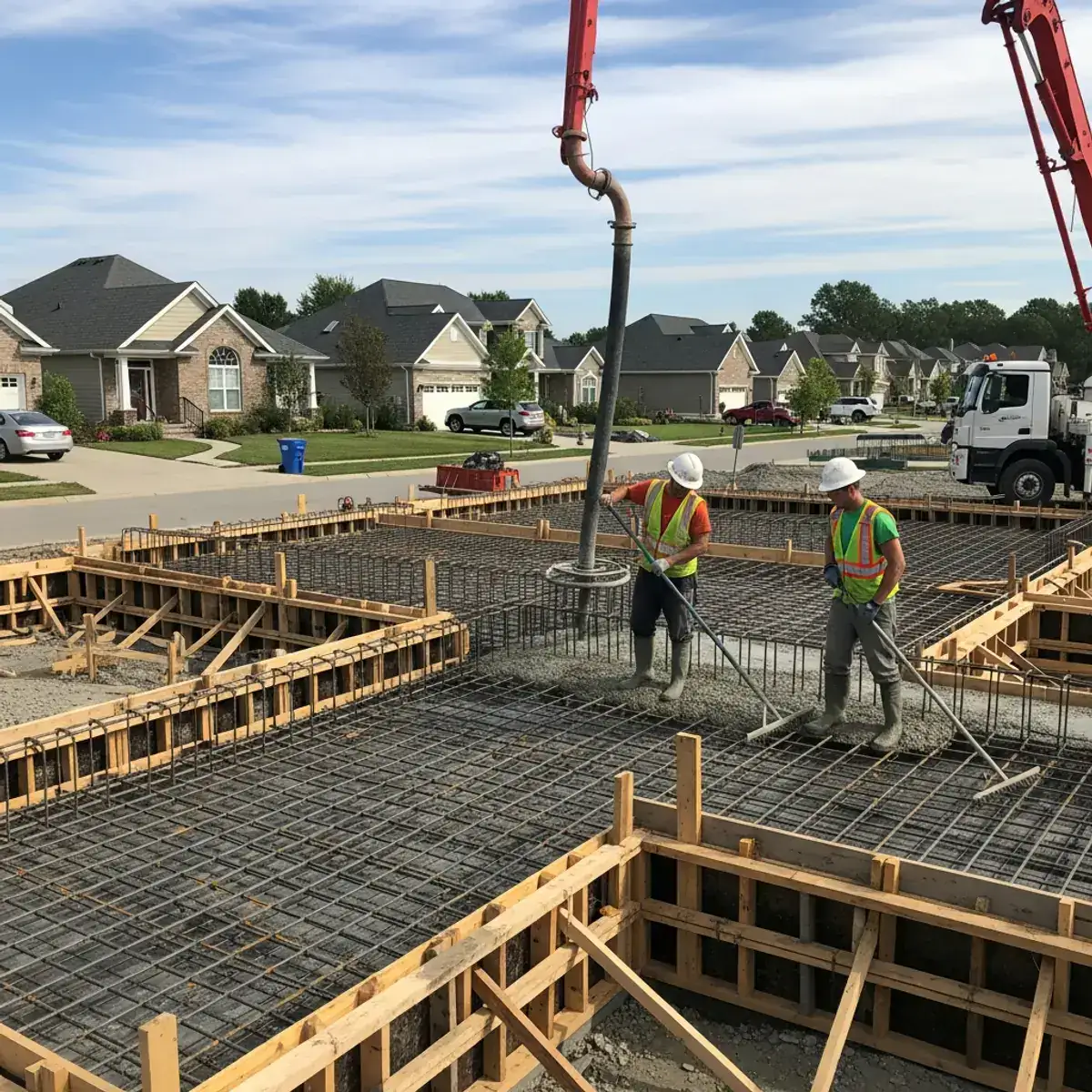
$8,000–$20,000Most detached ADUs in Idaho use a concrete slab-on-grade or stem wall foundation depending on lot conditions, frost depth, and plumbing requirements. Garage conversions may use the existing slab with modifications.
Best for: Detached ADU new construction

Standard Wood Framing
$12–$22 per sq ft framed2x4 or 2x6 wood framing for walls, with trusses for the roof. ADU framing follows the same building codes as primary residences, including insulation requirements, fire separation, and structural standards.
Best for: All ADU types

Mini-Split HVAC System
$3,500–$7,000 installedThe most common heating and cooling solution for ADUs. A ductless mini-split provides efficient heating and cooling with a small exterior compressor and one or two interior wall units. No ductwork required.
Best for: Detached ADUs and garage conversions

Compact Kitchen Package
$5,000–$15,000 completeADU kitchens need to be efficient. A compact kitchen typically includes a 24-inch range, apartment-size refrigerator, single-bowl sink, and upper and lower cabinets — all designed to maximize function in a smaller footprint.
Best for: Studio and one-bedroom ADUs

Matching or Complementary Siding
$5–$15 per sq ft installedThe ADU exterior should complement the main home. Options include matching the existing siding exactly, using a contrasting but compatible material, or using a modern material like board-and-batten or metal panel for a contemporary look.
Best for: Seamless property aesthetic

Here is how a typical ADU construction project works from first contact to final walkthrough:
Zoning and Feasibility Research
We research your property's zoning designation, lot size, setback requirements, maximum ADU size allowed, parking requirements, and any HOA restrictions. Not every lot qualifies for an ADU, so this step is critical before investing in design.
Concept Design and Budget Planning
Based on feasibility findings, we develop a concept design including floor plan, placement on the lot, utility connection points, and exterior style. You receive a preliminary budget range to confirm the project is viable.
Architectural Plans and Engineering
Detailed architectural plans are prepared including floor plans, elevations, structural engineering, mechanical systems, and site plan. These plans must meet local building codes and will be submitted for permit review.
Permitting and Utility Coordination
We submit plans for permit review, coordinate utility connections (water, sewer, electrical, gas), and manage any required inspections or reviews. ADU permitting can take 4-8 weeks depending on the jurisdiction.
Site Preparation and Foundation
Excavation, grading, utility trenching, and foundation work. For detached ADUs, this typically means a new concrete foundation. Garage conversions may require foundation modifications.
Construction (Framing through Finish)
Complete construction including framing, roofing, siding, windows, insulation, drywall, flooring, kitchen, bathroom, HVAC, electrical, plumbing, and all finish work. The ADU is built to the same code standards as a primary residence.
Final Inspection and Certificate of Occupancy
All required inspections are passed, the certificate of occupancy is issued, and the ADU is ready for use. We provide a complete walkthrough and all warranty documentation.
Here is what to expect for project duration when planning ADU construction in Garden City:
| Phase | Duration | Details |
|---|---|---|
| Zoning Research and Feasibility | 1–2 weeks | Confirm the property qualifies for an ADU under current zoning, identify setback and size constraints, and determine utility connection feasibility. |
| Design and Engineering | 4–8 weeks | Architectural plans, structural engineering, site plan, and mechanical design. ADU designs must meet full building code requirements. |
| Permitting | 4–8 weeks | Plan review, permit issuance, and any required revisions. ADU permitting timelines vary by jurisdiction in the Treasure Valley. |
| Site Work and Foundation | 2–4 weeks | Excavation, utility trenching, foundation pour, and curing. Weather-dependent in Idaho, especially during winter months. |
| Framing, Roofing, and Mechanical | 4–8 weeks | Framing, roof installation, windows, exterior sheathing, electrical, plumbing, HVAC, and insulation. All rough-in inspections are completed. |
| Interior Finish and Final Inspection | 4–6 weeks | Drywall, paint, flooring, kitchen, bathroom, fixtures, and all finish details. Final inspections and certificate of occupancy. |
Garden City range: $90,000 – $280,000
Most Garden City projects: $155,000
Garden City ADU construction costs reflect the diversity of the housing stock and the variability of site conditions in this heterogeneous market. Simple garage or accessory structure conversions run $90,000 to $140,000. New detached ADUs on residential lots run $130,000 to $200,000. Live-work conversion ADUs with non-standard substrates, non-standard utility configurations, and complex permitting run $150,000 to $280,000 depending on the original structure's condition and the finish specification. Whether a project at the upper end of that range makes sense for your property depends on what the finished unit will rent for or replace in housing cost, which should be checked against current Garden City comparables before the budget is set.
The final cost of ADU construction in Garden City depends on several factors. Here are the biggest cost drivers:
ADU Type (Detached vs. Conversion)
high impactA detached new-construction ADU costs significantly more than a garage conversion because it requires a new foundation, full framing, roofing, and all-new utility connections. Garage conversions leverage the existing structure.
Size (Square Footage)
high impactADUs range from ~300 sq ft studios to Boise's current 900 sq ft cap (the state floor under Idaho Code § 67-6541 rises to 1,000 sq ft or 75% of the primary home by February 1, 2027). Larger units cost more but provide more rental income potential and livability.
Utility Connections
high impactConnecting water, sewer, electrical, and gas to the ADU site involves trenching, new service lines, and potentially utility upgrades. Distance from the main house to the ADU affects cost.
Kitchen and Bathroom Complexity
medium impactEvery ADU needs at least a bathroom and kitchen. The finish level — basic vs. mid-range vs. premium — significantly affects the mechanical and finish costs.
Site Conditions and Access
medium impactSloped lots, limited access for equipment, rocky soil, or mature trees in the building area can increase site preparation and foundation costs.
Permitting and Impact Fees
medium impactADU permit fees, impact fees, and utility connection fees vary by jurisdiction. Under Idaho Code § 67-6541(2)(c), cities over 10,000 residents may not charge an ADU higher impact or utility-connection fees than a single-family home.
These are the real-world projects we see most often from Garden City homeowners:
Live-Work-Create District — Accessory Structure to ADU Conversion
Garden City's live-work properties often include workshop, storage, or carport structures that can be converted to legal ADUs with appropriate permits, insulation, HVAC, kitchen, bathroom, egress windows, and utility connections. These conversions leverage existing structure and foundation while transforming a utility space into a legal, habitable residential unit. The design context of the Live-Work-Create District allows more architectural individuality than suburban residential zoning — exposed concrete floors, sealed and polished, industrial-profile windows with minimal frames, utilitarian cabinetry, and spatial configurations that reflect the workshop origins of the space are entirely appropriate in a live-work conversion ADU in ways they would not be in Meridian or Nampa. These design approaches can be executed at moderate cost while producing a result that is authentically Garden City in character and that attracts exactly the tenant this district serves.
Garden City Core Bungalow — Backyard ADU
Garden City's original residential bungalows on larger lots in the city's historic core are prime candidates for backyard ADU addition — either through conversion of an existing accessory structure or new detached construction. These ADUs serve the creative community's demand for rental housing in Garden City's most walkable, character-rich neighborhoods — the part of the city where tenants most want to be, which in practice means a shorter path to occupancy rather than a return figure anyone can promise in advance. New construction backyard ADUs in the Garden City Core are typically designed to complement the bungalow's character — Craftsman-influenced detail, wood or fiber cement siding, a covered entry that creates a sense of arrival — while incorporating the contemporary interior finishes that quality tenants expect. The combination of character and quality is Garden City's ADU signature.
Greenbelt Corridor — Premium ADU for Quality Rental Income
Greenbelt Corridor properties carry the amenities Garden City renters most consistently ask about — direct access to the Boise River Greenbelt, contemporary architectural character, and proximity to the employment and amenity concentration of downtown Boise. ADUs in this corridor are specified at a quality level that matches that setting: quality cabinetry and countertops with stone or quartz surfaces, tile shower with frameless glass enclosure, premium SPC LVP flooring, and design details that reflect the architectural quality of the surrounding development. The Greenbelt Overlay may impose design review requirements for exterior modifications that affect the corridor's visual relationship to the river — Iron Crest reviews overlay applicability for every Greenbelt Corridor ADU project before design begins.
Garden City Multigenerational ADU — Creative Family Housing Solution
Garden City's creative professional families often have specific and non-standard housing arrangement goals for multigenerational living — a parent who is also an artist needing studio space alongside living accommodation, a family arrangement where proximity is valued but shared walls are not, or a housing solution for a family member who needs independent living but benefits from the practical support of being nearby. These ADU projects are the most individually designed in Iron Crest's Garden City portfolio, reflecting the specific needs and aesthetic sensibilities of Garden City's creative families. Accessible design features — zero-threshold shower, wider doorways, grab bar blocking, lever hardware — are included for multigenerational suites intended for aging parents, built in during construction at a fraction of the cost of retrofitting after completion.
Problem: Need rental income but do not want to move
Solution: A detached ADU can produce rental income while you continue living in your primary home — our 600 sq ft North End one-bedroom has a recorded rental potential of $1,400–$1,600 per month.
Problem: Aging parents need close but independent living space
Solution: An ADU with a separate entrance provides privacy and independence while keeping family close. Accessibility features can be built in from the start.
Problem: Existing garage is unused and taking up valuable space
Solution: A garage conversion ADU transforms underutilized space into a functional living unit at a lower cost than new construction.
Problem: Need a dedicated workspace separate from the main home
Solution: A detached ADU configured as a studio or office provides the separation remote workers need, with the commute of a backyard walk.
Problem: Want to maximize property value and investment potential
Solution: A well-built ADU adds $100,000+ to property value and generates ongoing rental income — one of the highest-ROI improvements a homeowner can make.

Garden City shares Boise's climate. River-adjacent properties may have slightly higher humidity near the waterway.
River Proximity
Properties near the Boise River may have higher moisture levels affecting foundations and exterior materials.
Urban Heat
Being surrounded by Boise means slightly warmer summer temperatures in developed areas.
Live-Work-Create District / River Area
An eclectic area near the Boise River with a mix of residential, commercial, and mixed-use properties. Renovations here often have a creative, adaptive-reuse quality.
Common projects in Live-Work-Create District / River Area:
- •Creative kitchen remodels in compact spaces
- •Bathroom remodels maximizing small footprints
- •ADU and cottage construction on smaller lots
- •Live-work space conversions and renovations
Every Garden City neighborhood has different housing stock, homeowner priorities, and project considerations. Here is what ADU construction looks like in each area:
Live-Work-Create District
Greenbelt Corridor
Garden City Core
Permit authority: City of Garden City Building Department
- ✓Permits required for plumbing, electrical, and structural work
- ✓Flexible zoning may allow more creative project types
- ✓ADU regulations support the city's compact development character
- ✓Smaller building department — personal service but may have slightly longer processing
Helpful ID resources
- Idaho DEQ — Asbestos Program — testing and abatement requirements for pre-1980 homes
- EPA Lead Renovation, Repair and Painting (RRP) Program — required certification for work in pre-1978 homes
- ●Lot placement — ADU location affects privacy, natural light, utility run distances, and neighbor sight lines
- ●Ceiling height — code minimums apply, but taller ceilings (9 ft) make a small ADU feel significantly larger
- ●Storage planning — ADUs need creative storage: wall-mounted shelving, loft storage, and built-in solutions
- ●Outdoor space — a small patio, porch, or deck at the ADU entrance adds livability and curb appeal
- ●Parking — cities over 10,000 residents can require added ADU parking only in limited cases under Idaho Code § 67-6541, but plan where a tenant will park anyway
- ●Rental readiness — if the ADU may be rented, plan for durable finishes, separate utility metering, and tenant-friendly design
Here are the design trends we see most often in Garden City ADU construction projects:
- →Space-efficient design maximizing compact floor plans
- →Modern and contemporary aesthetics
- →Creative material choices reflecting Garden City's eclectic character
- →Multi-function rooms and flexible spaces
- →Indoor-outdoor living connections near the Greenbelt
Garden City's unique character, Greenbelt access, and central location make it an increasingly desirable market. Property values have risen significantly, and well-renovated homes command strong prices. The community's eclectic character means creative, design-forward remodels are valued by buyers.
Costs and permit requirements differ by jurisdiction across the Treasure Valley. These guides cover Garden City specifically.
Avoid these common pitfalls Garden City homeowners encounter with ADU construction projects:
Mistake: Assuming Garden City uses Boise's zoning code and permit process
Better approach: Garden City is an independent city with its own regulatory framework. Every aspect of the Garden City ADU project — zoning classification review, permit application, inspection requirements, and live-work provisions — must be addressed through the City of Garden City's processes, not Boise's. Iron Crest never assumes jurisdiction without confirming the specific parcel's municipal address and governing regulatory authority. This confirmation is the first step in every Garden City ADU consultation.
Mistake: Not assessing a live-work structure's structural condition before committing to conversion
Better approach: Garden City live-work accessory structures vary widely in structural quality — some were built as permanent structures with quality materials and engineered design, others as temporary workshops with minimal construction standards and no engineering. A structural assessment before committing to the conversion approach identifies remediation needs and provides the basis for an accurate conversion budget. The cost of discovering significant structural deficiencies after demolition has begun is far higher than the cost of a structural assessment before design is initiated.
Mistake: Specifying a Garden City ADU to suburban production standards when the context calls for creative architectural expression
Better approach: A live-work conversion ADU in Garden City's district that is finished with standard suburban kitchen cabinets and builder-grade bathroom tile misses the design opportunity that Garden City's creative community context provides — and may actually underperform in the rental market relative to a unit that expresses the district's character more authentically. The finish specification for a Garden City ADU should be informed by the specific context of the property and the target tenant profile. Adaptive reuse finishes — polished concrete, exposed structure, industrial windows — are appropriate in live-work contexts and can be executed at moderate cost while producing distinctively Garden City results.
Mistake: Underestimating Greenbelt Overlay review requirements for properties near the river
Better approach: Properties within Garden City's Greenbelt Overlay area may face additional design review requirements for exterior modifications that affect the corridor's visual character. Confirming whether your specific parcel is subject to Greenbelt Overlay requirements before beginning design prevents mid-process redesign that adds cost and timeline. Iron Crest confirms Greenbelt Overlay status for every Garden City project near the river as a standard pre-design step.
Mistake: Not planning for Garden City's elevated ambient humidity in ADU moisture management design
Better approach: Garden City's Boise River proximity creates higher ambient humidity than most Treasure Valley locations, particularly along the Greenbelt Corridor. ADU construction that does not account for this humidity load — inadequate vapor barriers, insufficient drainage planes, WPC rather than SPC LVP flooring — will experience moisture-related performance problems over time. Iron Crest designs Garden City ADU moisture management systems with the city's specific humidity context in mind, specifying materials and details appropriate for a river-adjacent construction environment.
Most popular remodeling projects in Garden City
- ✓Kitchen remodels in compact spaces
- ✓Bathroom remodels maximizing small footprints
- ✓ADU and cottage construction
- ✓Whole-home renovations of older properties
- ✓Creative space conversions

See Your Remodel Before You Build.
Upload a few photos of your kitchen, bathroom, flooring, or exterior and get AI-generated concept visuals tailored to your space, style, and materials — free, no obligation, in about five minutes. Then request a real estimate from our Idaho registered Boise team.
Free concept preview · No credit card · Licensed Idaho contractor
Can I convert my Garden City live-work workshop to an ADU?
Potentially yes, depending on the specific zoning provisions applicable to your Live-Work-Create parcel, the structural condition of the existing structure, and the City of Garden City's ADU provisions for the LW zone classification. A site assessment and zoning review — which Iron Crest provides as the first step in any Garden City ADU consultation — will confirm whether conversion is legally feasible on your specific parcel and what the conversion scope would require to meet current habitability standards. Key variables include: current LW zone classification and applicable residential use provisions; existing structure's foundation adequacy, framing condition, and utility connection status; and whether the Greenbelt Overlay applies to the specific parcel.
Are Garden City ADU rental rates worth the construction investment?
That depends on two numbers, and we will only supply one of them. The construction number we can give you firmly: simple accessory structure conversions run $90,000 to $140,000, new detached ADUs $130,000 to $200,000, and complex live-work conversions $150,000 to $280,000. The rent number has to come from the market — current comparable listings for Garden City, a local property manager, or an appraiser — because it moves, it varies sharply between the Greenbelt Corridor and the city's periphery, and a figure we invented would be worth nothing to you or to your lender. Bring us a rent figure you trust and we will scope a unit priced to be tested against it. As a general matter the investment case is strongest on properties with direct Greenbelt or district access and weakest at the city's periphery without either.
Does Garden City use Boise's building permit process?
No. Garden City is an independent city with its own building department and zoning code. Building permits for Garden City ADU projects must be obtained from the City of Garden City, not from the City of Boise. The permit application, review process, fee schedule, and inspection requirements are governed entirely by Garden City's municipal process. Iron Crest manages all permit applications for the correct jurisdiction and never assumes Boise permit provisions apply in Garden City. This is a jurisdiction error that delays projects by weeks when contractors make it.
What makes a Garden City ADU different from an ADU in Boise or Meridian?
Three things. First, the property types — live-work conversions, Greenbelt Corridor structures, and historic bungalows create more varied and more interesting ADU construction contexts than suburban Meridian or Boise production homes, and they produce ADU spaces with authentic character rather than generic suburban rental units. Second, the regulatory context — Garden City's specific zoning code, live-work provisions, and Greenbelt overlay requirements require specifically local knowledge to navigate. Third, the rental market character — Garden City tenants are choosing the city's specific community and location, which tends to produce stable tenancy from a community-invested tenant pool that most suburban markets cannot match.
How does the Greenbelt Overlay affect my Garden City ADU project?
The Greenbelt Overlay applies to properties within a defined distance of the Boise River Greenbelt corridor and may impose design review requirements for exterior modifications that affect the corridor's visual character. If your property is subject to the Greenbelt Overlay, any ADU construction that is visible from the Greenbelt may require design review approval in addition to standard building permits. The specific overlay requirements and their applicability to your parcel are confirmed through a City of Garden City zoning verification — which Iron Crest conducts before beginning design on any Garden City project near the river.
What accessible design features should I include in a Garden City in-law suite ADU?
For multigenerational ADUs where the intended occupant is an aging parent, the essential accessible design features are: zero-threshold shower entry (no curb); 36-inch minimum clear door widths throughout including bathroom and closet; grab bar blocking installed at ADA heights in shower and at toilet; lever door hardware throughout; and kitchen design with turning radius for a walker or wheelchair. These features cost $8,000 to $15,000 to build in during construction; retrofitting them once tile and finishes are complete means demolishing and rebuilding finished work to reach the same framing, at a substantially higher cost. Build them in from the beginning. Garden City's creative homeowner base often wants to add individual design expression to these features — custom grab bars, distinctive hardware — which is entirely possible within the accessible design framework.
Do ADUs require permits and planning approval?
Yes. ADU projects require building permits, plan review, and multiple inspections. In most Boise-area jurisdictions, ADUs also require zoning compliance review to confirm lot size, setbacks, and parking requirements are met. We handle the entire permitting process.
How much does it cost to build an ADU in the Boise area?
Most Boise ADUs cost $95,000–$320,000, with a typical project near $165,000. A garage conversion typically runs $95,000–$145,000, and a new 600 sq ft one-bedroom detached ADU $145,000–$220,000; utility connection costs vary with distance to existing services and are one of the most variable line items. Our 600 sq ft detached North End ADU ran $120,000–$150,000.
How long does it take to build an ADU?
From start of design to move-in, a typical ADU project takes 6 to 12 months. This includes design (4-8 weeks), permitting (4-8 weeks), and construction (3-5 months). Garage conversions are faster; detached new construction takes longer.
Can I rent out my ADU?
In most Boise-area jurisdictions, yes. ADUs can be rented as long-term rentals. Short-term rental rules (Airbnb, VRBO) vary by city and may have additional restrictions. Check local regulations before planning a short-term rental strategy.
How much rental income can an ADU generate in Boise?
It depends on location, size, finish level, and market conditions — check current listings for comparable units. Our 600 sq ft North End one-bedroom ADU has a recorded rental potential of $1,400–$1,600 per month.
What is the maximum size for an ADU?
Maximum ADU size varies by jurisdiction. In Boise, an ADU can be up to 900 square feet or 70% of the primary structure's floor area, whichever is smaller, with no more than two bedrooms. Idaho's 2026 ADU law (Senate Bill 1354) requires every city over 10,000 residents to allow at least 1,000 square feet or 75% of the primary home by February 1, 2027, so local limits are changing. We confirm the specific rules for your property during the feasibility phase.

Talk to a real project manager
Have Questions? Call Now for a Free In-Home Consultation.
Mon–Fri 7 AM–6 PM · Idaho registered & insured · No obligation
Russ Shloma — Project Manager
Russ Shloma — Project Manager
Start your ADU construction in Garden City
Get a free, no-obligation estimate for adu construction in Garden City, ID. We handle design, permits, and every detail of construction.
Get Your Free Estimate