
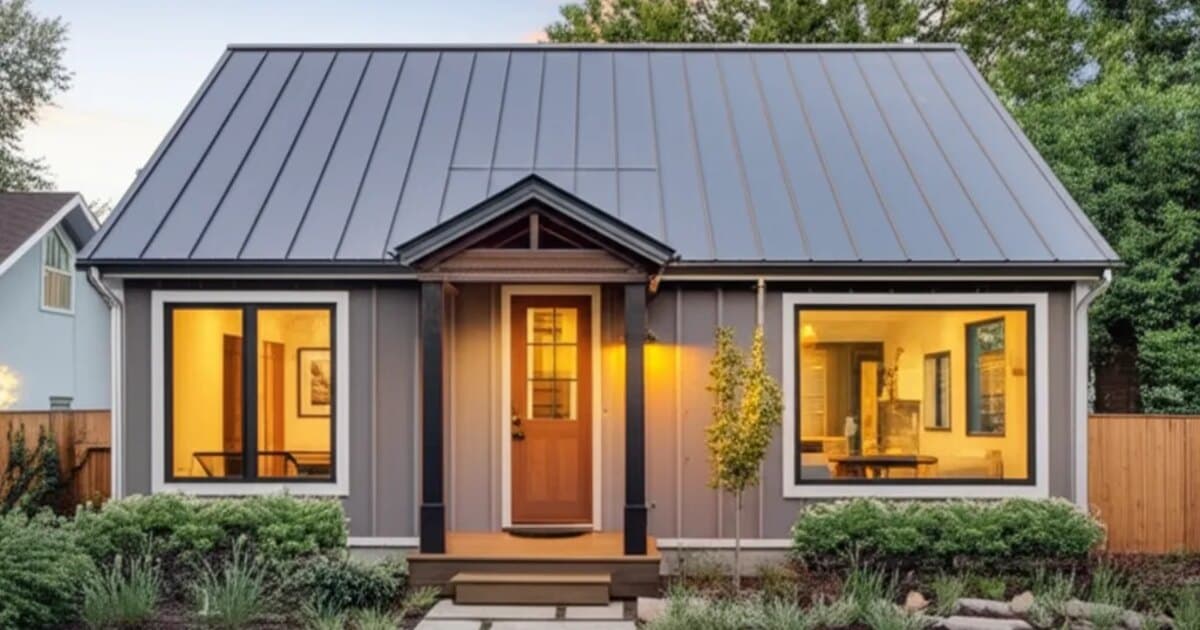
ADU Construction Design Ideas for Garden City
Get inspired with ADU construction design ideas tailored to Garden City homes, from trending styles to practical layout considerations.
Quick answer
Garden City's ADU market is differentiated by the specificity of its community character, the diversity of its property types, and the sophistication of its homeowner base's understanding of ADU opportunity.
Garden City, ID · ADU Construction
Planning ADU construction in Garden City?
Read the full guide below — or get your project priced now. Free, no-obligation estimates from an Idaho registered local team, backed by a 1-year workmanship warranty.
- Licensed Idaho RCE-6681702
- 1-Year Workmanship Warranty
- $2M Liability Coverage
- Free, No-Obligation Estimates


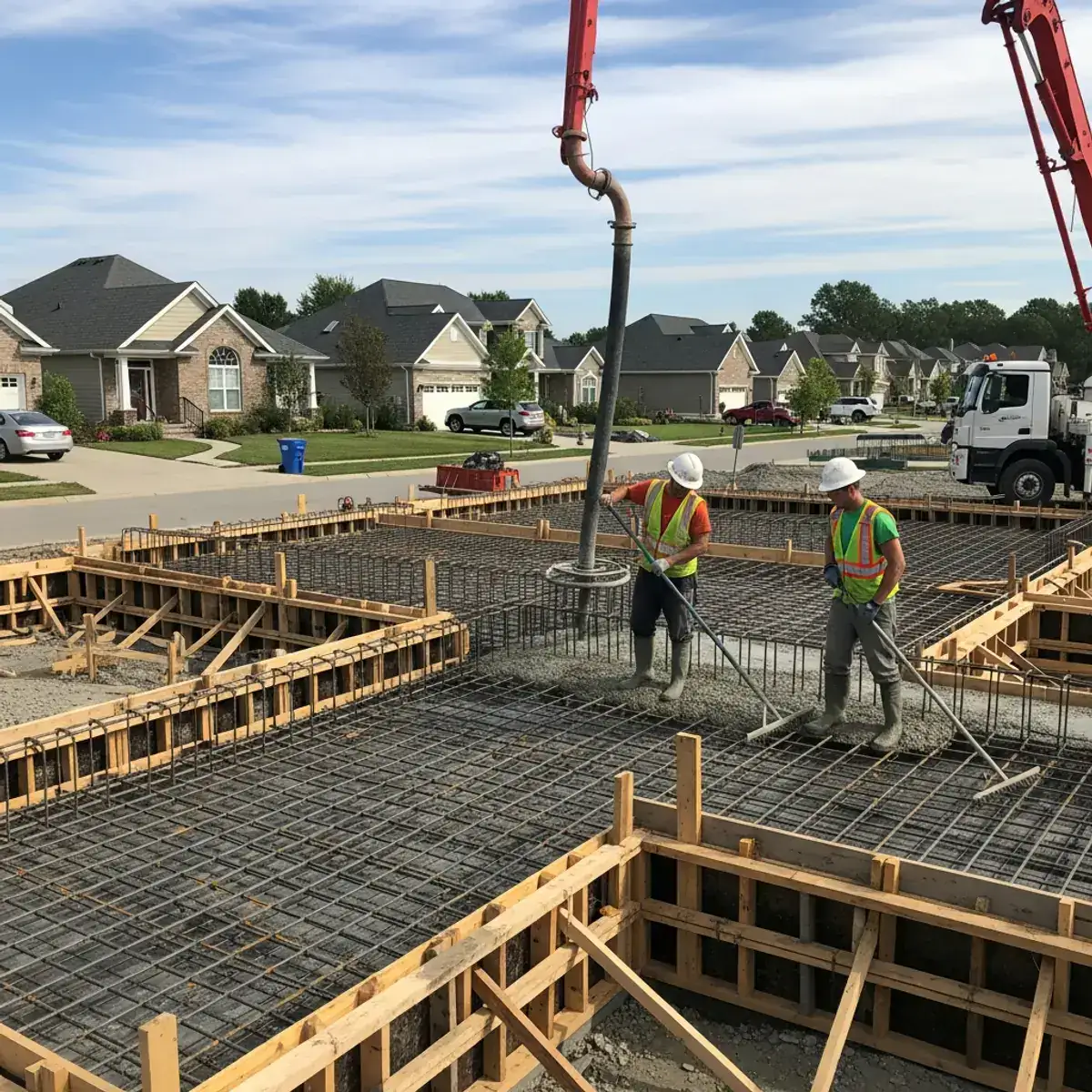
Garden City's ADU market is differentiated by the specificity of its community character, the diversity of its property types, and the sophistication of its homeowner base's understanding of ADU opportunity. The location is the most concrete differentiator. Greenbelt access, walkability, and proximity to downtown Boise are amenities that most suburban Treasure Valley communities cannot match, and an ADU in a place people actively want to live competes for tenants on terms that a comparable unit in a less desirable location does not. What that is worth in rent on your specific parcel is a question for current comparables, not for a builder's brochure. The creative community character creates a tenant pool that is qualitatively distinctive — renters who have chosen Garden City deliberately for its character and who are invested in the community in ways that translate to stable tenancy, community contribution, and the kind of neighbor relationships that make ownership in Garden City genuinely rewarding. These are not transient tenants who will leave at the first opportunity for cheaper rent elsewhere; they are people for whom Garden City's character is a primary housing criterion. The regulatory specificity is a meaningful differentiator for contractor selection. Garden City's zoning code is not Ada County's, Boise's, or Canyon County's — it is Garden City's, and the live-work provisions, Greenbelt overlay requirements, and mixed-use zoning provisions that affect many Garden City ADU projects require specifically local knowledge to navigate correctly. A contractor who knows Garden City's regulatory framework prevents the permit errors and redesign cycles that contractors unfamiliar with the city's specific code generate.
Live-Work-Create District
The Live-Work-Create District's ADU opportunities are among the most distinctive in the Treasure Valley — accessory structures in the mixed-use corridor that can be converted to legal residential units in ways that express the creative character of the district while meeting all City of Garden City habitation standards. The zoning provisions governing ADU use in live-work properties are specific to Garden City and require local regulatory knowledge to navigate correctly — they are not the same as Boise's ADU provisions, and they are not intuitive from the exterior of the live-work zoning code framework. Rental demand in the Live-Work-Create District is strong from the creative professional community that surrounds it — artists, designers, makers, and the professionals who work alongside them. A well-executed ADU in this corridor attracts tenants who choose it specifically and who tend to be stable, long-term renters whose lifestyle investment in the neighborhood parallels the homeowner's own. These tenant relationships are qualitatively different from the transactional rental relationships of suburban markets — they are community relationships that create mutual investment in the neighborhood's quality. The design conversation for Live-Work-Create ADUs is typically the most creatively engaged of any ADU project Iron Crest undertakes in the Treasure Valley. Homeowners in this district have strong design sensibilities and specific visions for how their ADU should express the district's character. These conversations produce genuinely interesting results that reflect the unique character of Garden City's creative community.
Greenbelt Corridor
The Greenbelt Corridor's ADU opportunity is shaped by the combination of premium location, the architectural quality constraints of a more formally planned development context, and the Greenbelt Overlay requirements that may affect exterior modifications visible from the river corridor. Greenbelt Corridor properties sit at the sought-after end of Garden City's housing market, which is why ADU work here is often specified at the upper end of the cost range — worth testing against current comparables before a budget is set. The corridor's newer construction context means ADU permitting is typically less complex than for older Garden City properties with non-standard structural conditions, but Greenbelt Overlay requirements may apply to any exterior modification that affects the property's relationship to the river corridor. Iron Crest reviews Greenbelt Overlay applicability for every Greenbelt Corridor project before design begins, preventing mid-design regulatory surprises that require costly redesign. The tenant profile in the Greenbelt Corridor is the most consistent and most financially qualified in Garden City's ADU rental market — professionals who have specifically chosen river access. An ADU investment in the Greenbelt Corridor is supported by steady demand for housing with that access; what the demand is worth in rent is a question for current comparables rather than for a builder's projection.
Garden City Core
Garden City's original residential core offers the most traditional ADU investment context in the city — older bungalows and ranch homes on larger lots with backyard structures suitable for conversion or new construction placement, in a neighborhood that is improving steadily and whose location character — walkable, close to the river and to downtown Boise — is the thing tenants are choosing. These are the ADU investments with the most straightforward long-term case in Garden City: an established location, an improving neighborhood context, and a housing type the neighborhood already contains. What the location is worth in rent belongs to current comparables rather than to a builder's projection. Pre-1978 construction in the Garden City Core requires EPA RRP compliance for any work disturbing original surfaces, and original tile, flooring, and textured surfaces should be tested for asbestos before demolition. Iron Crest manages testing and abatement coordination as standard project management services for all Garden City Core ADU projects involving pre-1978 construction. The Garden City Core's mix of owner-occupants and renters creates a neighborhood social fabric that values ADU quality specifically — a well-designed and well-maintained ADU in this context contributes to the neighborhood's character and is appreciated by immediate neighbors in ways that reflect the community's investment in its own quality of place.

The design phase is where your ADU construction goes from a general idea to a specific plan. Good design balances aesthetics, functionality, budget, and the unique characteristics of your home and neighborhood in Garden City. Here are the most popular design approaches and trends we see in Garden City and the surrounding Treasure Valley.
Garden City homeowners tend to favor designs that blend modern functionality with the regional character of Idaho homes. Here are the most requested design elements:
These design factors are specific to ADU construction projects and affect both the look and function of the finished space:
Lot placement — ADU location affects privacy, natural light, utility run distances, and neighbor sight lines
Ceiling height — code minimums apply, but taller ceilings (9 ft) make a small ADU feel significantly larger
Storage planning — ADUs need creative storage: wall-mounted shelving, loft storage, and built-in solutions
Outdoor space — a small patio, porch, or deck at the ADU entrance adds livability and curb appeal
Parking — cities over 10,000 residents can require added ADU parking only in limited cases under Idaho Code § 67-6541, but plan where a tenant will park anyway
Rental readiness — if the ADU may be rented, plan for durable finishes, separate utility metering, and tenant-friendly design
The materials and finishes you choose bring your design to life. Here are the options most commonly selected for ADU construction projects in Garden City:
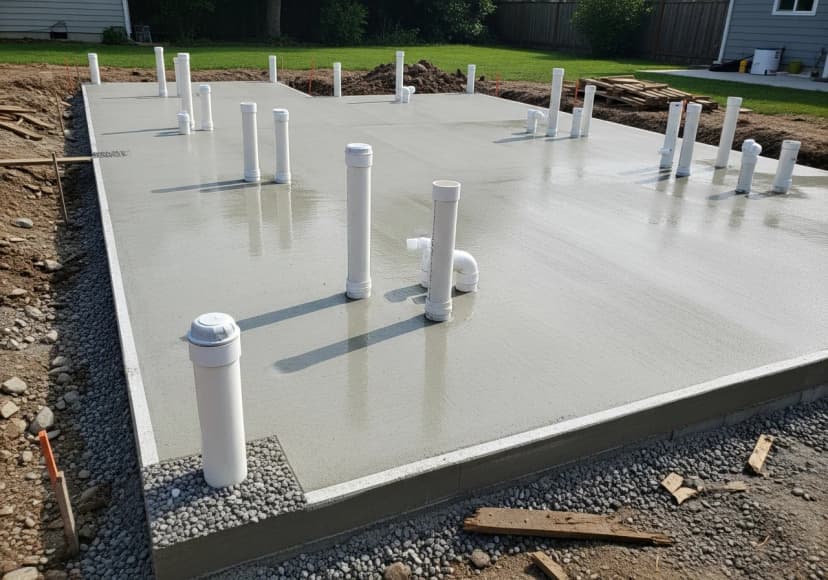
Concrete Slab or Stem Wall Foundation
$8,000–$20,000Detached ADU new construction
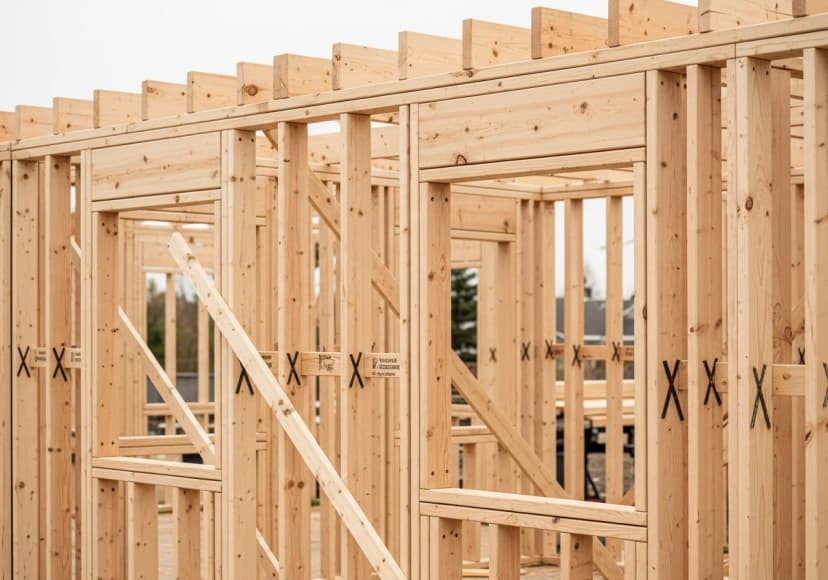
Standard Wood Framing
$12–$22 per sq ft framedAll ADU types
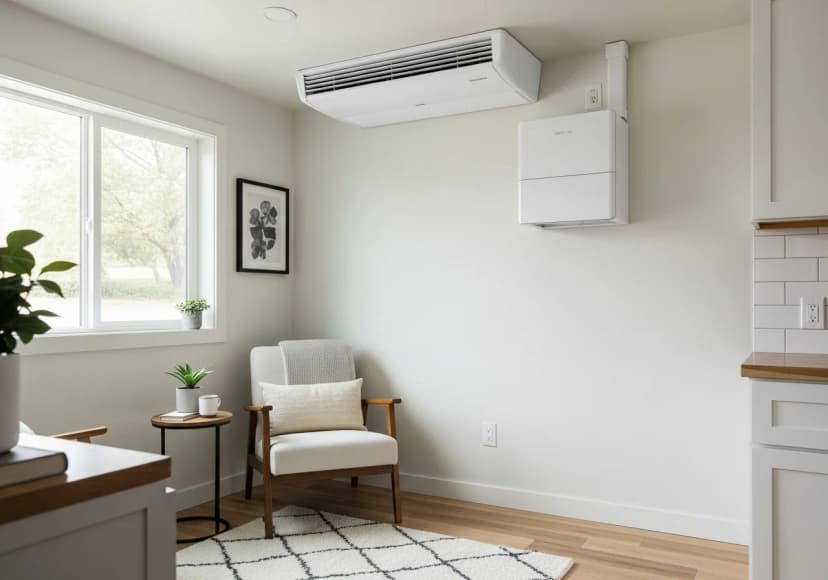
Mini-Split HVAC System
$3,500–$7,000 installedDetached ADUs and garage conversions
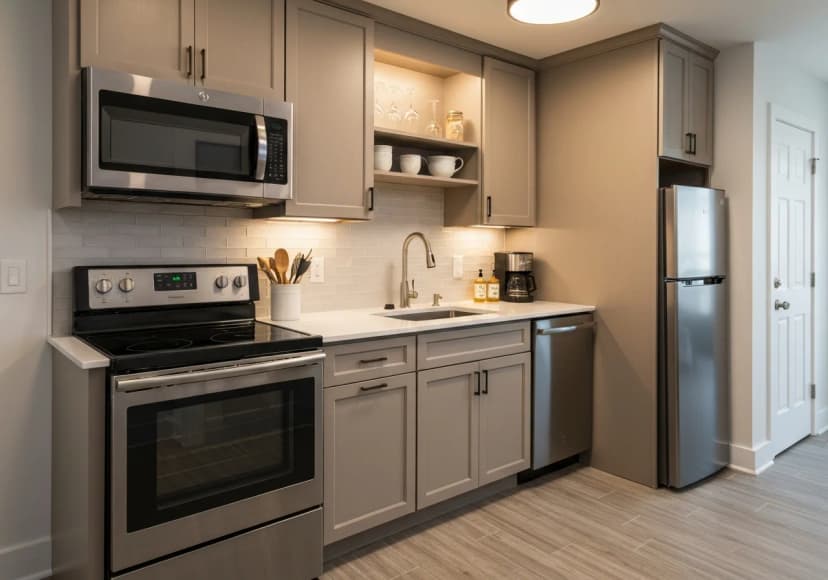
Compact Kitchen Package
$5,000–$15,000 completeStudio and one-bedroom ADUs
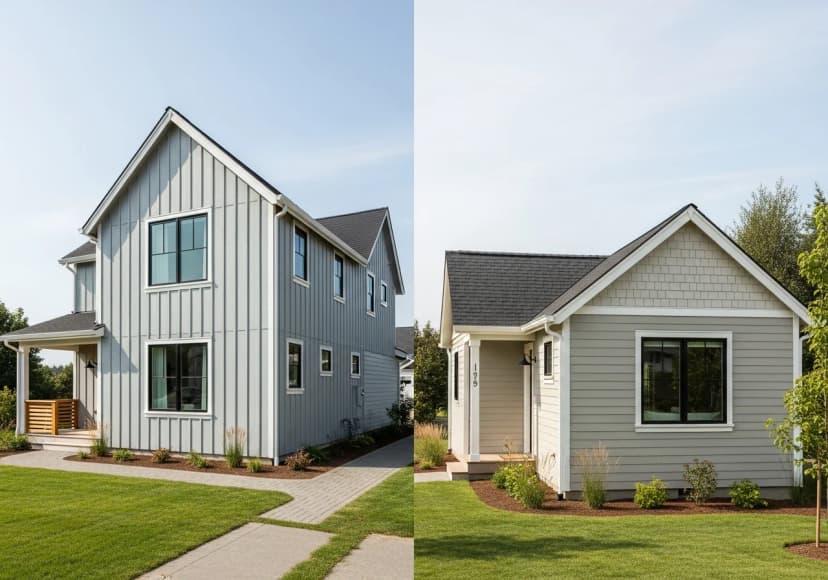
Matching or Complementary Siding
$5–$15 per sq ft installedSeamless property aesthetic
Learning from others' mistakes saves time and money. Here are the most common ADU construction design pitfalls we see in Garden City:
Need rental income but do not want to move
A detached ADU can produce rental income while you continue living in your primary home — our 600 sq ft North End one-bedroom has a recorded rental potential of $1,400–$1,600 per month.
Aging parents need close but independent living space
An ADU with a separate entrance provides privacy and independence while keeping family close. Accessibility features can be built in from the start.
Existing garage is unused and taking up valuable space
A garage conversion ADU transforms underutilized space into a functional living unit at a lower cost than new construction.
Need a dedicated workspace separate from the main home
A detached ADU configured as a studio or office provides the separation remote workers need, with the commute of a backyard walk.
Want to maximize property value and investment potential
A well-built ADU adds $100,000+ to property value and generates ongoing rental income — one of the highest-ROI improvements a homeowner can make.
For ADU construction projects in Garden City, you have two main approaches to the design process: hiring a separate interior designer then a contractor, or working with a design-build firm that handles both under one roof.
Design-build (our approach)
- ✓ Single point of contact
- ✓ Design informed by real construction costs
- ✓ Faster project delivery
- ✓ Budget aligned from day one
Separate designer + contractor
- ● More specialized design expertise
- ● Independent design perspective
- ● Requires coordination between parties
- ● Can result in budget surprises
Local factors — Garden City's housing stock and typical construction eras, the climate conditions that drive material and scheduling choices, and permitting through City of Garden City Building Department — are covered in full on our Garden City page for this service, alongside 4 common project types.
ADU Construction in Garden City: housing stock, climate & permits →Can I rent out my ADU?
In most Boise-area jurisdictions, yes. ADUs can be rented as long-term rentals. Short-term rental rules (Airbnb, VRBO) vary by city and may have additional restrictions. Check local regulations before planning a short-term rental strategy.
Will an ADU increase my property value?
Yes. A permitted, well-constructed ADU typically adds $100,000-200,000+ to property value in the Boise area — often more than the construction cost. ADUs also make a property more attractive to buyers who value rental income potential or multigenerational living flexibility.
Planning ADU construction in Garden City?
Get expert guidance and a free estimate for your adu construction project in Garden City, ID.
Get Your Free Estimate