

ADU Construction in Boise, ID: Costs, Ideas & Options
From detached guest houses to garage conversions — we handle zoning research, design, permitting, and full construction of accessory dwelling units.
Quick answer
Iron Crest Remodeling Group LLC provides adu construction in Boise, ID. Most Boise adu construction projects cost $95,000 – $320,000. Boise ADU construction costs reflect Ada County's labor market, Boise's 24-inch frost depth (which drives foundation cost), the City of Boise's permit and inspection requirements, and the architectural and utility complexity that each specific project demands.
Boise's zoning code allows an accessory dwelling unit on most residential lots, and Iron Crest Remodel has the local expertise to navigate every phase — from zoning analysis and permit application through design, construction, and final inspection. Accessory dwelling units in Boise serve an expanding range of purposes: rental income on a property you own free and clear, housing for aging parents who want independence without distance, a guest suite for visiting family, a home office with its own entrance and utilities, or simply additional equity-building square footage on a lot that has room for it. On a lot that already has room for it, an ADU is often the most efficient square footage a homeowner can add — there is no land to buy, and the utilities are already on site. Iron Crest builds ADUs that meet every City of Boise code requirement, integrate architecturally with the primary home, and deliver the return — financial and personal — that motivated the project in the first place.
Build an ADU that adds usable space, flexibility, and long-term property value.
An ADU (Accessory Dwelling Unit) is a self-contained living space on the same lot as an existing home. ADUs have become increasingly popular in the Boise area as housing demand has grown, zoning rules have evolved, and homeowners have recognized the financial and lifestyle benefits of adding a separate living unit to their property. ADU types include detached new construction (a standalone building on the lot), garage conversions (converting an existing garage into living space), attached additions (building a unit that shares a wall with the main home), and basement conversions (converting a finished or unfinished basement into a separate unit with its own entrance). Every ADU project requires careful navigation of local zoning rules, setback requirements, utility connections, parking requirements, and building code compliance. The design must balance livability, code compliance, construction cost, and long-term value. For reference, our 600 sq ft North End ADU appraised at $155,000 in added value, with a recorded rental potential of $1,400–$1,600 per month.
Boise homeowners pursue adu construction for a variety of reasons. Here are the most common situations we see:
- ✓Homeowners who want rental income from a detached or attached unit on their property
- ✓Families who need a guest house, in-law suite, or multigenerational living space
- ✓Remote workers or creatives who want a separate studio, office, or workshop space
- ✓Property investors who want to increase property value and utility with an ADU
- ✓Homeowners who want housing flexibility — rent now, use for family later, or vice versa
Not every ADU construction project is the same. Here are the most common project types we complete in Boise:

Detached ADU (New Construction)
A standalone structure built on your property — typically 400-1,000 square feet with a bedroom, bathroom, kitchen, and living area. This is the most popular ADU type and offers the most design flexibility.

Garage Conversion ADU
Convert an existing attached or detached garage into a living space. Includes insulation, drywall, flooring, plumbing, electrical, HVAC, kitchen, and bathroom installation within the existing structure.

Attached ADU Addition
Build an ADU that shares one or more walls with the main home but has its own entrance, kitchen, bathroom, and living space. Similar to a home addition but designed as an independent unit.

Basement ADU Conversion
Convert an existing basement into a separate dwelling unit with its own entrance, kitchen, bathroom, and living area. Requires egress windows, fire separation, and independent utility metering in most jurisdictions.

Boise has over a century of residential construction, from 1900s Craftsman homes in the North End to 2020s new construction in West Boise and Southeast Boise. This diversity means remodeling contractors encounter a wide range of structural systems, plumbing types, electrical standards, and finish materials.
Pre-1940 (North End, Downtown)
Pre-war North End and downtown homes are typically the most expensive to remodel in Boise. Budget for replacing galvanized supply lines and any remaining knob-and-tube wiring, plus lath-and-plaster demolition and the historically sensitive finishes these homes call for — costs that push projects toward the high end of the range.
1940s–1960s (Bench, Central Boise)
Bench and central-Boise ranches and split-levels sit in the mid-range for remodel budgets. Plan for an electrical panel upgrade — 100-amp service is common — while the existing copper plumbing and solid hardwood floors often stay in place and hold costs down.
1970s–1990s (West Boise, South Boise)
The 1970s–1990s subdivision homes of West and South Boise are the most budget-predictable to remodel. Drywall construction and accessible copper or early-PEX plumbing keep surprises low, so spending concentrates on finishes rather than system repairs.
2000s–present (SE Boise, Harris Ranch, West Boise)
Homes from the 2000s on in SE Boise, Harris Ranch, and West Boise need the least structural investment. PEX plumbing and 200-amp service are already in place, so the budget goes almost entirely toward the higher-end finishes and fixtures buyers in these neighborhoods expect.
Common issues in Boise homes
- •Galvanized plumbing in pre-1970 homes causing low water pressure and corrosion
- •Insufficient electrical capacity (100-amp panels) for modern kitchen and bathroom demands
- •Poor or missing bathroom ventilation leading to moisture and mold issues
- •Closed-off floor plans in 1970s-1990s homes that homeowners want opened up
- •Cracked or settling foundations in some older Bench and North End homes
- •Builder-grade materials reaching end of life in 1990s-2000s subdivision homes

Material selection affects the look, durability, and cost of your ADU construction. Here are the most popular options we install in Boise:

Concrete Slab or Stem Wall Foundation
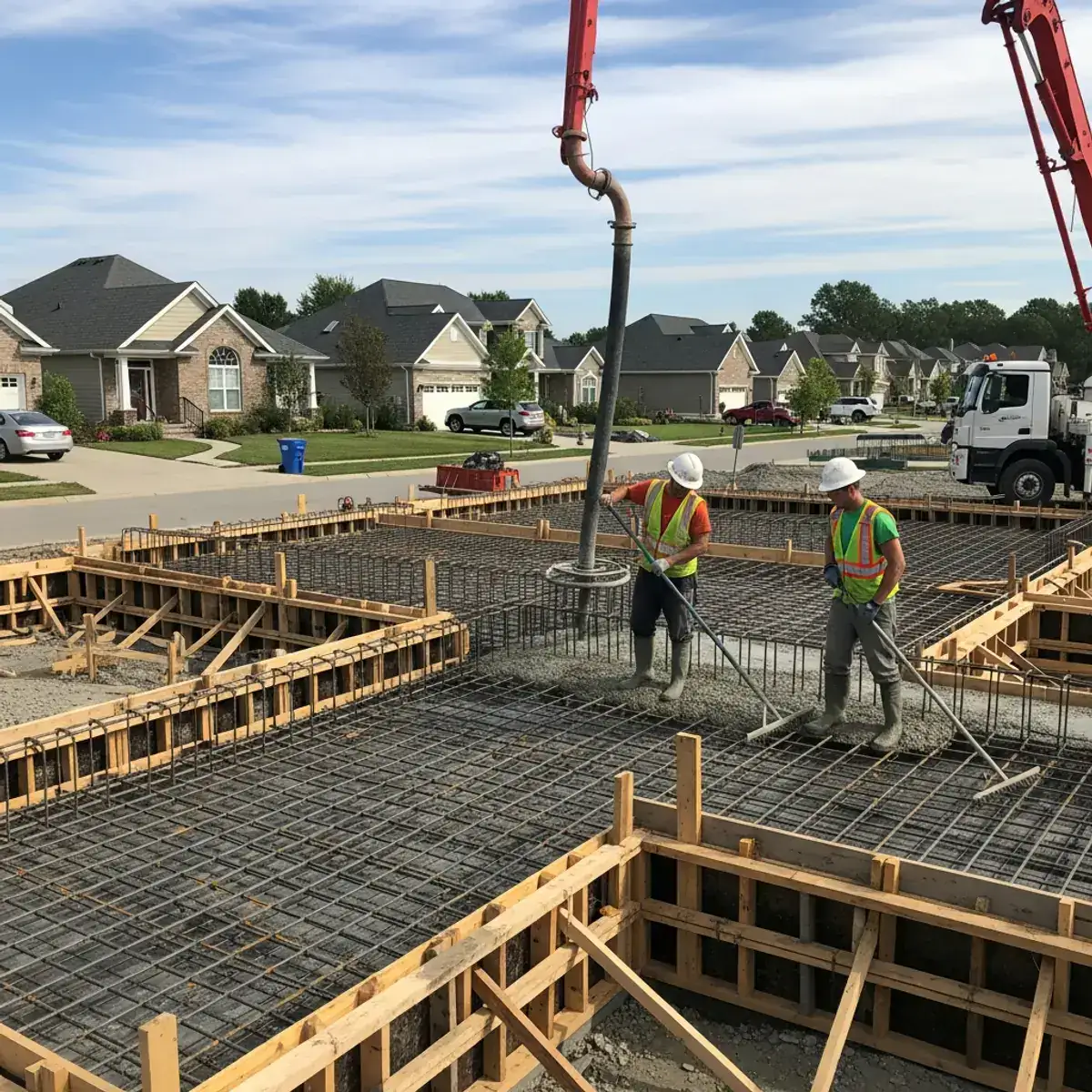
$8,000–$20,000Most detached ADUs in Idaho use a concrete slab-on-grade or stem wall foundation depending on lot conditions, frost depth, and plumbing requirements. Garage conversions may use the existing slab with modifications.
Best for: Detached ADU new construction

Standard Wood Framing
$12–$22 per sq ft framed2x4 or 2x6 wood framing for walls, with trusses for the roof. ADU framing follows the same building codes as primary residences, including insulation requirements, fire separation, and structural standards.
Best for: All ADU types

Mini-Split HVAC System
$3,500–$7,000 installedThe most common heating and cooling solution for ADUs. A ductless mini-split provides efficient heating and cooling with a small exterior compressor and one or two interior wall units. No ductwork required.
Best for: Detached ADUs and garage conversions

Compact Kitchen Package
$5,000–$15,000 completeADU kitchens need to be efficient. A compact kitchen typically includes a 24-inch range, apartment-size refrigerator, single-bowl sink, and upper and lower cabinets — all designed to maximize function in a smaller footprint.
Best for: Studio and one-bedroom ADUs

Matching or Complementary Siding
$5–$15 per sq ft installedThe ADU exterior should complement the main home. Options include matching the existing siding exactly, using a contrasting but compatible material, or using a modern material like board-and-batten or metal panel for a contemporary look.
Best for: Seamless property aesthetic

Here is how a typical ADU construction project works from first contact to final walkthrough:
Zoning and Feasibility Research
We research your property's zoning designation, lot size, setback requirements, maximum ADU size allowed, parking requirements, and any HOA restrictions. Not every lot qualifies for an ADU, so this step is critical before investing in design.
Concept Design and Budget Planning
Based on feasibility findings, we develop a concept design including floor plan, placement on the lot, utility connection points, and exterior style. You receive a preliminary budget range to confirm the project is viable.
Architectural Plans and Engineering
Detailed architectural plans are prepared including floor plans, elevations, structural engineering, mechanical systems, and site plan. These plans must meet local building codes and will be submitted for permit review.
Permitting and Utility Coordination
We submit plans for permit review, coordinate utility connections (water, sewer, electrical, gas), and manage any required inspections or reviews. ADU permitting can take 4-8 weeks depending on the jurisdiction.
Site Preparation and Foundation
Excavation, grading, utility trenching, and foundation work. For detached ADUs, this typically means a new concrete foundation. Garage conversions may require foundation modifications.
Construction (Framing through Finish)
Complete construction including framing, roofing, siding, windows, insulation, drywall, flooring, kitchen, bathroom, HVAC, electrical, plumbing, and all finish work. The ADU is built to the same code standards as a primary residence.
Final Inspection and Certificate of Occupancy
All required inspections are passed, the certificate of occupancy is issued, and the ADU is ready for use. We provide a complete walkthrough and all warranty documentation.
Here is what to expect for project duration when planning ADU construction in Boise:
| Phase | Duration | Details |
|---|---|---|
| Zoning Research and Feasibility | 1–2 weeks | Confirm the property qualifies for an ADU under current zoning, identify setback and size constraints, and determine utility connection feasibility. |
| Design and Engineering | 4–8 weeks | Architectural plans, structural engineering, site plan, and mechanical design. ADU designs must meet full building code requirements. |
| Permitting | 4–8 weeks | Plan review, permit issuance, and any required revisions. ADU permitting timelines vary by jurisdiction in the Treasure Valley. |
| Site Work and Foundation | 2–4 weeks | Excavation, utility trenching, foundation pour, and curing. Weather-dependent in Idaho, especially during winter months. |
| Framing, Roofing, and Mechanical | 4–8 weeks | Framing, roof installation, windows, exterior sheathing, electrical, plumbing, HVAC, and insulation. All rough-in inspections are completed. |
| Interior Finish and Final Inspection | 4–6 weeks | Drywall, paint, flooring, kitchen, bathroom, fixtures, and all finish details. Final inspections and certificate of occupancy. |
Boise range: $95,000 – $320,000
Most Boise projects: $165,000
Boise ADU construction costs reflect Ada County's labor market, Boise's 24-inch frost depth (which drives foundation cost), the City of Boise's permit and inspection requirements, and the architectural and utility complexity that each specific project demands. A detached garage conversion to a finished ADU — where the structure exists and utilities are already partially in place — runs $95,000 to $145,000 depending on the quality of the original structure, the extent of utility work required, and the finish specification. A new detached ADU built from the foundation up on a Boise residential lot runs $145,000 to $220,000 for a 600-square-foot one-bedroom unit, depending on site conditions, foundation type, and finish level. Attached ADU additions (second story above the garage, ground-floor addition with private entrance) run $120,000 to $260,000 depending on structural complexity and scope. Utility connection costs — water, sewer, electrical service panel addition — vary significantly based on the distance from existing connections and the age of the existing home's utilities, and represent one of the most variable cost elements in any Boise ADU project.
The final cost of ADU construction in Boise depends on several factors. Here are the biggest cost drivers:
ADU Type (Detached vs. Conversion)
high impactA detached new-construction ADU costs significantly more than a garage conversion because it requires a new foundation, full framing, roofing, and all-new utility connections. Garage conversions leverage the existing structure.
Size (Square Footage)
high impactADUs range from ~300 sq ft studios to Boise's current 900 sq ft cap (the state floor under Idaho Code § 67-6541 rises to 1,000 sq ft or 75% of the primary home by February 1, 2027). Larger units cost more but provide more rental income potential and livability.
Utility Connections
high impactConnecting water, sewer, electrical, and gas to the ADU site involves trenching, new service lines, and potentially utility upgrades. Distance from the main house to the ADU affects cost.
Kitchen and Bathroom Complexity
medium impactEvery ADU needs at least a bathroom and kitchen. The finish level — basic vs. mid-range vs. premium — significantly affects the mechanical and finish costs.
Site Conditions and Access
medium impactSloped lots, limited access for equipment, rocky soil, or mature trees in the building area can increase site preparation and foundation costs.
Permitting and Impact Fees
medium impactADU permit fees, impact fees, and utility connection fees vary by jurisdiction. Under Idaho Code § 67-6541(2)(c), cities over 10,000 residents may not charge an ADU higher impact or utility-connection fees than a single-family home.
These are the real-world projects we see most often from Boise homeowners:
North End — Detached Garage Conversion to ADU
The North End's alley-accessed lots frequently feature detached garages at the rear of the property that are underused as vehicle storage and ideally positioned for ADU conversion. These structures — typically 20 by 24 feet or larger — can accommodate a studio or one-bedroom ADU with a full kitchen, bathroom, and private entrance without requiring new foundation construction. The conversion scope includes: structural assessment and reinforcement as needed, insulation of walls and ceiling to meet Idaho Energy Code minimums, HVAC installation (typically a mini-split system for the ADU's independent climate control), kitchen and bathroom installation, window additions for egress and natural light compliance, electrical panel upgrade or subpanel addition, and finish work to a habitability standard appropriate for rental or family use. Boise requires an ADU's materials, colors, and design motif to be compatible with and complement the principal structure (Zoning Code 11-03-03.2.B), which the North End's Craftsman aesthetic accommodates well.
Boise Bench — New Detached ADU on Oversized Lot
Bench ranches on lots larger than the typical 6,000 square feet — lots of 8,500 square feet or larger that are common in certain Bench blocks — have room to add a new detached ADU without eliminating the yard space that makes these properties desirable. A new detached ADU built from a poured concrete foundation provides complete architectural independence from the primary home while generating rental income or family housing on land already owned. Design requirements for new detached ADUs in Boise are more stringent than for garage conversions — foundation footings below the 24-inch frost depth, energy code compliance for all wall, roof, and window assemblies, full utility connections, and architectural compatibility with the primary dwelling — and the permit and inspection process is more involved. Iron Crest manages the full design-permit-build sequence for new detached ADUs.
West Boise — Above-Garage ADU Addition
West Boise two-story homes with attached two-car garages often have structural capacity for a second-story addition above the garage — an attached ADU configuration that adds living space without consuming yard area for a new detached structure. These projects require structural assessment of the existing garage framing, engineered beam and bearing upgrades where needed, stair construction for exterior access (to maintain the ADU's separate entrance requirement), and full finish work to meet Boise's ADU habitability standards. Above-garage ADUs in West Boise are well-suited to in-law suite use because they are connected to the main home's structure while maintaining a private entrance and independent utilities. The configuration also adds permitted, finished square footage to the property without giving up any of the yard.
North End — Attached ADU Addition with Private Entrance
North End bungalows on lots where a rear detached structure is not feasible — due to tree root systems, setback constraints, or lot dimensions — can often accommodate an attached ADU addition off the rear of the primary home, with its own private exterior entrance, kitchen, bathroom, and living area. These attached additions require more design creativity than detached structures to maintain the visual integrity of the primary home while providing functional independence for the ADU occupant. Inside North End historic districts, exteriors go through historic design review, so attached ADU additions there are designed to those guidelines from the first drawing; outside a historic district, Boise still requires the ADU's design to be compatible with the principal structure.
East Boise — ADU for Multigenerational Family Housing
East Boise neighborhoods — foothills-adjacent properties in Harris Ranch, Southeast Boise, and the Boise Bench's eastern extension — increasingly host multigenerational ADU projects where the goal is providing quality independent housing for a family member rather than generating rental income. These ADUs are typically specified to a higher finish quality than market-rate rental units: quartz countertops, tile showers, hardwood or LVP flooring, and quality cabinetry selections that match the standard of the primary home. The scope, timeline, and cost are similar to market-rate ADU construction, but the finish selections and livability features (wider doorways, grab bar blocking, accessible shower configuration) are tailored to the specific family member who will occupy the unit.
Problem: Need rental income but do not want to move
Solution: A detached ADU can produce rental income while you continue living in your primary home — our 600 sq ft North End one-bedroom has a recorded rental potential of $1,400–$1,600 per month.
Problem: Aging parents need close but independent living space
Solution: An ADU with a separate entrance provides privacy and independence while keeping family close. Accessibility features can be built in from the start.
Problem: Existing garage is unused and taking up valuable space
Solution: A garage conversion ADU transforms underutilized space into a functional living unit at a lower cost than new construction.
Problem: Need a dedicated workspace separate from the main home
Solution: A detached ADU configured as a studio or office provides the separation remote workers need, with the commute of a backyard walk.
Problem: Want to maximize property value and investment potential
Solution: A well-built ADU adds $100,000+ to property value and generates ongoing rental income — one of the highest-ROI improvements a homeowner can make.

Boise has a semi-arid, four-season climate with hot, dry summers (90-105°F), cold winters (15-35°F), and low annual precipitation. This climate directly affects material choices, construction scheduling, and long-term durability of remodeling work.
Temperature Extremes (15°F to 105°F range)
Exterior materials must handle dramatic temperature swings. Windows need strong thermal performance. Interior comfort depends on insulation quality and HVAC sizing.
Low Humidity and Dry Air
Wood materials can dry, shrink, and crack. Hardwood floors may develop gaps in winter. Bathroom ventilation is still critical because bathrooms create localized high-humidity environments.
Freeze-Thaw Cycles
Exterior tile, concrete, and masonry must handle freezing and thawing without cracking. Foundation work has specific frost-depth requirements in the Boise area.
UV Exposure (300+ sunny days)
Exterior paint, siding, and stain fade faster under constant UV. South-facing and west-facing surfaces require UV-resistant materials and more frequent maintenance.
Construction Season
Foundation and exterior work is best scheduled March through November. Interior remodeling can happen year-round. Winter concrete pours require special cold-weather precautions.
North End
Boise's most historic and walkable neighborhood, with tree-lined streets, Craftsman bungalows, Tudor revivals, and mid-century homes dating from 1900 to 1960. The North End Historic District adds design review requirements for exterior work.
Common projects in North End:
- •Kitchen remodels in older homes with small, closed-off layouts
- •Bathroom updates in homes with original 1920s-1950s plumbing
- •ADU construction in larger lots for rental income
- •Home additions for growing families who love the neighborhood
Southeast Boise / Harris Ranch
A mix of established 1970s-1990s homes and newer master-planned developments like Harris Ranch. Homes range from mid-century ranch-style to modern custom builds with foothills views.
Common projects in Southeast Boise / Harris Ranch:
- •Full kitchen renovations upgrading builder-grade finishes
- •Primary suite additions in older ranch homes
- •Deck and patio construction for outdoor living
- •Whole-home remodels bringing 1970s-1980s homes to modern standards
Boise Bench
An elevated neighborhood south of downtown with a mix of post-war homes from the 1940s-1970s and newer infill construction. Known for its views and access to the Greenbelt.
Common projects in Boise Bench:
- •Bathroom remodels updating 1950s-1970s fixtures and tile
- •Kitchen updates in compact post-war floor plans
- •Basement remodels adding usable living space
- •Energy efficiency upgrades in older homes with poor insulation
West Boise
A large area with subdivisions spanning from the 1980s through the 2010s. Many homes are builder-grade with standard finishes that homeowners upgrade as the homes age.
Common projects in West Boise:
- •Kitchen and bathroom remodels replacing builder-grade finishes
- •Open-concept conversions in 1990s closed-layout homes
- •Flooring replacement throughout the home
- •Exterior painting and siding updates
Every Boise neighborhood has different housing stock, homeowner priorities, and project considerations. Here is what ADU construction looks like in each area:
North End
Boise Bench
SE Boise / Harris Ranch
West Boise
Permit authority: City of Boise Planning and Development Services
Online portal: pds.cityofboise.org
- ✓Residential remodeling permits are required for plumbing, electrical, structural, and mechanical changes
- ✓The North End Historic District requires design review for exterior modifications
- ✓ADUs follow Boise's Modern Zoning Code (Section 11-03-03.2B): up to 900 sq ft or 70% of the primary home's floor area, whichever is smaller, max two bedrooms; setbacks and zone dimensional standards apply, with no owner-occupancy requirement and only limited parking requirements. Idaho's 2026 ADU law (Senate Bill 1354) raises the floor to 1,000 sq ft or 75% and allows either one internal or one detached ADU per lot by February 1, 2027 — confirm with PDS
- ✓Online permit portal allows digital submission and tracking
- ✓Inspections can be scheduled online; we book them as each phase is ready
- ✓Permit review times vary with scope and workload; we build the review window into the schedule
Helpful ID resources
- City of Boise Planning and Development Services — permit applications, inspections, and code resources
- Idaho DEQ — Asbestos Program — testing and abatement requirements for pre-1980 homes
- EPA Lead Renovation, Repair and Painting (RRP) Program — required certification for work in pre-1978 homes
- ●Lot placement — ADU location affects privacy, natural light, utility run distances, and neighbor sight lines
- ●Ceiling height — code minimums apply, but taller ceilings (9 ft) make a small ADU feel significantly larger
- ●Storage planning — ADUs need creative storage: wall-mounted shelving, loft storage, and built-in solutions
- ●Outdoor space — a small patio, porch, or deck at the ADU entrance adds livability and curb appeal
- ●Parking — cities over 10,000 residents can require added ADU parking only in limited cases under Idaho Code § 67-6541, but plan where a tenant will park anyway
- ●Rental readiness — if the ADU may be rented, plan for durable finishes, separate utility metering, and tenant-friendly design
Here are the design trends we see most often in Boise ADU construction projects:
- →Modern farmhouse and transitional styles blending clean lines with warm textures
- →Open-concept kitchen conversions removing walls between kitchen and living areas
- →Walk-in showers replacing bathtubs in primary bathrooms
- →Matte black and brushed gold fixture finishes replacing brushed nickel
- →Large-format tile (12x24+) in bathrooms for a modern, minimal-grout look
- →Quartz countertops overtaking granite as the primary kitchen surface
- →LVP (luxury vinyl plank) replacing carpet throughout main living areas
- →Smart home integration — lighting, thermostats, and security systems
Boise's housing market has appreciated substantially over the past decade, which is part of why homeowners weigh remodeling against moving. The competitive market also means that updated, well-maintained homes sell faster and for higher prices than comparable homes with outdated finishes.
Costs and permit requirements differ by jurisdiction across the Treasure Valley. These guides cover Boise specifically.
Avoid these common pitfalls Boise homeowners encounter with ADU construction projects:
Mistake: Beginning ADU design before conducting a zoning and buildable-envelope analysis
Better approach: ADU buildability depends on your specific zoning district, lot dimensions, existing structures, setback requirements, and the presence of any overlay zones (historic district, design review area, flood plain) that add regulatory layers. Beginning design before understanding these constraints results in designs that cannot be permitted — wasted design investment and project delays. Iron Crest conducts a no-cost zoning and buildable-envelope analysis as the first step in every Boise ADU consultation, confirming buildable ADU square footage and regulatory constraints before any design investment is made.
Mistake: Underestimating utility connection costs in the ADU project budget
Better approach: Utility connection costs — water, sewer, and electrical service — can range from $5,000 to $18,000 and are one of the most variable cost elements in an ADU budget. These costs are determined by the distance from existing utility connections, the age and capacity of the primary home's existing utility service, and the specific fee schedules of the applicable utility providers. Obtain preliminary utility connection cost estimates from each utility before finalizing the ADU project budget. Iron Crest coordinates this research as part of the pre-construction planning phase.
Mistake: Designing the ADU without regard for City of Boise architectural compatibility standards
Better approach: Boise's ADU ordinance requires that detached ADUs be architecturally compatible with the primary dwelling — matching siding material, complementary roofline, proportional window sizes. In North End Design Review areas, this requirement is enforced through a formal approval process. In non-Design Review areas, it is enforced through the standard permit review. ADU designs that do not address architectural compatibility requirements face permit rejection and redesign, adding weeks to the project timeline. Iron Crest incorporates architectural compatibility requirements into every ADU design from the beginning.
Mistake: Specifying a garage conversion ADU without assessing the original structure's energy code compliance gap
Better approach: Existing garages built in the 1950s through 1990s have insulation, window, and building envelope characteristics that do not meet current Idaho Energy Code requirements for habitable space. Converting a non-code-compliant structure to an ADU without upgrading the envelope to current standards produces an energy-inefficient unit that is expensive to heat and cool, potentially fails final inspection, and is uncomfortable for occupants. Energy code compliance upgrades — wall insulation, attic insulation, window replacement — must be budgeted as part of a garage conversion ADU scope.
Mistake: Planning ADU rental income without accounting for operating expenses
Better approach: Gross rental income is not the investment return — net income after operating expenses is. ADU operating expenses include property management if you are not self-managing, a maintenance and turnover reserve, the increment to your insurance premium, the property tax increase the new improvement triggers, and the vacancy between tenants. Each of those is quotable: ask a property manager for their fee schedule, ask your insurer what the ADU adds, and ask the Ada County Assessor how the improvement is treated. Build the budget from those quoted numbers rather than from a gross rent figure, because the gap between gross and net is the difference between a project that works and one that only looked like it did.
Most popular remodeling projects in Boise
- ✓Kitchen remodels with open-concept conversion
- ✓Primary bathroom remodels with walk-in shower
- ✓ADU construction for rental income
- ✓Whole-home remodels in 1980s-1990s homes
- ✓Home additions for primary suites
- ✓Basement finishing and remodeling
- ✓Deck and outdoor living construction
- ✓Energy efficiency upgrades (windows, insulation, HVAC)

See Your Remodel Before You Build.
Upload a few photos of your kitchen, bathroom, flooring, or exterior and get AI-generated concept visuals tailored to your space, style, and materials — free, no obligation, in about five minutes. Then request a real estimate from our Idaho registered Boise team.
Free concept preview · No credit card · Licensed Idaho contractor
What size ADU can I build in Boise?
ADUs in Boise — attached, detached, or converted — are limited to 900 square feet or 70 percent of the primary structure's total floor area, whichever is smaller, with no more than two bedrooms (Zoning Code Section 11-03-03.2B). Idaho's 2026 ADU law (Senate Bill 1354) raises the floor to 1,000 square feet or 75% of the primary home by February 1, 2027 — confirm the limit in effect with Planning & Development Services. The setback requirements of your specific zoning district (an ADU follows the underlying zone per Zoning Code 11-03-03.2.B) may further constrain the buildable ADU footprint. A preliminary zoning analysis — which Iron Crest provides at no cost as part of the ADU consultation — identifies the maximum buildable ADU footprint for your specific property before design investment is made.
Do I need to live in my Boise home to build an ADU?
No. Boise's Modern Zoning Code (effective December 2023) has no owner-occupancy requirement outside the Harris Ranch Specific Plan, and Idaho's 2026 ADU law (Senate Bill 1354) bars cities over 10,000 residents from requiring one (Idaho Code § 67-6541). Property owners who rent their primary dwelling can also build and rent an ADU on the same property. This significantly expanded the investment case for Boise ADU construction. Note that some ADU-adjacent programs — like certain housing finance programs that offer reduced-rate financing for ADU construction — may retain owner-occupancy requirements even where Boise zoning does not. Confirm the specific requirements for any financing program you are considering.
How long does it take to build an ADU in Boise?
The total timeline from project initiation to certificate of occupancy typically runs 5 to 9 months for a new detached ADU in Boise — 6 to 10 weeks for design and permit preparation, 3 to 6 weeks for permit review, and 3 to 5 months for construction. Garage conversion ADUs are at the shorter end of the construction range (3 to 4 months) because the structure exists; new detached ADUs require longer construction timelines (4 to 5 months) for foundation, framing, and systems work. North End projects with Design Review add 4 to 6 weeks to the permit phase. Iron Crest provides a project-specific schedule at the proposal stage with milestone dates for permit submission, permit approval, construction start, and estimated completion.
What is the best ADU type for rental income in Boise?
For rental use in Boise, a new detached ADU or a garage conversion on the North End or Bench is usually the most workable approach. A detached unit with its own entrance, its own utilities, and no shared wall with the primary home is the closest thing to a standalone rental you can build on your own lot, and it draws from the widest tenant pool. The one-bedroom configuration at roughly 550 to 650 square feet is what we build most often for rental use — a studio costs less to build, a two-bedroom costs meaningfully more, and which one earns its cost back depends on rents we cannot responsibly predict for you. Before you settle on a bedroom count, get a written rent opinion from a property manager who works your neighborhood on all the configurations your lot will physically accommodate; that comparison, not a rule of thumb, is what should decide the scope.
What does ADU utility connection cost in Boise?
ADU utility connections in Boise involve fees and construction costs for water service, sewer connection, and electrical service. Water service for most of Boise is supplied by Veolia Water Idaho and sewer by the City of Boise, and their charges depend on the ADU's size, distance from existing mains, and whether the connection is a separate meter or a shared connection through the primary dwelling's service. Electrical service for a rental ADU with an independent meter typically requires an Idaho Power service upgrade and meter installation. Total utility connection costs range from $5,000 to $18,000 depending on specific site conditions. Iron Crest obtains utility company cost estimates during the pre-construction planning phase and includes them in the project budget with appropriate contingency.
Do ADUs require permits and planning approval?
Yes. ADU projects require building permits, plan review, and multiple inspections. In most Boise-area jurisdictions, ADUs also require zoning compliance review to confirm lot size, setbacks, and parking requirements are met. We handle the entire permitting process.
How much does it cost to build an ADU in the Boise area?
Most Boise ADUs cost $95,000–$320,000, with a typical project near $165,000. A garage conversion typically runs $95,000–$145,000, and a new 600 sq ft one-bedroom detached ADU $145,000–$220,000; utility connection costs vary with distance to existing services and are one of the most variable line items. Our 600 sq ft detached North End ADU ran $120,000–$150,000.
How long does it take to build an ADU?
From start of design to move-in, a typical ADU project takes 6 to 12 months. This includes design (4-8 weeks), permitting (4-8 weeks), and construction (3-5 months). Garage conversions are faster; detached new construction takes longer.
Can I rent out my ADU?
In most Boise-area jurisdictions, yes. ADUs can be rented as long-term rentals. Short-term rental rules (Airbnb, VRBO) vary by city and may have additional restrictions. Check local regulations before planning a short-term rental strategy.
How much rental income can an ADU generate in Boise?
It depends on location, size, finish level, and market conditions — check current listings for comparable units. Our 600 sq ft North End one-bedroom ADU has a recorded rental potential of $1,400–$1,600 per month.
What is the maximum size for an ADU?
Maximum ADU size varies by jurisdiction. In Boise, an ADU can be up to 900 square feet or 70% of the primary structure's floor area, whichever is smaller, with no more than two bedrooms. Idaho's 2026 ADU law (Senate Bill 1354) requires every city over 10,000 residents to allow at least 1,000 square feet or 75% of the primary home by February 1, 2027, so local limits are changing. We confirm the specific rules for your property during the feasibility phase.
Do I need to live on the property to have an ADU?
No. Idaho's 2026 ADU law (Senate Bill 1354, Idaho Code § 67-6541, in force since July 1, 2026) prohibits every city over 10,000 residents from requiring owner-occupancy of either the primary home or the ADU, so you can live in one unit and rent the other, or rent both. Boise had already dropped its owner-occupancy rule in the 2023 Modern Zoning Code. Cities of 10,000 or fewer residents (such as Emmett, Fruitland, Payette, Homedale, Parma, or New Plymouth) still set their own rules, and lenders or HOA covenants that existed when you bought may have their own conditions — we confirm all of it during the feasibility review.

Talk to a real project manager
Have Questions? Call Now for a Free In-Home Consultation.
Mon–Fri 7 AM–6 PM · Idaho registered & insured · No obligation
Russ Shloma — Project Manager
Russ Shloma — Project Manager
Start your ADU construction in Boise
Get a free, no-obligation estimate for adu construction in Boise, ID. We handle design, permits, and every detail of construction.
Get Your Free Estimate