
Best Materials for ADU Construction in Boise
Explore the most popular material options for ADU construction in Boise, with pricing, durability, and style comparisons to help you choose.
Quick answer
Do ADUs require permits and planning approval? Yes. ADU projects require building permits, plan review, and multiple inspections. In most Boise-area jurisdictions, ADUs also require zoning compliance review to confirm lot size, setbacks, and parking requirements are met. We handle the entire permitting process.
Boise, ID · ADU Construction
Planning ADU construction in Boise?
Read the full guide below — or get your project priced now. Free, no-obligation estimates from an Idaho registered local team, backed by a 1-year workmanship warranty.
- Licensed Idaho RCE-6681702
- 1-Year Workmanship Warranty
- $2M Liability Coverage
- Free, No-Obligation Estimates


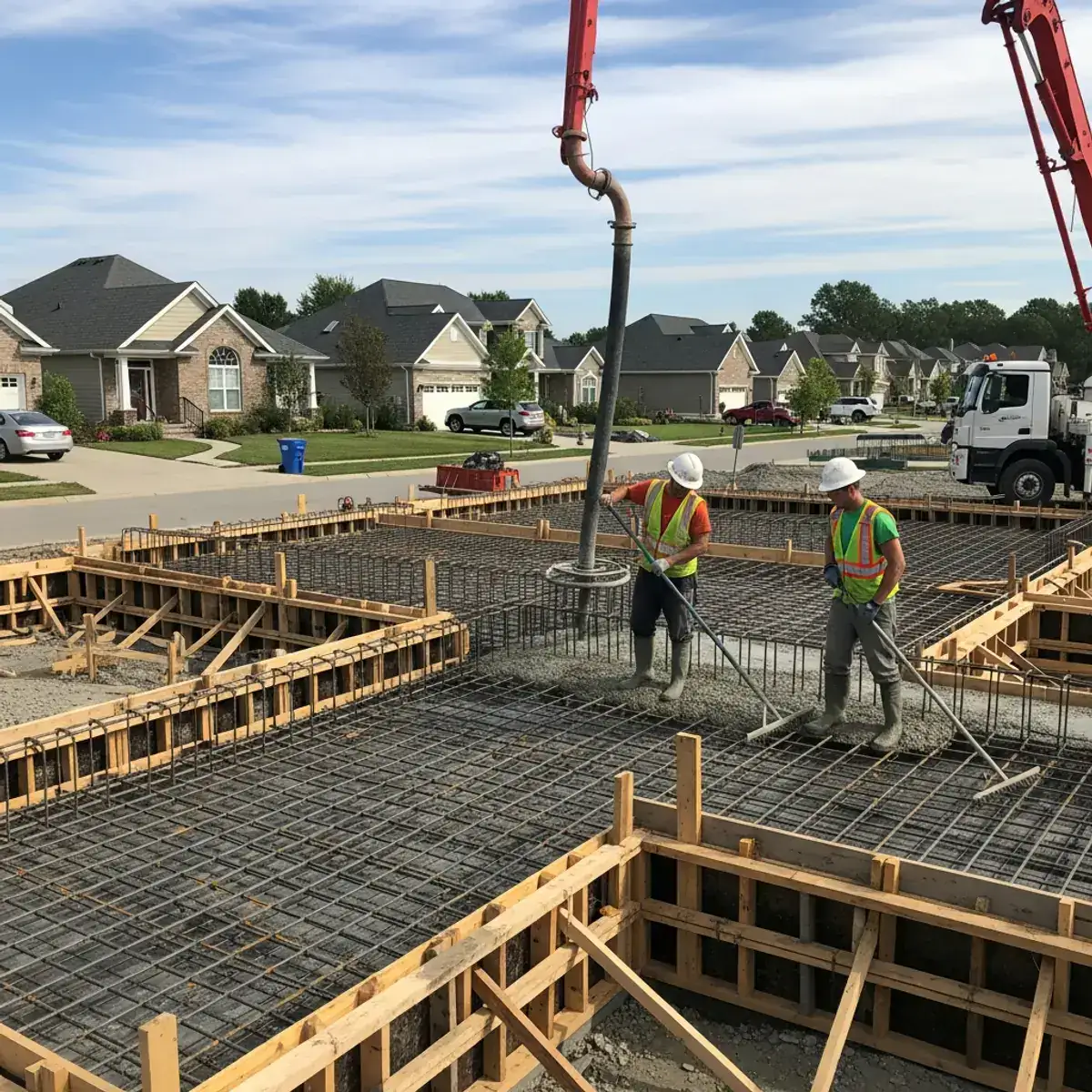
ADU construction material specifications in Boise are governed by the same climate and regulatory context as any new residential construction in Ada County — but the compact scale of ADUs and their specific use cases (rental income, multigenerational housing) create additional specification considerations. Foundation Materials for Boise ADUs must comply with Ada County's 24-inch frost depth requirement. Poured concrete perimeter foundations with minimum 36-inch depth are standard for new detached ADU construction. Slab-on-grade foundations are appropriate for ADUs where the slab can be placed above the frost depth with proper insulated perimeter protection — a specification that is more energy-efficient than a crawlspace and is increasingly common for ADU construction on Boise's relatively flat residential lots. Pier-and-grade beam systems are used for certain site conditions where full perimeter foundation excavation is impractical. Exterior Cladding for Boise ADUs must meet City of Boise ADU design standards that require architectural compatibility with the primary dwelling. In practical terms, this means matching or complementing the primary home's siding material, window proportions, and roofline character. James Hardie fiber cement siding is a common ADU cladding specification in Boise — it matches the profile of original wood siding on Craftsman bungalows, and James Hardie warrants the substrate for 30 years, non-prorated, with a 15-year finish warranty on its ColorPlus factory-applied colors (manufacturer terms; confirm the current warranty on James Hardie's own site before relying on it). HVAC Systems for ADUs require independent climate control from the primary dwelling — the ADU tenant or family member must be able to adjust temperature without affecting the main house. Mini-split heat pump systems (ductless, single-zone or multi-zone) are the standard ADU HVAC specification in Boise, providing heating and cooling with high efficiency, no ductwork, and zoned control. Mini-splits are especially practical in garage conversion ADUs where adding ductwork to an existing structure is impractical. Kitchen and Bathroom Specifications for rental ADUs are specified for durability and attractive appearance at appropriate price points — LVP flooring, quartz or solid surface countertops, porcelain tile in the shower, frameless or semi-frameless shower glass, and quality mid-tier cabinetry (IKEA Sektion or equivalent semi-custom) rather than the luxury finishes of a primary home kitchen. Multigenerational family ADUs are typically specified at a higher quality level, often matching the finish quality of the primary home's kitchen and bathrooms. Utility Connections for Boise ADUs require coordination with Idaho Power (for electrical service extension or new meter installation), Veolia Water Idaho (the drinking water utility for most of Boise), and the City of Boise for sewer connection. Each utility connection requires separate fees and inspection processes, and the total utility connection cost — which can range from $5,000 to $18,000 depending on the specific project conditions — is one of the most variable components of any Boise ADU project.
Choosing the right materials is one of the most important decisions in any ADU construction project. The materials you select affect the look, durability, maintenance requirements, and overall cost of the finished project. Here is a detailed look at the most popular material options for ADU construction in Boise and the Treasure Valley.
These are the most commonly used materials for ADU construction projects in Boise. Each has different characteristics that affect cost, durability, and style:

Concrete Slab or Stem Wall Foundation
$8,000–$20,000Most detached ADUs in Idaho use a concrete slab-on-grade or stem wall foundation depending on lot conditions, frost depth, and plumbing requirements. Garage conversions may use the existing slab with modifications.
Best for: Detached ADU new construction

Standard Wood Framing
$12–$22 per sq ft framed2x4 or 2x6 wood framing for walls, with trusses for the roof. ADU framing follows the same building codes as primary residences, including insulation requirements, fire separation, and structural standards.
Best for: All ADU types

Mini-Split HVAC System
$3,500–$7,000 installedThe most common heating and cooling solution for ADUs. A ductless mini-split provides efficient heating and cooling with a small exterior compressor and one or two interior wall units. No ductwork required.
Best for: Detached ADUs and garage conversions

Compact Kitchen Package
$5,000–$15,000 completeADU kitchens need to be efficient. A compact kitchen typically includes a 24-inch range, apartment-size refrigerator, single-bowl sink, and upper and lower cabinets — all designed to maximize function in a smaller footprint.
Best for: Studio and one-bedroom ADUs

Matching or Complementary Siding
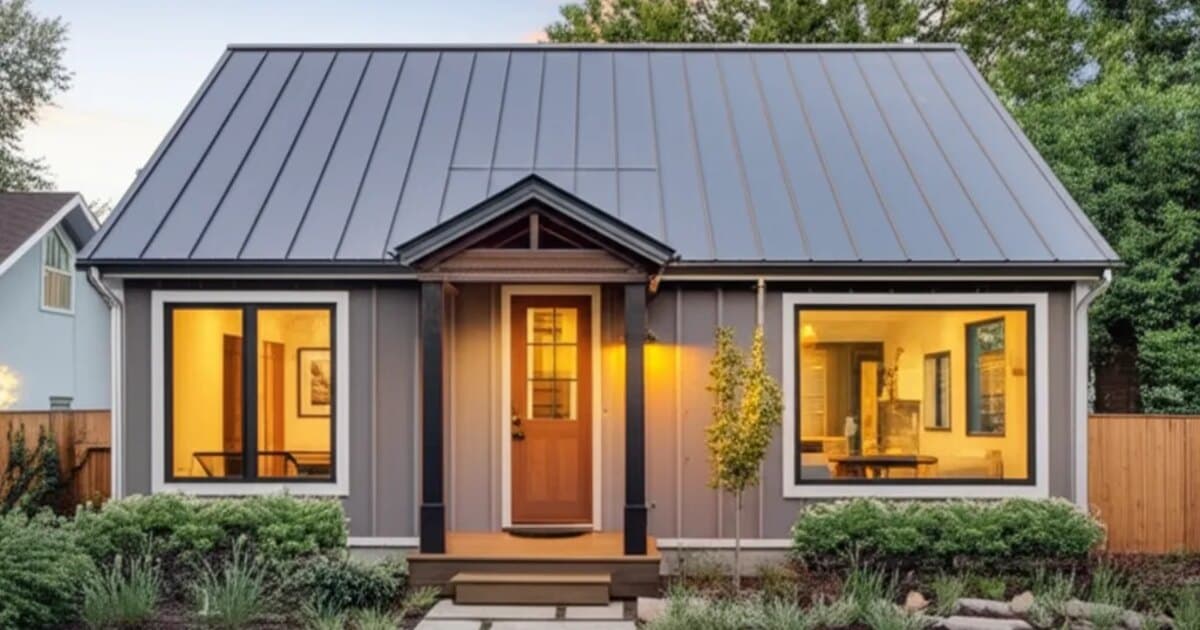
$5–$15 per sq ft installedThe ADU exterior should complement the main home. Options include matching the existing siding exactly, using a contrasting but compatible material, or using a modern material like board-and-batten or metal panel for a contemporary look.
Best for: Seamless property aesthetic

Boise has a semi-arid, four-season climate with hot, dry summers (90-105°F), cold winters (15-35°F), and low annual precipitation. This climate directly affects material choices, construction scheduling, and long-term durability of remodeling work.
Temperature Extremes (15°F to 105°F range)
Exterior materials must handle dramatic temperature swings. Windows need strong thermal performance. Interior comfort depends on insulation quality and HVAC sizing.
Low Humidity and Dry Air
Wood materials can dry, shrink, and crack. Hardwood floors may develop gaps in winter. Bathroom ventilation is still critical because bathrooms create localized high-humidity environments.
Freeze-Thaw Cycles
Exterior tile, concrete, and masonry must handle freezing and thawing without cracking. Foundation work has specific frost-depth requirements in the Boise area.
UV Exposure (300+ sunny days)
Exterior paint, siding, and stain fade faster under constant UV. South-facing and west-facing surfaces require UV-resistant materials and more frequent maintenance.
Construction Season
Foundation and exterior work is best scheduled March through November. Interior remodeling can happen year-round. Winter concrete pours require special cold-weather precautions.
In Boise, the combination of dry summers, cold winters, and variable humidity levels means that material selection should prioritize durability and climate resistance. We recommend choosing materials rated for the temperature extremes and moisture conditions typical of Ada County.
Material availability affects both timeline and cost. Standard materials are typically available within 1-2 weeks from local suppliers in Boise. Custom or specialty materials may have lead times of 4-14 weeks. We recommend selecting materials early in the design phase to avoid schedule delays.
Typical lead times
- ● Standard/stock materials: 1-2 weeks
- ● Semi-custom orders: 3-6 weeks
- ● Full custom/specialty items: 6-14 weeks
- ● Imported or artisan materials: 8-16+ weeks
Local factors — Boise's housing stock and typical construction eras, the climate conditions that drive material and scheduling choices, and permitting through City of Boise Planning and Development Services — are covered in full on our Boise page for this service, alongside 4 common project types.
ADU Construction in Boise: housing stock, climate & permits →Do ADUs require permits and planning approval?
Yes. ADU projects require building permits, plan review, and multiple inspections. In most Boise-area jurisdictions, ADUs also require zoning compliance review to confirm lot size, setbacks, and parking requirements are met. We handle the entire permitting process.
Do I need to live on the property to have an ADU?
No. Idaho's 2026 ADU law (Senate Bill 1354, Idaho Code § 67-6541, in force since July 1, 2026) prohibits every city over 10,000 residents from requiring owner-occupancy of either the primary home or the ADU, so you can live in one unit and rent the other, or rent both. Boise had already dropped its owner-occupancy rule in the 2023 Modern Zoning Code. Cities of 10,000 or fewer residents (such as Emmett, Fruitland, Payette, Homedale, Parma, or New Plymouth) still set their own rules, and lenders or HOA covenants that existed when you bought may have their own conditions — we confirm all of it during the feasibility review.
What are the most popular remodeling projects in Boise?
Kitchen remodels, primary bathroom remodels, ADU construction, and whole-home renovations of 1980s-1990s homes are the most common projects we complete in Boise. Open-concept kitchen conversions and walk-in shower installations are especially popular.
Planning ADU construction in Boise?
Get expert guidance and a free estimate for your adu construction project in Boise, ID.
Get Your Free Estimate