
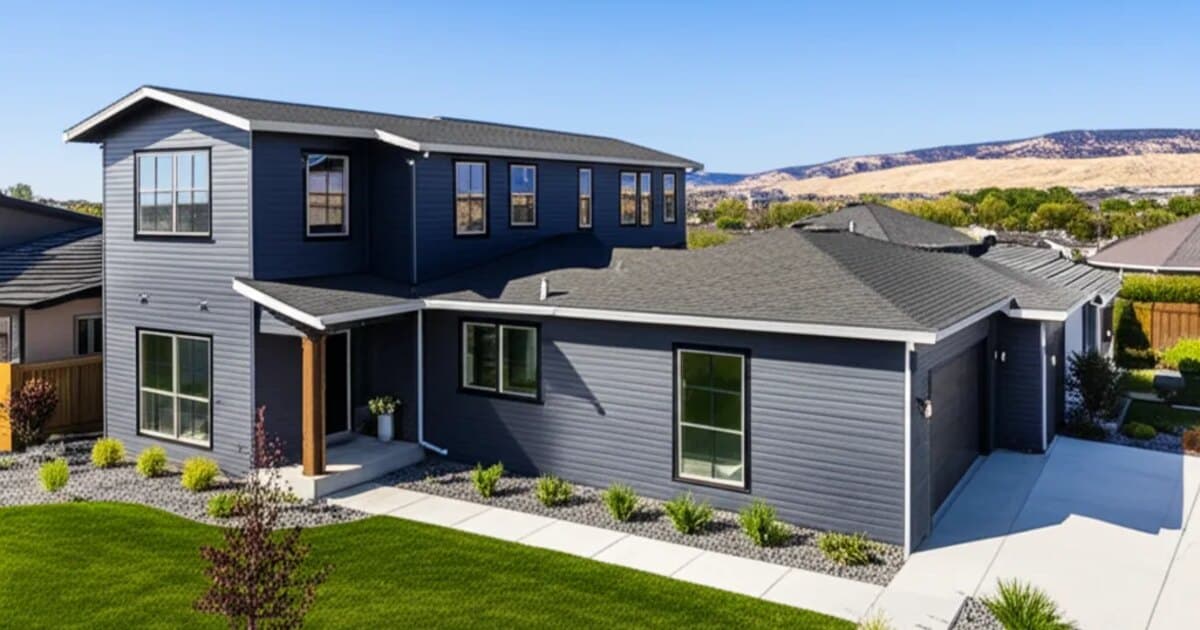
How Long Does Home Additions Take in Garden City?
Review the planning and construction timeline for home additions projects in Garden City.
Quick answer
Do home additions require permits? Yes. All home additions require building permits, plan review, and multiple inspections — foundation, framing, mechanical, electrical, plumbing, insulation, and final. We handle the entire permitting process.
Garden City, ID · Home Additions
Planning home additions in Garden City?
Read the full guide below — or get your project priced now. Free, no-obligation estimates from an Idaho registered local team, backed by a 1-year workmanship warranty.
- Licensed Idaho RCE-6681702
- 1-Year Workmanship Warranty
- $2M Liability Coverage
- Free, No-Obligation Estimates

How long each type of home additions project actually takes in Garden City, from our completed work:
| Project | On-site duration |
|---|---|
| Garden City Bungalow — Primary Suite Addition | 4–5 months |
| Live-Work-Create District — Work Space Addition or Reconfiguration | 4–6 months |
| Greenbelt Corridor — Adding Space to a Compact Footprint | 5–7 months |
| Garden City Core — Accessible Primary Suite for Aging Homeowners | 4–5 months |
Scope detail and pricing for each of these is on the Garden City home additions cost guide.
Understanding the timeline for home additions in Garden City helps you plan around daily life disruptions, coordinate schedules, and set realistic expectations for when the project will be complete. Every project is different, but most home additions projects in Garden City follow a predictable sequence of phases.
Design and Engineering
4–8 weeksArchitectural design, structural engineering, and plan preparation. This phase is longer than a remodel because additions require engineered plans.
Permitting and Plan Review
2–6 weeksBuilding department plan review, permit issuance, and any revisions. More complex additions may require multiple review cycles.
Foundation
1–3 weeksExcavation, forming, concrete pour, and curing. Weather conditions in Idaho can affect foundation scheduling, especially in winter months.
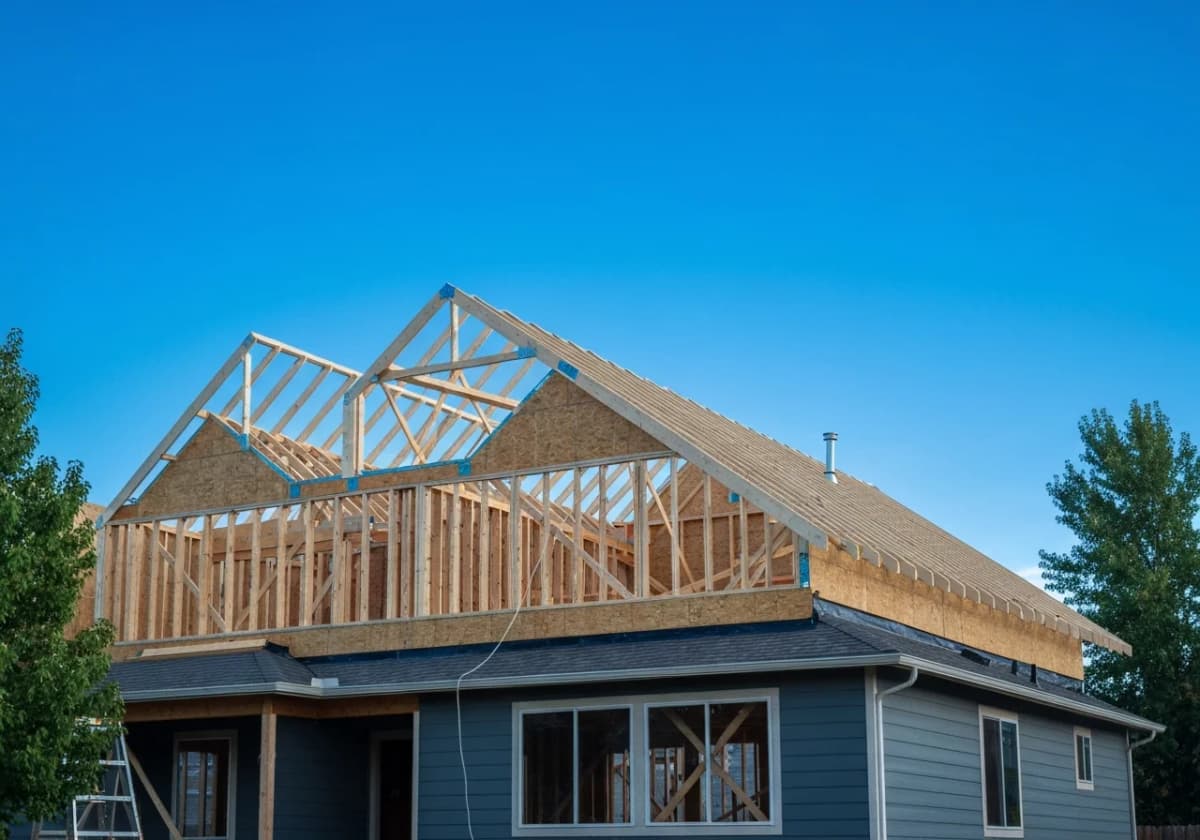
Framing and Roofing
2–4 weeksWall framing, roof structure, windows, and exterior sheathing. The addition begins to take shape during this phase.
Mechanical, Electrical, Plumbing, and Insulation
2–3 weeksAll mechanical rough-in, insulation, and inspection. This must be complete before drywall begins.
Interior and Exterior Finish
3–6 weeksDrywall, paint, flooring, trim, siding, fixtures, and final details. The connection between old and new is completed during this phase.
Here is the full step-by-step process for a home additions in Garden City, including what happens at each stage:
Step 1: Feasibility Assessment and Site Evaluation
We evaluate your lot size, setback requirements, existing foundation type, roof structure, utility connections, and zoning restrictions to determine what type and size of addition is possible on your property.
Step 2: Architectural Design and Engineering
We create detailed architectural plans including floor plans, elevations, structural engineering, roofline integration, and mechanical system connections. Plans must meet local building codes and zoning requirements.
Step 3: Permitting and Plan Review
Home additions require building permits, plan review, and multiple inspections. We submit plans to the local building department, respond to any review comments, and manage the approval process.
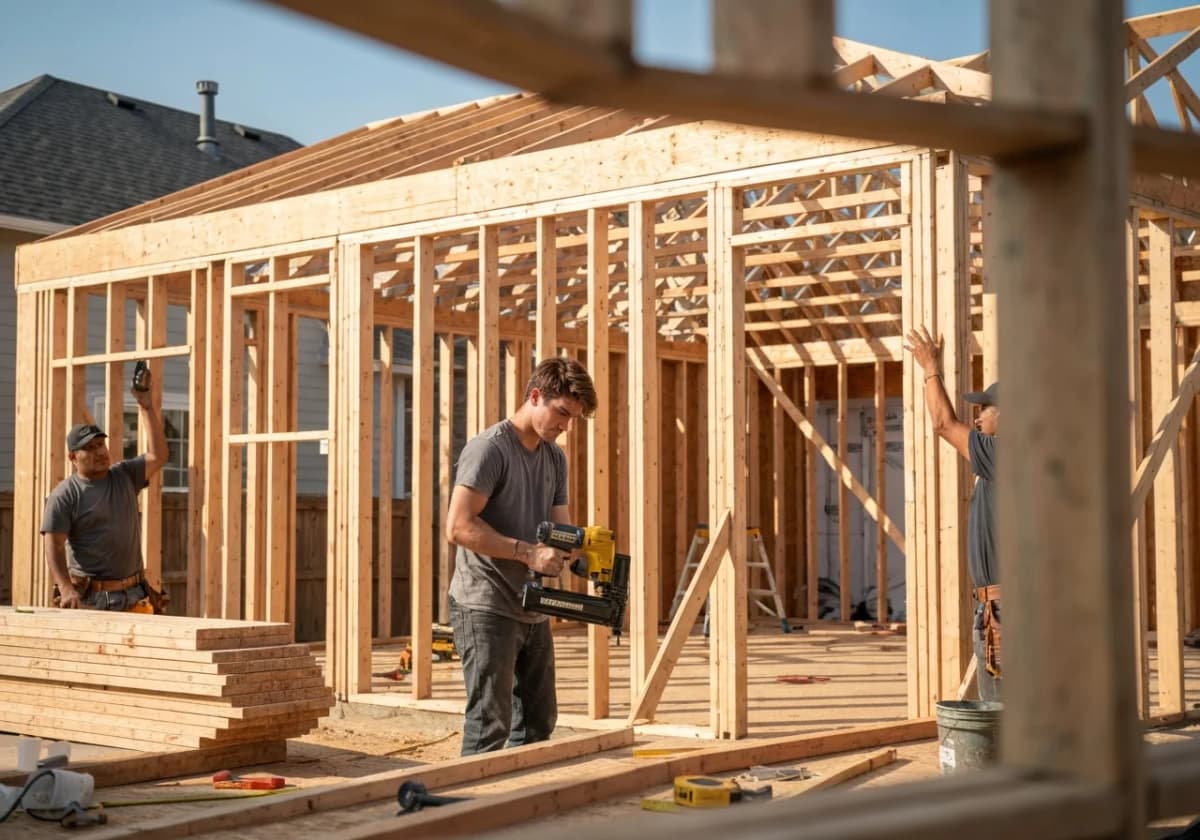
Step 4: Foundation and Framing
Excavation and foundation work (typically concrete stem wall or slab-on-grade in Idaho) is completed first. Once the foundation is inspected, framing begins — walls, roof structure, and connection to the existing home.
Step 5: Mechanical, Electrical, and Plumbing (MEP)
HVAC ductwork or mini-split installation, electrical wiring, plumbing rough-in (if the addition includes a bathroom or kitchenette), and insulation are completed before drywall.
Step 6: Exterior Finish and Roofing
Roofing, siding, windows, and exterior trim are installed and integrated with the existing home's exterior. We match materials, colors, and profiles so the addition looks seamless.
Step 7: Interior Finish and Final Details
Drywall, paint, flooring, trim, doors, fixtures, and all interior finish work is completed. The connection point between old and new is finished to be invisible. Final inspections are passed and a walkthrough is conducted.
Several factors specific to Garden City and the Treasure Valley can affect your home additions timeline:
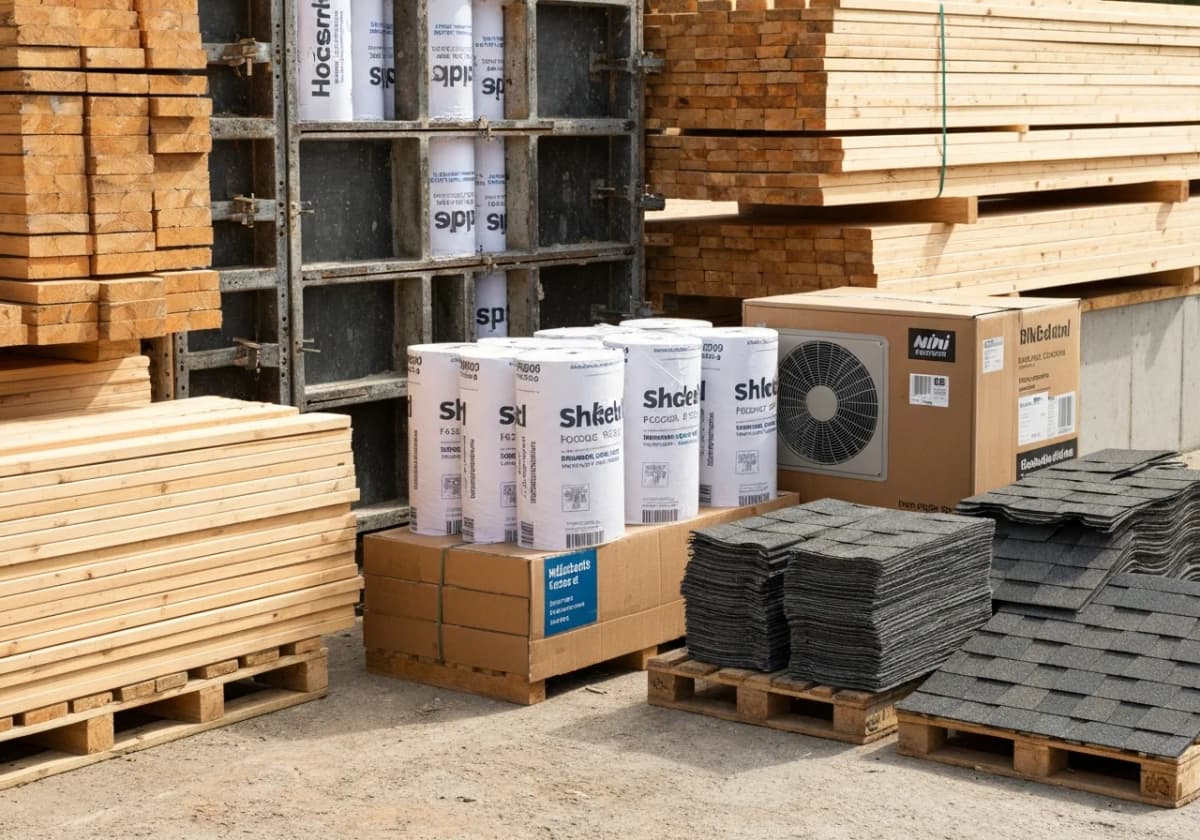
Material lead times
Custom materials, specialty items, and premium products can have lead times of 4-14 weeks. We order materials as early as possible in the design phase to minimize schedule impact.
Permit processing
City of Garden City Building Department typically processes residential permits in 1-3 weeks. More complex projects with structural changes may take longer. We submit permits immediately after design approval.
Seasonal factors
Garden City shares Boise's climate. River-adjacent properties may have slightly higher humidity near the waterway. Interior remodeling can happen year-round, but projects with exterior components are best scheduled during the building season (March through November).
Existing conditions
Garden City has a diverse and eclectic housing stock — from 1950s river cottages to modern townhomes. Properties tend to be smaller than other Treasure Valley cities, making space-efficient design a priority. Older homes may reveal unexpected conditions during demolition — water damage, outdated wiring, or structural issues — that add time to the schedule. We build contingency into every project timeline.
Decision-making speed
One of the most common causes of project delays is slow decision-making during the design and material selection phase. Having a clear vision and making timely selections keeps the project on track.
- ✓Complete all material selections before demolition begins — this is the single most important thing you can do
- ✓Make decisions promptly when options or changes are presented during construction
- ✓Avoid making changes to the scope after construction has started — change orders add time and cost
- ✓Plan for materials with long lead times early in the design process
- ✓Work with a contractor who manages the schedule proactively and communicates regularly
Local factors — Garden City's housing stock and typical construction eras, the climate conditions that drive material and scheduling choices, and permitting through City of Garden City Building Department — are covered in full on our Garden City page for this service, alongside 5 common project types.
Home Additions in Garden City: housing stock, climate & permits →Do home additions require permits?
Yes. All home additions require building permits, plan review, and multiple inspections — foundation, framing, mechanical, electrical, plumbing, insulation, and final. We handle the entire permitting process.
Can I add a second story to my single-story home?
It is possible, but requires a structural evaluation of the existing foundation and framing to confirm they can support the additional load. Second-story additions are more complex and costly than ground-level additions but preserve outdoor space.
Planning home additions in Garden City?
Get expert guidance and a free estimate for your home additions project in Garden City, ID.
Get Your Free Estimate