
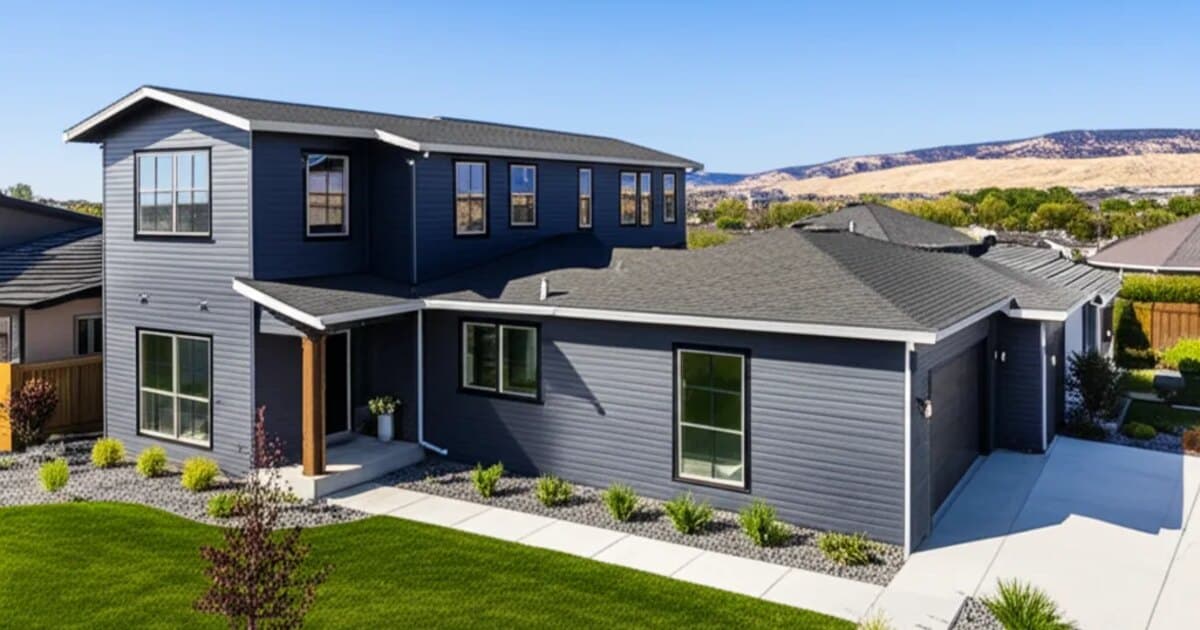
Best Materials for Home Additions in Garden City
Explore the most popular material options for home additions in Garden City, with pricing, durability, and style comparisons to help you choose.
Quick answer
A typical home addition takes 3 to 6 months from start of construction to completion. Including design, engineering, and permitting, the total project timeline is 5 to 9 months. Weather, permit timelines, and material availability all affect the schedule.
Garden City, ID · Home Additions
Planning home additions in Garden City?
Read the full guide below — or get your project priced now. Free, no-obligation estimates from an Idaho registered local team, backed by a 1-year workmanship warranty.
- Licensed Idaho RCE-6681702
- 1-Year Workmanship Warranty
- $2M Liability Coverage
- Free, No-Obligation Estimates
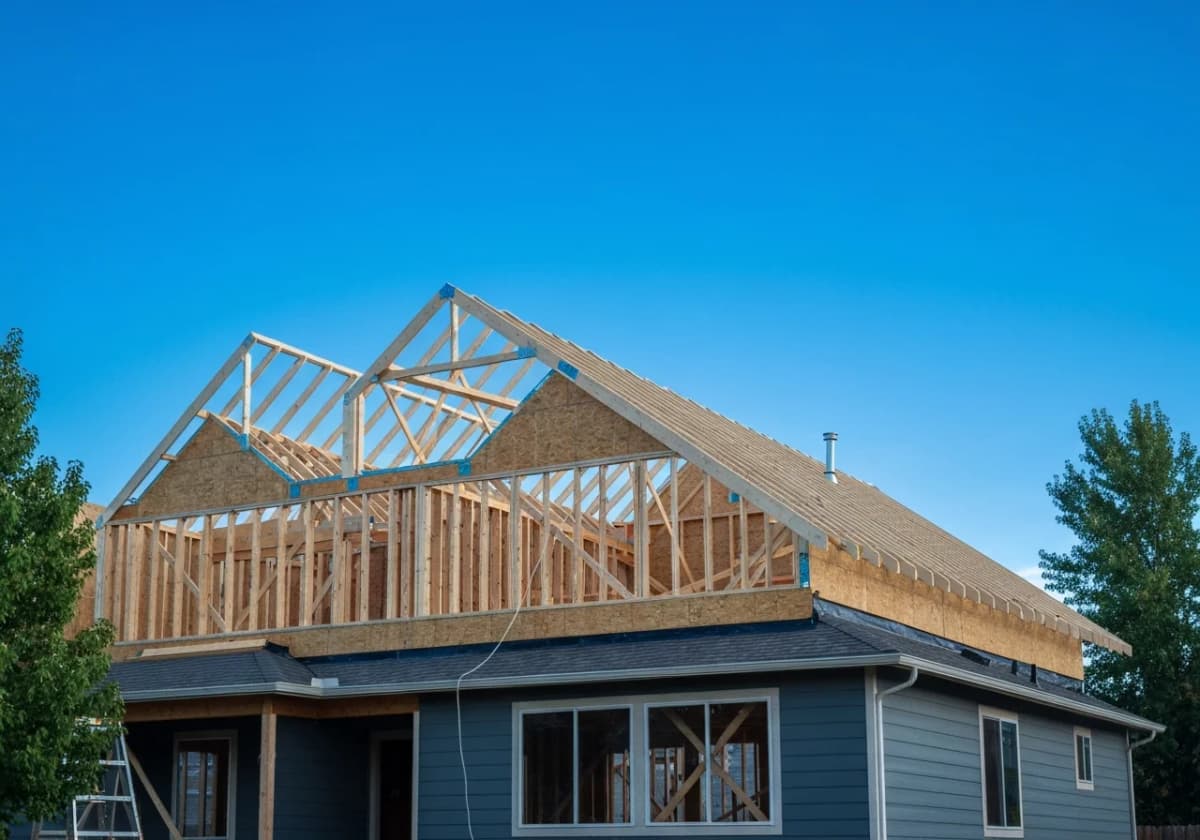
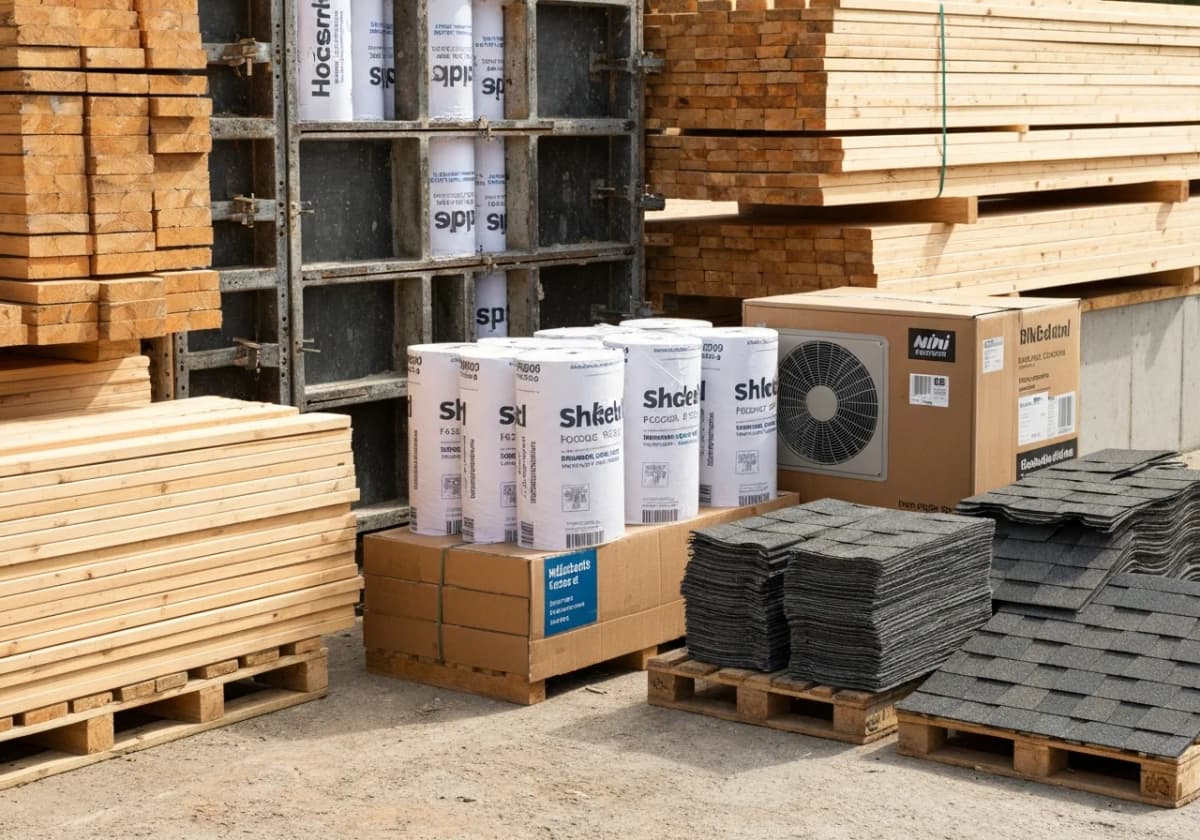
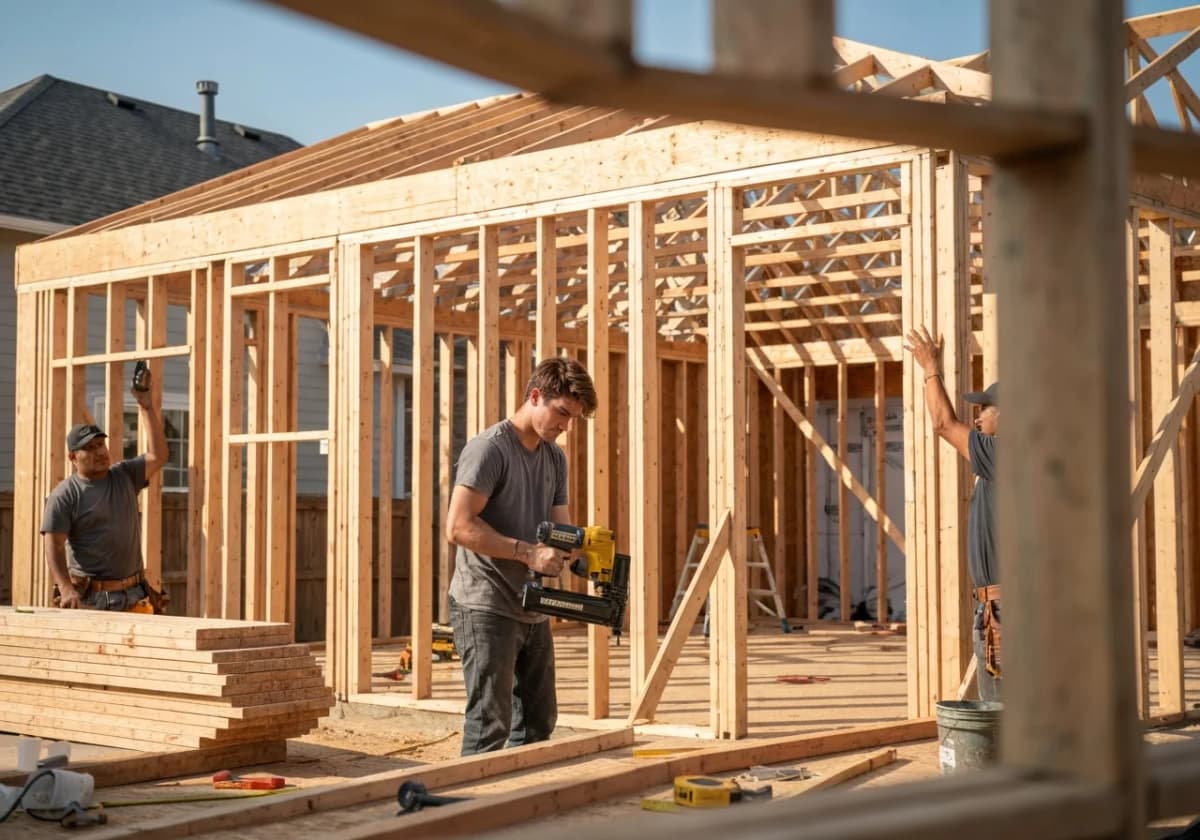

Garden City addition materials reflect the city's diverse architectural contexts and the design sophistication of its homeowner base. For Garden City Core bungalow additions, period-appropriate materials are the strongest choice: wood or fiber cement lap siding in a profile that references the original home's cladding, traditional window proportions and profiles, and roofing materials that complement the original. These choices honor the home's character and contribute positively to the neighborhood's visual quality. For Live-Work-Create District additions, the material vocabulary is wider and more individual. Industrial-aesthetic materials — corrugated metal panels, board-formed concrete details, large industrial windows — are architecturally appropriate in this context and reflect the creative character of the district. These are materials that would be out of place in a Meridian or Eagle addition but that are exactly right in a Garden City live-work context. For Greenbelt Corridor vertical additions, contemporary architectural materials — metal panel cladding, large glass areas, clean-line rooflines — complement the newer residential character of the corridor and add a design sophistication appropriate to the Greenbelt's premium address. Structural materials for all Garden City additions must meet Ada County's engineering requirements: 24-inch frost depth for new foundations, engineered lumber for structural beams and headers, and energy code compliance for insulation and windows.
Choosing the right materials is one of the most important decisions in any home additions project. The materials you select affect the look, durability, maintenance requirements, and overall cost of the finished project. Here is a detailed look at the most popular material options for home additions in Garden City and the Treasure Valley.
These are the most commonly used materials for home additions projects in Garden City. Each has different characteristics that affect cost, durability, and style:
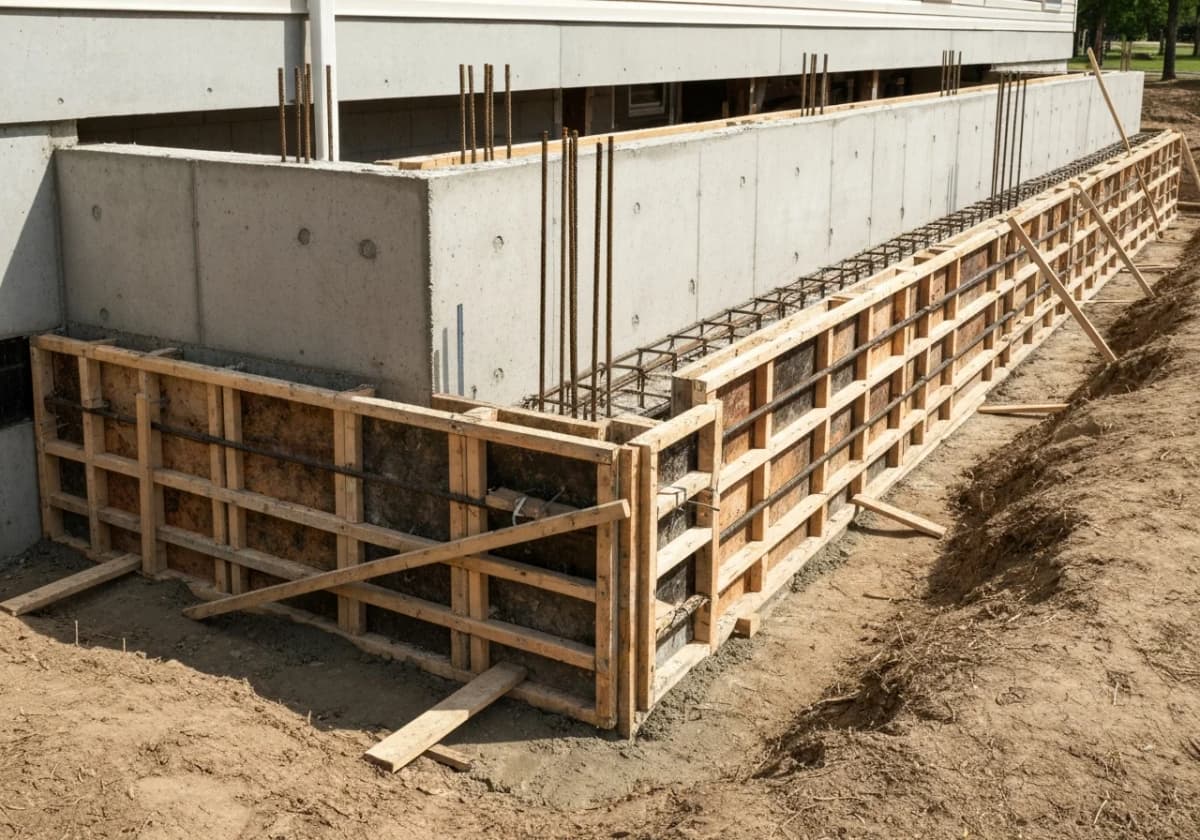
Concrete Foundation (Stem Wall or Slab)
$8,000–$25,000 depending on sizeMost Idaho home additions use a concrete stem wall foundation with a crawl space, matching the existing home's foundation type. Slab-on-grade is used in some applications. The foundation must be engineered to match soil conditions and frost depth requirements.
Best for: All home additions in Idaho
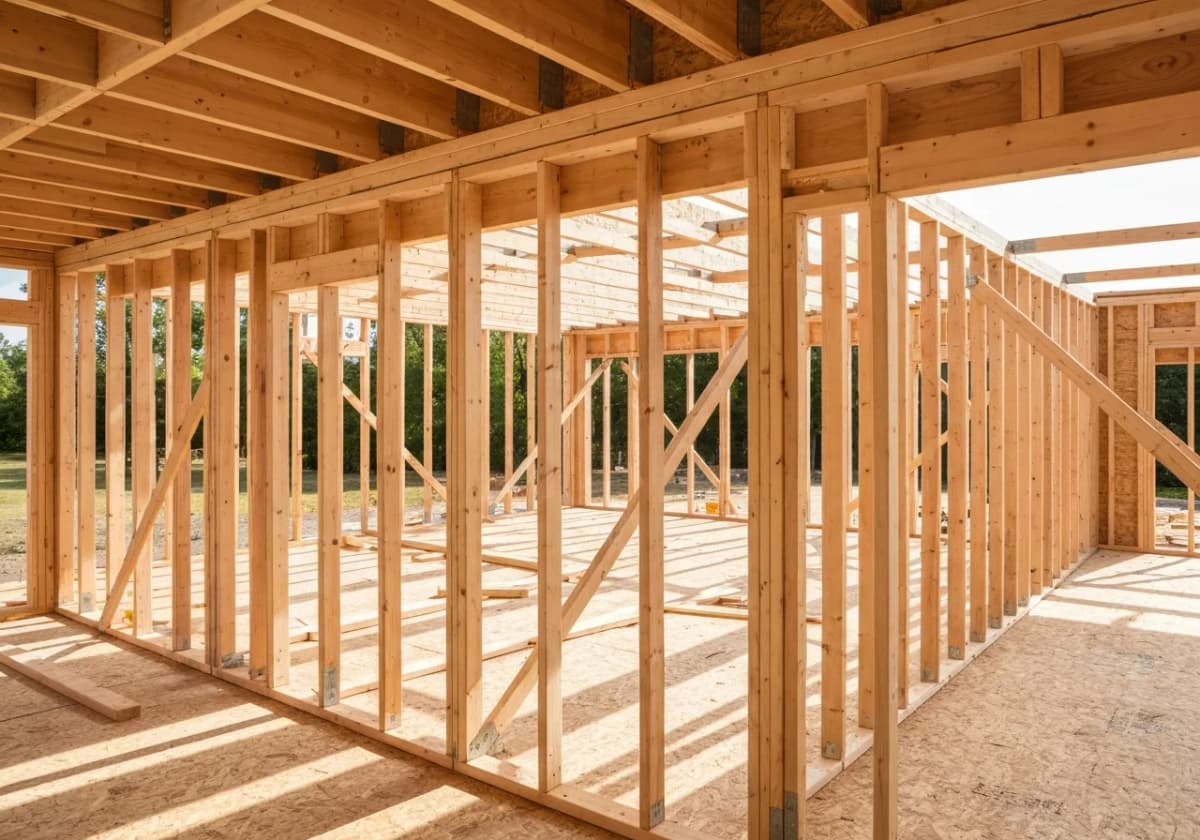
Dimensional Lumber Framing
$15–$25 per sq ft framedStandard 2x4 or 2x6 wood framing for walls, with engineered trusses or rafters for the roof. The framing system must integrate with the existing home's structure at the connection point.
Best for: Standard room additions and second stories
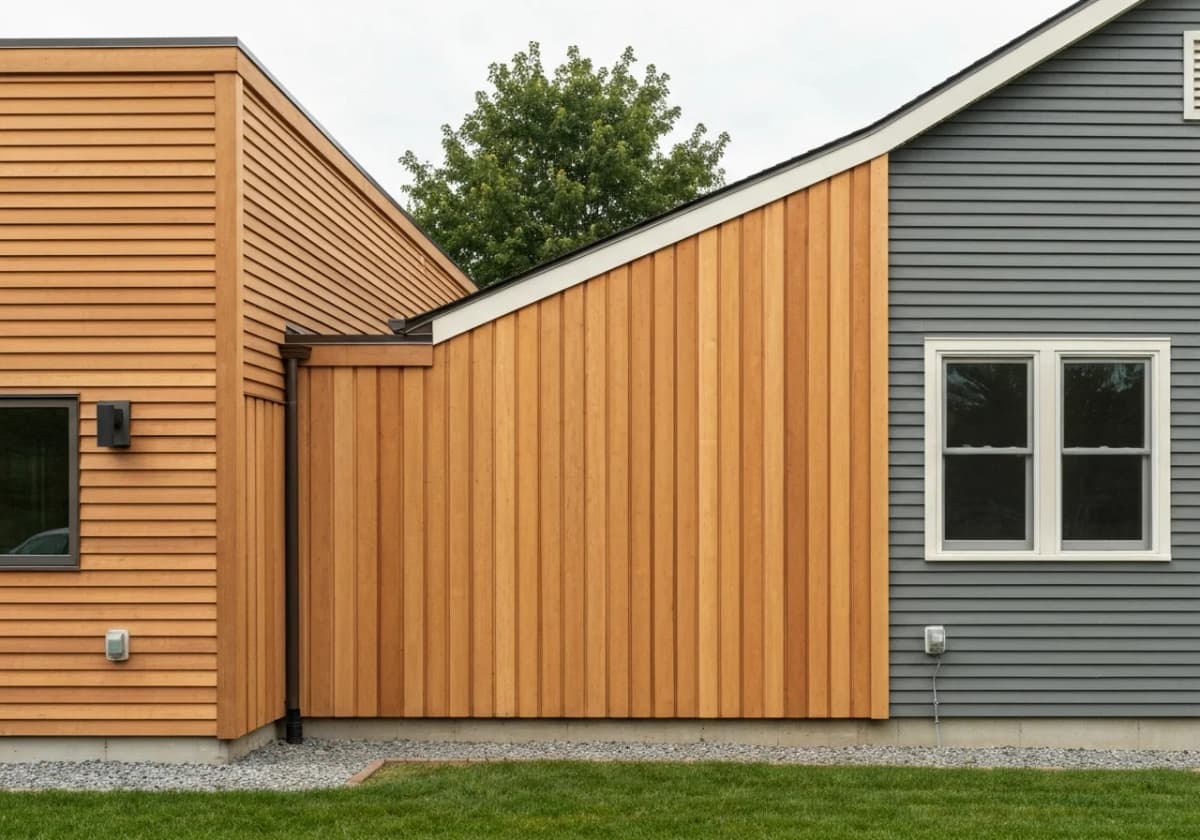
Matching Exterior Siding
$5–$15 per sq ft installedThe addition's exterior must match the existing home. This may involve ordering the same siding profile, doing a partial re-side to blend old and new, or selecting a complementary material for a planned contrast.
Best for: Seamless visual integration
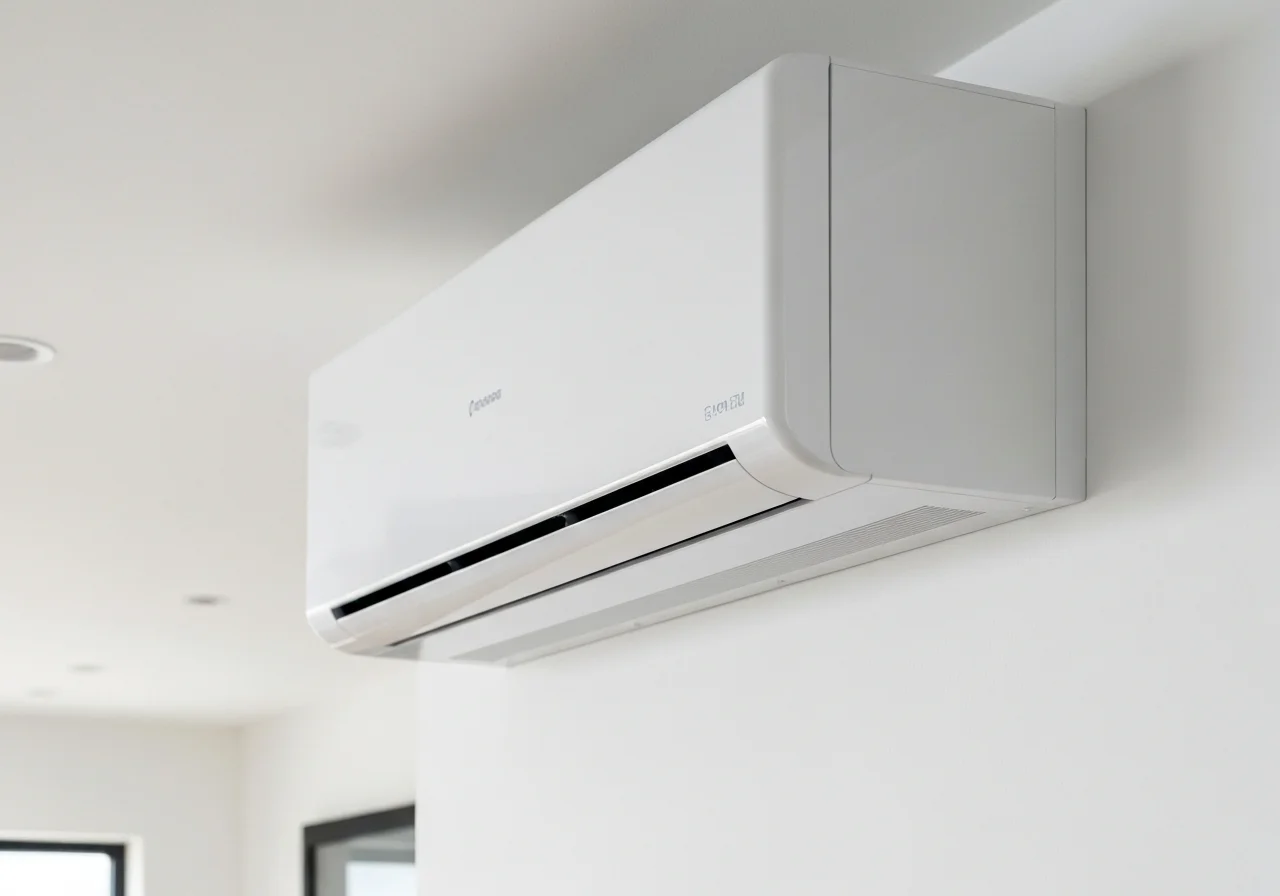
Mini-Split HVAC System
$3,000–$6,000 per zone installedA ductless mini-split system is often the most practical way to heat and cool an addition without extending the existing HVAC system. Mini-splits are efficient, quiet, and provide independent temperature control for the new space.
Best for: Additions where extending existing ductwork is impractical
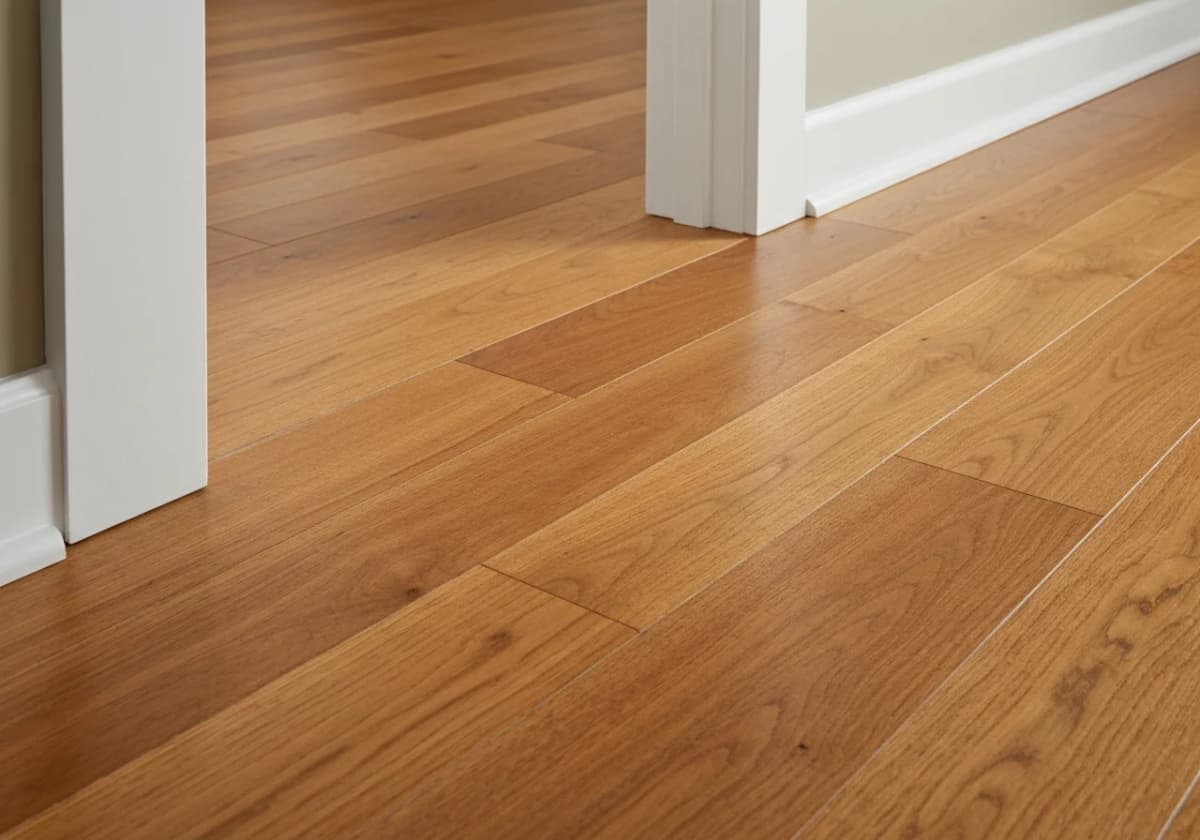
Engineered Hardwood or LVP Flooring
$5–$15 per sq ft installedFlooring in the addition should match or complement existing home flooring. Engineered hardwood can match existing real hardwood. LVP is durable, waterproof, and available in realistic wood looks.
Best for: Matching existing home flooring
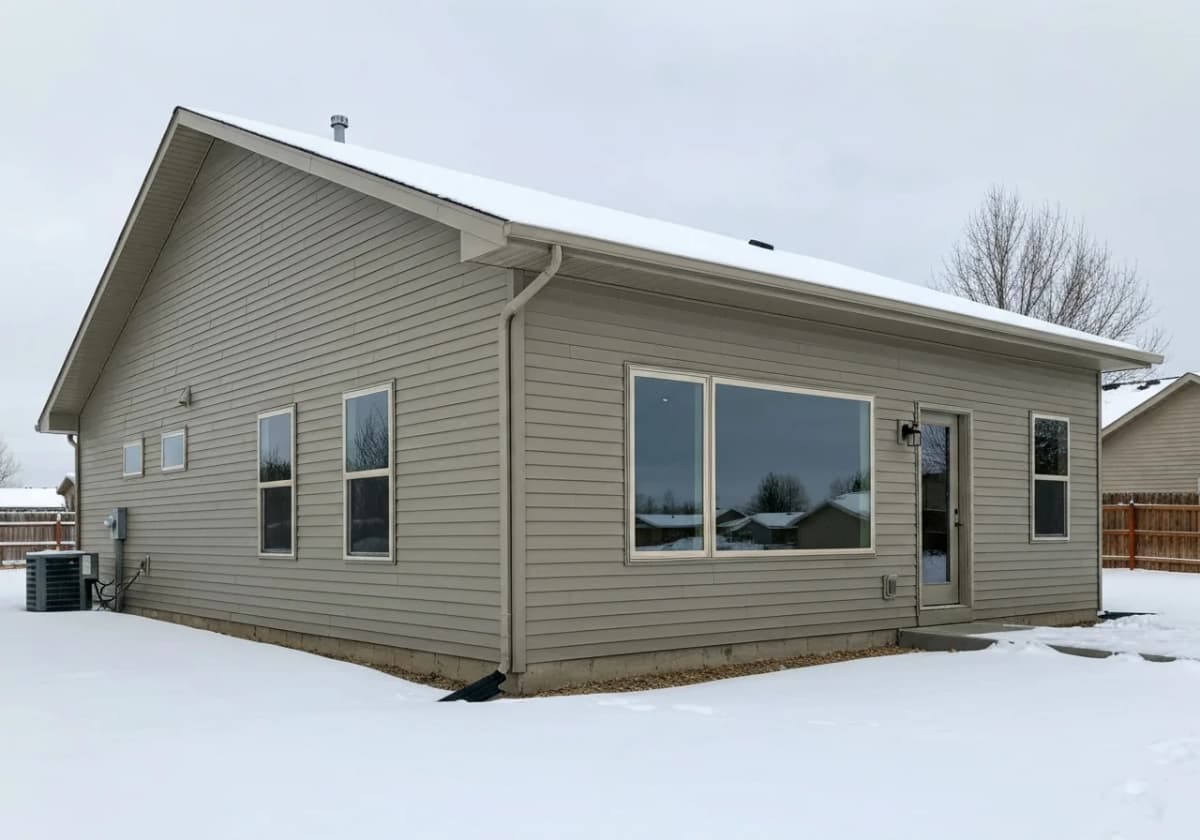
Garden City shares Boise's climate. River-adjacent properties may have slightly higher humidity near the waterway.
River Proximity
Properties near the Boise River may have higher moisture levels affecting foundations and exterior materials.
Urban Heat
Being surrounded by Boise means slightly warmer summer temperatures in developed areas.
In Garden City, the combination of dry summers, cold winters, and variable humidity levels means that material selection should prioritize durability and climate resistance. We recommend choosing materials rated for the temperature extremes and moisture conditions typical of Ada County.
Material availability affects both timeline and cost. Standard materials are typically available within 1-2 weeks from local suppliers in Garden City. Custom or specialty materials may have lead times of 4-14 weeks. We recommend selecting materials early in the design phase to avoid schedule delays.
Typical lead times
- ● Standard/stock materials: 1-2 weeks
- ● Semi-custom orders: 3-6 weeks
- ● Full custom/specialty items: 6-14 weeks
- ● Imported or artisan materials: 8-16+ weeks
Local factors — Garden City's housing stock and typical construction eras, the climate conditions that drive material and scheduling choices, and permitting through City of Garden City Building Department — are covered in full on our Garden City page for this service, alongside 5 common project types.
Home Additions in Garden City: housing stock, climate & permits →How long does a home addition take to build?
A typical home addition takes 3 to 6 months from start of construction to completion. Including design, engineering, and permitting, the total project timeline is 5 to 9 months. Weather, permit timelines, and material availability all affect the schedule.
Do I need to move out during construction?
Most homeowners stay in the home during an addition project. The construction area is sealed from the living space with dust barriers. Temporary disruptions to utilities are typically brief and scheduled in advance.
Planning home additions in Garden City?
Get expert guidance and a free estimate for your home additions project in Garden City, ID.
Get Your Free Estimate