
Best Materials for Flooring Installation in Garden City
Explore the most popular material options for flooring installation in Garden City, with pricing, durability, and style comparisons to help you choose.
Quick answer
LVP is more practical — it is waterproof, scratch-resistant, more affordable, and easier to maintain. Hardwood offers a warmer, more premium feel and can be refinished multiple times. Many homeowners use LVP in high-traffic and wet areas and hardwood in formal living spaces.
Garden City, ID · Flooring Installation
Planning flooring installation in Garden City?
Read the full guide below — or get your project priced now. Free, no-obligation estimates from an Idaho registered local team, backed by a 1-year workmanship warranty.
- Licensed Idaho RCE-6681702
- 1-Year Workmanship Warranty
- $2M Liability Coverage
- Free, No-Obligation Estimates
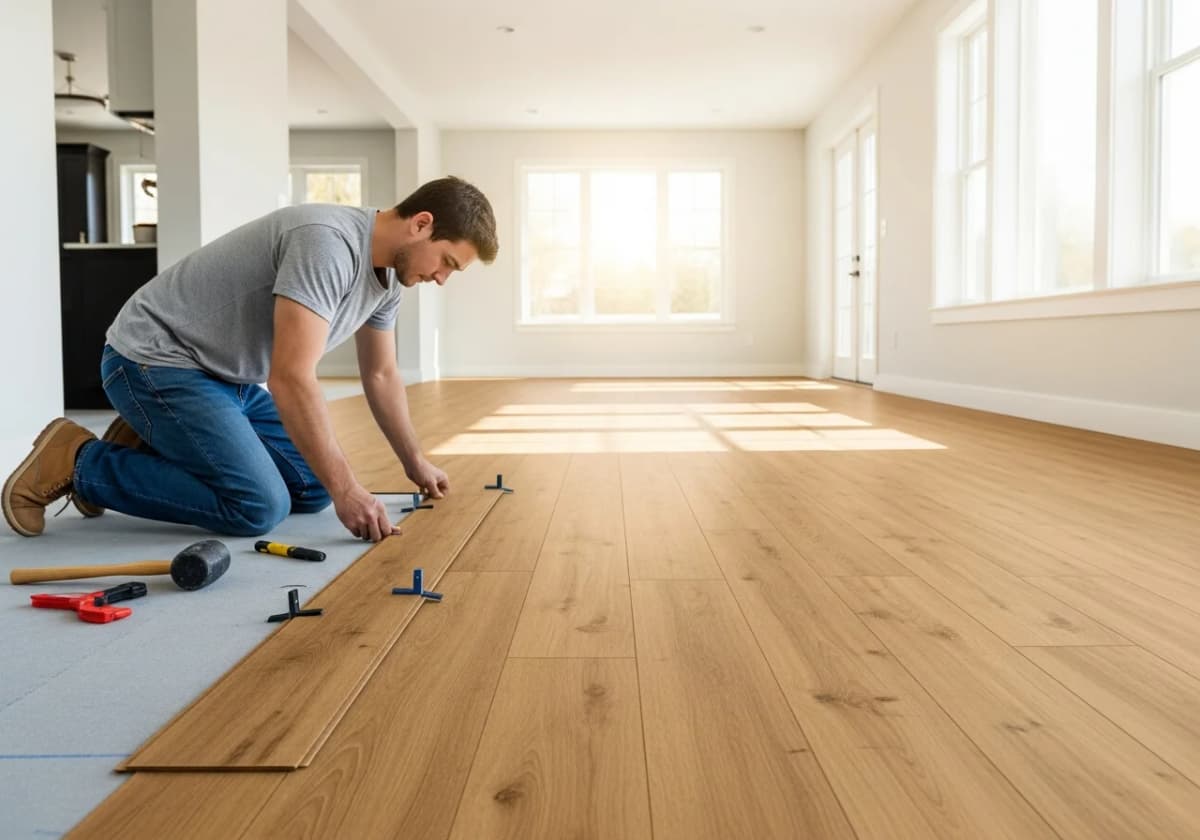


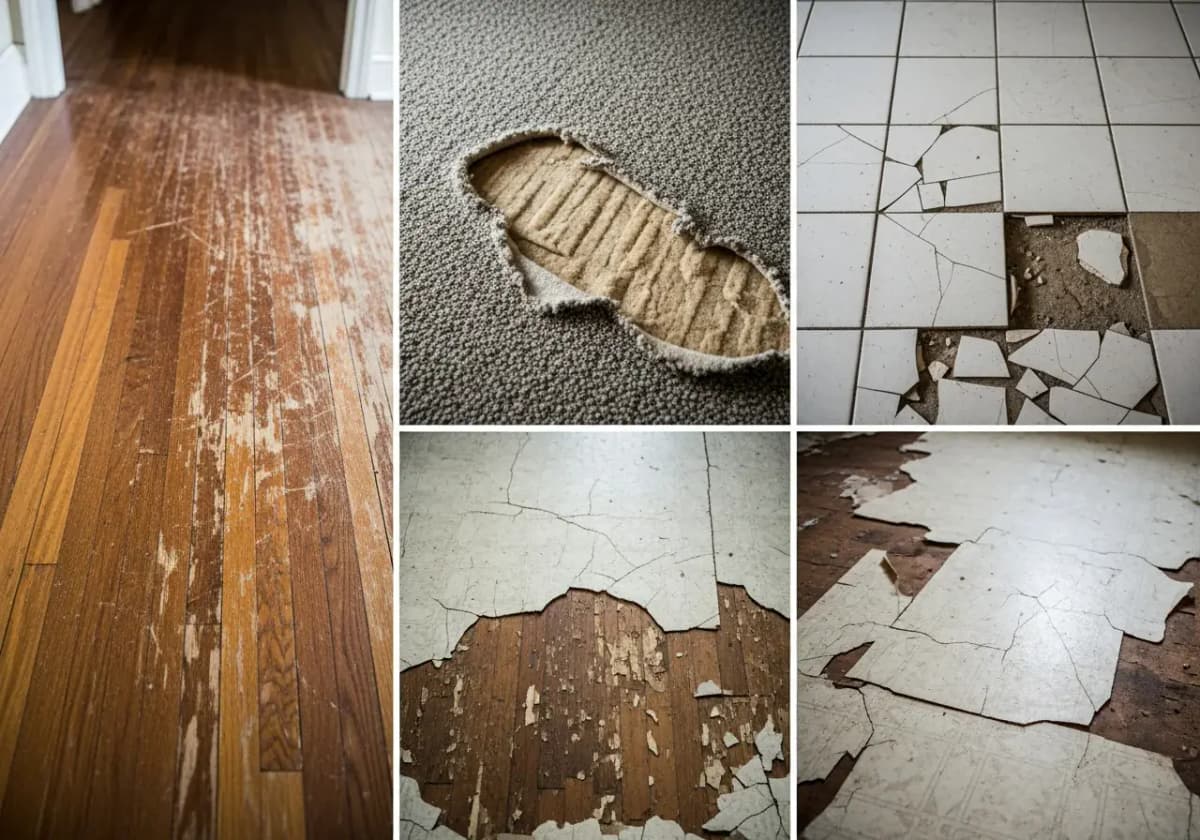
Flooring material selection in Garden City requires calibrating the choice to the specific home's architecture, the community's design culture, and the practical realities of the floor's use conditions. Luxury Vinyl Plank (LVP) in wide-plank formats is the most practical all-purpose flooring solution for Garden City's Greenbelt cottages and Core ranches where a wood-look floor is desired without the moisture sensitivity of real hardwood. Specifically, rigid core SPC (Stone Plastic Composite) LVP is the specification we recommend over traditional flexible LVP for Garden City applications because of its dimensional stability — SPC LVP handles the temperature fluctuations and the subtle humidity variation of river-adjacent properties without the expansion gaps and locking mechanism failures that flexible LVP occasionally produces in variable-humidity environments. Wear layer thickness is the most important quality specification: 12 mil or greater for active family homes, 20 mil for high-traffic areas and pet households. Width matters aesthetically — 6-to-9-inch planks read as contemporary and appropriate in Garden City's current design culture; 3-to-4-inch planks read as dated. Engineered Hardwood is the recommendation for Garden City homeowners who want real wood without the full dimensional stability demands of solid hardwood. The plywood core of engineered hardwood handles humidity variation better than solid hardwood while providing a real wood veneer that can be refinished once or twice over its service life. In Garden City's Greenbelt Corridor and Core neighborhoods, the warmth and authenticity of real wood — even in engineered form — is a design asset that homeowners respond to strongly. White oak and European oak are the most-specified species in current Garden City flooring projects; they complement the natural-materials aesthetic of the Greenbelt community and translate well in both cottage and contemporary applications. Original Hardwood Refinishing is always preferable to replacement when original floors are present in refinishable condition. Old-growth fir and oak strip flooring in Garden City's original cottages represents a wood quality that is simply not commercially available today — tighter grain, greater natural hardness, and more consistent character than farm-grown modern equivalents. Assessing original floors before any demolition proceeds is standard practice for every Garden City project in a pre-1975 property. Iron Crest uncovers a corner of original flooring to assess species, condition, and remaining floor thickness before any flooring decision is finalized. Large-Format Porcelain Tile for kitchens, baths, and entryways in Garden City should reflect the community's preference for matte, textured surfaces over polished or glossy finishes. Matte concrete-look and stone-look porcelain in 24x24 or larger formats is the dominant specification in current Garden City design-forward flooring projects. Polished porcelain shows every footprint, every watermark, and every piece of dust — it is visually demanding to maintain and reads as hotel-lobby rather than home in most residential contexts. Matte and textured surfaces are more forgiving, more appropriate for residential use, and more consistent with the design culture of Garden City's creative homeowner demographic. Concrete Floors for Live-Work lofts are an option we execute for clients who want the industrial authenticity of real concrete rather than concrete-look porcelain. Polished or mechanically densified concrete floors in live-work spaces provide a genuinely industrial aesthetic, are durable and low-maintenance when properly sealed, and are relatively cost-effective in large open areas where tile or hardwood installation would require significant material quantities. The limitations: concrete is not appropriate for spaces where warmth underfoot is a priority, requires professional sealing and periodic re-sealing, and shows crack propagation from the underlying slab over time. For clients who want the look without the limitations, large-format concrete-look porcelain gets very close to the aesthetic with significantly better residential performance characteristics.
Choosing the right materials is one of the most important decisions in any flooring installation project. The materials you select affect the look, durability, maintenance requirements, and overall cost of the finished project. Here is a detailed look at the most popular material options for flooring installation in Garden City and the Treasure Valley.
These are the most commonly used materials for flooring installation projects in Garden City. Each has different characteristics that affect cost, durability, and style:

Luxury Vinyl Plank (LVP)
$4–$10 per sq ft installedWaterproof, scratch-resistant, and available in hundreds of realistic wood and stone patterns. Modern LVP features rigid core construction, attached underlayment, and click-lock installation. The most popular flooring choice in the Treasure Valley.
Best for: Whole-home installations, kitchens, bathrooms, basements, and high-traffic areas

Engineered Hardwood
$8–$16 per sq ft installedReal wood veneer over a plywood or HDF core provides authentic hardwood appearance with better dimensional stability than solid hardwood. Available in oak, hickory, walnut, and maple with prefinished or site-finished options.
Best for: Living rooms, dining rooms, bedrooms, and hallways

Solid Hardwood
$10–$20 per sq ft installedTraditional solid wood planks (typically 3/4 inch thick) that can be sanded and refinished multiple times over their lifespan. Oak, hickory, and maple are the most popular species in the Boise market.
Best for: Main living areas in homes with controlled humidity and on-grade or above-grade subfloors

Porcelain Floor Tile
$8–$20 per sq ft installedDense, water-resistant tile available in wood-look, stone-look, and modern geometric patterns. Large-format tiles (12x24 and larger) create a seamless, contemporary look with fewer grout lines.
Best for: Bathrooms, entryways, kitchens, and laundry rooms

Laminate Flooring
$3–$7 per sq ft installedA budget-friendly floating floor with a photographic wear layer over an HDF core. Modern laminate offers improved scratch resistance, realistic patterns, and easy click-lock installation.
Best for: Budget-conscious projects, rental properties, and bedrooms

Garden City shares Boise's climate. River-adjacent properties may have slightly higher humidity near the waterway.
River Proximity
Properties near the Boise River may have higher moisture levels affecting foundations and exterior materials.
Urban Heat
Being surrounded by Boise means slightly warmer summer temperatures in developed areas.
In Garden City, the combination of dry summers, cold winters, and variable humidity levels means that material selection should prioritize durability and climate resistance. We recommend choosing materials rated for the temperature extremes and moisture conditions typical of Ada County.
Material availability affects both timeline and cost. Standard materials are typically available within 1-2 weeks from local suppliers in Garden City. Custom or specialty materials may have lead times of 4-14 weeks. We recommend selecting materials early in the design phase to avoid schedule delays.
Typical lead times
- ● Standard/stock materials: 1-2 weeks
- ● Semi-custom orders: 3-6 weeks
- ● Full custom/specialty items: 6-14 weeks
- ● Imported or artisan materials: 8-16+ weeks
Local factors — Garden City's housing stock and typical construction eras, the climate conditions that drive material and scheduling choices, and permitting through City of Garden City Building Department — are covered in full on our Garden City page for this service, alongside 5 common project types.
Flooring Installation in Garden City: housing stock, climate & permits →Is LVP or hardwood better?
LVP is more practical — it is waterproof, scratch-resistant, more affordable, and easier to maintain. Hardwood offers a warmer, more premium feel and can be refinished multiple times. Many homeowners use LVP in high-traffic and wet areas and hardwood in formal living spaces.
How do you handle transitions between different flooring types?
We use manufacturer-matched transition strips — T-moldings, reducers, and thresholds — to create clean, level connections between different flooring materials. Proper transitions are both functional (no tripping hazards) and aesthetic (clean visual lines).
Planning flooring installation in Garden City?
Get expert guidance and a free estimate for your flooring installation project in Garden City, ID.
Get Your Free Estimate