
Flooring Installation Design Ideas for Garden City
Get inspired with flooring installation design ideas tailored to Garden City homes, from trending styles to practical layout considerations.
Quick answer
Garden City's flooring market differs from the rest of the Treasure Valley in the design expectations of its homeowner population and the specific material considerations that river-adjacent living creates. The design expectation differential is the most significant difference.
Garden City, ID · Flooring Installation
Planning flooring installation in Garden City?
Read the full guide below — or get your project priced now. Free, no-obligation estimates from an Idaho registered local team, backed by a 1-year workmanship warranty.
- Licensed Idaho RCE-6681702
- 1-Year Workmanship Warranty
- $2M Liability Coverage
- Free, No-Obligation Estimates


Garden City's flooring market differs from the rest of the Treasure Valley in the design expectations of its homeowner population and the specific material considerations that river-adjacent living creates. The design expectation differential is the most significant difference. In most Treasure Valley markets, flooring replacement is primarily a practical decision — the old floor needs to go, and the replacement should be attractive, durable, and competitively priced. In Garden City, flooring replacement is a design decision that the homeowner has typically thought about carefully, that reflects the community's design culture, and that needs to honor the specific architectural character of the home. The extra step of design discovery — understanding not just the homeowner's preferences but the home's architecture and the community's design context — is not optional in Garden City; it's what distinguishes a flooring installation that elevates the home from one that merely replaces what was there. The original floor discovery opportunity is a Garden City-specific asset. No other Treasure Valley market concentrates as many pre-1970 homes in a small area where original hardwood, original terrazzo, and original tile floors are present under subsequent flooring layers. The process of uncovering these original floors — assessing their condition, refinishing or restoring what's worth preserving — is more likely to produce a superior result than any replacement material at the same cost. This opportunity only exists in markets with sufficient housing vintage to have produced original floors of genuine quality, and Garden City's Greenbelt Corridor is one of the best such markets in the Treasure Valley. The river humidity environment creates material performance considerations that don't apply with the same force in drier Ada County communities. Subfloor moisture management, dimensional stability under humidity variation, and proper installation conditions are more important in Greenbelt Corridor flooring projects than in dryland Treasure Valley applications — and getting these details right is the difference between a flooring installation that performs as specified and one that develops performance failures within the warranty period.
Greenbelt Corridor / River Properties
Greenbelt Corridor flooring decisions are shaped by three converging considerations: the presence of original hardwood floors that may be the most valuable flooring asset available to the homeowner, the river-adjacent humidity environment that affects material performance, and the design aesthetic of a community that values warmth, authenticity, and connection to the natural environment. The original hardwood assessment is the first priority in every Greenbelt cottage flooring project. We lift a corner of carpet or vinyl in each room to evaluate what's underneath before any flooring decision is made. The discovery of original hardwood in refinishable condition changes the project entirely — rather than a replacement cost, the homeowner is looking at refinishing at $2.75 to $4.75 per square foot against the per-square-foot figures for new flooring above, and a more authentic result. When original hardwood is not present, or when its condition precludes refinishing, wide-plank LVP in warm wood tones is the specification that best honors the cottage's natural-materials aesthetic. The river humidity environment affects flooring material selection in specific ways. Solid hardwood is inadvisable in rooms that experience the elevated humidity of spring runoff periods — solid hardwood expands across its width with humidity increase, and in a cottage room with inadequate perimeter gaps (common in original installation) this expansion can produce buckling. Engineered hardwood and quality LVP handle humidity variation with significantly less dimensional response and are appropriate for all Greenbelt Corridor applications. Subfloor moisture assessment is a standard part of every Greenbelt Corridor flooring project — we test substrate moisture content before any flooring is installed to ensure installation conditions are within the manufacturer's acceptable range.
Live-Work-Create District
Live-Work-Create District flooring decisions are the most consequential in Garden City's residential market because the floor surface in a large open-plan space dominates the interior visual experience in a way that no other single finish element does. The floor is visible from every point in the space simultaneously, its scale determines the visual weight of the material choice, and its color and texture set the baseline for every other design element in the room. The most common flooring decision in live-work projects is between wide-plank hardwood and large-format porcelain, and the right answer depends on two factors: how the space is used and what the owner's aesthetic priority is. Wide-plank hardwood is warm, acoustically absorptive (reducing the echo and reverberation common in large open spaces), and visually connected to natural materials — it is the specification for live-work owners who want the space to feel residential despite its scale. Large-format porcelain tile in concrete or stone look is more practical for spaces where water or work materials contact the floor — a pottery studio, a photography studio with regular washdowns — and reads as more industrial and more architectural. The installation quality standard for Live-Work-Create District flooring is visually unforgiving because the large open floor plan makes every installation detail visible. Hardwood floor installation that is even slightly out of square is immediately apparent across a 2,000-square-foot open floor. Tile installation with even minor lippage variation stands out in a space where the floor is the primary visual experience. Iron Crest's flooring installation team is experienced in the open-plan installation context and works to standards that reflect the visibility demands of these spaces.
Garden City Core
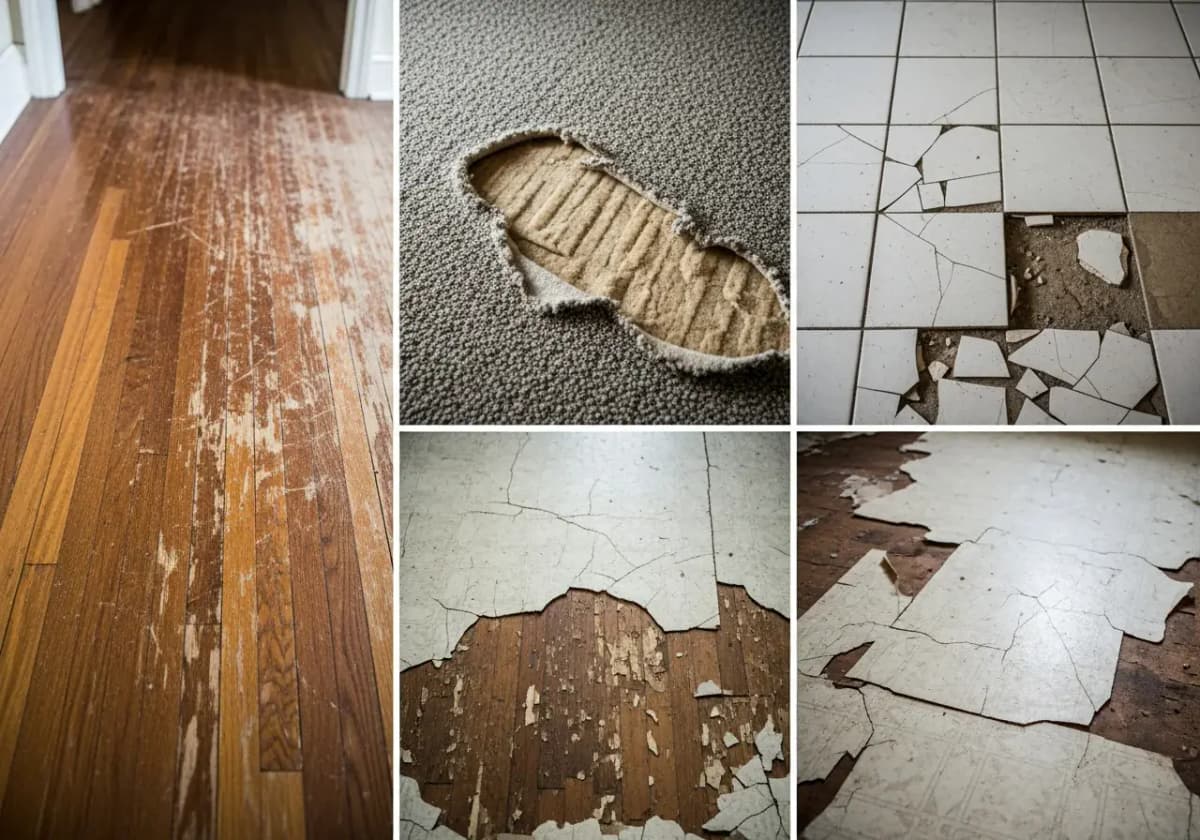
Garden City Core flooring projects are typically motivated by the practical failure of original or replacement flooring — worn carpet beyond cleaning, laminate that has seen better years, original vinyl that is peeling at seams — combined with the design opportunity to replace it with something that better reflects the homeowner's sensibility and the home's mid-century architecture. The most rewarding Core flooring discoveries are original terrazzo floors in kitchens and entryways — installed in Garden City Core homes through the 1950s and 1960s — and original hardwood in main living areas. Terrazzo restoration is a specialized process involving diamond grinding, crack repair, and polishing to restore the original aggregate surface; when present in reasonable condition, terrazzo is worth restoring because the original material is genuinely beautiful and the current design trend strongly favors terrazzo aesthetics. When original floors are not present or not restorable, wide-plank LVP in a warm wood tone is the replacement specification that best serves the mid-century ranch's proportions and design direction. Core homeowners tend to have a mix of motivation that combines genuine practical need (the carpet really does need to go) with design aspiration (I want the house to look better and feel more like mine). Meeting both motivations with a single project — selecting a flooring material that is both practically superior to what it replaces and aesthetically appropriate to the home and the homeowner — is the Core flooring project brief at its best.

The design phase is where your flooring installation goes from a general idea to a specific plan. Good design balances aesthetics, functionality, budget, and the unique characteristics of your home and neighborhood in Garden City. Here are the most popular design approaches and trends we see in Garden City and the surrounding Treasure Valley.
Garden City homeowners tend to favor designs that blend modern functionality with the regional character of Idaho homes. Here are the most requested design elements:
These design factors are specific to flooring installation projects and affect both the look and function of the finished space:
Plank direction — running planks toward the main light source or along the longest dimension of the room creates the most visually appealing result
Color and tone — lighter flooring makes rooms feel larger and more open; darker flooring adds warmth and formality but shows dust and scratches more
Consistency vs. variation — using the same flooring throughout main living areas creates a seamless, spacious feel; transitioning to tile in wet areas and carpet in bedrooms is also common
Wide plank vs. narrow plank — wider planks (7 inches and above) create a modern, high-end look with fewer seams; narrow planks are more traditional
Texture and finish — smooth finishes show scratches more easily; wire-brushed and hand-scraped textures hide wear and add character
Waterproof requirements — kitchens, bathrooms, laundry rooms, basements, and entryways benefit from waterproof flooring like LVP or tile
The materials and finishes you choose bring your design to life. Here are the options most commonly selected for flooring installation projects in Garden City:
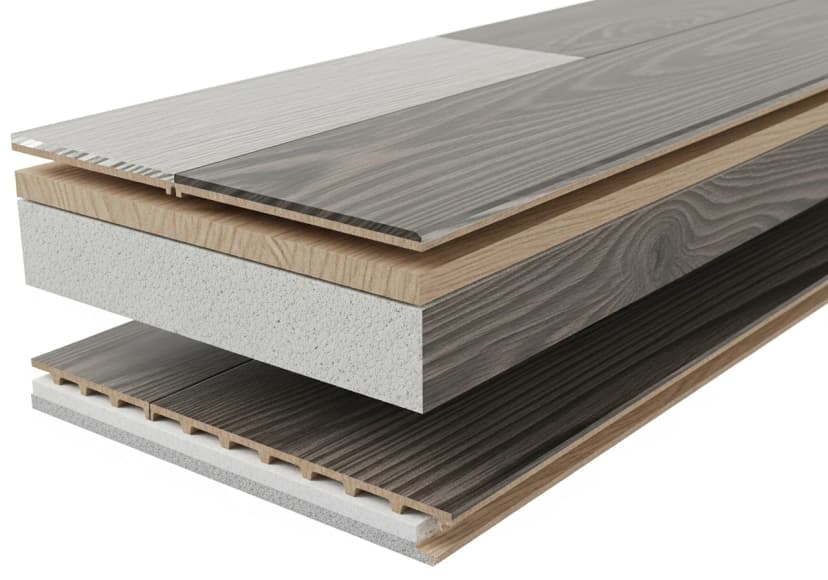
Luxury Vinyl Plank (LVP)
$4–$10 per sq ft installedWhole-home installations, kitchens, bathrooms, basements, and high-traffic areas
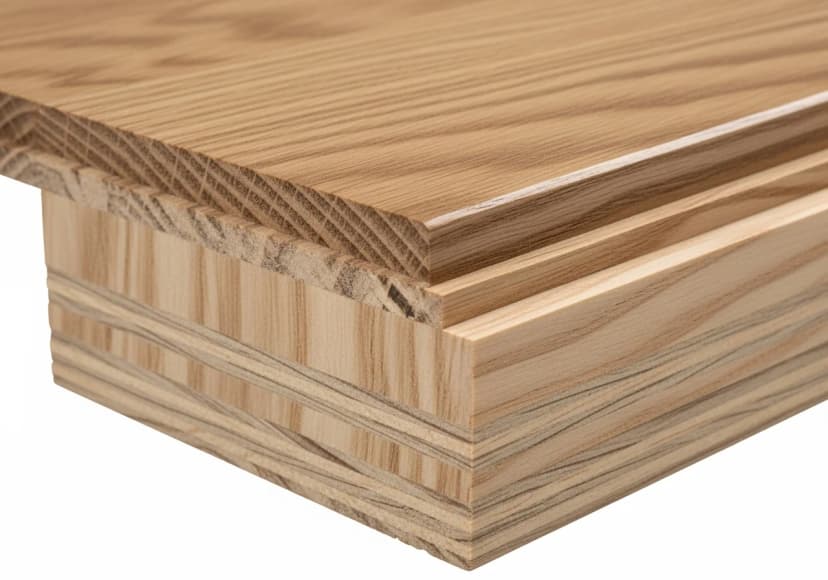
Engineered Hardwood
$8–$16 per sq ft installedLiving rooms, dining rooms, bedrooms, and hallways
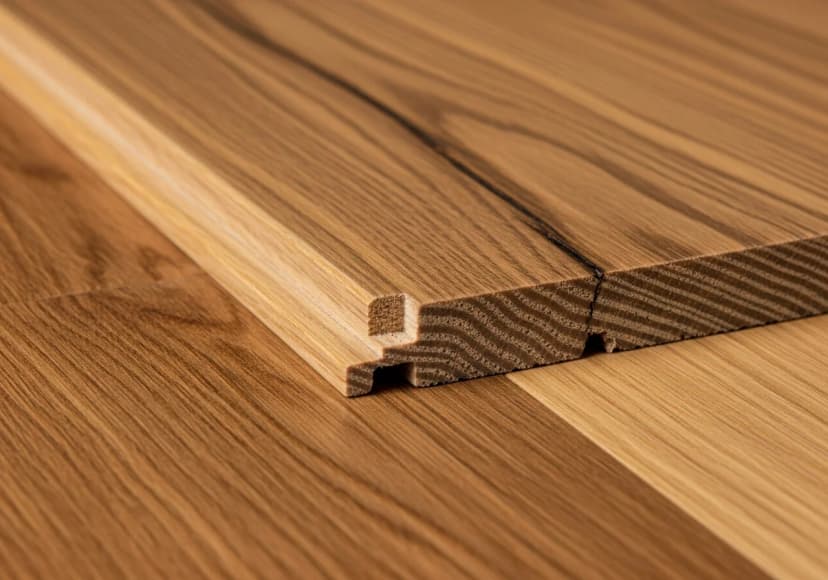
Solid Hardwood
$10–$20 per sq ft installedMain living areas in homes with controlled humidity and on-grade or above-grade subfloors
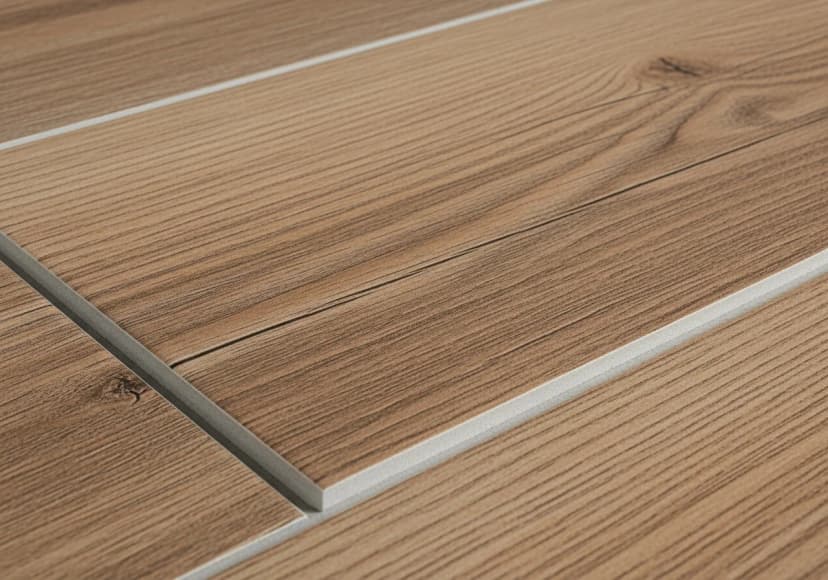
Porcelain Floor Tile
$8–$20 per sq ft installedBathrooms, entryways, kitchens, and laundry rooms
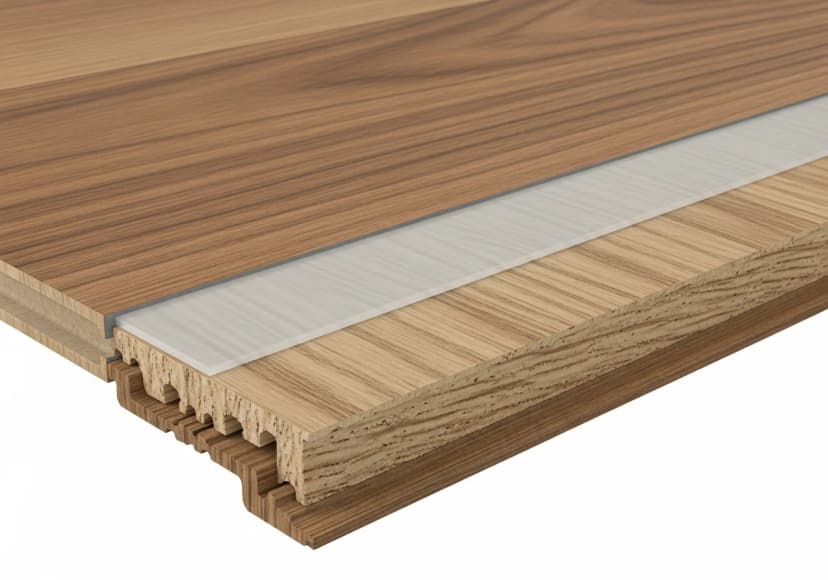
Laminate Flooring
$3–$7 per sq ft installedBudget-conscious projects, rental properties, and bedrooms
Learning from others' mistakes saves time and money. Here are the most common flooring installation design pitfalls we see in Garden City:
Uneven or damaged subfloor causing gaps and movement in flooring
We assess and level the subfloor using self-leveling compound, plywood underlayment, or targeted repairs to create a flat, stable surface that prevents gaps, lippage, and movement in the finished floor.
Moisture issues in basements or slab-on-grade floors
We perform moisture testing and install appropriate vapor barriers or moisture-resistant underlayment. For basements, we recommend waterproof LVP or tile over moisture-protected subfloors.
Transitions between rooms with different flooring heights or types
We use reducer strips, T-moldings, and custom transitions to create clean, safe connections between different flooring materials and heights — no tripping hazards or awkward gaps.
Carpet that traps allergens, pet odors, and stains
We remove old carpet and pad, treat any subfloor staining or odor, and install hard-surface flooring like LVP or hardwood that is easier to clean and does not harbor allergens or pet odors.
Squeaky or bouncy floors from inadequate subfloor fastening
We screw down loose subfloor panels, add blocking between joists where needed, and ensure the subfloor is tight and quiet before installing new flooring on top.
For flooring installation projects in Garden City, you have two main approaches to the design process: hiring a separate interior designer then a contractor, or working with a design-build firm that handles both under one roof.
Design-build (our approach)
- ✓ Single point of contact
- ✓ Design informed by real construction costs
- ✓ Faster project delivery
- ✓ Budget aligned from day one
Separate designer + contractor
- ● More specialized design expertise
- ● Independent design perspective
- ● Requires coordination between parties
- ● Can result in budget surprises
Local factors — Garden City's housing stock and typical construction eras, the climate conditions that drive material and scheduling choices, and permitting through City of Garden City Building Department — are covered in full on our Garden City page for this service, alongside 5 common project types.
Flooring Installation in Garden City: housing stock, climate & permits →What is the best flooring for a whole-home installation?
Luxury vinyl plank (LVP) is the most popular choice for whole-home installations in the Boise area. It is waterproof, scratch-resistant, comfortable underfoot, and available in realistic wood-look patterns. It can be used in every room including kitchens and bathrooms.
What flooring is best for homes with pets?
LVP with a thick wear layer (20 mil or higher) is the best flooring for homes with pets. It resists scratches, is waterproof for accidents, and is easy to clean. Avoid smooth-finish hardwood and high-gloss laminate, which scratch easily.
Planning flooring installation in Garden City?
Get expert guidance and a free estimate for your flooring installation project in Garden City, ID.
Get Your Free Estimate