
Best Materials for Flooring Installation in Star
Explore the most popular material options for flooring installation in Star, with pricing, durability, and style comparisons to help you choose.
Quick answer
LVP is more practical — it is waterproof, scratch-resistant, more affordable, and easier to maintain. Hardwood offers a warmer, more premium feel and can be refinished multiple times. Many homeowners use LVP in high-traffic and wet areas and hardwood in formal living spaces.
Star, ID · Flooring Installation
Planning flooring installation in Star?
Read the full guide below — or get your project priced now. Free, no-obligation estimates from an Idaho registered local team, backed by a 1-year workmanship warranty.
- Licensed Idaho RCE-6681702
- 1-Year Workmanship Warranty
- $2M Liability Coverage
- Free, No-Obligation Estimates
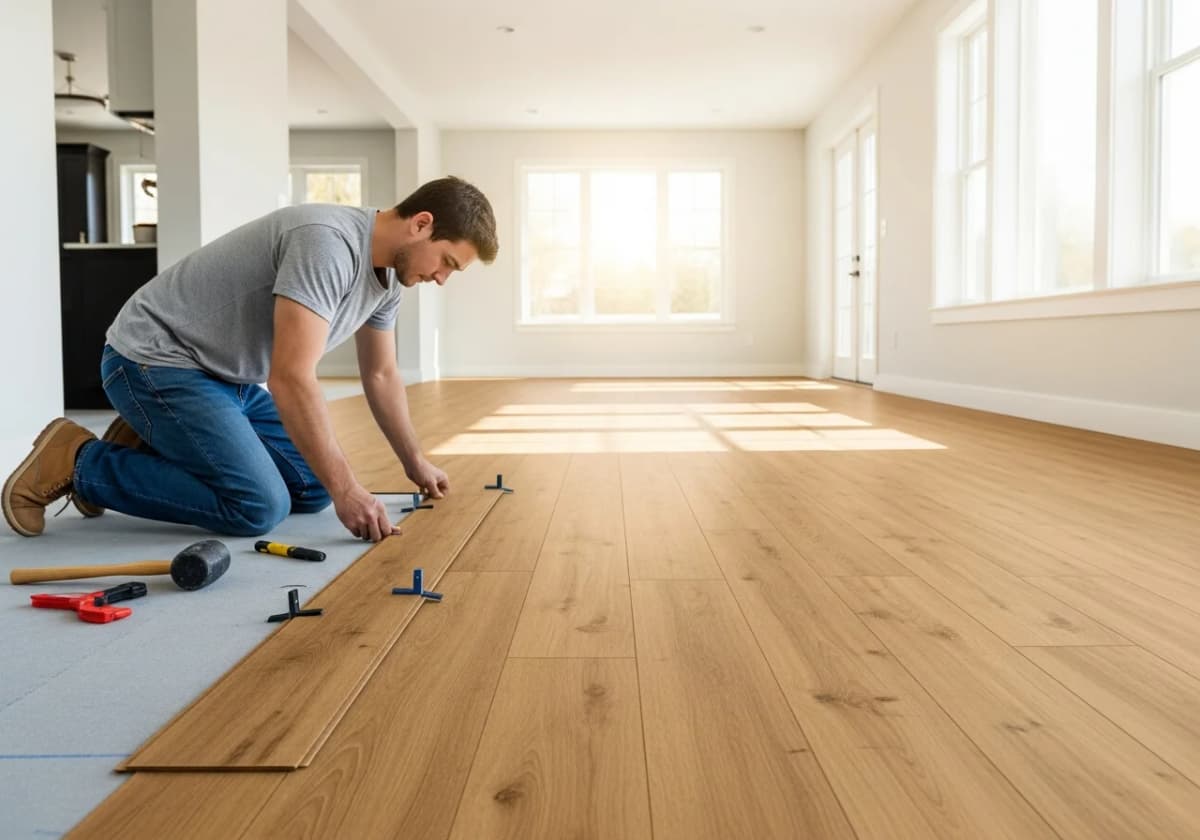


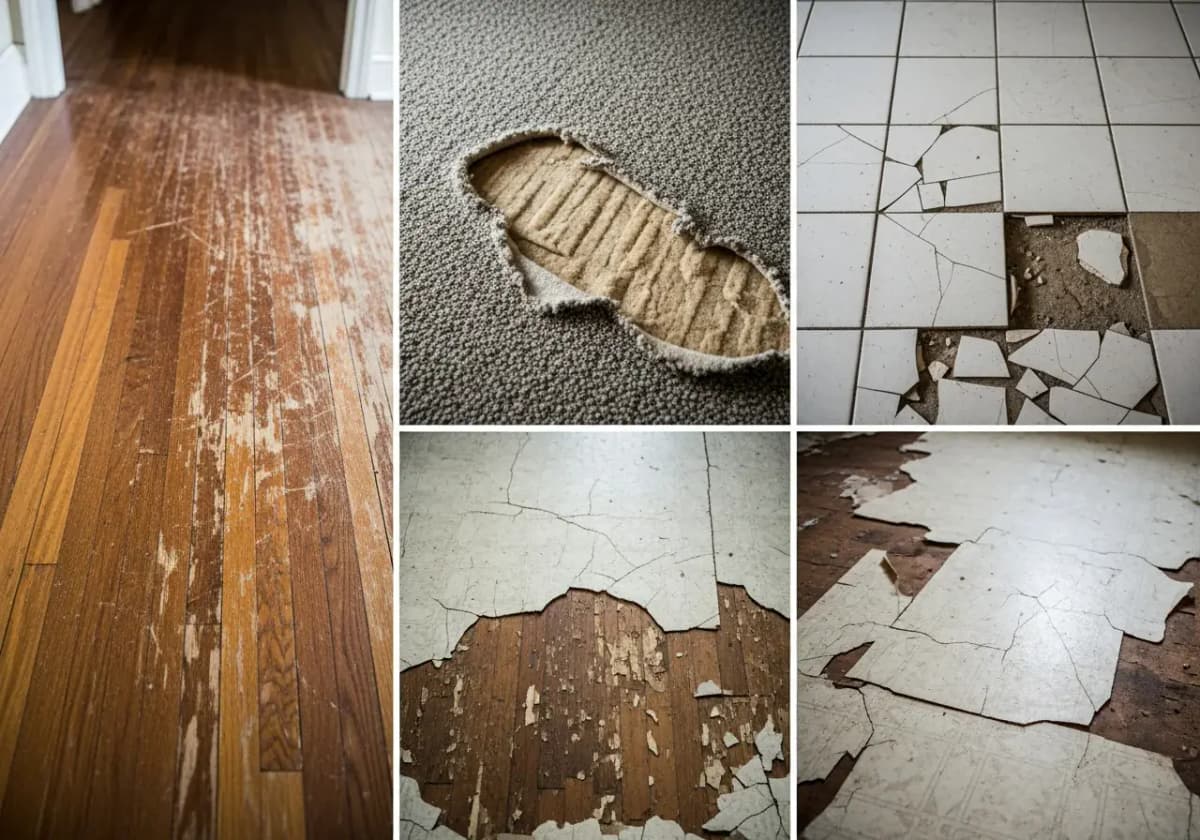
Material selection for Star flooring projects is shaped primarily by the city's new-construction context and the specific performance demands of Idaho's semi-arid climate on large, open-plan homes with significant solar exposure. Rigid-core LVP is the dominant recommendation for Star's main-level applications — and the specification matters significantly more than brand recognition. The key performance specifications for Star: total thickness 8mm to 12mm (thinner products telegraph subfloor imperfections in Star's slab-on-grade construction), wear layer 12-mil minimum and 20-mil preferred for households with pets and children, core construction SPC (stone plastic composite) preferred over WPC (wood plastic composite) for superior dimensional stability in Star's humidity cycling, and UV stabilization rating adequate for direct sun exposure on south- and west-facing main levels. We spec to those numbers rather than to a brand — LVP lines are renamed and reformulated constantly, and the specification that was current last year often is not — and confirm each one on the manufacturer's current spec sheet at selection time. The color direction in Star's market has shifted decisively from the cool gray LVP palette that dominated from 2015 to 2022 toward warm medium oak tones. The specific palette that is performing best in current Star renovations: medium warm blonde to honey-brown tones, wire-brushed or embossed-in-register textures that read as natural wood grain rather than printed pattern, and plank widths of 6 to 7 inches that reflect contemporary hardwood proportions without the visual heaviness of 8-inch-plus planks in smaller rooms. Avoiding the gray palette is a specific recommendation Iron Crest makes to Star homeowners: replacing gray builder LVP with premium gray LVP misses the opportunity to update the aesthetic direction of the home. Carpet for Star bedrooms and bonus rooms should be selected at a higher specification than builder-grade. The minimum recommendation for Star bedrooms: 40-ounce face weight, nylon or triexta fiber, with a quality 8-pound rebond pad. At this specification, the carpet feels meaningfully different from builder-grade — softer, more resilient, and with better acoustic performance. For stairs and hallways, where traffic is concentrated and abrasion is more intense, a commercial-grade 50-ounce nylon with berber or low-loop texture provides the best wear performance. Porcelain tile for Star bathroom upgrades should be rectified format in 12x24 or 24x24 inch sizes. Rectified tile at these formats creates tight 1/16-inch grout joints that are visually contemporary and maintenance-efficient compared to the wide grout joints of builder-standard ceramic tile installations. Heated floor mats in Star bathrooms are an increasingly popular upgrade — Star's winters are genuinely cold, and the combination of new tile and radiant heat in the master bath is consistently among the highest-satisfaction upgrades Iron Crest installs in this market. Engineered hardwood for Star homes requires attention to Idaho's climate demands. The 5-ply or 7-ply plywood core construction is more stable in Star's humidity cycling than HDF-core products. Wire-brushed or hand-scraped surface treatments accommodate the minor seasonal movement that Idaho's dry winters create more gracefully than smooth-finished hardwood. Whole-home humidification — maintaining indoor RH above 35 percent during the heating season — is strongly recommended when engineered hardwood is installed in Star homes.
Choosing the right materials is one of the most important decisions in any flooring installation project. The materials you select affect the look, durability, maintenance requirements, and overall cost of the finished project. Here is a detailed look at the most popular material options for flooring installation in Star and the Treasure Valley.
These are the most commonly used materials for flooring installation projects in Star. Each has different characteristics that affect cost, durability, and style:

Luxury Vinyl Plank (LVP)
$4–$10 per sq ft installedWaterproof, scratch-resistant, and available in hundreds of realistic wood and stone patterns. Modern LVP features rigid core construction, attached underlayment, and click-lock installation. The most popular flooring choice in the Treasure Valley.
Best for: Whole-home installations, kitchens, bathrooms, basements, and high-traffic areas

Engineered Hardwood
$8–$16 per sq ft installedReal wood veneer over a plywood or HDF core provides authentic hardwood appearance with better dimensional stability than solid hardwood. Available in oak, hickory, walnut, and maple with prefinished or site-finished options.
Best for: Living rooms, dining rooms, bedrooms, and hallways

Solid Hardwood
$10–$20 per sq ft installedTraditional solid wood planks (typically 3/4 inch thick) that can be sanded and refinished multiple times over their lifespan. Oak, hickory, and maple are the most popular species in the Boise market.
Best for: Main living areas in homes with controlled humidity and on-grade or above-grade subfloors

Porcelain Floor Tile
$8–$20 per sq ft installedDense, water-resistant tile available in wood-look, stone-look, and modern geometric patterns. Large-format tiles (12x24 and larger) create a seamless, contemporary look with fewer grout lines.
Best for: Bathrooms, entryways, kitchens, and laundry rooms

Laminate Flooring
$3–$7 per sq ft installedA budget-friendly floating floor with a photographic wear layer over an HDF core. Modern laminate offers improved scratch resistance, realistic patterns, and easy click-lock installation.
Best for: Budget-conscious projects, rental properties, and bedrooms

Star shares the Treasure Valley climate. Open terrain and rural-edge location mean more wind and UV exposure.
Wind and Open Exposure
Higher wind loads and more UV exposure than sheltered locations. Durable exterior materials are important.
New Construction Settling
Homes 3-7 years old may show minor settling cracks in drywall — cosmetic and common in new construction on Treasure Valley soils.
In Star, the combination of dry summers, cold winters, and variable humidity levels means that material selection should prioritize durability and climate resistance. We recommend choosing materials rated for the temperature extremes and moisture conditions typical of Ada County.
Material availability affects both timeline and cost. Standard materials are typically available within 1-2 weeks from local suppliers in Star. Custom or specialty materials may have lead times of 4-14 weeks. We recommend selecting materials early in the design phase to avoid schedule delays.
Typical lead times
- ● Standard/stock materials: 1-2 weeks
- ● Semi-custom orders: 3-6 weeks
- ● Full custom/specialty items: 6-14 weeks
- ● Imported or artisan materials: 8-16+ weeks
Local factors — Star's housing stock and typical construction eras, the climate conditions that drive material and scheduling choices, and permitting through City of Star Building Department — are covered in full on our Star page for this service, alongside 5 common project types.
Flooring Installation in Star: housing stock, climate & permits →Is LVP or hardwood better?
LVP is more practical — it is waterproof, scratch-resistant, more affordable, and easier to maintain. Hardwood offers a warmer, more premium feel and can be refinished multiple times. Many homeowners use LVP in high-traffic and wet areas and hardwood in formal living spaces.
How do you handle transitions between different flooring types?
We use manufacturer-matched transition strips — T-moldings, reducers, and thresholds — to create clean, level connections between different flooring materials. Proper transitions are both functional (no tripping hazards) and aesthetic (clean visual lines).
Planning flooring installation in Star?
Get expert guidance and a free estimate for your flooring installation project in Star, ID.
Get Your Free Estimate