
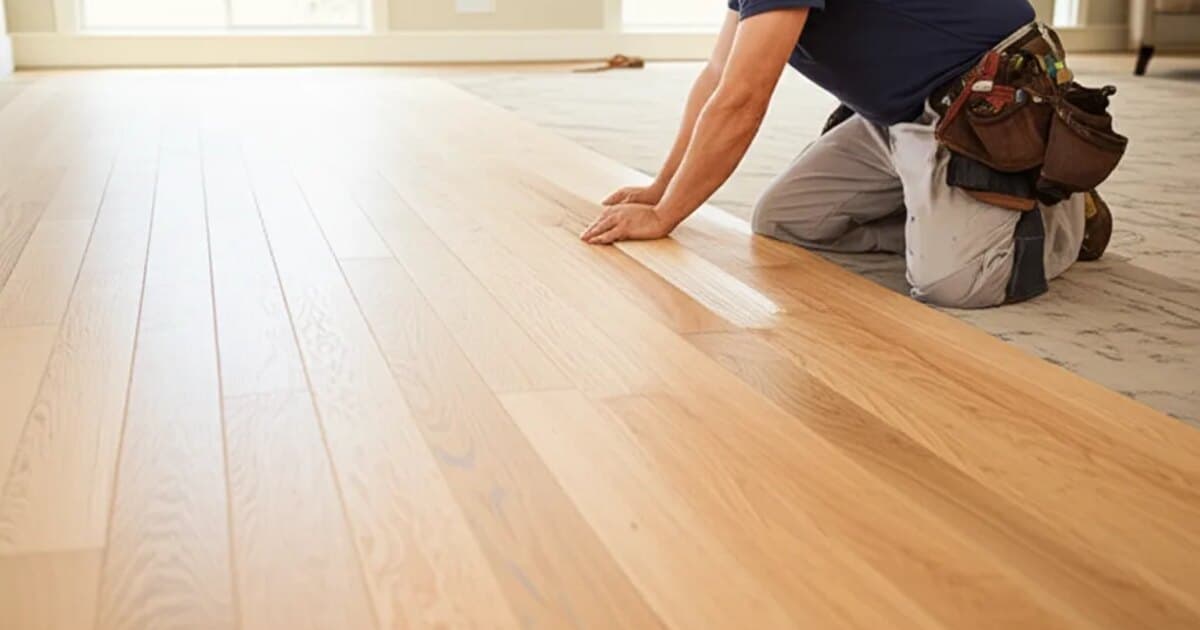
Flooring Installation Design Ideas for Nampa
Get inspired with flooring installation design ideas tailored to Nampa homes, from trending styles to practical layout considerations.
Quick answer
Nampa's flooring replacement market differs from the rest of the Treasure Valley in the combination of housing vintage diversity, hard water environmental demands, and the dual owner-occupant and rental investment market that shapes specification decisions.
Nampa, ID · Flooring Installation
Planning flooring installation in Nampa?
Read the full guide below — or get your project priced now. Free, no-obligation estimates from an Idaho registered local team, backed by a 1-year workmanship warranty.
- Licensed Idaho RCE-6681702
- 1-Year Workmanship Warranty
- $2M Liability Coverage
- Free, No-Obligation Estimates
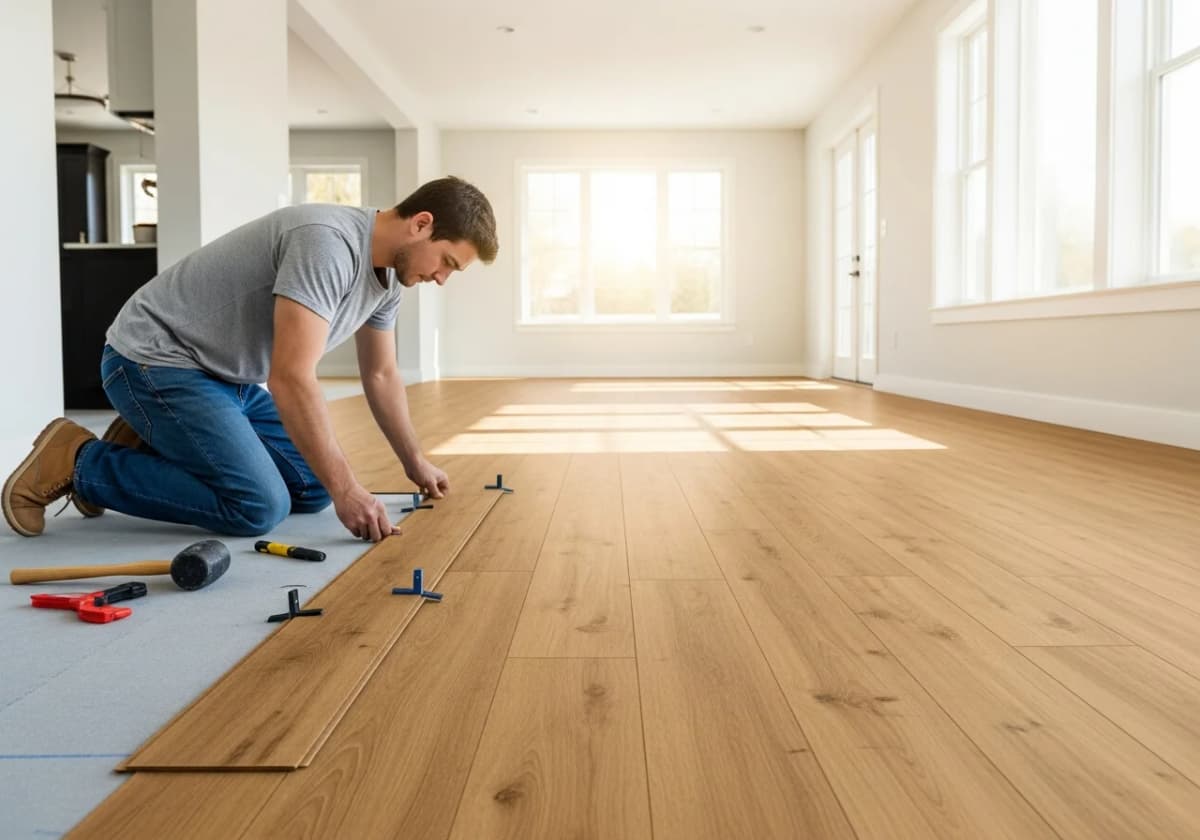


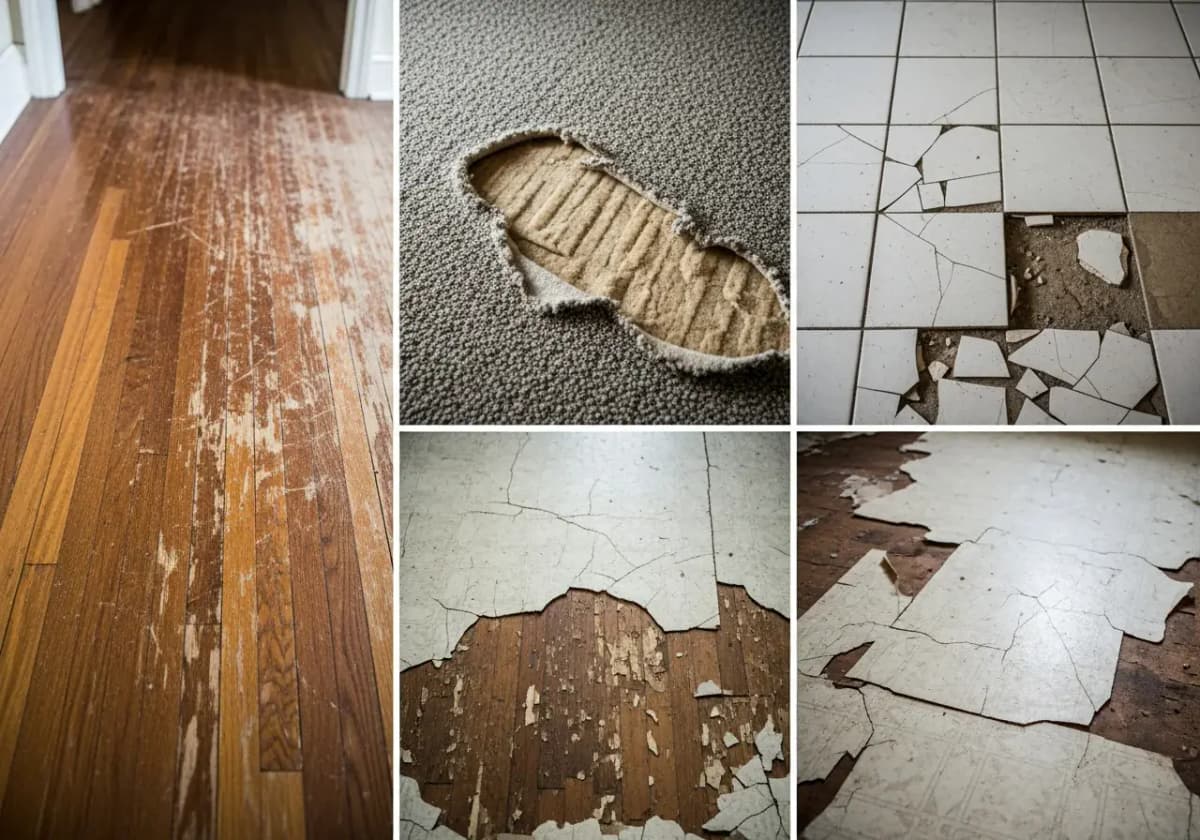
Nampa's flooring replacement market differs from the rest of the Treasure Valley in the combination of housing vintage diversity, hard water environmental demands, and the dual owner-occupant and rental investment market that shapes specification decisions. The housing vintage diversity creates a wider range of flooring renovation scenarios in Nampa than in any other Canyon County city. Downtown historic homes with original hardwood discovery opportunities, South Nampa mid-century ranches in their second or third flooring cycle, and Northwest Nampa production homes in their first replacement cycle — these three distinct scenarios require different approaches, different material specifications, and different design guidance. Iron Crest's Nampa flooring experience spans all three, and the breadth of that experience is a genuine asset in a market where each home requires its own specific approach. Canyon County's hard water creates flooring maintenance demands that homeowners in softer-water markets don't face. Where the water is harder, tile grout maintenance is more demanding, and the specification decisions that reduce that maintenance burden — large-format tile with fewer grout joints, epoxy grout in floor applications, smooth rather than deeply textured porcelain surfaces — are specific to Canyon County's water chemistry environment. Iron Crest's Nampa flooring specifications account for this reality. The rental market dimension is significant in Nampa. Rental and investment ownership is a routine part of the work we are asked to quote here, and the flooring decisions that optimize a rental property — durability, ease of cleaning, tenant appeal without luxury excess, cost-efficient turnover — differ meaningfully from owner-occupied primary residence decisions. Iron Crest's Nampa flooring team regularly serves both markets and adjusts specifications accordingly.
Downtown / Historic Nampa
Downtown Nampa's flooring renovation market is defined by the intersection of historic character and genuine need. These homes — built from the 1890s through the 1950s — have original floors that are frequently the best flooring asset available to the homeowner, hidden under layers of subsequent installation. The archaeological process of uncovering what's present, assessing what's usable, and making decisions about what to restore versus replace is the starting point for every downtown Nampa flooring project. The discovery rate for original hardwood in refinishable condition in downtown Nampa's historic homes is high. Fir and oak strip floors from the 1920s through the 1950s were standard in these homes, and while many have been carpeted over, the originals are often in better condition than expected — protected from UV degradation and foot traffic wear by the carpet layers above them. When we find original hardwood in downtown Nampa homes, the recommendation is always to refinish rather than replace: the original material is superior to any replacement, and the cost is significantly lower. The renovation guidance for downtown Nampa flooring goes beyond material selection to include the asbestos assessment that comes before any demolition in pre-1980 properties. Vinyl floor tiles in kitchens, bathrooms, and utility rooms in downtown Nampa's historic homes may contain asbestos binders — a standard construction material from the 1950s into the early 1980s, a later cutoff than the 1978 date that governs lead paint. Iron Crest assesses for asbestos before any flooring demolition proceeds in downtown Nampa projects.
South Nampa
South Nampa's mid-century and late-century ranches are in the volume center of Nampa's flooring replacement market. These are practical projects driven by genuine need — the carpet is worn out, the laminate is failing, and the homeowner wants a floor that looks current and holds up to the daily demands of family life in Canyon County. The South Nampa flooring project has a consistent profile: whole-home LVP replacement in main living areas, optional carpet in bedrooms, and tile in kitchens and baths. The subfloor conditions in South Nampa's 1970s and 1980s construction are generally straightforward — the homes are on slab or have plywood subfloor over framing that is in reasonable condition, without the structural complications of downtown Nampa's more aged foundations. The design guidance for South Nampa whole-home LVP selection is to choose a product that provides visual cohesion across the home's open plan — a single floor material throughout all connected areas, using the same width, color, and pattern consistently rather than mixing products between rooms. The visual continuity of a single floor material throughout the main level transforms the home's spatial perception in a way that room-by-room replacement never achieves.
Northwest Nampa
Northwest Nampa's flooring replacement market is the most recent and most predictable in the city. These are production homes built between 1998 and 2015 whose original carpet is now in its first replacement cycle — the product has reached end of service life predictably, the subfloor is in good condition, and the renovation brief is clear: replace the carpet with a durable, attractive contemporary floor. The subfloor conditions in Northwest Nampa's production homes are generally the most straightforward in Nampa's market — OSB or plywood subfloor installed to production standards over engineered floor trusses that don't have the deflection and unevenness that older framing sometimes produces. LVP installation is efficient, predictable, and well-specified in these homes. The design guidance for Northwest Nampa LVP selection is to move meaningfully beyond what the builder provided in terms of material appearance. The original carpet may have been a medium-neutral cut pile; the replacement should be something that the homeowner looks at and feels was genuinely their choice. Wide-plank formats in warm oak tones, cool gray-white tones, or the warm greige spectrum that is currently dominant in Canyon County's design market all work well in Northwest Nampa's production home floor plans and provide a clear visual upgrade from the original builder-standard.

The design phase is where your flooring installation goes from a general idea to a specific plan. Good design balances aesthetics, functionality, budget, and the unique characteristics of your home and neighborhood in Nampa. Here are the most popular design approaches and trends we see in Nampa and the surrounding Treasure Valley.
Nampa homeowners tend to favor designs that blend modern functionality with the regional character of Idaho homes. Here are the most requested design elements:
These design factors are specific to flooring installation projects and affect both the look and function of the finished space:
Plank direction — running planks toward the main light source or along the longest dimension of the room creates the most visually appealing result
Color and tone — lighter flooring makes rooms feel larger and more open; darker flooring adds warmth and formality but shows dust and scratches more
Consistency vs. variation — using the same flooring throughout main living areas creates a seamless, spacious feel; transitioning to tile in wet areas and carpet in bedrooms is also common
Wide plank vs. narrow plank — wider planks (7 inches and above) create a modern, high-end look with fewer seams; narrow planks are more traditional
Texture and finish — smooth finishes show scratches more easily; wire-brushed and hand-scraped textures hide wear and add character
Waterproof requirements — kitchens, bathrooms, laundry rooms, basements, and entryways benefit from waterproof flooring like LVP or tile
The materials and finishes you choose bring your design to life. Here are the options most commonly selected for flooring installation projects in Nampa:
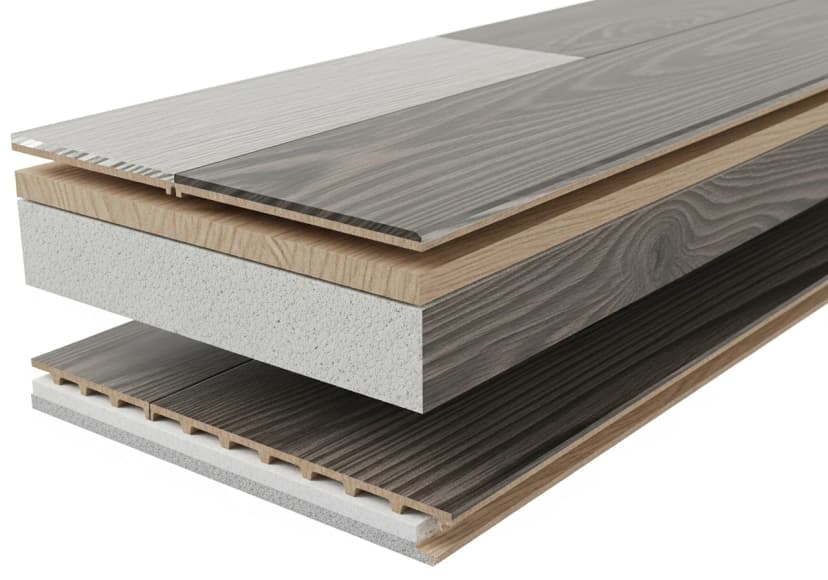
Luxury Vinyl Plank (LVP)
$4–$10 per sq ft installedWhole-home installations, kitchens, bathrooms, basements, and high-traffic areas
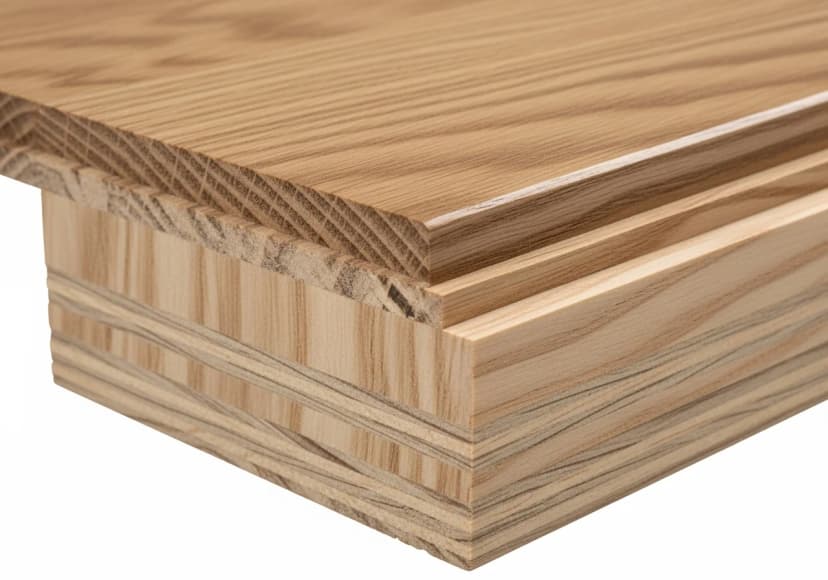
Engineered Hardwood
$8–$16 per sq ft installedLiving rooms, dining rooms, bedrooms, and hallways
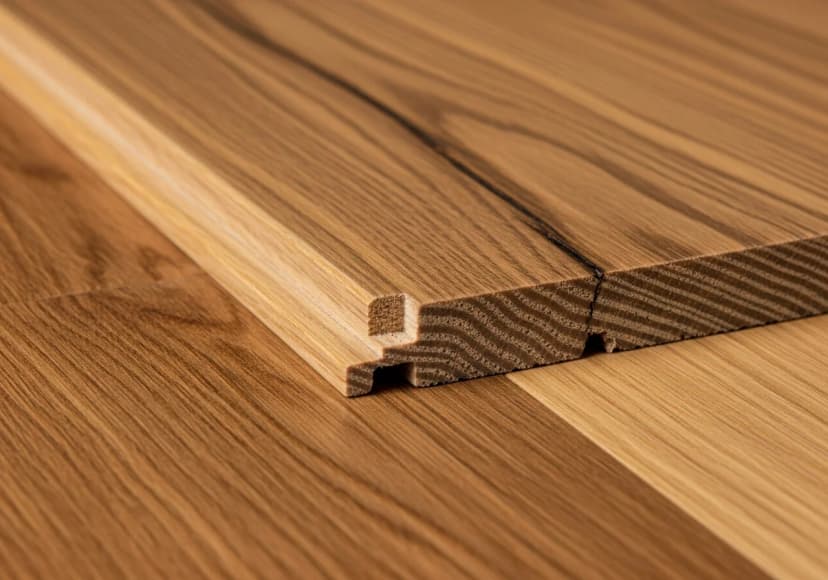
Solid Hardwood
$10–$20 per sq ft installedMain living areas in homes with controlled humidity and on-grade or above-grade subfloors
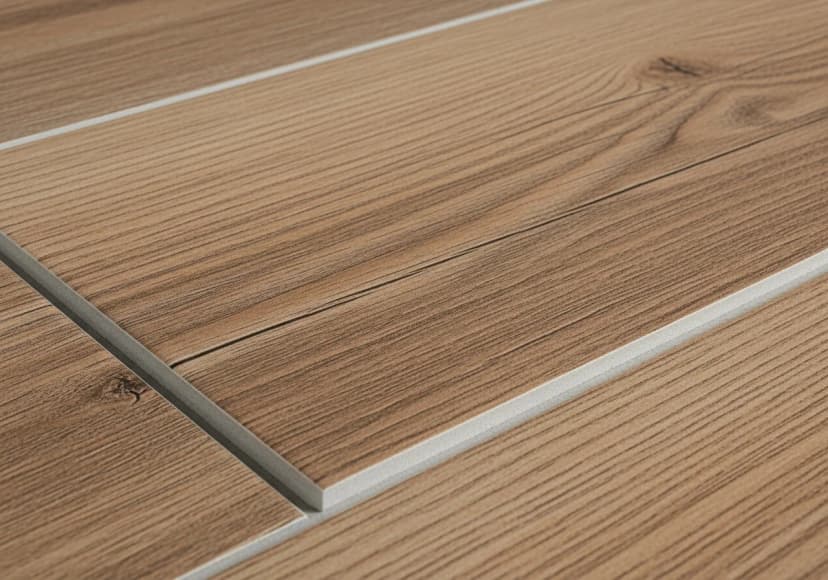
Porcelain Floor Tile
$8–$20 per sq ft installedBathrooms, entryways, kitchens, and laundry rooms
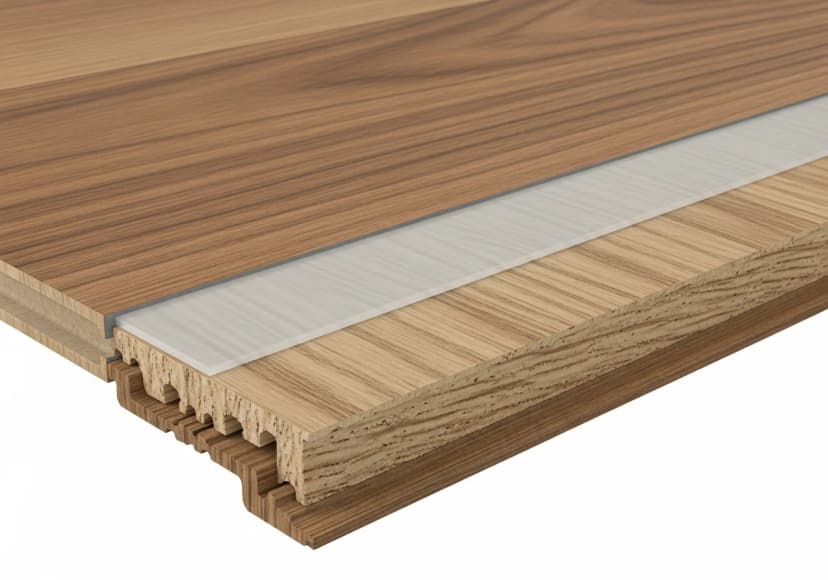
Laminate Flooring
$3–$7 per sq ft installedBudget-conscious projects, rental properties, and bedrooms
Learning from others' mistakes saves time and money. Here are the most common flooring installation design pitfalls we see in Nampa:
Uneven or damaged subfloor causing gaps and movement in flooring
We assess and level the subfloor using self-leveling compound, plywood underlayment, or targeted repairs to create a flat, stable surface that prevents gaps, lippage, and movement in the finished floor.
Moisture issues in basements or slab-on-grade floors
We perform moisture testing and install appropriate vapor barriers or moisture-resistant underlayment. For basements, we recommend waterproof LVP or tile over moisture-protected subfloors.
Transitions between rooms with different flooring heights or types
We use reducer strips, T-moldings, and custom transitions to create clean, safe connections between different flooring materials and heights — no tripping hazards or awkward gaps.
Carpet that traps allergens, pet odors, and stains
We remove old carpet and pad, treat any subfloor staining or odor, and install hard-surface flooring like LVP or hardwood that is easier to clean and does not harbor allergens or pet odors.
Squeaky or bouncy floors from inadequate subfloor fastening
We screw down loose subfloor panels, add blocking between joists where needed, and ensure the subfloor is tight and quiet before installing new flooring on top.
For flooring installation projects in Nampa, you have two main approaches to the design process: hiring a separate interior designer then a contractor, or working with a design-build firm that handles both under one roof.
Design-build (our approach)
- ✓ Single point of contact
- ✓ Design informed by real construction costs
- ✓ Faster project delivery
- ✓ Budget aligned from day one
Separate designer + contractor
- ● More specialized design expertise
- ● Independent design perspective
- ● Requires coordination between parties
- ● Can result in budget surprises
Local factors — Nampa's housing stock and typical construction eras, the climate conditions that drive material and scheduling choices, and permitting through City of Nampa Building Department — are covered in full on our Nampa page for this service, alongside 5 common project types.
Flooring Installation in Nampa: housing stock, climate & permits →What is the best flooring for a whole-home installation?
Luxury vinyl plank (LVP) is the most popular choice for whole-home installations in the Boise area. It is waterproof, scratch-resistant, comfortable underfoot, and available in realistic wood-look patterns. It can be used in every room including kitchens and bathrooms.
What flooring is best for homes with pets?
LVP with a thick wear layer (20 mil or higher) is the best flooring for homes with pets. It resists scratches, is waterproof for accidents, and is easy to clean. Avoid smooth-finish hardwood and high-gloss laminate, which scratch easily.
Planning flooring installation in Nampa?
Get expert guidance and a free estimate for your flooring installation project in Nampa, ID.
Get Your Free Estimate