
Best Materials for ADU Construction in Star
Explore the most popular material options for ADU construction in Star, with pricing, durability, and style comparisons to help you choose.
Quick answer
Do ADUs require permits and planning approval? Yes. ADU projects require building permits, plan review, and multiple inspections. In most Boise-area jurisdictions, ADUs also require zoning compliance review to confirm lot size, setbacks, and parking requirements are met. We handle the entire permitting process.
Star, ID · ADU Construction
Planning ADU construction in Star?
Read the full guide below — or get your project priced now. Free, no-obligation estimates from an Idaho registered local team, backed by a 1-year workmanship warranty.
- Licensed Idaho RCE-6681702
- 1-Year Workmanship Warranty
- $2M Liability Coverage
- Free, No-Obligation Estimates


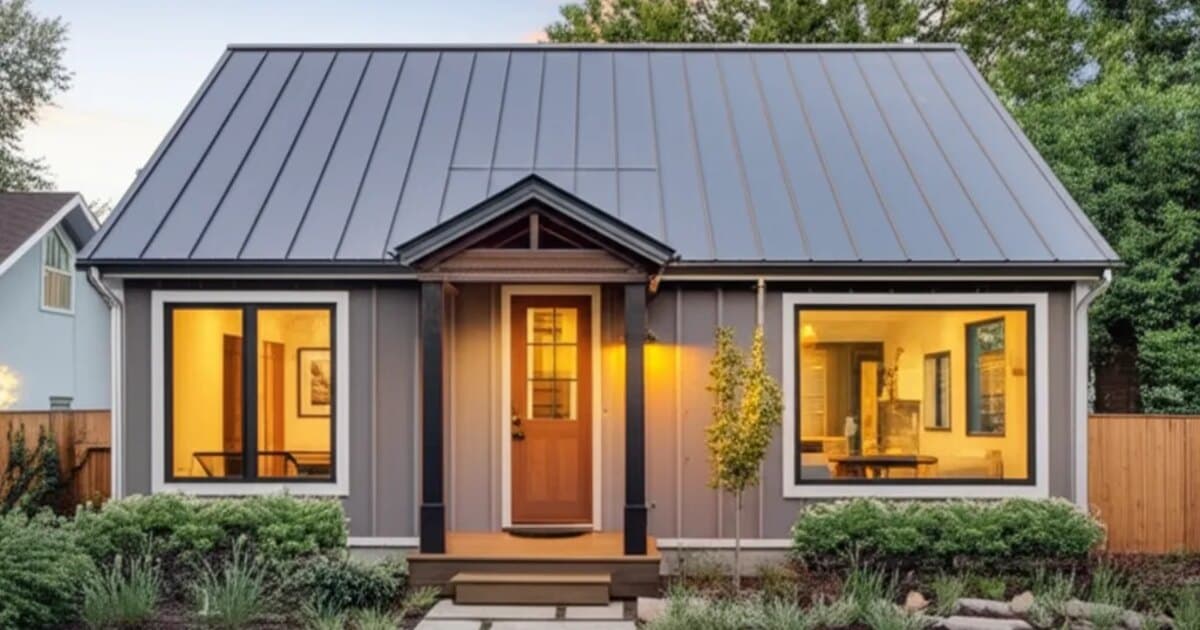
Star's high-desert climate context—cold, hard-freeze winters and hot, dry summers—drives material selection decisions across every component of ADU construction. Insulation specifications appropriate for Ada County's climate zone matter enormously in a standalone structure that runs its own HVAC system: Iron Crest routinely specifies R-21 or better in exterior walls (either high-density spray foam or advanced batts with continuous rigid exterior insulation), R-49 attic assemblies, and thermally broken window systems to prevent the extreme heating and cooling bills that under-insulated ADUs generate. Mini-split heat pump systems (typically 9,000–18,000 BTU depending on unit size) are the standard HVAC choice for Star ADUs due to their efficiency in the heating-dominated climate, their lack of ductwork (which simplifies construction in compact structures), and their ability to provide both heating and cooling from a single system. Exterior materials in Star trend toward consistency with the primary residence: LP SmartSide lap siding, board-and-batten vertical panels, or fiber cement products that paint cleanly and resist the UV degradation that wood trim experiences in Idaho's high-sun summers. Roofing is almost universally dimensional asphalt shingle to match existing structures, with ice-and-water shield extended 24 inches up from the eave to protect against the freeze-thaw ice dams that can form on low-slope roof sections during hard-freeze events. Foundation waterproofing below grade is standard in Ada County due to the 24-inch frost depth requirement; Iron Crest applies dimple-mat drainage board against all below-grade concrete to direct any ground moisture away from the foundation envelope. Interior finishes for Star ADUs reflect the city's value-and-quality positioning in the Treasure Valley market. Unlike Eagle ADUs where owners frequently specify the same luxury stone and custom cabinetry as the primary residence, Star ADU clients typically seek finishes that photograph well for rental listings and stand up to long-term tenant use. LVP flooring in wide-plank formats (7" or wider) in warm grey or natural wood tones performs well in this context, resisting moisture from entry foot traffic and cleaning with minimal maintenance. Quartz countertops at the entry and mid tiers of the slab range balance durability with visual appeal. Shaker-style cabinet boxes in painted white or warm grey provide a clean aesthetic that photographs well and ages gracefully. Semi-frameless shower enclosures (rather than fully frameless) keep the bathroom functional and attractive without the cost premium of frameless glass.
Choosing the right materials is one of the most important decisions in any ADU construction project. The materials you select affect the look, durability, maintenance requirements, and overall cost of the finished project. Here is a detailed look at the most popular material options for ADU construction in Star and the Treasure Valley.
These are the most commonly used materials for ADU construction projects in Star. Each has different characteristics that affect cost, durability, and style:

Concrete Slab or Stem Wall Foundation
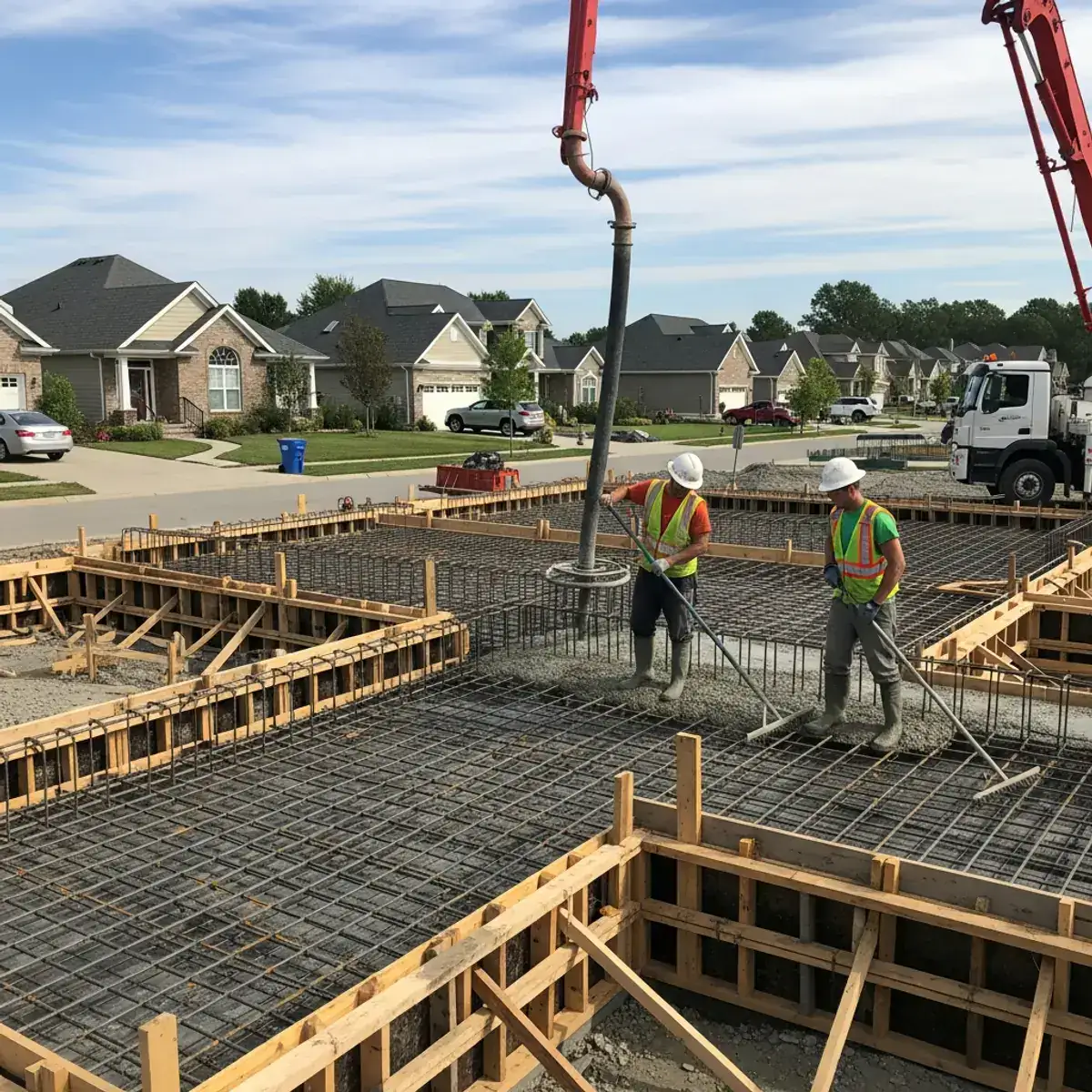
$8,000–$20,000Most detached ADUs in Idaho use a concrete slab-on-grade or stem wall foundation depending on lot conditions, frost depth, and plumbing requirements. Garage conversions may use the existing slab with modifications.
Best for: Detached ADU new construction

Standard Wood Framing
$12–$22 per sq ft framed2x4 or 2x6 wood framing for walls, with trusses for the roof. ADU framing follows the same building codes as primary residences, including insulation requirements, fire separation, and structural standards.
Best for: All ADU types

Mini-Split HVAC System
$3,500–$7,000 installedThe most common heating and cooling solution for ADUs. A ductless mini-split provides efficient heating and cooling with a small exterior compressor and one or two interior wall units. No ductwork required.
Best for: Detached ADUs and garage conversions

Compact Kitchen Package
$5,000–$15,000 completeADU kitchens need to be efficient. A compact kitchen typically includes a 24-inch range, apartment-size refrigerator, single-bowl sink, and upper and lower cabinets — all designed to maximize function in a smaller footprint.
Best for: Studio and one-bedroom ADUs

Matching or Complementary Siding
$5–$15 per sq ft installedThe ADU exterior should complement the main home. Options include matching the existing siding exactly, using a contrasting but compatible material, or using a modern material like board-and-batten or metal panel for a contemporary look.
Best for: Seamless property aesthetic

Star shares the Treasure Valley climate. Open terrain and rural-edge location mean more wind and UV exposure.
Wind and Open Exposure
Higher wind loads and more UV exposure than sheltered locations. Durable exterior materials are important.
New Construction Settling
Homes 3-7 years old may show minor settling cracks in drywall — cosmetic and common in new construction on Treasure Valley soils.
In Star, the combination of dry summers, cold winters, and variable humidity levels means that material selection should prioritize durability and climate resistance. We recommend choosing materials rated for the temperature extremes and moisture conditions typical of Ada County.
Material availability affects both timeline and cost. Standard materials are typically available within 1-2 weeks from local suppliers in Star. Custom or specialty materials may have lead times of 4-14 weeks. We recommend selecting materials early in the design phase to avoid schedule delays.
Typical lead times
- ● Standard/stock materials: 1-2 weeks
- ● Semi-custom orders: 3-6 weeks
- ● Full custom/specialty items: 6-14 weeks
- ● Imported or artisan materials: 8-16+ weeks
Local factors — Star's housing stock and typical construction eras, the climate conditions that drive material and scheduling choices, and permitting through City of Star Building Department — are covered in full on our Star page for this service, alongside 4 common project types.
ADU Construction in Star: housing stock, climate & permits →Do ADUs require permits and planning approval?
Yes. ADU projects require building permits, plan review, and multiple inspections. In most Boise-area jurisdictions, ADUs also require zoning compliance review to confirm lot size, setbacks, and parking requirements are met. We handle the entire permitting process.
Do I need to live on the property to have an ADU?
No. Idaho's 2026 ADU law (Senate Bill 1354, Idaho Code § 67-6541, in force since July 1, 2026) prohibits every city over 10,000 residents from requiring owner-occupancy of either the primary home or the ADU, so you can live in one unit and rent the other, or rent both. Boise had already dropped its owner-occupancy rule in the 2023 Modern Zoning Code. Cities of 10,000 or fewer residents (such as Emmett, Fruitland, Payette, Homedale, Parma, or New Plymouth) still set their own rules, and lenders or HOA covenants that existed when you bought may have their own conditions — we confirm all of it during the feasibility review.
Planning ADU construction in Star?
Get expert guidance and a free estimate for your adu construction project in Star, ID.
Get Your Free Estimate