
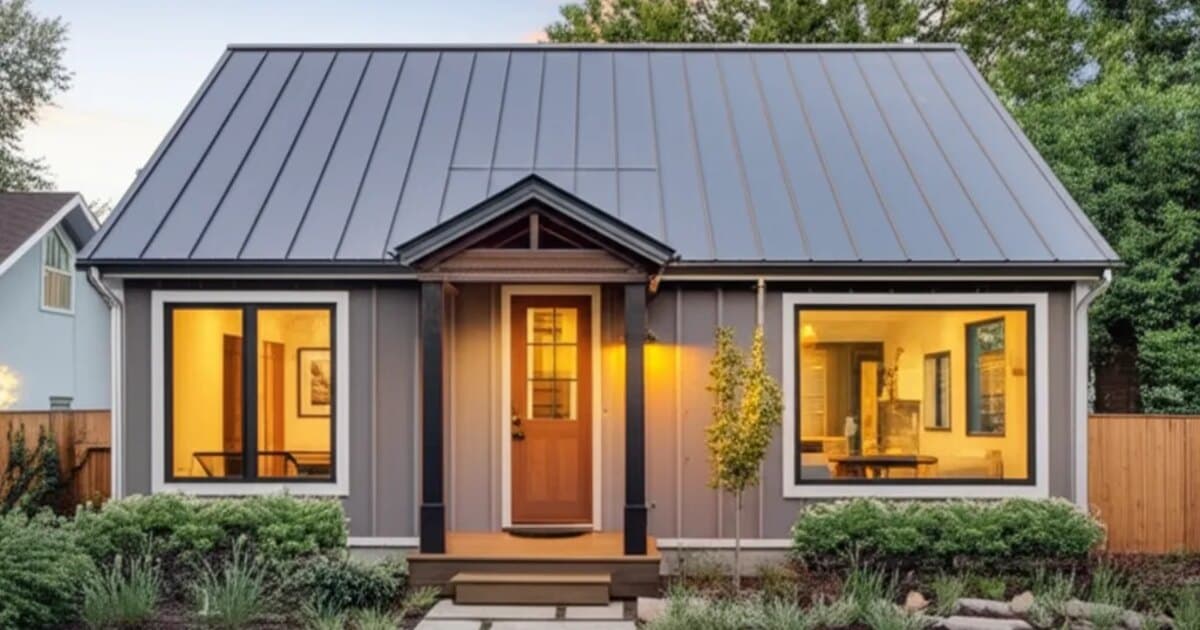
ADU Construction Design Ideas for Eagle
Get inspired with ADU construction design ideas tailored to Eagle homes, from trending styles to practical layout considerations.
Quick answer
Eagle's ADU market is differentiated by its premium quality expectations, the strength of its multigenerational housing driver, and the complexity of its HOA governance structure. The quality standard differential is the most immediately apparent distinction.
Eagle, ID · ADU Construction
Planning ADU construction in Eagle?
Read the full guide below — or get your project priced now. Free, no-obligation estimates from an Idaho registered local team, backed by a 1-year workmanship warranty.
- Licensed Idaho RCE-6681702
- 1-Year Workmanship Warranty
- $2M Liability Coverage
- Free, No-Obligation Estimates


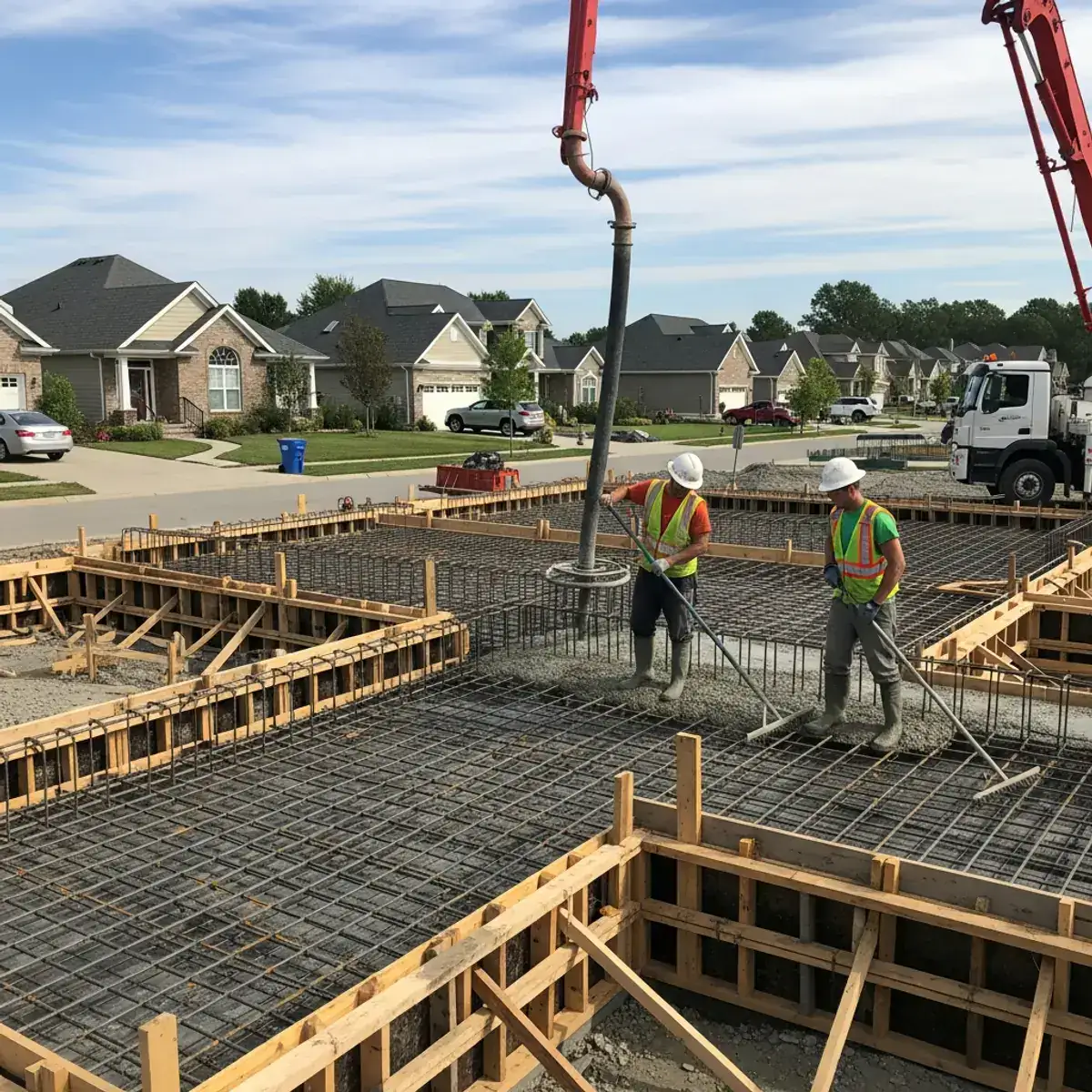
Eagle's ADU market is differentiated by its premium quality expectations, the strength of its multigenerational housing driver, and the complexity of its HOA governance structure. The quality standard differential is the most immediately apparent distinction. An Eagle ADU is not a utility housing unit built to minimum habitability standards — it is a premium residential structure built to the same quality level as the homes that surround it. This expectation affects every specification decision from the foundation to the fixtures, and it produces ADU projects that cost significantly more per square foot than comparable construction in Nampa or Caldwell — but that are also qualitatively different in the result they deliver. The multigenerational driver is more consistently present in Eagle than in any other Treasure Valley market. Eagle's resident profile — established professional families with deep community roots and long-term residence intentions — creates a large and growing cohort of homeowners whose parents need quality housing near their adult children and whose adult children need affordable housing near their parents. The Eagle ADU built for this purpose is the most personally significant construction project in Iron Crest's portfolio.
Banbury Meadows
Banbury Meadows is Eagle's most established luxury neighborhood and the most active ADU market in the city. The neighborhood's larger lots, established landscaping, and long-term resident population create both the physical capacity for ADU construction and the personal motivation — aging parents, adult children returning, and the desire to add a premium guest suite to a luxury property — that drives ADU investment in this community. The Banbury Meadows HOA approval process is thorough and design-specific. The ARB reviews ADU submittals with attention to roofline compatibility, exterior material matching, window proportion consistency, and landscape screening requirements. Iron Crest's HOA submittal packages for Banbury Meadows projects include full architectural elevations, material specifications with manufacturer names and colors, and site plans showing the ADU's relationship to the primary home and property boundaries.
Eagle Hills and River Heights
Eagle Hills and River Heights contain more recently built homes on lots that vary in size from standard production-home proportions to generous custom-home configurations. ADU capacity varies significantly across this corridor, and a site-specific feasibility analysis is essential before any design investment is made. Homes in Eagle Hills with attached two-car garages and moderate backyard space are well-suited to above-garage ADU additions that avoid consuming lot area for a new detached structure. River Heights' newer homes, built within the past 5 to 10 years on smaller lots, may have limited room for a full-size detached ADU, and smaller ADU configurations (under 500 square feet) may be the most feasible option in this corridor.
Floating Feather and Rural Eagle
Eagle's larger parcel neighborhoods — Floating Feather Road estates, rural residential parcels at the city's edges — offer the most flexibility for ADU design because lot size constraints are rarely binding. These are the properties where a fully independent guest house or family housing ADU can be designed to the homeowner's specific vision without the size limitations that smaller lots impose. Rural Eagle parcels outside the city's water and sewer service area may require private well and septic system solutions for ADU utility connections — a more complex and potentially more expensive utility connection approach than urban service connections. Iron Crest evaluates utility connection options for all rural Eagle ADU projects during the feasibility phase and provides cost estimates for each option before design begins.

The design phase is where your ADU construction goes from a general idea to a specific plan. Good design balances aesthetics, functionality, budget, and the unique characteristics of your home and neighborhood in Eagle. Here are the most popular design approaches and trends we see in Eagle and the surrounding Treasure Valley.
Eagle homeowners tend to favor designs that blend modern functionality with the regional character of Idaho homes. Here are the most requested design elements:
These design factors are specific to ADU construction projects and affect both the look and function of the finished space:
Lot placement — ADU location affects privacy, natural light, utility run distances, and neighbor sight lines
Ceiling height — code minimums apply, but taller ceilings (9 ft) make a small ADU feel significantly larger
Storage planning — ADUs need creative storage: wall-mounted shelving, loft storage, and built-in solutions
Outdoor space — a small patio, porch, or deck at the ADU entrance adds livability and curb appeal
Parking — cities over 10,000 residents can require added ADU parking only in limited cases under Idaho Code § 67-6541, but plan where a tenant will park anyway
Rental readiness — if the ADU may be rented, plan for durable finishes, separate utility metering, and tenant-friendly design
The materials and finishes you choose bring your design to life. Here are the options most commonly selected for ADU construction projects in Eagle:
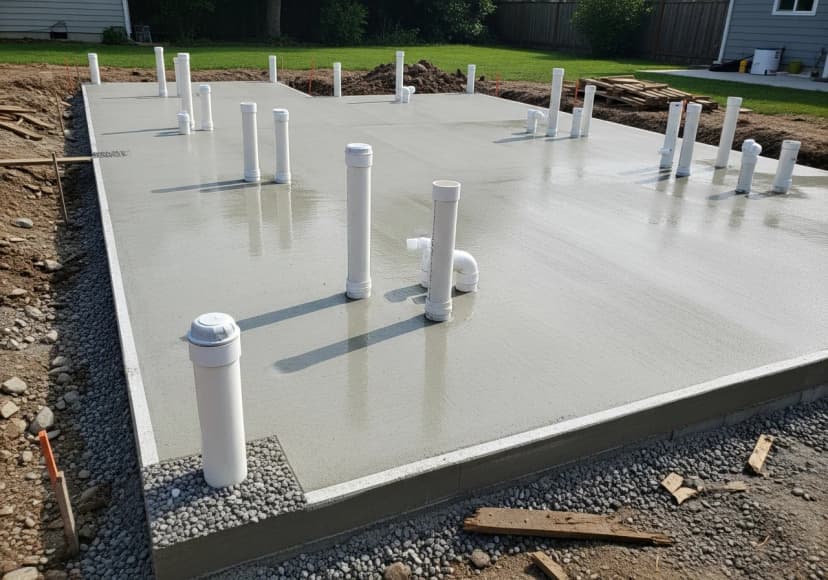
Concrete Slab or Stem Wall Foundation
$8,000–$20,000Detached ADU new construction
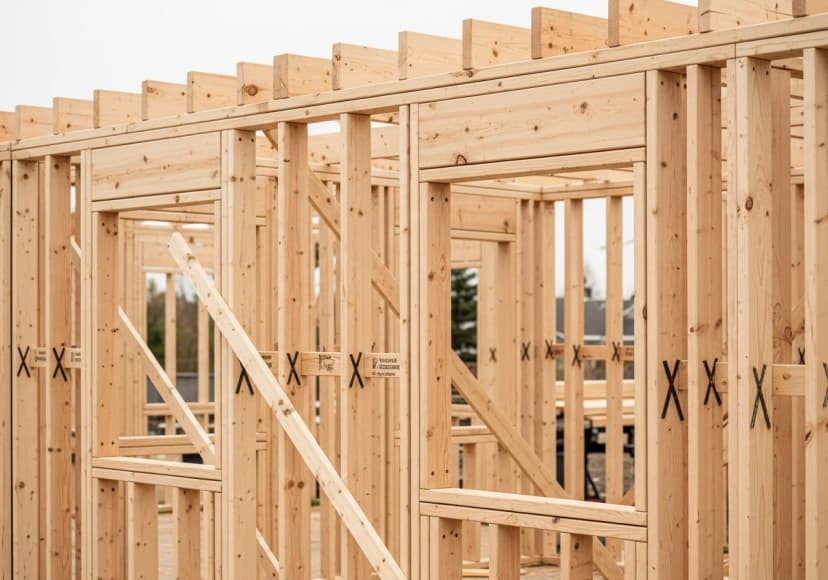
Standard Wood Framing
$12–$22 per sq ft framedAll ADU types
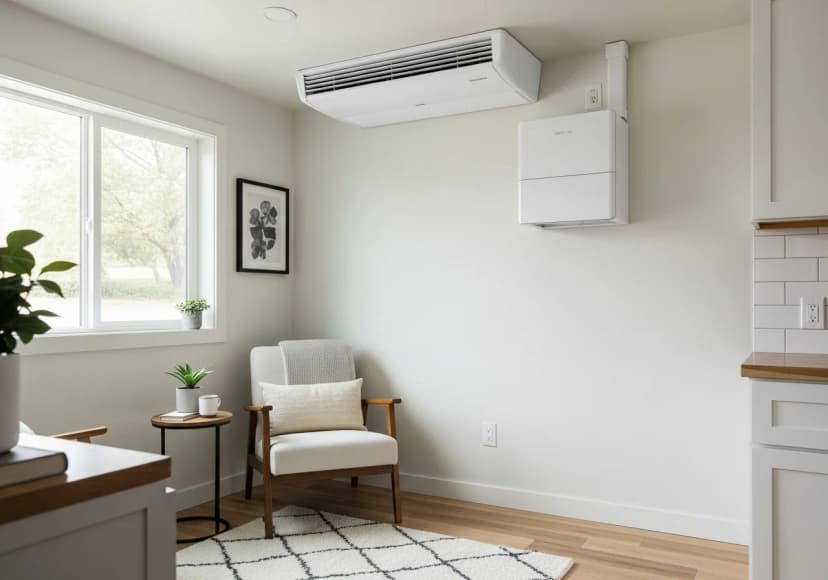
Mini-Split HVAC System
$3,500–$7,000 installedDetached ADUs and garage conversions
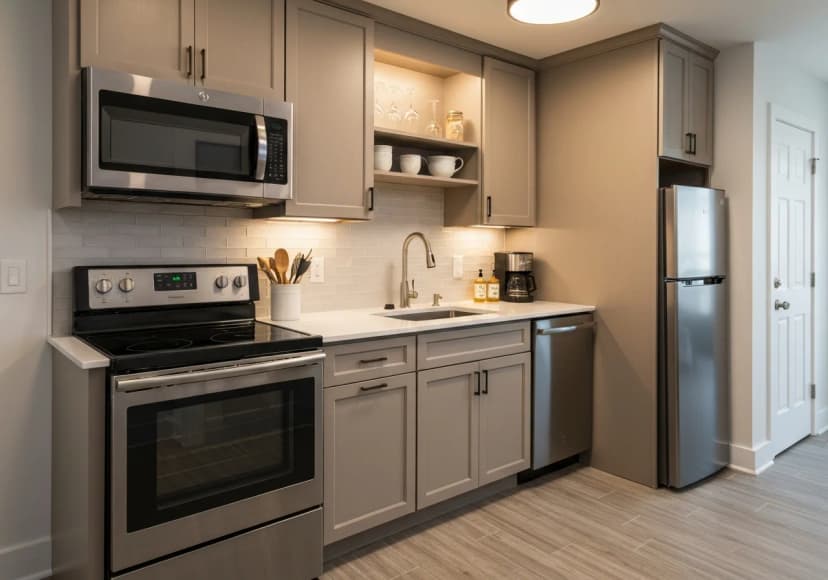
Compact Kitchen Package
$5,000–$15,000 completeStudio and one-bedroom ADUs
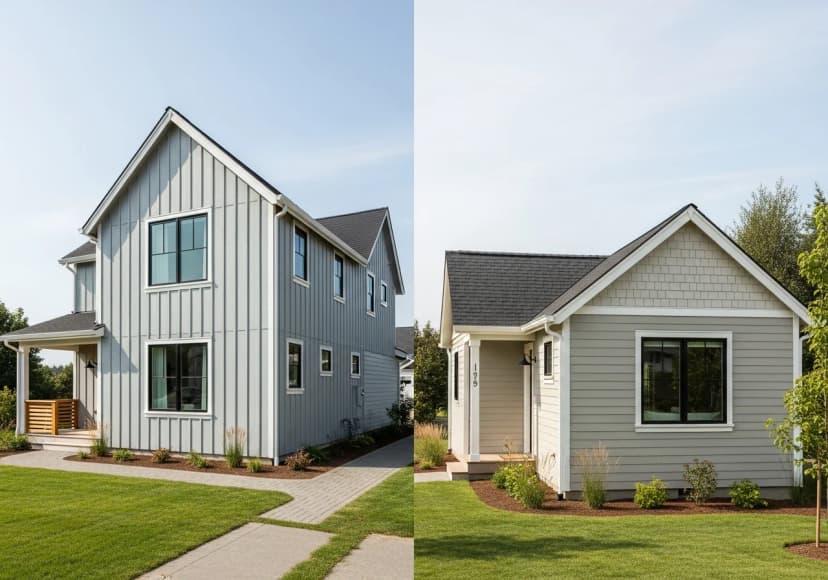
Matching or Complementary Siding
$5–$15 per sq ft installedSeamless property aesthetic
Learning from others' mistakes saves time and money. Here are the most common ADU construction design pitfalls we see in Eagle:
Need rental income but do not want to move
A detached ADU can produce rental income while you continue living in your primary home — our 600 sq ft North End one-bedroom has a recorded rental potential of $1,400–$1,600 per month.
Aging parents need close but independent living space
An ADU with a separate entrance provides privacy and independence while keeping family close. Accessibility features can be built in from the start.
Existing garage is unused and taking up valuable space
A garage conversion ADU transforms underutilized space into a functional living unit at a lower cost than new construction.
Need a dedicated workspace separate from the main home
A detached ADU configured as a studio or office provides the separation remote workers need, with the commute of a backyard walk.
Want to maximize property value and investment potential
A well-built ADU adds $100,000+ to property value and generates ongoing rental income — one of the highest-ROI improvements a homeowner can make.
For ADU construction projects in Eagle, you have two main approaches to the design process: hiring a separate interior designer then a contractor, or working with a design-build firm that handles both under one roof.
Design-build (our approach)
- ✓ Single point of contact
- ✓ Design informed by real construction costs
- ✓ Faster project delivery
- ✓ Budget aligned from day one
Separate designer + contractor
- ● More specialized design expertise
- ● Independent design perspective
- ● Requires coordination between parties
- ● Can result in budget surprises
Local factors — Eagle's housing stock and typical construction eras, the climate conditions that drive material and scheduling choices, and permitting through City of Eagle Building Department — are covered in full on our Eagle page for this service, alongside 4 common project types.
ADU Construction in Eagle: housing stock, climate & permits →Can I rent out my ADU?
In most Boise-area jurisdictions, yes. ADUs can be rented as long-term rentals. Short-term rental rules (Airbnb, VRBO) vary by city and may have additional restrictions. Check local regulations before planning a short-term rental strategy.
Will an ADU increase my property value?
Yes. A permitted, well-constructed ADU typically adds $100,000-200,000+ to property value in the Boise area — often more than the construction cost. ADUs also make a property more attractive to buyers who value rental income potential or multigenerational living flexibility.
Planning ADU construction in Eagle?
Get expert guidance and a free estimate for your adu construction project in Eagle, ID.
Get Your Free Estimate