
Home Additions Design Ideas for Nampa
Get inspired with home additions design ideas tailored to Nampa homes, from trending styles to practical layout considerations.
Quick answer
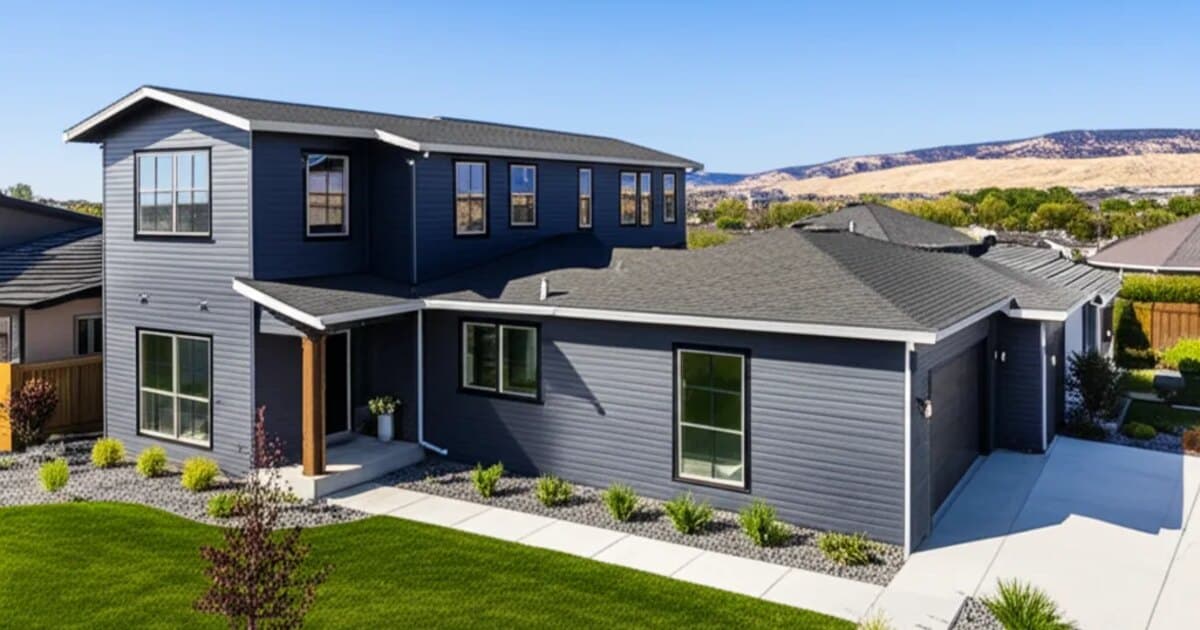
Will the addition match my existing home? Yes. We carefully match rooflines, siding, windows, trim profiles, and interior finishes so the addition looks like it was always part of the house. This is one of the most important aspects of addition design.
Nampa, ID · Home Additions
Planning home additions in Nampa?
Read the full guide below — or get your project priced now. Free, no-obligation estimates from an Idaho registered local team, backed by a 1-year workmanship warranty.
- Licensed Idaho RCE-6681702
- 1-Year Workmanship Warranty
- $2M Liability Coverage
- Free, No-Obligation Estimates

Nampa's home addition market is defined by practical, value-conscious decision-making — homeowners who want quality additions that address genuine family needs, priced honestly, and built to last. The community's working-family ethos means that addition projects are rarely driven by luxury aspiration; they are driven by genuine space need, family housing necessity, and the practical financial logic of adding on rather than moving up at today's elevated prices and interest rates. The ranges we publish for Nampa are the ranges we quote in Nampa. We do not publish a percentage discount against Ada County, because we have not measured one, and we do not publish a value-return figure, because we have no transaction-level data isolating an addition from a Nampa sale. The multigenerational family dimension is stronger in Nampa than the financial metrics alone would suggest. Canyon County's extended family networks and the strong cultural value placed on keeping generations close make in-law suite additions not just a financial investment but a family infrastructure investment — one whose returns are felt in daily life, in the practicalities of aging parents having family nearby, and in the economic efficiency of multigenerational living as much as in property value.
Historic Downtown Nampa and Core Neighborhoods
Downtown Nampa's older residential neighborhoods contain the most structurally complex addition environments in the city — homes built between the 1890s and the 1940s with variable construction quality, original framing that may have been modified piecemeal over the decades, and the structural discovery conditions that aging construction predictably presents. These are also the homes with the most character and the strongest neighborhood context, making thoughtful architectural integration of additions particularly important. An addition that adds square footage and functionality to a characterful downtown home removes the limitations — a single bathroom, an undersized primary bedroom — that a buyer would otherwise price into an offer. Whether that translates into a gain on your specific property is a question for an agent working current downtown Nampa comparables; we have no transaction-level data to attach a figure to it. Structural assessment is essential for downtown Nampa additions. The variation in original construction quality — from well-built 1920s Craftsman homes to modest working-class housing from the 1930s and 1940s — means that what is visible from the exterior is rarely a reliable indicator of what is behind the walls. Iron Crest conducts pre-construction structural reviews for every addition connecting to pre-1960 downtown Nampa construction.
Kingsbridge and Southgate Areas
East Nampa's production subdivisions from the 1990s through the 2000s present the most straightforward addition environment in the city — newer framing, consistent construction quality, and production-home floor plan deficiencies that are well-understood addition triggers. These homes rarely have the structural discovery conditions of older Nampa construction, and addition projects proceed with a higher degree of cost predictability than in the older core neighborhoods. The most common addition drivers in east Nampa's subdivisions are primary suite inadequacy, single-bathroom configurations in three and four-bedroom homes, and the absence of a dedicated family room separate from the formal living room. These homes were built efficiently but not generously, and the additions that address their specific floor plan deficiencies follow predictable patterns that Iron Crest has refined through experience in this specific housing type.
Northwest Nampa and Lake Shore
Northwest Nampa and the Lake Shore corridor represent Nampa's upper-value residential segment, where addition projects trend toward the upper end of Canyon County's cost range and where homeowners bring higher quality expectations and more specific design sensibilities to their addition consultations. These are Nampa's largest and most recently built production homes, where the primary suite situation is better than in older Nampa neighborhoods but where deficiencies in finishes, spatial generosity, and feature richness create the motivation for addition investment. Addition projects in northwest Nampa and the Lake Shore corridor are often about refinement and completion rather than structural remediation — creating the primary suite that the original builder left out of the budget, expanding the kitchen-living connection that the floor plan almost achieved, or building the dedicated home office that a working professional needs. The finish expectations in these additions are appropriately higher than in Nampa's more modest neighborhoods, and the scope is priced accordingly.
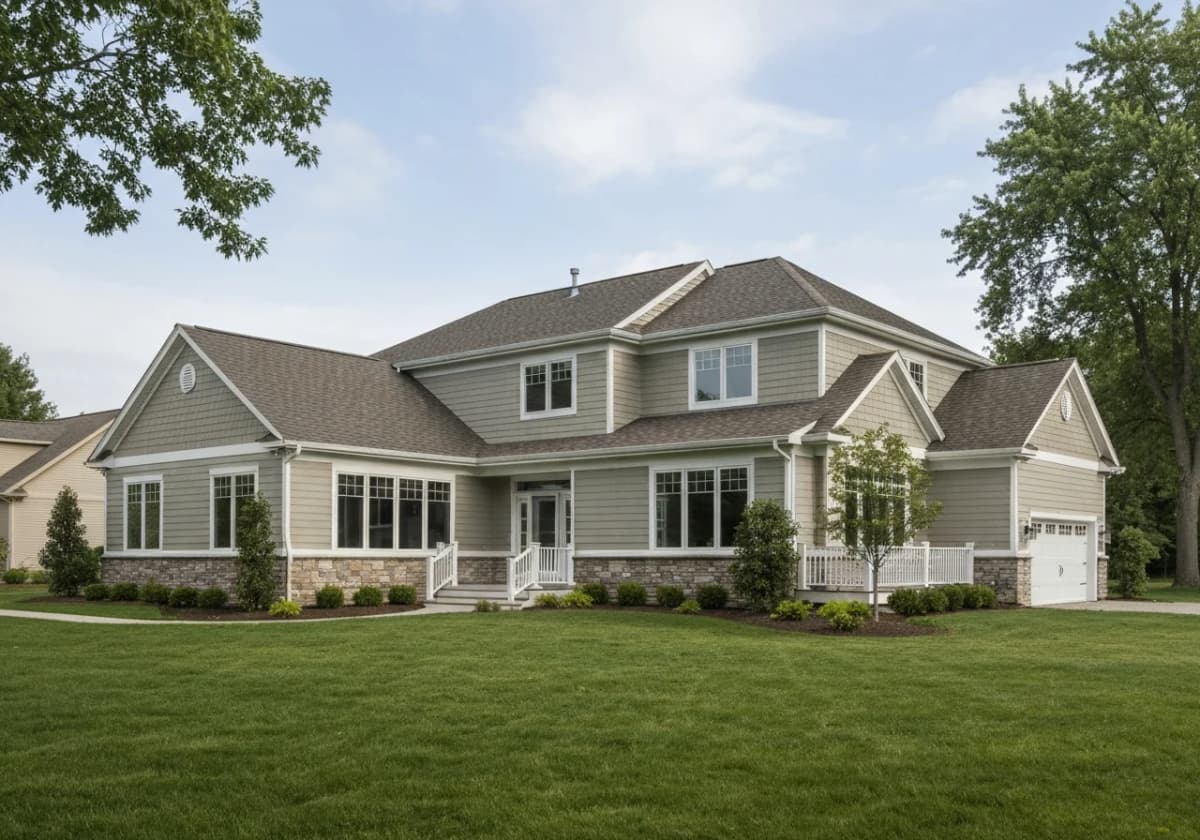
The design phase is where your home additions goes from a general idea to a specific plan. Good design balances aesthetics, functionality, budget, and the unique characteristics of your home and neighborhood in Nampa. Here are the most popular design approaches and trends we see in Nampa and the surrounding Treasure Valley.
Nampa homeowners tend to favor designs that blend modern functionality with the regional character of Idaho homes. Here are the most requested design elements:
These design factors are specific to home additions projects and affect both the look and function of the finished space:
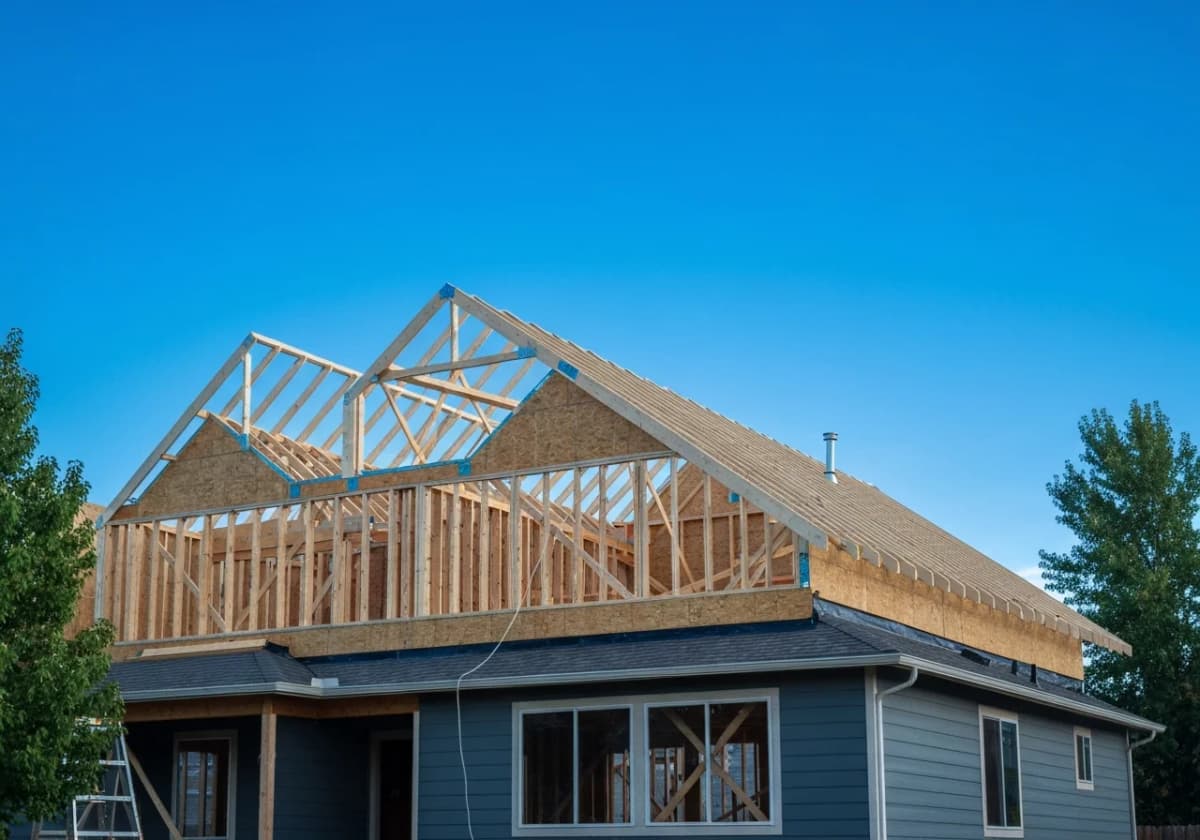
Roofline integration — the addition's roof must tie into the existing roof seamlessly to prevent leaks and visual disconnection
Exterior material matching — siding, trim, window style, and paint color must match or intentionally complement the existing home
Interior flow — the hallway, doorway, and room transition from the existing home into the addition should feel natural, not awkward
Foundation matching — the addition's foundation type should match the existing home (crawl space, slab, basement) when possible
Mechanical system capacity — evaluate whether existing HVAC, electrical panel, and plumbing main can support the additional load
Natural light — plan window placement for light quality, views, and energy efficiency; additions on the north side need more interior lighting
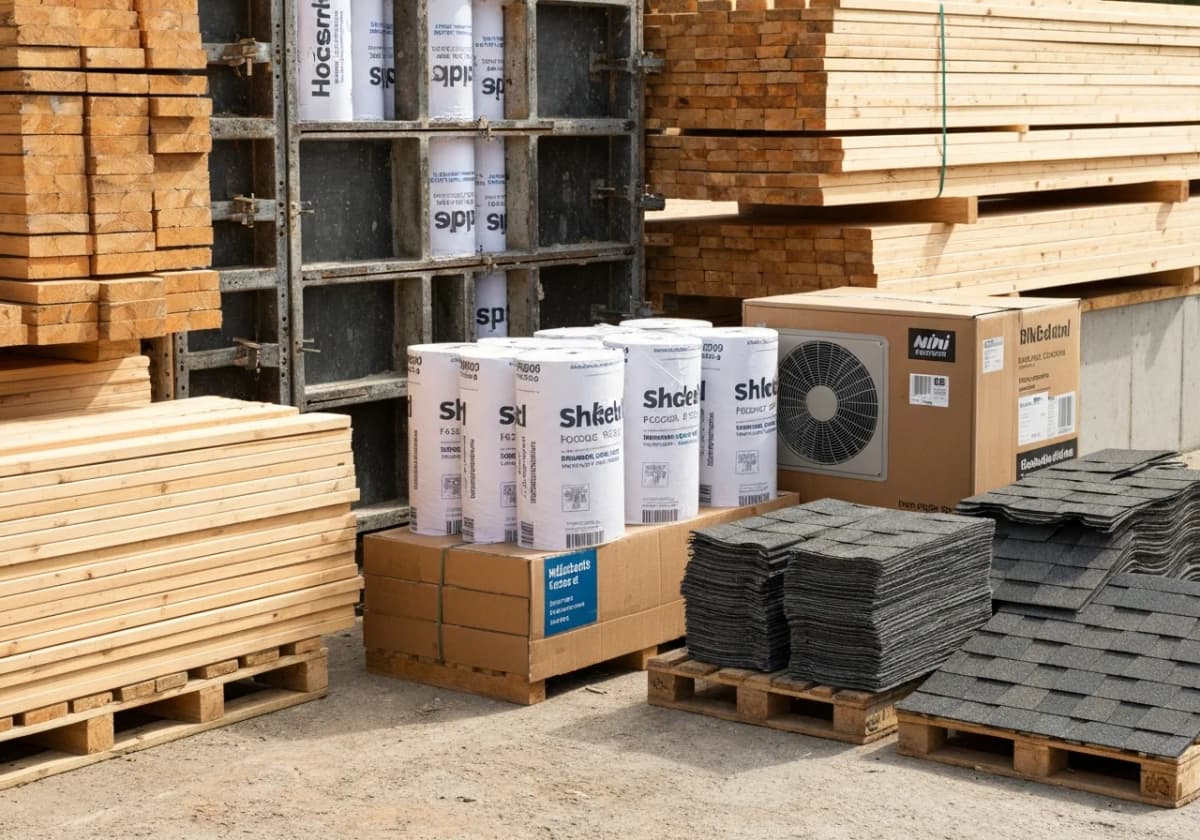
The materials and finishes you choose bring your design to life. Here are the options most commonly selected for home additions projects in Nampa:
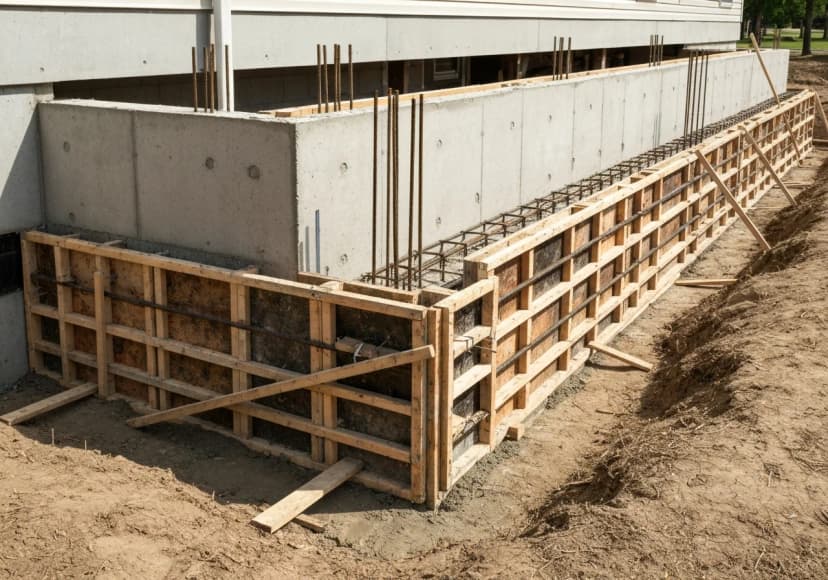
Concrete Foundation (Stem Wall or Slab)
$8,000–$25,000 depending on sizeAll home additions in Idaho
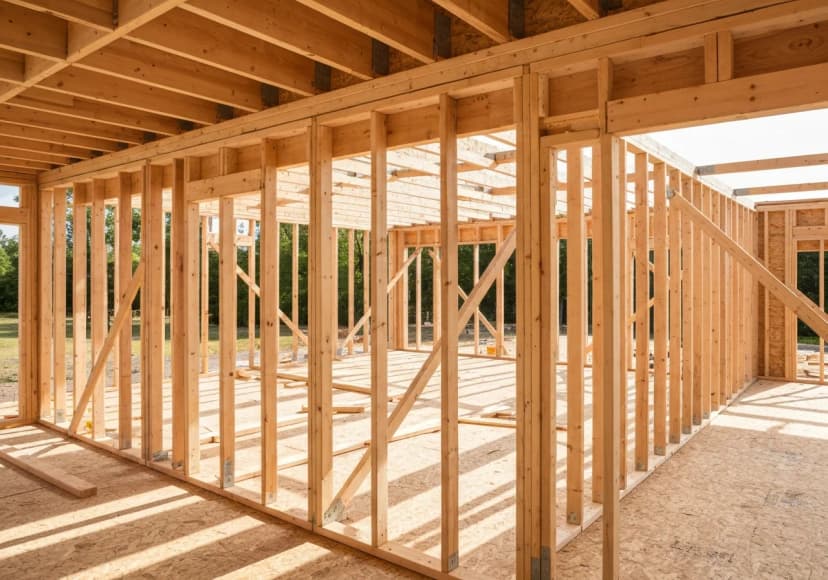
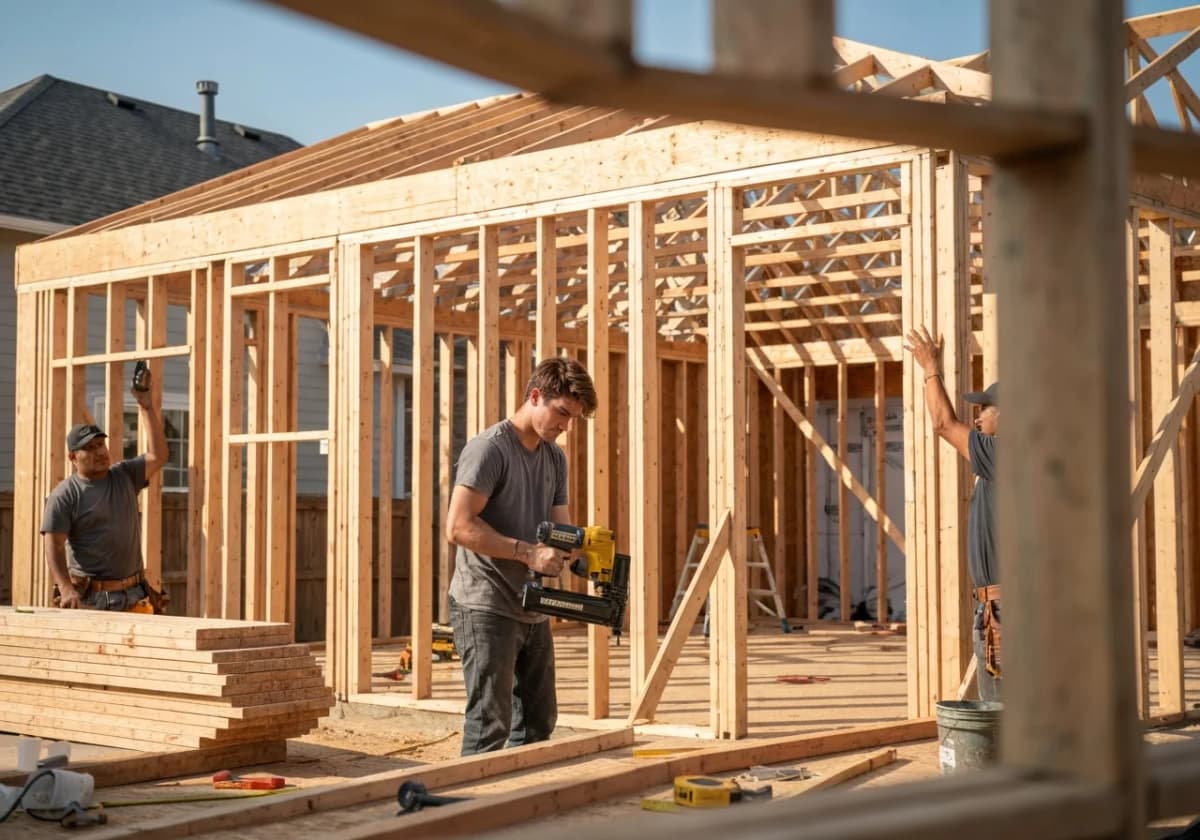
Dimensional Lumber Framing
$15–$25 per sq ft framedStandard room additions and second stories
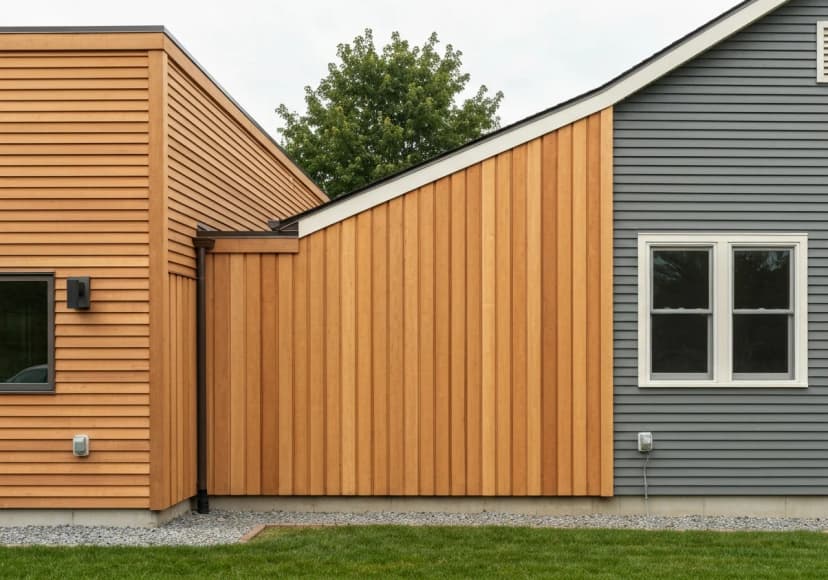
Matching Exterior Siding
$5–$15 per sq ft installedSeamless visual integration
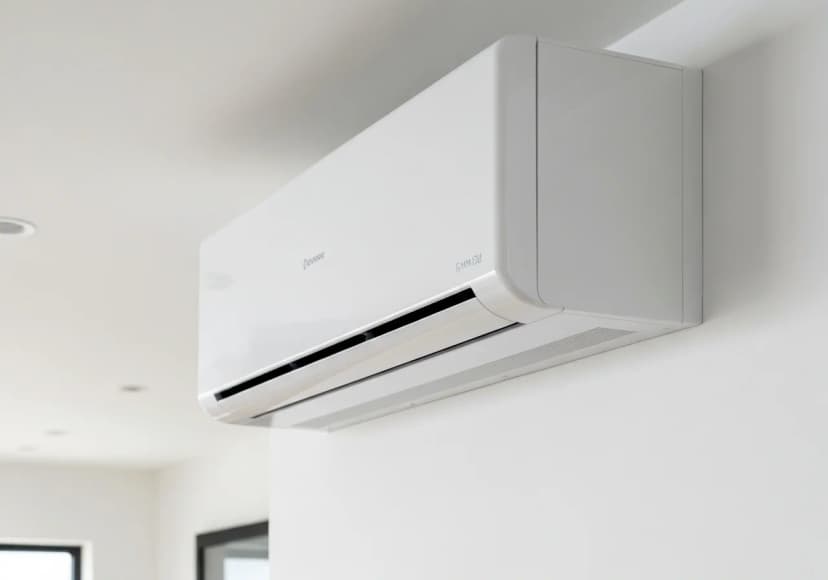
Mini-Split HVAC System
$3,000–$6,000 per zone installedAdditions where extending existing ductwork is impractical
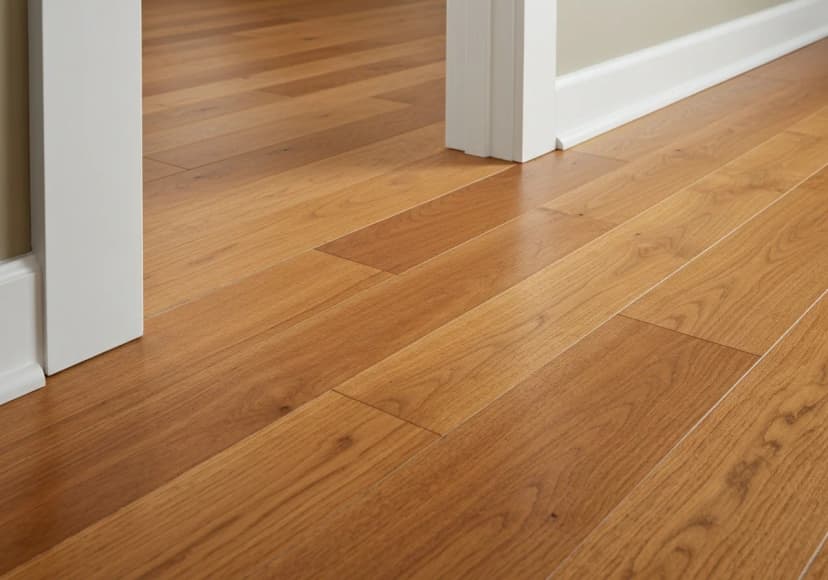
Engineered Hardwood or LVP Flooring
$5–$15 per sq ft installedMatching existing home flooring
Learning from others' mistakes saves time and money. Here are the most common home additions design pitfalls we see in Nampa:
Not enough bedrooms for a growing family
We design bedroom additions that integrate with the existing floor plan, adding space without disrupting current room flow or outdoor living areas.
No primary suite — just a standard bedroom with a hall bath
We add a primary suite wing with a private bathroom, walk-in closet, and direct access. This is the most requested addition type in the Treasure Valley.
Need a home office but no room to create one
A dedicated office addition provides separation from household activity, proper lighting, electrical for equipment, and the quiet workspace remote professionals need.
Aging parents need ground-floor living space
We design in-law suites with bedroom, bathroom, kitchenette, and potentially a separate entrance for independence and privacy.
Cramped kitchen or living area with no room to expand
A bump-out addition of 4-12 feet can transform a cramped kitchen or living room, adding counter space, a dining nook, or a seating area.
For home additions projects in Nampa, you have two main approaches to the design process: hiring a separate interior designer then a contractor, or working with a design-build firm that handles both under one roof.
Design-build (our approach)
- ✓ Single point of contact
- ✓ Design informed by real construction costs
- ✓ Faster project delivery
- ✓ Budget aligned from day one
Separate designer + contractor
- ● More specialized design expertise
- ● Independent design perspective
- ● Requires coordination between parties
- ● Can result in budget surprises
Local factors — Nampa's housing stock and typical construction eras, the climate conditions that drive material and scheduling choices, and permitting through City of Nampa Building Department — are covered in full on our Nampa page for this service, alongside 5 common project types.
Home Additions in Nampa: housing stock, climate & permits →Will the addition match my existing home?
Yes. We carefully match rooflines, siding, windows, trim profiles, and interior finishes so the addition looks like it was always part of the house. This is one of the most important aspects of addition design.
What about my HVAC — will my existing system handle the addition?
We evaluate your existing HVAC system capacity during the design phase. In many cases, a ductless mini-split system is the most practical solution for heating and cooling the addition independently.
Planning home additions in Nampa?
Get expert guidance and a free estimate for your home additions project in Nampa, ID.
Get Your Free Estimate