
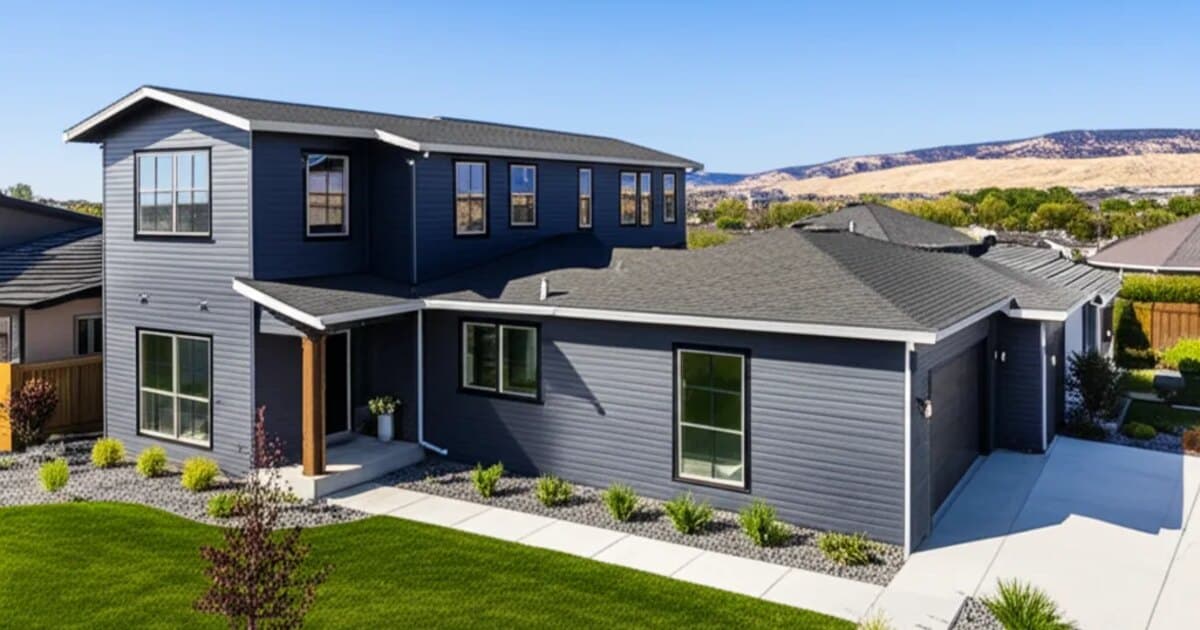
Home Additions Cost in Nampa
See what drives the budget for home additions in Nampa, including structural scope, design complexity, and finish level.
Quick answer
Most Nampa home additions cost $58,000 to $320,000, with a typical Nampa project landing near $125,000. These are the figures we quote in Nampa, and they stand on their own — we do not publish a percentage discount against Ada County, because we have not measured one.
Nampa, ID · Home Additions
Planning home additions in Nampa?
Read the full guide below — or get your project priced now. Free, no-obligation estimates from an Idaho registered local team, backed by a 1-year workmanship warranty.
- Licensed Idaho RCE-6681702
- 1-Year Workmanship Warranty
- $2M Liability Coverage
- Free, No-Obligation Estimates

Typical range in Nampa: $58,000 – $320,000
Typical Nampa project: $125,000
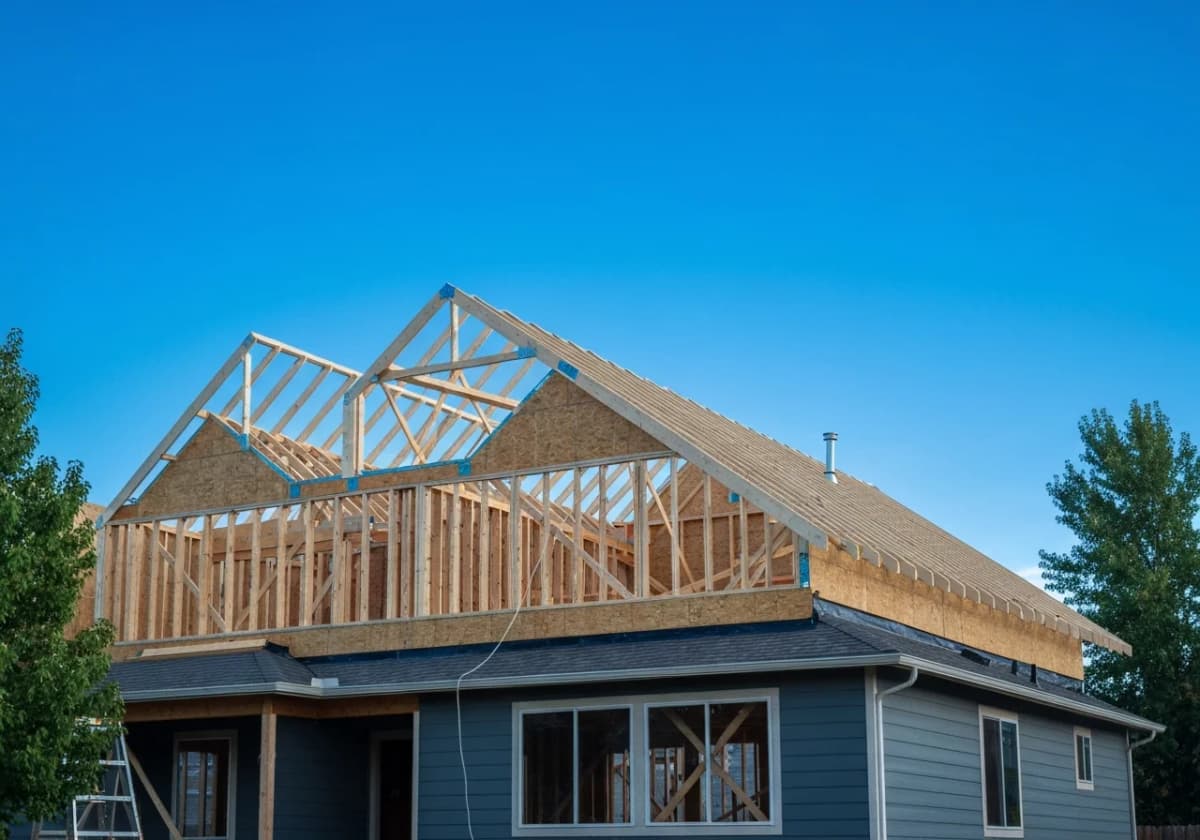
These are the figures we quote in Nampa, and they stand on their own — we do not publish a percentage discount against Ada County, because we have not measured one. Ground-floor room additions run $58,000 to $95,000. Primary suite additions with bathroom run $90,000 to $160,000. Second-story additions run $160,000 to $280,000 depending on structural complexity and finish specification. In-law suite additions run $115,000 to $200,000. Canyon County foundation depth requirements affect foundation costs for all addition projects. The top of the range quoted above is reached by combined scopes — a second story taken together with a main-floor expansion — rather than by any single project type listed here.
Permit costs and review times in Nampa
Permit fees and plan-review turnaround are set by Nampa, not by the contractor, and they differ across the Treasure Valley. They belong in your budget and your schedule from the start.
- How Nampa calculates the fee
- Valuation-based. Building-permit fee per the city's Schedule of Permit Fees: $369.69 for the first $25,000 + $9.55 per additional $1,000 (to $50k); $608.44 + $6.61 per $1,000 (to $100k); $938.94 + $5.29 per $1,000 (to $500k). Plan review is 65% of the building-permit fee. Trade (plumbing/mechanical/electrical) sub-permits are charged separately.
- Plan-review turnaround
- Allow 1–2 weeks to process an application after payment is submitted.
Figures quoted from Nampa's published scheduleSchedule of Permit Fees (Exhibit A, Res 86-2021), eff. Mar 1, 2022
Idaho adopts building codes by statute, so the code editions are the same statewide — the 2018 IRC with Idaho amendments and the 2023 NEC. What changes between cities is the fee formula, the review queue, and which office holds the file.
The cost of home additions in Nampa depends on the scope of work, materials selected, complexity of the layout, condition of existing systems, and the finish level you choose. Every project is different, but understanding the major cost drivers helps you plan a realistic budget and make informed decisions about where to invest and where to save. The ranges above reflect the full spectrum of projects we complete in Nampa — from straightforward updates to comprehensive renovations with premium materials and significant structural changes.
Common project types we take on in Nampa, with the typical investment and timeline for each:
Nampa Ranch — Primary Suite Addition
$95,000–$155,0003–5 monthsSingle-story Nampa ranches from the 1960s through 1980s that have only one or one-and-a-half bathrooms are the most common home addition canvas in the city. A ground-floor primary suite addition — expanding or creating a dedicated primary bedroom with a proper bathroom including custom tile shower, dual vanity, and quality fixtures — transforms the home's livability and removes the deficiency a buyer would otherwise price into an offer. These additions require careful roofline integration and exterior material matching to avoid the visual break that poor addition design creates. When done well, the addition looks like it was always part of the original home — an extension that was simply waiting to be built. The bathroom tile specification in these additions accounts for Canyon County's hard water: epoxy grout rather than cementitious grout prevents the calcium buildup and staining that standard grout accumulates under regular exposure to Nampa's high-mineral water supply.
Nampa Family Room Addition — Expanding the Home's Social Core
$62,000–$105,0003–4 monthsNampa homes from the 1970s and 1980s were designed before the open-plan social living concept that defines contemporary residential architecture. A family room addition — 200 to 350 square feet extending off the rear of the home, with large windows or sliding glass door access to the yard, high ceilings, and an open connection to the existing kitchen — transforms the home's daily social dynamic. These additions frequently prompt kitchen remodel discussions as well, because the new room's openness to the kitchen makes the original kitchen's limitations more visible by contrast. The family room addition is among the most immediately felt improvements Iron Crest builds, because it changes where the household actually spends its evenings rather than simply adding floor area.
Nampa In-Law Suite — Multigenerational Family Housing
$115,000–$188,0004–5 monthsNampa in-law suite additions bring aging parents into the family's daily orbit while preserving the independence that both generations value. A ground-floor suite with a private exterior entrance, bedroom, accessible bathroom, and kitchenette is designed specifically for the family member who will occupy it — zero-threshold shower entry, wider doorways, lever hardware, and kitchen height and layout that accommodate the mobility constraints that aging brings. These projects are deeply personal, and the case for them is made on daily quality of life — having parents close and cared for within the family's own property — rather than on a financial return we cannot measure.
Nampa Home Office Addition — Working From Home Properly
$62,000–$110,0003–4 monthsCanyon County's large population of remote workers and self-employed professionals has created sustained demand for dedicated home office additions in Nampa. A proper home office — with its own door to minimize disruption of family members in adjacent spaces, adequate electrical capacity for professional equipment without circuit-sharing issues, ethernet infrastructure to all work surfaces, acoustic separation from family living areas, and a finish quality appropriate for professional video calls — is what a bedroom desk cannot provide. For households where remote-work income depends on focused, professional working conditions, that difference is felt every working day.
These are the factors that have the biggest impact on your home additions budget in Nampa. Understanding each one helps you make better decisions during the planning phase.
Size of the Addition (Square Footage)
high impactHome additions in Idaho typically cost $200-350 per square foot depending on complexity and finish level. Our 400 sq ft primary suite addition in Eagle ran $80,000-$100,000.
Foundation Work
high impactThe type and complexity of foundation work depends on soil conditions, existing foundation type, and addition size. Rocky soil or high water table conditions increase excavation costs.
Structural Complexity and Roofline Integration
high impactTying a new roofline into an existing roof is one of the most critical and costly aspects. Complex rooflines, multiple valleys, and hip-to-gable transitions require skilled framing.
Plumbing and HVAC Requirements
medium impactAdditions with bathrooms require new plumbing lines. HVAC may require ductwork extension, a new zone, or a mini-split system. These mechanical systems add $5,000-15,000 to the budget.
Interior Finish Level
medium impactBuilder-grade finishes vs. premium finishes (hardwood floors, custom trim, tile, quartz counters in a bathroom) can swing interior finish costs by $20-50+ per square foot.
Permit and Engineering Fees
medium impactHome additions require architectural plans, structural engineering, and building permits. Plan preparation and engineering typically cost $3,000-8,000. Permits add $500-2,000+.
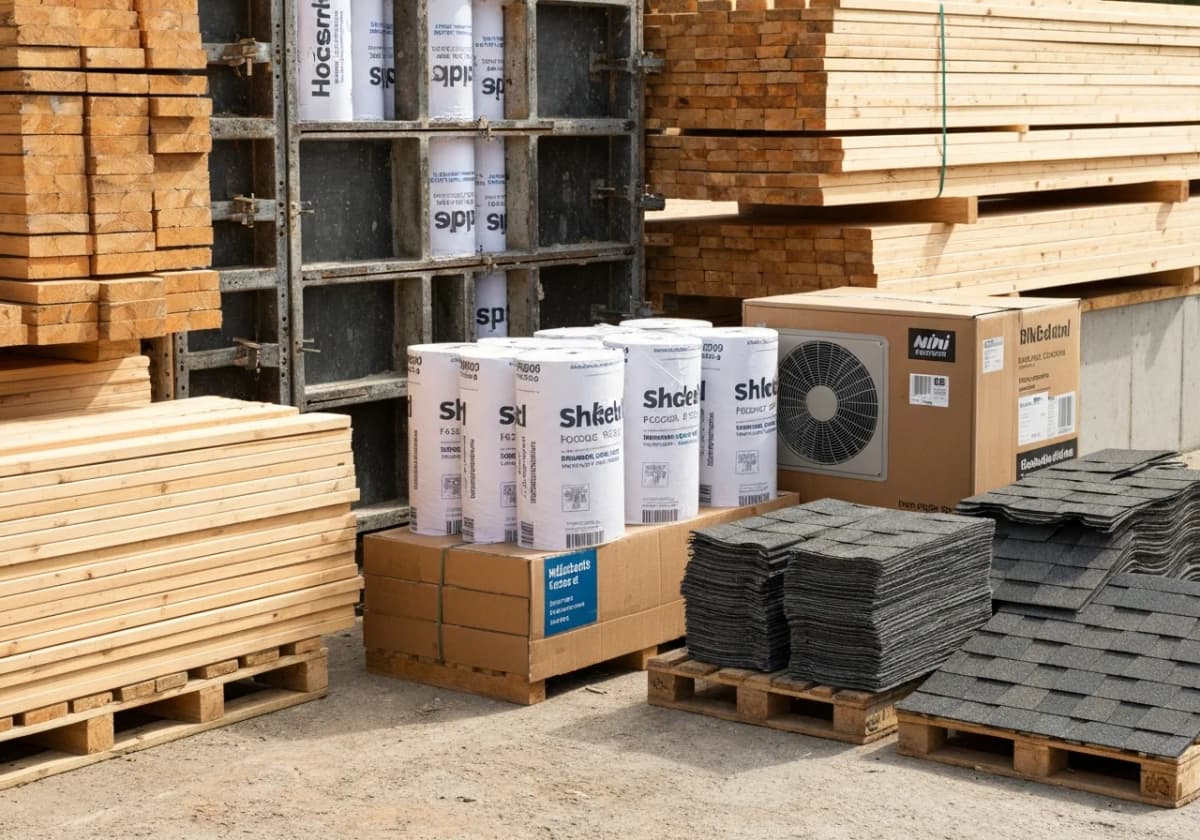
Materials are one of the most controllable parts of your budget. Here is how popular options compare for home additions in Nampa:
| Material | Price Range | Best For |
|---|---|---|
| Concrete Foundation (Stem Wall or Slab) | $8,000–$25,000 depending on size | All home additions in Idaho |
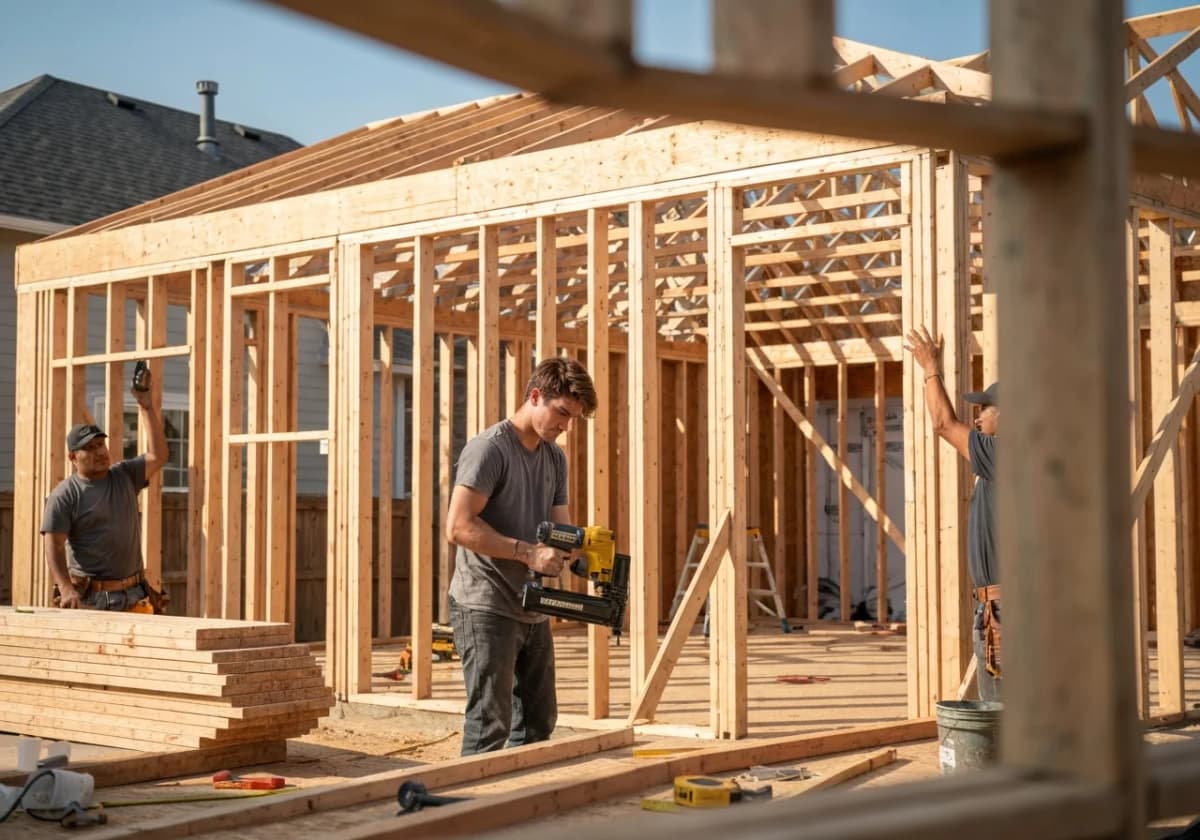
| Dimensional Lumber Framing | $15–$25 per sq ft framed | Standard room additions and second stories |
| Matching Exterior Siding | $5–$15 per sq ft installed | Seamless visual integration |
| Mini-Split HVAC System | $3,000–$6,000 per zone installed | Additions where extending existing ductwork is impractical |
| Engineered Hardwood or LVP Flooring | $5–$15 per sq ft installed | Matching existing home flooring |
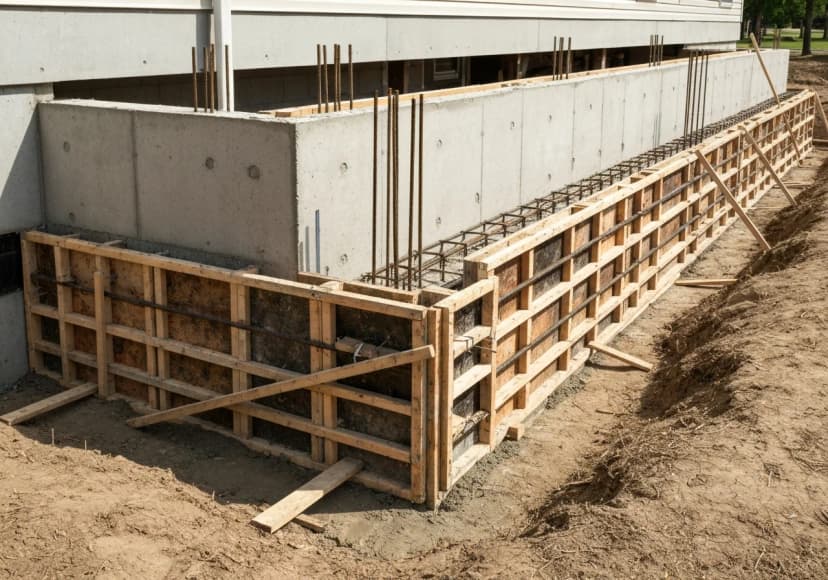
Concrete Foundation (Stem Wall or Slab)
$8,000–$25,000 depending on size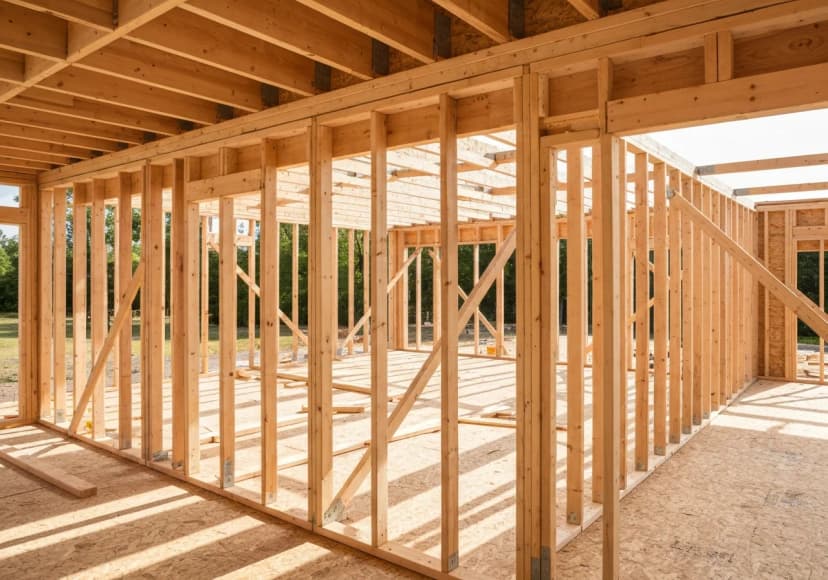
Dimensional Lumber Framing
$15–$25 per sq ft framed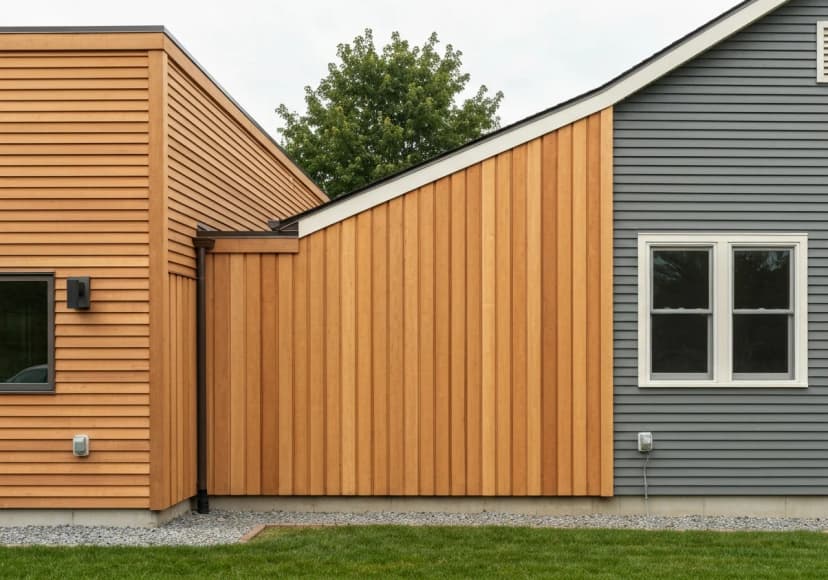
Matching Exterior Siding
$5–$15 per sq ft installed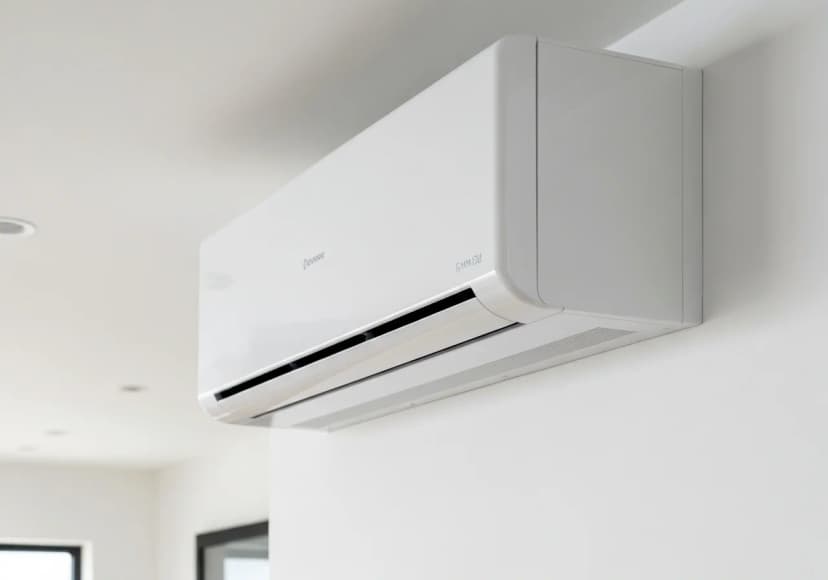
Mini-Split HVAC System
$3,000–$6,000 per zone installed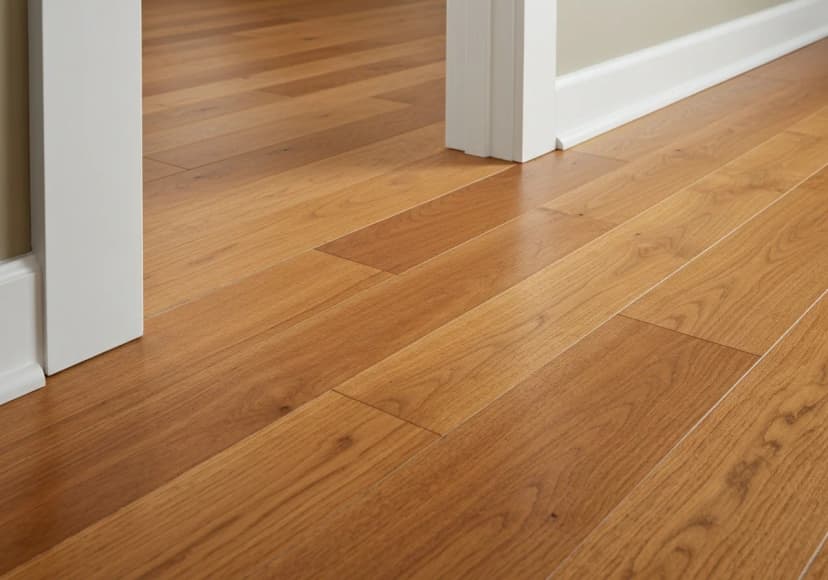
Engineered Hardwood or LVP Flooring
$5–$15 per sq ft installedLabor costs in Canyon County reflect the local construction market, trade availability, and seasonal demand. Spring and summer are the busiest seasons for remodeling in the Treasure Valley, which can affect scheduling and occasionally pricing. Planning your project during the fall or winter months may provide more scheduling flexibility.
The most reliable way to understand what your specific home additions will cost in Nampa is to schedule an in-home consultation. During this visit, we measure the space, discuss your goals and material preferences, evaluate existing conditions, and prepare a detailed scope and estimate based on your specific project.
What to have ready for your estimate consultation:
- ✓ A general idea of your budget range
- ✓ Examples of styles and finishes you like (photos, Pinterest boards, etc.)
- ✓ Any known issues with the current space (leaks, mold, outdated systems)
- ✓ A list of must-haves vs nice-to-haves for the finished project
- ✓ Your preferred timeline for starting and completing the work
Local factors — Nampa's housing stock and typical construction eras, the climate conditions that drive material and scheduling choices, and permitting through City of Nampa Building Department — are covered in full on our Nampa page for this service, alongside 5 common project types.
Home Additions in Nampa: housing stock, climate & permits →How do I know if a home addition is worth it?
That depends on available lot space, budget, current home layout, and whether the extra square footage solves a long-term need. In the Treasure Valley's housing market, adding square footage to a well-located home is often more cost-effective than buying a larger home — especially when you factor in moving costs, higher property taxes, and the appreciation of your current location.
How much does a home addition cost per square foot in Idaho?
Home additions in the Boise area typically cost $200-350 per square foot, depending on foundation type, structural complexity, finish level, and whether the addition includes plumbing (bathroom) or specialized systems. A simple room addition is on the lower end; a primary suite with full bathroom is on the higher end.
Are value-focused remodels common in Nampa?
Yes. Many Nampa homeowners prioritize practical upgrades that improve daily function and property value without overbuilding for the market. We help homeowners find the right balance between upgrade quality and budget to maximize both enjoyment and investment return.
Planning home additions in Nampa?
Get expert guidance and a free estimate for your home additions project in Nampa, ID.
Get Your Free Estimate