
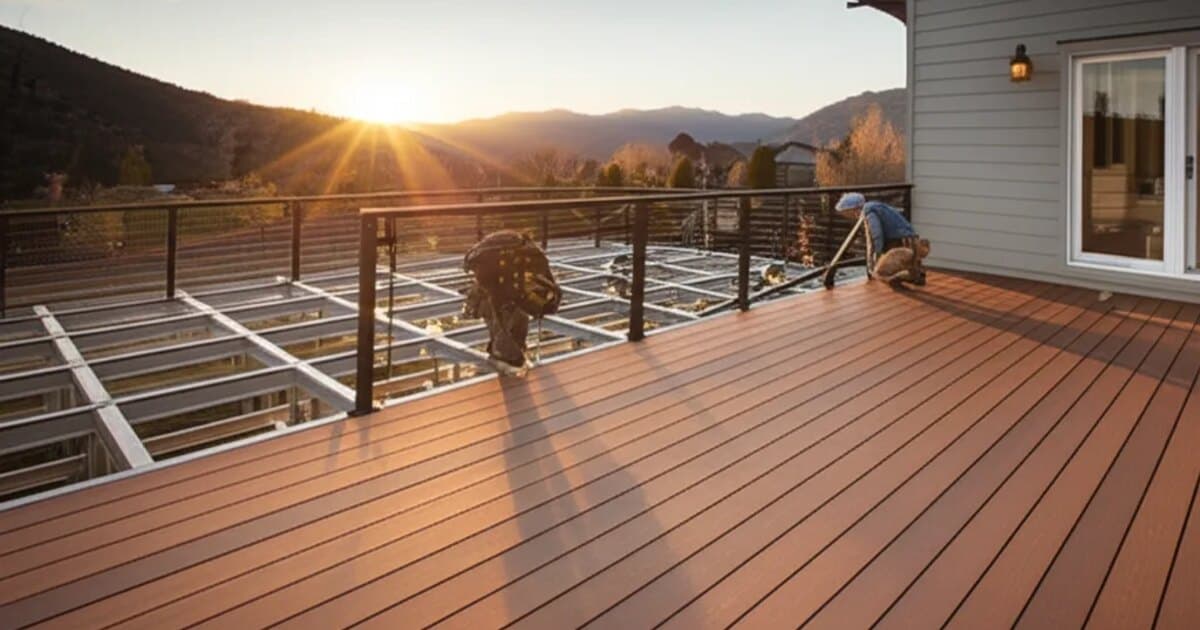
Deck Builder Design Ideas for Boise
Get inspired with deck building design ideas tailored to Boise homes, from trending styles to practical layout considerations.
Quick answer
Boise deck building is meaningfully different from the same service in the other Treasure Valley cities of Meridian, Nampa, or Caldwell — and understanding those differences helps Boise homeowners evaluate contractors whose primary experience is in the broader Idaho market.
Boise, ID · Deck Builder
Planning deck building in Boise?
Read the full guide below — or get your project priced now. Free, no-obligation estimates from an Idaho registered local team, backed by a 1-year workmanship warranty.
- Licensed Idaho RCE-6681702
- 1-Year Workmanship Warranty
- $2M Liability Coverage
- Free, No-Obligation Estimates


Boise deck building is meaningfully different from the same service in the other Treasure Valley cities of Meridian, Nampa, or Caldwell — and understanding those differences helps Boise homeowners evaluate contractors whose primary experience is in the broader Idaho market. Boise's 24-inch minimum frost depth is the Ada County figure (other counties and cities publish their own), but Boise-specific geography creates additional structural considerations that flat-lot Meridian subdivisions don't present. The elevated lots of the Boise Bench, the foothills slopes of Southeast and North Boise, and the canyon-adjacent properties in northeast Boise create deck engineering challenges — post heights, lateral bracing, retaining wall coordination, drainage management — that simply do not arise on the flat lots of Meridian's post-2000 subdivisions. A contractor whose primary deck experience is building on flat Meridian lots may be technically capable of building on a Bench slope, but they will encounter conditions they haven't solved before, which creates risk for the homeowner. Boise's permit environment is more complex than any other Treasure Valley city by virtue of its regulatory overlays. The Airport Influence Zone, the Boise River floodplain, the North End historic district, and the city's urban infill policies create a matrix of overlay conditions that require different submittal requirements, different review timelines, and in some cases different design standards. Iron Crest's Boise-specific permitting experience means that overlay conditions are identified at project initiation — not discovered at plan review — and that the permit submittal reflects the specific requirements of the applicable overlays from the first submittal. Boise's design culture also demands more from a deck builder than Meridian's or Nampa's markets typically do. The concentration of design-aware homeowners in the North End, the Bench, and Harris Ranch — many of whom arrived from California or Pacific Northwest markets with strong design expectations — means that Boise deck projects are frequently held to a higher aesthetic standard than comparable projects in other Treasure Valley cities. The material choices, the railing details, the pergola proportions, and the deck-to-house integration that Boise buyers evaluate are more demanding than the basic functional standard that suffices in less design-conscious markets. Iron Crest's design process — which settles layout, railing, and material selections on paper before anything is ordered — addresses that standard directly.
North End
The North End presents a deck builder's most architecturally demanding and aesthetically rewarding commission in Boise. North End lots are narrow by comparison with West Boise or Harris Ranch, and the houses often occupy a large share of the footprint, leaving rear yards that require design precision to create genuinely usable outdoor living space. The architecture of the homes — pre-1940 Craftsman bungalows with wide covered front porches, exposed rafter tails, and period millwork — sets an aesthetic standard that the deck must honor if it is to read as part of the home rather than an appended afterthought. The most common North End deck typology is a covered rear deck or side-yard deck that extends the kitchen or dining room's connection to the outdoors. Because North End lots often have mature tree canopy — decades-old elms, maples, and cottonwoods that provide natural shade — deck placement relative to the tree root systems requires planning: concrete piers should be located to avoid major root zones, and the deck framing height should clear root activity rather than compress it. Iron Crest's pre-construction site analysis for North End decks includes a tree proximity assessment to ensure that neither the tree nor the deck's foundation is compromised by the other. Material selection in the North End strongly favors natural materials or composite materials that convincingly reference them. Cedar decking with exposed-beam pergola framing, Craftsman-bracket details at post-to-beam connections, and painted wood railing that matches the home's exterior color palette creates design continuity that North End buyers and their neighbors value. Composite decking in warm wood-tone colors (Trex Havana Gold, TimberTech Tigerwood) can work well in the North End when the Craftsman detailing of the pergola and railing carries the design authenticity; ultra-contemporary cable railing or all-gray composite can feel jarring against a 1920 Craftsman exterior and is typically not the right choice without careful design coordination. Permit considerations in the North End require particular attention to setback compliance. Rear and side setbacks vary by parcel and zoning district under Boise's Modern Zoning Code, and on many tight North End parcels deck additions that extend too close to property lines will trigger variance requests or redesign requirements at plan review. Iron Crest's pre-permit site survey confirms exact setback dimensions from the survey pins before the design is finalized, preventing the frustrating situation where a completed design must be scaled back at the permit submittal stage. North End decks that fall within the historic district overlay also require confirmation that the deck design is appropriate for the historic setting — primarily a concern for street-visible front porch additions rather than rear decks, but worth confirming with City of Boise Planning and Development Services at project initiation. The design standard the North End sets is the reason material and detail decisions matter more here than the square footage does. People choose this neighborhood for its character and its walkability, and authentic materials and visible craft are part of what they chose. We do not attach a resale number to that — we have no local recovery data and neither does anyone quoting one — but a cedar deck with a Craftsman pergola that functions impeccably as an outdoor dining room is the kind of detail a North End house is judged on, by its owners daily and by the next buyer eventually.
Boise Bench
The Boise Bench's defining characteristic for deck building is elevation — the Bench sits well above the Boise River valley floor, creating view corridors on south and west-facing properties. A deck on the right Bench lot, oriented correctly, frames views of the Owyhee Mountains and the Snake River Plain. Capturing that view — and building a deck structure strong enough to stand elevated above a sloping Bench lot for decades against Boise's freeze-thaw cycle — is the central design and engineering challenge of Bench deck projects. Elevated Bench decks frequently require posts of 6–12 feet in height, and at that height the framing engineering becomes more involved than a ground-level deck. Lateral bracing between posts — knee braces, cross-bracing, or moment-frame connections — is required to prevent the swaying under live load that tall, unbraced posts exhibit. Where the design falls outside the IRC R507 prescriptive tables, plan review can require a structural engineer's drawing for the footings and post framing; Iron Crest coordinates that engineering review as a standard component of elevated Bench deck projects and confirms the requirement with the Building Division at (208) 608-7070 before the design is finalised. The Bench's 1940s through 1970s homes present a specific ledger-connection challenge. Some of these homes were built with 2x4 exterior wall framing and a single rim joist, so the ledger connection point for a deck attachment has to be opened up and evaluated before the structural design assumes a specific connection detail. In some cases, the most reliable connection requires through-bolting the ledger to the floor framing rather than to the rim joist, or adding blocking between joists to create adequate bearing for the ledger load. Iron Crest's pre-design structural assessment of Bench homes identifies these conditions before the deck design is finalized. The view opportunity on the Bench also creates a premium case for glass panel railing. Glass panels provide unobstructed view lines from the deck surface through the railing — critical for decks where the entire design purpose is to frame a specific landscape view. The maintenance reality in Boise's environment: Bench properties are windier than the valley floor (the Boise front creates canyon-effect wind events particularly in spring and fall), and glass panels accumulate dust and pollen quickly during Boise's March–May wind season. Homeowners who choose glass railing should plan for monthly cleaning during the wind season and quarterly cleaning at other times — or accept that the glass will be persistently smudged from a distance. Iron Crest typically presents glass and cable as parallel options for Bench view decks, allowing clients to make an informed maintenance-versus-aesthetics tradeoff. Bench lot grades also create opportunities for under-deck space utilization. An elevated deck with 8–10 feet of clearance below the frame can incorporate a dry-below deck ceiling system (Trex RainEscape or similar) that channels water off the deck surface away from the space below, creating a covered outdoor space under the deck for storage, a lower-level patio, or workshop space. These under-deck systems are increasingly popular in the Bench context and add meaningful functional square footage to properties where rear yard depth is limited.
Southeast Boise / Harris Ranch
Southeast Boise and Harris Ranch generate a steady stream of new deck construction and deck replacement work — a function of the neighborhood's demographics (young professional families, many with Bay Area or Pacific Northwest remodeling expectations), its housing stock age (1990s–2010s homes whose original pressure-treated decks are now 15–30 years old and reaching end of service life), and its community culture of outdoor entertaining that Boise's climate enables. Harris Ranch specifically has become a showcase neighborhood for high-specification composite deck and outdoor living projects. The master-planned community's HOA standards — which require architectural review for all exterior modifications — have actually elevated the average quality of deck construction in the neighborhood because the review process filters out the cheapest and most visually disruptive approaches. Iron Crest's Harris Ranch deck projects are submitted to the HOA architectural review committee with complete design drawings, material specifications, and color samples — a submittal package that demonstrates design quality and expedites approval compared to incomplete submissions that generate requests for additional information and delays. The typical Harris Ranch deck project involves a 300–600-square-foot composite deck off the main living floor, laid out around the home's existing rear opening so that the interior and the deck read as one space. The indoor-outdoor connection is a design priority for Harris Ranch buyers who have spent time in California or Pacific Northwest markets where that integration is standard; a deck that feels disconnected from the interior — reached by a detour around kitchen cabinetry, or dropped well below the interior floor — gets used less than one that does not. Iron Crest settles the threshold transition, the deck surface height relative to the interior floor, and the sight lines from the kitchen island to the deck as a single design decision rather than as three separate field calls. Southeast Boise's foothills proximity creates a sun orientation consideration that is specific to this part of the city. Properties on the south-facing foothills slopes receive intense afternoon sun from the southwest in summer — a sun angle that a west-facing deck surface absorbs directly. This sun exposure is pleasant in spring and fall but heats composite decking enough on July and August afternoons to be uncomfortable underfoot, making a pergola or shade sail a functional rather than merely aesthetic feature for SE Boise south-facing decks. Iron Crest's SE Boise deck designs routinely incorporate a pergola with louver inserts (Louvretec or TEMO) that homeowners can adjust to modulate summer shade while maintaining winter sun access, addressing the seasonal sun-angle variability that makes a fixed pergola roof either too shady in winter or too hot in summer. Drainage is a practical consideration for Harris Ranch decks that is often overlooked. The neighborhood's HOA covenants restrict surface water discharge onto neighboring properties, and Harris Ranch's relatively tight lot dimensions mean that deck drainage must be directed to the owner's yard or to a compliant discharge point. Iron Crest's Harris Ranch deck designs include a grading plan for the area under and around the deck, ensuring that the City of Boise permit drawings and HOA submittal both address the drainage requirement explicitly — preventing a post-construction HOA compliance notice that requires expensive remediation.
West Boise
West Boise generates a steady volume of deck replacement work for a simple reason: the 1980s and 1990s construction boom that created the Five Mile, Ten Mile, and Gary Lane subdivision corridors also produced a large stock of pressure-treated pine decks that are now 25–40 years old, structurally marginal, aesthetically tired, and in many cases creating liability exposure for homeowners whose guests use the failing structure. West Boise homeowners who are evaluating that replacement decision deserve a clear-eyed assessment of their options. The standard West Boise deck replacement begins with a demolition and structural assessment phase that confirms the condition of the ledger connection (the horizontal framing member that attaches the deck to the house's rim joist) and the original footing depth. Ledger connections on 1980s West Boise decks were frequently made with nails rather than structural lag screws — a connection method that has fatigued over decades of thermal cycling and live load. The ledger replacement, reinforced with code-compliant lag screws into blocking between floor joists, is the most structurally critical step in a deck replacement and the step most often inadequately addressed by contractors who are primarily focused on the visible deck surface. West Boise's typical lot configuration — a generous rear yard, relatively flat grade, and a single-story or two-story home with a primary living floor at or near grade — creates the most straightforward deck framing conditions in Boise. Ground-level decks with posts of 18–36 inches above grade on concrete piers are the norm, and the framing engineering is well-understood. What distinguishes West Boise deck projects is the opportunity to expand scope modestly at minimal marginal cost: adding a pergola cover, extending the deck footprint to include a dedicated dining zone plus a lounging zone, adding a gas line rough-in for a future fire pit table or built-in grill, and specifying cable railing instead of painted wood railing costs more than a basic replacement, but it transforms the project from a maintenance decision into an outdoor room that gets used daily. West Boise's 1980s and 1990s homes frequently have a rear patio opening sized to the era's standard 6-foot slider — a dimension that feels narrow by today's standards and that funnels every trip to the deck through one point. The deck layout is what compensates for it. Putting the dining zone on the opening's axis means the table is not reached by a detour; holding the deck surface within a single step of the interior floor keeps the threshold from reading as a barrier; and running the boards away from the house carries the eye out through a narrow opening rather than stopping at it. None of that costs anything at design time, and it is most of the difference between a new deck that feels like part of the house and one that feels appended to it. Energy code considerations for West Boise deck projects involve the ledger connection as both a structural and thermal detail. The ledger penetrates the home's exterior wall assembly — creating a thermal bridge in homes with inadequate flashing and air sealing at that connection. Iron Crest's ledger attachment detail includes a ledger isolation gasket (Deck-Tite or similar) between the ledger and the house sheathing, which both prevents moisture infiltration and reduces the thermal bridging that can cause condensation on the interior rim joist in Boise's cold winters. It is an inexpensive detail at installation and the single cheapest way to avoid rim joist rot later.

The design phase is where your deck building goes from a general idea to a specific plan. Good design balances aesthetics, functionality, budget, and the unique characteristics of your home and neighborhood in Boise. Here are the most popular design approaches and trends we see in Boise and the surrounding Treasure Valley.
Boise homeowners tend to favor designs that blend modern functionality with the regional character of Idaho homes. Here are the most requested design elements:
These design factors are specific to deck building projects and affect both the look and function of the finished space:
Deck orientation — consider sun exposure patterns; west-facing decks get intense afternoon sun in Boise summers, while east-facing decks offer shaded evening outdoor dining
Access and flow — plan deck access from interior rooms (kitchen, living room, or primary bedroom) for natural indoor-outdoor flow
Board direction and pattern — deck boards can run parallel to the house, perpendicular, or in diagonal or herringbone patterns to create visual interest
Privacy screening — consider the sightlines from neighboring properties and plan privacy screens, lattice panels, or plantings as needed
Lighting plan — integrated LED deck lighting in posts, stair risers, and railings extends usability into the evening and adds safety
Shade strategy — pergolas, sail shades, or covered roof extensions provide relief from Boise's summer sun while maintaining an open feel
The materials and finishes you choose bring your design to life. Here are the options most commonly selected for deck building projects in Boise:
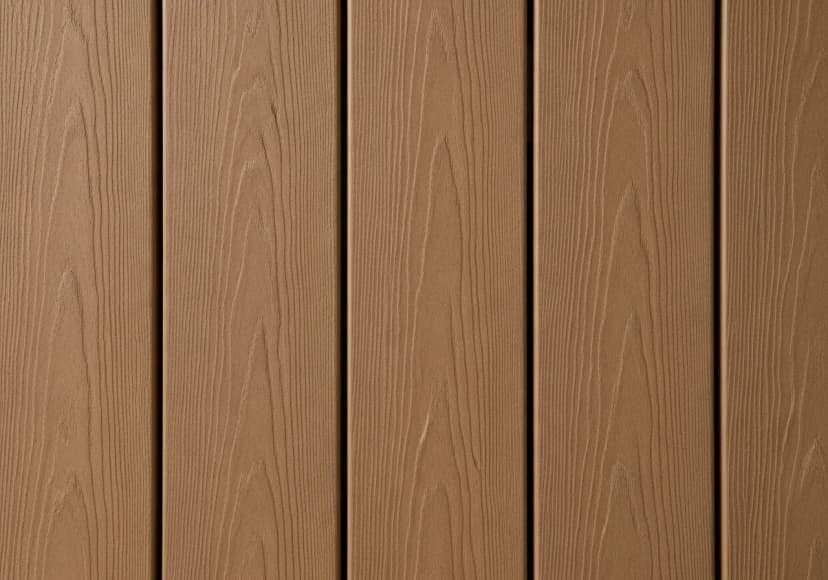
Trex Composite Decking
$8–$16 per sq ft (material only)Homeowners who want a low-maintenance, long-lasting deck surface with consistent color
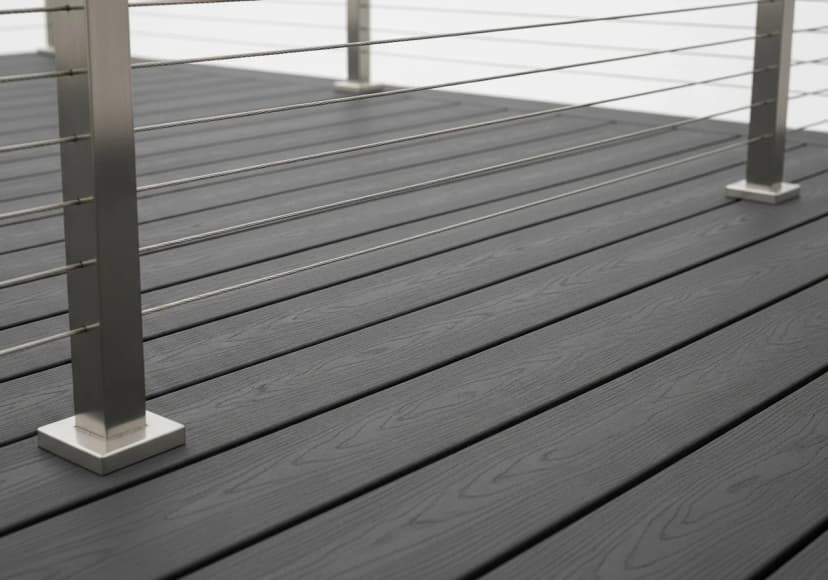
TimberTech / AZEK Composite Decking
$10–$22 per sq ft (material only)Premium projects where appearance, longevity, and warranty are top priorities
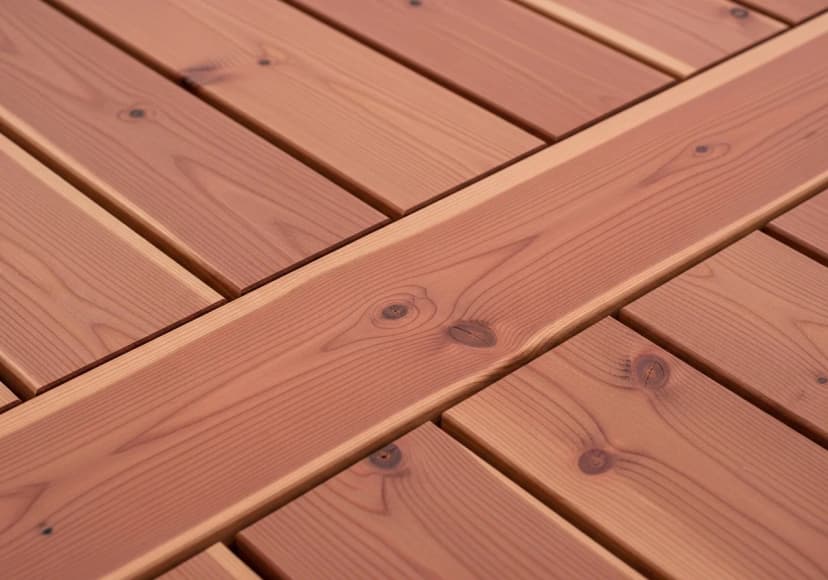
Cedar Decking
$6–$12 per sq ft (material only)Homeowners who prefer natural wood appearance and are willing to maintain it
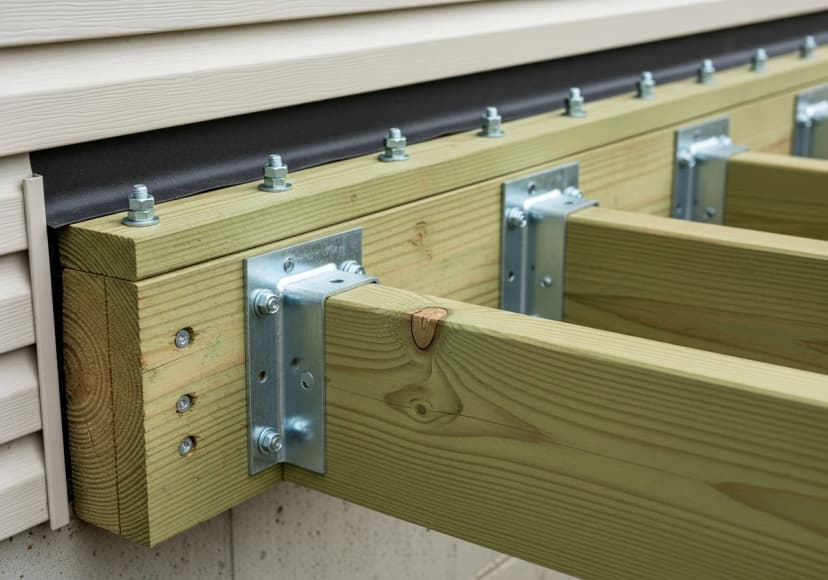
Pressure-Treated Lumber (Framing and Economy Decking)
$3–$6 per sq ft (material only)Deck framing, budget-conscious projects, and utility decks
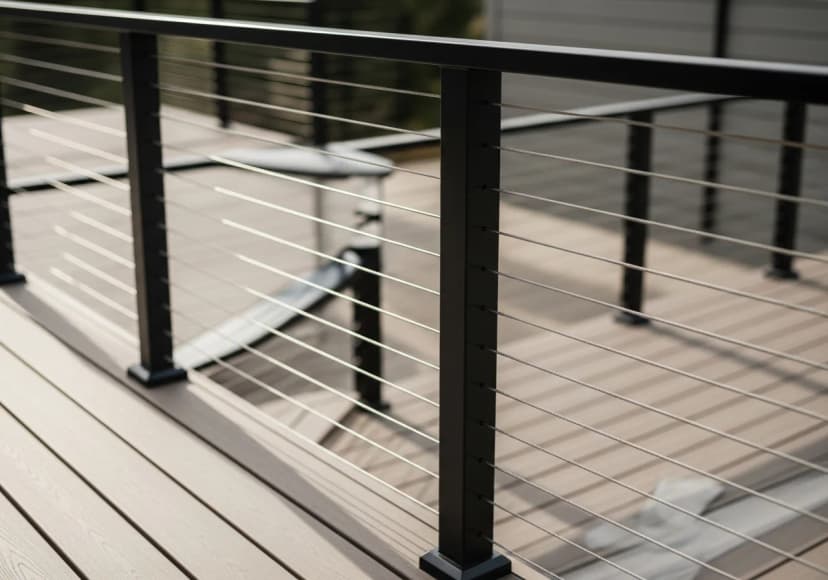
Aluminum or Composite Railing Systems
$30–$80 per linear foot installedAll deck railing applications — especially with composite decking for a unified low-maintenance design
Learning from others' mistakes saves time and money. Here are the most common deck building design pitfalls we see in Boise:
Existing deck is structurally unsafe with deteriorated framing
We perform a structural assessment, remove the unsafe deck, inspect the ledger connection and house framing, and build a new code-compliant deck from the footings up.
Deck boards are warped, splintered, or graying from weather exposure
For decks with sound framing, we can replace the decking surface and railing with composite materials that resist weathering, fading, and splintering — providing decades of low-maintenance use.
Inadequate footings that shift or settle over time
We excavate new footings below the frost line (24 inches in Boise), pour concrete to proper specifications, and install code-compliant post brackets to prevent settling and movement.
Water intrusion at the ledger board connection
Improper ledger flashing is the leading cause of water damage where decks attach to homes. We install code-required flashing and use approved fastener patterns to create a waterproof connection.
Deck does not meet current building code requirements
We bring the deck up to current code standards including railing height, baluster spacing, stair rise and run, structural connections, and footing depth — often required when replacing or significantly modifying an existing deck.
For deck building projects in Boise, you have two main approaches to the design process: hiring a separate interior designer then a contractor, or working with a design-build firm that handles both under one roof.
Design-build (our approach)
- ✓ Single point of contact
- ✓ Design informed by real construction costs
- ✓ Faster project delivery
- ✓ Budget aligned from day one
Separate designer + contractor
- ● More specialized design expertise
- ● Independent design perspective
- ● Requires coordination between parties
- ● Can result in budget surprises
Local factors — Boise's housing stock and typical construction eras, the climate conditions that drive material and scheduling choices, and permitting through City of Boise Planning and Development Services — are covered in full on our Boise page for this service, alongside 5 common project types.
Deck Builder in Boise: housing stock, climate & permits →Do I need a permit to build a deck in Boise?
Yes. Most deck construction in Ada County and Canyon County requires a building permit with structural plans. The permit ensures footings, framing, railings, and stairs meet current building code requirements for safety and structural integrity.
Can you add a pergola or cover to my deck?
Yes. We design and build pergolas, shade structures, and covered deck extensions. These features are especially popular in Boise for protection from the intense summer sun and can extend your outdoor living season by weeks in spring and fall.
Does the North End have special remodeling rules?
Yes. The North End Historic District has additional design review requirements for exterior modifications. Interior work is not affected, but changes to the exterior appearance — siding, windows, roofing, and additions — may require Historic Preservation Commission review.
Planning deck building in Boise?
Get expert guidance and a free estimate for your deck builder project in Boise, ID.
Get Your Free Estimate