
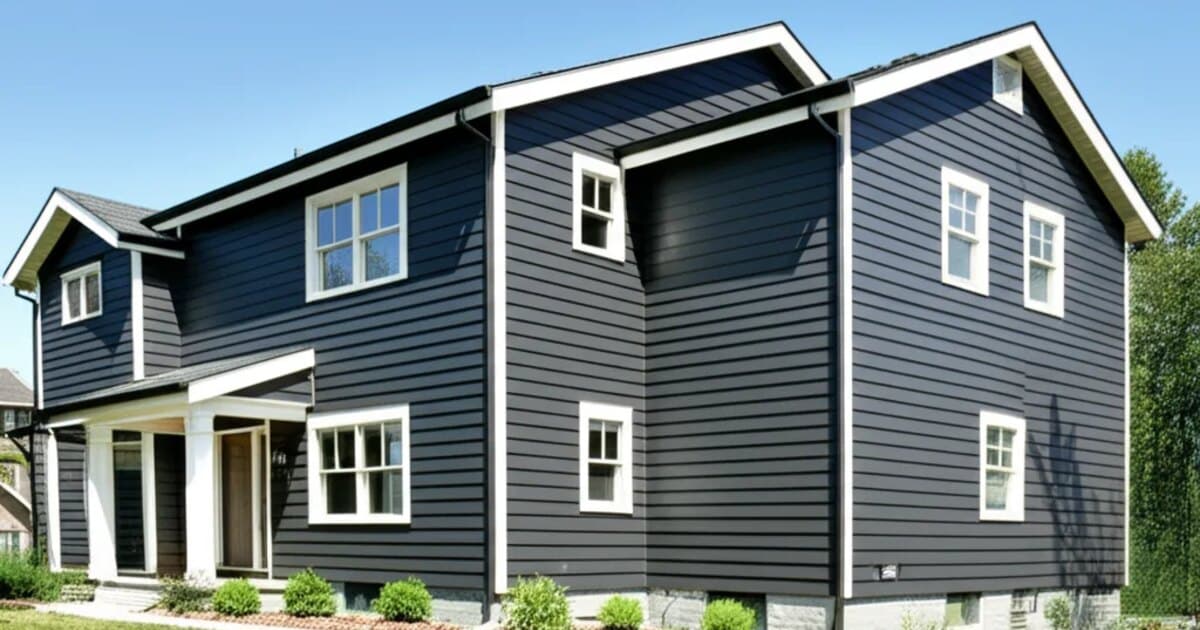
How Long Does Siding Installation Take in Meridian?
Understand the typical timeline for siding installation in Meridian, from material ordering to final inspection.
Quick answer
James Hardie fiber cement siding lasts 40-50+ years. LP SmartSide engineered wood lasts 30-40 years. Quality vinyl siding lasts 20-30 years. Factory-applied color finishes on fiber cement and engineered wood extend the interval between repainting.
Meridian, ID · Siding Installation
Planning siding installation in Meridian?
Read the full guide below — or get your project priced now. Free, no-obligation estimates from an Idaho registered local team, backed by a 1-year workmanship warranty.
- Licensed Idaho RCE-6681702
- 1-Year Workmanship Warranty
- $2M Liability Coverage
- Free, No-Obligation Estimates


How long each type of siding installation project actually takes in Meridian, from our completed work:
| Project | On-site duration |
|---|---|
| Full LP SmartSide Replacement with James Hardie Upgrade | 2–4 weeks |
| Hardboard Siding Removal and Full System Replacement | 3–5 weeks |
| Accent Siding Upgrade — Board-and-Batten Gable and Entry Treatment | 1–2 weeks |
| Stucco Crack Repair and Refinish | 1–3 weeks |
| Siding Repair and Paint Package | 1–2 weeks |
Scope detail and pricing for each of these is on the Meridian siding installation cost guide.
Understanding the timeline for siding installation in Meridian helps you plan around daily life disruptions, coordinate schedules, and set realistic expectations for when the project will be complete. Every project is different, but most siding installation projects in Meridian follow a predictable sequence of phases.
Assessment and Material Selection
1–2 weeksExterior inspection, material consultation, color selection, and detailed estimate. Factory-finished color samples are available for review.
Material Ordering and Permitting
2–6 weeksMaterial ordering (factory-finished James Hardie can take 4-8 weeks), permit application and approval, and trade scheduling.
Old Siding Removal and Sheathing Repair
2–5 daysRemoval and disposal of existing siding, inspection and repair of sheathing and framing, and preparation for weather barrier installation.
Weather Barrier and Flashing
1–2 daysHouse wrap installation, window and door flashing, and sealing of all penetrations and transitions.
Siding and Trim Installation
5–12 daysSiding installation from foundation to soffit, trim and corner board installation, and detail finishing. Duration depends on home size, material, and architectural complexity.
Caulking, Touch-Up, and Inspection
1–2 daysFinal caulking, touch-up painting, cleanup, and walkthrough inspection with the homeowner.
Here is the full step-by-step process for a siding installation in Meridian, including what happens at each stage:
Step 1: Exterior Assessment and Material Consultation
We inspect your existing siding, sheathing, flashing, and trim. We identify areas of damage, moisture intrusion, rot, and insulation deficiencies. We discuss material options, styles, and colors, and provide a detailed written estimate.
Step 2: Material Selection and Design
You select your siding material (fiber cement, engineered wood, or vinyl), profile style, color, and trim details. We create an exterior design plan showing siding layout, trim placement, and color coordination with your roof, windows, and other fixed elements.
Step 3: Permitting and Material Ordering
We pull any required building permits and order siding, trim, weather barrier, flashing, and fasteners. Lead times for factory-finished James Hardie products can run 4-8 weeks; LP SmartSide and vinyl are typically faster.
Step 4: Old Siding Removal and Sheathing Inspection
Existing siding is carefully removed and disposed of. We inspect the underlying sheathing, framing, and insulation for damage, rot, pest activity, and moisture issues. Any damaged sheathing or framing is repaired before new siding goes on.
Step 5: Weather Barrier and Flashing Installation
A code-compliant weather-resistive barrier (house wrap) is installed over the sheathing. All windows, doors, penetrations, and transitions receive proper flashing with manufacturer-approved materials and techniques to prevent water intrusion.
Step 6: Siding and Trim Installation
Siding is installed from the bottom up with manufacturer-specified fastening, gapping, and overlap. Corner boards, window and door trim, frieze boards, and soffit panels are installed. All cuts, joints, and transitions are sealed and finished.
Step 7: Caulking, Touch-Up, and Final Inspection
All joints, penetrations, and trim connections are caulked with premium exterior sealant. Touch-up paint is applied where needed. A final walkthrough verifies installation quality, flashing integrity, and overall appearance.
Several factors specific to Meridian and the Treasure Valley can affect your siding installation timeline:
Material lead times
Custom materials, specialty items, and premium products can have lead times of 4-14 weeks. We order materials as early as possible in the design phase to minimize schedule impact.
Permit processing
City of Meridian Building Department typically processes residential permits in 1-3 weeks. More complex projects with structural changes may take longer. We submit permits immediately after design approval.
Seasonal factors
Meridian shares Boise's semi-arid climate with hot summers, cold winters, and low humidity. The same material and construction considerations apply — UV resistance for exterior materials, freeze-thaw durability, and proper insulation. Interior remodeling can happen year-round, but projects with exterior components are best scheduled during the building season (March through November).
Existing conditions
Meridian's housing stock is predominantly post-1990 construction. The majority of homes feature PEX plumbing, 200-amp electrical panels, and energy-efficient windows — but with builder-grade interior finishes that homeowners upgrade as the homes age. Older homes may reveal unexpected conditions during demolition — water damage, outdated wiring, or structural issues — that add time to the schedule. We build contingency into every project timeline.
Decision-making speed
One of the most common causes of project delays is slow decision-making during the design and material selection phase. Having a clear vision and making timely selections keeps the project on track.
- ✓Complete all material selections before demolition begins — this is the single most important thing you can do
- ✓Make decisions promptly when options or changes are presented during construction
- ✓Avoid making changes to the scope after construction has started — change orders add time and cost
- ✓Plan for materials with long lead times early in the design process
- ✓Work with a contractor who manages the schedule proactively and communicates regularly
Local factors — Meridian's housing stock and typical construction eras, the climate conditions that drive material and scheduling choices, and permitting through City of Meridian Building Department — are covered in full on our Meridian page for this service, alongside 5 common project types.
Siding Installation in Meridian: housing stock, climate & permits →How long does new siding last?
James Hardie fiber cement siding lasts 40-50+ years. LP SmartSide engineered wood lasts 30-40 years. Quality vinyl siding lasts 20-30 years. Factory-applied color finishes on fiber cement and engineered wood extend the interval between repainting.
How long does siding installation take?
A typical full re-side of a single-story home takes 2-3 weeks of on-site work. Two-story homes and complex projects take 3-4 weeks. Material lead times (especially factory-finished colors) add 2-6 weeks before construction starts.
Do Meridian HOAs affect remodeling projects?
For interior work, HOAs are generally not involved. For exterior changes — siding, paint colors, roofing, fencing, and additions — many Meridian HOAs require pre-approval. We recommend checking your HOA guidelines before starting exterior work.
Planning siding installation in Meridian?
Get expert guidance and a free estimate for your siding installation project in Meridian, ID.
Get Your Free Estimate