
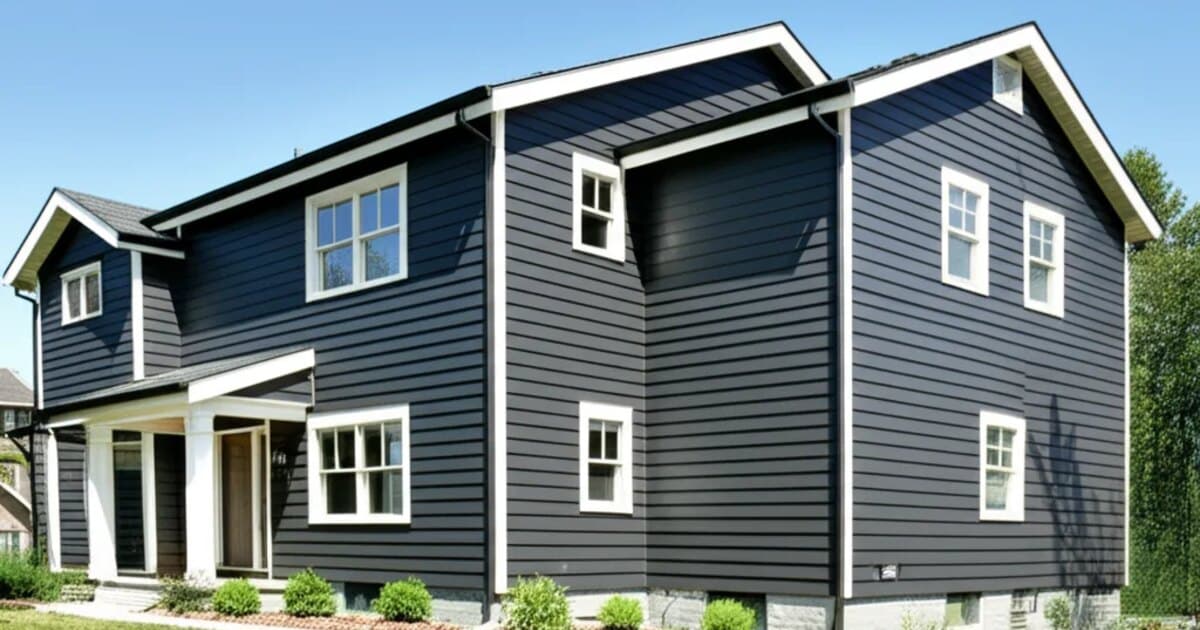
Siding Installation Cost in Garden City
Planning siding installation in Garden City? Here is what to budget for materials, labor, weather barrier, and trim.
Quick answer
Most Garden City siding installation projects cost $10,000 to $40,000, with a typical Garden City project landing near $19,500. Garden City siding costs reflect the city's compact urban lot sizes (generally smaller than suburban counterparts), diverse building types, and the river-moisture material specifications that most projects warrant.
Garden City, ID · Siding Installation
Planning siding installation in Garden City?
Read the full guide below — or get your project priced now. Free, no-obligation estimates from an Idaho registered local team, backed by a 1-year workmanship warranty.
- Licensed Idaho RCE-6681702
- 1-Year Workmanship Warranty
- $2M Liability Coverage
- Free, No-Obligation Estimates


Typical range in Garden City: $10,000 – $40,000
Typical Garden City project: $19,500
Garden City siding costs reflect the city's compact urban lot sizes (generally smaller than suburban counterparts), diverse building types, and the river-moisture material specifications that most projects warrant. Standard residential fiber cement replacement on a Garden City single-family home runs $14,000–$22,000. Mixed-use, live-work, or converted structures with non-standard profiles and higher access complexity run $18,000–$40,000. Projects requiring moisture remediation behind siding on river-adjacent properties — not uncommon — add $3,000–$8,000. The compact lot sizes in Garden City can limit scaffolding access, which adds cost on second-storey elevations where access is restricted; we assess it on site and price it in the proposal rather than discovering it mid-installation.
Permit costs and review times in Garden City
Permit fees and plan-review turnaround are set by Garden City, not by the contractor, and they differ across the Treasure Valley. They belong in your budget and your schedule from the start.
- How Garden City calculates the fee
- Valuation-based (ICC Building Valuation Data or actual project cost, whichever is greater). $2,000 or less: $150; $2,000–$25,000: $150 + $17.08 per additional $1,000; $25,000–$100,000: $542.84 + $12.32 per $1,000; $100,000–$1,000,000: $1,466.84 + $7.97 per $1,000. Residential plan review is 50% of the permit fee for projects over $20,000 (or $155/hour under $20,000). The schedule also apportions project value 70% building / 5% electrical / 5% plumbing / 20% mechanical — confirm with the city which share the building table applies to.
- Plan-review turnaround
- Building permits require 10–15 working days to review (commercial with structural review at least 21 days). Re-submittals restart the review clock.
Figures quoted from Garden City's published scheduleDevelopment Services fee schedule (Resolution 1239-26), Feb 2026
Idaho adopts building codes by statute, so the code editions are the same statewide — the 2018 IRC with Idaho amendments and the 2023 NEC. What changes between cities is the fee formula, the review queue, and which office holds the file.
The cost of siding installation in Garden City depends on the scope of work, materials selected, complexity of the layout, condition of existing systems, and the finish level you choose. Every project is different, but understanding the major cost drivers helps you plan a realistic budget and make informed decisions about where to invest and where to save. The ranges above reflect the full spectrum of projects we complete in Garden City — from straightforward updates to comprehensive renovations with premium materials and significant structural changes.
Common project types we take on in Garden City, with the typical investment and timeline for each:
River-Adjacent Home — Moisture-Resistant System with Anti-Algae Profile
$16,000–$26,0002–3 weeksThe most characteristic Garden City siding project involves properties within two to three blocks of the Boise River greenbelt, where the ambient moisture and biological growth environment demands the most rigorous material and installation specifications. These projects specify James Hardie fiber cement exclusively — the inorganic substrate provides no organic base for algae or mold colonization, and the ColorPlus finish system provides a closed surface that resists moisture absorption and biological adhesion. Smooth profiles (standard HardiePlank without deep wood-grain embossing) are specified for cleanability — cottonwood season cleaning is a practical annual reality, and smooth surfaces make this far more manageable than deeply textured profiles. Housewrap installation is specified to full drainage-plane standards, with attention to the slightly higher ambient moisture of the river environment.
Converted Live-Work Structure — Custom Profile and Urban Industrial Aesthetic
$18,000–$40,0002–5 weeksGarden City's Live-Work-Create district contains structures that began as light industrial or commercial buildings and have been converted — fully or partially — to residential or mixed use. These buildings often have non-standard exterior profiles: exposed metal, corrugated panels, or legacy commercial siding systems that are now at the end of their functional life. Siding replacement on these structures is as much an aesthetic decision as a functional one — the converted industrial aesthetic that defines Garden City's design identity often incorporates materials (corten steel panels, raw fiber cement, painted metal accents) that are not standard residential siding products. Iron Crest approaches these projects with the installation versatility and product knowledge to execute non-standard exterior systems while ensuring that the underlying moisture management and structural protection standards are met.
Greenbelt Corridor Cottage — Period Character with Modern Performance
$14,000–$22,0002–3 weeksThe residential blocks immediately adjacent to the Boise River greenbelt in Garden City contain a mix of modest cottages and bungalows from the 1940s through 1970s that are among the most charming small-residential properties in the Treasure Valley. The combination of their proximity to the greenbelt, their older architectural character, and the creative ownership demographic that has been drawn to this corridor makes siding replacement a careful balancing act: the project must preserve the home's architectural identity while delivering modern moisture protection appropriate to the river environment. James Hardie HardiePlank in 4-to-6-inch exposure widths reproduces the original lap profile of these cottages in a substrate that handles the greenbelt moisture environment without the organic vulnerability of the original wood. Period-appropriate colors — muted blues, sage greens, warm whites — read authentically in the greenbelt setting.
Garden City Core Infill Home — Contemporary Design in Urban Context
$14,000–$24,0002–3 weeksGarden City's newer infill residential development — homes built since 2000 on available lots in the city's compact urban grid — occupies a design space that is distinct from both the river-adjacent cottages and the converted industrial structures. These homes are often designed with more contemporary sensibility than suburban production homes, reflecting the design-aware culture of Garden City's ownership demographic. Siding on these homes is frequently LP SmartSide in a higher-spec profile from original construction, and replacement projects are primarily design-upgrade motivated: transitioning from a standard builder palette to a more expressive contemporary aesthetic with mixed profiles and bold dark colors. The compact urban lots that characterize Garden City infill development require installation crews comfortable with tight clearances and working in the proximity of neighboring structures.
Garden City Exterior Moisture Remediation and Re-Side
$12,000–$28,0002–4 weeksA subset of Garden City siding projects involves homes where the river microclimate has contributed to moisture infiltration through siding installation deficiencies that are more typical of the river environment than of drier Treasure Valley locations. These projects involve investigation of moisture-related conditions — staining, paint bubbling, soft spots in the wall assembly — followed by siding removal, substrate assessment and remediation, and installation of a new moisture management system with particular attention to drainage plane continuity and river-side exposure details. The investigation phase on these projects is critical and is priced separately from remediation and re-siding — the cost of remediation depends entirely on what the investigation reveals.
These are the factors that have the biggest impact on your siding installation budget in Garden City. Understanding each one helps you make better decisions during the planning phase.
Siding Material Selection
high impactThe material choice is the largest cost variable. Vinyl is the least expensive at $5-10/sq ft installed, LP SmartSide is mid-range at $8-13/sq ft, and James Hardie fiber cement is the premium option at $10-16/sq ft installed.
Home Size and Exterior Surface Area
high impactThe total square footage of siding surface — determined by the home's footprint, number of stories, and architectural complexity — is the primary quantity driver. A two-story home has significantly more surface area than a single-story.
Old Siding Removal and Disposal
medium impactRemoving existing siding, especially multiple layers or materials with asbestos content in older homes, adds labor and disposal costs. Single-layer vinyl removal is fast; multi-layer or cement-asbestos removal is slower and more costly.
Sheathing and Framing Repair
medium impactDamaged or rotted sheathing and framing discovered after old siding removal must be repaired before new siding goes on. The extent of hidden damage is often unknown until the old siding comes off.
Trim and Detail Complexity
medium impactHomes with many windows, doors, corners, gables, and decorative trim elements require more cutting, fitting, and finish work. Simpler facades with fewer interruptions install faster and cost less.
Window and Door Flashing
low impactProper flashing around every window, door, and penetration is essential for preventing water intrusion. The number and size of openings directly affects flashing material and labor costs.
Materials are one of the most controllable parts of your budget. Here is how popular options compare for siding installation in Garden City:
| Material | Price Range | Best For |
|---|---|---|
| James Hardie HardiePlank Lap Siding | $10–$16 per sq ft installed | Homeowners who want maximum durability, fire resistance, and long-term value |
| LP SmartSide Engineered Wood Siding | $8–$13 per sq ft installed | Homeowners who want wood-grain appearance with engineered durability and lower cost than fiber cement |
| Vinyl Siding | $5–$10 per sq ft installed | Budget-conscious projects, rental properties, and homeowners who want zero exterior painting maintenance |
| Weather-Resistive Barrier (House Wrap) | $0.50–$1.50 per sq ft installed | Required component beneath all siding installations for moisture and air management |
| PVC or Fiber Cement Trim | $4–$10 per linear foot installed | All exterior trim applications — especially in areas prone to moisture exposure |
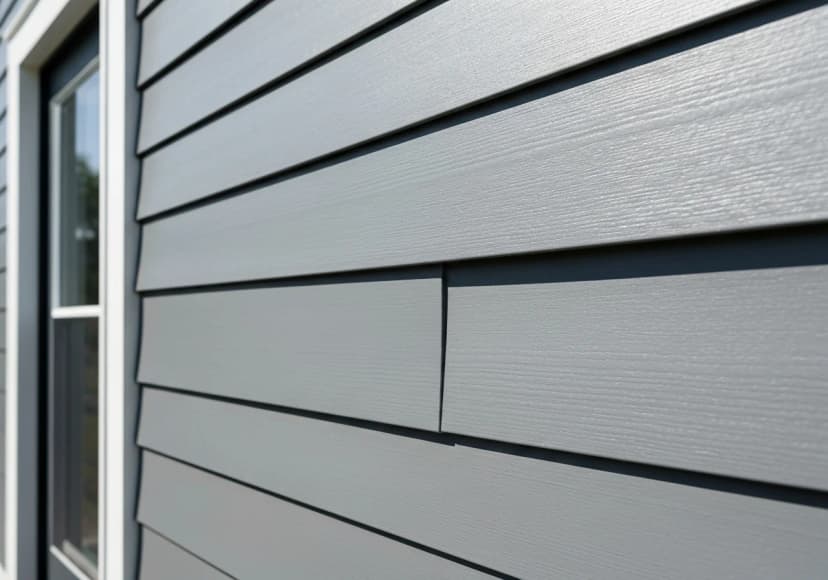
James Hardie HardiePlank Lap Siding
$10–$16 per sq ft installed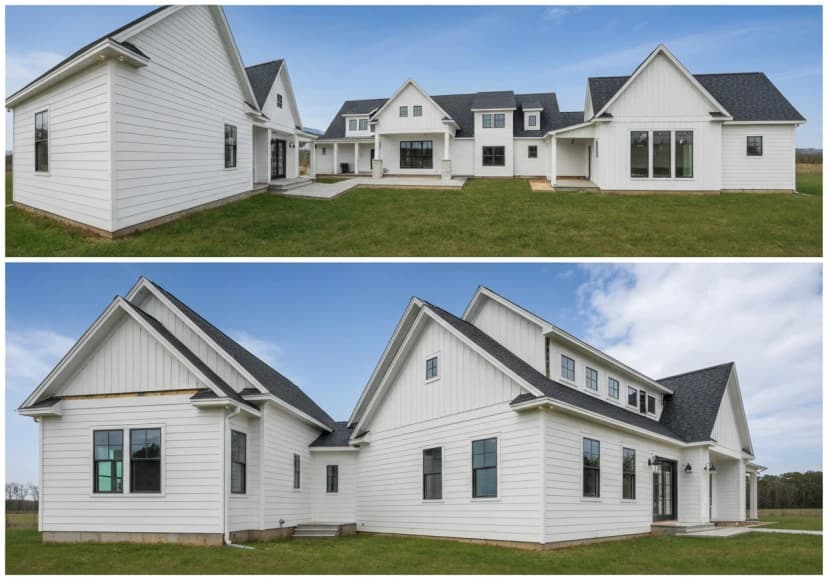
LP SmartSide Engineered Wood Siding
$8–$13 per sq ft installed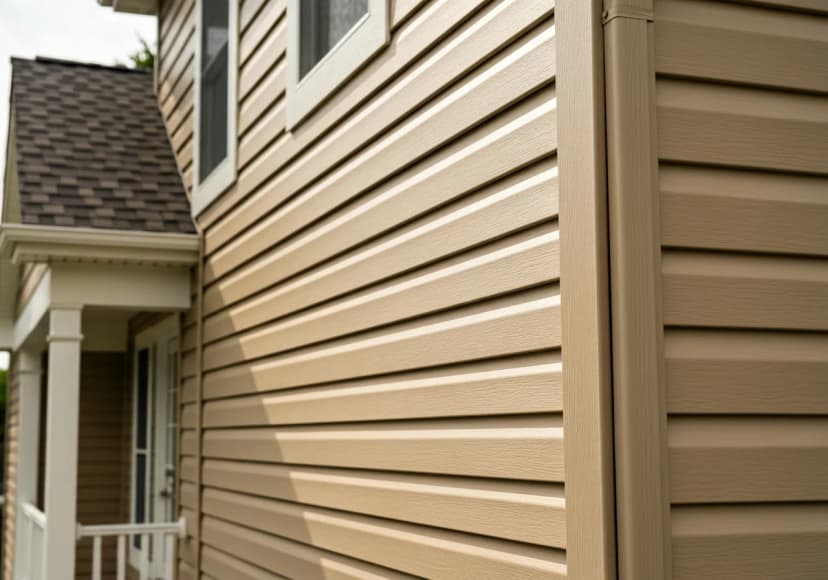
Vinyl Siding
$5–$10 per sq ft installed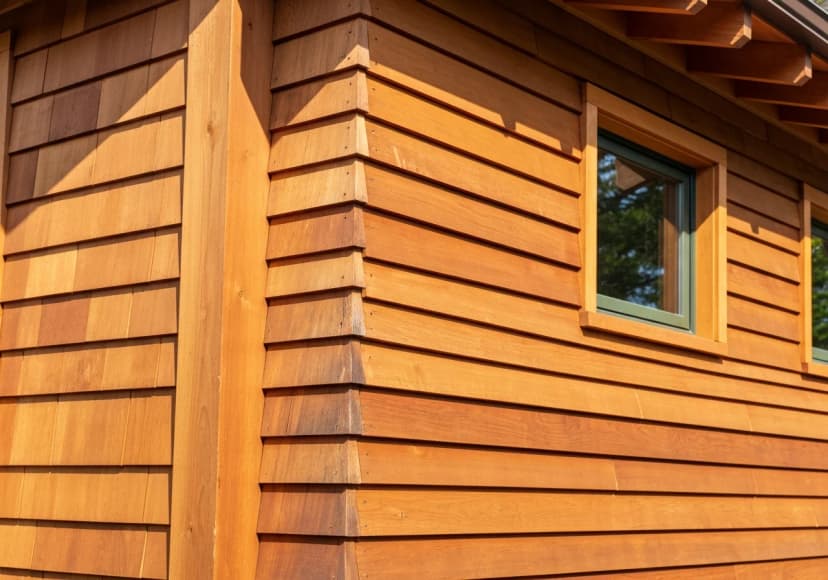
Weather-Resistive Barrier (House Wrap)
$0.50–$1.50 per sq ft installed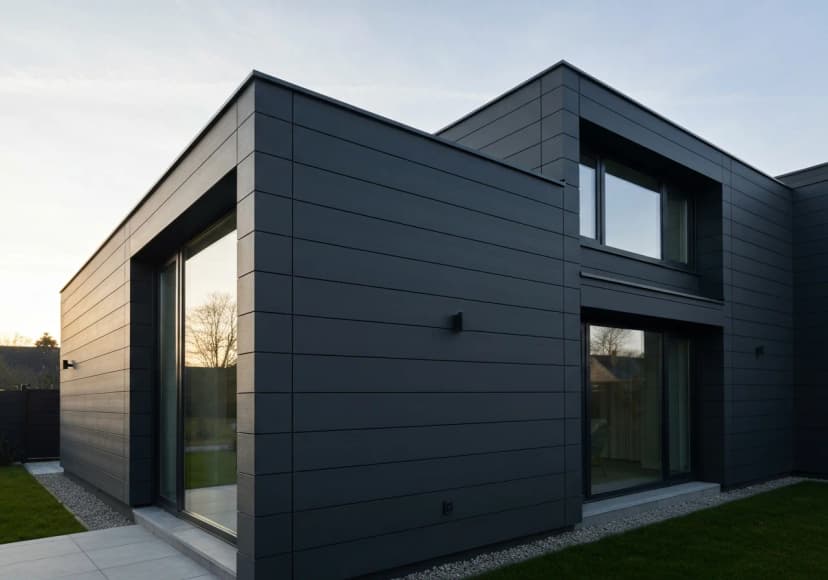
PVC or Fiber Cement Trim
$4–$10 per linear foot installedLabor costs in Ada County reflect the local construction market, trade availability, and seasonal demand. Spring and summer are the busiest seasons for remodeling in the Treasure Valley, which can affect scheduling and occasionally pricing. Planning your project during the fall or winter months may provide more scheduling flexibility.
The most reliable way to understand what your specific siding installation will cost in Garden City is to schedule an in-home consultation. During this visit, we measure the space, discuss your goals and material preferences, evaluate existing conditions, and prepare a detailed scope and estimate based on your specific project.
What to have ready for your estimate consultation:
- ✓ A general idea of your budget range
- ✓ Examples of styles and finishes you like (photos, Pinterest boards, etc.)
- ✓ Any known issues with the current space (leaks, mold, outdated systems)
- ✓ A list of must-haves vs nice-to-haves for the finished project
- ✓ Your preferred timeline for starting and completing the work
Local factors — Garden City's housing stock and typical construction eras, the climate conditions that drive material and scheduling choices, and permitting through City of Garden City Building Department — are covered in full on our Garden City page for this service, alongside 5 common project types.
Siding Installation in Garden City: housing stock, climate & permits →How much does siding replacement cost in Boise?
Most Boise siding projects run $8,500-$32,000, with a typical project around $16,500. Installed rates are roughly $5-$10 per square foot for vinyl, $8-$13 for LP SmartSide, and $10-$16 for James Hardie fiber cement. Costs depend on home size, material, trim scope, and repair needs found once the old siding is off.
Is James Hardie siding worth the extra cost?
For most Boise homeowners, yes. Hardie siding offers superior fire resistance, impact resistance, color retention, and lifespan compared to alternatives. The higher upfront cost is offset by lower maintenance, fewer repairs, and longer intervals between repainting.
Planning siding installation in Garden City?
Get expert guidance and a free estimate for your siding installation project in Garden City, ID.
Get Your Free Estimate