
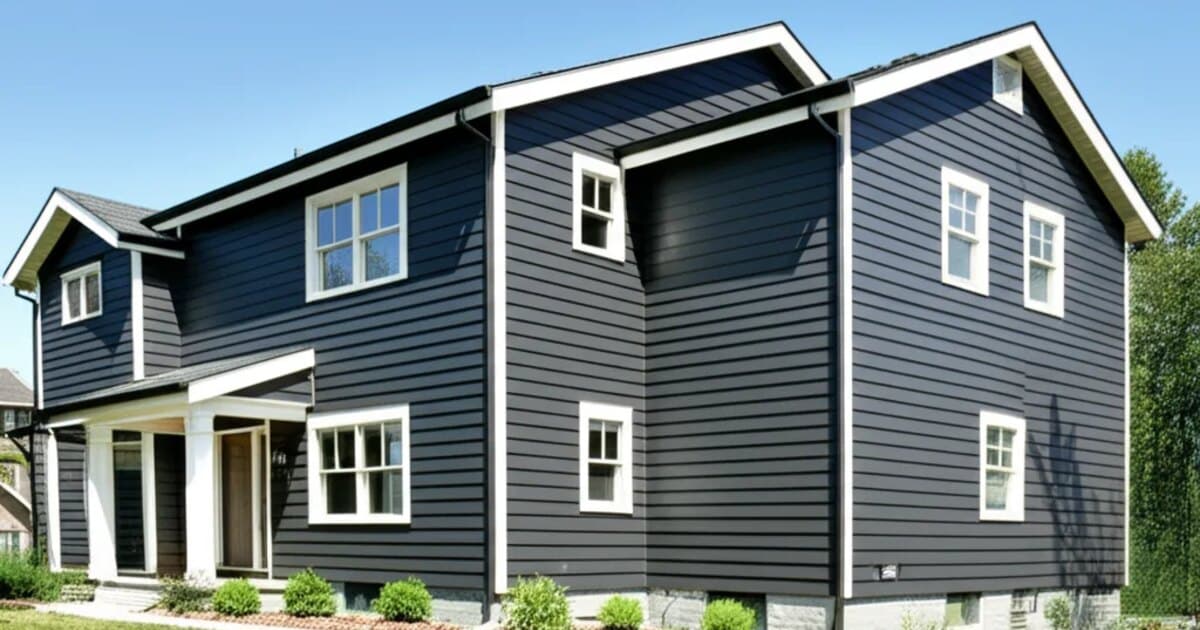
Siding Installation Design Ideas for Garden City
Get inspired with siding installation design ideas tailored to Garden City homes, from trending styles to practical layout considerations.
Quick answer
Garden City's siding market is the most distinctive in the Treasure Valley, and the distinction comes from the convergence of environmental factors — river moisture, biological growth, cottonwood season — and design factors — creative community culture, eclectic building stock, high aesthetic expectations — that exist nowhere else in Idaho.
Garden City, ID · Siding Installation
Planning siding installation in Garden City?
Read the full guide below — or get your project priced now. Free, no-obligation estimates from an Idaho registered local team, backed by a 1-year workmanship warranty.
- Licensed Idaho RCE-6681702
- 1-Year Workmanship Warranty
- $2M Liability Coverage
- Free, No-Obligation Estimates


Garden City's siding market is the most distinctive in the Treasure Valley, and the distinction comes from the convergence of environmental factors — river moisture, biological growth, cottonwood season — and design factors — creative community culture, eclectic building stock, high aesthetic expectations — that exist nowhere else in Idaho. The river moisture microclimate is a genuine and consequential differentiator. No other Treasure Valley community has a comparable concentration of residential properties within direct influence of the Boise River's ambient moisture. The siding specifications that are adequate on a Kuna wind-plain or a Star suburban lot are genuinely insufficient for a Garden City greenbelt property, and the difference shows up as biological growth and moisture-related paint failure accumulating on organic siding substrates that fiber cement would have handled without issue. The design sophistication of Garden City's ownership community is equally distinctive. The Live-Work-Create District is the most concentrated creative community in Idaho, and the adjacent residential neighborhoods share its design-forward culture. Working in Garden City requires a contractor who can engage productively with homeowners who have strong aesthetic vision, who understand design vocabulary, and who expect their contractor to bring both technical knowledge and genuine design literacy to the conversation. Garden City is not where contractors should deploy a standard playbook — it is where genuine craft and design partnership create the best work.
Live-Work-Create District
Garden City's Live-Work-Create (LWC) District is the most distinctive built environment in Idaho — a planned creative district that converted the former light-industrial strip along the north side of the Boise River into a mixed-use corridor of studios, galleries, breweries, restaurants, and residential lofts. The structures in this district range from original mid-20th-century industrial buildings to purpose-built LWC developments from the 2000s and 2010s, and the exterior siding decisions on these properties reflect the industrial-creative aesthetic that defines the district's identity. Siding on LWC District properties operates in a commercial-residential hybrid context that residential-only siding contractors are not well-positioned to navigate. Building permit requirements, fire-separation wall specifications, and the non-standard construction details of converted industrial structures require a contractor with both residential and commercial installation experience. Iron Crest approaches LWC District projects with the full range of material options — fiber cement panels in multiple profiles, metal cladding accents, textured block-stucco systems — that serve the district's aesthetic while maintaining building code compliance and moisture management integrity. The LWC District's position immediately along the Boise River creates the most intense river-moisture exposure of any Garden City neighborhood. Structures on the river's edge may experience spray during high-water events, and the ambient humidity adjacent to the waterway is measurably higher than even two blocks away. Every siding installation in the LWC District's riverside structures should be specified to commercial-standard moisture management details, including drainage-plane air gaps behind cladding on the most exposed elevations.
Greenbelt Corridor
The Greenbelt Corridor neighborhood encompasses the residential properties on both sides of the Boise River Greenbelt path between Eagle Road and the Glenwood Bridge — Garden City's most desirable residential address given the direct greenbelt access, mature tree canopy, and riverside character that define the area. The homes here range from 1940s and 1950s river cottages to post-1990 infill on available greenbelt-adjacent lots, and they attract an ownership demographic that values the outdoor lifestyle and natural character of the river environment highly. Siding on Greenbelt Corridor properties faces the most demanding moisture and biological growth environment in Garden City. The combination of direct greenbelt adjacency, mature cottonwood and willow canopy, and the Boise River's ambient humidity creates conditions that are essentially unique in Idaho's residential market. Fiber cement with smooth profiles is essentially the only rational siding specification for primary wall surfaces in this location — everything else requires maintenance cycles that are impractical given the biological growth and moisture pressure the site imposes. Aesthetic character in the Greenbelt Corridor runs toward the natural and understated — the neighborhood's identity is rooted in its riverside character, and siding that competes with the natural setting rather than complementing it reads as out of place. Muted palettes in sage, soft blue-gray, natural tan, and warm white read authentically here and complement the greenbelt setting in a way that the bold dark palettes popular in Star and Eagle's custom developments would not. Iron Crest brings color consultation experience specific to the Greenbelt Corridor's light environment — river-reflected light and tree-canopy dappled shade create a light quality different from open suburban settings, and color evaluation should account for this.
Garden City Core
Garden City Core encompasses the residential blocks away from the immediate river and greenbelt frontage — primarily the streets north of the river corridor proper, between the LWC District and the city's boundary with Boise and unincorporated Ada County. The housing here is more varied than the Greenbelt Corridor: mid-century ranches, 1970s and 1980s modest residential, and newer infill development coexist in a neighborhood that retains Garden City's eclectic character while experiencing less direct river moisture influence than the greenbelt-adjacent properties. Siding in the Garden City Core is more similar to Boise's Bench-area siding market than to the river-adjacent neighborhoods — aging mid-century housing stock with accumulated maintenance needs, a mix of original wood siding and earlier vinyl re-sides, and a replacement market driven more by material condition than by the specific riverside moisture environment. The design aspirations of Garden City Core homeowners are, however, consistently higher than comparable Boise Bench homeowners — this is a creative community, and exterior aesthetics matter more here than in neighborhoods with less design-oriented ownership demographics. The compact lot sizes that characterize most of Garden City Core's residential properties create installation access challenges — side-yard clearances of 3 to 5 feet between homes are common, and scaffolding installation for second-story elevations may require special planning on tight lots. We address access challenges in the pre-project site assessment and include any access-related costs in the base project proposal rather than discovering them as installation complications.

The design phase is where your siding installation goes from a general idea to a specific plan. Good design balances aesthetics, functionality, budget, and the unique characteristics of your home and neighborhood in Garden City. Here are the most popular design approaches and trends we see in Garden City and the surrounding Treasure Valley.
Garden City homeowners tend to favor designs that blend modern functionality with the regional character of Idaho homes. Here are the most requested design elements:
These design factors are specific to siding installation projects and affect both the look and function of the finished space:
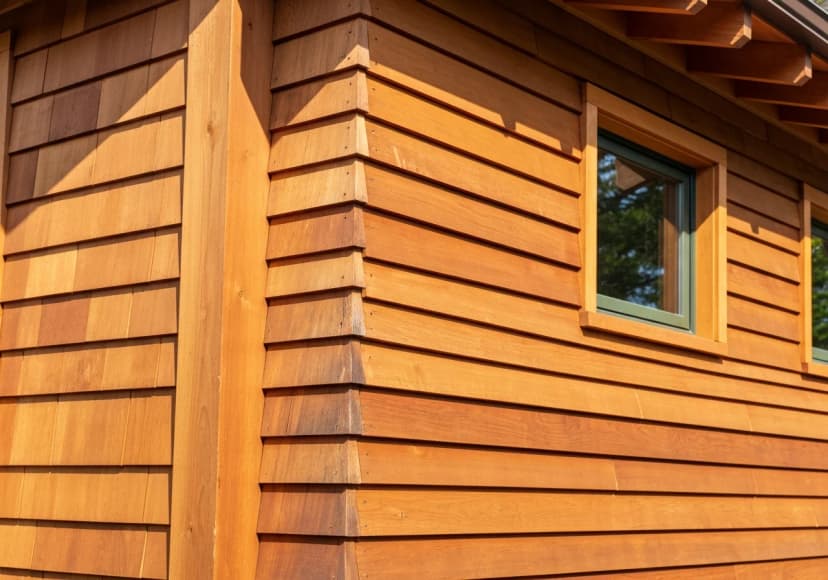
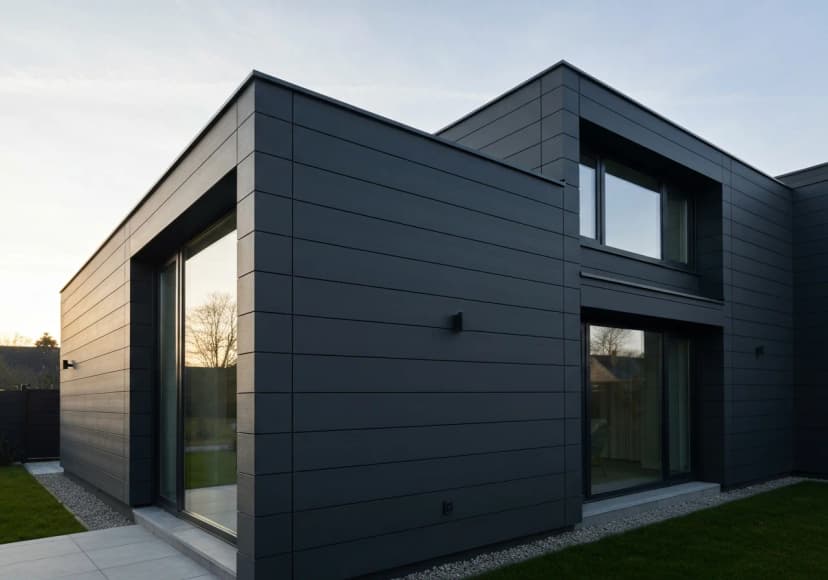
Siding profile selection — lap (horizontal), board-and-batten (vertical), shake (shingle-style), and panel each create a different architectural character
Mixed materials — combining two siding profiles (e.g., lap siding on main walls with board-and-batten on gable accents) adds visual depth and architectural interest
Color coordination — choose siding color to complement your roof, stone or brick elements, and front door; test large samples on the house in natural light
Trim proportions — wider trim boards around windows and doors create a more substantial, custom look; standard narrow trim is more economical but less distinctive
Reveal and exposure — the amount of siding visible between horizontal rows (the reveal or exposure) affects shadow lines and overall appearance
Regional style — Boise neighborhoods range from modern farmhouse to craftsman to contemporary; your siding choice should complement your home's architecture and neighborhood context
The materials and finishes you choose bring your design to life. Here are the options most commonly selected for siding installation projects in Garden City:
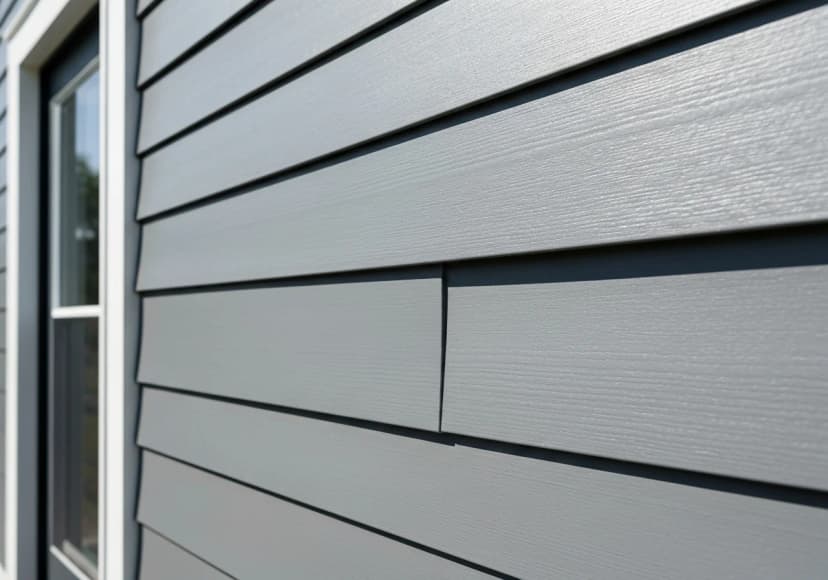
James Hardie HardiePlank Lap Siding
$10–$16 per sq ft installedHomeowners who want maximum durability, fire resistance, and long-term value
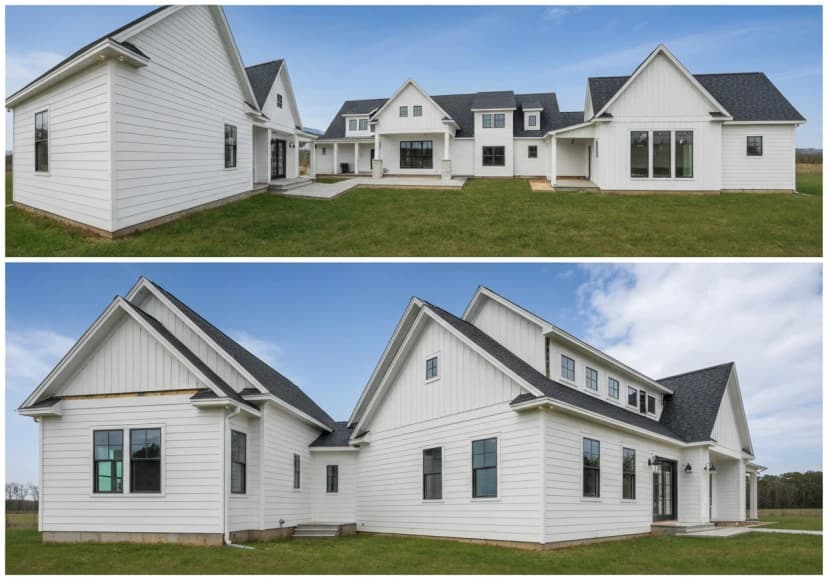
LP SmartSide Engineered Wood Siding
$8–$13 per sq ft installedHomeowners who want wood-grain appearance with engineered durability and lower cost than fiber cement
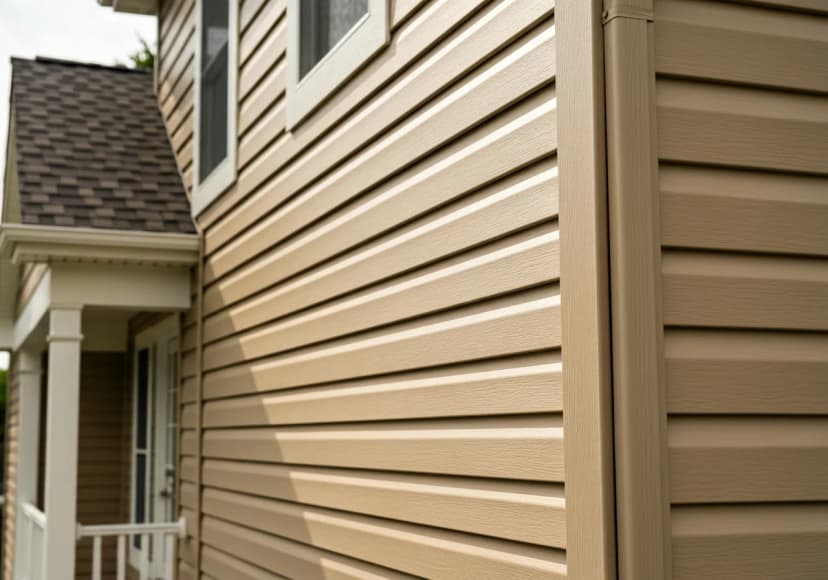
Vinyl Siding
$5–$10 per sq ft installedBudget-conscious projects, rental properties, and homeowners who want zero exterior painting maintenance
Weather-Resistive Barrier (House Wrap)
$0.50–$1.50 per sq ft installedRequired component beneath all siding installations for moisture and air management
PVC or Fiber Cement Trim
$4–$10 per linear foot installedAll exterior trim applications — especially in areas prone to moisture exposure
Learning from others' mistakes saves time and money. Here are the most common siding installation design pitfalls we see in Garden City:
Moisture intrusion behind siding causing rot and mold
We remove old siding, repair damaged sheathing and framing, install a proper weather-resistive barrier with correct lapping and sealing, and flash all openings to create a watertight exterior shell.
Fading, warping, or cracking in old vinyl or wood siding
We replace failed siding with modern materials rated for Idaho's UV and temperature extremes. Fiber cement and engineered wood hold their color and shape far longer than older vinyl or untreated wood.
Gaps and failed caulking allowing air and water infiltration
We install siding with manufacturer-specified gapping, use backer rod and premium caulk at all joints and penetrations, and ensure every seam and transition is properly sealed.
Woodpecker damage or pest intrusion in wood or foam-backed siding
We replace damaged sections and install fiber cement or other pest-resistant materials. James Hardie siding is immune to woodpecker damage, termites, and rot.
No weather barrier or inadequate flashing under existing siding
Many older Treasure Valley homes have siding installed directly over sheathing without house wrap or proper flashing. Our complete re-side includes a full weather barrier and flashing system as a standard component.
For siding installation projects in Garden City, you have two main approaches to the design process: hiring a separate interior designer then a contractor, or working with a design-build firm that handles both under one roof.
Design-build (our approach)
- ✓ Single point of contact
- ✓ Design informed by real construction costs
- ✓ Faster project delivery
- ✓ Budget aligned from day one
Separate designer + contractor
- ● More specialized design expertise
- ● Independent design perspective
- ● Requires coordination between parties
- ● Can result in budget surprises
Local factors — Garden City's housing stock and typical construction eras, the climate conditions that drive material and scheduling choices, and permitting through City of Garden City Building Department — are covered in full on our Garden City page for this service, alongside 5 common project types.
Siding Installation in Garden City: housing stock, climate & permits →Does siding replacement require a permit?
In most Treasure Valley jurisdictions, full siding replacement requires a building permit — especially if the project involves sheathing repair or weather barrier installation. We handle all permit applications and inspections.
Does new siding improve energy efficiency?
Yes. Removing old siding and installing a proper weather barrier and new siding reduces air infiltration. Adding rigid foam insulation behind the siding further improves R-value and energy efficiency — especially valuable in Boise's hot summers and cold winters.
Planning siding installation in Garden City?
Get expert guidance and a free estimate for your siding installation project in Garden City, ID.
Get Your Free Estimate