
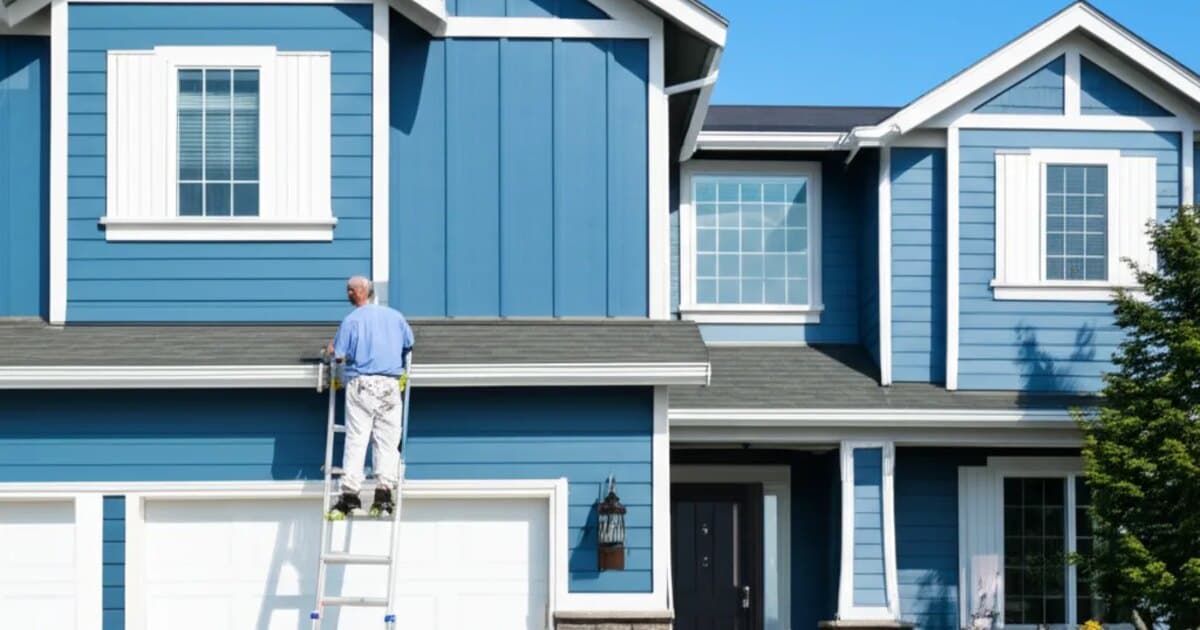
How Long Does Exterior Painting Take in Eagle?
Understand the typical timeline for exterior painting in Eagle, from prep to final inspection.
Quick answer
A properly prepped and painted exterior using premium products should last 8-12 years in the Boise area. South- and west-facing walls may show wear sooner due to intense UV exposure. Quality surface preparation is the single biggest factor in paint longevity.
Eagle, ID · Exterior Painting
Planning exterior painting in Eagle?
Read the full guide below — or get your project priced now. Free, no-obligation estimates from an Idaho registered local team, backed by a 1-year workmanship warranty.
- Licensed Idaho RCE-6681702
- 1-Year Workmanship Warranty
- $2M Liability Coverage
- Free, No-Obligation Estimates


How long each type of exterior painting project actually takes in Eagle, from our completed work:
| Project | On-site duration |
|---|---|
| Full Exterior Color Transformation | 1–2 weeks |
| Stucco Repair and Repaint | 2–3 weeks |
| Exterior Trim and Accent Update | 3–5 days |
| Deck, Fence, and Exterior Wood Refinishing | 1–2 weeks |
| Pre-Sale Exterior Paint and Curb Appeal Package | 5–10 days |
Scope detail and pricing for each of these is on the Eagle exterior painting cost guide.
Understanding the timeline for exterior painting in Eagle helps you plan around daily life disruptions, coordinate schedules, and set realistic expectations for when the project will be complete. Every project is different, but most exterior painting projects in Eagle follow a predictable sequence of phases.
Assessment and Estimate
1–3 daysFull exterior inspection, surface condition documentation, color consultation, and detailed written estimate.
Color Selection and Scheduling
1–2 weeksFinal color selections, large-area test samples on the home, and project scheduling. Exterior painting in Boise is best scheduled between April and October for optimal conditions.
Power Washing and Prep
1–3 daysPower washing, scraping, sanding, caulking, and priming. Extensive prep on older homes with significant paint failure may take longer.
Priming and Painting
3–7 daysPrimer application on bare surfaces, followed by two coats of exterior paint on all siding, trim, fascia, and detail elements. Weather-dependent scheduling may affect timing.
Detail Work and Touch-Ups
1–2 daysWindow trim, door frames, shutters, and decorative elements receive final detail painting. All edges and transitions are inspected and corrected.
Final Inspection and Cleanup
1 dayRemove all masking, clean overspray, clear landscaping protection, and conduct a walk-around inspection with the homeowner.
Here is the full step-by-step process for a exterior painting in Eagle, including what happens at each stage:
Step 1: Exterior Assessment and Estimate
We inspect all exterior surfaces — siding, trim, fascia, soffits, windows, doors, and any wood elements. We identify areas of peeling, cracking, rot, caulk failure, and substrate damage. You receive a detailed written estimate with specific prep and painting scope.
Step 2: Color Selection and Product Planning
We help you select exterior colors that complement your roof, stone, landscaping, and neighborhood aesthetic. We recommend specific paint products rated for Idaho's climate and apply large test samples on the home so you can evaluate colors in natural light.
Step 3: Power Washing and Surface Preparation
All exterior surfaces are power washed to remove dirt, mildew, chalking paint, and debris. Loose and peeling paint is scraped and sanded. Gaps, cracks, and joints are caulked. Bare wood and stained areas are spot-primed. This phase takes as long or longer than the actual painting.
Step 4: Masking and Protection
Windows, doors, light fixtures, house numbers, downspouts, and landscaping are carefully masked and protected. Drop cloths cover walkways, driveways, and plantings near the work area.
Step 5: Priming and Painting
Bare wood and repaired areas receive primer. Two coats of premium exterior paint are applied — by brush, roller, and airless sprayer as appropriate for each surface. Siding, trim, and detail elements are each painted with the proper technique and sheen.
Step 6: Detail Work and Touch-Ups
Window frames, door frames, shutters, and decorative elements receive careful detail painting. All edges, corners, and transitions are inspected and touched up for clean, consistent results.
Step 7: Final Inspection and Cleanup
All masking is removed, overspray is cleaned, landscaping protection is cleared, and we conduct a walk-around inspection with you to verify coverage, color accuracy, and finish quality on every surface.
Several factors specific to Eagle and the Treasure Valley can affect your exterior painting timeline:
Material lead times
Custom materials, specialty items, and premium products can have lead times of 4-14 weeks. We order materials as early as possible in the design phase to minimize schedule impact.
Permit processing
City of Eagle Building Department typically processes residential permits in 1-3 weeks. More complex projects with structural changes may take longer. We submit permits immediately after design approval.
Seasonal factors
Eagle shares the Treasure Valley's semi-arid climate. Foothills properties may experience slightly colder winter temperatures and more wind exposure than valley-floor locations. Interior remodeling can happen year-round, but projects with exterior components are best scheduled during the building season (March through November).
Existing conditions
Eagle's housing stock is primarily post-1990 construction with a higher proportion of custom-built homes than other Treasure Valley cities. Larger lot sizes, custom floor plans, and premium original finishes are common. Older homes may reveal unexpected conditions during demolition — water damage, outdated wiring, or structural issues — that add time to the schedule. We build contingency into every project timeline.
Decision-making speed
One of the most common causes of project delays is slow decision-making during the design and material selection phase. Having a clear vision and making timely selections keeps the project on track.
- ✓Complete all material selections before demolition begins — this is the single most important thing you can do
- ✓Make decisions promptly when options or changes are presented during construction
- ✓Avoid making changes to the scope after construction has started — change orders add time and cost
- ✓Plan for materials with long lead times early in the design process
- ✓Work with a contractor who manages the schedule proactively and communicates regularly
Local factors — Eagle's housing stock and typical construction eras, the climate conditions that drive material and scheduling choices, and permitting through City of Eagle Building Department — are covered in full on our Eagle page for this service, alongside 5 common project types.
Exterior Painting in Eagle: housing stock, climate & permits →How long does exterior paint last in Boise?
A properly prepped and painted exterior using premium products should last 8-12 years in the Boise area. South- and west-facing walls may show wear sooner due to intense UV exposure. Quality surface preparation is the single biggest factor in paint longevity.
What is the best time of year to paint a house exterior in Idaho?
The ideal window for exterior painting in Boise is May through September, when temperatures are consistently above 50°F, humidity is low, and rain is infrequent. Early spring and late fall are possible but require careful weather monitoring.
Do Eagle HOAs impact remodeling?
Many Eagle neighborhoods have active HOAs with design guidelines for exterior changes. Interior remodeling is not affected, but exterior projects — additions, siding, paint colors, fencing — may require HOA architectural review before city permits are submitted.
Planning exterior painting in Eagle?
Get expert guidance and a free estimate for your exterior painting project in Eagle, ID.
Get Your Free Estimate