
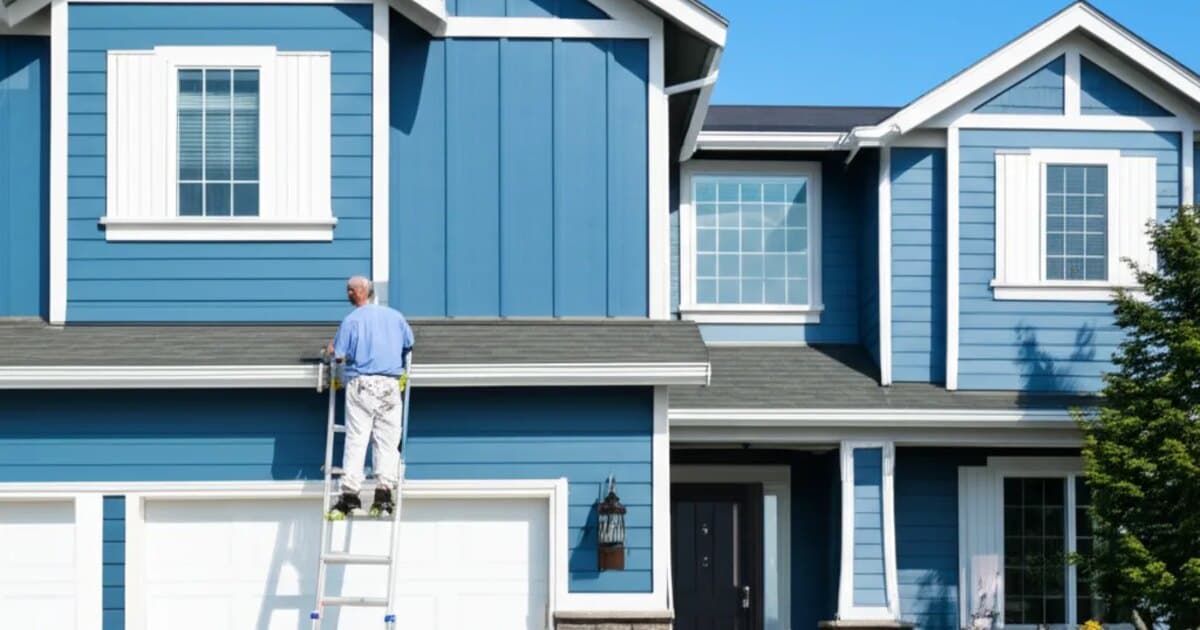
Exterior Painting Design Ideas for Eagle
Get inspired with exterior painting design ideas tailored to Eagle homes, from trending styles to practical layout considerations.
Quick answer
Eagle exterior painting stands apart from any other Treasure Valley community in the combination of environmental demands, architectural complexity, and premium aesthetic expectations that define every project. The environmental load is the same valley climate everyone here works in — 87 freeze-thaw cycles in an average year, a January low of 25.9°F against a July high of 93.5°F, 120 clear days and 90 partly cloudy ones — but Eagle's exposed, foothills-adjacent lots take more of it directly, with less canopy and more wind-carried grit than a sheltered infill street.
Eagle, ID · Exterior Painting
Planning exterior painting in Eagle?
Read the full guide below — or get your project priced now. Free, no-obligation estimates from an Idaho registered local team, backed by a 1-year workmanship warranty.
- Licensed Idaho RCE-6681702
- 1-Year Workmanship Warranty
- $2M Liability Coverage
- Free, No-Obligation Estimates


Eagle exterior painting stands apart from any other Treasure Valley community in the combination of environmental demands, architectural complexity, and premium aesthetic expectations that define every project. The environmental load is the same valley climate everyone here works in — 87 freeze-thaw cycles in an average year, a January low of 25.9°F against a July high of 93.5°F, 120 clear days and 90 partly cloudy ones — but Eagle's exposed, foothills-adjacent lots take more of it directly, with less canopy and more wind-carried grit than a sheltered infill street. We do not claim a measured difference against Boise or Meridian, because we have not measured one. What we do claim is that an unshaded elevation is a harder job than a shaded one, and Eagle has a lot of unshaded elevations. The architectural complexity of Eagle's custom homes creates painting scopes that are genuinely more demanding than standard residential work. Multiple gabled rooflines, custom window surrounds, decorative corbels and brackets, complex trim profiles, and two-story-plus heights require painters with both the technical capability and the equipment to execute detailed work at every elevation. This complexity is largely absent from the production-home developments that characterize much of the Treasure Valley's newer housing stock. Most distinctively, Eagle homeowners approach exterior paint with the same design seriousness they bring to interior renovation. They come to the color selection process with reference images, neighborhood context awareness, and genuine color discrimination. The conversation is about palette, proportion, and architectural character — not just "what neutral should I pick." This design engagement produces better outcomes when the contractor brings equivalent design literacy to the project.
Legacy (Eagle)
Legacy exterior painting runs through architectural review. Get your own association's current guidelines and submittal requirements in writing before you fall in love with a colour — the approved palette, the samples the board wants to see, and the review calendar are set by the HOA, not by us, and they change. We will prepare and submit the colour package, but we will not tell you in advance what the board will approve. That process adds planning time and it also does real work: it is why a Legacy street reads as coherent rather than as a sequence of individual decisions. A homeowner set on a dramatically modern charcoal may find the guidelines steering them somewhere more contextual, and that is the trade the community made when it adopted them. The stucco construction prevalent in Legacy needs the masonry preparation and crack-bridging topcoat described above, and the scale of these homes — complex multi-gabled rooflines, wraparound porches, extensive detailing around windows and entries — makes for a detailed, time-intensive scope. A thorough Legacy exterior project means careful masking and detailed brushwork around every window, shutter, and trim element. A comprehensive Legacy exterior repaint sits in the upper part of our published band, $16,000–$28,000 for most homes and higher where the elevations and detailing warrant it.
Banbury (Eagle)
Banbury's exterior painting context differs from Legacy primarily in architectural style, and in many parts of Banbury the colour choice is the homeowner's rather than a board's — check your own recorded covenants rather than assuming either way, because the answer varies by plat. Banbury homes span a range of architectural styles — traditional two-story, craftsman-influenced, ranch-expanded — and where no binding colour guideline applies there is greater latitude to pursue a more contemporary exterior scheme. The materials prevalent in Banbury exterior construction — a mix of wood lap siding, stucco, brick, and combination exteriors — create a more complex painting scope than uniform stucco. Wood lap siding requires thorough preparation (washing, scraping, sanding where needed, flexible primer) before topcoat to achieve a durable result. The combination of different cladding materials in a single Banbury home — perhaps stucco on the upper level, brick on the lower, and wood trim throughout — requires material-appropriate paint and primer selection throughout the project. Banbury's mature trees and landscaping create shade patterns on exteriors that affect both the painting project logistics (surfaces that are shaded by trees may hold moisture longer, affecting dry times and application scheduling) and the color selection (paint colors that look great in full sun may look dramatically different in the partial shade of a tree canopy). Color selections for Banbury homes should be evaluated in the specific lighting conditions of the home's orientation and landscape setting.
Downtown Eagle / Historic Core
The Historic Core's exterior painting context is shaped by the neighborhood's older, more architecturally varied housing stock and its proximity to Downtown Eagle's community-oriented character. Homes here range from modest ranch houses to craftsman bungalows to transitional contemporaries, and the appropriate exterior color approach varies significantly by architectural style. Craftsman bungalows in the Historic Core benefit enormously from historically-informed exterior color choices: warm earth tones on the body, contrasting trim in warm white or cream, accented porch columns and brackets in a third complementary tone, and a bold front door color that announces the home's character. This approach is authentically appropriate to craftsman architecture and dramatically improves curb appeal in a setting where architectural character is a primary market differentiator. Older ranch houses and split-level homes in the Historic Core benefit from exterior paint approaches that update the architecture's proportions: painting the foundation or base course in a darker tone to visually anchor the home, using horizontal trim emphasis to reinforce the ranch profile, and selecting body colors that read as fresh and current without trying to make a 1972 ranch house look like something it isn't. The Historic Core's walkability means exterior appearances are viewed not just from vehicles at distance but by pedestrians at close range — a detail standard that requires quality brushwork on trim and careful attention to surface preparation. Budget range for Historic Core exterior projects runs $8,500–$20,000 reflecting the smaller home sizes but maintaining quality standards.

The design phase is where your exterior painting goes from a general idea to a specific plan. Good design balances aesthetics, functionality, budget, and the unique characteristics of your home and neighborhood in Eagle. Here are the most popular design approaches and trends we see in Eagle and the surrounding Treasure Valley.
Eagle homeowners tend to favor designs that blend modern functionality with the regional character of Idaho homes. Here are the most requested design elements:
These design factors are specific to exterior painting projects and affect both the look and function of the finished space:
Color scheme coordination — choose siding, trim, and accent colors that complement your roof color, stone or brick elements, and the neighborhood aesthetic
Sun exposure impact — south- and west-facing walls receive the most UV and heat; choose fade-resistant colors and expect these surfaces to weather faster
Sheen selection — flat or matte for siding to hide imperfections, satin or semi-gloss for trim and doors for durability and visual contrast
Historical or HOA guidelines — some Boise neighborhoods and HOAs have exterior color restrictions; verify compliance before committing to colors
Front door as focal point — a bold, contrasting front door color adds character and curb appeal without the commitment of painting the entire house a dramatic color
Seasonal timing — exterior painting in Boise is best done between mid-April and mid-October when temperatures stay above 50°F and humidity is low
The materials and finishes you choose bring your design to life. Here are the options most commonly selected for exterior painting projects in Eagle:
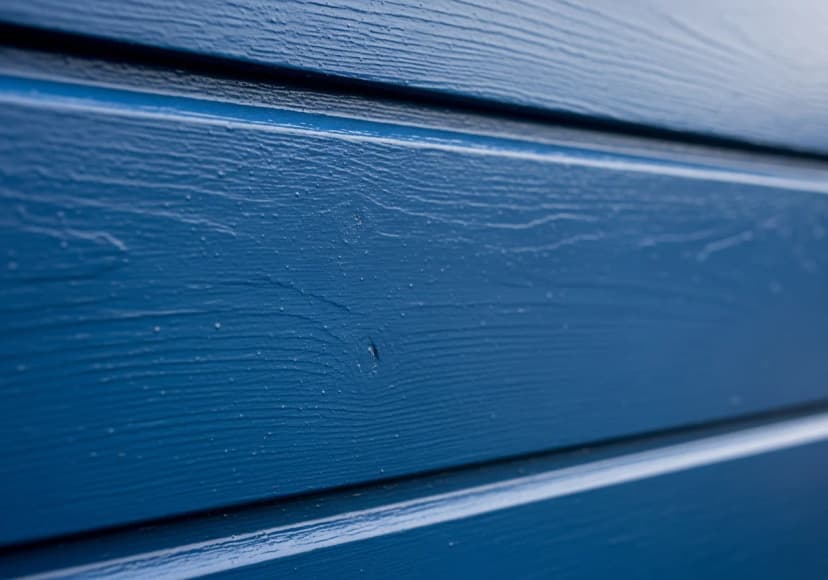
Sherwin-Williams Duration Exterior
$65–$85 per gallonSiding and large exterior surfaces that need maximum weather resistance
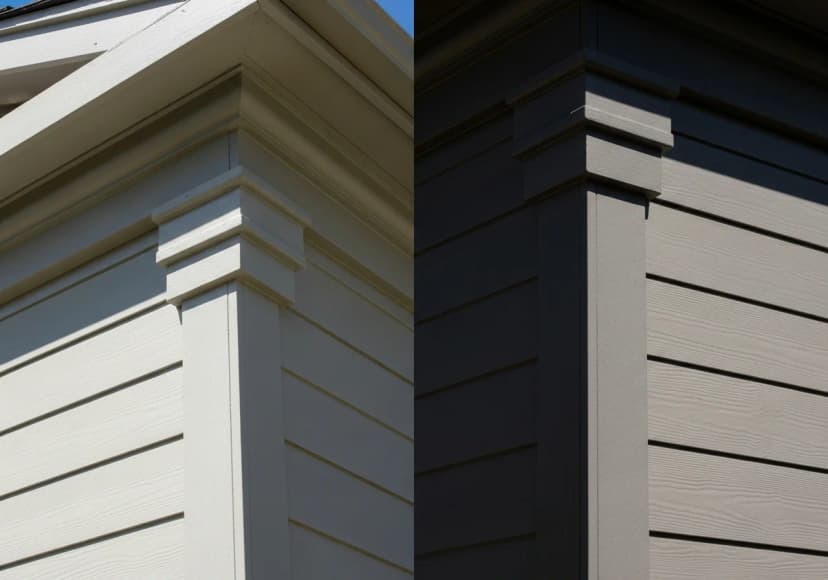
Benjamin Moore Aura Exterior
$70–$90 per gallonSouth- and west-facing walls that receive intense Boise sun exposure
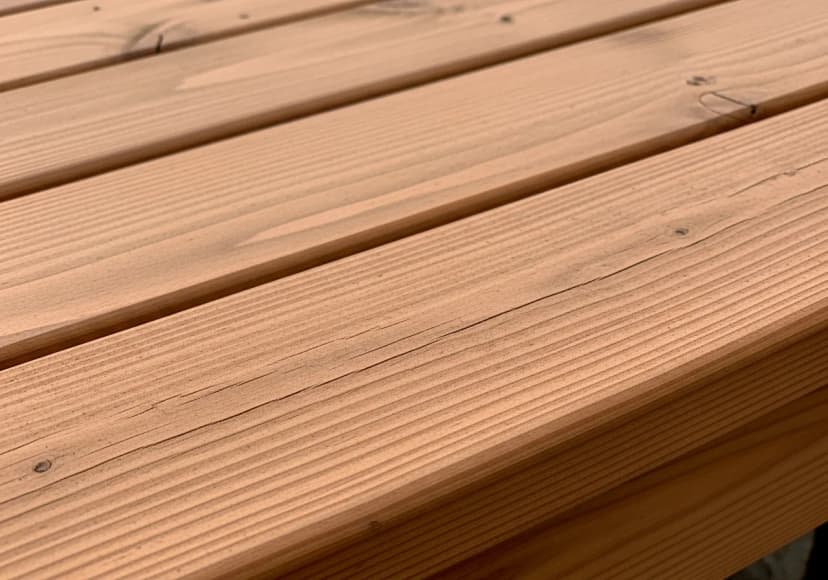
Sherwin-Williams SuperDeck Stain
$45–$65 per gallonWood decks, fences, pergolas, and horizontal wood surfaces
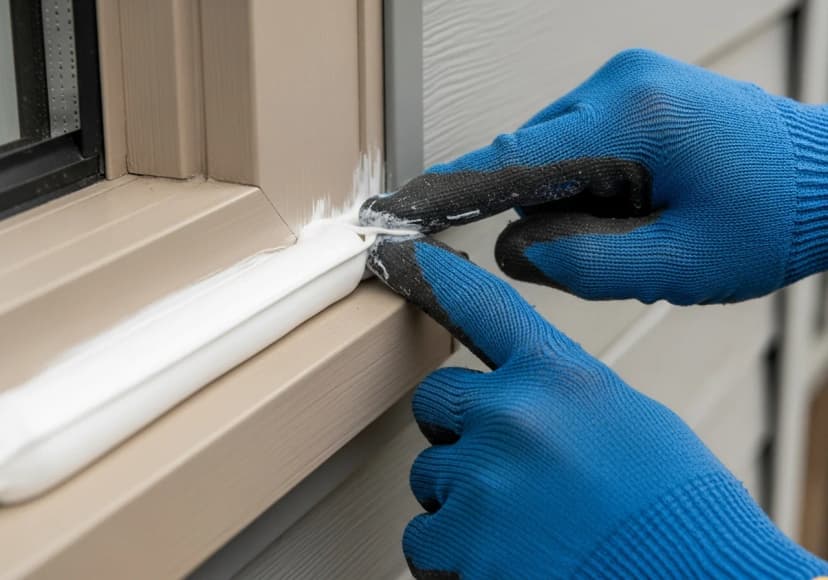
Exterior Caulk — DAP Dynaflex Ultra or OSI Quad
$6–$12 per tubeTrim joints, window frames, siding gaps, and penetration sealing
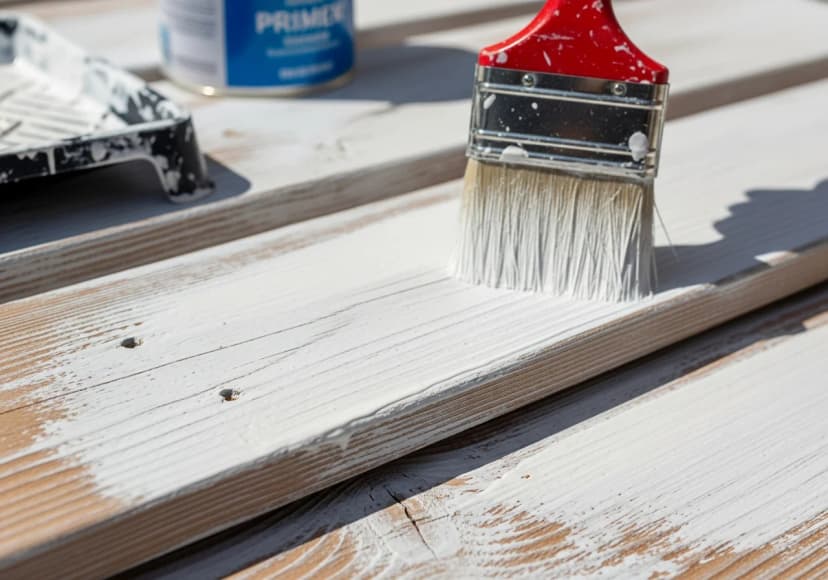
Exterior Primer — Zinsser Cover Stain or Kilz Original
$30–$50 per gallonBare wood, cedar trim, stain-blocking, and tannin-prone surfaces
Learning from others' mistakes saves time and money. Here are the most common exterior painting design pitfalls we see in Eagle:
Peeling and flaking paint caused by poor surface preparation
We scrape all loose paint to a firm edge, sand transitions smooth, apply bonding primer, and build up new paint film from a solid substrate — ensuring long-term adhesion.
Fading and chalking from Idaho's intense UV exposure
We use premium exterior paints with UV-resistant pigments and fade-resistant technology specifically rated for high-altitude, high-UV environments like the Treasure Valley.
Caulk failure around windows, doors, and trim joints
We remove failed caulk, clean the joints, and apply premium flexible exterior caulk that can handle Idaho's temperature range from -10°F to 110°F without cracking or separating.
Mildew and algae growth on north-facing or shaded surfaces
Power washing removes existing mildew, and premium exterior paints with built-in mildewcide prevent regrowth. Proper surface preparation ensures the mildew-resistant coating adheres properly.
Wood rot at trim, fascia, and window sills
We identify and repair or replace rotted wood before painting. Minor rot can be treated with wood hardener and filled with exterior wood filler; significant rot requires board replacement.
For exterior painting projects in Eagle, you have two main approaches to the design process: hiring a separate interior designer then a contractor, or working with a design-build firm that handles both under one roof.
Design-build (our approach)
- ✓ Single point of contact
- ✓ Design informed by real construction costs
- ✓ Faster project delivery
- ✓ Budget aligned from day one
Separate designer + contractor
- ● More specialized design expertise
- ● Independent design perspective
- ● Requires coordination between parties
- ● Can result in budget surprises
Local factors — Eagle's housing stock and typical construction eras, the climate conditions that drive material and scheduling choices, and permitting through City of Eagle Building Department — are covered in full on our Eagle page for this service, alongside 5 common project types.
Exterior Painting in Eagle: housing stock, climate & permits →Can you paint fiber cement (HardiePlank) siding?
Yes. Fiber cement siding accepts paint very well and is one of the best substrates for exterior painting. We use 100% acrylic exterior paint that bonds to the cementitious surface and provides long-lasting color and protection.
Do you repair wood rot before painting?
Yes. We identify all rot during the prep phase and repair or replace damaged wood before any paint is applied. Painting over rot without repair leads to continued deterioration and premature paint failure.
Planning exterior painting in Eagle?
Get expert guidance and a free estimate for your exterior painting project in Eagle, ID.
Get Your Free Estimate