
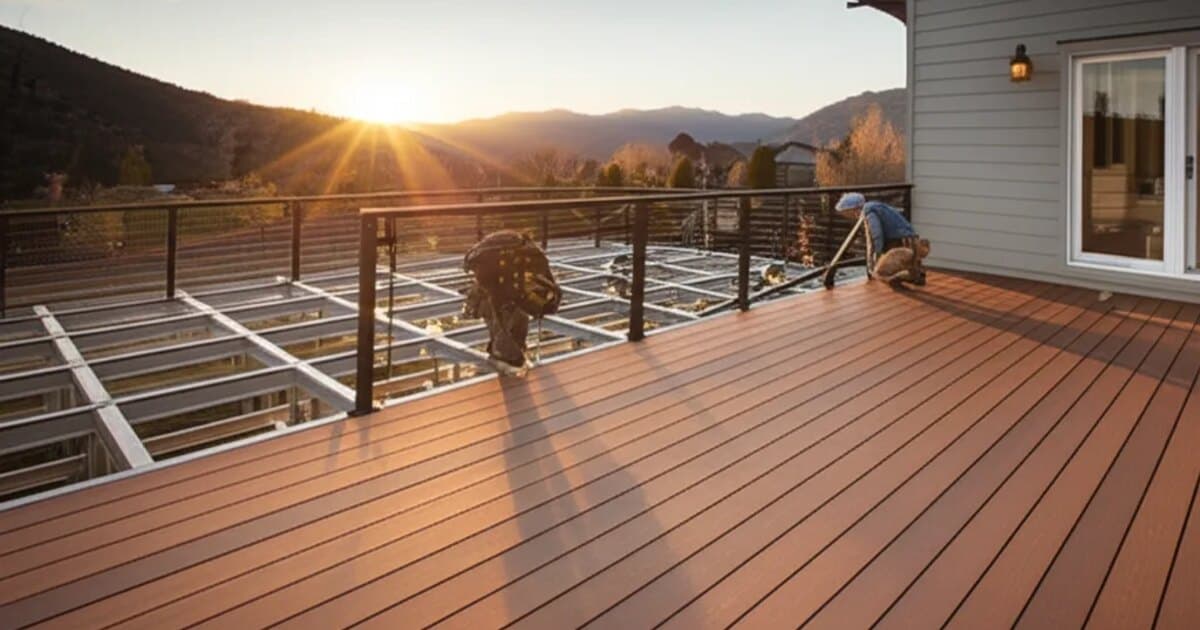
Deck Builder Design Ideas for Star
Get inspired with deck building design ideas tailored to Star homes, from trending styles to practical layout considerations.
Quick answer
Deck projects in Star are different from those in other Treasure Valley communities primarily because of the lot sizes and the seriousness with which Star homeowners pursue outdoor living. In Meridian's newer subdivisions, a small attached deck serves the available yard space adequately.
Star, ID · Deck Builder
Planning deck building in Star?
Read the full guide below — or get your project priced now. Free, no-obligation estimates from an Idaho registered local team, backed by a 1-year workmanship warranty.
- Licensed Idaho RCE-6681702
- 1-Year Workmanship Warranty
- $2M Liability Coverage
- Free, No-Obligation Estimates


Deck projects in Star are different from those in other Treasure Valley communities primarily because of the lot sizes and the seriousness with which Star homeowners pursue outdoor living. In Meridian's newer subdivisions, a small attached deck serves the available yard space adequately. In Star, the yard is the point — the lot is larger, the outdoor living ambition is higher, and the deck project is proportionally more ambitious. Star's open terrain also leaves a deck with no natural shade of any kind, which makes material selection and structure design for sun management non-negotiable rather than optional. A deck that works adequately in Boise's tree-shaded North End neighborhoods will bake in Star's direct sun without proper cover design. The community culture in Star also drives outdoor living investment in a way that is specific to this community. Star has a strong neighborhood social culture — block parties, outdoor gatherings, kids in the yard — that makes outdoor living spaces genuinely used rather than aspirationally installed. Star homeowners are not building outdoor kitchens to impress visitors; they are building them to cook dinner outside three nights a week from April through October. That genuine use case drives investment decisions and determines what scope elements actually matter.
The Lakes at Pristine Springs
The Lakes HOA has an active architectural review process that governs all exterior additions including decks, pergolas, covered structures, and outdoor kitchens. The submittal requirements include scaled drawings of the proposed structure, material specifications, and color samples. The review window is set by the committee and we confirm it before committing to a start date. Iron Crest Remodel prepares all HOA submittal packages as part of our project planning service — homeowners do not need to navigate this process independently. The HOA guidelines in The Lakes are generally supportive of quality outdoor living improvements; the review exists to ensure aesthetic consistency within the community rather than to prevent homeowners from investing in their properties. Common approved materials include composite decking, aluminum rail, and architectural-grade pergola systems.
Countryside Estates and Adjacent Developments
The newer subdivisions in western Star often have slightly larger lots and more generous rear yard setbacks, which creates more opportunity for ambitious multi-level deck designs and larger outdoor kitchen footprints. Homeowners in these communities are earlier in their outdoor living investment cycle — many are just completing their initial outdoor projects — and the designs tend to be comprehensive from the start rather than evolutionary. HOA requirements vary by specific subdivision; some newer communities have less prescriptive guidelines than The Lakes. Iron Crest Remodel verifies HOA requirements for every project before design begins.
Downtown Star
Older properties in downtown Star's original residential areas often have more generous setbacks and fewer HOA restrictions than the master-planned subdivisions, which allows for more flexibility in deck design and placement. Homes on the larger lots near the Star Road corridor often have room for detached deck structures, standalone pergolas, or even ADU-adjacent outdoor living spaces that would not be feasible on a standard subdivision lot. Most deck construction in Star requires a City of Star building permit regardless of neighborhood (as a sourced example, the 2018 IRC adopted in Idaho (R105.2) exempts only a freestanding deck of 200 square feet or less that is no more than 30 inches above grade and not attached to the house; a city may set a lower threshold than that baseline, which is why we confirm it rather than quote it), and setback requirements, which vary by parcel and zoning district, must be respected.

The design phase is where your deck building goes from a general idea to a specific plan. Good design balances aesthetics, functionality, budget, and the unique characteristics of your home and neighborhood in Star. Here are the most popular design approaches and trends we see in Star and the surrounding Treasure Valley.
Star homeowners tend to favor designs that blend modern functionality with the regional character of Idaho homes. Here are the most requested design elements:
These design factors are specific to deck building projects and affect both the look and function of the finished space:
Deck orientation — consider sun exposure patterns; west-facing decks get intense afternoon sun in Boise summers, while east-facing decks offer shaded evening outdoor dining
Access and flow — plan deck access from interior rooms (kitchen, living room, or primary bedroom) for natural indoor-outdoor flow
Board direction and pattern — deck boards can run parallel to the house, perpendicular, or in diagonal or herringbone patterns to create visual interest
Privacy screening — consider the sightlines from neighboring properties and plan privacy screens, lattice panels, or plantings as needed
Lighting plan — integrated LED deck lighting in posts, stair risers, and railings extends usability into the evening and adds safety
Shade strategy — pergolas, sail shades, or covered roof extensions provide relief from Boise's summer sun while maintaining an open feel
The materials and finishes you choose bring your design to life. Here are the options most commonly selected for deck building projects in Star:
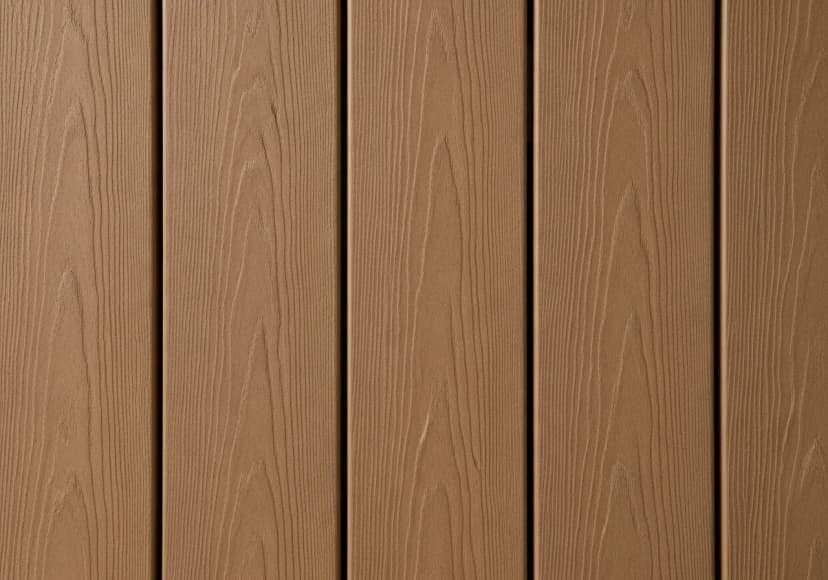
Trex Composite Decking
$8–$16 per sq ft (material only)Homeowners who want a low-maintenance, long-lasting deck surface with consistent color
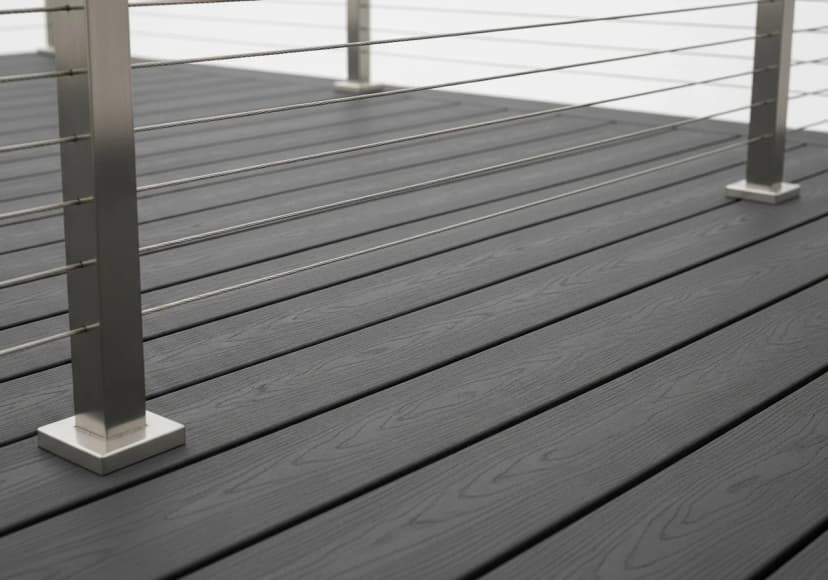
TimberTech / AZEK Composite Decking
$10–$22 per sq ft (material only)Premium projects where appearance, longevity, and warranty are top priorities
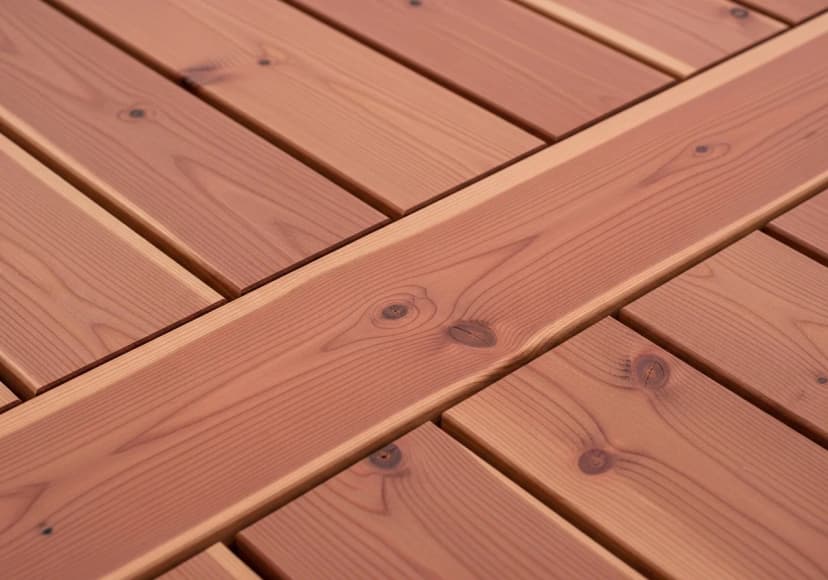
Cedar Decking
$6–$12 per sq ft (material only)Homeowners who prefer natural wood appearance and are willing to maintain it
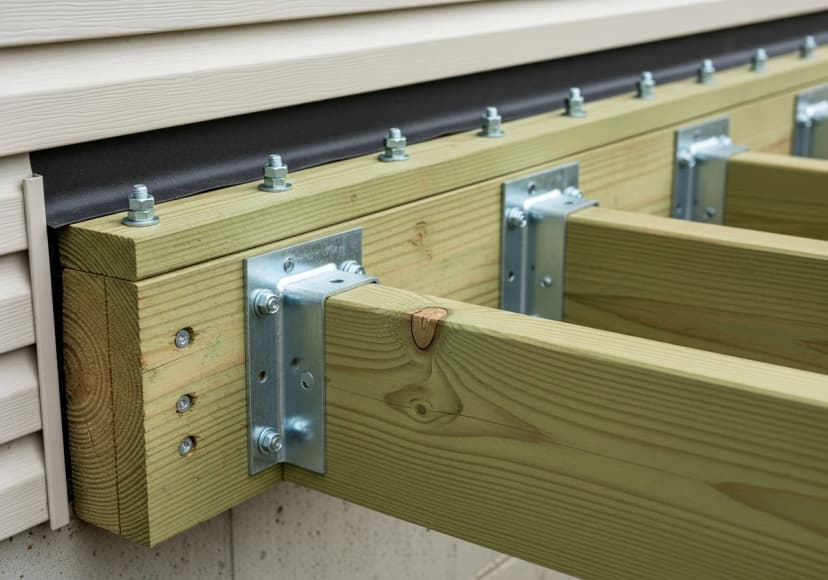
Pressure-Treated Lumber (Framing and Economy Decking)
$3–$6 per sq ft (material only)Deck framing, budget-conscious projects, and utility decks
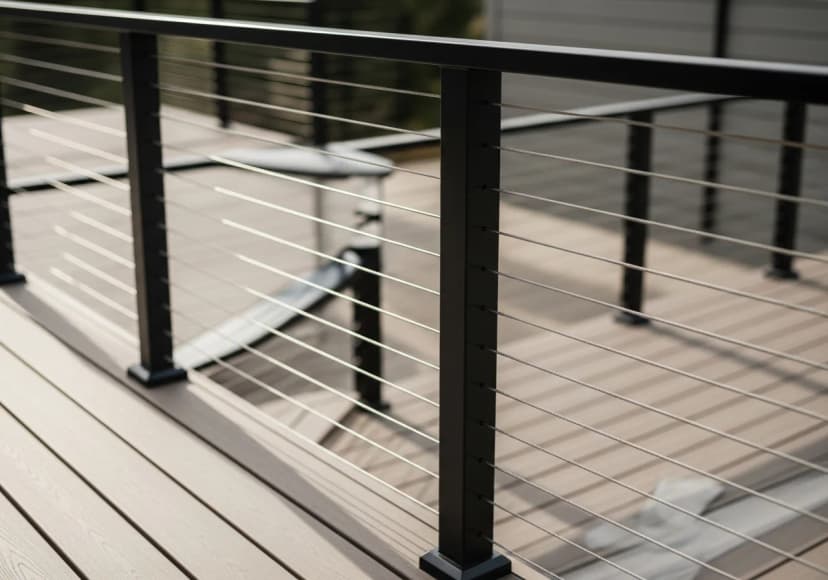
Aluminum or Composite Railing Systems
$30–$80 per linear foot installedAll deck railing applications — especially with composite decking for a unified low-maintenance design
Learning from others' mistakes saves time and money. Here are the most common deck building design pitfalls we see in Star:
Existing deck is structurally unsafe with deteriorated framing
We perform a structural assessment, remove the unsafe deck, inspect the ledger connection and house framing, and build a new code-compliant deck from the footings up.
Deck boards are warped, splintered, or graying from weather exposure
For decks with sound framing, we can replace the decking surface and railing with composite materials that resist weathering, fading, and splintering — providing decades of low-maintenance use.
Inadequate footings that shift or settle over time
We excavate new footings below the frost line (24 inches in Boise), pour concrete to proper specifications, and install code-compliant post brackets to prevent settling and movement.
Water intrusion at the ledger board connection
Improper ledger flashing is the leading cause of water damage where decks attach to homes. We install code-required flashing and use approved fastener patterns to create a waterproof connection.
Deck does not meet current building code requirements
We bring the deck up to current code standards including railing height, baluster spacing, stair rise and run, structural connections, and footing depth — often required when replacing or significantly modifying an existing deck.
For deck building projects in Star, you have two main approaches to the design process: hiring a separate interior designer then a contractor, or working with a design-build firm that handles both under one roof.
Design-build (our approach)
- ✓ Single point of contact
- ✓ Design informed by real construction costs
- ✓ Faster project delivery
- ✓ Budget aligned from day one
Separate designer + contractor
- ● More specialized design expertise
- ● Independent design perspective
- ● Requires coordination between parties
- ● Can result in budget surprises
Local factors — Star's housing stock and typical construction eras, the climate conditions that drive material and scheduling choices, and permitting through City of Star Building Department — are covered in full on our Star page for this service, alongside 5 common project types.
Deck Builder in Star: housing stock, climate & permits →Do I need a permit to build a deck in Boise?
Yes. Most deck construction in Ada County and Canyon County requires a building permit with structural plans. The permit ensures footings, framing, railings, and stairs meet current building code requirements for safety and structural integrity.
Can you add a pergola or cover to my deck?
Yes. We design and build pergolas, shade structures, and covered deck extensions. These features are especially popular in Boise for protection from the intense summer sun and can extend your outdoor living season by weeks in spring and fall.
Planning deck building in Star?
Get expert guidance and a free estimate for your deck builder project in Star, ID.
Get Your Free Estimate